
2027 How to Become an Electrician in Missouri

Co-Founder and Chief Data Scientist
Many people interested in becoming electricians in Missouri might think the process is straightforward. However, navigating the state’s apprenticeship programs, training requirements, and licensing procedures is often more complex than expected. Employment for electricians in Missouri is projected to grow by 8% between 2022 and 2032, indicating a positive job outlook. Despite this, aspiring professionals often face uncertainty about the necessary steps to enter the field.
This article, prepared by career planning experts, will provide a comprehensive overview of the key steps to becoming an electrician in Missouri. It will cover educational prerequisites, apprenticeship opportunities, and licensing procedures to help you gain the knowledge and confidence needed to succeed in this growing profession.
Key Things to Know About Becoming an Electrician in Missouri
- Electricians in Missouri must complete a state-approved apprenticeship program, combining on-the-job training with classroom instruction, typically lasting 4 to 5 years.
- The average annual salary for electricians in Missouri is approximately $60,210, depending on experience and certification levels.
- The job outlook in Missouri is strong, with employment for electricians expected to grow by 8% from 2022 to 2032, driven by ongoing construction and maintenance needs.
- What education is required to become an electrician in Missouri?
- How do you get into an electrician apprenticeship program in Missouri?
- How much do electricians make in Missouri?
- What certifications do electricians need in Missouri?
- How long does an electrician apprenticeship take in Missouri?
- How much does electrician training cost in Missouri?
- How can you advance your career as an electrician in Missouri?
- What are the common challenges faced by electricians in Missouri?
- How can business acumen enhance an electrician’s career in Missouri?
- Can exploring adjacent technical fields broaden your career prospects?
- What professional resources can assist in career advancement for Missouri electricians?
- What license do you need to be an electrician in Missouri?
- How often do you need to renew your electrician license in Missouri?
- What are the essential skills needed to be a successful electrician in Missouri?
- What is the job outlook for electricians over the next 10 years in Missouri?
What education is required to become an electrician in Missouri
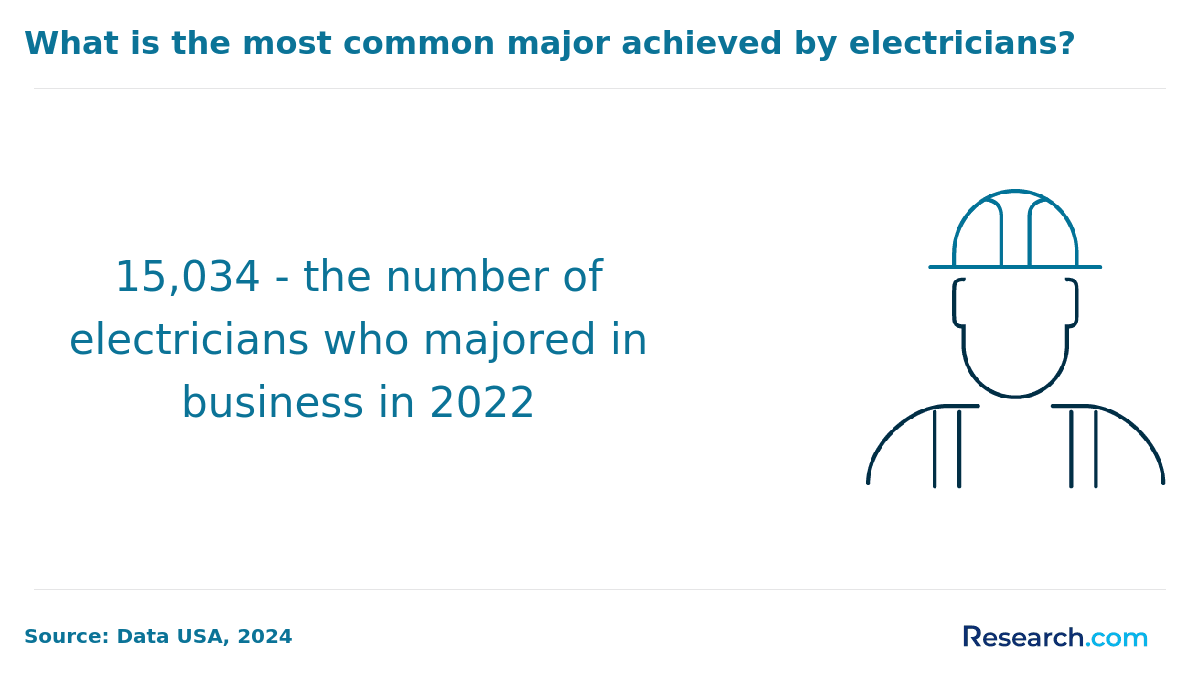
Becoming an electrician in Missouri begins with a solid educational foundation focused on both theory and practice. Many aspiring electricians seek out the best online trade school programs or attend technical schools and community colleges where they study key subjects such as electrical theory, circuitry, blueprint reading, safety protocols, and the National Electrical Code (NEC). These courses provide the essential knowledge needed to understand the complexities of electrical systems and prepare for licensing exams.
In addition to classroom instruction, Missouri mandates completion of a registered apprenticeship program lasting four to five years. This program combines on-the-job training under licensed electricians with about 576 hours of classroom education. Apprentices are required to complete at least 8,000 hours of practical work experience, gaining real-world skills and earning wages while training. This balanced approach ensures that candidates meet Missouri’s licensing standards and are well-prepared for the demands of the profession.
How do you get into an electrician apprenticeship program in Missouri?
Entering an electrician apprenticeship program in Missouri requires meeting specific qualifications and connecting with reputable organizations that provide structured training. Below are the primary steps to enter these programs:
- Meet Basic Eligibility Requirements: Applicants must be at least 18 years old and possess a high school diploma or GED. Proficiency in algebra and reading comprehension is essential, often demonstrated through standardized aptitude tests.
- Apply to Recognized Apprenticeship Programs: Established organizations such as the International Brotherhood of Electrical Workers (IBEW) Local 1 in St. Louis, the Missouri Electrical Apprenticeship and Training Trust (MEATT), and the Associated Builders and Contractors (ABC) Missouri Chapter offer structured apprenticeship opportunities statewide.
- Register with the State Apprenticeship Office: All apprentices must register officially with the Missouri Division of Professional Registration, ensuring compliance with state regulations and access to program resources.
- Complete Required Classroom Instruction: Apprentices are required to complete approximately 144 hours of classroom training annually, covering electrical codes, safety standards, and industry best practices.
- Gain Practical On-the-Job Experience: Apprentices accumulate thousands of hours of supervised fieldwork, allowing them to apply theoretical knowledge and develop hands-on skills under expert mentorship.
- Pass the Aptitude Test and Interview: Most programs require candidates to pass a standardized aptitude test assessing algebra and reading comprehension. Successful candidates are then invited for an interview, with selection based on test scores and interview performance.
How much do electricians make in Missouri?
Electricians in Missouri earn an average annual salary of approximately $60,210, with pay typically ranging from $50,076 to $87,215 depending on experience and certification levels. Entry-level electricians, often referred to as Electrician I, tend to earn around $55,196 per year. Journeyperson electricians, who have completed apprenticeships and obtained licensing, average about $66,086 annually. Master electricians, possessing advanced qualifications and extensive experience, can expect to earn between $73,800 and $92,522 per year.
Union membership can also impact earnings, as unionized electricians often receive better pay and benefits compared to their non-union counterparts. Many electricians begin their training through the best online vocational trade schools, which provide flexible learning options while covering essential skills. Specialization in areas such as high-voltage systems or data installations can lead to increased compensation due to the advanced skills required. Additionally, the demand for electricians in various industries, such as manufacturing and construction, can affect salary levels.
What certifications do electricians need in Missouri?
In Missouri, electricians can enhance their qualifications through various certifications that complement licensure. These certifications are typically issued at the municipal level and focus on specialized areas of electrical work. Here are six notable certifications:
- Journeyman Electrician Certificate (Type C-8): This certification is for electricians who have completed 8,000 hours of active employment as an apprentice. It authorizes them to perform electrical work under the supervision of a licensed contractor.
- Master Electrician Certificate (Type A): This certification is for experienced electricians who have completed 4,000 hours as a journeyman. It allows them to engage in electrical contracting, including supervising other electricians.
- Electrical Sign Contractor Certificate (Type B): This certification is for electricians specializing in the installation and maintenance of electrical signs. It permits them to work on electrical signs within five feet of the installation.
- Sign Wireman Certificate (Type D): This certification is for electricians who install and maintain electrical signs. It authorizes them to perform work on electrical signs within five feet of the installation.
- Security-Fire Alarm Certificate (Type F): This certification is for electricians specializing in the installation and maintenance of security and fire alarm systems. It allows them to work on these systems within their scope of expertise.
- Communication and Sound Certificate (Type G): This certification is for electricians focusing on the installation and maintenance of communication and sound systems. It authorizes them to work on these systems within their designated scope.
How long does an electrician apprenticeship take in Missouri?
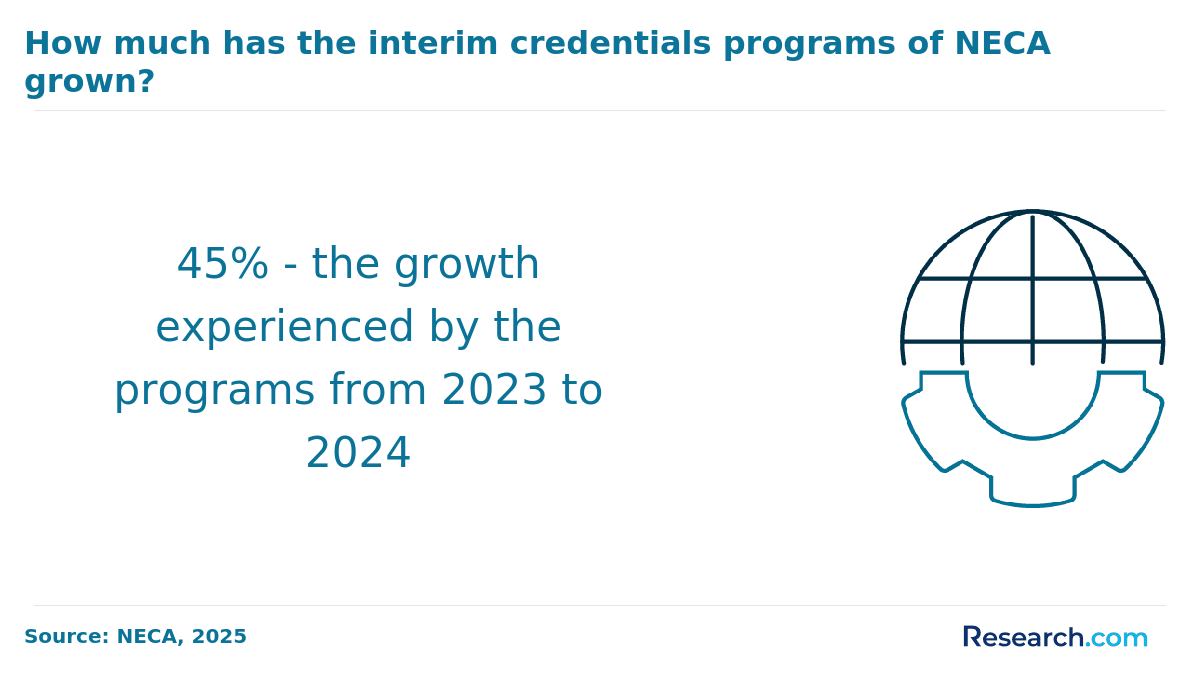
In Missouri, completing an electrician apprenticeship usually takes about 4 to 5 years. This period includes roughly 8,000 hours of on-the-job training combined with 576 hours of classroom instruction. This timeline fits with Missouri’s certification process and helps apprentices develop both the practical skills and technical knowledge needed to work effectively in the field. The length of an apprenticeship may vary depending on several factors, like program structure and individual progress.
Some apprenticeships offer accelerated options that let motivated individuals finish faster by increasing weekly hours or speeding up coursework. On the other hand, apprenticeships can last longer if someone works part-time, changes employers, or needs more time to master specialized skills. Staying consistent, seeking mentorship, and pursuing extra certifications can help shorten the apprenticeship and improve career opportunities.
How much does electrician training cost in Missouri?
The cost of electrician training in Missouri varies depending on the chosen program. Certificate and diploma courses typically range from $5,000 to $15,000, with one-year programs costing between $7,000 and $10,000. Two-year associate degree programs generally fall between $10,000 and $20,000. Apprenticeship programs combine paid on-the-job training with classroom instruction, but students should budget an additional $500 to $1,500 for tools and safety equipment, which are usually not provided.
Several factors affect the overall cost, including program length, type, and location. Tuition rates vary across community colleges, technical schools, and private institutions. Attending the best electrician trade school can offer a strong return on investment by combining high-quality instruction with job placement support. Licensing exam and application fees add several hundred dollars after training completion. Financial aid options such as Pell Grants, state scholarships, apprenticeship support, and military benefits are available to help reduce expenses.
How can you advance your career as an electrician in Missouri?
Electricians in Missouri can enhance their career prospects by pursuing specialized certifications and advanced technical training that go beyond the initial licensure requirements. Developing expertise in areas such as renewable energy systems, industrial automation, or smart home technology can differentiate professionals in a competitive market. Additionally, exploring leadership and project management courses may create opportunities to take on supervisory or contractor roles. Staying informed through professional associations and structured mentorship programs ensures access to emerging trends and best practices. Diversifying your skill set by exploring adjacent industries—like how to become an HVAC technician in Missouri—can also contribute to long-term career growth and stability.
What are the common challenges faced by electricians in Missouri?
Electricians in Missouri must navigate a complex landscape that includes adapting to evolving industry codes and new technologies while managing the physical and regulatory demands of the profession. Professionals often encounter challenges related to staying current with updated safety protocols and continuing education requirements, along with the pressure of working in environments where aging infrastructure and fluctuating market conditions can affect job stability and project timelines. Additionally, balancing the costs of supplemental training and certifications with the need to maintain a competitive edge in the job market remains a critical concern. For professionals seeking insights into alternative career pathways, learn from our guide on how to become a mechanic in Missouri.
How can business acumen enhance an electrician’s career in Missouri?
Electricians who complement their technical expertise with robust business skills can transition into entrepreneurial ventures or leadership roles more seamlessly. Acquiring knowledge in project management, financial planning, and strategic decision-making equips electricians to manage their own contracting businesses or assume supervisory positions with confidence. Additionally, participating in business-focused programs can provide practical insights into market analysis and client relations, ensuring long-term growth and stability in a competitive industry. For supplementary information on developing these competencies, consider exploring courses offered by top business schools in Missouri.
Can exploring adjacent technical fields broaden your career prospects?
Diversifying your technical expertise can provide additional career resilience and open doors to new industry opportunities. Expanding beyond core electrical skills may allow professionals to leverage transferable competencies such as system integration, safety regulation, and technical troubleshooting in alternative sectors. For instance, investigating specialized certifications or alternative career pathways can lead to diversified income streams and an expanded professional network. Consider reviewing our guide on how to become a radiology technician in Missouri to understand how adjacent technical fields may complement your career growth.
What professional resources can assist in career advancement for Missouri electricians?
Professional organizations, unions, and industry groups offer a range of valuable resources that extend beyond basic licensure and technical training. These entities provide continuing education programs, specialized workshops, networking events, mentorship opportunities, and up-to-date industry insights—all of which can empower professionals to navigate evolving market demands and regulatory updates. Additionally, many of these platforms facilitate access to job placement services and career counseling, which help individuals pinpoint growth areas and diversify their technical expertise. For professionals looking to explore alternate trades that require structured training and certification standards, consider learning how to become an ultrasound technician in Missouri.
What license do you need to be an electrician in Missouri?
In Missouri, pursuing trade careers such as becoming a licensed electrician involves a structured pathway that combines education, hands-on experience, and licensing. The state's regulatory framework ensures that electricians are well-trained and qualified to perform electrical work safely and competently.
Journeyman Electrician License
To qualify as a journeyman electrician in Missouri, candidates typically need to accumulate substantial hands-on experience and, in some cases, formal education. Requirements include:
- Accumulate 8,000 hours (approximately five years) of supervised electrical work experience.
- Complete 500 to 1,000 hours of classroom-based technical training.
- Alternatively, hold an associate degree in electrical engineering or technology with 8,000 hours of experience, or a bachelor's degree in the same fields with 4,000 hours of experience.
- Some jurisdictions may accept 12,000 hours of verified electrical work experience in lieu of formal education.
Application Process:
- Apply to the local licensing authority, such as the city's planning or building department.
- Provide documentation of work experience and education credentials.
- Pass a journeyman electrician examination, often administered by the International Code Council (ICC) or a similar body.
- Pay applicable fees, which vary by jurisdiction. For example, Jefferson City charges a $110 fee for the journeyman license.
Master Electrician License
A master electrician license allows individuals to supervise journeyman electricians and take on more complex projects. Below are the key requirements:
- Typically, five years of experience as a licensed journeyman electrician.
- Accumulate at least 16,000 hours of electrical work experience.
- Some jurisdictions may have alternative pathways, such as holding a bachelor's degree in electrical engineering with a specified amount of experience.
Application Process:
- Apply through the local licensing authority.
- Provide proof of required experience and any educational qualifications.
- Pass a master electrician examination, which may cover advanced topics in electrical theory, codes, and safety regulations.
- Pay the necessary fees; for instance, Jefferson City charges $110 for the master electrician license.
Electrical Contractor License (Statewide)
While not mandatory for all electricians, Missouri offers a statewide electrical contractor license for those wishing to operate across multiple jurisdictions. Key requirements include:
- Demonstrate competency by passing the required examination in the electrical field.
- Submit an application to the Missouri Division of Professional Registration, Office of Statewide Electrical Contractors.
- Pay a $200 application fee.
- Renew the license every three years, with a renewal fee of $200.
Application Process:
- Complete the application form available on the Missouri Division of Professional Registration's website.
- Schedule and pass the electrical contractor examination administered by Prov, Inc.
- Submit proof of passing the examination along with the application and fee.
How often do you need to renew your electrician license in Missouri?
Renewing your electrician license in Missouri is required every two years to maintain your legal ability to work. The renewal process ensures that electricians stay current with safety standards and code updates, helping protect both professionals and the public. The Missouri Division of Professional Registration oversees this process, emphasizing continuing education and compliance.
The renewal process involves several important steps that you should approach methodically:
- Submit Renewal Application: Submit your renewal application to the Missouri Division of Professional Registration before your license expiration date to avoid penalties or lapses in licensure.
- Complete Continuing Education: Provide proof of completing 12 hours of continuing education every two years, focused on the latest updates to the National Electrical Code (NEC) and Missouri-specific regulations.
- Pay Renewal Fee: Pay the required renewal fee, which varies depending on your license classification, ensuring your license remains active.
- Verify Personal and Professional Information: Confirm that all your contact details and professional credentials are accurate and up to date in the renewal application to avoid processing delays.
What are the essential skills needed to be a successful electrician in Missouri?
To excel as an electrician in Missouri, mastering a combination of technical and interpersonal skills is essential. The following skills are key for success in this field:
- Technical Proficiency: A solid understanding of electrical systems, circuitry, and safety codes forms the foundation of the trade. Staying current with the National Electrical Code (NEC) and Missouri-specific regulations is essential. Many electricians develop this expertise through accredited technical schools or apprenticeships.
- Problem-Solving Abilities: The nature of electrical work involves frequent unexpected challenges. The capacity to quickly diagnose problems and implement effective solutions ensures that work remains safe and efficient.
- Technological Competence: Modern electrical tasks often involve smart technologies and digital diagnostic tools. Proficiency with blueprint software and troubleshooting technologies provides a competitive advantage.
- Communication Skills: Clear and respectful communication with clients and coworkers helps prevent misunderstandings and fosters teamwork. The ability to explain complex technical concepts in simple terms is especially valuable.
- Physical Dexterity and Stamina: The role often requires working in confined spaces, lifting materials, and standing for extended periods. Maintaining physical fitness supports consistent performance on the job.
- Attention to Detail: Precision in wiring and installation is critical to avoid costly mistakes and ensure safety.
- Time Management: Effectively managing deadlines and multiple tasks enhances reliability and builds client trust.
What is the job outlook for electricians over the next 10 years in Missouri?
The job outlook for electricians in Missouri over the next decade is promising. According to projections, employment for electricians in the state is expected to grow by 8% from 2022 to 2032, increasing from 13,020 to 14,070 positions. This growth rate is considered faster than average and reflects a steady demand for skilled tradespeople in the region. Each year, approximately 1,290 job openings are anticipated, arising from both new positions and the need to replace retiring workers or those transitioning to other careers.
Several factors contribute to this positive employment trend. Missouri's ongoing infrastructure developments, expansion in residential and commercial construction, and the increasing integration of renewable energy systems all drive the need for qualified electricians. As one of the best jobs for trade school graduates, becoming an electrician offers a stable and rewarding career. Additionally, the state's diverse economic landscape, encompassing both urban centers and rural areas, provides electricians with a variety of work environments and projects. This sustained demand ensures that individuals entering the electrical trade can look forward to a promising future in Missouri.
Here’s What Graduates Have to Say about Becoming an Electrician in Missouri
Training to become an electrician in Missouri allowed me to earn while I learned, which made a huge difference financially. The hands-on experience during my apprenticeship made me feel prepared and confident from day one on the job. Now, I’m part of a reliable, well-paying field where my skills are always in demand. — Jimmy
What I love most about being an electrician in Missouri is the variety of work and the sense of independence it offers. Whether it's wiring a new home or maintaining systems in local hospitals, I know I'm making a real impact. It’s a career that keeps evolving, and that constant growth keeps me motivated every day. — Harold
Becoming an electrician allowed me to turn a passion for problem-solving into a stable, rewarding career. Missouri’s strong support for skilled trades gave me the resources and mentorship I needed to succeed. Every day brings something new, and I feel proud knowing my work powers the places people live and work. — Luis
Related Articles for Nearby States
- 2027 How to Become an Electrician in Kansas
- 2027 How to Become an Electrician in Iowa
- 2027 How to Become an Electrician in Nebraska
- 2027 How to Become an Electrician in Arkansas
- 2027 How to Become an Electrician in Oklahoma
- 2027 How to Become an Electrician in Illinois
- 2027 How to Become an Electrician in Kentucky
- 2027 How to Become an Electrician in Tennessee
- 2027 How to Become an Electrician in Indiana
- 2027 How to Become an Electrician in South Dakota
References:
- Access Training UK. (n.d.). Electrician apprenticeship | Earn while you learn. Retrieved from Access Training.
- Associated Builders and Contractors. (n.d.). Learn about our electrician apprenticeship programs. Retrieved from ABC.
- Faraday Careers. (n.d.). Electrician education & training requirements + costs. Retrieved from Faraday.
- IECI. (n.d.). Apprenticeship. Retrieved from IECI.
- InterCoast Colleges. (n.d.). Electrician apprenticeship: 7 things you should know before joining IBEW. Retrieved from InterCoast.
- JobsMoGov. (n.d.). Missouri registered apprenticeships. Retrieved from JobsMoGov.
- My Electric Career. (n.d.). Electrician apprenticeship Missouri – Electrical education. Retrieved from My Electric Career.
- ServiceWorks Academy. (n.d.). Electrician license Missouri: How to become an electrician in MO. Retrieved from ServiceWorks.
- SkillPointe. (n.d.). What do electricians do: Job description, salary & training. Retrieved from SkillPointe.
- Yoga Psychology. (n.d.). Do you get paid for an electrician apprenticeship? Retrieved from Yoga Psychology.
Other Things You Should Know About Becoming an Electrician in Missouri
In 2027, becoming a licensed electrician in Missouri typically takes four to five years. This timeline includes enrollment in an apprenticeship program, which combines on-the-job training with classroom instruction, to meet the requirements set by the Missouri Division of Professional Registration. **Question** What is the fastest way to become a licensed electrician in Missouri? **Answer** The fastest route to becoming a licensed electrician in Missouri involves completing a trade school program and then gaining practical experience through an apprenticeship. This can expedite the process by focusing on both foundational knowledge and hands-on skills. **Question** What are the requirements to work as an electrician in Missouri in 2027? **Answer** In 2027, working as an electrician in Missouri requires completing an apprenticeship that involves 8,000 hours of on-the-job training and about 500 hours of classroom instruction. Additionally, passing the journeyman electrician exam and acquiring the necessary license is mandatory. **Question** What are the main electrician career paths in Missouri? **Answer** In Missouri, electricians can advance their careers by specializing in residential, commercial, or industrial settings. Opportunities also exist in maintenance roles, and leadership positions such as project manager or electrical inspector, offering diverse paths within the electrical field.
The fastest way to become a licensed electrician in Missouri is to enter a registered apprenticeship program through organizations like IBEW or ABC. These combine paid on-the-job training with classroom instruction. Some technical colleges offer accelerated programs that shorten the education timeline. Prior experience or military service may also reduce training requirements. Starting early, choosing an intensive program, and staying consistent with required hours help speed up the process while meeting Missouri's licensure standards.
To work as an electrician in Missouri in 2027, complete a high school diploma or GED, then enter an apprenticeship program. This requires at least 8,000 hours of hands-on training and 500 hours of classroom instruction. After completing the apprenticeship, passing a licensing exam is essential


