
2027 How to Become an Electrician in Montana

Co-Founder and Chief Data Scientist
Becoming an electrician in Montana is a smart career choice, with about 380 job openings projected annually from 2022 to 2032. This steady demand highlights strong opportunities in the construction and renewable energy sectors. For those seeking a stable, well-paying trade with room to grow, Montana’s electrician profession offers a reliable path to success.
In this article, we will discuss the steps to becoming an electrician in Montana, covering education, apprenticeships, and certification. We will also highlight training programs, licensing requirements, and what to expect in this rewarding trade.
Key Things to Know About Becoming an Electrician in Montana
- Electricians in Montana earn an average yearly salary of $56,347.
- An electrician's salary in Sidney is 18.4% higher than Montana’s average.
- Montana’s electrician job market is projected to grow 27% from 2022 to 2032.
- What education is required to become an electrician in Montana
- How do you get into an electrician apprenticeship program in Montana?
- How much do electricians make in Montana?
- What certifications do electricians need in Montana?
- How long does an electrician apprenticeship take in Montana?
- How much does electrician training cost in Montana?
- What license do you need to be an electrician in Montana?
- How often do you need to renew your electrician license in Montana
- Should Electricians in Montana Pursue Business and Entrepreneurial Training?
- Could Diversifying Your Technical Skills Boost Career Opportunities in Montana?
- How Can Montana Electricians Overcome Career Challenges?
- What are the essential skills needed to be a successful electrician in Montana?
- What is the job outlook for electricians over the next 10 years in Montana?
- Should Montana Electricians Consider Cross-Training in HVAC?
- What Are the Latest Technological Innovations Impacting Montana Electricians?
- What Electricians in Montana Say About Their Careers
What education is required to become an electrician in Montana
Embarking on the path to become an electrician in Montana is like assembling a complex circuit—each piece of knowledge and experience must fit perfectly. Most electricians start with a solid foundation, as the main educational level achieved by electrician workers is a high school diploma or equivalent, with 337,945 people having this qualification. Aspiring electricians begin by diving into foundational courses that illuminate the mysteries of electrical theory, circuitry, safety protocols, and the ever-important National Electrical Code (NEC). These classes act as the blueprint for understanding residential, commercial, and industrial systems, setting the stage for real-world challenges.
Most budding electricians spark their careers through apprenticeships, a dynamic fusion of paid on-the-job training and classroom learning. These apprenticeships, lasting four to five years, are supervised by the Montana Department of Labor & Industry or local unions. Picture thousands of hours spent under the watchful eye of licensed electricians, paired with roughly 144 hours of annual classroom instruction covering electrical codes, blueprint reading, electrical math, and safety tactics—this is the crucible where theory meets practice.
Montana boasts a trio of standout programs that electrify students with knowledge and hands-on skills: Montana State University-Northern in Havre offers comprehensive electrical technology courses; Helena College University of Montana specializes in electrical maintenance and construction; and Missoula College provides practical training along with apprenticeship placement support. These institutions are gateways to mastering the craft and acing state licensure exams.
To conquer the electrician licensing exam, immerse yourself deeply in NEC guidelines and electrical theory. Don’t just study—engage with review classes, seminars, and workshops often hosted by local trade associations or community colleges. Resources like the Montana Contractors Association and various electrician unions supply tailored study guides and practice tests, transforming exam prep into a strategic and confident endeavor.

How do you get into an electrician apprenticeship program in Montana?
Getting into an electrician apprenticeship program in Montana often involves connecting with organizations like the Montana State Electrical Apprenticeship & Training Committee (MSEATC) or local chapters of the International Brotherhood of Electrical Workers (IBEW). These groups are the gateways to hands-on experience combined with classroom learning. Typically, applicants must be at least 18 years old, have a high school diploma or GED, and pass an aptitude test focused on basic math and reading comprehension. In 2023, about 48 electricians worked in manufacturing, highlighting opportunities in this sector as well. These requirements set the foundation for a successful start in the field of electrical work.
Montana’s electrician apprenticeship program requirements include a unique blend of extensive on-the-job training and classroom education. Aspiring electricians must complete 8,000 hours of documented work experience over approximately four years, alongside 576 hours of classroom instruction. This rigorous combination ensures apprentices gain not only practical skills but also a solid understanding of electrical theory, safety practices, and state-specific codes. The emphasis on adapting to Montana’s distinctive climate and infrastructure needs is a notable aspect that sets its apprenticeship programs apart from others.
Apprenticeships in Montana do more than just teach skills; they open doors to invaluable networks. Mentorship from seasoned electricians and connections within the local construction scene provide a springboard for future job opportunities. One Montana electrician I spoke with reflected on their apprenticeship journey: “The hands-on challenges in freezing winter conditions taught me more than any textbook. The mentorship was like having a trusted guide through a labyrinth of wires and codes. I remember attending a review seminar hosted by the Montana Electricians Association that really boosted my confidence before the licensing exam. It wasn’t just about learning; it was about becoming part of a community.” This personal experience highlights the blend of challenge and support that characterizes Montana’s apprenticeship path.
To truly ace an apprenticeship, aspiring electricians should embrace both practical and classroom learning with equal enthusiasm. Utilizing supplemental resources such as local seminars or review classes can sharpen skills and prepare candidates for licensing exams. Time management, safety awareness, and clear communication with mentors and peers are skills that pay dividends. For those curious about career prospects, exploring what are highest paying trade school careers can offer insight into the rewarding paths that follow a successful apprenticeship in Montana.
How much do electricians make in Montana?
Electricians in Montana earn an average yearly salary of $56,347. There are 10 cities where electricians typically earn above this average. Leading the list is Big Timber, followed closely by Big Sky and Sidney. Sidney’s average electrician salary is 18.4% higher than the state average, while Big Timber tops the list with a 21.1% increase, making it the highest-paying city for electricians in Montana.
One Montana electrician shared a vivid reflection on their career path. They described the initial financial strain of apprenticeship wages balanced against the invaluable experience gained in diverse projects—from wiring remote cabins to installing solar panels on mountain lodges. Over time, their certifications and networking within the local energy sector transformed their livelihood, unlocking higher-paying contracts and seasonal work that aligned with Montana’s growth in renewable energy. The challenges of fluctuating demand taught resilience, while the benefits of steady wage increases and community respect made the path rewarding.
In this evolving landscape, aspiring electricians might also consider supplementing their education with credentials like an anchors part-time Ph.D. in economics, blending technical expertise with economic insight to better navigate the business side of their trade. This strategic approach parallels the preparation medical billers and coders in Montana undertake, emphasizing certification as a cornerstone for professional growth.
This chart from ESFI shows the electrical occupation fatalities from 2011 to 2023.
What certifications do electricians need in Montana?
To navigate the world of montana electrician certification requirements, one must first master the art of apprenticeship. This foundational journey involves accumulating roughly 8,000 hours of hands-on work, blending sweat and sparks under seasoned professionals’ watchful eyes. It’s not just about clocking hours; it’s a rite of passage toward the coveted journeyman electrician license, the key that unlocks doors to Montana’s electrical trade. After conquering this, many electricians set their sights on the master electrician license, which demands further experience and a higher level of expertise.
Montana is home to several stellar institutions where aspiring electricians can sharpen their skills and earn recognized credentials. Montana State University Billings and Missoula College University of Montana stand out as hubs offering rigorous training aligned with state licensing demands. Meanwhile, organizations like the Independent Electrical Contractors Montana Chapter and the Electrical Joint Apprenticeship and Training Committee provide structured programs that marry classroom theory with gritty, real-world application. These certifications aren’t just paper trophies—they are stepping stones that propel careers, unlocking higher pay and leadership roles in Montana’s bustling construction and energy sectors.
Choosing the right certification in Montana means thinking beyond just the basics. Specialty credentials in renewable energy systems, like solar photovoltaic installation, are increasingly prized amid the state’s green energy push. This strategic focus can set an electrician apart in a competitive market. For those pondering how to get electrician license in Montana, staying plugged into local regulations and continuing education is vital. The state’s Electrical Licensing Bureau mandates ongoing learning to keep licenses active, reflecting the ever-evolving nature of electrical codes and technology.
For students and professionals curious about trade careers, Montana’s electrician certifications offer a robust pathway to success. The blend of rigorous training, state exams, and industry-recognized programs creates a fertile ground for growth. Embracing these certifications not only meets legal requirements but also positions electricians to thrive in Montana’s dynamic job market, energized by steady industry growth and emerging technologies.
How long does an electrician apprenticeship take in Montana?
In Montana, an electrician apprenticeship typically spans four to five years, translating to roughly 48 to 60 months of hands-on training and classroom instruction. This timeframe aligns with national standards requiring about 8,000 hours of on-the-job experience coupled with 500 to 1,000 hours of classroom learning. However, the journey is not set in stone; factors such as the sponsoring organization, the apprentice's prior skills, and their ability to meet competency milestones can either accelerate or extend this period. For those eager to expedite the process, certain unions and trade groups offer more structured or intensive programs.
Some apprenticeship programs in Montana provide accelerated pathways, especially for individuals with relevant backgrounds. For example, apprentices with prior military electrical experience or those who have completed technical courses might cut down their apprenticeship by up to a year. Conversely, part-time apprenticeships or those requiring additional skill mastery might stretch beyond the typical duration. Navigating how to get electrician license in Montana often involves selecting these programs strategically to reduce time without sacrificing quality.
To make the most of the apprenticeship, apprentices should embrace consistent attendance and active participation, both in the field and classroom. Engaging deeply with mentors and seeking extra hands-on opportunities can sharpen skills faster. Pursuing certifications aligned with Montana electrician certification requirements—such as OSHA safety or specialized residential licenses—can add momentum, signaling readiness for journeyman status.
For those exploring options, tapping into the best rated online trade schools and construction programs offers flexible ways to complement apprenticeship training with relevant coursework. This blended approach can enhance expertise and possibly shorten the overall timeline to licensure.
How much does electrician training cost in Montana?
The journey to becoming an electrician in Montana is a tapestry woven with varying costs, shaped largely by the path you choose. Certificate programs or technical courses, often offered at community colleges or trade schools, typically range from $3,000 to $10,000. These programs, lasting six to twelve months, provide a swift dive into the foundational skills electricians need. If you’re eyeing a more extended academic route, associate degrees stretch the timeline to about two years and come with a price tag between $10,000 and $25,000, depending on whether the institution is public or private.
For those considering Montana electrician apprenticeship expenses, the upfront costs are often lower since apprenticeships blend paid on-the-job training with classroom learning. However, apprentices should budget an additional $500 to $1,500 for textbooks, tools, and safety gear. This path typically spans four to five years, allowing trainees to earn wages that help offset training expenses, making it an economically savvy choice.
Montana’s relatively low cost of living lends a hand in keeping electrician training cost in Montana more affordable than in many other states. Yet, factors like attending private schools or purchasing specialized equipment can push costs higher. Rural students might also face travel or relocation expenses as quality training programs and apprenticeships tend to cluster in certain areas. For those exploring options, it’s worth checking out the best online trade school alternatives, which might offer more flexible pricing and accessibility.
Financial aid softens the financial load considerably. Many community colleges participate in federal aid programs such as Pell Grants and student loans. The Montana Department of Labor & Industry also offers grants and scholarships targeting trade training, making it easier for eligible candidates to secure funding. Additionally, local unions and trade organizations often provide scholarships or tool grants to apprentices and students, further easing the journey.
What license do you need to be an electrician in Montana?
In Montana, becoming a licensed electrician means stepping into a world where skill meets regulation, guided by the Montana Department of Labor & Industry (DLI) and its vigilant Electrical Advisory Board. The two main licenses defining your journey are the Journeyman Electrician and the Master Electrician licenses, each unlocking higher levels of responsibility and technical mastery.
The path to licensure is a blend of hands-on experience, classroom wisdom, and rigorous testing. To start as a journeyman, you’ll need to log at least 8,000 hours—roughly four years—working under a seasoned electrician’s watchful eye. Alongside this, 576 hours of formal electrical theory and code classes sharpen your understanding of the National Electrical Code (NEC) and state-specific rules.
- Complete a formal apprenticeship or equivalent work experience (8,000 hours).
- Finish 576 hours of classroom instruction on electrical theory and codes.
- Pass the state journeyman electrician examination, focused on NEC and Montana laws.
- For a master electrician license, accumulate two years of journeyman experience and pass a more advanced exam covering electrical theory, business savvy, and supervisory skills.
- Submit your application with proof of experience, education, and licensing fees.
What sets Montana apart is its dual emphasis on practical experience and ongoing education. The state mandates continuing education—usually 12 hours every two years—to keep electricians sharp on evolving codes and technologies. This commitment to lifelong learning makes Montana’s electricians particularly well-prepared for a rapidly changing industry.
- Complete state-approved continuing education courses (12 hours biennially).
- Submit renewal applications and fees on time to avoid penalties.
For those navigating this process, a few savvy moves can lighten the load: enroll early in state-recognized apprenticeship programs, obsessively track work hours and training, and dive deep into the National Electrical Code. Practice exams and prep courses are your secret weapons, while planning your continuing education well ahead of renewal dates keeps your license—and career—on steady ground.
How often do you need to renew your electrician license in Montana
Renewing an electrician license in Montana is more than a bureaucratic checkbox, it’s a dynamic commitment to staying sharp in a field that powers the future. The Montana Department of Labor and Industry, through its vigilant Electrical Bureau, is the gatekeeper of this process, ensuring every licensed electrician keeps pace with evolving safety standards and electrical codes.
Licenses in Montana require renewal every two years, but the process isn’t just about paperwork. It’s a ritual of professional growth, anchored by a mandatory continuing education requirement that electrifies your knowledge and skills.
- Completion of at least 12 hours of continuing education per renewal cycle is non-negotiable. These hours focus on the latest updates to the National Electrical Code (NEC) and state-specific regulations, making sure you never miss a beat in this fast-changing landscape.
- Electricians must submit a renewal application along with the prescribed fee to the Montana Electrical Bureau before their license expires, keeping their credentials current and valid.
- Miss the deadline, and you risk late fees or even suspension—a stark reminder that time is as crucial as technical know-how in this profession.
What truly distinguishes Montana’s renewal dance is its intense focus on continuing education tailored to real-world electrical challenges and safety innovations. The Electrical Bureau regularly recalibrates its course requirements, reflecting cutting-edge industry trends and emerging technologies. This means every renewal cycle is an opportunity to plug into the future, not just maintain status quo.
For aspiring electricians, foresight is your best tool. Keep meticulous records of your continuing education achievements and start your renewal application well before the expiration date. This proactive approach sidesteps administrative hurdles and positions you to thrive in Montana’s booming construction market.
This chart from ESFI displays non-fatal electrical injuries, hours worked when the injury occurred.
Should Electricians in Montana Pursue Business and Entrepreneurial Training?
Electricians who diversify their expertise with business and management training can optimize project outcomes and drive sustainable career growth. Acquiring skills in budget management, contract negotiation, and strategic marketing facilitates smoother client interactions and empowers professionals to transition into independent or leadership roles. Tailored programs focusing on business fundamentals can complement technical training by offering insights into operational efficiencies, risk management, and industry networking opportunities. For those looking to strengthen their entrepreneurial foundation, exploring programs at top business schools in Montana can help bridge the gap between technical prowess and robust business acumen.
Could Diversifying Your Technical Skills Boost Career Opportunities in Montana?
Electricians in Montana may enhance their career trajectories by diversifying their technical skills across adjacent industries. Expanding expertise beyond traditional electrical work not only broadens professional capabilities but also increases adaptability amid market shifts. This strategic cross-training can uncover alternative career pathways and provide additional revenue streams during industry transitions. For instance, exploring structured programs in specialized fields—such as through learning how to become a radiology technician in Montana—can infuse a fresh perspective into technical proficiencies, reinforcing adherence to rigorous industry standards.
How Can Montana Electricians Overcome Career Challenges?
Montana electricians often encounter hurdles such as rapidly evolving regulations, technological shifts, and fluctuating market demands. To address these challenges, industry professionals benefit from targeted mentorship, adaptive training programs, and strategic planning that goes beyond standard apprenticeship curriculums. Emphasizing proactive engagement with updated safety protocols and regulatory changes ensures professionals can quickly adjust to new industry standards. Moreover, supplementing core electrical expertise with selective cross-training and diversified technical certifications—like how to become an ultrasound technician in Montana—can provide broader career resilience and open paths to related technical fields. This forward-thinking approach contributes to sustained career growth and the ability to navigate economic and technological uncertainties effectively.
What are the essential skills needed to be a successful electrician in Montana?
Electricians in Montana must master a dynamic blend of hard and soft skills to light up their trades career options effectively. The electrical landscape here is evolving, demanding more than just a knack for wiring.
- Technical Proficiency: This is the backbone—knowing the ins and outs of electrical systems, wiring, and the latest National Electrical Code (NEC) updates. Staying current with Montana-specific regulations ensures every job is safe and compliant.
- Problem-Solving Abilities: Unexpected glitches are part of the game. Quick diagnosis and creative fixes keep projects on track and customers happy, turning challenges into opportunities.
- Manual Dexterity and Physical Stamina: Precision is king when handling tiny components, while stamina powers those long hours climbing ladders or squeezing into tight spaces without missing a beat.
- Technological Literacy: Embrace the smart home revolution and renewable energy tech. Familiarity with computerized diagnostic tools not only boosts efficiency but also opens doors to cutting-edge projects.
- Excellent Communication Skills: Translating complex electrical jargon into clear, client-friendly language builds trust and smooth teamwork, making every project a collaborative success.
- Attention to Detail: In electrical work, the smallest oversight can spark big problems. A hawk’s eye for detail ensures flawless wiring and lasting safety.
To cultivate these skills, dive into accredited apprenticeships offered by the Montana Department of Labor & Industry or local trade unions. These programs mix hands-on experience with classroom wisdom, creating a well-rounded craftsperson.
Consider courses from Montana State University or technical colleges focusing on electrical technology and safety—knowledge that transforms theory into power.
Networking at Montana Electricians Association events sharpens communication and keeps you plugged into industry trends. Meanwhile, online simulations and digital tools are perfect playgrounds to hone your tech skills and problem-solving prowess.
By weaving together practical training and continuous learning, aspiring electricians can electrify their futures in Montana’s growing market.
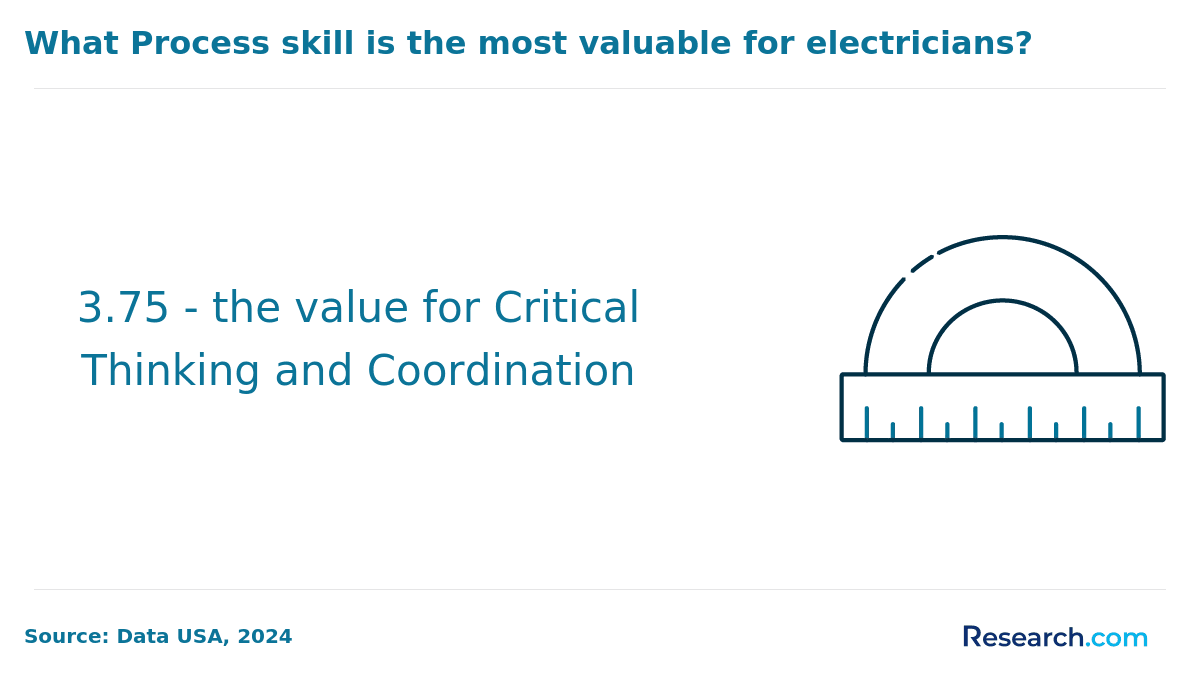
What is the job outlook for electricians over the next 10 years in Montana?
Montana’s electrician job market is charged with growth, employing about 3,000 workers in 2022 and expected to rise to 3,800 by 2032. This represents a strong 27% increase over the decade, driven by expanding construction, manufacturing, and public utilities sectors. With a cost of living below the national average, electricians in cities like Billings, Missoula, and Great Falls can enjoy higher wages and greater career opportunities as demand for skilled professionals continues to grow.
But the current is shifting—Montana’s surge into renewable energy is rewriting the electrician’s playbook. Wind and solar projects are blossoming, beckoning electricians who specialize in clean energy systems installation and upkeep. Federal and state infrastructure investments add another layer of opportunity, especially in public works and transportation sectors, ensuring that electricians remain essential architects of the state’s future.
For those contemplating an electrician career in Montana, the path is paved with apprenticeships and vocational training programs designed to match industry needs. These hands-on learning experiences provide more than skills, they offer a ticket into a profession balancing job security, competitive wages, and an inviting cost of living. In Montana’s evolving energy landscape, electricians don’t just fix wires, they wire the future.
Should Montana Electricians Consider Cross-Training in HVAC?
Expanding technical proficiency through cross-training in HVAC systems offers Montana electricians a strategic advantage. By integrating HVAC skills with established electrical expertise, professionals can tap into a broader range of projects especially in smart home integrations and sustainable building practices. This dual competency not only enhances marketability but also aligns with evolving multi-disciplinary industry demands. For further insights on supplementing your electrical career, refer to resources on how to become an HVAC technician in Montana.
What Are the Latest Technological Innovations Impacting Montana Electricians?
Montana’s electrical trade is rapidly evolving with the integration of emerging technologies such as smart grid systems, IoT-enabled diagnostics, and advanced energy management tools. Electricians are increasingly required to understand digital control systems and renewable energy interfaces that demand proficiency in both traditional electrical work and modern software-driven solutions. Staying current with these innovations involves engaging with industry workshops, subscribing to technical journals, and participating in specialized certification programs. Additionally, exploring multi-disciplinary career paths—like learning how to become a mechanic in Montana—can offer broader technical insights and complement the evolving landscape in Montana’s electrical industry.
What Electricians in Montana Say About Their Careers
- Completing my apprenticeship through the Montana State University Billings program was a game-changer. The hands-on experience combined with classroom learning gave me a strong foundation that made me confident on any job site. I love how my work contributes directly to powering homes and businesses in our close-knit communities, especially in rural areas where reliable electricity means everything. This career has truly helped me grow both professionally and personally, and I’m proud to be part of Montana’s skilled workforce. - Jerome
- Training at Helena College was an eye-opening experience that prepared me for the unique challenges of working as an electrician in Montana’s diverse environment. From harsh winters to remote job locations, every day brings something new. What keeps me motivated is the opportunity to support local industries like agriculture and mining, knowing my skills help keep essential operations running smoothly. The potential for advancement here is real, and I’m excited to keep learning and growing in this field. - Macy
- My journey began at the University of Montana’s electrical program, and it’s been incredibly rewarding to see how much professional development is possible in this trade. The stability of the electrician profession in Montana is unmatched, and I appreciate the respect electricians earn for their expertise. Working in this state means adapting to its natural beauty and resources, which adds a layer of pride to every project I tackle. I’m continually inspired by the blend of tradition and innovation in our work. - Solane
Related Articles for Nearby States
- 2027 How to Become an Electrician in Idaho
- 2027 How to Become an Electrician in Wyoming
- 2027 How to Become an Electrician in North Dakota
- 2027 How to Become an Electrician in South Dakota
- 2027 How to Become an Electrician in Washington
- 2027 How to Become an Electrician in Oregon
- 2027 How to Become an Electrician in Utah
- 2027 How to Become an Electrician in Nebraska
- 2027 How to Become an Electrician in Minnesota
- 2027 How to Become an Electrician in Colorado
References:
- DATA USA (n.d.). Electricians. Retrieved from https://datausa.io/profile/soc/electricians
- ESFI (2025). Workplace Injury & Fatality Statistics. Retrieved from https://www.esfi.org/workplace-safety/workplace-injury-fatality-statistics/
- O*NET OnLine (n.d.). Montana Employment Trends 47-2111.00 - Electricians. Retrieved from https://www.onetonline.org/link/localtrends/47-2111.00?st=MT
- US BLS (2025). Electricians. Retrieved from https://www.bls.gov/ooh/construction-and-extraction/electricians.htm
- ZipRecruiter (2025). Electrician Salary in Montana. Retrieved from https://www.ziprecruiter.com/Salaries/Electrician-Salary--in-Montana
Other Things You Should Know About Being an Electrician in Montana
To become a licensed electrician in Montana in 2027, you must first complete a high school diploma or GED. Then, enroll in an apprenticeship program approved by the Montana State Electrical Board, accumulate a minimum of 8,000 work hours and 500 theory hours of training, and pass the Journeyman Electrician Exam. Finally, apply for licensure with the state board.
In 2027, to become a licensed electrician in Montana, you must complete 8,000 hours of apprenticeship under a licensed electrician, pass a journeyman exam, and meet any educational requirements specified by the Montana Department of Labor & Industry. Licensing ensures competence and safety in the field.
In 2027, to become an electrician in Montana, you'll need a high school diploma or GED. Consider completing an apprenticeship, technical school, or community college program for essential hands-on training and theoretical knowledge. This foundational education is crucial for future licensing and job opportunities.


