
2027 How to Become an HVAC Tech in Montana

Co-Founder and Chief Data Scientist
Embarking on the journey to become an HVAC technician in Montana is like stepping into a world where science meets the rugged wilderness. This career offers the unique reward of mastering climate control in a state known for its fierce winters and blistering summers, making skilled technicians indispensable.
Montana’s growing infrastructure and booming construction market create a steady demand for HVAC expertise, promising job stability and growth. Moreover, the chance to blend technical skills with problem-solving in the Big Sky Country makes this path particularly compelling. This article will illuminate the steps and insights needed to thrive as an HVAC tech in Montana’s dynamic environment.
Key Points About Becoming an HVAC Tech in Montana
- Montana’s HVAC job outlook glows warmly, with steady demand fueled by harsh winters and expanding construction, promising resilient career opportunities for techs who master climate control artistry.
- The average HVAC technician salary in Montana hovers around $50,000 annually, balancing modest living costs with rewarding skill-based compensation in a state craving expertise.
- Montana’s vast landscapes and seasonal extremes craft an ideal proving ground for HVAC techs, blending rugged independence with a community that values practical, hands-on problem solvers.
- What are the educational requirements to become an HVAC Tech in Montana?
- Which schools in Montana offer HVAC programs?
- What skills do you need to become an HVAC Tech in Montana?
- What are the requirements for HVAC licensure in Montana?
- What is the licensing process for HVAC technicians in Montana?
- How long does it take to become an HVAC tech in Montana?
- What additional certifications can boost my HVAC career in Montana?
- Can HVAC Technicians Benefit from Cross-Training in Related Trades?
- How Can Business Acumen Propel Your HVAC Career in Montana?
- What Continuing Education Options Are Available for HVAC Technicians in Montana?
- How are emerging HVAC technologies influencing career trajectories in Montana?
- Will an HVAC license from Montana allow you to work in other states?
- How much do Montana HVAC technicians earn?
- Is there a demand for HVAC technicians in Montana?
- Is Montana a good place to work as an HVAC tech?
- What HVAC Technicians in Montana Say About Their Careers
What are the educational requirements to become an HVAC Tech in Montana?
Becoming an HVAC technician in Montana involves more than just textbooks; it’s a journey blending practical wisdom with academic foundations. The path is designed to cultivate adaptable skills, especially suited for Montana’s diverse climate and expansive geography.
Here’s our glimpse into the educational steps needed to thrive in this trade:
- Minimum academic credentials: Possess a high school diploma or GED, establishing the essential groundwork for technical learning.
- Enrollment in a state-recognized HVAC training program: Join accredited courses available through community colleges or technical schools, where you’ll dive into electrical systems, refrigeration principles, and safety protocols—a core part of Montana HVAC certification requirements.
- Completion of an apprenticeship to gain practical experience: Engage in hands-on training under seasoned professionals, often lasting several years, to master real-world HVAC challenges unique to Montana’s environment.
Unlike many states demanding rigid licensing exams, Montana emphasizes this blend of education and apprenticeship over formal testing. This approach ensures technicians are not only certified but finely attuned to the region’s specific needs—from frigid winters to dry summers. For those exploring the best high demand trades, HVAC stands out as a resilient career choice, with its practical training routes and adaptable skill development.
Which schools in Montana offer HVAC programs?
Montana’s expansive skies shelter not only breathtaking landscapes but also a selection of robust HVAC training programs that serve as launching pads into the world of heating, ventilation, and air conditioning. For those seeking the best HVAC certification programs in Montana, these institutions combine practical skills with industry insights, preparing students to thrive in this hands-on trade.
Consider these standout options where education meets opportunity in the heart of Big Sky Country:
- Montana State University Billings: This program plunges students into the essentials of residential and commercial HVAC systems, refrigeration, and electrical troubleshooting. With state-of-the-art labs simulating real-world challenges, it provides a solid foundation at around $7,000 tuition for in-state learners.
- Flathead Valley Community College: Offering an HVAC/R certificate that zeroes in on energy efficiency, system design, and refrigerant handling, this program is tailored for Montana’s chilly climate and green energy trends. It strongly emphasizes EPA certification preparation, a key credential, with tuition near $5,000.
- Gallatin College Montana State University: Delivering a comprehensive HVAC technician degree, this program covers system installation, maintenance, and environmental safety. Its close ties to local industries open doors for apprenticeships, enriching the learning experience, with tuition around $6,500 for residents.
If you’re curious about the career paths these programs unlock, we advise exploring the spectrum of trade school jobs that can reveal rewarding opportunities beyond the classroom.
An associate's degree is the most common HVAC tech credential.
What skills do you need to become an HVAC Tech in Montana?
Mastering the craft of HVAC technology in Montana demands both sharp intellect and hands-on prowess. In this section, we list some of the most in-demand specialized HVAC tech skills shaped by the region’s unique climate challenges.
- Refrigeration Mastery: Grasp the fundamentals of refrigeration cycles while handling refrigerants with a strict adherence to EPA guidelines, ensuring both safety and legality.
- Electrical Acumen: Decode wiring complexities and troubleshoot control systems that power HVAC units, turning circuits into symphonies of efficiency.
- Regulatory Insight: Navigate Montana’s building codes and safety mandates with precision, guaranteeing every installation and repair meets local standards.
- Blueprint Literacy: Translate technical drawings and schematics into actionable steps, bridging theory and practice seamlessly.
- Diagnostic Ingenuity: Hone the ability to swiftly pinpoint system malfunctions and craft effective, timely solutions that keep environments comfortable.
- Tech-Savviness: Embrace cutting-edge innovations like smart thermostats and energy-saving technologies, tailoring solutions to Montana’s chilly winters and warm summers alike.
What are the requirements for HVAC licensure in Montana?
To become a licensed HVAC technician in Montana, you must fulfill a few essential requirements that blend hands-on mastery with regulatory diligence. These prerequisites ensure that only capable professionals rise to the challenge of Montana’s unique climate and industry demands.
Here's our summary of the key HVAC license requirements Montana applicants must navigate:
- Experience requirement: Typically several years of documented work under a licensed technician or contractor, forging skills through real-world challenges rather than just classroom hours.
- Examinations: Must pass state-specific HVAC licensing exams that evaluate both technical knowledge and safety standards tailored to Montana’s environment.
- Background checks: A mandatory step to verify the integrity of applicants, highlighting the trust placed in HVAC professionals—this is not uniformly required in all states.
- Licensing nuances: Montana emphasizes practical experience over formal education, distinguishing it from states that prioritize academic credentials.
For those seeking a swift entry into this trade, exploring the fastest trade careers to learn with high pay can provide valuable insights and alternative pathways within skilled trades that reward hands-on learning and offer competitive wages.
What is the licensing process for HVAC technicians in Montana?
Licensed HVAC technicians are expected to uphold the highest standards of safety and expertise in a state known for its extreme weather swings. The path demands precision, knowledge, and a commitment to professional responsibility.
Here's a look at how the HVAC tech licensing process unfolds in Montana:
- License Application: Begin by selecting and applying for the HVAC license category that matches your intended work, whether it involves installation, maintenance, or repair, through Montana’s Department of Labor & Industry.
- Examination: Prepare to demonstrate your mastery of Montana-specific codes, environmental rules, and safety protocols by passing a comprehensive state exam tailored to the region’s unique climate challenges.
- Insurance Verification: Secure and present proof of liability insurance, underscoring the importance of protecting both yourself and your clients from unforeseen incidents on the job.
- Fee Submission: Complete the process by paying the mandated licensing fees, a final step that confirms your readiness to join Montana’s regulated HVAC workforce.
When we spoke with an HVAC tech from Montana about her journey, she described the licensing path as both daunting and transformative. “The exam was intense,” she recalled, “not just a test of facts but an immersion into Montana’s demanding environment—from blistering winters to dry summers.” What stood out to her was the insurance requirement, which she initially underestimated but came to see as a vital safeguard that gave her clients confidence. She reflected on the pride in finally holding her license, a symbol of trust earned through persistence and adherence to a rigorous process. “It’s more than a credential,” she explained, “it’s a commitment to the safety and comfort of every home I enter.”
How long does it take to become an HVAC tech in Montana?
If you wonder how long does it take to become an HVAC technician in Montana, our answer lies in a blend of learning and real-world practice tailored to the state’s climate demands. Be prepared for the following timelines:
- 6 months to 2 years for educational program completion: Start with a formal certificate or associate degree program that builds your foundation in heating, ventilation, air conditioning, and refrigeration fundamentals, mixing theory with practical labs.
- 1 to 2 years or 2,000–4,000 hours of apprenticeship/internship: Dive into supervised work experience where you apply classroom knowledge to Montana’s unique weather challenges, gaining essential hands-on skills.
- Passing the state licensing exam: This final step certifies your readiness, requiring you to meet work hour prerequisites and demonstrate technical proficiency.
The entire Montana HVAC technician training duration generally spans 2 to 4 years, transforming novices into skilled artisans of air control. For those seeking flexible options, exploring the best online HVAC trade schools can provide accessible pathways to jumpstart this career.
What additional certifications can boost my HVAC career in Montana?
Expanding your professional credentials can elevate your role in Montana’s competitive HVAC market. Consider pursuing specialized certifications in energy management, green building standards, or advanced refrigeration techniques to complement your core skills. Additionally, cross-disciplinary training—from learning how to get electrician license in Montana—can offer a unique advantage, enhancing your versatility and opening opportunities for diverse technical roles.
Can HVAC Technicians Benefit from Cross-Training in Related Trades?
Expanding technical expertise by cross-training in related mechanical fields can open new career pathways and enhance service capabilities tailored to Montana’s unique climate challenges. By integrating advanced mechanical competencies, HVAC technicians may improve diagnostic accuracy, streamline system maintenance, and diversify job opportunities. For additional insights on building a complementary skill set, consider reviewing how to become a mechanic in Montana.
How Can Business Acumen Propel Your HVAC Career in Montana?
Integrating advanced business skills with technical expertise can enhance career trajectories for HVAC technicians. Gaining proficiency in financial planning, strategic operations, and customer relationship management equips professionals to advance into supervisory roles or launch independent ventures. HVAC experts looking to diversify their competencies should consider specialized training that bridges technical and business disciplines. For tailored insights on developing these skills and building a sustainable enterprise in the region, explore the best business schools in Montana.
What Continuing Education Options Are Available for HVAC Technicians in Montana?
Expanding professional proficiency through continuing education is vital for advancing an HVAC career in Montana. Accredited training programs, specialized certifications, and targeted workshops allow technicians to master new technologies, energy-efficient practices, and emerging safety standards. Furthermore, ongoing education supports skill diversification and fosters leadership capabilities, which are essential for transitioning into supervisory positions or launching independent ventures. For professionals evaluating structured academic pathways in related technical fields, please review Montana education requirements for radiologic technologist.
How are emerging HVAC technologies influencing career trajectories in Montana?
Emerging HVAC technologies are transforming the scope of work for technicians by integrating smart controls, IoT connectivity, and energy-efficient systems that demand advanced digital and diagnostic skills. These innovations are prompting many employers and training institutions to update curricula, ensuring professionals remain adept at managing modern systems. Acquiring knowledge in these areas not only reinforces technical competency but also opens pathways to related technical fields, such as how to become an ultrasound technician in Montana, thereby broadening career opportunities in an evolving marketplace.
Will an HVAC license from Montana allow you to work in other states?
We discovered that Montana doesn’t extend formal reciprocity for HVAC credentials, so your license won’t instantly unlock opportunities elsewhere. Each state acts like its own fortress, setting distinct rules and hurdles to cross. To venture beyond Montana’s borders, HVAC professionals must undertake new challenges:
- Submit applications for licensure in the desired state, often with required fees and documentation
- Conquer that state’s unique licensing exams, tailored to its specific standards
- Meet extra requirements such as additional work experience or continuing education
Therefore, while your Montana license showcases your skill beneath Big Sky country, working interstate demands flexibility and a readiness to embrace varied regulations, much like adapting to the changing climates and codes across America’s HVAC landscape.
How much do Montana HVAC technicians earn?
The compensation for these skilled artisans averages about $50,000 per year, though this figure sways with one’s depth of experience and chosen niche. The beginner electrician job salary nears $35,000, while veterans with over ten years of mastery can see salaries climb past $65,000.
We also found that income rises when technicians specialize, especially in areas like refrigeration systems or sustainable HVAC technologies that align with the increasing emphasis on green energy solutions. Montana’s HVAC wage landscape is influenced by several key factors worth noting:
- Experience level: Newcomers earn less, while seasoned experts command higher pay.
- Specialties: Expertise in refrigeration or eco-friendly HVAC systems offers financial advantages.
- Geographic location: More isolated or high-demand regions may provide additional incentives such as bonuses or overtime pay.
HVAC techs earn higher in these industries:
Is there a demand for HVAC technicians in Montana?
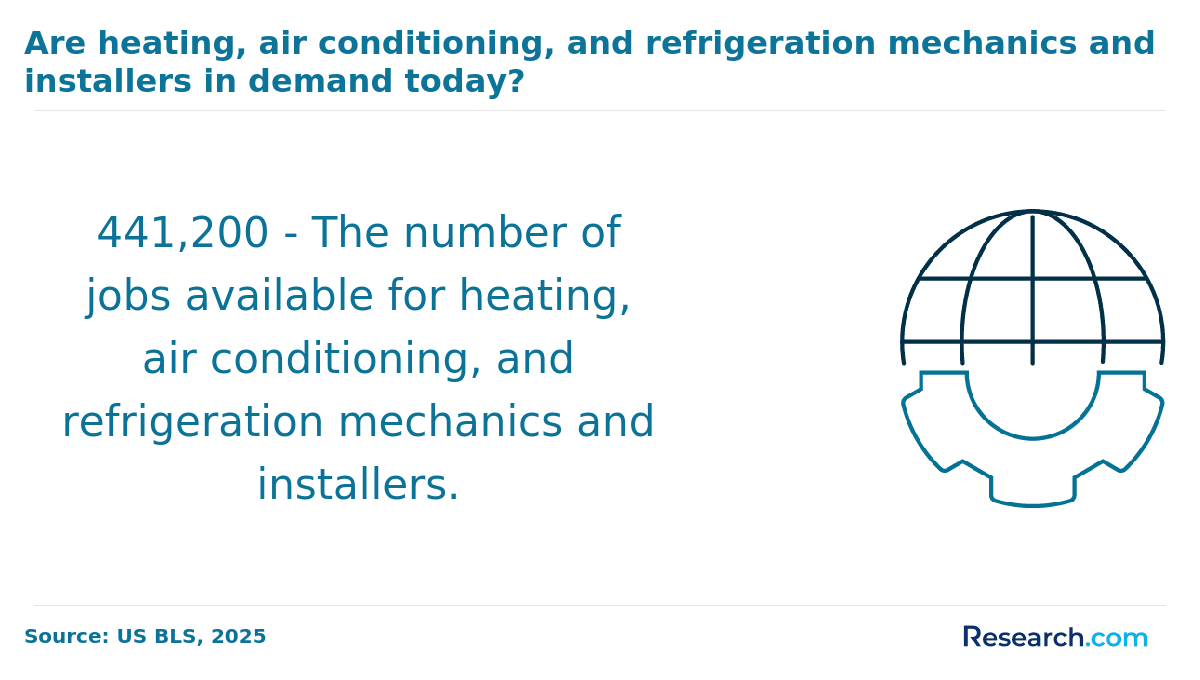
Job growth for HVAC techs in Montana is projected to rise by approximately 10% over the next decade, a pace that outstrips many other trades. This growth, a key facet of the Montana HVAC industry growth outlook, is partly driven by the increasing need for energy-efficient heating and cooling systems adapted to Montana’s cold winters and warm summers.
Within the HVAC realm, specialists focusing on refrigeration and geothermal systems are particularly sought after, reflecting Montana’s push toward sustainable energy solutions. Meanwhile, traditional heating system experts remain essential in rural and older urban areas where legacy equipment still dominates. The job market offers a variety of opportunities—from residential service calls to large commercial installations—making Montana a fertile ground for aspiring HVAC technicians to cultivate a diverse and resilient career. For those exploring paths to enter this field, we recommend exploring reputable online trades schools.
For potential students and professionals curious about the montana hvac technician job demand montana, the blend of steady employment prospects and the chance to work with evolving technologies creates a compelling career narrative worth considering.
Is Montana a good place to work as an HVAC tech?
Though Montana’s population is thinly spread across its rugged terrain, we learned that the HVAC trade thrives on close community ties and reliable word-of-mouth referrals. Becoming certified involves clear-cut state exams and apprenticeships, making the path accessible yet purposeful. While job growth aligns with national trends, the scarcity of skilled workers often means opportunity knocks louder than in more crowded markets.
- Affordable Living: Montana’s lower living expenses compared to metropolitan hubs give HVAC professionals more financial breathing room as they build their careers.
- Climate-Driven Demand: The state’s stark seasonal shifts create a steady need for experts who can master both heating systems and cooling solutions year-round.
- Accessible Certification: Licensing processes are straightforward, with defined steps that blend practical experience and testing, easing entry into the profession.
- Labor Shortage Advantage: A limited pool of qualified technicians means increased job security and potential for steady client bases through community networks.
What HVAC Technicians in Montana Say About Their Careers
- Working as an HVAC technician in Montana has given me incredible job stability. With the state's fluctuating weather, there’s always demand for heating and cooling services, which means steady work and competitive salaries. I feel secure knowing my skills are valued year-round. – Mark
- The unique climate in Montana presents some real challenges that keep my job exciting. From extreme cold winters to relatively warm summers, every day is different and offers hands-on learning opportunities. It’s rewarding to solve problems that directly improve people’s comfort in such a tough environment. – Amelia
- Montana offers excellent professional development options for HVAC technicians, including specialized training programs and apprenticeships that helped me advance quickly. The local trade schools and industry workshops are top-notch, making it easy to stay updated with the latest technology. I appreciate how the community supports continuous growth in this field. – Ravi
Related Articles for Nearby States
- 2027 How to Become an HVAC Tech in Idaho
- 2027 How to Become an HVAC Tech in Wyoming
- 2027 How to Become an HVAC Tech in North Dakota
- 2027 How to Become an HVAC Tech in South Dakota
- 2027 How to Become an HVAC Tech in Washington
- 2027 How to Become an HVAC Tech in Oregon
- 2027 How to Become an HVAC Tech in Utah
- 2027 How to Become an HVAC Tech in Nebraska
- 2027 How to Become an HVAC Tech in Minnesota
- 2027 How to Become an HVAC Tech in Colorado
References:
- Flathead Valley Community College. Heating, Ventilation, Air-conditioning and Refrigeration (HVAC) Apprentice, CTS.Flathead Valley Community College.
- Gallatin College. HVACR. Gallatin College.
- HVACCertification.org. Montana HVAC License, How to get Your HVAC License in Montana. HVACCertification.org.
- HVACClasses.org. Which States Have the Highest Demand for HVAC Workers? HVACClasses.org.
- Montana State University Academic Catalog. Heating, Ventilation, Air Conditioning, and Refrigeration - AAS. Montana State University Academic Catalog.
- Montana State University Billings. HVC - Heating, Ventilating, Air Conditioning, and Refrigeration. Montana State University Billings.
Other Things You Should Know About Becoming an HVAC Tech in Montana
In 2027, the job outlook for HVAC technicians in Montana remains promising, with continued demand due to ongoing construction and the need for system maintenance. The Bureau of Labor Statistics projects a growth rate in HVAC tech employment, reflecting the importance of these skilled professionals in maintaining energy efficiency and comfort in residential and commercial buildings.
In 2027, aspiring HVAC technicians in Montana need a high school diploma or GED, followed by post-secondary training in HVAC systems, often through community colleges or vocational schools. An apprenticeship or two years of work experience is necessary for state licensing, which requires passing an exam to ensure competency.
To become an HVAC tech in Montana in 2027, start by obtaining a high school diploma or GED. Then, enroll in an accredited HVAC training program, which typically takes 6 months to 2 years. Complete an apprenticeship for hands-on experience and pass the relevant certification exams to qualify for state licensing.


