
2027 How to Become an Occupational Therapist in Virginia

Co-Founder and Chief Data Scientist
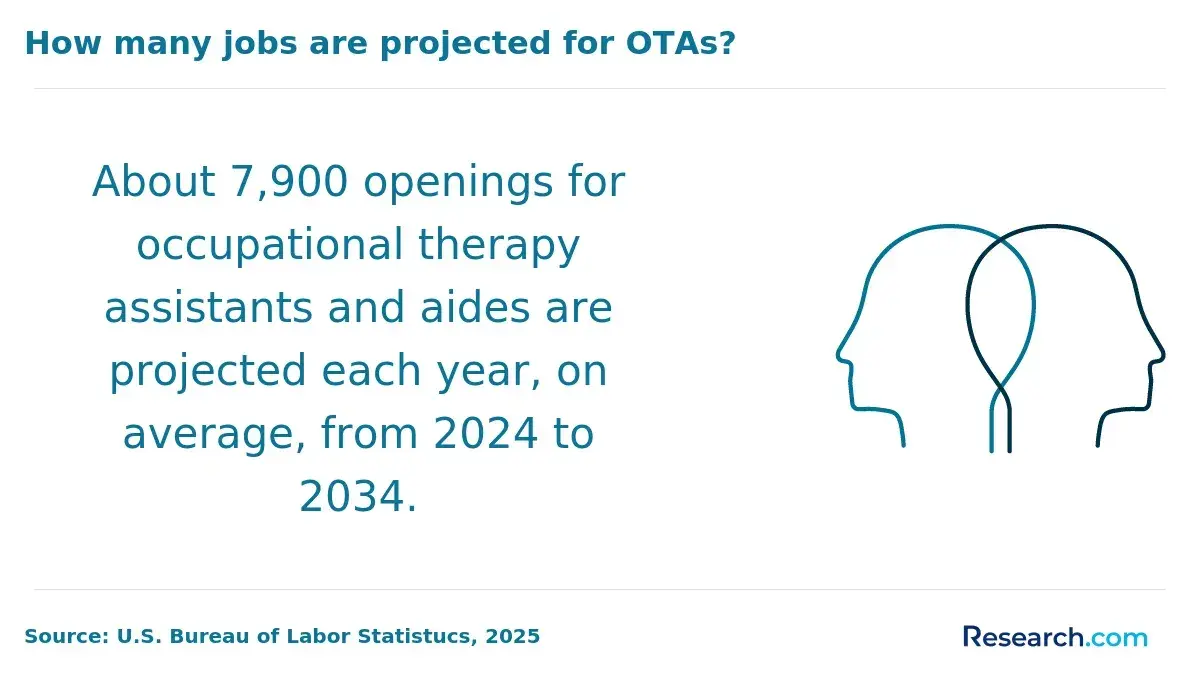
Virginia offers a promising landscape for occupational therapists, with employment growth projected to rise by 15% through 2030, aligning with national demands for healthcare services. This growth reflects an expanding aging population and increased awareness of rehabilitative care, making the profession both vital and stable. Pursuing a career as an occupational therapist in Virginia not only meets a growing need but also provides access to competitive salaries and diverse work environments across hospitals, schools, and community health centers.
This article, crafted by seasoned career planning experts, guides aspiring professionals through the essential steps to become licensed occupational therapists in Virginia. It highlights educational requirements, licensing procedures, and practical career advice, offering clear, reliable insights to support informed decision-making in this rewarding field.
Key Things to Know About Becoming an Occupational Therapist in Virginia
- Earn a master’s or doctoral degree in occupational therapy from an ACOTE‑accredited program; Virginia hosts several accredited schools, reflecting its commitment to healthcare education excellence.
- Pass the NBCOT certification exam, a national standard that ensures competence; Virginia also requires state licensure, maintaining rigorous professional standards.
- Complete supervised fieldwork, typically 24 weeks, gaining hands‑on experience; Virginia’s growing demand for OTs (projected 18% job growth by 2030) offers ample clinical opportunities.
- What are the education requirements to become an occupational therapist in Virginia?
- How do you get a state license to practice occupational therapy in Virginia?
- How often do you need to renew an OT license in Virginia?
- What continuing education is required for OT license renewal in Virginia?
- How much does it cost to become an occupational therapist in Virginia?
- What financial aid options are available for OT students in Virginia?
- Can out-of-state occupational therapists work in Virginia?
- What skills do you need to be a successful occupational therapist in Virginia?
- What specializations are available for occupational therapists in Virginia?
- What is the average salary of an occupational therapist in Virginia?
- What additional certifications can further advance your occupational therapy career in Virginia?
What are the education requirements to become an occupational therapist in Virginia?
Formal education lays the foundation for occupational therapists to develop the clinical reasoning, evidence-based practice, and interpersonal skills necessary to support patients with diverse physical, emotional, and developmental needs.
The depth of academic and practical training ensures therapists are ready to create individualized care plans and improve patient outcomes in many settings. Below are the key steps outlining Occupational Therapy Education in Virginia.
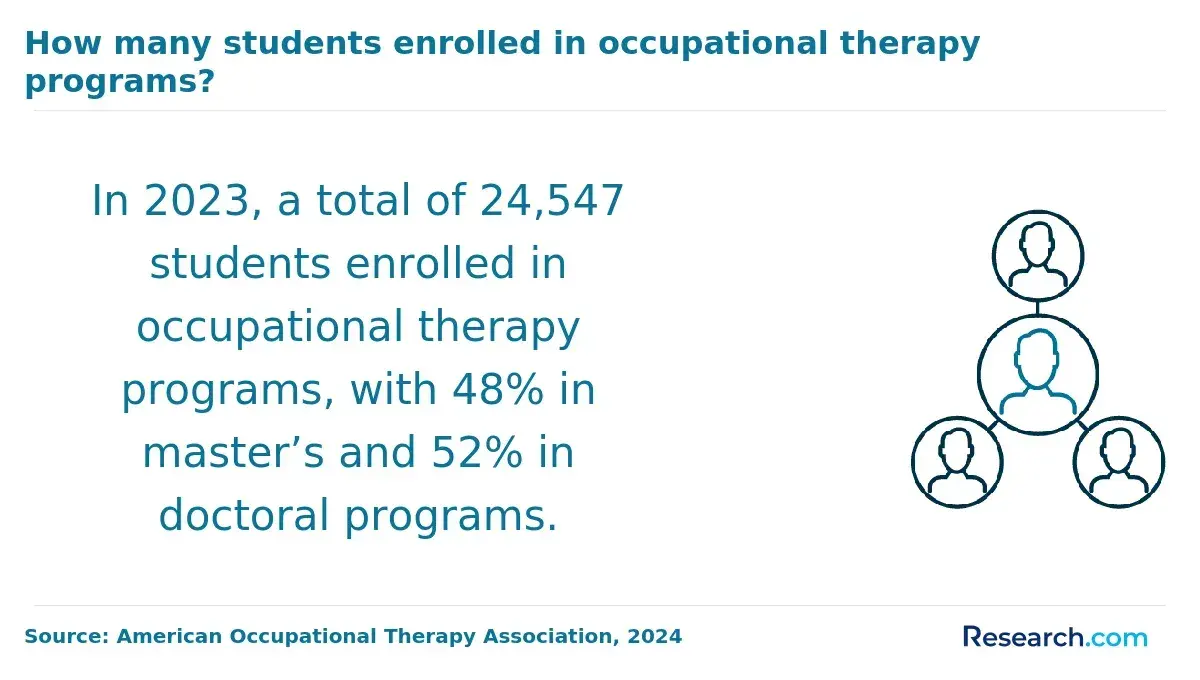
- Earn a Bachelor’s Degree: Prospective therapists begin by completing a bachelor’s degree, ideally in related fields like health sciences, psychology, or biology. Although there is no strict undergraduate major required, courses in anatomy, physiology, and behavioral sciences are highly recommended to fulfill prerequisites for advanced study.
- Complete an Accredited Master’s or Doctoral Program in Occupational Therapy: This critical phase involves enrolling in a graduate program accredited by the Accreditation Council for Occupational Therapy Education (ACOTE). Virginia accepts both Master of Occupational Therapy (MOT) and Doctor of Occupational Therapy (OTD) degrees, which typically span 2 to 3 years and include advanced clinical coursework and leadership training.
- Fulfill Supervised Fieldwork Requirements: At least 24 weeks of Level II clinical fieldwork in varied healthcare environments must be completed. This hands-on experience is essential for applying theoretical knowledge under professional supervision and is mandatory for graduation and licensure.
- Pass the National Board for Certification in Occupational Therapy (NBCOT) Exam: After finishing education and fieldwork, passing the NBCOT exam is required to demonstrate competence and comply with Virginia Occupational Therapy Degree Requirements for licensure.
- Meet Continuing Education Requirements Post-Licensure: Licensed occupational therapists in Virginia maintain their license by completing 20–24 hours of continuing education every two years, ensuring ongoing expertise and adherence to best practices.
For those interested in related health careers, exploring the medical billing and coding career requirements can offer additional pathways and insights.
How do you get a state license to practice occupational therapy in Virginia?
Obtaining a state license to practice occupational therapy in Virginia is a fundamental step that confirms your professional credibility and legal eligibility to work within the state. This licensure reflects a commitment to meeting stringent educational and ethical standards, ensuring that practitioners deliver safe and effective care. For those wondering how to get OT license in Virginia, the process involves multiple precise steps designed to uphold these standards.
- Complete an ACOTE-Accredited Occupational Therapy Program: Graduation from a program accredited by the Accreditation Council for Occupational Therapy Education (ACOTE) is essential. Virginia requires completion of either a bachelor’s or master’s degree in occupational therapy, which forms the academic foundation for licensure.
- Fulfill Fieldwork Requirements: Virginia mandates at least 24 weeks of supervised clinical fieldwork under a licensed occupational therapist. This hands-on experience builds the practical skills necessary to excel in the profession.
- Pass the NBCOT Certification Examination: Candidates need to achieve a minimum passing score of 450 on the Occupational Therapist Registered (OTR) exam by NBCOT. Official exam results must be sent directly to the Virginia Board of Medicine for verification.
- Submit an Official Application to the Virginia Board of Medicine: A signed application, including a $130 nonrefundable fee, must be submitted along with personal, educational, and professional history details for review.
- Provide Official Transcripts and Documentation: The Board requires official transcripts sent directly from the program, as well as verification of any previous licensure in other states if applicable.
- Complete a Criminal Background Check: A comprehensive state and federal background check ensures patient safety and professional integrity, a mandatory step for all applicants.
- Temporary Licensure (If Applicable): Graduates may apply for a temporary license to work under supervision while awaiting NBCOT exam results, valid up to six months or until a failed score is reported.
- Await Board Review and Licensing Decision: The Virginia Board of Medicine reviews submissions carefully, with the process taking up to two months. Prompt and thorough application preparation helps avoid delays.
For those also navigating administrative aspects of healthcare careers, understanding the essential duties of medical billers and coders can provide valuable context to the occupational therapy field’s wider healthcare environment. These steps collectively outline the occupational therapy license requirements Virginia practitioners must satisfy to build a meaningful and compliant career.
How often do you need to renew an OT license in Virginia?
Renewing a license is a vital practice for occupational therapists in Virginia, serving as a formal checkpoint to uphold professional standards and accountability. This process not only protects clients by ensuring therapists remain competent and compliant with current regulations but also fosters continuous growth within the profession. Staying aligned with evolving best practices reflects a commitment to quality care and ethical responsibility.
In Virginia, occupational therapists must renew their licenses every two years, specifically during their birth month in even-numbered years. This biennial renewal system means practitioners consistently update their credentials on a predictable schedule, enabling regulatory bodies to verify that licensees maintain required qualifications.
Should a therapist miss renewing by the first day of the month following their birth month, a late fee is assessed, underscoring the importance of timely renewal. This structured timeline supports therapists in remaining eligible to practice while encouraging adherence to professional development and state mandates.
An occupational therapist from Virginia, who graduated from a well-regarded local program, shared his experience about this process. He recalled, “The renewal period always catches my attention well before the deadline, but it’s easy to underestimate the paperwork and continuing education confirmation required.”
He described navigating the online renewal system initially with some apprehension, noting the importance of gathering necessary documents and verifying completed continuing education hours. “It’s reassuring to see how the process reinforces staying engaged professionally,” he reflected. For him, the renewal serves not just as a bureaucratic step but as a moment to pause and review his growth since starting practice in Virginia.
What continuing education is required for OT license renewal in Virginia?
Continuing education plays a vital role for occupational therapists in Virginia, helping them maintain professional competence, meet state regulatory standards, and stay updated with evolving therapeutic techniques and regulations. Staying current through ongoing education ensures that therapists provide effective, safe care while upholding the integrity of the profession in a dynamic healthcare environment.
- Biennial Renewal Cycle: Occupational therapists and occupational therapy assistants must renew their licenses every two years, specifically during their birth month in even-numbered years. This cycle encourages consistent engagement with professional growth and compliance with Virginia’s regulatory framework.
- Minimum Continuing Education Hours: Both OTs and OTAs are required to earn a minimum of 10 contact hours of continuing education within each renewal period. These hours must focus on content relevant to their current or anticipated occupational therapy responsibilities, ensuring meaningful, practice-oriented learning aligned with Virginia occupational therapist continuing education requirements.
- Approved Providers and Formats: Continuing education must come from approved sources such as professional associations, accredited universities, government agencies, or recognized healthcare organizations. There are no restrictions on online courses, allowing therapists flexibility to select in-person, hybrid, or fully online formats that fit their schedules.
- Volunteer and Supervision Credits: Up to two continuing education hours may be earned through uncompensated volunteer therapy services for low-income populations, with one CE hour earned per three volunteer hours documented. Similarly, supervising occupational therapy students can earn up to two CE hours, credited at one hour per eight hours of supervision with proper documentation.
- Reporting and Documentation: License renewal requires attestation of completed continuing education, supported by documentation such as certificates and provider verifications. Maintaining thorough records safeguards against audit risks and reinforces the therapist’s commitment to professional development.
- Requirements for Occupational Therapy Assistants: The OT license renewal CEU requirements in Virginia apply equally to OTAs, with the same 10-hour mandate and adherence to approved provider standards. This ensures consistent quality and competency across both practitioner roles.
- Additional Considerations: Beyond continuing education, therapists must pay renewal fees and confirm active practice as defined by state regulations. Missing deadlines results in late fees, emphasizing the importance of timely compliance for ongoing licensure.
For those exploring healthcare careers, understanding related fields such as what is a medical billing and coding job can provide valuable context about supporting roles within the medical industry.
How much does it cost to become an occupational therapist in Virginia?
The total cost of becoming an occupational therapist in Virginia varies widely depending on the educational institution, exam fees, and licensing expenses. Being aware of these costs helps you make informed financial decisions and plan effectively for this career path.
- Tuition and Fees for OT Programs: Tuition rates differ significantly between schools. In-state graduate students generally pay around $14,826 annually, while out-of-state students may face costs near $26,813. Some programs, like Emory & Henry University’s Doctor of Occupational Therapy, charge about $9,866 per semester, with total program expenses reaching nearly $79,000.
- NBCOT Exam Fees: This essential certification exam typically costs around $540, a necessary investment to demonstrate your competency and become nationally certified.
- State Licensure Application Fees: Once you pass the NBCOT exam, you’ll submit a licensure application to Virginia’s regulatory board, which usually charges a fee close to $70.
- Background Checks and Professional Memberships: Additional charges include background checks and drug screenings ranging from $150 to $212. Professional memberships, such as AOTA student dues, add about $78, contributing to your professional growth and networking opportunities.
What financial aid options are available for OT students in Virginia?
Financial aid plays an essential role in making occupational therapy education accessible to students in Virginia. The costs associated with these programs—ranging from undergraduate to clinical doctoral levels—can be substantial, and securing support helps ease financial obstacles.
By exploring a variety of aid options, students can better manage expenses and focus on their professional growth. Below are key financial aid opportunities available for OT students in Virginia:
- Federal Grants and Loans: Eligible U.S. citizens and non-citizens can apply for federal aid through FAFSA, accessing need-based grants like the Pell Grant and loans such as Stafford and PLUS. Grants do not require repayment, while loans must be repaid with interest after graduation, providing flexible options for funding education.
- Virginia Tuition Assistance Grant (VTAG): This state grant offers up to $5,000 annually to Virginia residents attending participating private colleges full-time. VTAG focuses on residency and enrollment requirements, serving as a critical non-repayable resource for students pursuing occupational therapy at private institutions.
- University-Based Scholarships: Many Virginia universities with OT programs award scholarships based on academic merit, leadership, or financial need. These scholarships vary widely, so consulting individual schools’ financial aid offices is important to identify opportunities tailored to student profiles.
- Professional and Association-Sponsored Awards: Organizations like the American Occupational Therapy Foundation and the American Occupational Therapy Association provide competitive scholarships centered on academic excellence and commitment to the profession. Additional awards from groups such as the Daughters of the American Revolution further support students with financial need.
- State and Private Grants: Beyond VTAG, other state-funded and private grants are available that typically focus on need-based support, offering aid without repayment obligations to students training in health professions.
- Work-Study Programs and Assistantships: Through FAFSA, students may qualify for federal work-study, enabling them to earn income while gaining practical experience. Graduate students might also benefit from assistantships, which offer stipends or tuition waivers in exchange for research or teaching assistance.
- Military and Veteran Benefits: Veterans and eligible dependents can access benefits via the GI Bill, Yellow Ribbon Program, and state initiatives, helping to offset tuition and living expenses related to occupational therapy programs.
- Loan Forgiveness Programs: Graduates working in underserved or public health settings may qualify for loan forgiveness, reducing their educational debt by incentivizing service in high-need regions within Virginia.
Can out-of-state occupational therapists work in Virginia?
Out-of-state occupational therapists are indeed able to work in Virginia, but only after obtaining full Virginia state licensure. The state does not currently allow automatic practice based on out-of-state licensure alone. While Virginia recognizes licensure by endorsement, meaning therapists licensed and in good standing elsewhere can apply under streamlined conditions, they still must meet Virginia’s specific requirements.
This includes submitting proof of education, verification of their previous licenses, passing any necessary exams, and completing background checks. Currently, the Occupational Therapy Licensure Compact is set to activate in Virginia after October 2025, but until then, therapists must follow the full licensure application process.
An occupational therapist from Virginia who graduated locally shared her reflection on this process. “I’ve met many therapists who found this transition challenging—having to gather transcripts, renew documentation, and verify their standing. It’s a thorough journey, but necessary to ensure quality care.
One told me, ‘The paperwork felt overwhelming, but it gave me a fresh understanding of Virginia’s standards.’ Their experience underlines the importance of patience and thorough preparation for those aiming to join Virginia’s workforce from other states.”
What skills do you need to be a successful occupational therapist in Virginia?
Success as an occupational therapist in Virginia hinges on cultivating a multifaceted skill set that enables practitioners to restore client independence, enhance quality of life, and collaborate effectively within healthcare teams. These skills are not only vital for designing targeted interventions but also for navigating the diverse challenges presented by Virginia’s urban and rural populations.
Mastery of these competencies ensures that therapists can deliver personalized, evidence-based care while maintaining professional standards. Below are key skills essential for thriving in this profession in Virginia:
- Clinical Assessment and Documentation Skills: Accurate evaluation of cognitive, physical, and sensory functions provides the foundation for tailored treatment plans. Comprehensive documentation supports continuity of care and compliance with Virginia’s licensing requirements, which include at least 24 weeks of supervised fieldwork.
- Communication and Interpersonal Abilities: Building trust through clear, empathetic communication with clients and healthcare teams is crucial. These skills foster collaborative environments and empower clients in their rehabilitation journeys.
- Problem-Solving and Adaptability: Creative intervention strategies and flexibility in response to patient progress and resource availability help therapists meet diverse client needs across varied settings.
- Physical and Cognitive Stamina: Endurance and mental agility are necessary to manage demanding caseloads, execute physical tasks, and apply complex clinical knowledge effectively throughout long workdays.
- Emotional Intelligence and Composure: Recognizing and addressing the emotional dimensions of disability allows therapists to provide compassionate, consistent care, even under stress or when facing challenging behaviors.
What specializations are available for occupational therapists in Virginia?
Specializing allows occupational therapists to deepen their expertise in targeted populations or practice areas, which enhances both their professional value and the quality of care they provide.
This focused approach opens diverse Virginia occupational therapy career paths, enabling therapists to meet complex client needs while expanding their work settings and opportunities. Several specializations stand out for their relevance and demand within the state.
- Pediatrics: Pediatric occupational therapists help children develop essential life skills, including fine motor coordination and sensory integration. They often serve in schools, early intervention programs, and pediatric rehabilitation clinics, supporting children with developmental delays, autism, and cognitive challenges.
- Geriatrics: This area focuses on promoting independence and safety for older adults facing conditions like arthritis, dementia, or stroke recovery. Geriatric therapists typically work in hospitals, nursing homes, community living centers, and private residences.
- Mental Health: Occupational therapists in mental health assist clients facing emotional and behavioral challenges by building coping strategies and managing daily routines. They are commonly found in psychiatric hospitals, outpatient clinics, and community mental health centers.
- Hand Therapy: Specializing in rehabilitation of the hand and upper extremities, hand therapists treat injuries, surgeries, and conditions such as carpal tunnel syndrome. Their work settings include outpatient clinics, orthopedic practices, and hospitals.
- Rehabilitation: Occupational therapists in rehabilitation support recovery from illness or injury, helping clients regain independence in daily activities. This specialization spans inpatient and outpatient centers, veterans’ health facilities, and hospitals.
For those exploring affordable training options that complement their occupational therapy career growth, consider billing and coding classes online, which can expand administrative and clinical skill sets vital to today’s healthcare environments.
What is the average salary of an occupational therapist in Virginia?
The occupational therapist salary in Virginia is shaped by various factors like experience level, work setting, and geographic location. These elements combine to create a wide range of earning potential across the state. Below are the key factors that influence the pay scale for occupational therapists in Virginia:
- Years of Experience: Entry-level occupational therapists often start at a modest salary, but as they gain skills and demonstrate their abilities, their earnings can substantially increase. Experienced therapists with over a decade of practice commonly move into higher-paying roles, including leadership or specialized therapy areas, which significantly raise their average occupational therapist pay in Virginia.
- Type of Employer: Salaries also vary depending on whether an occupational therapist works in hospitals, private practices, schools, or nonprofit organizations. Hospitals typically offer the highest salaries due to the complex care they provide, while schools may have more stable but lower salaries because of different funding streams and job structures.
- Geographic Location: Urban centers like Richmond or Arlington usually offer higher salaries to offset increased living costs and higher demand for occupational therapy services. In contrast, rural areas may have lower pay but other advantages, such as a quieter lifestyle and community focus.
- Work Setting: The setting influences compensation by shaping job responsibilities and funding. For instance, therapists in private clinics might earn more hourly compared to those in schools, where budgets and payment structures differ. The average hourly wage in Virginia reflects this variability across settings.
Those interested in related healthcare fields may consider exploring online schools for medical billing and coding, which can complement occupational therapy knowledge in interdisciplinary healthcare environments.
What Do Occupational Therapists in Virginia Say About Their Career?
- Timothy: "Completing my occupational therapy program at Virginia Commonwealth University truly laid a solid foundation for my career. Starting work as an occupational therapist in a local school allowed me to witness firsthand the difference dedicated support can make in students' lives. The sense of purpose I feel helping children overcome challenges in a state that values educational well-being is deeply fulfilling. Virginia's rich community resources and support networks have also helped me grow professionally and personally in ways I never expected. "
- Hestia: "My journey began with earning my degree from the University of Virginia’s OT program, and since then, working in a local academic setting has been both rewarding and stimulating. Helping students with diverse backgrounds adapt and thrive in their learning environments inspires me every day. Virginia’s blend of urban and rural communities brings unique challenges, but it also offers opportunities to innovate and develop tailored therapy approaches that fit the needs of each child. This career path has sharpened my skills and broadened my understanding of what occupational therapy can achieve. "
- Marilyn: "Graduating from James Madison University’s occupational therapy program prepared me for a career filled with both challenges and triumphs, especially within Virginia’s culturally rich and historically significant areas. Working in local schools has deepened my appreciation for community impact—every small success warms the heart and adds to the momentum for bigger change. Professionally, I have found ample opportunities for advancement and ongoing education that align with my passion for serving youth. This career has continuously nurtured my growth as I contribute positively to the well-being of future generations."
What additional certifications can further advance your occupational therapy career in Virginia?
In today’s competitive healthcare environment, pursuing targeted certifications can broaden your expertise and diversify your service offerings. Obtaining supplemental credentials that emphasize interdisciplinary skills—such as patient engagement and holistic care—can create new avenues for professional growth. For instance, exploring programs designed to enhance caregiving capabilities provides practical insights into complementary care strategies, as outlined in how to become a caregiver in Virginia. Evaluating the curriculum rigor and accreditation of such programs is essential to ensure they add distinct value to your clinical practice and career trajectory.
Related Articles for Nearby States
- 2027 How to Become an Occupational Therapist in West Virginia
- 2027 How to Become an Occupational Therapist in Maryland
- 2027 How to Become an Occupational Therapist in North Carolina
- 2027 How to Become an Occupational Therapist in Tennessee
- 2027 How to Become an Occupational Therapist in Kentucky
- 2027 How to Become an Occupational Therapist in Pennsylvania
- 2027 How to Become an Occupational Therapist in South Carolina
- 2027 How to Become an Occupational Therapist in Ohio
- 2027 How to Become an Occupational Therapist in Delaware
- 2027 How to Become an Occupational Therapist in New Jersey
References:
- Occupational Therapy Licensure Guide - Trusted Health https://www.trustedhealth.com/allied-career-guide/occupational-therapy/licensure-guide
- OT CEU Requirements and Licensure Renewal by State https://otpotential.com/ot-continuing-education-requirements
- Grants & Scholarships • Occupational Therapy • Emory & Henry https://www.emoryhenry.edu/academics/occupational-therapy/grants-scholarships/
- Virginia Occupational Therapy CEU Requirements for License Renewal | OT Mastery https://www.otmastery.com/state-license-requirements/virginia-occupational-therapy-ceu-requirements.php
- Virginia OT License – Uniti Med https://unitimed.com/virginia-ot-license/
- Entry Leve In-Person MOT Track | Radford University https://www.radford.edu/programs/mot-grad.html
- Occupational Therapy Assistant | Northern Virginia Community College https://www.nvcc.edu/academics/programs/occupational-therapy-assistant/index.html
- Virginia Therapy State Boards | AMN Healthcare https://www.amnhealthcare.com/careers/allied/resources/state-boards/therapy/virginia/
- Virginia Board of Medicine https://www.dhp.virginia.gov/Boards/Medicine/AbouttheBoard/RegulatedProfessions/OccupationalTherapy/
- Estimated Cost – Occupational Therapy Assistant – Virginia Western Community College https://www.virginiawestern.edu/academics/health-professions/occupational-therapy/cost/
Other Things You Need to Know About Becoming an Occupational Therapist in Virginia
To become a licensed Occupational Therapist in Virginia in 2027, you'll need a master's degree from an accredited OT program, followed by passing the NBCOT exam. Afterward, submit an application for state licensure. The entire process typically takes 6-7 years, including undergraduate studies.
Yes, occupational therapists in Virginia must complete a minimum of 20 hours of continuing education every year to maintain licensure. Courses must be approved by the Virginia Board of Medicine and include topics relevant to professional development.


