
2027 How to Become an Occupational Therapist in Wyoming

Co-Founder and Chief Data Scientist
Wyoming projects steady growth in the healthcare sector, with a 12% increase in demand for occupational therapists by 2030. The state’s low population density combined with an aging demographic creates a unique need for skilled occupational therapy professionals. Median annual wages for occupational therapists exceed $87,000, making the career financially stable and rewarding in Wyoming’s job market. These factors highlight the value of pursuing occupational therapy within the state.
This article, prepared by experts in career planning, outlines the essential steps to become an occupational therapist in Wyoming. It provides detailed, data-driven guidance to help prospective students navigate licensing requirements, education programs, and career advancement opportunities effectively.
Key Things to Know About Becoming an Occupational Therapist in Wyoming
- Earn a Master’s or Doctorate in Occupational Therapy from an accredited program, as Wyoming requires graduation from ACOTE-accredited institutions for licensure.
- Pass the National Board for Certification in Occupational Therapy (NBCOT) exam; Wyoming mandates this for all practicing OTs to ensure competency.
- Apply for state licensure through the Wyoming Board of Occupational Therapy, noting that demand in Wyoming is projected to grow 18% by 2030, reflecting expanding healthcare needs.
- What are the education requirements to become an occupational therapist in Wyoming? Educational Requirements
- How do you get a state license to practice occupational therapy in Wyoming? How do you get a state license to practice occupational therapy in Wyoming?
- How often do you need to renew an OT license in Wyoming? License Renewal
- What continuing education is required for OT license renewal in Wyoming? Continuing Education
- How much does it cost to become an occupational therapist in Wyoming? Cost
- What financial aid options are available for OT students in Wyoming? Financial Aid
- Can out-of-state occupational therapists work in Wyoming? Can out-of-state occupational therapists work in Wyoming?
- How can occupational therapists collaborate effectively with caregivers in Wyoming? collab
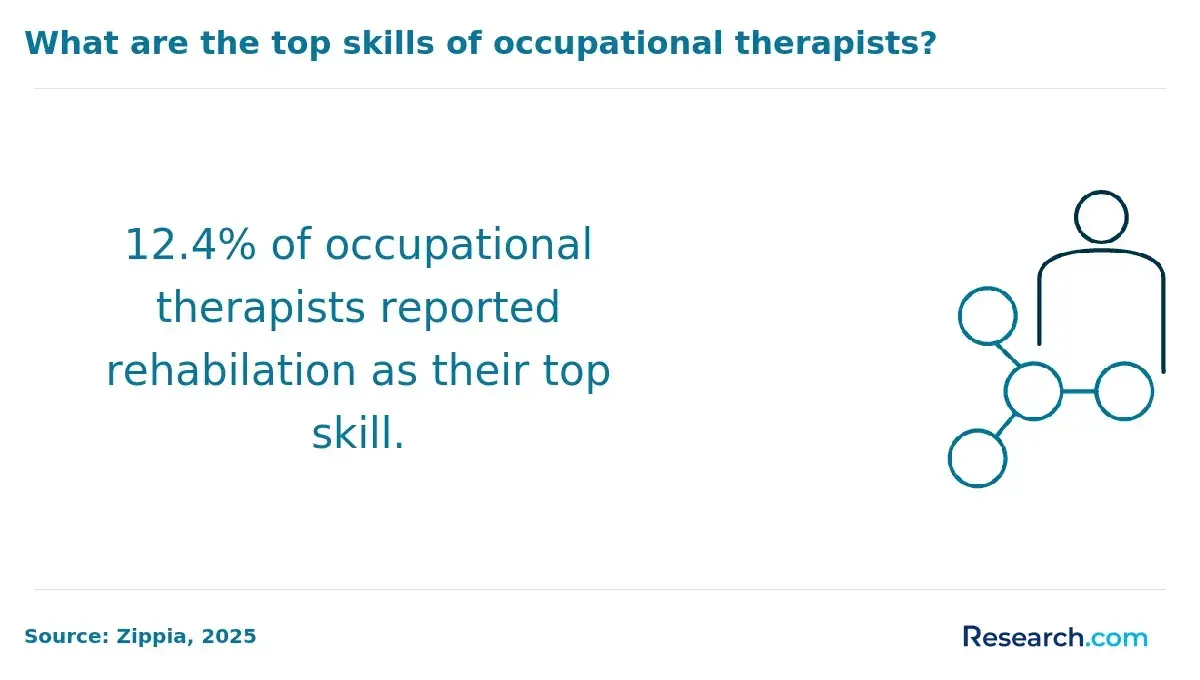
- What skills do you need to be a successful occupational therapist in Wyoming? Skills
- What specializations are available for occupational therapists in Wyoming? Specializations
- What is the average salary of an occupational therapist in Wyoming? Salary
What are the education requirements to become an occupational therapist in Wyoming?
Formal education is fundamental in preparing occupational therapists to effectively address patients’ physical, emotional, and developmental needs. A strong academic foundation ensures practitioners have the clinical skills and theoretical knowledge necessary for successful treatment planning and patient care. This foundation is particularly critical for meeting the standards of occupational therapy education in Wyoming.
Key education requirements include:
- Bachelor's Degree in Any Field: Candidates must complete a bachelor’s degree before entering graduate programs. While the major is flexible, prerequisite coursework in biology, chemistry, physics, mathematics, and statistics is often mandatory to meet program admissions criteria.
- Prerequisite Coursework: Foundational courses such as college algebra, general biology, human anatomy, and chemistry prepare students for advanced study. These prerequisite courses ensure incoming students possess the basic scientific knowledge needed for graduate-level occupational therapy education.
- Accredited Master's or Doctoral Program: Students must graduate from an accredited occupational therapy program. Although master’s degrees were once the professional standard, Wyoming occupational therapy degree requirements now mandate an Occupational Therapy Doctorate (OTD) as of 2024, reflecting advances in clinical competencies.
- Supervised Fieldwork Requirements: Hands-on clinical rotations under licensed professionals are essential. Accredited programs integrate supervised fieldwork to develop critical practical skills, allowing students to apply theoretical knowledge in real-world healthcare settings.
Those exploring how long to get a certificate in medical billing and coding may find useful parallels in the structured education timeline that occupational therapy requires for comprehensive clinical preparation.
How do you get a state license to practice occupational therapy in Wyoming?
Obtaining a state license is a crucial step for occupational therapists who want to practice legally and maintain professional credibility in Wyoming. The licensure process ensures that practitioners have met rigorous educational, ethical, and professional standards.
Meeting Wyoming occupational therapy license requirements provides not only legal authorization but also aligns with the growing demand for qualified occupational therapy professionals in the state.
Below are the key steps involved in how to apply for an occupational therapy license in Wyoming:
- Complete an Accredited Occupational Therapy Program: Candidates must graduate from an ACOTE-accredited program, earning a master's or doctoral degree for Occupational Therapists (OTs) or an associate degree for Occupational Therapy Assistants (OTAs). Wyoming supports accredited training through institutions like Casper College and its partnership with the University of North Dakota.
- Fulfill Clinical Fieldwork Requirements: A minimum of six months of supervised clinical fieldwork is necessary, providing hands-on experience under a licensed therapist’s supervision. This practical training is integrated into the degree program to ensure readiness for professional practice.
- Pass the National Certification Exam (NBCOT): Candidates must pass the NBCOT examination, achieving a score of 450 or higher. The examinations differ for OTs (OTR exam) and OTAs (COTA exam), and passing is mandatory before proceeding with the Wyoming state license application.
- Submit a State License Application: The official Wyoming application requires a current photograph, proof of lawful presence, and payment of applicable fees, including a $125 application fee and $100 license fee for OTs. Original signed documents are required — copies are not accepted.
- Provide Official Transcripts and Exam Verification: Academic transcripts must be sent directly from educational institutions to the Wyoming Board. NBCOT also sends official exam verification. If previously licensed in other states, official license verifications must be submitted as well.
- Complete a Background Check: A criminal background check is mandatory to uphold public safety and professional standards within Wyoming’s occupational therapy workforce.
- Await Board Approval: Once the complete application is submitted, the Wyoming Board of Occupational Therapy typically processes it within 7–10 business days. Official Board approval and license issuance are required prior to practicing as a licensed occupational therapist in Wyoming.
For more insight into healthcare professions, examine the primary responsibilities of medical billers and coders, which are integral to medical administration.
How often do you need to renew an OT license in Wyoming?
License renewal is a critical component for maintaining the integrity and professional standards of occupational therapists in Wyoming. It ensures accountability to the public and guarantees that practitioners stay current with evolving clinical practices, ethical guidelines, and state regulations. This process supports a workforce capable of delivering effective, high-quality care across diverse settings in Wyoming.
Occupational therapists in Wyoming must renew their licenses annually, with every license expiring on July 31 each year. While renewal is yearly, continuing education (CE) requirements follow a biennial schedule, specifically in even-numbered years, where therapists must report completing 24 hours of CE.
Failure to renew by the deadline may trigger penalties or necessitate additional CE before reinstatement. Some licensees may be subject to audits ensuring CE compliance. This structured cadence of renewal and education helps maintain work eligibility and promotes ongoing professional growth aligned with state and national standards.
An occupational therapist from Wyoming who graduated locally shared that the annual renewal keeps the administrative process regular yet manageable, though balancing CE requirements during even years can add pressure.
He reflected that “tracking CE hours and preparing documentation for the renewal felt daunting at first, but using online courses made compliance easier.” He appreciated the system’s intent, noting that it “reinforces the importance of continuous learning.” His experience underscores how the renewal schedule promotes professional diligence while allowing flexibility to meet the demands of a busy clinical practice.
What continuing education is required for OT license renewal in Wyoming?
Continuing education plays a vital role for occupational therapists in Wyoming by ensuring that professionals maintain their expertise, comply with state licensing standards, and stay updated on advances in therapeutic techniques and legal regulations.
These ongoing requirements help preserve the quality and safety of care provided across the state, reflecting the essential nature of Wyoming occupational therapist continuing education requirements.
- Biennial Renewal Cycle and Hours Required: Licensed OTs and OTAs must complete 24 hours of continuing education every two years. The license renewal cycle operates on a biennial schedule with CE reporting due in even-numbered years despite the license itself expiring annually on July 31.
- Initial Licensing and Pro-rated Hours: Practitioners licensed during an even-numbered year prior to July 31 are exempt from reporting CE for their first renewal. Those receiving a license in an odd-numbered year must complete 12 hours of CE for their first even-year renewal cycle, accommodating new professionals.
- Acceptable Continuing Education Formats: CE can be earned through workshops, seminars, courses, or academic credits directly related to occupational therapy practice. Conversion standards include 1 contact hour = 60 minutes. 1 AOTA CEU = 1 contact hour, 1.25 NBCOT units = 1 contact hour, 1 semester credit = 15 contact hours, and 1 quarter credit = 10 contact hours. External courses must be accompanied by a written description when not sponsored by recognized organizations.
- Documentation and Reporting: Licensees attest to their CE completion on renewal applications in even years. Physical documentation, such as CE logs and course descriptions, is only required if audited or for late renewals after June 15. Proper record keeping is critical to verify compliance.
- Audit and Compliance Verification: Wyoming employs a random audit process to ensure CE requirements are met. Those selected must submit supporting documentation, and noncompliance can lead to disciplinary actions, including suspension of practice privileges.
- OTA Requirements: Occupational therapy assistants adhere to the same CE standards as occupational therapists, including the 24-hour biennial requirement and identical documentation protocols, ensuring consistency across professions.
- Late Renewal Penalties: Applications submitted past June 15 incur late fees and must include immediate submission of CE documentation. Staying within deadlines avoids these penalties and disruption in licensure status.
For occupational therapists seeking targeted educational opportunities, specialized offerings like the kaiser permanente coding course can complement documentation requirements when relevant to practice. Understanding OT license renewal continuing education Wyoming regulations aids professionals in maintaining licensure efficiently and confidently.
How much does it cost to become an occupational therapist in Wyoming?
The total cost of becoming an occupational therapist in Wyoming depends on several factors including education pathway, exam fees, and state licensing costs. Assessing these expenses upfront supports effective financial planning for prospective students.
- Tuition and Program Fees: Attending the ACOTE-accredited OTD program at the University of North Dakota’s Casper campus costs approximately $74,817 for in-state, WICHE, or ND/MN residents over three years, including tuition, fees, and books. Non-residents face higher costs near $106,249. OTA candidates at Casper College incur around $17,454 for the two-year program.
- NBCOT Exam Fees: The National Board for Certification in Occupational Therapy (NBCOT) exam fee for both OTR and COTA candidates is $515. Additional expenses may arise if retaking the exam or transferring scores.
- Wyoming Licensure Fees: Occupational therapists must pay a $125 application fee and a $100 initial license fee to obtain state licensure. These fees also apply to occupational therapy assistants and exclude renewal or continuing education costs.
- Background Checks and Additional Costs: Criminal background checks typically range from $40 to $100. Other potential expenses include immunizations, screening requirements, fieldwork-related travel or housing, and necessary supplies.
- Professional Memberships and Exam Prep: Optional memberships in organizations like AOTA may cost $75 to $150 annually. NBCOT exam preparation materials generally range from $50 to $200.
What financial aid options are available for OT students in Wyoming?
Financial aid is essential in Wyoming for students pursuing occupational therapy, given the considerable costs associated with required education and training. With in-state expenses for an occupational therapy assistant degree nearing $17,500, and even higher for graduate-level programs, financial assistance helps mitigate these barriers.
A variety of grants, scholarships, and loans are available to support aspiring occupational therapists in managing tuition and related costs.
Key financial aid options for occupational therapy students in Wyoming include:
- Federal Grants: Undergraduate OT students demonstrating financial need can qualify for federal grants such as the Pell Grant and the Federal Supplemental Educational Opportunity Grant (FSEOG). These grants do not require repayment and help cover tuition and living expenses during associate or bachelor’s degree programs.
- Wyoming Works Grant: This state grant supports Wyoming residents enrolled in eligible technical programs, including occupational therapy assistant studies. Standard and Critical Grants provide up to $1,680 and $3,360 annually, respectively, based on residency, FAFSA completion, and academic progress, though recipients cannot receive this simultaneously with the Hathaway Scholarship.
- Hathaway Scholarship: Targeting Wyoming high school graduates, this merit- and need-based scholarship offers variable awards to offset tuition at participating state colleges and universities, benefiting students starting OT programs locally.
- Institutional Scholarships and Grants: Schools like Casper College and the University of Wyoming offer scholarships and need-based grants specifically for OT students, often contingent on academic performance and financial need. Annual application is encouraged through each institution’s financial aid office.
- Federal Student Loans: For students requiring further funding, Direct Subsidized and Unsubsidized Loans and Graduate PLUS Loans are available. These must be repaid with interest but are vital when grant and scholarship funds are insufficient.
- Work-Study Programs: Eligible students can access part-time employment through Federal Work-Study, providing financial aid alongside valuable work experience in healthcare or community settings.
- Professional and Association Scholarships: Organizations like the American Occupational Therapy Foundation award competitive scholarships ranging from $150 to $5,000 for students in accredited OT or OTA programs, requiring academic excellence and active professional involvement.
- Private and Statewide Scholarships: Additional awards from local foundations and OT associations provide targeted support based on merit, commitment to the field, or service to underserved communities.
- Specialized Grants for Underrepresented Groups: Students from underrepresented backgrounds or pursuing fields like rural health may qualify for specific scholarships aimed at diversifying the OT workforce and addressing healthcare shortages in Wyoming.
Can out-of-state occupational therapists work in Wyoming?
Out-of-state occupational therapists cannot practice in Wyoming without first obtaining a Wyoming state license. The state requires all practitioners, whether working in-person or via telehealth, to hold a valid license issued by the Wyoming Board of Occupational Therapy.
Although Wyoming allows licensure by endorsement for therapists already licensed in states with comparable requirements, applicants must submit verification of their current licenses and have passed recognized exams such as the NBCOT.
Wyoming does not participate in the Occupational Therapy Licensure Compact, so interstate mobility is limited. Temporary licenses are available for up to 90 days to begin practice while waiting for full licensure, but cannot be used until officially granted.
Verification processes involve submitting a complete application, fees, and proof of lawful U.S. presence. Emergency licenses are occasionally issued during gubernatorial declarations but are strictly time-limited. These regulations balance workforce needs with patient safety and professional standards.
When speaking with a Wyoming occupational therapist who graduated locally, she shared that although she appreciated Wyoming’s stringent process to ensure quality care, she recognized the challenges for out-of-state practitioners.
“It can feel like a hurdle to start work while waiting for all the paperwork and verification,” she explained. “But the temporary license option really helped me when friends licensed elsewhere wanted to move here. It’s a tough but fair system that protects both therapists and patients.” Her insights highlight the state’s cautious yet welcoming approach to integrating out-of-state occupational therapists into Wyoming’s healthcare landscape.
How can occupational therapists collaborate effectively with caregivers in Wyoming?
Occupational therapists working in Wyoming can enhance treatment outcomes by establishing clear communication channels and shared goals with caregivers. Collaborative strategies involve coordinated care planning, caregiver training, and regular progress reviews to adapt therapeutic interventions. Professionals are encouraged to leverage multidisciplinary partnerships and consider obtaining additional insights on community-based caregiving practices, such as how to become a caregiver in Wyoming. Integrating caregiver support into the overall treatment plan is essential for facilitating patient engagement and improving recovery trajectories, while also addressing the unique challenges inherent in Wyoming’s geographically diverse and close-knit communities.
What skills do you need to be a successful occupational therapist in Wyoming?
To effectively help clients regain independence, improve their quality of life, and support healthcare teams in Wyoming, occupational therapists must possess key professional skills tailored to the state’s unique healthcare environment.
Wyoming’s mix of rural and urban settings requires therapists to adapt and apply specialized knowledge to diverse populations across large geographical areas. Mastery of these essential skills ensures optimal client outcomes and seamless integration within interdisciplinary care networks.
The following skills are foundational for success as an occupational therapist in Wyoming:
- Strong Communication Skills: Clear communication is crucial for explaining treatment plans and progress to clients, families, and healthcare providers, especially across Wyoming’s dispersed communities. This facilitates better engagement and enhances documentation and insurance coordination, which are vital to service delivery statewide.
- Clinical Reasoning and Problem-Solving: Wyoming therapists must tailor evidence-based interventions to varied client environments, often overcoming limited local resources by employing creative strategies to maximize therapy effectiveness.
- Interpersonal and Collaboration Skills: Effective collaboration with physicians, nurses, educators, and families ensures comprehensive care, which improves client engagement and therapeutic outcomes within Wyoming’s healthcare teams.
- Adaptability and Flexibility: The diverse settings—from urban hospitals to remote clinics—require therapists to adjust treatment approaches and manage fluctuating caseloads while maintaining consistent service quality.
- Commitment to Lifelong Learning: Maintaining licensure in Wyoming demands 24 continuing education hours every two years, underscoring the importance of staying current with best practices and evolving industry standards.
What specializations are available for occupational therapists in Wyoming?
Specialization empowers occupational therapists to hone their expertise in specific populations, health conditions, or practice areas, which enhances their effectiveness and widens career opportunities in Wyoming. Given the state’s rural landscape and demographic diversity, occupational therapy specialties in Wyoming address distinct community health needs through targeted skill sets.
Below are notable specializations shaping the occupational therapy workforce in the state.
- Pediatrics: Pediatric occupational therapists focus on children and adolescents with developmental delays and sensory processing challenges, aiding skill development critical for daily living and learning. In Wyoming, demand is particularly strong for pediatric occupational therapist Wyoming roles within school-based and outpatient settings in hubs like Cheyenne, Casper, and Laramie.
- Geriatrics: Specialists in geriatrics support aging adults by managing arthritis, dementia, and mobility issues to sustain independence. Wyoming’s aging population and dispersed rural communities create ongoing demand for geriatric OTs adapted to limited resources and remote locations.
- Mental Health: Mental health occupational therapists work with clients facing psychiatric disorders or emotional difficulties, promoting coping skills and life routines that aid recovery. Though specific Wyoming data is scarce, the statewide need for behavioral health access suggests growth in this specialization.
- Hand Therapy: Focused on rehabilitation of hand and upper limb injuries, hand therapists provide outpatient or hospital-based care tailored for functional recovery. Opportunities in Wyoming exist primarily in larger medical centers despite a smaller overall population relative to urban states.
- Rehabilitation: Rehabilitation OTs assist patients recovering from injury or illness to regain daily living independence. Wyoming’s healthcare landscape includes acute care, skilled nursing, and outpatient clinics, often involving travel OT roles across dispersed communities.
While exploring specialization pathways, it is beneficial to understand the differences between medical billing and coding certificate and bachelors degrees as part of a broader career strategy in healthcare fields related to occupational therapy.
What is the average salary of an occupational therapist in Wyoming?
Several factors contribute to the variability in the average occupational therapist salary in Wyoming, including the individual’s level of experience, the type of employer, and their geographic location within the state. These elements combine to create a pay range that reflects both the demand for occupational therapy services and the cost of living in different areas.
Below are the key factors influencing Wyoming occupational therapist pay range.
- Years of Experience: Salaries increase with more experience, as seasoned occupational therapists bring valuable expertise. Entry-level OTs in Wyoming may begin near $48,400 annually, while those with extensive experience can earn up to $126,800 per year.
- Type of Employer: Working in hospitals, specialty clinics, or private practices typically offers higher salaries compared to schools or community programs. Travel occupational therapists in Wyoming may earn weekly pay between $1,627 and $2,261, which can result in annual compensation surpassing permanent positions.
- Geographic Location Within Wyoming: Urban centers like Casper and Cheyenne often provide higher pay due to increased demand and living costs. Conversely, rural areas may offer lower salaries but include incentives such as loan repayment or relocation bonuses. High-demand zip codes like 82001 and 82604 reflect higher wage levels.
- Specialization and Credentials: Advanced certifications, such as hand therapy or pediatric OT, can lead to higher pay by demonstrating specialized skills that employers value.
- Employment Status: Full-time, permanent roles usually offer stable salaries and benefits, while travel or contract positions yield higher weekly pay but may lack benefits like health insurance or paid leave.
- Job Market Activity: Wyoming ranks low nationally in OT salary competition, which can both limit rapid pay increases and create unique opportunities for those open to relocation or unconventional assignments.
To explore additional career-related requirements, consider learning more about what requirements are needed to become a certified medical coder and biller from home.
What Do Occupational Therapists in Wyoming Say About Their Career?
- June: "Completing my occupational therapy program at the University of Wyoming gave me a strong foundation and deep connection to the community I now serve. Starting my career working in a local school has been incredibly rewarding; I see firsthand how therapy supports children’s academic success and personal growth. Wyoming’s unique rural setting allows me to adapt and develop creative strategies tailored to our environment, making my work both challenging and fulfilling. The career stability and respect I experience here motivate me to continue advancing my skills and contributing to educational wellbeing. "
- Rose: "My journey began at Casper College’s occupational therapy program, where I gained both technical skills and a passion for helping young people thrive. Working in a local academic institution, I have witnessed the transformative power of therapy on students’ confidence and independence. The strong sense of community in Wyoming offers a rare chance to build lasting relationships with families and educators alike. This role has encouraged me to grow professionally, exploring leadership opportunities while making a meaningful impact on children’s lives."
- Kendra: "Graduating from Northwest College’s occupational therapy program was the start of an enriching career in Wyoming’s education system. The state’s diverse cultural heritage and natural surroundings present unique challenges and opportunities for creative therapy approaches. My work as an occupational therapist in local schools has not only fostered children’s development but also contributed to my own personal growth and resilience. I find great joy in supporting this community and continually seeking professional development to better serve students. "
Related Articles for Nearby States
- 2027 How to Become an Occupational Therapist in Montana
- 2027 How to Become an Occupational Therapist in South Dakota
- 2027 How to Become an Occupational Therapist in Nebraska
- 2027 How to Become an Occupational Therapist in Colorado
- 2027 How to Become an Occupational Therapist in Idaho
- 2027 How to Become an Occupational Therapist in Utah
- 2027 How to Become an Occupational Therapist in North Dakota
- 2027 How to Become an Occupational Therapist in Kansas
- 2027 How to Become an Occupational Therapist in Iowa
- 2027 How to Become an Occupational Therapist in Nevada
References:
- Wyoming Occupational Therapy https://www.occupationaltherapylicense.org/wyoming-occupational-therapy/
- Office of Scholarships & Financial Aid https://www.uwyo.edu/sfa/index.html
- Occupational Therapy - Renewal Information https://occupationaltherapy.wyo.gov/professionals/renewal-information
- Wyoming CEU Requirements for PT, OT, SLP & RN – Medbridge Help Center https://support.medbridge.com/hc/en-us/articles/18411088200595-Wyoming-CEU-Requirements-for-PT-OT-SLP-RN
- Pre-Occupational Therapy – Casper College https://www.caspercollege.edu/program/pre-occupational-therapy/
- Wyoming Statutes § 33-40-111 (2021) - Foreign Trained Applicants; Applicants From Other States and Territories. :: 2021 Wyoming Statutes :: U.S. Codes and Statutes :: U.S. Law :: Justia https://law.justia.com/codes/wyoming/2021/title-33/chapter-40/section-33-40-111/
- Occupational Licensing in Wyoming - Institute for Justice https://ij.org/issues/economic-liberty/occupational-licensing/wyoming/
- The Top 11 OT Skills To Put On Your Resume - Care Options for Kids https://careoptionsforkids.com/blog/occupational-therapy-skills/
- Steps to Get Your Occupational Therapy License State by State - myotspot.com https://www.myotspot.com/occupational-therapy-license/
- CE Requirements for Occupational Therapist in Wyoming - ChiroCredit https://www.chirocredit.com/stateApprovals/requirements/US-wyoming-Occupational_Therapist
Other Things You Should Know About Becoming an Occupational Therapist in Wyoming
In 2027, Wyoming requires occupational therapists to complete at least 12 hours of continuing education per biennium. This must include courses related directly to the practice of occupational therapy, ensuring professionals remain updated on industry standards and practices.
Admission to occupational therapy programs in Wyoming typically requires completion of prerequisite courses focused on foundational sciences and human development. These often include anatomy, physiology, biology, statistics, and psychology, ensuring students possess essential knowledge for OT practice.
Additionally, many programs seek applicants with volunteer or work experience in healthcare or rehabilitation settings to demonstrate commitment and understanding of the field. Strong academic performance in these subjects combined with relevant clinical exposure forms the core of the prerequisites for Wyoming OT school admission.


