
2027 How to Become an Ultrasound Technician in New Mexico

Co-Founder and Chief Data Scientist
In New Mexico, many aspiring healthcare professionals face uncertainty about becoming ultrasound technicians. With about 1,200 diagnostic medical sonographers employed and a projected 17% job growth over the next decade, the field offers strong demand, job security, and competitive salaries.
This article, prepared by career planning experts, outlines New Mexico’s education, certification, and career opportunities.
Key Things to Know About Becoming an Ultrasound Technician in New Mexico
- New Mexico ultrasound technicians must complete a CAAHEP-accredited associate degree, prerequisites, clinical hours, and national certification before obtaining state licensure.
- Professionals may specialize in OB/GYN, vascular, cardiac, or pediatric sonography and must earn ARDMS, ARRT, or CCI credentials for licensure.
- With projected 25–26% job growth, advancement comes through specialization, certifications, leadership, and higher education despite strain, stress, and staffing challenges.
- What education is required to become an ultrasound technician in New Mexico?
- What specialties can ultrasound technicians choose from in New Mexico?
- Which certification exams are required to become an ultrasound technician in New Mexico?
- Is a license required to practice as an ultrasound technician in New Mexico?
- What to expect during ultrasound technician clinical training in New Mexico?
- How much does it cost to become an ultrasound technician in New Mexico?
- What is the average salary for ultrasound technicians in New Mexico?
- How can ultrasound technicians in New Mexico stay current with emerging technologies and regulatory updates?
- How Can Ultrasound Technicians Collaborate with Other Healthcare Professionals in New Mexico?
- What is the job outlook and demand for ultrasound technicians in New Mexico?
- What are the career advancement steps for ultrasound technicians in New Mexico?
- What are the common challenges ultrasound technicians face in New Mexico?
What education is required to become an ultrasound technician in New Mexico?
In New Mexico, ultrasound technicians must complete accredited education and clinical training to qualify for certification and state licensure. Programs emphasize academic study, practical skill development, and preparation for professional exams.
Below are the key educational requirements:
- Minimum Education Requirement: An Associate of Science in Diagnostic Medical Sonography is required, though bachelor’s degrees and post-degree certificates are also available.
- Accredited Program Completion: Students must graduate from a CAAHEP-accredited program to meet national certification and employer standards.
- Prerequisite Coursework: Courses in biology, anatomy, and physiology are required before admission to build a strong academic foundation.
- Minimum GPA: A cumulative GPA of about 3.0 on prior college coursework is typically expected in competitive programs.
- Clinical Internship/Practicum: Several hundred supervised clinical hours are integrated into the curriculum to provide real-world patient care experience.
- Entrance Examination or Screening: Some schools require admission exams or formal selection processes to evaluate candidate readiness.
- Background Checks and Screenings: Security checks, FBI fingerprinting, and drug screenings are mandatory for program participation.
- Certification Exam Eligibility: Graduates qualify to take ARDMS or ARRT exams, leading to national certification.
- State Licensure: New Mexico requires licensure after certification, along with continuing education to maintain credentials.
- Selective Admission: Programs such as Central New Mexico Community College accept only a limited number of students each year, reflecting the competitive nature of admission.
For those interested in understanding how many years to become a radiology technician, these prerequisites and the educational path provide a structured timeline toward certification and licensure.
What specialties can ultrasound technicians choose from in New Mexico?
Ultrasound technicians in New Mexico can pursue a wide range of specialties that support diagnostic accuracy and patient care. These options reflect accredited program offerings and the diverse healthcare needs of the state. Below are the key specialties available.
- Abdominal Sonography: Provides imaging of organs such as the liver, kidneys, pancreas, spleen, and gallbladder, forming a foundation in all accredited programs.
- Obstetric and Gynecologic Sonography: Focuses on reproductive health and fetal development, preparing graduates for essential roles in maternal and prenatal care.
- Vascular Sonography: Specializes in evaluating blood flow and vascular conditions, offering critical support in diagnosing circulatory disorders.
- Pediatric Sonography: Involves imaging infants and children to identify congenital or developmental conditions, often requiring advanced certification.
- Cardiac Sonography (Echocardiography): Concentrates on the heart’s structure and function, increasingly important as cardiac diagnostics expand in New Mexico.
- Musculoskeletal Sonography: Targets muscles, ligaments, tendons, and joints to support injury diagnosis and orthopedic care, a growing subspecialty in the state.
Obtaining licensure through the New Mexico Environment Department is mandatory for practicing sonographers after national certification exams. Those exploring career options in this field may also benefit from reviewing broader radiology professions available, as detailed in resources like radiology careers.
Which certification exams are required to become an ultrasound technician in New Mexico?
Certification exams are critical for ultrasound technicians in New Mexico, as they validate professional competence and meet both employer and state licensing requirements. These credentials ensure safe imaging practices, strengthen employability, and confirm mastery of technical and clinical skills. Below are the key certification options.
- ARDMS Certification Exams: The American Registry for Diagnostic Medical Sonography offers the most common credentials, including Abdomen (AB) and Obstetrics & Gynecology (OB/GYN). Candidates must first pass the Sonography Principles and Instrumentation (SPI) exam, then a specialty exam. Eligibility requires graduation from a CAAHEP-accredited program or equivalent clinical experience. Passing ARDMS exams is a primary pathway for licensure in New Mexico.
- ARRT Sonography Certification: The American Registry of Radiologic Technologists provides the Sonography (S) credential, which evaluates patient care, imaging procedures, and physics. Applicants must complete an accredited program with both classroom and clinical training. New Mexico accepts ARRT certification as an alternative to ARDMS for licensing.
- CCI Certification Exams: Cardiovascular Credentialing International offers certifications such as Registered Cardiac Sonographer (RCS) and Registered Vascular Specialist (RVS). These exams emphasize cardiovascular imaging and patient safety. While optional, they are valuable for sonographers pursuing cardiac or vascular specialties.
- State Licensing Requirement: New Mexico mandates that sonographers hold valid certification from ARDMS, ARRT, or CCI to obtain licensure. No additional state-specific exam is required, streamlining the process for nationally certified professionals.
Is a license required to practice as an ultrasound technician in New Mexico?
New Mexico requires a state license to practice as an ultrasound technician. This mandate distinguishes it from states that rely solely on national certification and ensures that professionals meet state-established standards designed to protect patient safety and enhance trust in healthcare services.
Below are the main requirements for ultrasound technicians in New Mexico:
- State Licensure Requirement: A license is issued through the Medical Imaging and Radiation Therapy Program (MIRTP).
- Regulating Authority: The Board of Medical Imaging and Radiation Therapy oversees licensing and compliance.
- Accredited Education: Completion of a CAAHEP-accredited sonography program is mandatory.
- National Certification Exams: Candidates must pass ARDMS, ARRT, or CCI exams, including the SPI and a specialty exam.
- Provisional Licensure: Temporary licensure allows supervised practice for up to four years while completing certification.
- Professional Credibility: Compliance enhances employability, ensures lawful practice, and strengthens standing in New Mexico’s healthcare system.
What to expect during ultrasound technician clinical training in New Mexico?
Clinical training in New Mexico is a pivotal stage that transforms classroom learning into practical expertise. It provides students with direct patient care, supervised imaging practice, and professional development to meet certification and licensure standards. Below are the core aspects of this training:
- Hands-On Patient Care: Students practice assessments, preparation, and positioning to ensure accurate procedures and patient comfort.
- Supervised Use of Imaging Equipment: Trainees operate ultrasound machines under expert oversight, mastering image acquisition and troubleshooting.
- Specialty Rotations: Placements in OB/GYN, abdominal, vascular, and cardiac sonography expand clinical skills across diverse fields.
- Mentorship from Licensed Professionals: Sonographers and physicians guide students with continuous supervision and feedback.
- Competency Evaluations: Assessments verify proficiency in imaging, safety, and patient care before program completion.
- Program-Specific Clinical Hours: Students fulfill required hours at affiliated hospitals and clinics, including locations in Las Cruces and Ruidoso.
- Background and Compliance Requirements: Drug screenings, fingerprinting, and background checks are mandatory for clinical participation.
- Case Reporting and Documentation: Students prepare case logs and written reports, reinforcing evidence-based practice and communication.
- Interdisciplinary Team Exposure: Training involves collaboration with physicians, nurses, and allied health professionals for integrated care.
- Preparation for Certification Exams: Clinical experience builds readiness for ARDMS certification, essential for career entry.
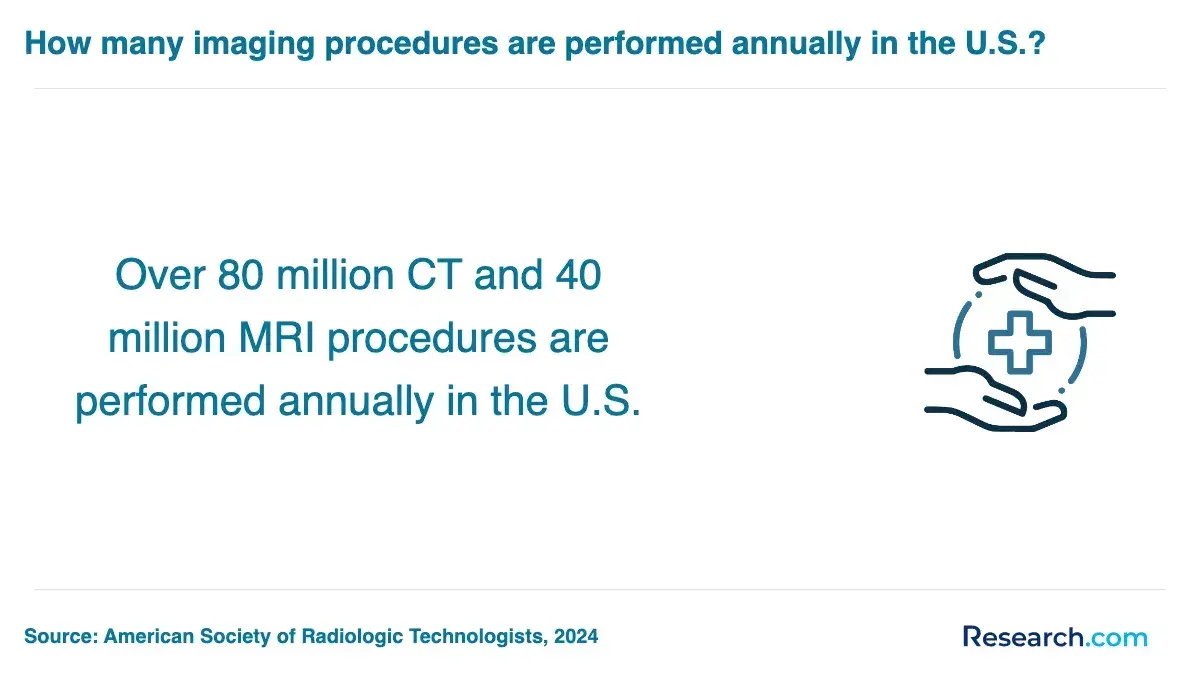
To highlight the real-world demand for these skills, the next image presents the average number of imaging procedures performed in the U.S. each year.
How much does it cost to become an ultrasound technician in New Mexico?
The cost of becoming an ultrasound technician in New Mexico depends on the type of program, institution, and living situation. Students should plan for tuition, clinical fees, certification, and daily living expenses when budgeting. Below are the key costs to expect.
- Tuition and Fees: Accredited associate programs typically range from $7,000 to $16,000, while bachelor’s degrees cost $20,000 to $30,000. Certificate programs are generally less expensive for those with prior healthcare training.
- Clinical Training Expenses: Lab fees average $200 to $800 per semester, with additional costs for uniforms, liability insurance, and transportation to externship sites.
- Certification and Exam Fees: ARDMS exams usually cost $225 to $250 per specialty, with extra fees for retakes or additional certifications.
- Licensing or State Fees: New Mexico requires licensing, with application fees between $75 and $150, plus possible fingerprinting and background checks.
- Books and Materials: Students typically spend $500 to $1,000 on textbooks, digital resources, and imaging software.
- Living Expenses: Housing, meals, transportation, and personal needs usually total $10,000 to $15,000 annually.
Costs for an ultrasound technician program cost in New Mexico vary by program type and the city where you study. Many students reduce their financial burden through scholarships, financial aid, or employer tuition assistance. For further guidance on accelerated options, consider exploring what is the best accelerated online sonography and ultrasound degree.
What is the average salary for ultrasound technicians in New Mexico?
The average annual salary for ultrasound technicians in New Mexico is about $110,747, or $56.05 per hour, well above the national average of $46.35 per hour. Actual earnings, however, depend on experience, education, work setting, and specialization. Below are the main factors that shape salaries in the state.
- Education and Certifications: A bachelor’s degree in diagnostic medical sonography and advanced certifications often lead to higher salaries and supervisory opportunities.
- Work Setting: Outpatient care centers generally pay more than hospitals or physician offices, where additional benefits may offset slightly lower wages.
- Geographic Location: Urban areas such as Albuquerque tend to offer higher salaries, with an average of $73,010, compared to lower wages in rural regions.
- Specialization: Proficiency in OB/GYN, cardiovascular, or abdominal sonography—particularly cardiac sonography—significantly boosts earning potential.
- Experience Level: Entry-level technicians typically start near $102,339 annually, while senior sonographers with extensive experience can earn up to $132,197.
How can ultrasound technicians in New Mexico stay current with emerging technologies and regulatory updates?
Continuous professional development is vital for ultrasound technicians to ensure high-quality patient care and compliance with evolving industry standards. Participation in accredited continuing education programs, hands-on workshops, and industry conferences helps professionals integrate new imaging technologies and stay informed about changes in regulatory requirements. Additionally, targeted training in advanced diagnostic techniques and certification renewal initiatives support career growth and adherence to state standards. For guidance on intersecting career paths and expanding technical expertise, refer to how to become a radiology technician in New Mexico.
How Can Ultrasound Technicians Collaborate with Other Healthcare Professionals in New Mexico?
Ultrasound technicians can enhance patient outcomes by establishing effective communication channels with other healthcare providers. Working alongside radiologists, nurses, and specialized practitioners can promote faster diagnosis and more comprehensive patient care. For instance, coordinated efforts with professionals such as how to become a nurse midwife in New Mexico can offer insights into shared clinical practices and interdisciplinary training opportunities. Emphasizing regular team meetings, cross-training sessions, and streamlined referral protocols also contributes to a more cohesive and responsive healthcare environment in New Mexico.
What is the job outlook and demand for ultrasound technicians in New Mexico?
Employment opportunities for ultrasound technicians in New Mexico are projected to grow rapidly, with an estimated 25–26% increase through 2030. This rate significantly exceeds the national average and underscores the state’s strong reliance on diagnostic imaging to meet evolving healthcare needs. Below are the leading factors influencing demand.
- Population Growth and Aging: The state’s expanding elderly population drives higher utilization of ultrasound services to monitor chronic and age-related health conditions.
- Healthcare Expansion: Growth in hospitals, outpatient centers, and clinics, particularly in Albuquerque and other urban areas, is generating consistent employment opportunities.
- Technological Advancements: New imaging innovations open specialized roles in cardiac, vascular, and musculoskeletal sonography, creating diverse career pathways.
- Preventive Care Trends: Increasing focus on preventive medicine boosts ultrasound use as a non-invasive and effective diagnostic tool for early disease detection.
- Regional Demand Variations: Urban hubs offer the most job openings, while rural communities sustain steady demand due to limited healthcare resources and the need for accessible imaging services.
What are the career advancement steps for ultrasound technicians in New Mexico?
Ultrasound technicians in New Mexico can progress in their careers by focusing on specialization, certifications, and leadership roles. These steps not only enhance technical expertise but also open doors to greater professional opportunities and higher earning potential. Below are the primary advancement pathways available in the state:
- Specialization: Concentrating on areas such as OB/GYN, vascular, or cardiac sonography positions technicians in high-demand fields and increases access to better-paying jobs across New Mexico’s healthcare facilities.
- Advanced Certifications: Credentials from ARDMS, CCI, or ARRT validate professional competence and are often required for advanced roles. Maintaining these certifications also ensures continued professional development.
- Higher Education: Completing a bachelor’s or master’s degree in sonography or related health sciences qualifies professionals for supervisory, administrative, or academic careers. Top earners in New Mexico can reach salaries of about $99,600 annually.
- Leadership Roles: Experienced sonographers may step into supervisory or departmental management positions, taking on responsibilities for staff coordination and quality assurance.
- Education and Training: Serving as instructors or clinical trainers provides opportunities to mentor students, strengthen workforce readiness, and elevate professional standing.
- Research and Technology Development: Engaging in research projects or collaborating with ultrasound equipment manufacturers enables professionals to contribute to medical imaging innovation and future healthcare advancements.
Specialized sonography certifications in New Mexico contribute significantly to career advancement and help professionals differentiate themselves in a competitive job market. Those seeking foundational education may consider CUNY radiology programs as accessible pathways toward entering this field.
Ultimately, pursuing these career steps not only improves earning potential but also broadens the professional impact of ultrasound technicians across New Mexico’s healthcare system.
What are the common challenges ultrasound technicians face in New Mexico?
Ultrasound technicians in New Mexico encounter a range of professional challenges shaped by the state’s diverse healthcare settings. Recognizing these issues is essential for developing resilience and ensuring long-term career success. Below are the most common challenges faced in the field.
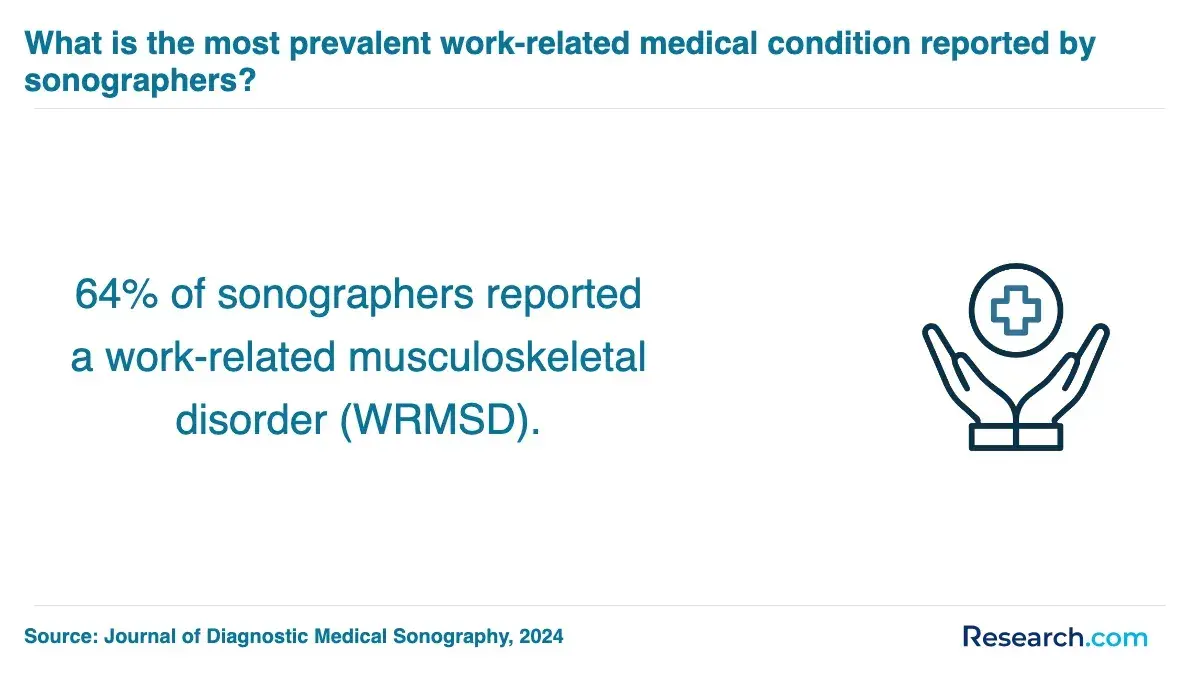
- Physical Strain and Ergonomics: Repetitive scanning motions and prolonged standing often result in musculoskeletal discomfort, with risks of chronic pain without proper ergonomic practices.
- Emotional Stress: Supporting patients through sensitive or high-risk medical situations requires strong emotional resilience, especially given healthcare access challenges in some regions.
- Workload and Staffing Shortages: Rural facilities frequently experience staff shortages and heavy caseloads, demanding adaptability and endurance from technicians.
- Certification and Continuing Education Requirements: Balancing state licensure, national credential maintenance, and continuing education with full-time clinical duties can be demanding.
- Technology Adaptation: Rapid updates in ultrasound systems and digital imaging tools require technicians to remain flexible and continually sharpen technical skills.
- Job Market Competition: Uneven job availability across the state leads to heightened competition in some areas, influencing opportunities for career growth and compensation.
Awareness of these challenges empowers ultrasound technicians to seek effective strategies for professional development and resilience. Those interested in how to become a medical sonographer can better prepare by understanding and addressing these workplace realities.
What do ultrasound technicians in New Mexico say about their career?
Working as an ultrasound technician in New Mexico has given me both career stability and the chance to grow professionally in a respected field. The state’s diverse communities make every day different, and contributing to accurate diagnoses gives me a strong sense of purpose. Quinn
This career in New Mexico has allowed me to combine technical expertise with compassion, creating a balance that feels both meaningful and rewarding. The demand for skilled sonographers provides excellent job security, while opportunities for specialization keep my professional growth moving forward. Yonathan
Becoming an ultrasound technician in New Mexico has been a fulfilling journey filled with challenges and accomplishments. The variety of cases I encounter keeps me engaged, and the respect I receive as part of the healthcare team makes the hard work worthwhile. Jasmine
Related Articles for Nearby States
- 2027 How to Become an Ultrasound Technician in Arizona
- 2027 How to Become an Ultrasound Technician in Colorado
- 2027 How To Become an Ultrasound Technician in Texas
- 2027 How to Become an Ultrasound Technician in Utah
- 2027 How to Become an Ultrasound Technician in Oklahoma
- 2027 How to Become an Ultrasound Technician in Nevada
- 2027 How to Become an Ultrasound Technician in Kansas
- 2027 How to Become an Ultrasound Technician in Wyoming
- 2027 How to Become an Ultrasound Technician in Nebraska
- 2027 How to Become an Ultrasound Technician in California
References:
- How to Become an Ultrasound Technician in New Mexico. Retrieved from HealthJob
- Diagnostic Medical Sonography Program. Retrieved from Central New Mexico Community College (CNM)
- Diagnostic Medical Sonography | New Mexico State University Academic Catalog. Retrieved from NMSU
- Find Accredited Ultrasound Technician Schools in New Mexico. Retrieved from UltrasoundSchoolsInfo
- Diagnostic Medical Sonography. Retrieved from DACC – NMSU
- Diagnostic Medical Sonography Associate Degree Program. Retrieved from Pima Medical Institute
- Ultrasound Technician Schools in New Mexico (Sonography). Retrieved from ExploreMedicalCareers
- School of Diagnostic Medical Sonography. Retrieved from Clinical Schools of NM
- ARDMS – American Registry for Diagnostic Medical Sonography. Retrieved from ARDMS
- Ultrasound Technologist. Retrieved from Santa Fe Imaging
Other Things You Should Know About Becoming an Ultrasound Technician in New Mexico
In 2027, New Mexico does not have specific state licensing requirements for ultrasound technicians. However, employers typically prefer candidates who are certified by recognized bodies such as the American Registry for Diagnostic Medical Sonography (ARDMS). Completing an accredited ultrasound program is also highly recommended.
To work as an ultrasound technician in New Mexico in 2027, certification from a recognized credentialing organization such as the American Registry for Diagnostic Medical Sonography (ARDMS) is strongly recommended. While not mandatory by state law, certification enhances job prospects and verifies professional competency.
To become an ultrasound technician in New Mexico in 2027, aspirants need to complete an associate degree or a one-year certificate program from an accredited institution. Additionally, obtaining certification from ARDMS or CCI is recommended for better job prospects.


