
2027 How to Become an Ultrasound Technician in West Virginia

Co-Founder and Chief Data Scientist
West Virginia faces a shortage of qualified ultrasound technicians, with healthcare facilities reporting a 15% vacancy rate in diagnostic medical sonography positions. This gap presents a critical opportunity for those seeking stable, well-paid employment in the healthcare sector. The state’s aging population drives increased demand for diagnostic imaging, elevating the role of ultrasound technicians in patient care.
This article explores essential steps to enter this evolving field in West Virginia, offering a clear roadmap to overcome educational and certification challenges while highlighting growth prospects.
Key Things to Know About Becoming an Ultrasound Technician in West Virginia
- Complete an accredited diagnostic medical sonography program, typically requiring two years of specialized education available at select West Virginia colleges.
- Obtain professional certification, such as the American Registry for Diagnostic Medical Sonography (ARDMS), to enhance employment prospects. West Virginia’s growing healthcare sector values certified technicians, with job growth projected at 10% over the next decade.
- Leverage technological advancements by gaining skills in 3D/4D imaging and telemedicine applications, positioning yourself for future demand in rural and urban healthcare settings.
- What education is required to become an ultrasound technician in West Virginia?
- What specialties can ultrasound technicians choose from in West Virginia?
- Which certification exams are required to become an ultrasound technician in West Virginia?
- Is a license required to practice as an ultrasound technician in West Virginia?
- What to expect during ultrasound technician clinical training in West Virginia?
- How much does it cost to become an ultrasound technician in West Virginia?
- What continuing education and professional development opportunities are available for ultrasound technicians in West Virginia?
- What is the average salary for ultrasound technicians in West Virginia?
- What is the job outlook and demand for ultrasound technicians in West Virginia?
- What are the career advancement steps for ultrasound technicians in West Virginia?
- What are the common challenges ultrasound technicians face in West Virginia?
- What is the typical work environment for ultrasound technicians in West Virginia?
What education is required to become an ultrasound technician in West Virginia?
As healthcare technology advances, the educational pathway to becoming an ultrasound technician in West Virginia evolves with a growing emphasis on practical experience and academic rigor. Prospective students should consider the following key requirements aligned with the ultrasound technician degree requirements in West Virginia.
- Minimum Degree Requirement: Candidates must hold at least an associate degree from a two-year accredited institution or be nearing completion before enrollment in an accredited ultrasound tech program in West Virginia.
- High School Diploma or GED: Completion of a high school diploma or GED is mandatory before entering any postsecondary sonography program.
- Program Admission Standards: Admission typically requires acceptance into an accredited sonography school in West Virginia, with some programs demanding minimum ACT or SAT scores unless the applicant has a prior associate degree or higher.
- Clinical Practicum Hours: Hands-on clinical education is integral, with mandated practicum hours varying by institution, ensuring students develop essential skills through real-world medical settings.
- Essential Performance Standards: Students must meet specific physical and technical abilities criteria set by programs to guarantee readiness for the demands of diagnostic sonography.
- Application Deadlines: Most programs require submission of complete applications and supporting materials by February 1st of the intended admission year to maintain a structured enrollment cycle.
- Certification Eligibility: Graduates of accredited programs become qualified to sit for key national certification exams, an important credential for employment, as West Virginia does not mandate state licensure but favors certified professionals.
Choosing an accredited program remains essential to meet these standards robustly and unlock career opportunities that reflect the average starting salary for radiology tech in the region.
What specialties can ultrasound technicians choose from in West Virginia?
Ultrasound technicians in West Virginia can specialize in several focused areas that reflect the evolving demands of medical imaging. These specialties allow professionals to develop specific skills aligned with patient care trends and technological advances. Below is an overview of key options for ultrasound technician specialties in West Virginia, highlighting current focus areas and potential growth fields.
Specialties for ultrasound technicians in West Virginia:
- General Diagnostic Medical Sonography: Covers imaging of the abdomen, pelvis, and soft tissues, including obstetric and gynecological applications. This broad specialty remains foundational in all accredited programs.
- Vascular Sonography: Concentrates on imaging arteries and veins to assess blood flow and identify vascular diseases. Demand for cardiac and vascular sonography programs West Virginia is expected to increase as cardiovascular conditions rise.
- Cardiac Sonography (Echocardiography): Focuses on detailed assessment of heart structures and function, crucial for diagnosing cardiac diseases. Enhanced cardiac imaging techniques will likely drive specialization growth.
- Emergency Ultrasound: Utilized for rapid trauma evaluation and procedural guidance, this specialty integrates dynamic use of ultrasound in acute settings, expanding with emergency medicine innovations.
- Musculoskeletal (MSK) Ultrasound: Targets muscles, tendons, and joint imaging to diagnose injuries, increasingly valuable as sports medicine and rehabilitative care develop.
Future trends will probably emphasize cross-disciplinary expertise, blending these areas to meet complex clinical needs. For those wondering how do you become a ultrasound tech, advanced training offers a pathway to greater specialization and adaptability in emerging imaging technologies. Exploring these developments also sheds light on the industries most likely to employ ultrasound technicians, offering valuable insight into future career settings.
Which certification exams are required to become an ultrasound technician in West Virginia?
Certification exams serve as a key benchmark for ultrasound technicians in West Virginia, confirming their expertise and competence in a rapidly evolving healthcare environment. While the state does not require an official license, many employers rely on these nationally recognized credentials to ensure high standards of patient care and professional performance. Obtaining certification also provides a competitive edge in West Virginia’s job market and aligns with current educational program requirements.
ARDMS Sonography Principles & Instrumentation (SPI) and Specialty Exams
The ARDMS is the foremost certifying body in the U.S., offering credentials that cover core ultrasound physics and instrument operation through the SPI exam, along with specialty exams in areas like Abdomen, Obstetrics & Gynecology, or Vascular Technology. To be eligible, candidates typically need a graduation from a CAAHEP-accredited program or equivalent clinical education. Although West Virginia does not impose specific state rules for ARDMS certification, it is widely required by local healthcare employers.
ARRT – Sonography Certification
The American Registry of Radiologic Technologists (ARRT) provides certification for individuals who complete an approved sonography educational program and pass its exam covering clinical procedures, physics, and patient care. Many hospital-based programs in West Virginia expect students to hold or seek ARRT registration before admission, reflecting the credential’s strong employer recognition despite no state mandate.
CCI – Registered Cardiac Sonographer (RCS) and Registered Vascular Specialist (RVS)
These specialized credentials focus on cardiac and vascular sonography, assessing knowledge of anatomy, pathology, and instrumentation related to the cardiovascular system. Applicants must complete a relevant accredited program or demonstrate equivalent clinical experience. Cardiovascular Credentialing International (CCI) credentials, while less common than ARDMS or ARRT, are favored in certain local cardiac and vascular ultrasound roles.
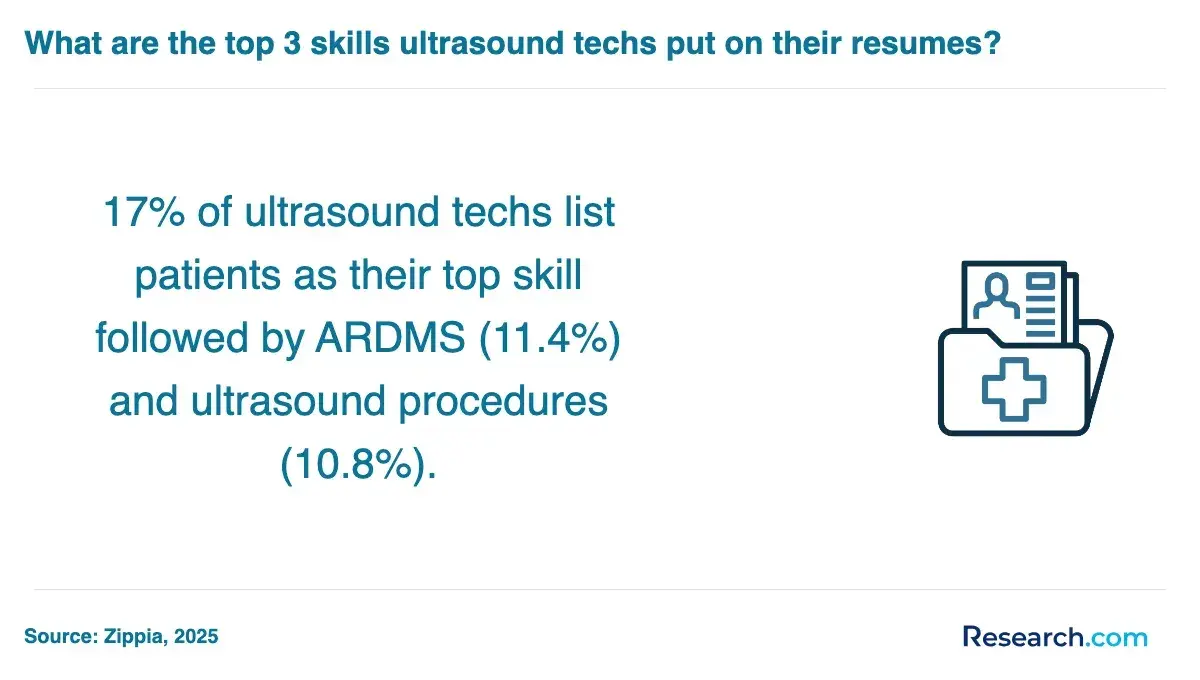
Achieving certification through these exams enhances professional credibility, broadens career opportunities, and meets the expectations of West Virginia’s healthcare employers and educational institutions, ensuring practitioners are prepared for the complexities of modern sonography. To better understand how professionals market themselves, it’s helpful to look at the top skills ultrasound technicians commonly highlight on their resumes.
Is a license required to practice as an ultrasound technician in West Virginia?
West Virginia does not require a state license to practice as an ultrasound technician, relying instead on national certification as the standard for professional recognition. This structure emphasizes education and competency testing over state-issued credentials, streamlining the pathway for those entering the field. For prospective sonographers, understanding this distinction is key, as it shapes how to prepare for training and employment in the state.
Although the state does not mandate licensure, credentials from national organizations such as ARDMS, ARRT, or CCI are strongly encouraged and often expected by employers. The West Virginia Medical Imaging & Radiation Therapy Technology Board of Examiners serves primarily as an informational resource rather than a licensing body for ultrasound professionals. As a result, aspiring sonographers focus on completing accredited programs, gaining supervised clinical training, and pursuing national exams like the Sonography Principles and Instrumentation (SPI) and specialty certifications.
One ultrasound technician who graduated from a local accredited program explained how this framework shaped his career path. Without the added hurdle of state licensing, his energy went into preparing for ARDMS exams and developing hands-on skills during clinical rotations. “Knowing I didn’t have to worry about a separate state license helped me concentrate on acquiring solid skills and certifications that employers really value here,” he said. His experience illustrates how national certification serves as the true gateway to professional practice in West Virginia.
What to expect during ultrasound technician clinical training in West Virginia?
Clinical training in West Virginia provides ultrasound technician students with essential hands-on experience, bridging theoretical knowledge and real-world application. This training is crucial for developing technical skills and preparing students to meet certification standards and succeed in professional roles.
- Hands-On Patient Care: Students engage directly with patients, learning to position them properly, explain procedures, and ensure comfort and safety during imaging.
- Supervised Use of Imaging Equipment: Trainees operate ultrasound machines under expert guidance, building proficiency in acquiring clear images while strictly following safety measures.
- Specialty Rotations: Clinical experiences span areas like OB/GYN, vascular, abdominal, and cardiac sonography to expose students to diverse diagnostic challenges and patient needs.
- Mentorship from Licensed Professionals: Close collaboration with registered sonographers and RDMS-trained faculty offers personalized feedback and professional growth opportunities.
- Competency Evaluations: Students must successfully complete checklists and performance assessments to demonstrate readiness for independent practice.
- Clinical Hour Requirements: Accredited programs require a set number of supervised clinical hours, typically integrated throughout a 12-month curriculum to meet accreditation and certification rules.
- Prerequisites and Application Requirements: Many programs expect prior radiologic technology education, valid ARRT registration, shadowing experience, immunizations, BLS certification, and strong academics before clinical placement.
- Exposure to Real-World Healthcare Settings: Clinical sites include hospitals, outpatient clinics, and specialty practices such as WVU Medicine and United Hospital Center, reflecting actual future work environments.
- Professionalism and Communication Skills: Training emphasizes ethical behavior, effective communication, and teamwork essential for quality patient care and workplace success.
These comprehensive clinical experiences help students excel in national certification exams like the RDMS while sharpening their skills and confidence for professional ultrasound careers in West Virginia’s evolving healthcare landscape. The skills they get from training programs can also set the foundation for their career and tenure in the field.
How much does it cost to become an ultrasound technician in West Virginia?
In West Virginia, the cost of becoming an ultrasound technician generally ranges from $5,000 to $20,000 or more, depending on the type and length of the program. Shorter training routes and certificate programs, including some of the best ultrasound technician certification programs, usually fall at the lower end, while associate degrees or specialized pathways—particularly at private or out-of-state schools—can increase expenses.
Beyond tuition, students should also plan for program-related fees such as lab access, clinical software, uniforms, and supplies, which may add several hundred to a few thousand dollars. Additional costs often include textbooks, health requirements like immunizations and CPR training, background checks, and certification fees. For example, the ARDMS Sonography Principles and Instrumentation (SPI) exam costs $200, with extra fees for specialty exams. These combined expenses can raise the total investment above the initial tuition estimate.
What continuing education and professional development opportunities are available for ultrasound technicians in West Virginia?
Ultrasound technicians in West Virginia can reinforce their clinical expertise and adapt to evolving imaging technologies through structured continuing education. Accredited workshops, webinars, and industry conferences offer targeted training that complements initial certification and supports advanced skill acquisition. Participation in these programs not only fulfills the requirements for periodic certification renewals but also fosters a network of professional contacts essential for career growth. Additionally, technicians seeking to broaden their scope of practice may explore specialized courses and hands-on training modules that align with emerging diagnostic techniques, thereby enhancing their professional value and readiness for new challenges. For further guidance on career transitions and skill expansion, refer to how to become a radiology technician in West Virginia.
What is the average salary for ultrasound technicians in West Virginia?
The average annual salary for ultrasound technicians in West Virginia is approximately $85,215, slightly above the national median of $84,470 reported in 2023. Salaries vary widely depending on factors like experience, specialization, and location, indicating a dynamic and evolving job market.
- Experience Level: Entry-level technicians usually earn around $71,047, while senior sonographers can command salaries up to $102,475 due to advanced skills and demand.
- Education and Certifications: Advanced credentials such as RDMS or subspecialty certificates often lead to higher pay, rewarding specialized knowledge.
- Work Setting: Hospital and outpatient care center roles generally offer higher wages compared to smaller clinics or physician offices.
- Geographic Location: Urban areas like Parkersburg tend to pay more, with travel sonographers reaching up to $2,740 weekly, whereas rural positions may provide other non-salary benefits.
- Specialization: Focused fields like vascular or cardiovascular sonography often yield salaries significantly above general sonography averages.
These salary patterns reflect West Virginia’s unique healthcare needs and growing demand for skilled ultrasound professionals across diverse settings.
What is the job outlook and demand for ultrasound technicians in West Virginia?
Employment for ultrasound technicians in West Virginia is expected to increase by 22% by 2030, well above the national average growth rate of 14.3%. This surge signals expanding opportunities driven by distinct demographic and healthcare shifts within the state.
- Population Growth and Aging: An aging population is intensifying the need for diagnostic imaging to manage chronic conditions and support preventive health strategies targeting older adults.
- Healthcare Expansion: New hospitals, clinics, and outpatient facilities are emerging across West Virginia, boosting demand for ultrasound technicians in both metropolitan and rural healthcare settings.
- Technological Advancements: Innovations in ultrasound imaging are generating specialized roles, such as vascular and cardiac sonographers, requiring more advanced skills and offering higher earning potential.
- Preventive Care Trends: Ultrasound’s growing use in early disease detection and routine screening enhances its prominence as a critical diagnostic tool, driving workforce requirements upward.
- Regional Demand Variations: Job availability varies geographically, with urban areas like Charleston providing more positions while rural regions offer unique roles necessitating broader expertise.
Ultrasound technology offers a career path in West Virginia marked by strong growth and evolving specializations, making it an appealing choice for healthcare professionals. One local graduate described how the high demand paired with diverse patient needs kept her career engaging, highlighting the mix of opportunity and challenge that shapes the profession.
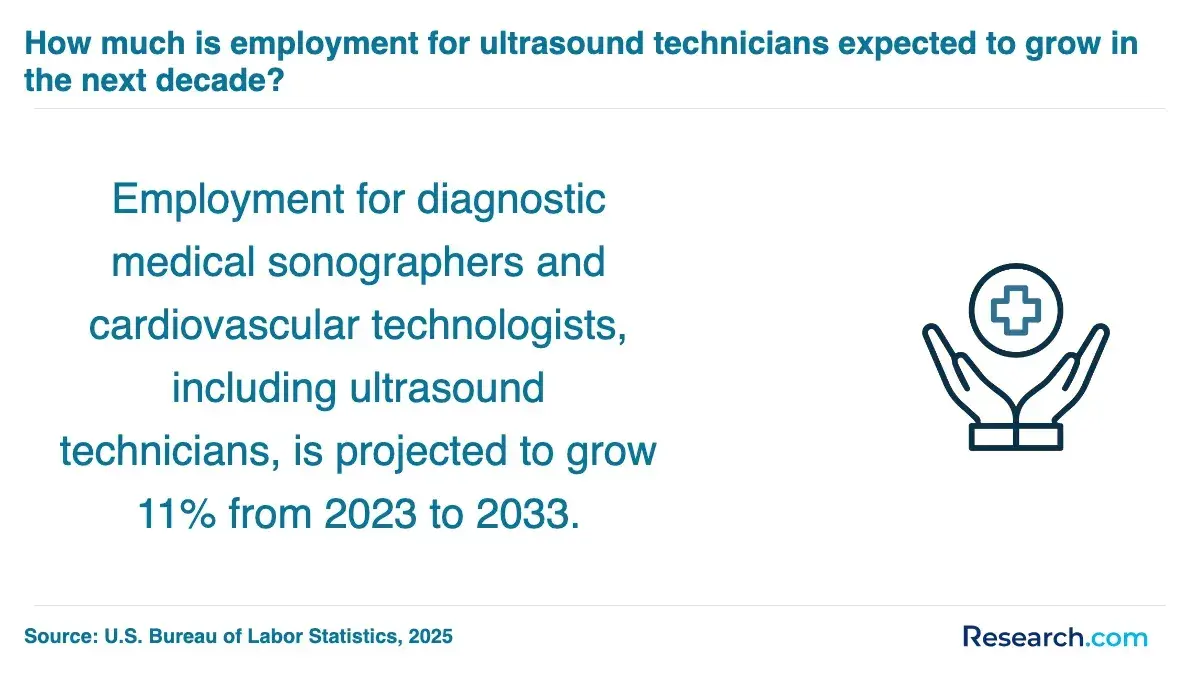
She explained that while urban hospitals provided abundant openings, rural clinics demanded adaptability to cover a wider range of procedures. Balancing busy schedules with new imaging technologies was challenging, but the chance to make a direct community impact proved deeply rewarding. To better understand this outlook, it helps to look at projected employment growth for ultrasound technicians over the next decade.
What are the career advancement steps for ultrasound technicians in West Virginia?
Ultrasound technicians in West Virginia can advance their careers by pursuing specialized skills, earning additional certifications, or stepping into leadership positions within healthcare organizations. These paths not only sharpen expertise but also create opportunities for greater responsibilities and higher salaries in a competitive job market.
- Specialization: Focusing on areas like OB/GYN, vascular, or cardiac sonography allows technicians to serve specific patient populations, enhancing job security and salary prospects.
- Advanced Certifications: Earning credentials from bodies such as ARDMS, CCI, or ARRT validates proficiency and opens doors to specialized clinical roles and advanced practice areas.
- Higher Education: Pursuing bachelor’s or master’s degrees in medical imaging or related fields expands career options, enabling access to management, teaching, or research opportunities.
- Leadership Roles: Moving into supervisory or administrative positions within healthcare settings requires experience and further education, offering increased salaries and influence over departmental operations.
- Education and Training: Transitioning to roles as program instructors or clinical trainers at colleges or technical schools helps shape the future workforce while elevating professional standing.
- Research or Technology Development: Participation in clinical trials, development of new imaging protocols, or collaboration with medical device companies pushes innovation forward and enhances patient care.
By following these advancement steps, ultrasound technicians position themselves not only for better compensation but also greater impact within the healthcare community. Those interested in foundational education can explore the easiest radiology tech programs to get into as a practical starting point toward their career in West Virginia.
What are the common challenges ultrasound technicians face in West Virginia?
Exploring the challenges for ultrasound technicians in West Virginia reveals key factors affecting their everyday work and career growth. Awareness of these obstacles, including physical and emotional demands for sonographers in West Virginia, allows both current and aspiring technicians to better prepare for success in a changing healthcare environment.
- Physical Strain and Ergonomics: Repetitive scanning motions and long hours standing contribute to musculoskeletal issues and chronic discomfort among technicians.
- Emotional Stress: Working with patients in sensitive medical situations often requires managing high anxiety and emotional fatigue.
- Workload and Staffing Shortages: Heavy caseloads and limited staff support increase pressure and can lead to burnout in busy facilities.
- Certification and Continuing Education Requirements: Maintaining updated credentials while balancing work demands presents an ongoing challenge.
- Technology Adaptation: Rapid advances in ultrasound equipment and digital systems necessitate continuous learning and flexibility.
- Job Market Competition: Regional job demand variations create uneven opportunities and competitive hiring, especially for top-paying positions.
Recognizing these challenges helps technicians devise effective strategies to navigate their careers. For those considering training, understanding what are the best schools for ultrasound technician programs can further support informed educational choices.
What is the typical work environment for ultrasound technicians in West Virginia?
Ultrasound technicians typically work in diverse healthcare settings including hospitals, outpatient clinics, and specialized diagnostic centers. These environments vary in pace and structure; rural facilities often require a broader range of responsibilities due to limited staffing, while urban centers may offer highly specialized roles with advanced imaging technologies. Factors such as shift patterns, interdisciplinary collaboration, and patient load contribute to the overall work atmosphere. For professionals considering a broader career scope that integrates additional patient care responsibilities, exploring how to become a nurse midwife in West Virginia might provide valuable insights into complementary healthcare roles.
What do ultrasound technicians in West Virginia say about their career?
- Completing my ultrasound technician program at West Virginia Northern Community College was a transformative experience. The hands-on training and supportive faculty prepared me well for the job market here. Starting my career at a local school allowed me to merge my technical skills with education, which is very rewarding because I get to inspire future healthcare workers. West Virginia’s tight-knit communities make me feel connected and valued every day. This career truly feels like a chance to make a positive impact on the health and education of young people in my state. Shaun
- When I first enrolled at Blue Ridge Community and Technical College, I was drawn by the unique blend of coursework and clinical experience tailored to West Virginia’s healthcare environment. Working in a local school’s health program has been both challenging and gratifying, as I’m constantly improving my skills while supporting students’ well-being. The opportunities for professional growth here are promising, and I appreciate how my role directly influences the academic success and health literacy of children. It’s fulfilling to be part of a community that values education and healthcare hand in hand. Lina
- Choosing a career as an ultrasound technician in West Virginia allowed me to grow personally and professionally in ways I hadn’t expected. After finishing my training at Mountwest Community and Technical College, I stepped into a role at a local school where the cultural diversity and Appalachian environment presented unique challenges and learning opportunities. I take pride in using my expertise to serve a community that values close relationships and mutual support, helping improve health outcomes for families across the region. This career has deepened my passion for community care and opened doors for ongoing advancement in healthcare services. Amy
Related Articles for Nearby States
- 2027 How to Become an Ultrasound Technician in Virginia
- 2027 How to Become an Ultrasound Technician in Ohio
- 2027 How to Become an Ultrasound Technician in Kentucky
- 2027 How to Become an Ultrasound Technician in Pennsylvania
- 2027 How to Become an Ultrasound Technician in Maryland
- 2027 How to Become an Ultrasound Technician in North Carolina
- 2027 How to Become an Ultrasound Technician in Tennessee
- 2027 How to Become an Ultrasound Technician in Indiana
- 2027 How to Become an Ultrasound Technician in South Carolina
- 2027 How to Become an Ultrasound Technician in Georgia
References:
- Bridge Valley. (n.d.). Diagnostic Medical Sonography - General vascular concentration. bridgevalley.edu.
- ERI Economic Research Institute. (2025). Salary Expert - Medical Ultrasound Technologist salary in West Virginia, United States (2025). salaryexpert.com.
- Salary.com. (2025). Ultrasound tech salary in West Virginia (August 01, 2025). salary.com.
- Sonography Technician Schools. (n.d.). Sonography Technician Schools in West Virginia (WV). sonographytechnicianschools.com.
- St. Mary's Medical Center. (n.d.). Sonography. st-marys.org.
- Talent.com. (n.d.). Salary in United States of America — Average salary. talent.com.
- Ultrasound Schools Info. (n.d.). Find Accredited Ultrasound Technician Schools in West Virginia. ultrasoundschoolsinfo.com.
- West Virginia University. (n.d.). Ultrasound | School of Medicine. medicine.hsc.wvu.edu.
- WVU Medicine. (2025, July 2). Diagnostic Medical Sonography | Imaging Science Education Programs. wvumedicine.org.
- Zippia. (2025, January 8). Ultrasound Technologist Demographics and Statistics [2025]: Number of ultrasound technologists in the US. zippia.com.
Other Things You Should Know About Becoming an Ultrasound Technician in West Virginia
To become an ultrasound technician in West Virginia in 2027, you'll typically need an associate degree in diagnostic medical sonography from an accredited program. Certification through ARDMS is highly recommended, as it enhances employment prospects.
In 2027, the job outlook for ultrasound technicians in West Virginia is positive, with a steady demand for skilled professionals. As healthcare needs continue to grow, the state is expected to see an increase in job opportunities within hospitals and diagnostic centers.
In 2027, ultrasound technicians in West Virginia must graduate from an accredited ultrasound program and often pass the ARDMS certification exam. While state licensing isn't mandatory, certification enhances employability and demonstrates professional expertise.


