
2027 Occupational Therapy vs. ABA Therapy: Explaining the Difference

Co-Founder and Chief Data Scientist
Occupational therapy (OT) and applied behavior analysis (ABA) therapy are often linked in more ways than one, yet they tackle developmental and behavioral challenges in completely different approaches. While they share overlapping goals, their methods and philosophies are quite distinct.
Occupational therapy focuses on developing the skills needed for everyday life, like self-care, play, and sensory regulation, through hands-on, holistic approaches. ABA therapy, on the other hand, is rooted in behavior science, using structured reinforcement techniques to shape specific behaviors and learning patterns.
In this guide, I will break down the key differences between occupational therapy and ABA therapy, from their goals and methods to who benefits most from each. You’ll learn how each discipline approaches skill development, communication, and behavior.
Key Things You Should Know About Occupational Therapy vs. ABA Therapy
- Top occupational therapists can earn up to $123,500 annually, while top ABA therapists reach around $63,500, showing a clear difference in pay scales (ZipRecruiter, n.d.).
- Employment for both OT and ABA professionals is growing by 3.5% annually, reflecting rising demand for developmental and behavioral support (BLS, 2025).
- Both therapies make a lasting impact by helping individuals build real-world skills that foster independence, confidence, and daily success.
- What are the key differences between Occupational Therapy vs. ABA Therapy? Key Differences
- What are the educational prerequisites for Occupational Therapists and ABA Therapists? Educational Prerequisites
- Whom do Occupational Therapists and ABA Therapists treat? Target Patients
- What certifications do Occupational Therapists and ABA Therapists need? Certifications
- What core skills do Occupational Therapists and ABA Therapists need? Core Skills
- What is the salary outlook for Occupational Therapists and ABA Therapists need? Salary Outlook
- Which industries are best for Occupational Therapists and ABA Therapists? List of Industries
- What are the different career paths for Occupational Therapists and ABA Therapists? Career Paths
- What emerging trends do Occupational Therapists and ABA Therapists need to know? What emerging trends do Occupational Therapists and ABA Therapists need to know?
- Occupational Therapy vs. ABA Therapy: Which career is better for you? Occupational Therapy vs. ABA Therapy: Which career is better for you?
What are the key differences between Occupational Therapy vs. ABA Therapy?
While both aim to help individuals grow, Occupational Therapy and ABA therapy take very different paths to get there. OT focuses on developing practical, sensory, and motor skills needed for daily living, while ABA uses behavior science to teach and reinforce positive actions.
The key difference lies in how they define success: OT measures progress through independence and function, ABA through observable behavioral change.
Now, let’s take a closer look at what sets each approach apart.
Occupational Therapy Focus
- Builds fine motor, sensory, and self-care skills through hands-on activities.
- Adapts environments and routines to support independence.
- Addresses emotional regulation and sensory processing as part of holistic growth.
ABA Therapy Focus
- Uses data-driven strategies to shape and reinforce desired behaviors.
- Breaks complex skills into measurable, teachable steps.
- Focuses on consistency, structure, and positive reinforcement to drive lasting behavioral change.
For those inspired to work in this field, exploring the types of applied behavior analysis certification online can be a great first step toward a rewarding and impactful career. Both disciplines prove that with the right guidance, progress is always within reach.
What are the educational prerequisites for Occupational Therapists and ABA Therapists?
Both Occupational Therapy and ABA therapy demand formal education and hands-on training, but the depth and focus of each path differ. Occupational therapy leans toward medical and functional sciences, while ABA therapy centers on behavioral analysis and data-driven intervention.
Here’s how the two compare in terms of academic and certification requirements:
Academic Requirements for Occupational Therapists
- Requires a master’s or doctoral degree in occupational therapy from an accredited university.
- Includes extensive clinical fieldwork to develop hands-on patient experience.
- Must pass the NBCOT (National Board for Certification in Occupational Therapy) exam to earn licensure.
- Focuses on anatomy, neuroscience, psychology, and therapeutic techniques for physical and cognitive development.
Academic Requirements for ABA Therapists
- Typically begins with a bachelor’s degree in psychology, education, or a related field.
- Offers multiple certification levels such as RBT (Registered Behavior Technician), BCaBA (Board Certified Assistant Behavior Analyst), and BCBA (Board Certified Behavior Analyst).
- Emphasizes coursework in behavior science, data analysis, and intervention design.
- Many professionals pursue types of applied behavior analysis certification online to gain credentials and advance their careers.
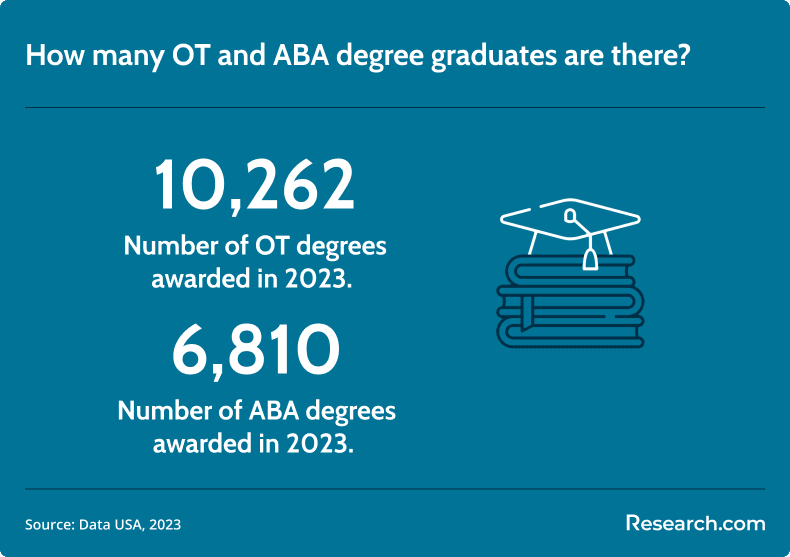
The demand for both occupational therapy and ABA therapy continues to rise, reflecting their essential role in improving lives. In 2023 alone, 10,262 occupational therapy degrees and 6,810 ABA degrees were awarded—clear evidence of growing interest in these impactful professions (Data USA, 2023).
For those exploring healthcare or behavioral science education, understanding the difference between nursing and pre nursing can help clarify whether to pursue a therapy path or a more clinical care direction.
Whom do Occupational Therapists and ABA Therapists treat?
Occupational Therapy and ABA Therapy focus on helping people lead more independent, fulfilling lives by nurturing both their minds and bodies, but they serve different patient needs.
Here’s who each profession commonly helps:
Occupational Therapy Patients
- Children with developmental delays who are learning essential self-care and coordination skills.
- Adults who are recovering from strokes or injuries who are working to regain strength and mobility.
- Older adults who are managing conditions like arthritis or memory loss to maintain independence at home.
ABA Therapy Patients
- Children with autism spectrum disorder (ASD) who are building communication and social interaction skills.
- Teens with ADHD who are improving focus, emotional regulation, and academic performance.
- Adults with behavioral or developmental challenges who are learning independent living and job-readiness skills.
If you’re drawn to the clinical and human development side of care, exploring occupational therapy major requirements is a great first step toward understanding what it takes to enter this rewarding field.
What certifications do Occupational Therapists and ABA Therapists need?
Earning certification in Occupational Therapy or ABA Therapy is proof of mastery, ethics, and dedication to improving lives. These credentials confirm that practitioners have met rigorous academic, clinical, and professional standards.
Here’s what’s required for each path:
Occupational Therapy Certifications
- NBCOT Certification: Occupational therapists must pass the National Board for Certification in Occupational Therapy (NBCOT) exam to earn the OTR (Occupational Therapist, Registered) credential.
- Certified Hand Therapist (CHT): Focuses on advanced rehabilitation techniques for hand and upper limb conditions.
- Sensory Integration and Praxis Test (SIPT) Certification: Specializes in assessing and treating sensory processing challenges.
ABA Therapy Certifications
- Registered Behavior Technician (RBT): An entry-level certification requiring a high school diploma, 40 hours of training, and a competency assessment.
- Board Certified Assistant Behavior Analyst (BCaBA): A mid-level certification requiring a bachelor’s degree, approved coursework, supervised fieldwork, and passing the BCaBA exam.
- Board Certified Behavior Analyst (BCBA): The most recognized credential in ABA Therapy, requiring a master’s degree in behavior analysis or a related field, supervised experience, and passing the BCBA exam.
Both fields uphold high professional standards while offering rewarding career growth. And for those drawn to the behavioral science route, exploring BCBA certification CEU requirements is an excellent next step toward advancing your impact in the field.
What core skills do Occupational Therapists and ABA Therapists need?
Excelling in therapy goes beyond mastering treatment plans; it’s about developing the right blend of communication, patience, and adaptability. Whether you’re working in Occupational Therapy or ABA Therapy, your ability to connect with clients and tailor your approach to their needs defines your success.
Here’s how the key skills differ across both paths:
Occupational Therapy Core Skills
- Functional Assessment Expertise: Evaluates a client’s ability to perform daily living activities like dressing, writing, or self-care.
- Therapeutic Activity Design: Creates purposeful, hands-on exercises that improve fine motor skills, coordination, and sensory processing.
- Adaptive Equipment Knowledge: Selects and trains clients to use assistive tools like splints, mobility devices, and ergonomic supports.
- Neuromotor Rehabilitation Skills: Helps patients regain movement and control after injuries, strokes, or neurological impairments.
- Holistic Treatment Planning: Integrates cognitive, emotional, and physical needs into a personalized therapy plan.
ABA Therapy Core Skills
- Behavior Intervention Planning: Designs structured behavior plans using reinforcement, prompting, and goal sequencing.
- Applied Behavior Analysis Techniques: Uses principles like shaping, chaining, and discrete trial training to teach new skills.
- Functional Behavior Assessment (FBA): Identifies the purpose behind challenging behaviors to create targeted interventions.
- Progress Measurement and Graphing: Collects and analyzes session data to guide treatment decisions and demonstrate outcomes.
- Parent and Caregiver Training: Teaches families how to maintain behavior strategies at home for consistent progress.
If your passion lies in helping people move and feel better through hands-on care, exploring the difference between chiropractor and physical therapist might point you toward an alternative (but equally rewarding) path in patient wellness.
For your visual reference, the chart below breaks down the most essential skills for occupational therapists:
What is the salary outlook for Occupational Therapists and ABA Therapists need?
The salary outlook for Occupational Therapy shows why it’s one of the most stable careers in healthcare. With an average salary of $94,375 and top earners making up to $123,500, OTs see real rewards for their experience and specialization.
ABA Therapy, meanwhile, offers a solid income path for professionals focused on behavioral change and developmental care. The average salary sits at $47,707, with top earners around $63,500, and both are trending upward as awareness of autism and behavioral health support grows.
To see how these numbers stack up across the full range of experience and skill levels, check out the chart below breaking down salary percentiles for both careers. Some professionals also consider pairing their therapeutic background with financial or administrative education, as understanding the benefits of getting an associate degree in finance can strengthen budgeting, business management, or private practice operations in healthcare settings.
Which industries are best for Occupational Therapists and ABA Therapists?
Choosing where to apply your skills in Occupational Therapy or ABA Therapy can shape both your career trajectory and earning potential. Each field thrives in distinct environments that reflect its goals, from medical recovery to behavioral transformation.
Here’s a closer look at the top industries where these professionals make the greatest impact:
Ideal Workplaces for Occupational Therapists
- General Medical and Surgical Hospitals: Provide rehabilitation and recovery support to patients after illness or injury.
- Elementary and Secondary Schools: Help students build fine motor skills and adapt to classroom environments.
- Nursing Care Facilities: Support aging populations in maintaining independence and quality of life.
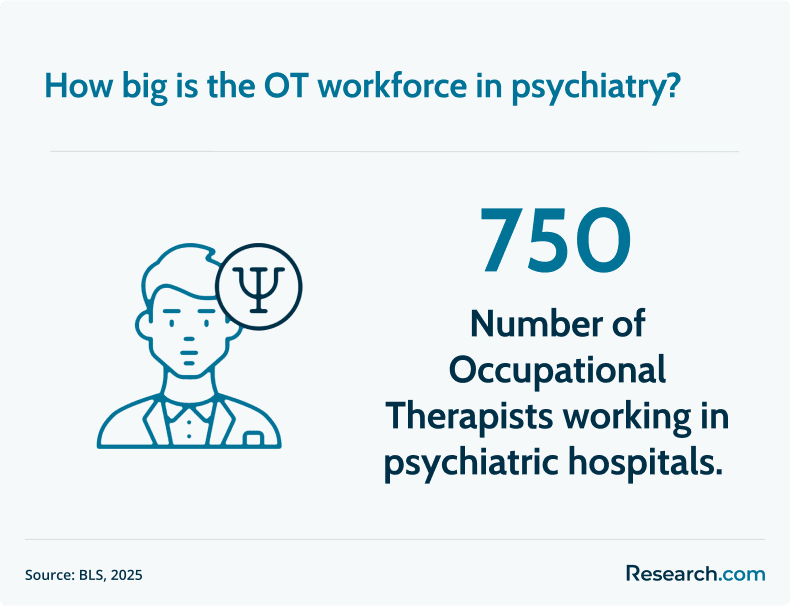
- Psychiatric and Substance Abuse Hospitals: Support physical and emotional recovery, employing around 750 occupational therapists nationwide.
Ideal Workplaces for ABA Therapists
- Autism Treatment Centers: Offer individualized behavioral programs for children and adults with autism spectrum disorder.
- Private Practice Clinics: Work directly with families or schools to design and monitor personalized treatment plans.
- Educational Institutions: Partner with teachers and counselors to support students’ behavioral and social development.
- Residential and Community Programs: Help clients build functional, daily living, and communication skills in real-world environments.
Whether you choose Occupational Therapy or ABA Therapy, both fields offer meaningful impact and growing demand. The best path is the one that matches your passion with where you can make the greatest difference. Professionals who want to branch into academic leadership or training may also look into the benefits of a curriculum and instruction master's, which strengthens teaching and program development skills relevant to therapy education.
What are the different career paths for Occupational Therapists and ABA Therapists?
Career growth in Occupational Therapy and ABA Therapy is a spectrum of opportunities shaped by specialization, experience, and passion. From hands-on patient care to leadership and research, both fields offer meaningful ways to make a long-term impact.
Here’s how career advancement typically unfolds in both disciplines:
Occupational Therapy Career Paths
- Pediatric Occupational Therapist: Focus on helping children develop motor, sensory, and adaptive skills.
- Rehabilitation Specialist: Work with patients recovering from injury or illness to regain independence.
- Clinical Director or Supervisor: Oversee therapy programs, manage teams, and guide patient outcomes.
- Academic or Researcher: Teach in universities or conduct research to advance OT methods and technology.
ABA Therapy Career Paths
- Registered Behavior Technician (RBT): Provide direct behavioral support under supervision of a BCBA.
- Board Certified Behavior Analyst (BCBA): Design and oversee individualized behavior intervention plans.
- Clinical Program Manager: Lead teams of therapists and coordinate services across multiple clients or schools.
- Behavioral Consultant: Advise organizations, schools, or families on implementing effective behavior strategies.
For those eager to take their expertise even further, advancing into leadership or program development roles can open new horizons. Pursuing careers with a Doctorate of Behavioral Health Leadership is one powerful route, equipping professionals with the strategic, clinical, and administrative skills to lead organizations shaping the future of therapy and behavioral healthcare.
What emerging trends do Occupational Therapists and ABA Therapists need to know?
The worlds of Occupational Therapy and ABA Therapy are rapidly evolving, shaped by technology, interdisciplinary collaboration, and a stronger emphasis on personalization. Today’s therapists aren’t just adapting to new tools; they’re redefining what effective, accessible care looks like.
Staying on top of these trends is key to providing modern, evidence-based support that meets patients where they are:
- Virtual and Augmented Reality: Therapists are using immersive VR and AR simulations to help children with autism practice social interactions and stroke survivors regain motor function in realistic, controlled environments.
- Sensory Integration: Sensory integration therapy helps children with conditions like cerebral palsy improve coordination, motor control, and attention through structured, multi-sensory activities.
- AI-Powered Personalization: AI is transforming how therapists assess progress and design interventions, allowing for data-driven treatment plans tailored to each patient’s unique needs.
- Wearable and Smart Tech: Devices that monitor movement, heart rate, and activity levels are giving therapists real-time feedback to fine-tune treatment strategies for more measurable, efficient outcomes.
- Beyond Rehabilitation: Occupational Therapy and AB Therapy is branching into new frontiers, helping clients manage diabetes, chronic illness, and childhood obesity.
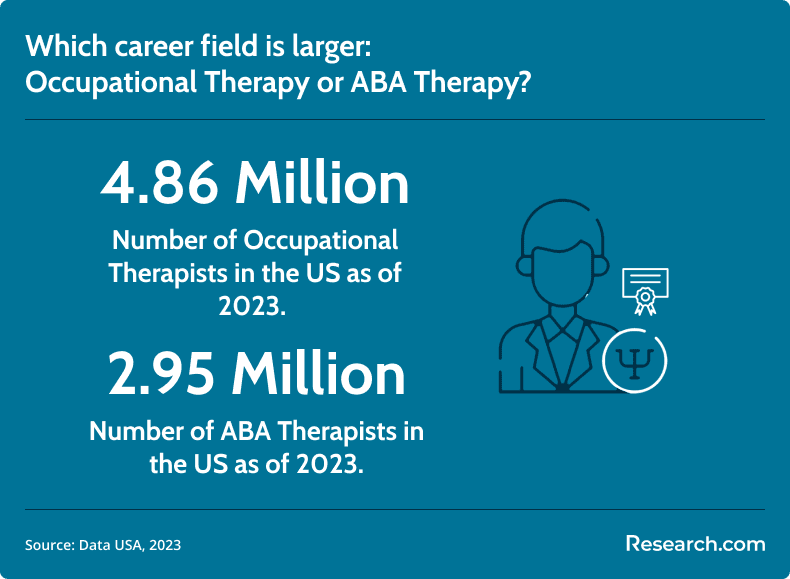
The future of Occupational Therapy and ABA Therapy is expanding fast, powered by new technology, greater awareness, and a rising demand for personalized care. Today, there are about 4.86 million occupational therapists and 2.95 million ABA therapists across the U.S., reflecting how essential these roles have become in modern healthcare.
As the fields continue to evolve, those who stay ahead of these trends will lead the next generation of therapy—more connected, data-driven, and human-centered than ever before. Those planning to advance their education might also compare programs like WGU vs Capella RN to BSN to understand how different online formats and outcomes align with long-term career goals in healthcare and therapy education.
Occupational Therapy vs. ABA Therapy: Which career is better for you?
Deciding between Occupational Therapy and ABA Therapy isn’t just a career choice; it’s a question of how you want to change lives. Both fields blend science and compassion but channel them in different directions: one restores daily function, the other reshapes behavior and learning.
Here’s how to find the path that matches your mindset, your motivation, and the kind of impact you want to make.
Choose Occupational Therapy If You…
- Want to help people rebuild independence after illness, injury, or disability.
- Enjoy combining medical science with creativity to design practical, hands-on solutions.
- See yourself working across diverse environments, from hospitals to schools to rehab clinics.
- Value long-term relationships and measurable progress in your clients’ daily lives.
- Find purpose in helping people of all ages live more fully and confidently.
Choose ABA Therapy If You…
- Are fascinated by human behavior and motivated by the science of positive change.
- Want to help individuals with developmental or behavioral challenges reach their potential.
- Excel at breaking complex goals into clear, data-driven steps for lasting progress.
- Thrive in dynamic environments like classrooms, clinics, or family homes.
- Believe in the power of structure, consistency, and evidence-based care.
Both Occupational Therapy and ABA Therapy offer careers built on compassion, problem-solving, and progress. The difference lies in how you help: through physical adaptation or behavioral transformation. Choose the one that resonates with how you want to make a difference every day.
Here’s What Occupational Therapists and ABA Therapists Have to Say About Their Careers
- Cameron: "ABA therapy has taught me the science behind patience and the art of persistence. Every data point tells a story of growth, and every breakthrough reminds me that behavior change transforms lives in profound, lasting, and measurable ways."
- Leah: "What I love about occupational therapy is its creativity and adaptability. You’re constantly designing and problem-solving to make daily life easier for someone else—it’s where empathy meets ingenuity and science meets the human spirit."
- Milo: "As an ABA therapist, I’ve learned that progress isn’t linear, but it’s always worth it. Seeing a child use their first words after months of effort fills me with pride, joy, and a renewed sense of purpose every single time."
Key Findings
- In 2023 alone, 10,262 occupational therapy degrees and 6,810 ABA degrees were awarded—clear evidence of growing interest in these impactful professions.
- 22.6% of Occupational Therapists attest that patient care is the most important skill to be successful in the industry.
- Occupational Therapy offers strong financial stability, with average salaries around $94,375. On the other hand, ABA Therapy provides steady income growth, averaging $47,707.
- Today, there are about 4.86 million occupational therapists and 2.95 million ABA therapists across the U.S., reflecting how essential these roles have become in modern healthcare.
- Psychiatric and substance abuse hospitals, which support physical and emotional recovery, employ about 750 occupational therapists nationwide.
References:
- American Society of Hand Therapists. (n.d.). Certification. Asht.org. Retrieved 8 October 2025.
- Baker College. (2025). Occupational Therapy Degree Trends & Opportunities. Baker.edu. Retrieved 8 October 2025.
- Behavior Analyst Certification Board (n.d.). Board Certified Assistant Behavior Analyst. Bacb.com. Retrieved 8 October 2025.
- Behavior Analyst Certification Board. (n.d.). Board Certified Behavior Analyst. Bacb.com. Retrieved 8 October 2025.
- Behavior Analyst Certification Board. (n.d.). Registered Behavior Technician. Bacb.com. Retrieved 8 October 2025.
- National Board for Certification in Occupational Therapy. (n.d.). Certification. Nbcot.org. Retrieved 8 October 2025.
- DataUSA. (2023). Applied Behavior Analysis. Datausa.io. Retrieved 8 October 2025.
- DataUSA. (2023). Occupational Therapy. Datausa.io. Retrieved 8 October 2025.
- DataUSA. (2023). Occupational Therapists. Datausa.io. Retrieved 8 October 2025.
- Hand Therapy Certification Commission. (n.d.). Certification. Asht.org. Retrieved 8 October 2025.
- USC Chan Division of Occupational Science and Occupational Therapy (n.d.). Sensory Integration. Chan.usc.edu. Retrieved 8 October 2025.
- ZipRecruiter. (2025). Applied Behavior Analysis Therapist Salary. Ziprecruiter.com. Retrieved 8 October 2025.
- ZipRecruiter. (2025). Occupational Therapist Salary. Ziprecruiter.com. Retrieved 8 October 2025.
- Zippia. (n.d.). Occupational Therapist Skills. Zippia.com. Retrieved 8 October 2025.
Other Things You Should Know About Occupational Therapists vs. ABA Therapists
Yes, the challenges are different. Occupational Therapists often focus on improving daily living skills and adapting environments, while ABA Therapists work on behavior modification through reinforcement techniques. Both aim to enhance independence but do so using distinct methodologies that cater to specific needs.
In 2027, ABA therapists often utilize structured rewards to reinforce desired behaviors, focusing on behavior modification. In contrast, Occupational Therapists might employ a more intrinsic motivational approach, fostering skills through engaging activities that naturally encourage participation without immediate external rewards.


