
2027 Steps to Become a Registered Dietitian in Alabama

Co-Founder and Chief Data Scientist
By 2032, Alabama is projected to employ 810 dietitians and nutritionists, underscoring the growing demand for professionals who guide individuals and communities toward healthier lives. This growth reflects both rising healthcare needs and the state’s commitment to preventative nutrition care, making dietetics a promising career path.
In this article, I will outline the essential steps to becoming a registered dietitian in Alabama. I will discuss education, licensure, and specialization opportunities to help you enter this impactful field.
Key Things to Know About Becoming a Registered Dietitian in Alabama
- In Alabama, you will need to complete an ACEND-accredited Didactic Program in Dietetics, a supervised practice program of at least 1,200 hours, and pass the CDR exam to become a registered dietitian.
- Licensure is required through the Alabama Board of Examiners for Dietetics/Nutrition Practice and must be maintained through continuing education.
- Dietitians in Alabama earn an average annual salary of $68,886, with opportunities for higher pay depending on experience, specialization, and work setting.
- What degree is required to become a registered dietitian in Alabama?
- How many supervised practice hours are needed to become a registered dietitian in Alabama?
- What are the eligibility requirements for the dietetic registration exam in Alabama?
- How can you get a license after passing the dietetic registration exam in Alabama?
- What types of dietitian specializations can you pursue in Alabama?
- What is the average salary of a registered dietitian in Alabama?
- How are emerging trends shaping registered dietitian practice in Alabama?
- Can complementary certifications boost career growth for dietitians in Alabama?
- What do you need to keep your dietitian registration active in Alabama?
- How long does it take to become a registered dietitian in Alabama?
- Can international students qualify to become registered dietitians in Alabama?
- What career paths can registered dietitians pursue in Alabama?
What degree is required to become a registered dietitian in Alabama?
To pursue a career as a registered dietitian in Alabama, obtaining the right degree is a vital step that shapes your expertise and professional readiness. Here are the key educational credentials you should consider:
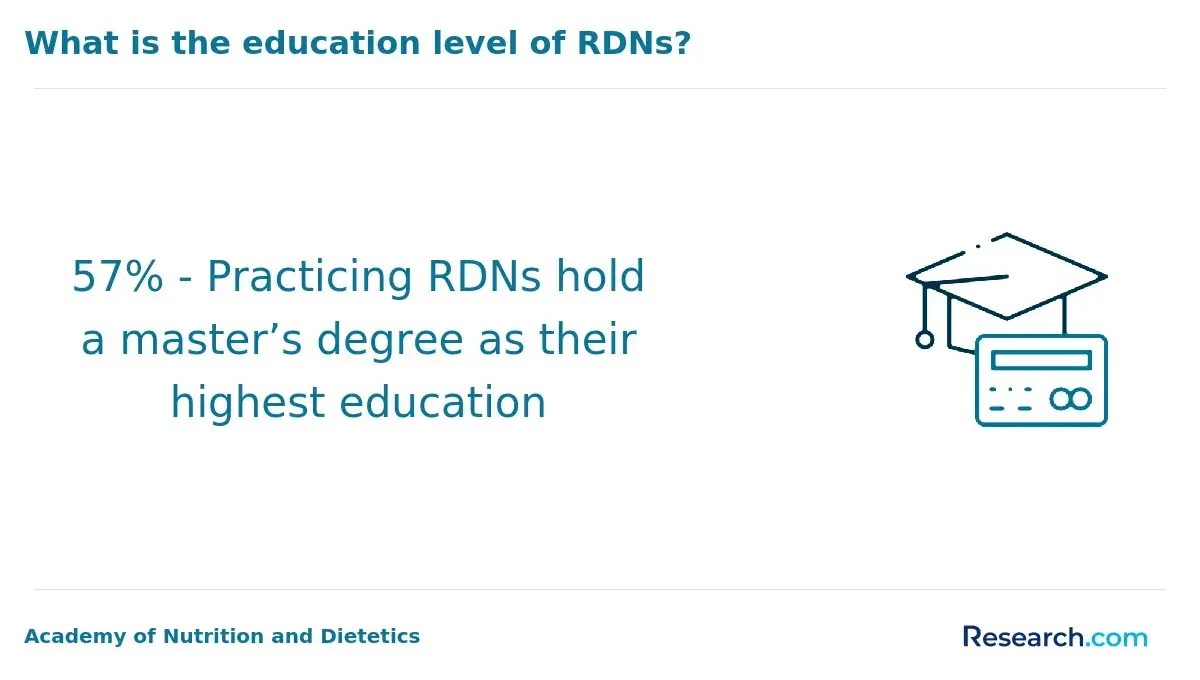
- Master’s Degree in Nutrition: A master’s degree in nutrition in Alabama is essential, providing advanced knowledge in dietetics, food science, and health promotion to prepare you for clinical and community settings.
- Completion of ACEND Accredited Dietetics Programs: Enroll in ACEND-accredited dietetics programs in Alabama, which ensure the curriculum meets national standards and qualifies graduates for the Registered Dietitian Nutritionist (RDN) credentialing process.
- Bachelor’s Degree with Supervised Practice: While the master’s degree is becoming the standard, some routes still require completion of an ACEND-accredited coordinated program or didactic program in dietetics followed by supervised practice hours.
- Continuing Education and Certification Preparation: Beyond formal degrees, staying current with evidence-based practices and exam preparation is crucial to succeed in certification exams and professional growth.
Choosing the right program can open doors to rewarding opportunities, some of which rank among the highest paying medical jobs. Approach your education with commitment and select programs that align with your career goals and the rigorous standards of the dietetics profession.
How many supervised practice hours are needed to become a registered dietitian in Alabama?
To become a registered dietitian in Alabama, you must complete a minimum of 1,000 supervised practice hours through an ACEND-accredited program. This requirement aligns with national standards, and Alabama does not impose additional state-specific supervised practice hour mandates. Alongside these hours, recent changes also require a master’s degree to qualify for the registration exam.
Below are key factors that shape the supervised practice hour standards in Alabama.
- ACEND-Accredited Program Requirement: All supervised practice hours must be completed within programs accredited by the Accreditation Council for Education in Nutrition and Dietetics, ensuring uniform quality and rigor.
- Practice Settings and Rotations: Experience spans diverse environments such as medical nutrition therapy, community nutrition, food service administration, and specialty practice areas, fostering well-rounded professional skills.
- Structure and Scheduling: Hours are typically distributed over 9 to 24 months with weekly in-person attendance, and students are generally advised against concurrent employment due to the time demands.
- Preceptor Supervision: Registered dietitian preceptors guide interns, providing essential hands-on training aligned with professional standards.
- Eligibility for Registration Exam: Completion of supervised practice hours is mandatory before sitting for the national Registration Examination for Dietitians, a prerequisite for licensure in Alabama.
- No State-Specific Hour Modification: Alabama follows national supervised practice hour requirements without additional state-level adjustments.
- Recent Degree Requirement: As of January 1, 2024, a master’s degree is also required alongside supervised practice hours to be eligible for the registration exam.
What are the eligibility requirements for the dietetic registration exam in Alabama?
Meeting the eligibility requirements for the dietetic registration exam in Alabama is a key step toward becoming a registered dietitian. These requirements ensure you have the foundational education and credentials needed to succeed on the national exam and beyond.
Below, I outline the essential qualifications and procedures you need to follow.
- Minimum Education Requirement: Candidates must hold at least a graduate degree (master’s or higher) from a U.S. Department of Education-accredited institution as of January 1, 2024; the degree can be in any field, though nutrition-related studies are typically preferred for Alabama licensure.
- Completion of ACEND-Accredited Coursework: Applicants need to finish an ACEND-accredited dietetics program—such as a Didactic Program in Dietetics (DPD), Coordinated Program (CP), or Graduate Program (GP)—to fulfill required nutrition coursework; this includes programs at the University of Alabama and University of Montevallo, which are recognized as ACEND-accredited dietetics programs Alabama.
- Verification Statement from Program Director: After completing coursework, the program director provides a Verification Statement confirming eligibility and submits documentation to the Commission on Dietetic Registration (CDR), which is necessary for exam registration.
- Registration and Passing the National Exam: Candidates must register for and pass the CDR-administered Registration Examination for Dietitians; passing this exam is mandatory before applying for licensure in Alabama.
- State-Specific Licensure Pathways: Alabama requires applicants to be at least 19 years old, submit evidence of good moral character with two personal references, and pay application and licensure fees totaling $250; the state recognizes dietitian and nutritionist credentials as equivalent.
While supervised practice hours are essential for full eligibility, this overview focuses on education and exam requirements. For those exploring a nutrition career path, understanding these dietitian exam requirements in Alabama will keep you on the right track to licensure and professional success.
The chart below from Zippia shows the registered dietitian wage gap by degree level.
How can you get a license after passing the dietetic registration exam in Alabama?
Securing your dietitian license in Alabama is the final step to officially launching your career. The process is structured but straightforward, designed to ensure qualified and ethical practice across the state. Follow these key steps:
- Confirm Eligibility: You must be at least 19 years old, have completed an ACEND-accredited degree and supervised practice, and provide proof of good moral character through personal references.
- Prepare Documentation: Gather a valid photo ID, proof of current registration with the Commission on Dietetic Registration (CDR), and your required references.
- Complete Application: Fill out the licensure application from the Alabama Board of Examiners for Dietetic/Nutrition Practice and attach CDR verification of your Registered Dietitian status.
- Pay Fees: Include the $250 application and license fee, payable to the Alabama Board of Dietitians, and mail the packet to the Board’s official address.
- Await Review: The Board will review your application and approve your license once all requirements are met.
- Consider Reciprocity: If licensed in another state, apply for licensure by reciprocity to simplify the process.
- Apply for Temporary Licensure: If needed, request a temporary license to practice while your full application is under review.
I spoke with a registered dietitian from Alabama who graduated from a local university, and she reflected on her licensing journey. She shared that although she initially considered reciprocity because she had briefly practiced in a neighboring state, she found that applying directly in Alabama was more straightforward due to the state’s clear requirements and efficient board communication. “The process felt thorough but fair,” she said, “and having graduated locally gave me confidence in meeting all the standards without surprises.”
She noted the peace of mind that came with knowing all regulatory expectations upfront and appreciated how the Board’s responsiveness helped reduce her anxiety during the waiting period. Her experience highlights the value of preparing meticulously and embracing the process as part of becoming a trusted professional in Alabama’s nutrition community.
What types of dietitian specializations can you pursue in Alabama?
The field of dietetics in Alabama offers diverse pathways for registered dietitians to develop specialized expertise. By focusing on a particular area, dietitians can enhance their impact and career prospects while meeting specific community and patient needs.
Below are key specializations you can pursue to tailor your professional journey.
- Clinical Dietitian: Provides medical nutrition therapy in healthcare settings, helping patients manage chronic illnesses like diabetes and heart disease.
- Community Dietitian: Delivers nutrition education and wellness programs through public health organizations and schools to improve population health.
- Foodservice Management Dietitian: Manages food planning and safety in institutions such as hospitals and correctional facilities, ensuring compliance with nutrition standards.
- Pediatric Dietitian: Offers nutrition guidance tailored to infants, children, and adolescents, including those with special health requirements.
- Geriatric Dietitian: Focuses on the nutritional needs of older adults, addressing conditions like osteoporosis and cardiovascular health.
- Board Certified Specialist in Sports Dietetics (CSSD): Supports athletes with evidence-based nutrition strategies, requiring documented practice hours and passing a certification exam in Alabama.
- Board Certified Specialist in Renal Nutrition (CSR): Specializes in nutrition care for patients with kidney disease or on dialysis, with specific practice hour requirements and certification.
- Board Certified Specialist in Oncology Nutrition (CSO): Works with cancer patients to manage nutrition-related treatment challenges and promote recovery.
- Research Dietitian: Advances nutrition science through research roles in academia, government, or industry.
- Private Practice Dietitian: Provides personalized nutrition counseling independently or within group practices, addressing diverse client needs.
What is the average salary of a registered dietitian in Alabama?
The average annual pay for a dietitian in Alabama is $68,886, or about $33.12 per hour as of 2025. This equates to roughly $1,324 per week or $5,740 per month. While this figure sits slightly below salaries in higher-paying states, it still offers competitive opportunities across Alabama’s healthcare and nutrition sectors.
- Location within Alabama: Cities like Columbiana and Mobile report salaries 9 to 11% higher than the state average.
- Experience Level: Entry-level dietitians earn closer to $54,800, while top earners reach $90,638 annually.
- Work Setting: Hospitals and clinical settings typically pay more than schools or community programs.
- Education and Credentials: Advanced degrees and specialized certifications can push salaries into higher percentiles.
- Regional Trends: Coastal and metropolitan areas such as Mobile consistently offer stronger pay compared to rural regions.
Salary growth in Alabama is steady but gradual, with future opportunities expected mainly in healthcare facilities and public health sectors. Positioning yourself in urban areas and pursuing advanced qualifications can accelerate your career and earnings journey.
How are emerging trends shaping registered dietitian practice in Alabama?
Registered dietitians in Alabama are increasingly integrating technology and innovative service models into their practice. Advancements in telehealth, digital health records, and data analytics are reshaping patient care and streamlining administrative processes. These trends encourage professionals to update their skills and adapt to a more dynamic, tech-driven healthcare environment. Staying abreast of evolving regulations and consumer expectations while pursuing targeted continuing education can enhance career resilience and service quality. For additional guidance on expanding your professional toolkit, review how to become a nutritionist in Alabama.
Can complementary certifications boost career growth for dietitians in Alabama?
Pursuing complementary certifications can expand your clinical competencies and set you apart in Alabama’s competitive healthcare environment. Diversifying skills through allied disciplines may open new opportunities in interdisciplinary care settings and enhance your ability to address broader patient needs. For instance, integrating training in related fields can increase your adaptability and provide an edge in developing hybrid roles. Explore our guide on how to become a medical assistant in Alabama for a pathway that complements your dietetics expertise and reinforces your career flexibility.
What do you need to keep your dietitian registration active in Alabama?
Keeping your dietitian registration active in Alabama is vital to sustain your professional credibility and legal ability to practice. It reflects your commitment to high standards and ensures you stay current with evolving nutrition science and regulations. Meeting these requirements protects both your career and the public you serve.
- Biennial State License Renewal: Renew your Alabama dietitian license every two years to maintain legal practice status.
- License Renewal Fees: Pay a $150 fee for each renewal; initial application fees are separate.
- Maintain Active CDR Registration: Renew your Commission on Dietetic Registration every five years as a prerequisite for state licensure.
- Continuing Professional Education (CPE): Complete 75 CPE units every five years using CDR-approved programs to keep your skills sharp.
- Good Moral Character: Uphold ethical standards and avoid any violations that could jeopardize your license.
- Proof of Registration and ID: Submit current CDR registration and a government-issued photo ID with your renewal application.
When I spoke with a registered dietitian from Alabama who graduated locally, he reflected on the challenges of maintaining active registration. He mentioned, “Navigating the renewal process felt overwhelming at first, especially ensuring all CPEUs were from approved sources.”
He also noted the difficulty of license reciprocity, saying, “Because Alabama doesn’t fully recognize out-of-state licenses, staying active here meant committing fully to these renewal steps.” Yet, he found strength in this rigor, explaining it helped him stay deeply connected to Alabama’s specific nutrition needs and regulations, which ultimately enhanced his professional confidence and community impact.
How long does it take to become a registered dietitian in Alabama?
Becoming a registered dietitian in Alabama is a rewarding path that generally takes about six to seven years from starting college to earning your credential. This timeframe accounts for completing the necessary education and supervised practice, which are key steps along the way. Knowing how many years to become a registered dietitian in Alabama helps you plan your academic and professional journey effectively.
The registered dietitian education requirements Alabama now include earning both a bachelor’s degree and a graduate degree, typically a master’s, which adds roughly two more years to the traditional four-year undergraduate program. Alongside your studies, you’ll complete an internship with at least 900 hours of supervised practice, which usually takes about a year. These components ensure you gain the practical skills needed to excel in the field.
If you want to explore options for your graduate studies, consider reviewing programs recognized for quality and flexibility. A helpful resource is the ranking of the best online masters in dietetics degree programs, which can guide you toward programs that fit your schedule and goals. Staying informed about your educational choices can shorten your timeline and enhance your learning experience.
Can international students qualify to become registered dietitians in Alabama?
International students have a clear pathway to becoming registered dietitians in Alabama by meeting essential educational and credentialing standards. With careful planning and dedication, this goal is within reach for qualified candidates.
- Degree Equivalency Evaluation: You must have your foreign degree evaluated to ensure it matches a U.S. regionally-accredited bachelor’s or graduate degree, complying with the Commission on Dietetic Registration (CDR) standards.
- Master’s Degree Requirement: Since January 1, 2024, all candidates need a master’s degree from a recognized U.S. institution or a foreign equivalent to qualify for the dietitian registration exam.
- Completion of an ACEND-Accredited Program: Even with prior credentials, you must finish coursework and at least 1,000 hours of supervised practice through an ACEND-accredited program.
- English Language Proficiency: Demonstrating English proficiency through tests like TOEFL or IELTS is typically required to ensure success in coursework and supervised practice.
- Visa and Legal Status: Maintaining an appropriate visa such as F-1 or J-1 is mandatory, along with compliance with U.S. immigration laws during your studies and practical training.
- Examination and Licensure Application: After meeting educational and practice requirements, you must pass the national RDN exam administered by the CDR and then apply for licensure to practice in Alabama.
For a comprehensive guide on advancing your career, which can offer insights into balancing education and professional development, exploring the best masters in dietetics program can be a strategic step forward. The chart below from the Commission on Dietetic Registration shares the states with the highest dietitian employment level.
What career paths can registered dietitians pursue in Alabama?
Registered dietitians in Alabama enjoy diverse career opportunities that allow specialization across various industries. Exploring these paths will help you find a role that fits your passion and strengths while offering competitive salaries and growth potential.
- Clinical Dietitian: Works in hospitals and clinics providing medical nutrition therapy with strong job stability.
- Community Nutritionist: Employed by public health and non-profits, focusing on wellness programs; salaries align with the state average and the outlook is positive due to public health initiatives.
- Food Service Management: Oversee meal planning and food safety in institutions like schools and hospitals, with experienced professionals earning up to $88,150.
- Private Practice/Consultant: Offer personalized nutrition counseling or contracts, with flexibility and earning potential exceeding $88,000 for seasoned dietitians.
- Corporate Wellness: Develop workplace nutrition programs as employer interest grows; salaries generally match the state median.
- Research and Academia: Teach or conduct nutrition research at universities, often requiring advanced degrees and offering stable employment with competitive pay.
- Specialty Practice: Focus on areas like pediatric or sports nutrition with certifications, often earning higher salaries and experiencing strong demand.
- Government and Policy: Work on public health policy and program administration, with competitive salaries and steady opportunities.
- Long-Term Care and Senior Nutrition: Manage nutrition for elderly populations in care facilities, supported by Alabama’s aging demographics and consistent salaries.
If you're wondering what can you do with a nutritional science degree, these career options for registered dietitians in Alabama offer a rewarding path with room to grow professionally and make a meaningful impact.
What Registered Dietitians Say About Their Careers in Alabama
- Completing my dietetics program at Auburn University gave me an incredible foundation to start my career here in Alabama. Working in a local school has allowed me to directly impact children’s health and nutrition, which is truly rewarding. The community support and access to fresh, regional foods make meal planning both exciting and culturally relevant. I’ve grown tremendously, not just as a professional but as a member of this community, and I’m proud to contribute to the well-being of our youth every day. - Diva
- After finishing my degree at the University of Alabama in Huntsville, I began my career as a registered dietitian in a local school setting. The experience has been both challenging and fulfilling, especially as I navigate the unique nutritional needs shaped by Alabama’s diverse population and rural areas. This role has allowed me to expand my skills in program development and community outreach, helping to promote healthier lifestyles among students and families alike. It’s a career path that offers stability and meaningful growth, and I feel fortunate to make a difference in this way. - Sarah
- Graduating from the University of South Alabama opened doors for me to work closely with children in local schools, where I’ve been able to address nutrition education with a focus on Alabama’s rich cultural heritage. My work here has deepened my passion for community health and personal development, as I see firsthand the positive impact that tailored nutrition guidance can have on students’ academic performance and overall wellness. The professional development opportunities in Alabama are strong, allowing me to continuously refine my expertise and contribute to innovative health initiatives. - Jamie
Related Articles for Nearby States
- 2027 Steps to Become a Registered Dietitian in Mississippi
- 2027 Steps to Become a Registered Dietitian in Tennessee
- 2027 Steps to Become a Registered Dietitian in Georgia
- 2027 Steps to Become a Registered Dietitian in Florida
- 2027 Steps to Become a Registered Dietitian in Louisiana
- 2027 Steps to Become a Registered Dietitian in Arkansas
- 2027 Steps to Become a Registered Dietitian in Kentucky
- 2027 Steps to Become a Registered Dietitian in South Carolina
- 2027 Steps to Become a Registered Dietitian in North Carolina
- 2027 Steps to Become a Registered Dietitian in Missouri
References:
- Commission on Dietetic Registration (2025). Registered Dietitian (RD) and Registered Dietitian Nutritionist (RDN). Retrieved from https://www.cdrnet.org/registry-statistics?id=6665&actionxm=ByState
- O*NET OnLine (n.d.). Alabama Employment Trends 29-1031.00 - Dietitians and Nutritionists. Retrieved from https://www.onetonline.org/link/localtrends/29-1031.00?st=AL
- Zippia (2025). Registered dietitian demographics and statistics in the US. Retrieved from https://www.zippia.com/registered-dietitian-jobs/demographics/
- ZipRecruiter (2025). Dietitian Salary in Alabama. Retrieved from https://www.ziprecruiter.com/Salaries/Average-Dietician-Salary--in-Alabama
Other Things You Should Know About Being a Registered Dietitian in Alabama
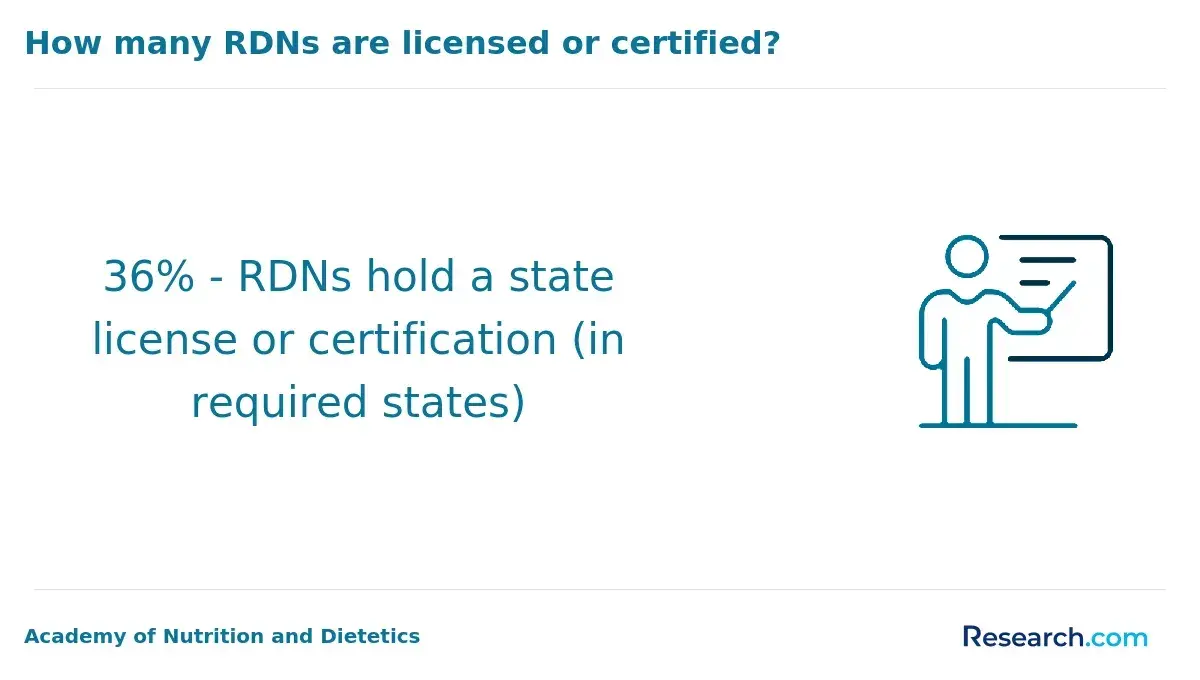
To become a Registered Dietitian in Alabama in 2027, you must earn a bachelor's degree in dietetics from an accredited program, complete a supervised practice program (dietetic internship), pass the Commission on Dietetic Registration (CDR) exam, and obtain state licensure. Courses must meet requirements set by the Accreditation Council for Education in Nutrition and Dietetics (ACEND).
The cost to become a registered dietitian in Alabama by 2026 can vary widely, depending on the institution chosen for a degree program. Tuition for a bachelor's degree typically ranges from $20,000 to $60,000, plus additional fees for the dietetic registration exam, supervised practice, and licensing expenses.


