
2027 Steps to Become a Registered Dietitian in Alaska

Co-Founder and Chief Data Scientist
Many aspiring nutrition professionals struggle to find a clear path to becoming a registered dietitian in Alaska. The state faces a growing demand for dietitians, with employment projected to increase by 12% over the next decade, driven by rising health awareness and aging populations. This demand translates into strong job stability and competitive salaries for qualified dietitians.
This article, crafted by career planning experts, outlines the essential steps to achieve registration in Alaska. It provides practical guidance on education requirements, supervised practice, and licensure, helping readers navigate the process efficiently and confidently toward a rewarding career.
Key Things to Know About Becoming a Registered Dietitian in Alaska
- Complete a bachelor’s degree accredited by the Accreditation Council for Education in Nutrition and Dietetics (ACEND), essential for eligibility to sit for the registered dietitian (RD) exam in Alaska.
- Finish a supervised dietetic internship program, typically 6-12 months, to gain practical experience required by the Commission on Dietetic Registration.
- Pass the national RD exam and apply for Alaska state licensure; the state requires RD credentialing to practice legally, with an average salary of around $65,000 annually.
- What degree is required to become a registered dietitian in Alaska?
- How many supervised practice hours are needed to become a registered dietitian in Alaska?
- What are the eligibility requirements for the dietetic registration exam in Alaska?
- How can you get a license after passing the dietetic registration exam in Alaska?
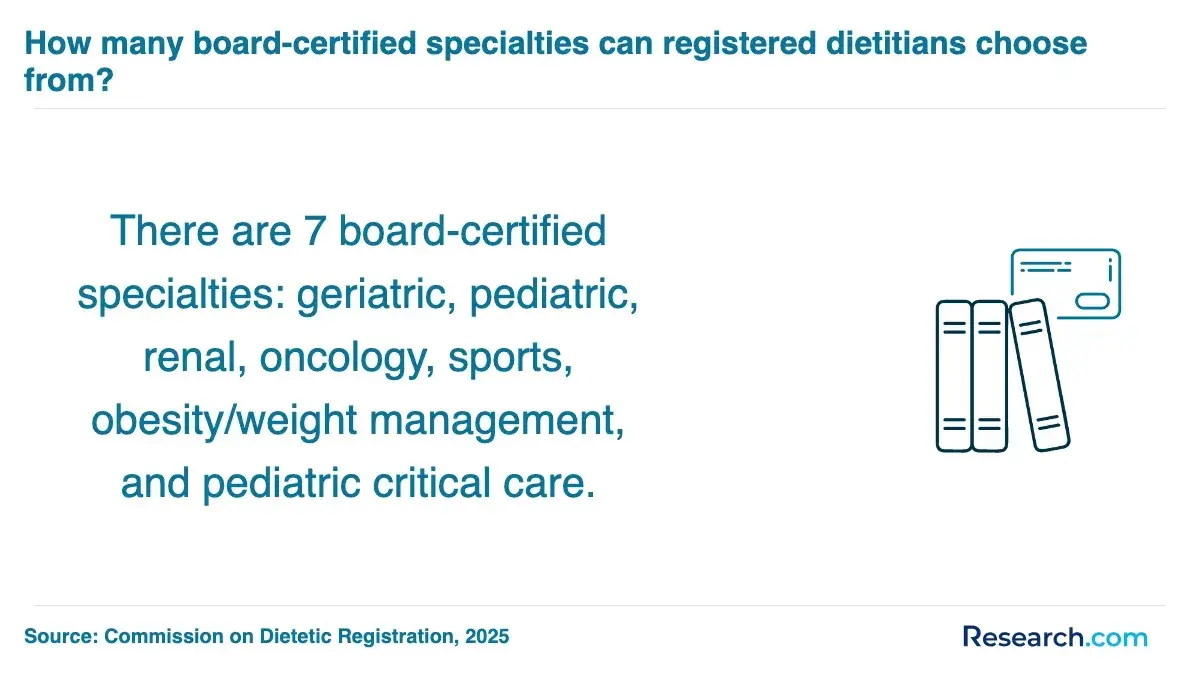
- What types of dietitian specializations can you pursue in Alaska?
- What is the average salary of a registered dietitian in Alaska?
- What do you need to keep your dietitian registration active in Alaska?
- What factors should you consider when choosing a dietetics program in Alaska?
- How do registered dietitians address Alaska’s unique cultural and regional dietary needs?
- How long does it take to become a registered dietitian in Alaska?
- Can international students qualify to become registered dietitians in Alaska?
- What career paths can registered dietitians pursue in Alaska?
What degree is required to become a registered dietitian in Alaska?
To pursue a career as a registered dietitian in Alaska, specific educational credentials are essential. Meeting these degree requirements ensures eligibility for certification and aligns with the standards of accredited dietetics programs in Alaska.
- Bachelor’s Degree (Minimum Requirement): Completion of a bachelor’s degree from an accredited institution is the foundational step, often in a field related to nutrition or dietetics.
- Master’s Degree Requirement for Registered Dietitian in Alaska: A master’s degree is strongly recommended and increasingly necessary to meet the latest credentialing standards and to secure competitive positions in the field.
- ACEND Accredited Dietetics Programs in Alaska: Enrollment in an ACEND-accredited program is critical, as it provides the supervised practice and coursework required for registration eligibility.
Following these educational pathways prepares candidates for the rigorous credentialing process. For those exploring career options, understanding what is the highest paying job in the medical field can offer motivation to complete these academic requirements and advance professionally.
How many supervised practice hours are needed to become a registered dietitian in Alaska?
To become a registered dietitian in Alaska, you must complete a nationally mandated minimum of 1,000 supervised practice hours through an ACEND-accredited program. Alaska does not impose additional practice hour requirements beyond this national standard.
The state requires all supervised practice to align strictly with ACEND guidelines and mandates completion before applying for licensure and the RDN exam. The following points summarize key details and standards related to supervised practice hours in Alaska.
- Supervised practice must be completed through an ACEND-accredited dietetic internship or coordinated program, ensuring consistent national quality and rigor.
- The University of Alaska Anchorage offers an M.S. in Dietetics and Nutrition with supervised experiential rotations primarily in Alaska and occasionally in approved states.
- Practice settings include clinical nutrition, community nutrition, and food service management to reflect Alaska’s healthcare and community needs.
- Weekly supervised practice typically ranges from 16 to 20 hours, spread over two academic years plus a summer session in Alaska-based programs.
- There are no additional Alaska-specific supervised practice hour requirements beyond the 1,000 hours mandated nationally.
- Completion of supervised practice is required prior to eligibility for the national RDN exam and Alaska state licensure.
- Since January 1, 2024, a master’s degree is required to sit for the RDN exam, impacting all Alaska applicants.
Those 1,000 supervised hours aren’t arbitrary—they build marketable competencies. The chart highlights the skills RDNs most often list—patient care, home health, medical nutrition therapy, and more—showing where Alaska rotations focus and how your training converts into résumé-ready experience.
What are the eligibility requirements for the dietetic registration exam in Alaska?
Meeting the eligibility requirements for the dietetic registration exam in Alaska is a key step toward becoming a registered dietitian. These requirements ensure candidates have the necessary educational background and meet state-specific criteria before sitting for the exam. Below are the main eligibility points to consider when preparing for the Alaska Commission on Dietetic Registration (CDR) exam qualifications.
- Graduate Degree Requirement: Candidates must hold at least a graduate degree (master’s or doctoral) from a U.S. Department of Education (USDE)-recognized, regionally accredited institution or an equivalent foreign degree, effective as of January 1, 2024.
- Accredited Nutrition Coursework: Completion of coursework in an ACEND-accredited program—such as the Didactic Program in Dietetics (DPD), Coordinated Program (CP), or Graduate Program (GP)—is mandatory to build foundational knowledge in nutrition and dietetics.
- Submission of Eligibility by Program Director: After completing academic and practice requirements, your program director must submit your eligibility documentation to the CDR for approval, without which you cannot register for the exam.
- Registration and Exam Fee: Once eligibility is approved, candidates receive instructions from ACT, Inc. to register and pay the $200 exam fee, with testing available year-round at Pearson VUE centers in Alaska, including Anchorage.
- State Licensure Pathways: Alaska requires dietitians to obtain state licensure after passing the national exam; the state recognizes the RDN credential but also permits alternative nutritionist licensure options like the Certified Nutrition Specialist (CNS) credential or doctoral degrees in nutrition-related fields, which may have additional coursework and experience requirements.
Applicants interested in nutrition careers should also explore further details on nutrition job requirements to fully understand all pathways and expectations in this field.
How can you get a license after passing the dietetic registration exam in Alaska?
Follow these essential steps to secure your registered dietitian license in Alaska after passing the dietetic registration exam:
- Submit Application: Complete and sign the official Application for Dietitian License (Form #08-4400) with accurate information to initiate your licensing process.
- Pay Fees: Include a nonrefundable $100 application fee and a $50 license fee, totaling $150, payable to the State of Alaska.
- Verify Registration: Arrange for CDR to send your official registration verification directly to Alaska’s licensing office.
- Provide Licensure Verification: If licensed in other states, have each jurisdiction send primary source verification to Alaska, including any disciplinary records.
- Await Review: The Alaska Division of Corporations, Business and Professional Licensing will review all submitted documents; early submission is advised to prevent delays.
- Maintain Contact: Keep your contact details current with the Division for updates and to receive your license promptly upon approval.
A registered dietitian from Alaska, who graduated from a local university, shared insights on her licensing journey. She noted that while the reciprocity process can be complex—requiring verifications from other states—it ultimately ensured her credentials were rigorously reviewed, which she found reassuring.
“It was a bit challenging coordinating between different boards, but having everything verified directly helped me avoid surprises later,” she reflected. She appreciated that Alaska’s careful approach upheld professional standards and highlighted how being locally educated gave her a smoother start, especially in understanding state-specific regulations. Her experience underscores the importance of patience and attention to detail when navigating licensing in Alaska.
What types of dietitian specializations can you pursue in Alaska?
Dietitians in Alaska have a range of specialization options that reflect both the state’s healthcare demands and broader nutrition trends. Choosing a focus area allows you to tailor your skills to specific populations, settings, or conditions. Below are key dietitian specializations available in Alaska that you may consider pursuing.
- Common Dietitian Specializations in Alaska: These roles address diverse nutritional needs across clinical, community, and organizational environments.
- Clinical Dietitian: Provides nutritional therapy in hospitals and clinics, often managing chronic diseases like diabetes and cardiovascular conditions.
- Community Dietitian: Works with public health agencies and tribal organizations to develop programs improving nutrition among groups such as Alaska Native populations.
- Food Service Management Dietitian: Oversees meal planning and food safety in institutions like schools and correctional facilities, ensuring compliance with state standards.
- Pediatric Dietitian: Specializes in nutritional care for children and adolescents, collaborating with hospitals and youth health campaigns.
- Geriatric Dietitian: Focuses on nutrition for older adults, addressing issues like malnutrition and chronic disease prevalent in Alaska’s aging population.
- Sports Dietitian: Provides nutrition guidance to athletes and active individuals, supporting performance through collaboration with sports teams.
- Renal Dietitian: Manages nutrition for kidney disease patients, often working in dialysis centers or hospital settings.
- Oncology Dietitian: Supports cancer patients with nutrition care to manage treatment side effects and improve quality of life.
- Research Dietitian: Engages in nutrition research related to health disparities and indigenous populations, often affiliated with academic institutions.
- Private Practice Dietitian: Offers personalized nutrition counseling, frequently utilizing telehealth to reach clients in remote areas.
What is the average salary of a registered dietitian in Alaska?
The average salary for a registered dietitian in Alaska is approximately $84,150 per year, with an hourly wage around $40.46. This salary is notably higher than the national average annual wage of about $73,850 for dietitians and nutritionists. In Anchorage, Alaska's largest city, the average hourly wage is slightly lower at approximately $36.67.
- Location: Salaries tend to be higher in nonmetropolitan and remote areas, with rural dietitians earning up to $89,590 annually.
- Experience: Entry-level dietitians earn less, while those with advanced credentials or extensive experience can exceed $100,000 per year.
- Work Setting: Clinical roles, hospitals, and government health agencies usually offer higher pay compared to other settings.
- Demand: Alaska’s limited number of registered dietitians and unique healthcare needs drive salaries upward due to strong demand.
- Regional Trends: Anchorage dietitians average around $82,120 annually, whereas rural dietitians often earn more due to scarcity of professionals.
- Salary Growth: Wages are expected to grow steadily, matching national trends as demand for nutrition expertise increases statewide.
What do you need to keep your dietitian registration active in Alaska?
Keeping your dietitian registration active in Alaska is vital to ensure legal practice, maintain professional credibility, and meet state and national standards. Regular renewal and continuing education demonstrate your commitment to quality nutrition care in a growing job market.
- Biennial Alaska License Renewal: Renew your license every two years by December 31st of odd-numbered years, submitting the renewal application and paying a $125 fee.
- CDR Renewal: Renew your CDR registration every five years by completing 75 continuing professional education (CPE) units approved by CDR.
- Continuing Education (CPE): Fulfill CDR’s 75 CPEU requirement through approved activities or specialty certifications recognized by CDR.
- Verification Requirements: Provide official CDR verification directly to the Alaska licensing board at initial application and renewal. Also, verify out-of-state licenses if applicable.
- Contact Updates: Notify the board promptly of any name or address changes to avoid communication delays.
A registered dietitian from Alaska who graduated from a local university shared that maintaining active registration felt initially complex, especially navigating license reciprocity. “Since Alaska doesn’t have full reciprocity, I had to carefully verify my CDR registration and submit detailed documents, which took time but ensured everything was official.”
He appreciated the clear guidelines for continuing education, noting, “The five-year CPE cycle allowed me to pace my learning without pressure.” Reflecting positively, he said, “Keeping my registration active isn’t just about compliance—it’s about staying connected to the profession and ready for new opportunities in Alaska’s unique healthcare environment.”
What factors should you consider when choosing a dietetics program in Alaska?
When evaluating dietetics programs, verify that the curriculum meets ACEND accreditation standards and thoroughly assess the program’s internship network and licensure pass rates. Consider faculty expertise, opportunities for specialization in clinical or community settings, and the program’s ability to connect students with Alaska’s diverse healthcare environments. Additionally, examine the program’s support services, mentorship offerings, and career placement records to ensure they align with your professional goals. For a broader perspective on career pathways, review how to become a nutritionist in Alaska.
How do registered dietitians address Alaska’s unique cultural and regional dietary needs?
Registered dietitians in Alaska integrate clinical expertise with an understanding of local cultural practices to provide sensitive and effective nutrition care. They work closely with community leaders and public health officials to tailor nutritional interventions that respect indigenous food traditions and regional availability, ensuring that dietary recommendations are both practical and culturally relevant. This collaboration often extends to interdisciplinary teams, where professionals combine their expertise to support comprehensive patient care, including insights on how to become a medical assistant in Alaska.
How long does it take to become a registered dietitian in Alaska?
Becoming a registered dietitian in Alaska generally takes six to seven years from starting college to earning the credential. This timeline includes completing the necessary bachelor’s and master’s degrees, as well as supervised practice and passing the national registration exam. Planning your education path carefully can help manage this timeframe effectively.
The registered dietitian education and training requirements in Alaska include earning a bachelor’s degree followed by a master’s degree, which became mandatory in 2024. After academics, at least 1,000 hours of supervised practice are required, usually completed through an internship or coordinated program. These steps ensure you are eligible to take the national Registered Dietitian Nutritionist (RDN) exam and then apply for state licensure.
Some students may shorten this timeline by enrolling full-time, transferring relevant credits, or choosing accelerated programs, while others may experience delays due to internship availability or exam scheduling. For those exploring options, pursuing an online dietetics degree could offer flexibility and potentially speed up the process without compromising education quality.
Your timeline also hinges on your undergraduate major. As the chart shows, most RDs start in Dietetics or Food and Nutrition—paths that already satisfy ACEND prerequisites and keep you on schedule. Majors like Nutrition Science or Food Science may require catch-up courses, stretching the clock.
Can international students qualify to become registered dietitians in Alaska?
International students can become registered dietitians in Alaska by fulfilling specific requirements that ensure their foreign credentials align with U.S. standards. These requirements address education, supervised practice, and credentialing processes tailored to international applicants.
- Degree Equivalency Evaluation: International students must have their foreign degree evaluated for equivalency to a U.S. regionally accredited college or university degree before applying to ACEND-accredited programs or the RDN exam.
- Completion of ACEND-Accredited Coursework: Applicants need to complete all required coursework and supervised practice in an ACEND-accredited Didactic Program in Dietetics (DPD) or graduate program, such as those offered at the University of Alaska Anchorage, to meet professional standards.
- Verification Statement: After finishing the ACEND-accredited program, students must obtain a verification statement confirming completion of all academic and supervised practice requirements from the program director.
- English Language Proficiency: Evidence of English proficiency is generally required, typically demonstrated through tests like the TOEFL or IELTS, to ensure effective communication in professional settings.
- Visa and Immigration Compliance: Maintaining appropriate visa status throughout education and supervised practice is essential, including eligibility for practical training if internships are involved.
- Credentialing Exam Eligibility: Only after completing these steps and earning a master’s degree can international students apply to take the Commission on Dietetic Registration (CDR) RDN exam.
- State Licensure: Passing the CDR exam allows students to apply for Alaska state licensure, which requires submission of all supporting documentation and CDR registration.
For international students planning to pursue this path, it is important to consider Alaska’s limited ACEND-accredited program options and the requirement that all supervised practice occurs in-state. This ensures a thorough understanding of local professional standards and regulations. To explore further educational options that fit your schedule, consider researching online masters in nutrition.
What career paths can registered dietitians pursue in Alaska?
Registered dietitians in Alaska have access to diverse career opportunities across clinical, community, and specialized settings. Exploring these roles can help you identify the best path based on your interests, work environment preferences, and salary expectations.
- Clinical Dietitian: Provides nutritional care in hospitals, with opportunities in both metropolitan and rural areas; average salaries reach around $84,150 statewide, rising to $89,590 in nonmetropolitan regions, reflecting strong hospital dietitian jobs in Alaska.
- Community/Public Health Dietitian: Works in government programs or tribal health agencies delivering nutrition education to high-risk groups, earning about $44 per hour in some roles.
- Long-Term Care Dietitian: Manages nutrition in nursing facilities focusing on chronic disease, with salaries ranging from $61,464 to $92,206 depending on experience.
- School Nutrition Dietitian: Designs healthy meal programs in public schools and partners with state initiatives, earning within typical state dietitian pay ranges.
- Private Practice Dietitian: Offers personalized counseling, often via telehealth due to Alaska’s geography; hourly rates vary, with remote jobs averaging $36.11.
- Military and Government Dietitian: Supports service members and federal employees on bases or agencies, with salaries aligned to federal healthcare pay scales.
- Research and Academia: Engages in nutrition research or teaching at institutions like the University of Alaska Anchorage, with compensation based on academic rank.
- Specialty Dietitian: Focuses on areas such as diabetes or renal nutrition in hospitals or clinics, with pay reflecting expertise and experience.
Demand remains strong for registered dietitians in Alaska, especially in rural and Alaska Native communities. For those considering further education, reviewing a ranking of cheapest online masters degrees in nutrition can be a strategic step to enhance qualifications and expand career opportunities.
What do registered dietitians in Alaska say about their career?
- Completing my dietetics program at the University of Alaska Anchorage truly prepared me for the unique demands of working in this state. Starting my career in a local school allowed me to engage directly with children and families, helping to improve their nutrition knowledge in ways that respect Alaska’s diverse cultures and traditions. I find great satisfaction in blending scientific nutrition with community values, which makes every day rewarding. The job stability here is a huge bonus, especially in such a remote and beautiful environment. Jaden
- Beginning my work as a registered dietitian in a local school after graduating from Alaska Pacific University was a transformative experience. It challenged me to grow professionally while fostering a deep connection with the community, especially through addressing food insecurity and traditional food practices. Alaska's environment and culture offer unique challenges that have strengthened my problem-solving skills and fueled my passion for promoting wellness among youth. It’s fulfilling to see the positive impact on students’ health and confidence over time. Zeth
- Graduating from Ilisagvik College’s dietetics program gave me the foundation I needed to thrive in Alaska’s distinct healthcare landscape. Working in a local academic setting, I’ve been able to advance my career while contributing to the well-being of indigenous populations, which is incredibly meaningful. The opportunities here for professional development are rich, especially when paired with the unique challenges of nutrition in such a cold climate. I appreciate how my work supports community resilience and personal growth alike. Darren
Related Articles for Nearby States
- 2027 Steps to Become a Registered Dietitian in Washington
- 2027 Steps to Become a Registered Dietitian in Oregon
- 2027 Steps to Become a Registered Dietitian in California
- 2027 Steps to Become a Registered Dietitian in Hawaii
- 2027 Steps to Become a Registered Dietitian in Idaho
- 2027 Steps to Become a Registered Dietitian in Montana
- 2027 Steps to Become a Registered Dietitian in Nevada
- 2027 Steps to Become a Registered Dietitian in Utah
- 2027 Steps to Become a Registered Dietitian in Arizona
- 2027 Steps to Become a Registered Dietitian in Wyoming
References:
- Alaska Academy of Nutrition and Dietetics. Licensure in Alaska.
- Alaska Department of Commerce, Community, and Economic Development — Division of Corporations, Business and Professional Licensing. Dietitians & Nutritionists — Professional Licensing.
- All Allied Health Schools. How to Become a Dietitian.
- Become a Nutritionist. How to Become a Registered Dietitian in Alaska.
- NutritionED.org. Nutritionist Certification in Alaska — License, Education Requirements.
- Nutritionist Degree Online. How to Become a Nutritionist in Alaska.
- State of Alaska — Workplace Alaska. Class Specifications.
- University of Alaska Anchorage Academic Catalog. Master of Science in Dietetics and Nutrition.
- University of Alaska Anchorage. Dietetics & Nutrition — College of Health.
- University of Nevada, Reno. Requirements for Licensure — Dietetic Internship.
Other Things You Should Know About Registered Dietitians in Alaska
The first step to becoming a registered dietitian in Alaska in 2027 is to earn a bachelor's degree from an accredited program in dietetics. This program must be accredited by the Accreditation Council for Education in Nutrition and Dietetics (ACEND) and fulfill the academic prerequisites necessary for dietetic internships.
Dietetic internships in Alaska are generally unpaid, aligning with the national trend where most accredited dietetic internships do not offer compensation. While some programs may provide stipends or cover certain expenses, paid internships remain rare, and students should plan financially for this phase of their training.
It’s important for prospective dietitians to research individual programs thoroughly, as a few sites might offer payment or benefits, but these are exceptions rather than the rule in Alaska. Preparing for an unpaid or minimally compensated internship is essential for those aiming to complete their supervised practice hours within the state.


