
2027 Steps to Become a Registered Dietitian in Arkansas

Co-Founder and Chief Data Scientist
Becoming a registered dietitian in Arkansas offers strong growth and rewarding opportunities. Employment for dietitians in the state is projected to increase by 12% over the next decade—faster than many other healthcare professions. With competitive salaries and a rising demand for nutrition experts, it’s an excellent time to pursue this career path.
This guide walks you step by step through Arkansas’s education, supervised practice, exam, and licensure requirements. Designed by career planning experts, it provides clear, reliable guidance to help you navigate the process with confidence and successfully launch your career as a registered dietitian.
Key Things to Know About Becoming a Registered Dietitian in Arkansas
- Earn a bachelor’s in nutrition or dietetics—Arkansas requires this as the first step before applying for supervised practice.
- Complete an accredited dietetic internship—typically around 1,200 hours, this hands-on training is essential and competitive in the state.
- Pass the national RD exam—after finishing your internship, you must pass this test to get licensed and start working; Arkansas also mandates state licensure to practice.
- What degree is required to become a registered dietitian in Arkansas?
- How many supervised practice hours are needed to become a registered dietitian in Arkansas?
- What are the eligibility requirements for the dietetic registration exam in Arkansas?
- How can you get a license after passing the dietetic registration exam in Arkansas?
- What types of dietitian specializations can you pursue in Arkansas?
- What is the average salary of a registered dietitian in Arkansas?
- What do you need to keep your dietitian registration active in Arkansas?
- How do I choose the best ACEND-accredited program in Arkansas?
- How long does it take to become a registered dietitian in Arkansas?
- Can international students qualify to become registered dietitians in Arkansas?
- What career paths can registered dietitians pursue in Arkansas?
- How can registered dietitians enhance their professional growth in Arkansas?
What degree is required to become a registered dietitian in Arkansas?
When it comes to the degree requirements for registered dietitian in Arkansas, there are a few key educational steps you’ll need to follow to get started in this field. Here’s a quick rundown of what’s expected for those aiming to meet the Arkansas master’s degree dietitian requirement.
- Bachelor’s Degree: This is your starting point, and while it doesn’t have to be in nutrition specifically, it lays the groundwork for your advanced studies.
- Master’s Degree: Beginning in 2024, Arkansas requires a master’s degree to become a registered dietitian. This degree usually focuses on nutrition or a related health science field and ensures a deeper understanding of dietetics.
- Graduate Coursework: Your master’s program should include specific coursework approved by the state, covering essential topics in nutrition and dietetics to prepare you for certification and practice.
For those curious about exploring other health-related educational paths, you might find this the best career to pursue with a nutrition masters degree quite insightful.
How many supervised practice hours are needed to become a registered dietitian in Arkansas?
To become a registered dietitian in Arkansas, you need to complete 1200 supervised practice hours through an ACEND-accredited program. This aligns with the national standard and ensures a well-rounded experience across clinical, community, and foodservice settings. Here’s a quick breakdown of the key points regarding these supervised hours and state-specific details.
- ACEND Accreditation Baseline: Hours must come from programs accredited by the Accreditation Council for Education in Nutrition and Dietetics, ensuring national competency standards are met.
- Experiential Learning Settings: Practice hours cover diverse areas like clinical nutrition, community programs, and foodservice management, providing broad practical experience.
- State Regulatory Oversight: The Arkansas Dietetics Licensing Board enforces these requirements and requires passing the national registration exam for licensure.
- No State-Specific Increase: Arkansas follows the national minimum and does not require extra hours beyond the 1200 standard.
- Provisional Licensure Option: Applicants with at least 900 supervised hours can apply for a provisional license but must complete all 1200 hours for full licensure.
- Continuing Education: Licensed dietitians must complete 12 hours of continuing education each year and 75 professional education units every five years to maintain their credentials.
Those 1,200 supervised hours aren’t busywork—they’re how you build the competencies employers expect. The chart sums it up: patient care, home health, medical nutrition therapy, and nutrition services dominate RDN resumes—skills you’ll practice across clinical, community, and foodservice rotations in Arkansas.
What are the eligibility requirements for the dietetic registration exam in Arkansas?
Getting ready to take the dietetic registration exam in Arkansas means meeting some key eligibility requirements. These rules make sure you’re academically prepared and ready to join the field. Here’s a quick rundown of what you need to know before you sit for the exam.
- Minimum Educational Degree: You must have at least a graduate degree from a U.S. Department of Education (USDE)-recognized accredited institution, though the degree can be in any field.
- Nutrition-Related Coursework: Completion of an ACEND-accredited didactic program in dietetics is required to cover all necessary nutrition, food, and dietetics courses.
- Program Director Submission: Your program director must submit verification of your eligibility to the Commission on Dietetic Registration (CDR) confirming you’ve met all education and coursework requirements.
- Registering for the Exam: Once verified, you’ll need to register for and pass the national Registration Examination for Dietitians, which is offered at Pearson VUE centers across Arkansas.
- State-Specific Licensure Variations: Arkansas allows licensure by endorsement for current registered dietitians and accepts doctoral degrees in nutrition-related fields as part of their credentialing process.
Arkansas also has some extra steps like a notarized application, background checks, and a $110 fee for licensure. If you’re curious about the full process or wondering how to become a nutritionist in general, there’s plenty of info out there to guide you. Meeting these eligibility requirements for registered dietitian exam in Arkansas is your ticket to starting a rewarding career in dietetics.
How can you get a license after passing the dietetic registration exam in Arkansas?
Here’s a quick rundown of how to get your dietitian license in Arkansas after passing the registration exam:
- Complete the License Application: Grab the official two-page form from the Arkansas Dietetics Licensing Board website and fill it out carefully with all your details.
- Notarize the Application: Sign the notary section in front of a licensed notary who will then seal and verify your signature.
- Submit Proof of CDR Registration: Include a copy of your current Commission on Dietetic Registration card that matches your application info exactly.
- Pay the Application Fee: Send a $110 check or money order payable to the Arkansas Dietetics Practice Fund—this fee is non-refundable.
- Send Your Materials: Mail or email your completed application, notarized form, proof of registration, and payment to the board using the contacts listed on the form.
- Wait for Processing: The board typically takes up to six weeks to review and approve your application.
- Receive Your License: Once approved, you’ll get your official Arkansas Licensed Dietitian credential allowing you to practice legally.
I spoke with a registered dietitian from Arkansas who graduated from a local university, and she shared some insights about her licensure journey. “I was lucky because I didn’t have to deal with reciprocity issues since I stayed in-state after graduation,” she said.
She explained that for those moving from other states, Arkansas requires the full application process plus proof of current registration, which can feel like starting over, but it also ensures everyone meets the same standards. She appreciated the straightforwardness of the Arkansas system and how it made her feel confident practicing here, knowing the licensing board values consistent qualifications across the board. “It was nerve-wracking waiting those weeks, but having everything organized and knowing exactly what was needed made the process smoother,” she reflected.
What types of dietitian specializations can you pursue in Arkansas?
If you’re thinking about becoming a registered dietitian in Arkansas, you’ll find plenty of ways to specialize depending on your interests and career goals. Dietitians work in all kinds of settings, so the options are pretty diverse. Here’s a quick rundown of some popular specializations you can pursue in the state:
- Clinical Dietitian: Provides medical nutrition therapy in hospitals and clinics, especially for patients managing chronic diseases like diabetes and heart issues.
- Community Dietitian: Works with public health programs and non-profits to create nutrition initiatives that support local populations and at-risk groups.
- Pediatric Dietitian: Focuses on the unique nutritional needs of kids and teens, partnering with families and healthcare pros to promote healthy growth.
- Sports Dietitian: Helps athletes and active people optimize their performance and recovery through tailored nutrition advice.
- Geriatric Dietitian: Specializes in the dietary needs of older adults, addressing challenges related to aging and chronic health conditions.
- Diabetes Educator: Offers counseling and education to help people with diabetes manage their condition through smart nutrition and lifestyle changes.
- Eating Disorders Dietitian: Supports individuals struggling with eating disorders as part of a healthcare team aiming for recovery and healthier relationships with food.
- Food Service Management Dietitian: Oversees meal planning and food safety in institutions like schools and hospitals, ensuring nutrition standards are met.
- Consulting/Private Practice Dietitian: Works independently or in groups offering personalized nutrition counseling and program development for various clients.
- Research Dietitian: Conducts studies to expand knowledge on diet and health, often in academic or government settings.
What is the average salary of a registered dietitian in Arkansas?
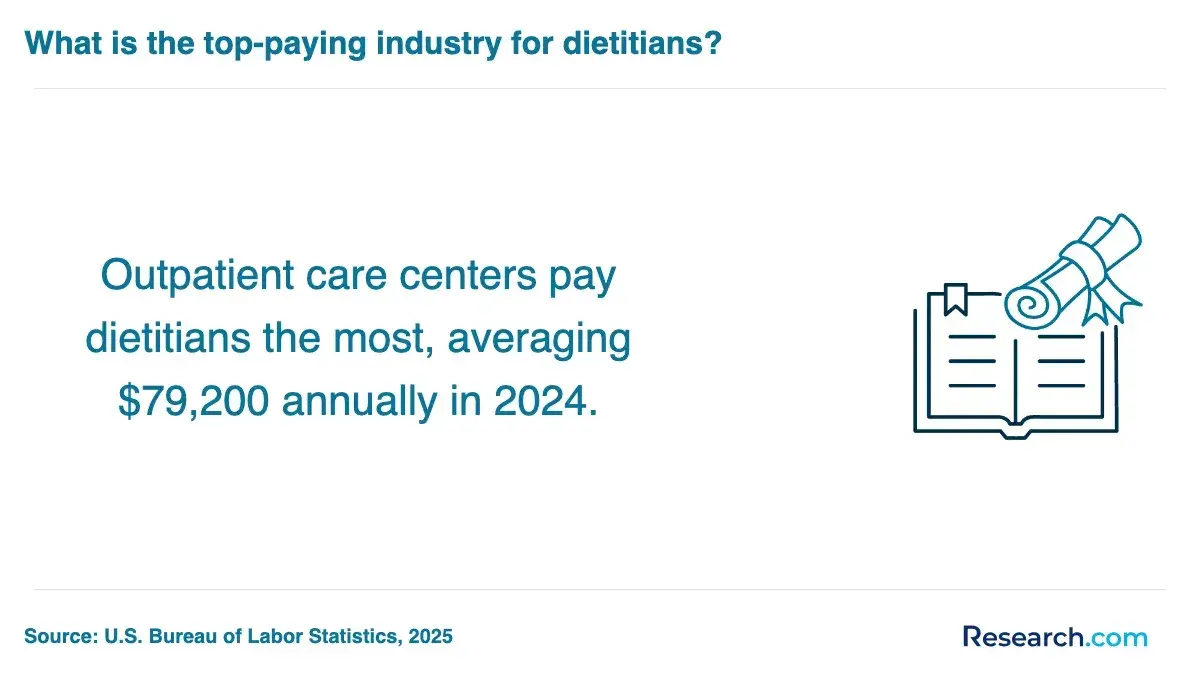
The average salary for a registered dietitian in Arkansas is around $58,500 per year, with hourly wages typically between $28 and $30 as of mid-2025. Compared to the national median salary, which usually falls between $66,000 and $69,000 annually, Arkansas ranks last among all states for dietitian pay. This means dietitians here generally earn about 10–15% less than their counterparts in other states.
- Location: Urban areas like Little Rock and Fayetteville offer slightly better pay, but salaries statewide remain below the national average.
- Experience: Entry-level dietitians start near $43,000–$50,000, while seasoned pros or supervisors can make $77,000 or more.
- Work Setting: Hospitals and government health agencies tend to pay more than schools or community programs.
- Demand: The job market in Arkansas is pretty quiet, limiting salary growth and negotiation power.
- Regional Trends: Salaries are quite uniform across the state, with no major spikes in any particular area.
- Growth Outlook: Pay raises happen slowly, usually tied to experience or moving into management roles.
What do you need to keep your dietitian registration active in Arkansas?
Keeping your dietitian registration active in Arkansas is key to practicing legally and staying up-to-date with the latest in nutrition care. The state and national requirements make sure you’re always sharpening your skills and following professional standards, which benefits both you and your clients.
- Annual state license renewal: Renew your Arkansas license every year by submitting an application and paying the renewal fee, which is currently $3 but usually $50.
- Continuing education: Complete 12 hours of approved continuing education annually to keep your knowledge fresh.
- Proof of national registration: Submit a copy of your current CDR card each year when renewing your state license.
- Five-year national renewal: Renew your Registered Dietitian credential with the CDR every five years by completing 75 continuing education units, including ethics.
- Timely submissions & fees: Send all documents before the deadline to avoid penalties; replacement license cards cost $25.
I spoke with a registered dietitian from Arkansas who graduated locally, and he shared how tricky it was navigating license reciprocity. Since Arkansas doesn’t fully recognize licenses from other states, he had to jump through extra hoops to transfer his credentials. “It wasn’t easy at first, but staying organized and knowing exactly what Arkansas requires made a huge difference,” he said.
He also appreciated the low renewal fee this year, which helped ease the financial side while keeping everything current. He recommends keeping all your CE records handy and starting renewals early to avoid stress. Overall, he sees these rules as a helpful way to stay sharp and connected to the profession.
How do I choose the best ACEND-accredited program in Arkansas?
When selecting an ACEND-accredited program, focus on curriculum depth, practical training opportunities, and program outcomes. Evaluate factors such as faculty expertise, clinical placement partnerships, and the support provided for internships and licensure preparation. Consider programs that demonstrate a proven track record of student success and strong industry connections to ensure a smooth transition into professional practice. For additional guidance on exploring related career pathways, review how to become a nutritionist in Arkansas.
How long does it take to become a registered dietitian in Arkansas?
Getting your registered dietitian credential in Arkansas usually takes about six to seven years from the start of college. This timeline covers everything from earning your degrees to completing supervised practice and finally passing the credentialing exam. Of course, individual experiences can vary depending on how fast you move through each step.
One big part of the timeline is meeting the registered dietitian education requirements Arkansas has set, including finishing both a bachelor’s and a master’s degree. The master’s degree became mandatory nationwide starting in 2024, so that adds roughly two more years after your undergraduate studies. Some students might find accelerated paths or flexible programs to speed things up a bit.
Along the way, you'll need to complete supervised practice and prepare for the exam, which can add several months. If you’re curious about options for the earlier stages, you might want to check out the best rated online bachelors degrees in nutritional science for a convenient start. Overall, how long to become a registered dietitian in Arkansas depends a lot on your pace and program choices.
To make the timeline real, the chart shows which undergraduate majors most RDs actually choose. Dietetics and Food and Nutrition dominate—paths that already satisfy ACEND prerequisites and keep you on schedule. Less common majors often require extra science courses, which can push your finish line back.
Can international students qualify to become registered dietitians in Arkansas?
International students can definitely become registered dietitians in Arkansas if they meet certain academic and credentialing steps. The process might seem detailed, but with the right preparation, it’s totally achievable.
- U.S. Degree Equivalency Evaluation: You’ll need to have your foreign degree evaluated to make sure it matches a U.S. regionally accredited college’s standards before applying to any ACEND-accredited program in Arkansas.
- Enrollment in ACEND-Accredited Programs: Completing coursework and supervised practice in an ACEND-accredited program is a must, and starting January 1, 2024, a master’s degree is required to qualify for the Registered Dietitian Nutritionist exam.
- Verification Statement Requirement: A recent verification statement from an ACEND-accredited Didactic Program in Dietetics or Foreign Dietitian Education program is necessary. If it’s older than five years, you’ll need extra coursework in clinical and administrative dietetics.
- Minimum English Proficiency: You must show your English skills through tests like TOEFL (minimum iBT 83), IELTS (6.5 overall with 7 in speaking), or PTE Academic (56 minimum).
- Graduate Admission Standards: For graduate entry, a cumulative GPA of at least 2.7 is required, along with a statement of purpose and references. Nutrition and science courses often demand higher grades.
- State Licensure Application: After passing the national exam, you’ll apply for Arkansas licensure by submitting your CDR registration card and paying a $110 fee. The process can take up to six weeks.
For more detailed insights on advancing your career, check out masters in holistic nutrition, which also covers similar credentialing pathways.
What career paths can registered dietitians pursue in Arkansas?
If you’re exploring career opportunities for registered dietitians in Arkansas, you’ll find a range of roles across healthcare, community programs, and corporate settings. Here’s a quick look at some popular jobs for registered dietitians in Arkansas, along with where you might work and what you could earn.
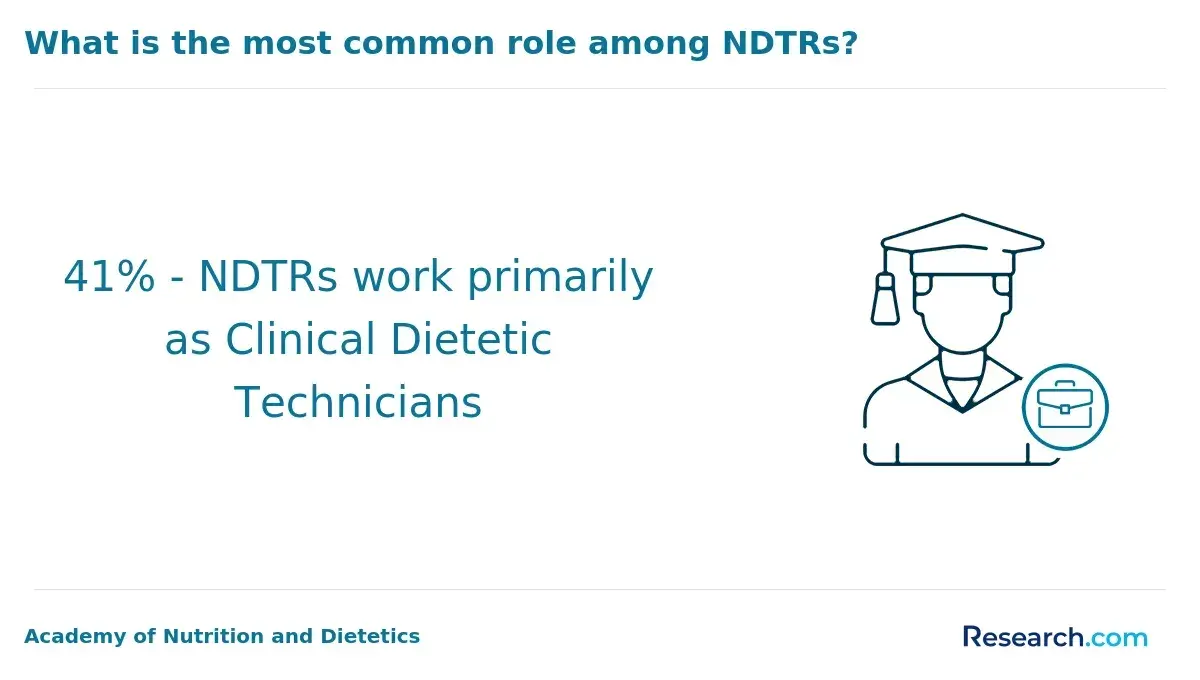
- Clinical Dietitian: Providing nutrition therapy in hospitals or clinics, these dietitians earn about $55,000 to $65,000 and enjoy solid job growth thanks to expanding healthcare needs.
- Community Nutritionist: Working with public health agencies or nonprofits, they focus on nutrition education and typically make $50,000 to $60,000 as preventive health programs grow.
- Long-Term Care Dietitian: Overseeing nutrition in assisted living facilities, these roles pay around $55,000 to $63,000, driven by Arkansas’s aging population.
- Food Service Management Dietitian: Managing dietary operations in schools or hospitals, salaries range from $55,000 to $70,000 with chances to advance in larger institutions.
- Corporate and Wellness Dietitian: Designing employee wellness programs in companies, these dietitians earn $55,000 to $75,000 amid rising corporate wellness trends.
- Remote and Telehealth Dietitian: Offering flexible remote counseling, pay typically runs $55,000 to $70,000 depending on experience and caseload.
- Private Practice Dietitian: Running their own business, successful practitioners can make $60,000 or more, scaling up with clientele growth.
- Nutrition Specialist/Educator: Teaching nutrition in schools or community programs, they usually earn $50,000 to $60,000 with steady demand in education sectors.
For those interested in advancing in this field, a strong foundation in nutritional science is key to unlocking these diverse jobs for registered dietitians in Arkansas. To highlight the educational trends shaping the profession, the image below shows how the majority of registered dietitians hold advanced degrees.
How can registered dietitians enhance their professional growth in Arkansas?
Registered dietitians seeking to remain competitive can benefit from pursuing supplementary certifications and interdisciplinary training. This additional learning—ranging from advanced nutrition specialties to leadership and management skills—allows professionals to diversify their service offerings and improve collaboration within healthcare teams. Exploring opportunities such as learning how to become a medical assistant in Arkansas may also provide complementary expertise and open alternative career pathways. Emphasis on ongoing education through workshops, industry seminars, and mentorship programs strengthens both clinical acumen and strategic career advancement.
What do registered dietitians in Arkansas say about their careers?
- Completing my dietetics program at the University of Arkansas provided me with a strong foundation and a deep connection to the local community. Starting my career as a registered dietitian in a local school has been incredibly fulfilling because I get to support children’s health during their most formative years. The job stability here is impressive, and I appreciate the collaborative environment that encourages continuous learning and professional growth. It’s rewarding to see students make healthier choices and know I played a part in that positive change. Kimi
- My journey began at Arkansas State University, where I honed my skills and passion for nutrition. Working in an academic institution in Arkansas has allowed me to merge my love for education with community health. The unique cultural diversity and rural resources here challenge me to create tailored nutrition programs that truly resonate with families. This career has not only expanded my expertise but also deepened my commitment to making a meaningful impact on public health in the region. Alexa
- Graduating from Harding University’s dietetics program was just the start of a rewarding career path. Practicing as a registered dietitian in Arkansas has offered unique opportunities to address regional health disparities, especially related to food access and lifestyle. I’ve grown both personally and professionally by engaging with local farmers and schools to promote sustainable nutrition practices. The sense of community here fuels my passion for helping others improve their well-being through thoughtful dietary choices. Danny
Related Articles for Nearby States
- 2027 Steps to Become a Registered Dietitian in Missouri
- 2027 Steps to Become a Registered Dietitian in Oklahoma
- 2027 Steps to Become a Registered Dietitian in Tennessee
- 2027 Steps to Become a Registered Dietitian in Mississippi
- 2027 Steps to Become a Registered Dietitian in Louisiana
- 2027 Steps to Become a Registered Dietitian in Texas
- 2027 Steps to Become a Registered Dietitian in Kentucky
- 2027 Steps to Become a Registered Dietitian in Kansas
- 2027 Steps to Become a Registered Dietitian in Alabama
- 2027 Steps to Become a Registered Dietitian in Illinois
References:
- Arkansas Department of Health. Arkansas Board of Dietetics Licensing.
- Arkansas State University (A-State Online). M.S. in Nutrition and Dietetics — Registered Dietitian Track.
- Arkansas State University. Frequently Asked Questions (Dietetics).
- Become a Nutritionist. How to Become a Registered Dietitian in Arkansas.
- NutritionED.org. How to Become a Registered Dietitian in Arkansas — Exam, License, and Education Requirements in Arkansas.
- Ouachita Baptist University. Registered Dietitian Requirements.
- University of Arkansas. Human Nutrition and Dietetics — Human Environmental Sciences.
- University of Arkansas. Human Nutrition and Dietetics (HNAD) — Undergraduate Catalog.
- University of Arkansas for Medical Sciences (UAMS). About the Master of Science in Dietetics Program.
- University of Central Arkansas. Dietetics and Nutrition Therapy.
Other Things You Should Know About Registered Dietitians in Arkansas
To qualify as a registered dietitian in Arkansas in 2027, students must complete a bachelor's degree in dietetics or a related field accredited by the Accreditation Council for Education in Nutrition and Dietetics (ACEND). They also need to fulfill specific coursework and supervised practice requirements to be eligible for the registration exam.
In 2027, to become a registered dietitian in Arkansas, first earn a bachelor's degree from an Accreditation Council for Education in Nutrition and Dietetics (ACEND)-accredited program. Then complete a dietetic internship, pass the CDR exam, and apply for state licensure through the Arkansas Dietetics Licensing Board.
To become a registered dietitian in Arkansas in 2027, candidates must complete 1,000 hours of supervised practice through an ACEND-accredited internship or coordinated program. These hours cover clinical nutrition, community nutrition, and food service management experience.


