
2027 Steps to Become a Registered Dietitian in Idaho

Co-Founder and Chief Data Scientist
Aspiring nutrition professionals in Idaho often face uncertainty about the path to becoming a registered dietitian. With healthcare jobs growing 12% over the past decade, demand for qualified dietitians is rising.
This article, prepared by career planning experts, clarifies Idaho-specific education, supervised practice, and licensure requirements, providing practical guidance to build a successful career in nutrition.
Key Things to Know About Becoming a Registered Dietitian in Idaho
- To become a registered dietitian in Idaho, candidates must complete a bachelor’s and typically a master’s degree in nutrition or dietetics through an ACEND-accredited program with supervised practice.
- At least 1,000 supervised practice hours and completion of ACEND-accredited coursework are required to qualify for the national dietetic registration exam and Idaho licensure.
- After passing the registration exam, dietitians obtain state licensure and can pursue clinical, community, or specialized roles with competitive salaries across Idaho.
- What degree is required to become a registered dietitian in Idaho?
- How many supervised practice hours are needed to become a registered dietitian in Idaho?
- What are the eligibility requirements for the dietetic registration exam in Idaho?
- How can you get a license after passing the dietetic registration exam in Idaho?
- What types of dietitian specializations can you pursue in Idaho?
- What is the average salary of a registered dietitian in Idaho?
- What do you need to keep your dietitian registration active in Idaho?
- What are the emerging trends in Idaho's nutrition industry?
- Can a complementary healthcare role enhance my registered dietitian career in Idaho?
- How long does it take to become a registered dietitian in Idaho?
- Can international students qualify to become registered dietitians in Idaho?
- What career paths can registered dietitians pursue in Idaho?
What degree is required to become a registered dietitian in Idaho?
Becoming a registered dietitian in Idaho requires specific academic preparation to ensure proficiency in nutrition science and practical skills. Below are the key degree requirements:
- Bachelor’s Degree in Nutrition or Related Field: Candidates typically begin with a bachelor’s degree in nutrition, dietetics, or a closely related area. ACEND accreditation ensures the program provides a solid scientific and practical foundation.
- Master’s Degree Requirement: Idaho, along with many other states, increasingly expects candidates to hold a master’s degree. This advanced education enhances knowledge and skills in dietetics, clinical practice, and nutrition counseling.
- Completion of ACEND-Accredited Dietetics Programs: Enrolling in an Idaho-based ACEND-accredited program guarantees that your education meets national standards. These programs include supervised practice and coursework essential for professional registration.
- Supervised Practice Experience: Accredited programs incorporate hands-on training in clinical, community, and foodservice settings. This practical component is critical to developing the competencies required for successful practice as a registered dietitian.
For those looking to advance their credentials or explore flexible learning options, it’s worth researching the best rated online nutrition certifications that can complement your education and career goals.
How many supervised practice hours are needed to become a registered dietitian in Idaho?
Becoming a registered dietitian in Idaho requires completing a minimum number of supervised practice hours through an ACEND-accredited program. Below are the key factors regarding supervised practice hours in Idaho:
- ACEND-Accredited Program Requirement: Idaho mandates completion of supervised practice through an ACEND-approved program, ensuring comprehensive training and eligibility for licensure.
- Minimum Hour Requirement: Candidates must complete at least 1,000 supervised practice hours, in line with national standards.
- State Licensure Alignment: Idaho does not require additional hours beyond ACEND guidelines, maintaining consistency with national requirements.
- Experiential Learning Settings: Supervised hours are completed in hospitals, community agencies, and foodservice organizations to provide broad practical experience.
- Verification Statement: Graduates must receive a verification statement from their accredited program confirming completion of supervised practice hours, required for the CDR exam and state licensure.
- Provisional Licensure Option: Idaho allows provisional licensure for candidates awaiting registration, with required supervision by a licensed dietitian until full licensure is granted.
- Professional Preparation: Completing supervised practice hours ensures that dietitians are equipped with the practical skills necessary for safe and effective professional practice.
To better understand workforce dynamics, the image below shows how many dietitians work part-time compared to full-time.

What are the eligibility requirements for the dietetic registration exam in Idaho?
To take the dietetic registration exam in Idaho, candidates must meet specific eligibility standards. These requirements ensure applicants have the proper educational foundation and have completed the necessary steps to qualify for licensure.
Below are the key requirements:
- Minimum Educational Qualification: Candidates must hold at least a master’s degree from a U.S. Department of Education-accredited institution or an equivalent foreign degree. The degree can be in any discipline, provided it is from a recognized accredited school.
- Completion of Required Nutrition Coursework: Applicants must complete an ACEND-accredited program, such as a Didactic Program in Dietetics (DPD), Coordinated Program (CP), or Graduate Program (GP). These programs cover essential nutrition and dietetics topics.
- Verification Statement Submission: After finishing the academic program, the program director must submit a verification statement to the Commission on Dietetic Registration (CDR), confirming eligibility to take the exam.
- Registration for the National Exam: Candidates must register online with the CDR and pay the $200 exam fee. The computer-based exam is administered at Pearson VUE centers, including locations in Boise, Idaho.
- Passing the National Registration Exam: The exam includes 125–145 multiple-choice questions. Candidates must achieve a scaled score of at least 35 out of 50 to pass and demonstrate professional competency.
- State-Specific Licensure Requirements: After passing the exam, applicants must apply for licensure through Idaho’s Division of Occupational and Professional Licenses (DOPL) and submit proof of exam passage with the required application fee. Idaho does not offer alternative licensure pathways.
While supervised practice hours must be completed as part of your training, details on those requirements are covered separately. For those wondering what do I need to start working as nutrition nurse, understanding Idaho dietitian exam education and supervised practice is equally important in building a strong foundation for your professional journey.
How can you get a license after passing the dietetic registration exam in Idaho?
After passing the dietetic registration exam, candidates must complete specific steps to obtain licensure in Idaho. These actions ensure compliance with state requirements and verification of national credentials.
Below are the key steps:
- CDR Registration Proof: Submit current proof of your Commission on Dietetic Registration credential, a mandatory requirement for Idaho licensure.
- Application Completion: Accurately fill out the official Idaho Board of Medicine application to avoid delays or rejection.
- Out-of-State Verification: If licensed elsewhere, request direct verification of your credentials to Idaho’s Board to facilitate endorsement.
- Fee Submission: Pay the required application fee promptly to maintain progress in the licensing process.
- Supporting Documents: Provide additional documents if requested, particularly for provisional license applications, though usually minimal once CDR exam requirements are met.
- Application Review: Allow the Board time for evaluation, including background checks and confirmation of registration status.
- License Issuance: Upon approval, receive your Idaho license, authorizing practice as a registered dietitian (RD or RDN).
What types of dietitian specializations can you pursue in Idaho?
Dietitians in Idaho can pursue a variety of specializations, allowing them to focus their expertise in specific areas of nutrition and health. These roles enable professionals to work directly with patients, support community wellness, or contribute to research and education.
Below are the key dietitian specializations available in Idaho:
- Clinical Dietitian: Specializes in medical nutrition therapy in hospitals and clinics, helping patients manage chronic diseases such as diabetes and heart conditions.
- Community Dietitian: Develops and implements nutrition programs in public health settings to address food insecurity, obesity, and overall community wellness.
- Pediatric Dietitian: Focuses on the nutritional needs of infants, children, and adolescents, collaborating with pediatric healthcare teams.
- Geriatric Dietitian: Assists older adults in managing age-related health challenges through individualized dietary guidance.
- Sports Dietitian: Provides nutrition strategies for athletes and active individuals to enhance performance, recovery, and injury prevention.
- Food Service Management Dietitian: Oversees meal planning, food safety, and nutrition standards in institutions such as schools and hospitals.
- Research Dietitian: Conducts studies on nutrition and dietary interventions, contributing to evidence-based practice.
- Nutrition Education and Counseling Dietitian: Educates individuals and groups about healthy eating and disease prevention through workshops and counseling sessions.
- Diabetes Educator Dietitian: Supports people with diabetes in managing their condition through diet, lifestyle guidance, and individualized meal planning.
What is the average salary of a registered dietitian in Idaho?
Registered dietitians in Idaho earn competitive salaries influenced by location, experience, and work setting. Below are key factors affecting compensation:
- Average Annual Salary: Dietitians in Idaho earn approximately $59,540 per year, or about $33.79 per hour.
- Comparison to National Average: This salary is roughly 8% below the national average, reflecting Idaho’s ranking near the bottom among U.S. states.
- Location Variations: Salaries are higher in Southwest Idaho, particularly in Boise and Meridian, while Eastern Idaho and rural areas generally offer lower pay.
- Experience Level: Entry-level dietitians earn near the lower end of the scale, while experienced professionals with advanced credentials can earn significantly more.
- Work Setting Influence: Hospital and specialized clinic roles typically offer higher salaries than school or community health positions.
- Salary Growth and Demand: Continued education, specialization, and focusing on urban centers or high-demand fields can increase earning potential as Idaho’s healthcare landscape evolves.
What do you need to keep your dietitian registration active in Idaho?
Keeping your dietitian registration active in Idaho ensures legal compliance and maintains professional credibility. Staying current protects your ability to practice and supports delivery of high-quality nutrition care.
Below are the key requirements:
- Renewal Frequency: Licenses renew annually until July 1, 2025. After that, renewals switch to two-year cycles based on your birth year.
- Renewal Application: Submit a completed renewal form, applicable fee, and a current CDR registration card for each renewal cycle.
- Fees: Current annual fee is $60. Starting mid-2025, two-year renewals cost $120. Provisional permits require a $50 fee.
- Continuing Education: Idaho does not require state-specific CE. However, 75 CPEUs every five years through the CDR are mandatory.
- CDR Registration: Proof of active CDR registration is required with each Idaho renewal to maintain credentials.
- Updates: Keep your contact information current with the Board. Accurate details ensure receipt of renewal notices and help prevent lapses.
What are the emerging trends in Idaho's nutrition industry?
Emerging technological advancements and shifting consumer demands are reshaping nutrition practice in Idaho. Increased use of telehealth, development of personalized nutrition plans, and integration of digital health tools are opening new avenues for registered dietitians. These trends foster innovation in patient engagement and service delivery while expanding opportunities in community wellness and corporate health initiatives. Staying abreast of regulatory updates and market innovations is crucial for professionals aiming to maintain competitive advantages and diversify their practice. For additional career diversification strategies, explore how to become a nutritionist in Idaho.
Can a complementary healthcare role enhance my registered dietitian career in Idaho?
Pursuing a healthcare support role can provide hands-on experience that enriches your clinical skills and broadens your understanding of patient care. This practical exposure not only strengthens your resume but also offers a financial cushion during the rigorous process of dietetics training. Engaging in such roles in diverse settings can expand your professional network and provide insights into interdisciplinary collaboration, all of which contribute to a well-rounded career. For those considering dual pathways, check out our post on how to become a medical assistant in Idaho for an alternative perspective on integrating supportive healthcare roles with dietetics.
How long does it take to become a registered dietitian in Idaho?
Becoming a registered dietitian in Idaho generally requires six to seven years, encompassing undergraduate and graduate education, supervised practice, and successful completion of the national registration exam. This timeline reflects the comprehensive requirements for dietetic credentialing in the state and provides aspiring professionals with a clear framework for planning their educational and career path. Individual circumstances, such as program format or scheduling, can lead to slight variations in the overall duration.
Typically, candidates begin with a four-year bachelor’s degree in nutrition or a related field, followed by a one- to two-year graduate program or combined master’s track. During this period, supervised practice is completed through a dietetic internship, which usually spans approximately 16 months. While accelerated programs may reduce the timeline, factors such as internship availability and potential exam retakes can extend the process.
For those balancing life and study, exploring options such as the best online nutrition degree programs might offer flexibility. Staying informed about these timelines will keep you motivated and on track toward your goal.
Can international students qualify to become registered dietitians in Idaho?
International students can pursue registration as dietitians in Idaho by meeting both national and state requirements. These steps ensure foreign education and experience align with U.S. professional standards.
Below are the key requirements:
- Foreign Degree Evaluation: Submit a degree equivalency statement from an approved credentialing agency to confirm your academic credentials meet U.S. standards before applying to dietetics programs or internships.
- ACEND-Accredited Education: Complete all coursework and supervised practice through programs accredited by the Accreditation Council for Education in Nutrition and Dietetics (ACEND) to qualify for the credentialing exam.
- English Language Proficiency: Applicants whose prior education was not in English must provide proof of proficiency through tests such as TOEFL or IELTS, as required by Idaho institutions or internships.
- Transcript Submission: Provide official transcripts from all post-secondary institutions attended, including documentation showing prerequisite course completion or current enrollment in dietetics programs.
- Visa and Immigration Compliance: Maintain valid immigration status throughout education and supervised practice, typically via an F-1 student visa.
- Credentialing Exam Eligibility: After completing an ACEND-accredited program and obtaining verification statements, candidates may sit for the Commission on Dietetic Registration exam.
- State Licensure: Obtain Idaho state licensure following successful national credentialing to practice professionally as a registered dietitian.
For more detailed guidance on navigating advanced degrees in the U.S., consider exploring the anchors part-time Ph.D. in economics as an example of balancing education and professional goals.
What career paths can registered dietitians pursue in Idaho?
Registered dietitians in Idaho can explore a variety of career paths across clinical, community, and specialized settings. Each role offers unique opportunities, stable demand, and competitive salaries.
Below are the key career options:
- Clinical Dietitian: Work in hospitals or skilled nursing facilities providing nutrition therapy. Demand is stable, with salaries averaging $67,490 and rising to $91,690 for experienced professionals.
- Community Nutritionist: Serve public health agencies and schools focusing on nutrition education and wellness. Salaries are near the state average, with steady employment opportunities.
- Dietitian Diabetes Educator: Specialize in diabetes management at hospitals or clinics. Growing demand supports salaries at or above average.
- Health and Wellness Nutritionist: Counsel clients in private practices or wellness centers. Entry-level salaries start near $49,400 with strong growth potential.
- Nutrition Services Manager: Lead food service operations in institutions. Offers higher pay and leadership opportunities.
- Child Nutrition Specialist: Develop child-focused nutrition programs in schools. Positions have consistent funding and competitive salaries.
- Clinical Research Dietitian: Participate in nutrition studies at universities or research centers. Advanced expertise is rewarded with higher salaries.
- Nutrition Consultant: Provide expert advice independently or contractually. Flexible work options and variable pay make this a growing field.
To enhance your qualifications, consider pursuing most affordable online masters degrees in nutrition. Whether you aim for clinical dietitian jobs in Idaho or broader nutrition roles, gaining specialized education will strengthen your career potential.
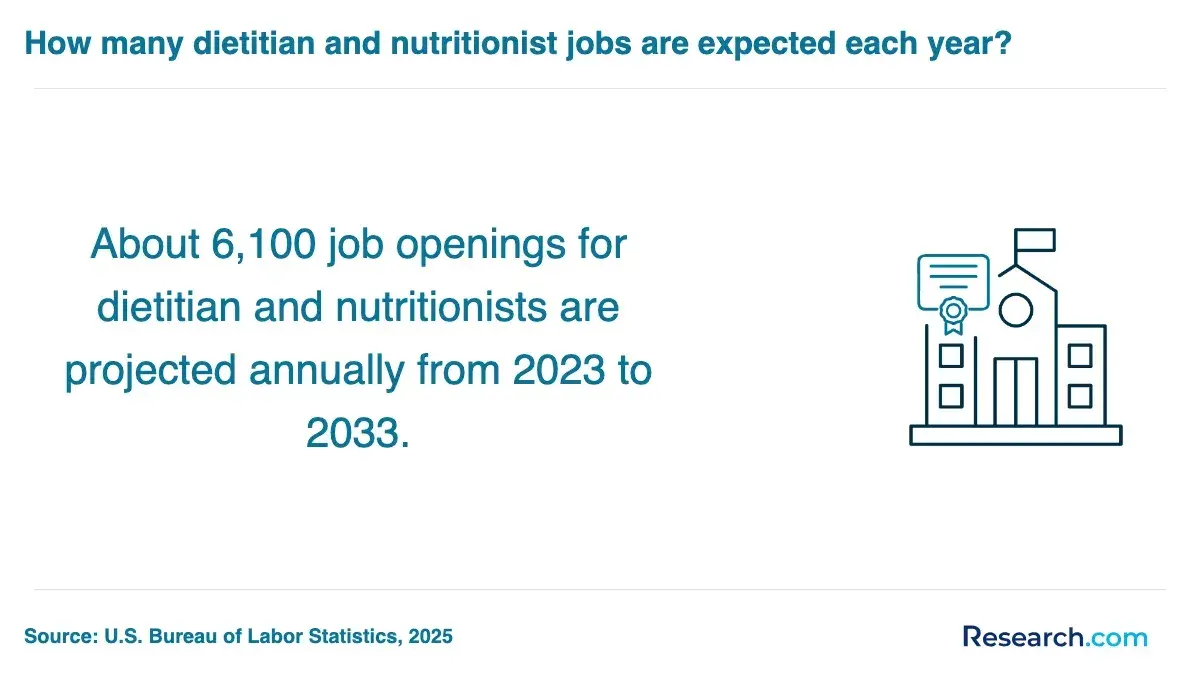 Job openings for dietitian and nutritionists" width="1200" height="680" loading="lazy">
What do registered dietitians in Idaho say about their career?
- Starting my career as a registered dietitian in Idaho has been both challenging and rewarding, especially working with communities in rural and urban settings. The state’s focus on local food systems has enriched my understanding of sustainable nutrition practices. Seeing measurable improvements in children’s health makes every effort worthwhile. Olivia
- Working as a dietitian in Idaho allows me to combine science-based nutrition guidance with community engagement, creating programs that improve overall well-being. Adapting strategies to diverse cultural and geographic needs has strengthened my skills and creativity. It’s deeply fulfilling to witness individuals and families embrace healthier lifestyles because of my work. Ethan
- Being a registered dietitian in Idaho has given me opportunities to grow professionally while positively impacting local communities. Collaborating with schools and clinics to address unique regional nutrition challenges has enhanced my expertise. The gratitude from families and visible health improvements in children make this career highly satisfying and meaningful. Madeline
Related Articles for Nearby States
- 2027 Steps to Become a Registered Dietitian in Montana
- 2027 Steps to Become a Registered Dietitian in Washington
- 2027 Steps to Become a Registered Dietitian in Oregon
- 2027 Steps to Become a Registered Dietitian in Nevada
- 2027 Steps to Become a Registered Dietitian in Utah
- 2027 Steps to Become a Registered Dietitian in Wyoming
- 2027 Steps to Become a Registered Dietitian in California
- 2027 Steps to Become a Registered Dietitian in Colorado
- 2027 Steps to Become a Registered Dietitian in Arizona
- 2027 Steps to Become a Registered Dietitian in New Mexico
References:
- Become a registered dietitian nutritionist | BYU-Idaho. (n.d.). Retrieved from Brigham Young University–Idaho
- Commission on Dietetic Registration. (n.d.). Retrieved from Commission on Dietetic Registration
- Dietitian | Division of Occupational and Professional Licenses. (n.d.). Retrieved from Idaho Division of Occupational and Professional Licenses
- Dietitians and nutritionists - Next Steps Idaho. (n.d.). Retrieved from Next Steps Idaho
- How to become a licensed or non-licensed nutritionist in Idaho - ID. (n.d.). Retrieved from Become a Nutritionist
- How to become a registered dietitian in Idaho - ID | Exam, license, and education requirements in Idaho. (n.d.). Retrieved from NutritionED.org
- Master’s in dietetics | University of Idaho. (n.d.). Retrieved from University of Idaho
- Nutrition and dietetics | Idaho State University. (n.d.). Retrieved from Idaho State University
- Pre-nutrition. (n.d.). Retrieved from North Idaho College
- Requirements for licensure | Dietetic internship | Dept. of Nutrition | University of Nevada, Reno. (n.d.). Retrieved from University of Nevada, Reno
Other Things You Should Know About Becoming a Registered Dietitian in Idaho
To start a dietetics program in Idaho, you need a bachelor's degree in dietetics, nutrition, or a related field. This degree should be from an accredited program recognized by the Accreditation Council for Education in Nutrition and Dietetics (ACEND).
In 2027, to become a registered dietitian in Idaho, you must earn a bachelor’s degree in dietetics, complete a dietetic internship, and pass the CDR exam. An accredited program supervised by ACEND is essential. Maintain registration with CDR and adhere to Idaho Board regulations.
In Idaho, registered dietitians must complete 75 continuing education credits every five years to maintain their license. These can include workshops, conferences, or academic courses relevant to dietetics, all overseen by the Commission on Dietetic Registration (CDR).


