2027 Steps to Become a Registered Dietitian in Illinois

Co-Founder and Chief Data Scientist
Nearly 40% of dietitian positions in the state remain unfilled, highlighting a growing demand for qualified professionals. Illinois offers competitive salaries and diverse opportunities in healthcare and community nutrition.
This article unravels the steps to achieve licensure, from education to supervised practice and examination. Readers will gain a comprehensive roadmap tailored to Illinois’ unique regulatory and professional environment.
Key Things to Know About Becoming a Registered Dietitian in Illinois
- Earn a bachelor’s degree in nutrition or dietetics accredited by the Accreditation Council for Education in Nutrition and Dietetics (ACEND)—Illinois demands this solid foundation before you can sprint toward registration.
- Complete a supervised dietetic internship of at least 1,200 hours; think of it as your real-world training ground where theory meets practice in hospitals or community settings.
- Pass the CDR national exam to unlock the registered dietitian (RD) credential—this gatekeeper ensures you meet Illinois’ standards for expert nutrition guidance.
- What degree is required to become a registered dietitian in Illinois?
- How many supervised practice hours are needed to become a registered dietitian in Illinois?
- What are the eligibility requirements for the dietetic registration exam in Illinois?
- How can you get a license after passing the dietetic registration exam in Illinois?
- What types of dietitian specializations can you pursue in Illinois?
- What is the average salary of a registered dietitian in Illinois?
- What do you need to keep your dietitian registration active in Illinois?
- What is the job outlook for registered dietitians in Illinois?
- How long does it take to become a registered dietitian in Illinois?
- Can international students qualify to become registered dietitians in Illinois?
- What career paths can registered dietitians pursue in Illinois?
- Which accredited dietetics programs should you consider in Illinois?
What degree is required to become a registered dietitian in Illinois?
Unlocking the path to becoming a registered dietitian in Illinois involves navigating specific academic milestones. These degrees form the foundation of your professional journey.
- Bachelor’s Degree: A solid four-year bachelor’s degree is essential, providing the groundwork needed to enter advanced studies in dietetics. This degree sets the stage for deeper specialization and skill development.
- Master’s Degree Requirement for Registered Dietitian in Illinois: A master’s degree from an ACEND accredited dietetics programs in Illinois or an equivalent nationally recognized program is typically required, reflecting the profession’s growing complexity and standards.
- Supervised Practice Experience: Beyond academic credentials, hands-on, supervised practice is crucial to applying theoretical knowledge in real-world settings, ensuring readiness for professional licensure and practice.
For those curious about broader career options tied to nutrition expertise, exploring the best careers to pursue with a nutrition masters degree can illuminate diverse pathways where these academic credentials hold value.
How many supervised practice hours are needed to become a registered dietitian in Illinois?
To become a registered dietitian in Illinois, candidates must complete a nationally standardized amount of supervised practice hours set by ACEND, alongside meeting additional state-specific supervision and verification requirements. While the total hours align with national standards, Illinois enforces unique licensure conditions that emphasize qualified supervision and diverse practical experience.
The key factors and standards related to these supervised practice hours include the following:
- National ACEND Standard: Supervised practice must be completed within an ACEND-accredited program, ensuring a consistent quality and educational framework recognized nationwide.
- Rotation Structure: Internships cover clinical nutrition, food service management, and community nutrition, with programs like Southern Illinois University offering structured rotations that meet but may vary slightly within the required hours.
- Illinois Licensure Requirement: Supervision must be by a qualified professional with at least three years of experience and recognized credentials, reinforcing rigorous oversight beyond national minimums.
- State-Specific Supervision Standards: Illinois mandates direct, full professional responsibility by supervisors and prohibits interns from independent practice, safeguarding ethical and educational standards.
- Program Diversity and Site Requirements: Illinois programs emphasize varied settings such as hospitals, long-term care, and schools, ensuring comprehensive practical exposure aligned with federal and state nutrition guidelines.
- Documentation and Verification: Completion requires formal verification of supervised hours, integral to licensure application and professional accountability in Illinois.
What are the eligibility requirements for the dietetic registration exam in Illinois?
Becoming a registered dietitian in Illinois involves navigating a series of precise eligibility requirements that ensure candidates are well-prepared to excel in the field. These requirements blend rigorous educational standards with procedural checkpoints, tailored to align with both national and Illinois-specific regulations.
Here’s a detailed look at the general eligibility requirements for the dietetic registration exam in Illinois.
- Graduate Degree Requirement: Candidates must hold at least a master’s degree from a U.S. Department of Education-recognized institution or its foreign equivalent, a nationwide mandate effective since January 1, 2024.
- Accredited Nutrition Coursework: Completion of an ACEND-accredited program—such as a Didactic Program in Dietetics (DPD), Coordinated Program (CP), or Graduate Program (GP)—is essential to fulfill the classroom nutrition education component.
- Submission of Eligibility by Program Director: The program director plays a pivotal role by submitting eligibility documentation to the Commission on Dietetic Registration (CDR) via the Registration Eligibility Processing System (REPS), unlocking the candidate’s path to exam registration.
- Registering and Passing the National Exam: Candidates must successfully pass the computer-based Registered Dietitian Nutritionist (RDN) exam at authorized Illinois testing centers; Illinois law enforces specific retake policies including coursework after multiple failures.
- Illinois-Specific Licensure Pathways: While the CDR exam is the primary route to becoming a Licensed Dietitian Nutritionist (LDN) in Illinois, alternative national credentials are recognized, and the state requires additional coursework in sciences and management for licensure beyond registered dietitian pathways.
These eligibility requirements underscore the importance of advanced education and procedural precision in Illinois. Aspiring professionals can explore various nutrition job options that align with these standards, preparing them for a vibrant career in dietetics.
How can you get a license after passing the dietetic registration exam in Illinois?
Here’s the recipe to turn your dietetic registration triumph into a shiny Illinois license, step by step, each one a crucial ingredient in the mix:
- Application Submission: Complete and sign the official Licensed Dietitian Nutritionist (LDN) application, making sure no detail slips through the cracks.
- Proof of Exam Success: Attach your Commission on Dietetic Registration (CDR) exam results or an approved equivalent to showcase your credentialed prowess.
- Education Certification: Secure a sealed Certification of Education form from your college, confirming your accredited program completion like a golden ticket.
- Official Transcripts: Send in your sealed transcripts from your degree program to prove your academic foundation is solid and recognized.
- Academic Criteria Verification: Provide the Licensed Dietitian Nutritionist Academic Criteria form, certifying you’ve met Illinois’ specific educational benchmarks.
- Licensure History: If previously licensed elsewhere, submit Certification of Licensure forms to demonstrate your professional journey and compliance.
- Fee Payment: Pay the non-refundable fee, a small toll for the gateway to your legal practice in Illinois.
- Background Check: Complete a criminal background check—a vital step ensuring public safety and trust.
- Complete Package Submission: Bundle all materials into one complete packet and send them to IDFPR to avoid delays and speed up your approval.
- License Issuance: Await the official nod from the state, your green light to start practicing as an Illinois Licensed Dietitian Nutritionist.
What types of dietitian specializations can you pursue in Illinois?
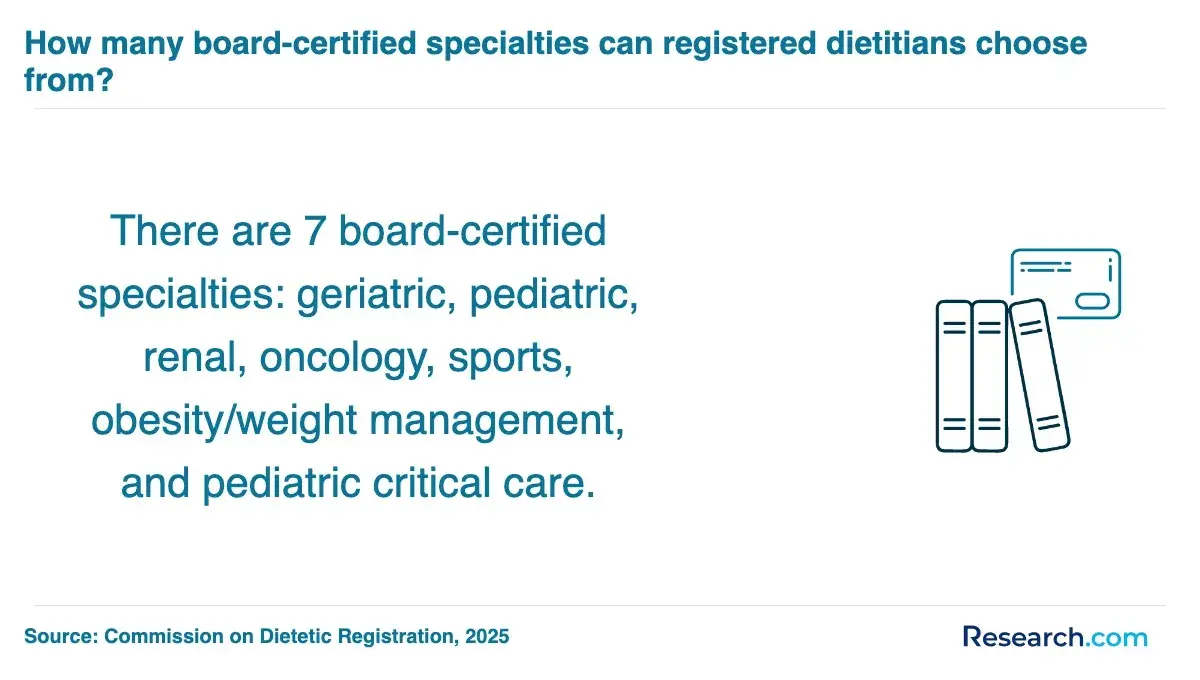
In Illinois, dietetics opens a vibrant palette of career pathways, each specializing in unique ways to nourish individuals and communities. The landscape is as diverse as the people it serves, blending science, empathy, and strategy to meet the ever-evolving nutritional needs of society.
Here are the main specializations that can shape your professional journey as a dietitian in Illinois:
- Clinical Dietitian: Provides targeted medical nutrition therapy in healthcare settings, collaborating closely with medical teams to treat chronic illnesses and acute conditions.
- Community Dietitian: Champions public health by crafting and leading nutrition programs that uplift schools, neighborhoods, and vulnerable populations.
- Food Service Management Dietitian: Orchestrates large-scale food operations in institutions, balancing budget, safety, and nutrition standards with precision.
- Pediatric Dietitian: Focuses on the growth and health of infants and children, addressing challenges from allergies to childhood obesity.
- Geriatric Dietitian: Tailors nutrition plans for older adults, aiming to enhance quality of life amid aging and chronic disease management.
- Sports Dietitian: Fuels athletic performance by designing specialized nutrition strategies for recovery, endurance, and strength.
- Consultant Dietitian: Offers expert advice independently, serving businesses, healthcare providers, and individuals with customized nutrition solutions.
- Research Dietitian: Dives into scientific inquiry, advancing knowledge through studies that shape evidence-based nutrition policies and practices.
- Education Dietitian: Shapes future professionals by teaching and mentoring students in academic and training environments.
What is the average salary of a registered dietitian in Illinois?
The average salary for a registered dietitian in Illinois hovers around $73,420 per year, translating to roughly $35 to $36 per hour. This places Illinois slightly ahead of the national average of about $71,400 annually, painting a picture of steady, reliable earnings for nutrition pros across the state.
- Location alchemy: Urban hubs like Chicago sprinkle a bit of salary magic, pushing averages to $71,500 or even higher, thanks to demand and living cost spells.
- Experience evolution: Beginners start near $58,830 yearly, while seasoned dietitians can conjure $89,000-plus with skill and time.
- Work environment vibes: Hospitals, clinics, or private practice—each setting casts a unique salary shadow, with clinical roles often shining brighter.
- Credential power-up: Advanced degrees and certifications unlock higher pay gates and specialized opportunities.
- Market pulse: Illinois stands steady but ranks 50th nationally, hinting salary growth may be a slow dance compared to other states.
- Regional salary spells: Chicago’s metro area sometimes boasts a dazzling $110,347 average, reflecting specialized, high-tier positions beyond the statewide norm.
What do you need to keep your dietitian registration active in Illinois?
Keeping your dietitian registration active in Illinois is more than a formality—it's a commitment to professionalism, ethical practice, and the evolving science of nutrition. Staying current ensures you can legally practice and maintain trust with clients and peers.
- License Renewal Frequency: Renew every two years with notifications sent about a month before expiration.
- Continuing Professional Education (CPE): Complete 30 hours of relevant education before renewal to stay sharp and compliant.
- Renewal Fees: Pay a fee typically between $100 and $150 per renewal cycle, subject to change by IDFPR.
- License Status Verification: Regularly check your license status to confirm it remains active and avoid lapses.
- Name and Address Updates: Report any changes within 14 days to ensure official communications reach you.
What is the job outlook for registered dietitians in Illinois?
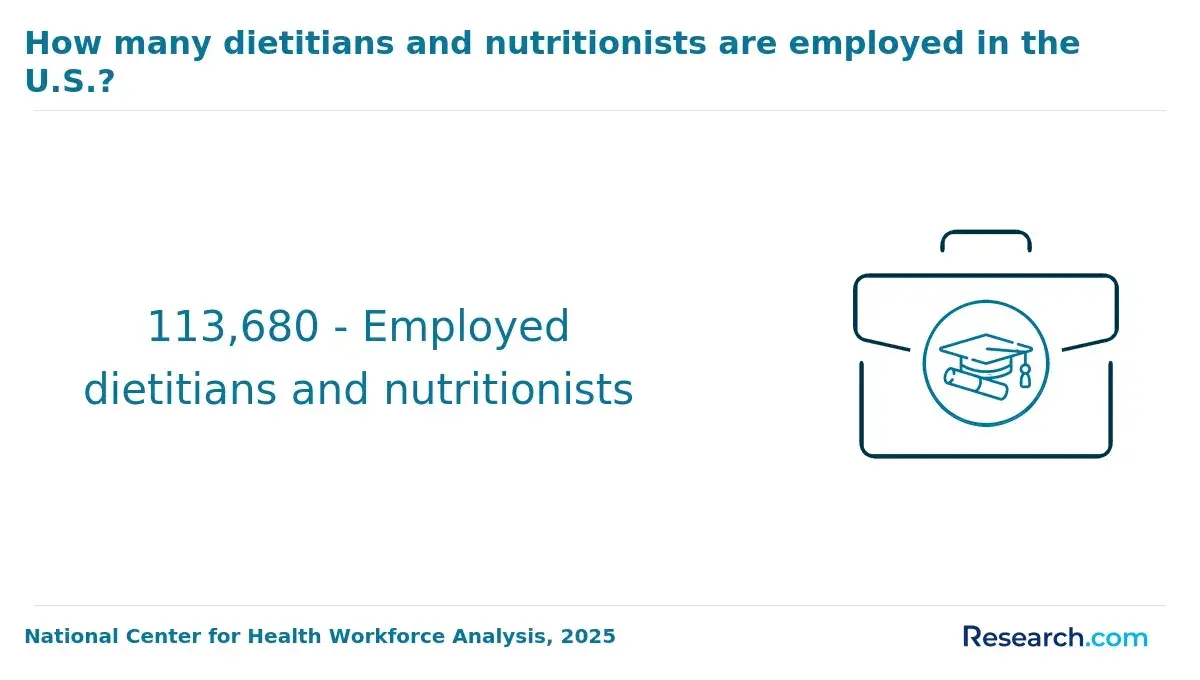
Illinois demonstrates a robust employment landscape for registered dietitians, driven by healthcare innovation and emerging community nutrition initiatives. Projections indicate a steady rise in demand as employers expand services in clinical, public health, and wellness settings. This growth is reinforced by interdisciplinary collaborations and a shift toward preventive care models that value nutritional expertise. Additionally, allied health roles are evolving, providing complementary career trajectories; for example, explore our guide on how to become a medical assistant in Illinois to understand overlapping opportunities in the healthcare field.
How long does it take to become a registered dietitian in Illinois?
Becoming a registered dietitian in Illinois unfolds over several transformative years, where education and experience intertwine. On average, the journey stretches across six to seven years, shaped by the evolving landscape of dietetic education and training. This timeline captures more than just classroom hours; it reflects a progressive deepening of expertise and practical skills.
The registered dietitian education and training timeline in Illinois typically begins with a bachelor’s degree from an ACEND-accredited program, followed by an essential master’s degree required as the standard effective January 1, 2024. These academic steps prepare students extensively before they enter supervised practice, such as a 1000-hour dietetic internship. Variations in pace can occur, especially for those pursuing accelerated coordinated programs or balancing part-time study.
Supervised practice and credentialing usually add up to about a year, rounding out the full process to become credentialed. For those curious about specific courses or degree options, exploring the best online bachelors degrees in nutritional science can offer valuable insights. Overall, understanding how many years to become a registered dietitian in Illinois helps set realistic expectations for this rewarding career trajectory.
Can international students qualify to become registered dietitians in Illinois?
International students have a clear pathway to become registered dietitians in Illinois by meeting tailored educational and credentialing benchmarks. These steps ensure that global expertise harmonizes with U.S. dietetics standards, opening doors to a rewarding professional journey.
- Foreign Degree Evaluation: Credentials earned outside the U.S. must be reviewed by an approved foreign degree evaluation agency to confirm equivalency with U.S. education standards, ensuring alignment with ACEND requirements.
- Completion of ACEND-Accredited Programs: Regardless of prior qualifications, candidates must complete coursework and supervised practice within an ACEND-accredited dietetics program in the U.S. to qualify for the CDR exam.
- English Proficiency: Non-native English speakers need to demonstrate proficiency, typically with a minimum internet-based TOEFL score of 100, though some programs may accept alternative certifications.
- Translation of Documents: All academic transcripts and supporting materials must be submitted with original notarized English translations to meet university and state licensure application standards.
- Visa and Legal Status: Maintaining a valid visa that permits academic and supervised practice participation is essential throughout dietetics training.
- Master’s Degree Requirement: As of 2026, a graduate degree is the minimum requirement to sit for the CDR Registered Dietitian Nutritionist exam, with Illinois offering accelerated and traditional pathways to meet this benchmark.
- Licensure Application: After passing the exam, international graduates must apply for Illinois licensure, providing identification, education verification, and proof of CDR registration or eligibility.
For those exploring advanced education options in this field, consider the best online masters in dietetics degree program as an example of how flexible programs can support working professionals seeking further credentials.
What career paths can registered dietitians pursue in Illinois?
Illinois offers a vibrant landscape of career opportunities for registered dietitians, spanning clinical settings to corporate innovation. Exploring these roles reveals a rich tapestry of work environments, salary ranges, and growth prospects.
- Clinical Dietitian: Found mainly in hospitals and outpatient clinics, these professionals deliver medical nutrition therapy with salaries between $60,000 and $71,500; demand for clinical dietitian jobs in Illinois is strong due to an aging population and preventive health trends.
- Community and Public Health Dietitian: Working in schools and public health, these dietitians design programs that enhance population wellness, earning salaries comparable to clinical roles with steady demand.
- Food Service Management Dietitian: Overseeing meal services in institutions like hospitals and universities, they earn from $58,830 early on to $74,660+ as managers, maintaining stable job prospects.
- Private Practice and Consulting Dietitian: Independent or consulting roles offer variable but often higher-than-average incomes, fueled by growing interest in personalized nutrition strategies.
- Renal and Specialty Dietitian: Specialists in areas like renal or oncology nutrition command $69,570 to $89,090, meeting robust demand for expert patient care.
- Corporate and Industry Dietitian: Engaged in product innovation and marketing in food companies, these dietitians enjoy salaries above the state median, especially in metro Chicago.
- Research and Academia Dietitian: Working in universities and research institutions, salaries start near average but grow with tenure, aligned with research funding trends.
- Government and Policy Dietitian: Influencing nutrition regulations and public health policies, these roles offer competitive pay and expanding opportunities.
For those aiming to boost expertise, pursuing an online nutrition masters degree benefits can open doors to advanced roles and specialized career paths in Illinois.
Which accredited dietetics programs should you consider in Illinois?
Prospective candidates should evaluate programs accredited by ACEND to ensure that curriculum rigor, clinical practicum opportunities, and faculty expertise align with Illinois’ licensure requirements. Comparing program strengths, mentorship provisions, and post-graduation career support can inform a strategic choice tailored to your professional goals. For further insights into educational pathways and industry demands, review how to become a nutritionist in Illinois.
What do registered dietitians in Illinois say about their career?
- Completing my dietetic program at Northern Illinois University was a transformative experience that prepared me thoroughly for the demands of the profession. Starting my career as a registered dietitian in a local school gave me the unique chance to directly influence youth nutrition, which feels incredibly rewarding. Illinois’s diverse population and agricultural richness offer abundant learning opportunities, allowing me to tailor nutrition programs that respect cultural food traditions while promoting health. The stability and growth potential in this field here have exceeded my expectations, making me confident in my long-term career path. Kendall
- My journey began at the University of Illinois at Chicago, where I developed both my clinical knowledge and passion for community health. Working within a local school setting, I have witnessed firsthand the powerful impact dietitians can make in shaping lifelong healthy habits among students. Illinois’ commitment to education and public health creates an encouraging environment for professional development, and I’ve grown immensely not only as a practitioner but also as an advocate for wellness in underserved communities. It’s fulfilling to contribute positively to children’s well-being every day. Lucia
- Pursuing my dietetic education at Southern Illinois University Carbondale opened doors to unique challenges and opportunities related to the state’s rural and urban mix. Starting my career in a local school helped me develop practical skills in nutrition counseling and program management tailored to diverse student needs. The professional advancement opportunities here are robust, with many chances to specialize or lead initiatives that improve school nutrition policies. Personally, this career has deepened my empathy and commitment to fostering healthier environments for young people. Danielle
Related Articles for Nearby States
- 2027 Steps to Become a Registered Dietitian in Indiana
- 2027 Steps to Become a Registered Dietitian in Wisconsin
- 2027 Steps to Become a Registered Dietitian in Iowa
- 2027 Steps to Become a Registered Dietitian in Missouri
- 2027 Steps to Become a Registered Dietitian in Kentucky
- 2027 Steps to Become a Registered Dietitian in Michigan
- 2027 Steps to Become a Registered Dietitian in Minnesota
- 2027 Steps to Become a Registered Dietitian in Ohio
- 2027 Steps to Become a Registered Dietitian in Tennessee
- 2027 Steps to Become a Registered Dietitian in Arkansas
References:
- Commission on Dietetic Registration. (2025). Registry Statistics. cdrnet.org.
- Evans, M. C. (2025, August 18). U.S. adults rate their diet as healthy, worry about food safety. Gallup. https://news.gallup.com/poll/693497/adults-rate-diet-healthy-worry-food-safety.aspx
- Food Science & Human Nutrition. (n.d.). Dietetics & Nutrition. fshn.illinois.edu.
- IDFPR. (n.d.). Dietitian Nutritionist. idfpr.illinois.gov.
- Illinois State University. (2025, January 2). Steps to becoming a registered | Family and Consumer Sciences. fcs.illinoisstate.edu.
- Illinois State University. (n.d.). Dietetics Major. illinoisstate.edu.
- National Center for Health Workforce Analysis. (2025, December). State of the U.S. Health Care Workforce, 2025. https://bhw.hrsa.gov/sites/default/files/bureau-health-workforce/data-research/State-of-US-Health-Care-Workforce-2025.pdf
- NutritionED.org Contributor. (2025, July 1). How to become a registered Dietitian in Illinois - IL | Exam, license, and education requirements in Illinois. nutritioned.org. nutritioned.org.
- RUSH University. (n.d.). How to Become a Registered Dietician | Clinical Nutrition MS with Dietetic Internship. rushu.rush.edu.
- SIU. (n.d.). Human Nutrition and Dietetics Requirements | 2025-2026 Academic Catalog. catalog.siu.edu.
- SIUE. (n.d.). Admission Requirements - Nutrition and Dietetics. siue.edu.
- University of Illinois Chicago. (n.d.). Become an RDN | College of Applied Health Sciences. ahs.uic.edu.
- Zippia. (2025, January 8). Registered Dietitian skills for your resume and career. zippia.com.
Other Things You Should Know About Becoming a Registered Dietitian in Illinois
To start, earn a bachelor's degree in a program accredited by the Accreditation Council for Education in Nutrition and Dietetics (ACEND). Then, complete a dietetic internship, pass the Commission on Dietetic Registration (CDR) exam, and apply for state licensure in Illinois.
In Illinois, you do not have to major specifically in dietetics or nutrition to qualify for dietetics prerequisites, as long as you complete the required coursework outlined by the Accreditation Council for Education in Nutrition and Dietetics (ACEND). Many students pursue related majors such as biology, chemistry, or health sciences and then take additional dietetics-specific classes to meet the prerequisites.
However, choosing a non-dietetics major may require more careful planning to ensure all necessary courses are completed, which is essential for eligibility to apply to a supervised practice program and ultimately become a registered dietitian. Therefore, while any major can potentially qualify you, aligning your coursework with ACEND standards is crucial to avoid delays in your certification process.
To become a registered dietitian in Illinois in 2027, you must complete a bachelor's degree in a relevant field, obtain a Verification Statement, complete a dietetic internship, pass the national Registration Examination for Dietitians, and apply for licensure through the Illinois Department of Financial and Professional Regulation.
In 2027, dietetics students in Illinois can explore funding options through organizations like the Academy of Nutrition and Dietetics Foundation, as well as state grants, federal aid programs, and university-specific scholarships. It's crucial to research and apply early to maximize funding opportunities.