2027 Steps to Become a Registered Dietitian in Mississippi

Co-Founder and Chief Data Scientist
In 2024, the job outlook for nutritionists is projected to grow by 6%, according to BLS data. Mississippi employed 790 dietitians, reflecting both the state’s demand for nutrition professionals and opportunities for career growth. Scholars note that as chronic health issues like obesity and diabetes remain prevalent in the region, the role of dietitians is increasingly critical in shaping public health outcomes and improving quality of life.
In this article, I will outline the steps to become a registered dietitian in Mississippi, from education and supervised practice to licensure and career advancement. I will also talk about insights into required qualifications, local employment trends, and pathways to build a rewarding career in nutrition and dietetics.
Key Things to Know About Becoming a Registered Dietitian in Mississippi
- In Mississippi, you will need an ACEND-accredited bachelor’s degree in nutrition or dietetics, 1,200 hours of supervised practice, and a passing score on the CDR exam to qualify as a registered dietitian.
- State licensure is required for practice and ensures compliance with professional standards in healthcare settings.
- Dietitians in Mississippi earn a median annual salary of $71,977, with opportunities for advancement based on specialization, experience, and location.
- What degree is required to become a registered dietitian in Mississippi?
- How many supervised practice hours are needed to become a registered dietitian in Mississippi?
- What are the eligibility requirements for the dietetic registration exam in Mississippi?
- How can you get a license after passing the dietetic registration exam in Mississippi?
- What types of dietitian specializations can you pursue in Mississippi?
- What is the average salary of a registered dietitian in Mississippi?
- What are the costs involved in becoming a registered dietitian in Mississippi?
- What do you need to keep your dietitian registration active in Mississippi?
- How long does it take to become a registered dietitian in Mississippi?
- Can international students qualify to become registered dietitians in Mississippi?
- What career paths can registered dietitians pursue in Mississippi?
- How competitive is the job market for registered dietitians in Mississippi?
What degree is required to become a registered dietitian in Mississippi?
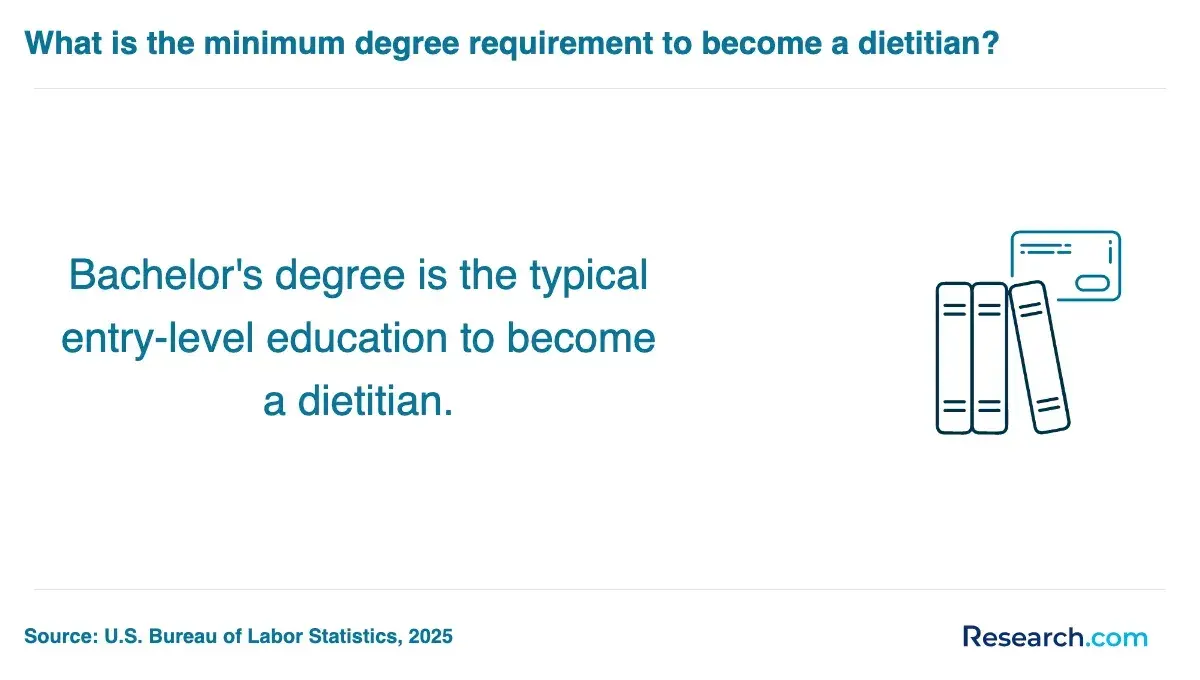
In Mississippi, meeting dietitian degree requirements involves specific academic qualifications that prepare candidates for professional practice. An educational background is essential for eligibility and licensure.
- Bachelor’s Degree in Nutrition in Mississippi: Candidates must complete a bachelor’s degree in nutrition in Mississippi from an accredited institution, which provides foundational knowledge in food science, dietetics, and human nutrition.
- Didactic Program in Dietetics (DPD): This coursework is often integrated within the bachelor’s degree and ensures that students meet the prerequisites for supervised practice and registration eligibility.
- Supervised Practice Program: After completing the degree, candidates must participate in an accredited supervised practice program or dietetic internship to gain the hands-on experience required for registration.
- National Registration Exam Eligibility: The combination of a bachelor’s degree in nutrition in Mississippi and supervised practice enables candidates to sit for the national registration exam, a critical step toward becoming a registered dietitian.
For prospective students evaluating their options, there are numerous pathways within nutrition programs. A useful resource is the list of the best careers to pursue with a nutrition masters degree, which outlines potential advanced opportunities beyond the bachelor’s degree in nutrition in Mississippi.
How many supervised practice hours are needed to become a registered dietitian in Mississippi?
To become a registered dietitian in Mississippi, candidates must complete a minimum of 900 hours of supervised practice through an ACEND-accredited dietetic internship. This requirement aligns with national standards set by the Accreditation Council for Education in Nutrition and Dietetics (ACEND). The supervised practice hours ensure candidates gain experience across various nutrition-related settings before eligibility for licensure and certification.
The following outlines key factors related to supervised practice hour standards in Mississippi:
- ACEND-Accredited Program Requirement: All supervised practice hours must be obtained through an ACEND-accredited Dietetic Internship program, ensuring compliance with national educational standards for dietetics.
- Practice Settings and Rotations: Internships in Mississippi, such as the University of Southern Mississippi’s Master’s Required Dietetic Internship, typically include rotations in clinical nutrition, food service management, community nutrition, and specialized areas like renal nutrition and WIC.
- State Licensure Alignment: Mississippi’s licensure criteria strictly follow the national baseline of supervised practice hours without requiring additional hours beyond ACEND standards.
- No Additional State-Specific Hour Requirements: Candidates must meet all documentation and application procedures mandated by the Mississippi State Department of Health, but face no extra hour mandates beyond national requirements.
- Supervised Practice Oversight: During provisional licensure, candidates must practice under the direct supervision of a Mississippi-licensed registered dietitian to ensure professional standards and competency.
- Recent Program Statistics: The University of Southern Mississippi enrolls 6 to 8 interns per cohort across regions, reflecting steady opportunities for supervised practice training in the state.
What are the eligibility requirements for the dietetic registration exam in Mississippi?
To sit for the dietetic registration exam in Mississippi, candidates must fulfill a series of national and state-specific eligibility requirements. These criteria ensure applicants have the necessary education and credentials to pursue the registered dietitian credential and comply with Mississippi licensure laws.
- Minimum Educational Qualifications: Candidates must hold at least a master’s degree from a U.S. Department of Education (USDE)-accredited institution or an equivalent foreign degree, effective January 1, 2024, aligning with national standards.
- Required Nutrition Coursework: Completion of an ACEND-accredited program, such as a Didactic Program in Dietetics (DPD), Coordinated Program (CP), or Graduate Program (GP), is mandatory, with coursework covering food, nutrition, and related sciences.
- Verification of Eligibility: The director of the accredited program must submit official verification of program completion to the Commission on Dietetic Registration (CDR), enabling candidates to register for the exam.
- Registration for the National Exam: Eligible candidates must register online through Pearson VUE for the CDR Registration Examination for Dietitians, pay the exam fee, and select a test center, with Mississippi locations available in Jackson and Tupelo.
- Passing the CDR Exam: Candidates must pass the exam to earn RD status; exam results are provided immediately, with official credentialing following within weeks.
- State Licensure Requirements: Mississippi mandates that all practicing dietitians hold current RD registration with the CDR before state licensure is granted; candidates must apply through the Mississippi State Department of Health and comply with renewal and continuing education requirements.
While supervised practice hours are essential for eligibility, the main focus here remains on education and exam requirements. Prospective dietitians interested in Mississippi should also consider program-specific prerequisites, such as minimum GPA and foundational science courses. For those exploring broader nutrition careers, understanding these eligibility requirements for the dietitian exam in Mississippi is a critical step in planning their path.
The chart below from Zippia shows the registered dietitian educational attainment.
How can you get a license after passing the dietetic registration exam in Mississippi?
To obtain a dietitian license in Mississippi after passing the CDR exam, follow these essential steps tailored to the state’s licensure requirements:
- Verify CDR Registration: Provide proof of current registration as a Registered Dietitian with the Commission on Dietetic Registration to establish eligibility.
- Complete the Application: Submit the official licensure application through the Mississippi State Department of Health’s online portal or by mail.
- Prepare Documentation: Include your CDR registration card, photo ID, passport-sized photo, and any additional documents requested by the board.
- Pay Application Fee: Remit the $100 non-refundable application fee, which can be paid online if applying electronically.
- Submit Social Security Number: Provide your Social Security number on the application as required by state law for verification purposes.
- Pass Jurisprudence Exam: Successfully complete the exam testing knowledge of Mississippi’s dietetic statutes and administrative rules.
- Show Supervised Practice: Document completion of at least 900 hours of board-approved supervised practice under licensed or registered dietitian oversight.
- Apply for License: Mail or electronically submit your application and supporting documents to the Mississippi Professional Licensure Division.
- Await Approval: Upon board review and acceptance, receive your official license authorizing legal practice as a Licensed Dietitian (LD) in Mississippi.
When I spoke with a registered dietitian from Mississippi who graduated locally, she reflected on her licensing journey with insight. She noted that navigating the state’s specific requirements, including the jurisprudence exam and supervised practice hours, initially felt daunting but ultimately reinforced her professional readiness.
“Mississippi does not have automatic license reciprocity with all states,” she explained, which meant her decision to complete supervised practice locally was advantageous, avoiding complications in credential recognition. She appreciated how the process ensured that licensed dietitians not only meet national standards but are also well-versed in state-specific regulations. Her experience stresses the value of thorough preparation and the confidence that comes with fulfilling Mississippi’s rigorous licensure standards.
What types of dietitian specializations can you pursue in Mississippi?
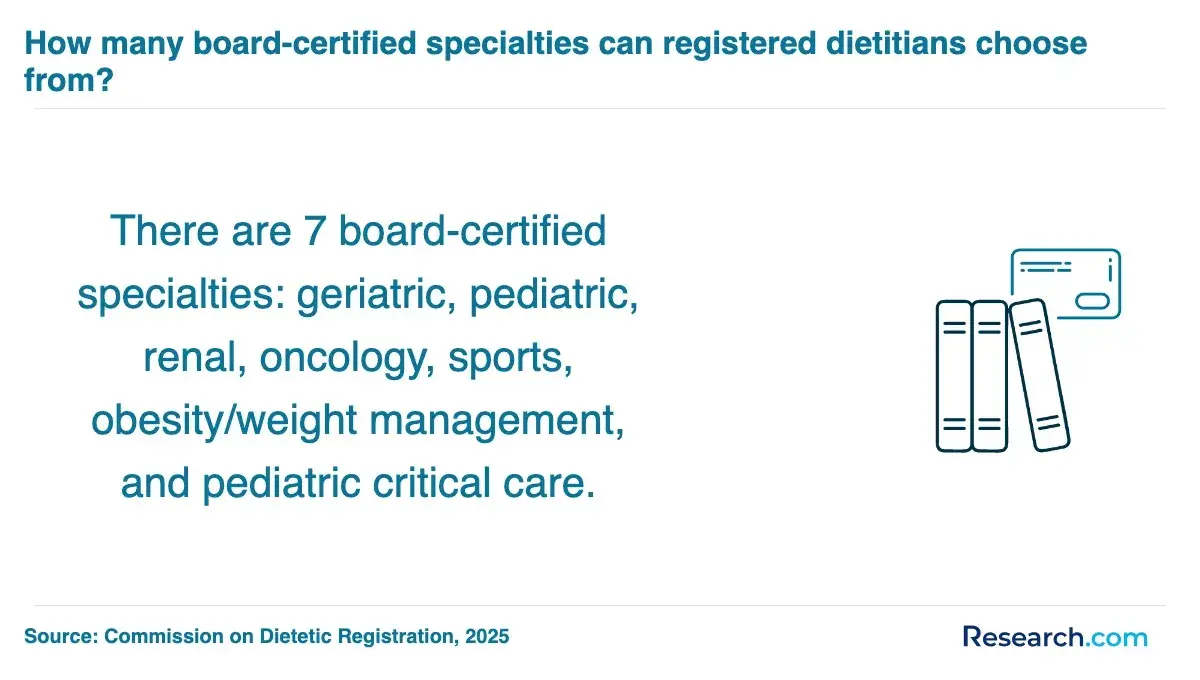
Dietitians in Mississippi have access to a broad spectrum of specializations, each designed to address different aspects of nutrition and health care. These roles reflect diverse workplace settings and patient populations, allowing professionals to tailor their careers to specific interests and community needs.
The following list outlines the primary dietitian specializations available in Mississippi:
- Clinical Dietitian: Provides medical nutrition therapy in healthcare settings, working directly with patients to manage diseases through customized nutrition plans.
- Community and Public Health Dietitian: Develops and implements nutrition programs in public health agencies and schools to address community-wide health issues such as obesity and diabetes.
- Food Service Management Dietitian: Oversees large-scale meal planning and food operations in institutions, ensuring compliance with nutritional and safety standards.
- Pediatric Dietitian: Focuses on the nutritional needs of infants, children, and adolescents, often collaborating with pediatricians on growth and allergy-related concerns.
- Geriatric Dietitian: Specializes in nutrition for older adults, managing age-related conditions within community or long-term care environments.
- Sports Dietitian: Advises athletes on nutrition strategies to enhance performance and recovery, frequently partnering with educational and sports organizations.
- Private Practice/Consulting Dietitian: Operates independent nutrition counseling services, creating personalized meal plans and educational workshops.
- Corporate Wellness Dietitian: Designs employee wellness programs aimed at improving health outcomes and reducing healthcare costs in business settings.
- Research Dietitian: Conducts scientific studies on nutrition and health, contributing to academic knowledge and public health policy.
What is the average salary of a registered dietitian in Mississippi?
The average annual pay for a dietitian in Mississippi is $71,977, which works out to about $34.60 per hour, $1,384 per week, or $5,998 per month. This is slightly lower than the national median, which typically ranges between $70,000 and $75,000 annually, though certain Mississippi locations pay above average.
- Location: Pascagoula leads with salaries 5.9% higher than the state average, followed by Gulfport and Long Beach, which pay 4.7% more than the average. Urban areas like Jackson also offer competitive pay due to higher demand and stronger healthcare infrastructure.
- Experience: Entry-level dietitians earn closer to $49,350, while seasoned professionals can make over $75,000 annually.
- Work Setting: Hospitals and research facilities typically pay more than schools or community-based organizations.
- Education and Certification: Specialized training and advanced credentials can raise earning potential.
- Demand and Job Market: While the job market is relatively small, steady demand ensures moderate salary growth.
- Regional Trends: Salaries statewide range from about $51,259 to $75,354, depending on experience, qualifications, and location.
What are the costs involved in becoming a registered dietitian in Mississippi?
Pursuing the registered dietitian credential in Mississippi involves several financial investments. Candidates should plan for education expenses such as undergraduate tuition and fees associated with accredited dietetic programs, as well as costs for the supervised practice component. Additional fees include examination registration, state-specific licensure costs, and recurring expenditures for continuing education to maintain active registration. For a comparative view on related career paths and financial requirements, review how to become a nutritionist in Mississippi.
What do you need to keep your dietitian registration active in Mississippi?
Maintaining an active dietitian registration in Mississippi is mandatory to ensure legal practice and uphold professional standards. The state enforces strict renewal cycles, continuing education, and documentation requirements to keep dietitians current and competent in their field.
- Biennial License Renewal: Licenses must be renewed every two years, with notices sent 30 days prior to expiration, typically on March 31 of odd years.
- Renewal Fees: The biennial fee is $100 for regular licenses and $50 for provisional licenses.
- Continuing Education: Regular licenses require 30 hours of approved continuing education every two years; provisional licenses require 15 hours annually.
- CDR Registration: National Registration with the Commission on Dietetic Registration must be renewed every five years, requiring 75 continuing education hours.
- Reinstatement: Lapsed licenses can be reinstated within two years by paying renewal and reinstatement fees; beyond two years, a new application is required.
- Documentation and Updates: Proof of education, renewal forms, fees, and any personal information changes must be submitted promptly.
A registered dietitian from Mississippi, who graduated from a local university, shared insights about maintaining registration. He emphasized the advantage of being educated in-state, which streamlined understanding the renewal procedures and continuing education options. However, he noted that license reciprocity is limited—those moving into Mississippi from other states face additional steps, unlike local graduates who navigate fewer barriers.
“Keeping track of deadlines and ensuring all documentation is precise can be stressful, but it’s essential for staying compliant,” he reflected. This experience highlights the importance of early familiarization with state-specific requirements to avoid lapses or complications in maintaining active registration.
How long does it take to become a registered dietitian in Mississippi?
Becoming a registered dietitian in Mississippi generally requires five to six years from the start of college to earning the credential. This timeline includes completing a bachelor’s degree, followed by supervised practice and passing the national registration exam. Variations occur depending on program structure and study pace.
The Mississippi registered dietitian education and training timeline typically involves four years of undergraduate study plus 8 to 24 months of dietetic internship. Some programs, such as combined clinical nutrition tracks, can shorten this period to about 16 months. After fulfilling these requirements, candidates become eligible to take the Commission on Dietetic Registration exam.
Factors affecting the overall duration include whether students study full-time or part-time and the length of their internship. Accelerated or coordinated bachelor’s/master’s programs may reduce the timeline, while breaks or additional preparation can extend it. Prospective students might also consider exploring what is the best online masters in dietetics degree program to optimize their educational path.
Can international students qualify to become registered dietitians in Mississippi?
International students can pursue the registered dietitian credential in Mississippi, provided they meet specific additional criteria beyond those required of U.S. citizens. These requirements ensure that candidates possess equivalent education, practical experience, and legal authorization to work in the U.S.
- Degree Equivalency Evaluation: Foreign degrees must be evaluated for equivalency to a U.S. regionally accredited bachelor’s or master’s degree to confirm they meet U.S. standards before enrolling in dietetics programs.
- ACEND-Accredited Coursework and Practice: Completion of coursework and at least 1,200 hours of supervised practice through an ACEND-accredited program in the U.S. is mandatory to meet national dietetics education standards.
- Master’s Degree Requirement: Since January 1, 2024, candidates must hold a master’s degree to sit for the registered dietitian nutritionist exam; those with only a bachelor’s degree must complete a qualifying master’s program.
- Visa and Work Authorization: An appropriate visa, such as F-1 or J-1 is required, along with maintaining status during education and supervised practice; post-graduation work authorization, like Optional Practical Training, is necessary for employment.
- English Language Proficiency: Proof of English proficiency via TOEFL or IELTS is typically required to ensure effective communication in clinical and community dietetic settings.
- CDR Credentialing Exam Eligibility: Only after fulfilling educational, practice, and credential verification requirements can international students apply for the CDR exam, which is essential for Mississippi licensure.
For detailed guidance, international students should consult resources such as the international student guide from ACEND and connect with Mississippi dietetics programs for tailored support.
The chart below from the US BLS shares the largest employers of dietitians and nutritionists.
What career paths can registered dietitians pursue in Mississippi?
Registered dietitians in Mississippi have access to diverse career opportunities across healthcare, community, education, and industry sectors. The state offers solid job prospects and competitive salaries for professionals at various stages of their careers.
- Clinical Dietitian: Working primarily in hospitals and outpatient clinics, these dietitians provide nutrition therapy for acute and chronic conditions.
- Long-Term Care Dietitian: Employed in nursing homes and rehabilitation centers, they focus on the elderly and disabled populations.
- Community and Public Health Dietitian: These professionals develop nutrition education and promote healthy eating through public health departments, with steady demand and salaries near the state mean.
- School Nutrition Specialist: Overseeing meal planning and compliance in K-12 schools and universities, these dietitians enjoy stable hours and salaries comparable to the state average.
- Corporate Wellness and Industry Dietitian: Focused on employee wellness and product analysis in private companies, they typically earn at or above the state average, with a positive job outlook.
- Research and Academia: In colleges or research projects, these dietitians often require advanced degrees and earn competitive pay, contributing to the advancement of the profession.
- Private Practice/Consultant: Experienced dietitians may open consulting businesses or contract independently, with incomes varying widely but potentially exceeding $80,000.
- Hospice and Home Health Dietitian: Providing nutrition support in home and hospice care, these roles offer flexibility with compensation comparable to hospital-based positions.
For those exploring career opportunities for registered dietitians in Mississippi, understanding these roles can help tailor paths to individual goals and expertise. For detailed information on nutrition-related career paths, consider reviewing the best careers with a nutritional science degree.
How competitive is the job market for registered dietitians in Mississippi?
Recent data and regional analyses indicate that while the demand for registered dietitians in Mississippi remains steady, competition is intensifying due to an increase in accredited programs and emerging specializations. Employers are looking for professionals who not only meet licensure and continuing education requirements but also bring specialized skills that address local public health challenges. In addition, cross-disciplinary opportunities—such as roles in preventative care and collaboration with other healthcare professionals—are expanding the field’s scope. For individuals considering allied healthcare paths, understanding various career entry options, including learning how to become a medical assistant in Mississippi, can offer additional competitive advantages in a dynamic employment landscape.
What do registered dietitians in Mississippi say about their careers?
- Completing my dietetics program at the University of Mississippi was a transformative experience that grounded me in both the science and heart of nutrition. Starting my career in a local school allowed me to see firsthand how proper nutrition can change students' lives, improving their focus and overall well-being. Mississippi’s unique food culture presents both challenges and opportunities to educate families about healthy choices while respecting traditions. I find deep satisfaction in contributing to a healthier community and watching young people thrive. The stability and growth potential in this field keep me motivated every day. Jazzy
- After graduating from Jackson State University, I began working as a registered dietitian in a local school setting, where I quickly realized how essential my role was in shaping healthier futures for children. The diversity of Mississippi’s population means I continuously learn and adapt my approach to meet varied nutritional needs. This career has offered me incredible professional development opportunities, from workshops to leadership roles, helping me grow beyond clinical nutrition into community advocacy. The emotional reward of seeing students adopt better habits inspires me to work harder every day. Leidy
- My journey through Mississippi State University’s dietetic program prepared me well for the unique challenges of working in Mississippi schools, where economic disparities and cultural food preferences impact nutrition education. I appreciate the chance to contribute to meaningful change by empowering students and their families with knowledge that respects their backgrounds. Professionally, the path offers room to advance into administrative roles or specialized fields, which keeps the career dynamic and fulfilling. It’s deeply rewarding to witness personal growth alongside my students and be a part of their journey toward healthier lives. Rada
Related Articles for Nearby States
- 2027 Steps to Become a Registered Dietitian in Louisiana
- 2027 Steps to Become a Registered Dietitian in Alabama
- 2027 Steps to Become a Registered Dietitian in Arkansas
- 2027 Steps to Become a Registered Dietitian in Tennessee
- 2027 Steps to Become a Registered Dietitian in Florida
- 2027 Steps to Become a Registered Dietitian in Missouri
- 2027 Steps to Become a Registered Dietitian in Georgia
- 2027 Steps to Become a Registered Dietitian in Kentucky
- 2027 Steps to Become a Registered Dietitian in Texas
- 2027 Steps to Become a Registered Dietitian in Indiana
References:
- O*NET OnLine (n.d.). Mississippi Employment Trends 29-1031.00 - Dietitians and Nutritionists. Retrieved from https://www.onetonline.org/link/localtrends/29-1031.00?st=MS
- US BLS (2025). Dietitians and Nutritionists. Retrieved from https://www.bls.gov/ooh/healthcare/dietitians-and-nutritionists.htm#tab-3
- Zippia (2025). Registered dietitian demographics and statistics in the US. Retrieved from https://www.zippia.com/registered-dietitian-jobs/demographics/
- ZipRecruiter (2025). Dietitian Salary in Mississippi. Retrieved from https://www.ziprecruiter.com/Salaries/Dietitian-Salary--in-Mississippi
Other Things You Should Know About Being a Registered Dietitian in Mississippi
In 2027, most dietetic internships in Mississippi are often unpaid, requiring students to cover their own living and educational expenses. However, some internships may offer stipends or scholarships, so it's advisable to research specific programs for financial assistance options.
In Mississippi, while majoring specifically in dietetics or nutrition is the most direct pathway to meeting the prerequisites for becoming a registered dietitian, it is possible to qualify through other related fields if the required coursework is completed. The key requirement is fulfilling the Academy of Nutrition and Dietetics’ accredited curriculum, which includes coursework in biology, chemistry, nutrition, and food science. Therefore, students majoring in closely related sciences can still meet these prerequisites by carefully selecting their classes.
However, majors unrelated to these areas typically lack the necessary foundational courses, making it difficult to qualify without additional coursework. Ultimately, success depends on completing the required accredited courses rather than the major title alone, but majors outside of nutrition or dietetics often require extra effort to align with licensure requirements in Mississippi.