
2027 Steps to Become a Registered Dietitian in New Hampshire

Co-Founder and Chief Data Scientist
With New Hampshire experiencing a 15% growth in healthcare-related jobs over the past five years, the demand for qualified dietitians is rising rapidly. Pursuing this career offers stability, competitive salaries, and opportunities to impact public health across diverse communities.
This article provides clear guidance to navigate education, supervised practice, and licensure processes, empowering readers to embark on their rewarding journey with confidence and clarity.
Key Things to Know About Becoming a Registered Dietitian in New Hampshire
- Complete a bachelor’s degree accredited by the Accreditation Council for Education in Nutrition and Dietetics (ACEND), essential for eligibility to sit for the national RD exam.
- Undertake a supervised dietetic internship of at least 1,200 hours, often competitive in New Hampshire, providing hands-on experience in clinical and community settings.
- Pass the Commission on Dietetic Registration (CDR) exam and apply for New Hampshire licensure to practice legally as a registered dietitian, ensuring compliance with state regulations.
- What degree is required to become a registered dietitian in New Hampshire?
- How many supervised practice hours are needed to become a registered dietitian in New Hampshire?
- What are the eligibility requirements for the dietetic registration exam in New Hampshire?
- How can you get a license after passing the dietetic registration exam in New Hampshire?
- What types of dietitian specializations can you pursue in New Hampshire?
- What is the average salary of a registered dietitian in New Hampshire?
- What additional certifications and resources can enhance your dietitian career in New Hampshire?
- How can integrated healthcare teams boost registered dietitians’ success in New Hampshire?
- What do you need to keep your dietitian registration active in New Hampshire?
- How long does it take to become a registered dietitian in New Hampshire?
- Can international students qualify to become registered dietitians in New Hampshire?
- What career paths can registered dietitians pursue in New Hampshire?
What degree is required to become a registered dietitian in New Hampshire?
Venturing into the path to become a registered dietitian in New Hampshire involves a clear set of academic milestones, each opening doors to professional growth. Here are the essential degrees that lay the foundation for this rewarding career:
- Bachelor’s Degree in Nutrition in New Hampshire: This undergraduate degree provides the core knowledge of nutrition science and dietetics principles necessary to start your journey. It offers a comprehensive understanding of food, health, and wellness as a base for further study or practice.
- Completion of an ACEND-accredited Dietetics Program New Hampshire: Accreditation from the Accreditation Council for Education in Nutrition and Dietetics ensures the program meets rigorous standards. Graduates are prepared for supervised practice and eligibility to sit for the Registered Dietitian exam.
- Supervised Practice Experience: After academic requirements, a period of hands-on training through internships or coordinated programs is mandatory. This experience sharpens practical skills and applies classroom knowledge in real-world settings.
- Advanced Certification and Continuing Education: Pursuing additional certifications and ongoing education keeps dietitians current with evolving nutrition science and professional standards. Exploring options like the best online nutrition certifications can enhance expertise and career flexibility.
How many supervised practice hours are needed to become a registered dietitian in New Hampshire?
To become a registered dietitian in New Hampshire, candidates must complete supervised practice hours that meet national standards, although state law references a slightly lower minimum. The national requirement is 1,000 hours through an ACEND-accredited program, while New Hampshire’s licensure statute cites 900 hours. The distinctions and details around these supervised practice hours highlight both federal and state regulations.
Here are the key factors regarding supervised practice hour standards in New Hampshire:
- ACEND Accreditation Requirement: All supervised practice must be completed in a program accredited by the Accreditation Council for Education in Nutrition and Dietetics, ensuring uniform training quality and eligibility for national registration.
- State Law Minimum: The New Hampshire licensure statute mandates at least 900 hours of supervised practice under a registered, certified, or licensed dietitian’s supervision, reflecting historical statutory language.
- National Registration Standard: The Commission on Dietetic Registration requires 1,000 hours for registered dietitian nutritionist eligibility, which ACEND-accredited programs in New Hampshire follow.
- Program Structure in New Hampshire: Dietetic internships typically offer full-time and part-time options over 11 to 21 months, sometimes with specialized focuses like community nutrition or health promotion.
- No Additional State-Specific Requirements: Beyond the 900-hour licensure minimum, New Hampshire does not impose extra supervised practice hour mandates beyond national standards.
- Continuing Education: Licensed dietitians must complete 20 hours of approved continuing education every two years, a requirement separate from initial supervised practice hours.
What are the eligibility requirements for the dietetic registration exam in New Hampshire?
Becoming a registered dietitian in New Hampshire involves navigating both national and state-specific eligibility requirements that ensure candidates are well-prepared for the profession. Meeting educational standards, completing accredited nutrition coursework, and successfully passing the national exam are essential steps along this path.
Below is a focused breakdown of what candidates must accomplish to qualify for the dietetic registration exam in New Hampshire.
- Minimum Educational Qualification: Candidates need a graduate degree from a U.S. Department of Education (USDE)-recognized accredited institution or an equivalent foreign degree in any field. The chart at the end of the section highlights the most common majors pursued by registered dietitians to meet this requirement.
- Nutrition-Related Coursework: Completion of an ACEND-accredited Didactic Program in Dietetics (DPD), Coordinated Program (CP), or Graduate Program (GP) is mandatory to build a solid foundation in nutrition and dietetics.
- Program Director Submission: The program director verifies candidates’ eligibility by submitting proof of completed educational requirements to the Commission on Dietetic Registration (CDR), which authorizes exam registration.
- National Registration Exam: Passing the CDR-administered Registration Examination for Dietitians is required to achieve national recognition as a Registered Dietitian.
- State-Specific Licensure Requirements: New Hampshire requires candidates to hold at least a bachelor’s degree from a Board-approved program in relevant majors such as nutrition education, human nutrition, or food systems management, in addition to national exam success.
It’s worth noting that while supervised practice hours are essential to eligibility, they must be completed through ACEND-accredited programs before exam qualification. For those curious about the broader nutrition career requirements, understanding these academic and credentialing steps in New Hampshire will help clarify the journey toward becoming a registered dietitian.
The state also offers two ACEND-accredited dietetic internships, providing valuable local training options within the dietetic registration exam eligibility requirements in New Hampshire.
How can you get a license after passing the dietetic registration exam in New Hampshire?
Ready to dive into the next phase after passing your dietetic registration exam in New Hampshire? Here’s an adventurous roadmap to secure your license and legally practice your craft with confidence:
- Verification of RD Status: Request the Commission on Dietetic Registration to send a verification letter directly to the New Hampshire Board confirming your Registered Dietitian credential.
- Application Submission: Fill out the Initial Application for Licensure thoroughly, ensuring every detail is accurate and complete for smooth processing.
- Document Assembly: Prepare a passport-style photo, official transcripts sent straight from your school, and a supervisor’s verification letter from your dietetic internship, all directed to the Board.
- Application Fee Payment: Include the $110 non-refundable fee payable to the Treasurer, State of New Hampshire, to keep your application moving forward.
- Mailing Your Package: Send the entire application bundle to the Board’s office in Concord and await their careful review and decision.
- Licensure Maintenance: Once licensed, stay engaged with renewal and continuing education requirements to keep your professional status active and respected.
When I spoke with a registered dietitian from New Hampshire who graduated locally, she reflected on the licensing journey as a rite of passage. “The lack of license reciprocity with other states was initially daunting,” she admitted, “but it gave me a chance to fully embrace New Hampshire’s standards and build strong local professional ties.”
She found the process rigorous but rewarding, noting that the direct communication with the Board helped clarify expectations. “It wasn’t just paperwork; it was a meaningful step that deepened my commitment to serving the community here,” she added, highlighting how this experience strengthened her confidence and professional identity in the Granite State.
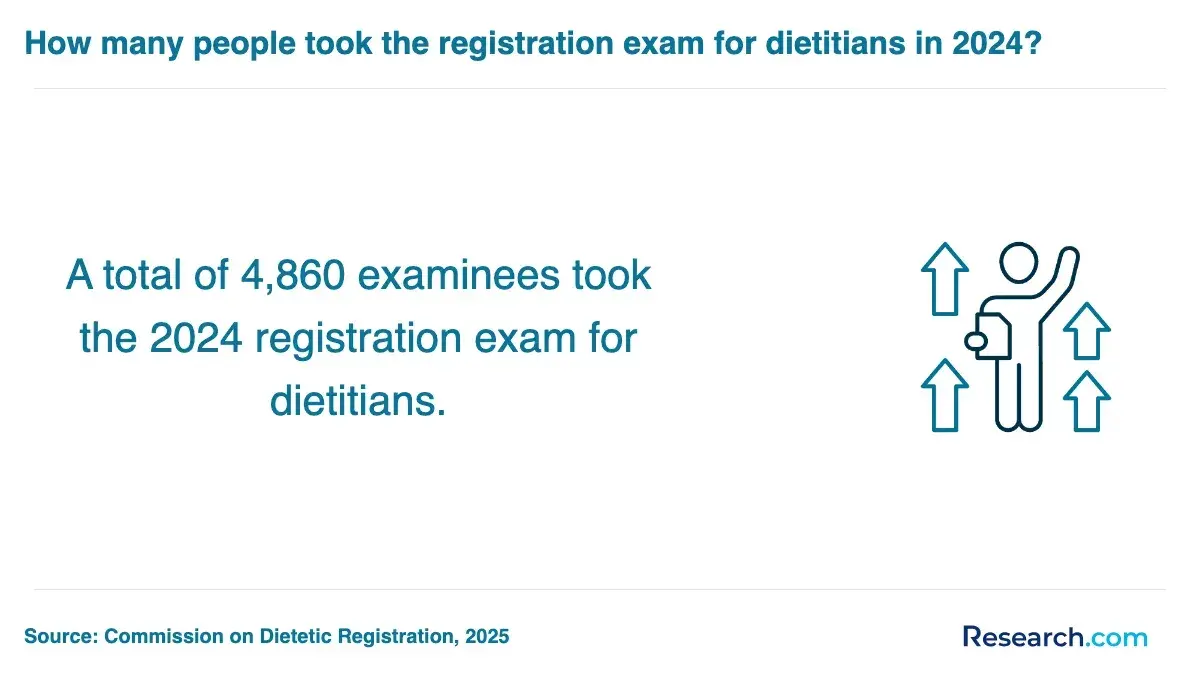 How many people took the registration exam for dietitians in 2024?" width="1200" height="680" loading="lazy">
What types of dietitian specializations can you pursue in New Hampshire?
Dietitians in New Hampshire have a diverse array of paths to explore, each offering unique ways to make an impact through nutrition. Specializing allows you to tailor your skills to specific populations or settings, opening doors to rewarding career opportunities. Here are some of the exciting dietitian specializations available in the state:
- Clinical Dietitian: Provide medical nutrition therapy in hospitals or long-term care, working closely with patients managing chronic illnesses like diabetes or kidney disease.
- Pediatric Nutrition: Focus on the dietary needs of infants, children, and teens, including those with special healthcare challenges.
- Renal (Kidney) Nutrition: Support patients with kidney diseases through specialized diet plans, often in hospitals or dialysis centers.
- Sports Dietitian: Help athletes and active individuals enhance performance with customized nutrition strategies in schools, universities, or private practice.
- Diabetes Education: Teach individuals how to manage diabetes effectively through diet and lifestyle modifications in clinical or community settings.
- Community Nutrition: Work on public health initiatives and nutrition education programs that serve entire populations.
- Foodservice Management: Oversee meal planning and food safety in institutions like schools, hospitals, or correctional facilities.
- Geriatric Nutrition: Address the complex dietary needs of older adults in nursing homes, assisted living, or home care environments.
- Research and Academia: Conduct nutrition research or teach future dietitians at colleges and universities, contributing to the advancement of dietetic science.
- Private Practice/Consulting: Offer personalized nutrition counseling independently or in group practices, specializing in areas such as weight management or wellness coaching.
What is the average salary of a registered dietitian in New Hampshire?
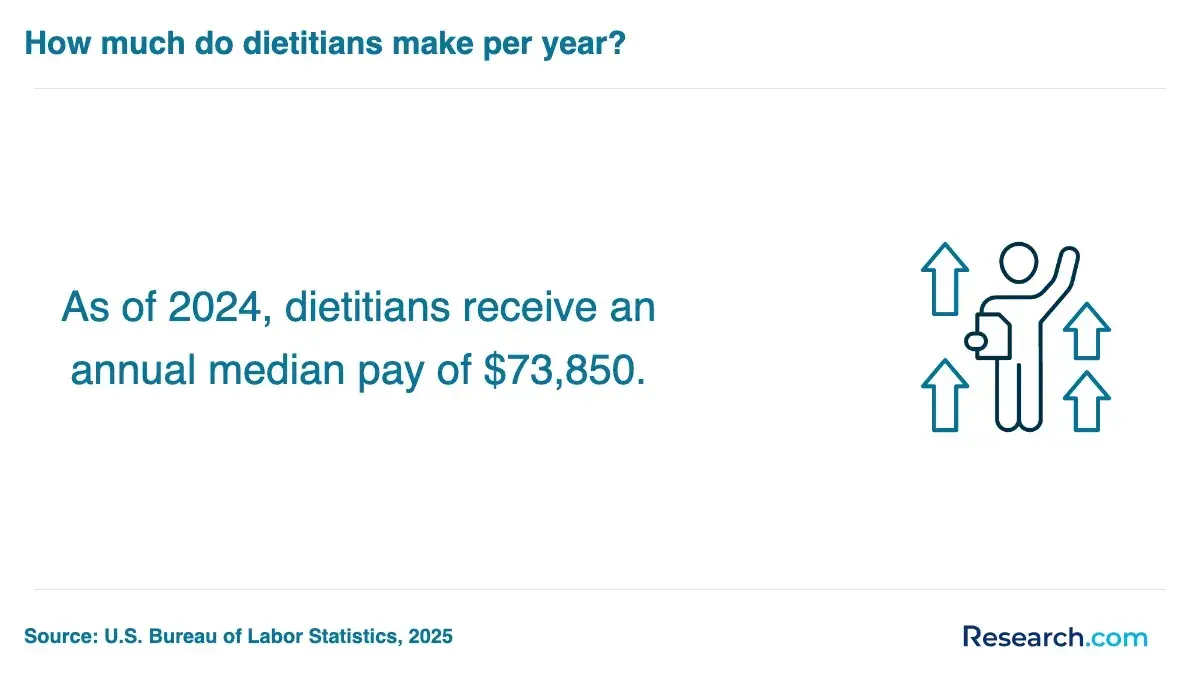
The average salary for a registered dietitian in New Hampshire ranges from about $63,650 to $73,911 per year, with an hourly wage averaging around $34.92. Compared to the national average, dietitians in New Hampshire earn roughly 5% less, reflecting unique regional economic factors.
- Location within the State: Urban centers like Manchester and Nashua offer higher wages due to greater healthcare demand, while rural areas tend to pay less.
- Years of Experience: Entry-level dietitians start near $46,710 annually, but seasoned professionals can earn up to $89,150 with advanced credentials.
- Work Setting: Hospitals and specialty clinics typically provide higher salaries compared to schools or community health organizations.
- Demand and Job Market Activity: New Hampshire’s less active job market may limit rapid salary growth and negotiating power.
- Regional Salary Trends: Larger healthcare systems and metropolitan areas consistently offer better compensation than smaller towns.
- Salary Growth and Projections: Despite a quiet job market, salaries have shown steady, incremental growth, mirroring national healthcare wage trends.
What additional certifications and resources can enhance your dietitian career in New Hampshire?
Pursuing additional credentials and accessing dedicated professional resources can further distinguish your expertise in a competitive market. Specialized certifications—such as in sports, pediatric, or oncology nutrition—address niche areas of practice and can open doors to advanced career opportunities. Professional associations, targeted workshops, and industry conferences offer valuable insights into evolving practices and compliance requirements. For broader career insights and alternative pathways, learn how to become a nutritionist in New Hampshire.
How can integrated healthcare teams boost registered dietitians’ success in New Hampshire?
Building robust interdisciplinary collaborations is essential for elevating clinical outcomes and streamlining patient care. Registered dietitians benefit from partnering with professionals such as physicians, nurses, and allied health experts to ensure holistic, patient-centered support. Strengthening ties with medical support roles can lead to more coordinated care plans and innovative service delivery models. For instance, understanding how to become a medical assistant in New Hampshire can facilitate smoother integration of services and elevate team performance. Such collaborative practices not only enrich clinical expertise but also create opportunities for continuous professional development and career advancement.
What do you need to keep your dietitian registration active in New Hampshire?
Keeping your dietitian registration active in New Hampshire is crucial to continue practicing legally and confidently in this evolving field. Staying current means you’re not only meeting state standards but also growing professionally through ongoing learning and ethical practice.
- Biennial State License Renewal: Renew your dietitian license every two years to confirm your eligibility and compliance with state regulations.
- Continuing Education: Complete at least 20 hours of approved continuing education every two years to maintain your knowledge and skills.
- Renewal Application and Fee: Submit the renewal form with documentation of your education and pay the $110 renewal fee on time.
- Commission on Dietetic Registration (CDR) Maintenance: Fulfill 75 continuing professional education units every five years and pay an annual $80 registration fee by August 31.
- Legal and Ethical Compliance: Maintain good legal standing and adhere to professional ethical standards, including background checks if required.
When I spoke with a registered dietitian from New Hampshire who graduated locally, he shared how navigating registration was a mix of challenge and clarity. “Coming from a New Hampshire school made understanding the renewal cycles and education requirements a bit easier,” he explained, “but the tricky part was the strict adherence to both state and CDR rules without reciprocity shortcuts from other states.”
He noted that while some states offer easier license transfers, here, embracing the full process helped him deepen his commitment to the profession. “It felt like an investment in my career’s foundation rather than a hurdle,” he reflected, emphasizing the pride in maintaining an active status through consistent effort.
How long does it take to become a registered dietitian in New Hampshire?
Becoming a registered dietitian in New Hampshire is an adventure that typically unfolds over five to seven years, blending academic study with hands-on experience. This timeline reflects the journey from starting a bachelor’s degree to finally earning the registered dietitian credential. The path naturally varies depending on individual choices and program structures.
The core of this timeline involves completing a bachelor’s degree in nutrition or related fields, usually taking about four years. Some students explore options like a post-baccalaureate Didactic Program in Dietetics, which adds extra time but strengthens their foundation. Those curious about flexible study options might consider an online nutrition science degree to fit their unique needs.
After academics, the clock ticks through supervised practice, often in dietetic internships or combined master’s programs lasting from 9 to 21 months. This phase is crucial before sitting for the Registered Dietitian Nutritionist exam. Understanding registered dietitian education and training requirements in New Hampshire helps set clear expectations for this exciting, multi-step process.
Can international students qualify to become registered dietitians in New Hampshire?
International students have a clear pathway to become registered dietitians in New Hampshire by meeting specific educational and professional standards designed to align with U.S. requirements. This journey involves several distinct steps that ensure foreign credentials and experience match local expectations.
- Foreign Degree Evaluation: Your degree must be assessed for U.S. equivalency by a recognized credential evaluation agency, confirming it matches the level of a U.S. regionally accredited institution.
- Completion of ACEND-Accredited Coursework: If your foreign education lacks certain components, you’ll need to complete additional courses through an Accreditation Council for Education in Nutrition and Dietetics (ACEND)-accredited program to meet U.S. standards.
- Supervised Practice Requirement: At least 1,000 hours of supervised dietetic practice within an ACEND-accredited U.S. program is mandatory, regardless of any overseas supervised experience you may have.
- English Language Proficiency: Most programs require proof of English skills through tests like TOEFL or IELTS, ensuring effective communication in professional settings.
- Master’s Degree Minimum: Starting January 1, 2024, candidates must hold a master’s degree to be eligible for the Commission on Dietetic Registration exam, elevating the educational standard for registered dietitians.
- Credentialing Exam and State Licensure: Passing the national credentialing exam and applying for licensure with the New Hampshire Office of Professional Licensure and Certification completes your professional authorization, including submitting official transcripts and supervised practice verification.
For those eager to advance their career in nutrition and dietetics, exploring the requirements for masters in nutrition and dietetics online can also offer valuable insights into balancing advanced education with professional goals.
What career paths can registered dietitians pursue in New Hampshire?
Exploring career opportunities for registered dietitians in New Hampshire reveals a diverse and rewarding landscape. Whether you prefer clinical settings, community outreach, or innovative telehealth, the state offers paths to match various passions and skills.
- Clinical Dietitian in Hospitals and Medical Centers: Work in places like Dartmouth Hitchcock Medical Center providing critical nutrition therapy, with salaries ranging from $41,370 to $90,020 and a strong job outlook.
- Nutrition Support Specialist: Focus on complex patient needs such as tube feeding in large medical centers, earning competitive pay often above the state average of $63,590.
- Long-Term Care Dietitian: Manage nutrition for seniors in skilled nursing facilities, benefiting from stable job prospects and salaries consistent with the statewide average.
- Community and Public Health Dietitian: Engage in public health initiatives through government or non-profits, earning between $45,000 and $65,000 while supporting local wellness programs.
- School Nutrition Dietitian: Oversee school meal programs and nutrition education, enjoying a positive job outlook and salaries similar to other public health roles.
- Private Practice and Consulting: Build an independent nutrition counseling business, with income varying widely but potential to exceed average salaries, especially in specialized areas.
- Telehealth Dietitian: Deliver flexible, remote nutrition services in a rapidly growing field, with pay aligning to state averages and expanding opportunities in rural areas.
- Corporate Wellness and Food Industry Dietitian: Advise businesses on wellness and product development, combining nutrition expertise with business skills for competitive compensation.
- Research and Academia: Teach or conduct nutrition research at universities, benefiting from stable employment tied to education level and funding.
For those seeking to deepen their qualifications, exploring a list of cheapest online masters degrees in nutrition can open additional doors in New Hampshire’s dynamic job market for registered dietitian jobs in New Hampshire.
What do registered dietitians in New Hampshire say about their career?
- Completing my registered dietitian program at the University of New Hampshire gave me a strong foundation tailored to the unique food culture and nutritional needs of our state. Starting my career working in a local school allowed me to connect deeply with students and help them develop lifelong healthy eating habits. The stability of jobs in New Hampshire’s education system has been reassuring, and I feel proud knowing my work positively impacts the well-being of young people in my community. Being part of this profession here fuels my passion every day. Jalen
- My journey began at Plymouth State University, where I not only learned the science but also the importance of cultural sensitivity in nutrition. Working as a registered dietitian in a New Hampshire school has been both challenging and rewarding, especially given the state’s rural communities and distinct seasonal food availability. This role has pushed me to grow professionally and personally, as I tailor programs that address these specific challenges. I truly appreciate the opportunity to contribute to healthier futures in such a unique environment. Laney
- Graduating from Keene State College’s dietetics program was just the beginning of a fulfilling career focused on community impact. New Hampshire’s commitment to education and health creates numerous opportunities for professional development, which I have taken full advantage of. Working within local schools has allowed me to advocate for nutrition policies that support both students and families, fostering a healthier generation. This career path here encourages continuous learning and meaningful contributions, which keep me motivated and engaged. Ravi
Related Articles for Nearby States
- 2027 Steps to Become a Registered Dietitian in Vermont
- 2027 Steps to Become a Registered Dietitian in Massachusetts
- 2027 Steps to Become a Registered Dietitian in Maine
- 2027 Steps to Become a Registered Dietitian in New York
- 2027 Steps to Become a Registered Dietitian in Connecticut
- 2027 Steps to Become a Registered Dietitian in Rhode Island
- 2027 Steps to Become a Registered Dietitian in New Jersey
- 2027 Steps to Become a Registered Dietitian in Pennsylvania
- 2027 Steps to Become a Registered Dietitian in Delaware
- 2027 Steps to Become a Registered Dietitian in Maryland
References:
- Campbell, M. (2025, May 14). Ultimate Guide to becoming a Registered Dietitian. Become a Nutritionist. becomeanutritionist.org.
- CareerOneStop. (n.d.). License Finder. careeronestop.org.
- Commission on Dietetic Registration. (n.d.). Continuing Professional Education (CPE). cdrnet.org.
- Commission on Dietetic Registration. (2025). Registry Statistics. cdrnet.org.
- Dept. of Nutrition. (n.d.). Requirements for Licensure | Dietetic Internship | University of Nevada, Reno. unr.edu.
- Healthcarepathway. (n.d.). How to become a dietitian in New Hampshire | Licensure in NH. healthcarepathway.com.
- National Association of Nutrition Professionals. (n.d.). New Hampshire | National Association of Nutrition Professionals. National Association of Nutrition Professionals | Setting the Standard for Holistic Nutrition. nanp.org.
- New Hampshire Academy of Nutrition and Dietetics. (2025, January 28). New Hampshire Academy - Licensed practice. eatrightnh.org.
- NH Office of Professional Licensure and Certification. (n.d.). Board of Licensed Dietitians Education and Training. oplc.nh.gov.
- NutritionED.org Contributor. (2025, July 1). How to Become a Registered Dietitian in New Hampshire - NH | Exam, License, and Education Requirements in. nutritioned.org. nutritioned.org.
- U.S. Bureau of Labor Statistics. (2025, August 28). Dietitians and nutritionists. bls.gov.
- University of New Hampshire. (n.d.). Nutrition and Dietetics (M.S.): Agriculture, Nutrition, and Food Systems. colsa.unh.edu.
Other Things You Should Know About Becoming a Registered Dietitian in New Hampshire
To become a registered dietitian in New Hampshire in 2027, you must earn a bachelor's degree from an ACEND-accredited program, complete a supervised practice program (dietetic internship), pass the CDR exam, and apply for state licensure. Each step is critical for meeting both national and state-specific requirements.
In New Hampshire, you do not have to major specifically in dietetics or nutrition to qualify for the prerequisites needed to become a registered dietitian. Many universities accept students from various majors as long as they complete the required coursework in nutrition, chemistry, biology, and related sciences. However, majoring in a non-related field means you must carefully plan to complete all prerequisite classes, which can be more straightforward if you choose a nutrition-focused major.
Ultimately, what matters most is fulfilling the academic requirements set by the Accreditation Council for Education in Nutrition and Dietetics (ACEND), rather than the major itself, allowing flexibility for students from diverse academic backgrounds.
Registered dietitians in New Hampshire must complete 75 hours of continuing professional education every five years to maintain their license. This includes approved professional development activities overseen by the Commission on Dietetic Registration (CDR), ensuring up-to-date knowledge and skills.


