
2027 Steps to Become a Registered Dietitian in North Dakota

Co-Founder and Chief Data Scientist
North Dakota faces a growing demand for registered dietitians due to rising chronic health conditions, with obesity rates exceeding 34% among adults. This trend highlights the critical need for qualified nutrition experts to improve public health outcomes.
Pursuing a career as a registered dietitian in North Dakota offers stable employment prospects, supported by a median annual wage above the national average and expanding healthcare opportunities. However, navigating the certification process can be complex and requires careful planning.
This article, prepared by career planning specialists, outlines the essential steps to becoming a registered dietitian in North Dakota, providing clear guidance to overcome common challenges and optimize career success.
Key Things to Know About Becoming a Registered Dietitian in North Dakota
- Complete a bachelor’s degree in nutrition or dietetics accredited by ACEND. North Dakota employers often prefer candidates with this specific educational background.
- Fulfill a supervised practice program of at least 1,200 hours, which can be challenging due to limited local internship availability, prompting some to seek opportunities out of state.
- Pass the national Registered Dietitian Nutritionist (RDN) exam. Maintaining licensure in North Dakota requires ongoing continuing education to stay current with evolving nutritional science.
- What degree is required to become a registered dietitian in North Dakota?
- How many supervised practice hours are needed to become a registered dietitian in North Dakota?
- What are the eligibility requirements for the dietetic registration exam in North Dakota?
- How can you get a license after passing the dietetic registration exam in North Dakota?
- What types of dietitian specializations can you pursue in North Dakota?
- What is the average salary of a registered dietitian in North Dakota?
- What do you need to keep your dietitian registration active in North Dakota?
- What emerging trends are shaping registered dietitian practices in North Dakota?
- Should Registered Dietitians Consider Additional Healthcare Certifications?
- How long does it take to become a registered dietitian in North Dakota?
- Can international students qualify to become registered dietitians in North Dakota?
- What career paths can registered dietitians pursue in North Dakota?
What degree is required to become a registered dietitian in North Dakota?
Choosing the right degree is a critical step for those aiming to become a registered dietitian in North Dakota. Several educational pathways provide the foundational knowledge and skills necessary for this profession.
- Bachelor’s degree in dietetics North Dakota: A bachelor's degree in dietetics from an accredited institution offers comprehensive coursework in nutrition science, food service systems, and clinical dietetics, forming the basis for entry into dietitian programs.
- Completion of ACEND-accredited dietetics programs in North Dakota: Accreditation by the Accreditation Council for Education in Nutrition and Dietetics (ACEND) ensures that the program meets nationally recognized standards essential for dietetics practice and eligibility for the registration exam.
- Supervised practice components: Most programs integrate experiential learning through internships or supervised practice, crucial for applying theoretical knowledge in real-world settings and meeting credentialing requirements.
- Graduate study options: While not always mandatory, pursuing graduate education can deepen expertise and improve competitive advantage in the field, especially as credentialing standards evolve.
Given the diversity of programs, prospective students should carefully evaluate the curriculum and accreditation status to ensure alignment with professional goals. For additional insights, consider the list of best careers to pursue with a nutrition masters degree, which contextualizes the value of advanced education in nutrition-related fields.
How many supervised practice hours are needed to become a registered dietitian in North Dakota?
To become a registered dietitian in North Dakota, candidates must complete a minimum of 1,200 supervised practice hours. This requirement aligns with the national standard set by ACEND, ensuring consistency across states and eligibility for the national Commission on Dietetic Registration exam. The following points highlight essential considerations and specific nuances related to supervised practice hours in North Dakota.
- National Standard: North Dakota adheres strictly to ACEND’s national standard of 1,200 hours, without imposing additional state-specific supervised practice hour requirements.
- Accredited Internship: Completion of supervised practice must occur through an ACEND-accredited Dietetic Internship or coordinated program, which offers diverse training in clinical, community, and foodservice settings.
- Proper Documentation: The North Dakota Board of Dietetic Practice requires detailed documentation of supervised practice hours during licensure applications, accepting alternative forms if they meet established criteria.
- Continuing Education: Post-licensure, dietitians must engage in continuing education, completing at least 75 hours every five years to maintain credentials.
What are the eligibility requirements for the dietetic registration exam in North Dakota?
Becoming a registered dietitian in North Dakota requires meeting specific educational and procedural criteria to qualify for the national dietetic registration exam. These eligibility requirements ensure candidates have the proper academic background and have completed necessary coursework before attempting the exam. Understanding these steps is essential for those seeking licensure and professional recognition in the state.
- Minimum Degree Requirement: Applicants must possess at least a graduate degree from a U.S. Department of Education-recognized accredited institution or hold an equivalent foreign degree.
- Nutrition-Related Coursework: Completion of an ACEND-accredited program is mandatory, which can be a Didactic Program in Dietetics (DPD), Coordinated Program (CP), or Graduate Program (GP) in nutrition or dietetics.
- Submission of Eligibility: Program directors from the ACEND-accredited program must verify that all educational and supervised practice requirements are met and submit this eligibility information directly to the CDR.
- National Registration Exam: Candidates must register for and pass the CDR dietetic registration exam, which is computer-based and covers dietetics principles, foodservice systems, nutrition program management, and nutrition care; the exam fee is $200, with test centers located in Bismarck and Fargo.
- State-Specific Licensure Pathways: North Dakota requires completion of a bachelor’s or graduate degree in dietetics or food and nutrition from an accredited institution for licensure; those with degrees older than 10 years may need 75 hours of recent continuing education for nutritionist credentialing, although this does not affect initial RD exam eligibility.
- Licensure Titles: The official credential after passing the exam is Licensed Registered Dietitian (LRD); pending results, candidates may use the titles “provisionally licensed dietitian” or “registration eligible dietitian” spelled out in full, not abbreviated.
These requirements reflect national standards adapted slightly by North Dakota to maintain professional quality. For those wondering how can I become a nutritionist with a focus on dietetics in this state, it is important to follow the outlined eligibility criteria carefully to ensure exam qualification and licensure.
How can you get a license after passing the dietetic registration exam in North Dakota?
To obtain a dietitian license in North Dakota after passing the CDR exam, follow these essential steps carefully, as each ensures compliance with state regulations and professional standards.
- Application Submission: Download the licensure form from the North Dakota Board of Dietetic Practice website, complete it fully, and ensure it is signed and notarized to avoid processing delays.
- Proof of Registration: Provide a current copy of your CDR registration certificate, which confirms your eligibility to use the professional titles legally in the state.
- Academic Verification: Submit official transcripts from your accredited dietetic education program to verify completion of required coursework as mandated by the CDR.
- Legal Familiarization: Read and acknowledge understanding of North Dakota’s dietetic laws and rules to ensure adherence to local practice standards.
- Fee Payment: Include the non-refundable $60 application fee with your submission, payable to the North Dakota Board of Dietetic Practice.
- Document Delivery: Mail all required materials, including application, transcripts, proof of registration, and fee, to the board’s specified address for review.
- Background Check: Be prepared to complete a criminal background check or fingerprinting if requested by the board as part of the vetting process.
- Board Review: Await the board’s evaluation and approval, which confirms that all criteria are met before the license is granted.
When speaking with a registered dietitian who graduated from a local North Dakota school, she reflected on the licensing journey as both straightforward and revealing. She emphasized that while the state’s clear requirements helped streamline her application, the lack of reciprocity with other states meant she valued completing the process locally, avoiding potential complications or delays that out-of-state applicants might face.
"The process made me appreciate the rigor behind the license,” she said, noting that staying informed about state-specific rules was crucial. She also mentioned moments of uncertainty, particularly around the background check, but overall found the system fair and transparent. Her experience highlighted the advantage of being familiar with North Dakota’s unique regulatory environment, which ultimately reinforced her confidence in practicing professionally within the state.
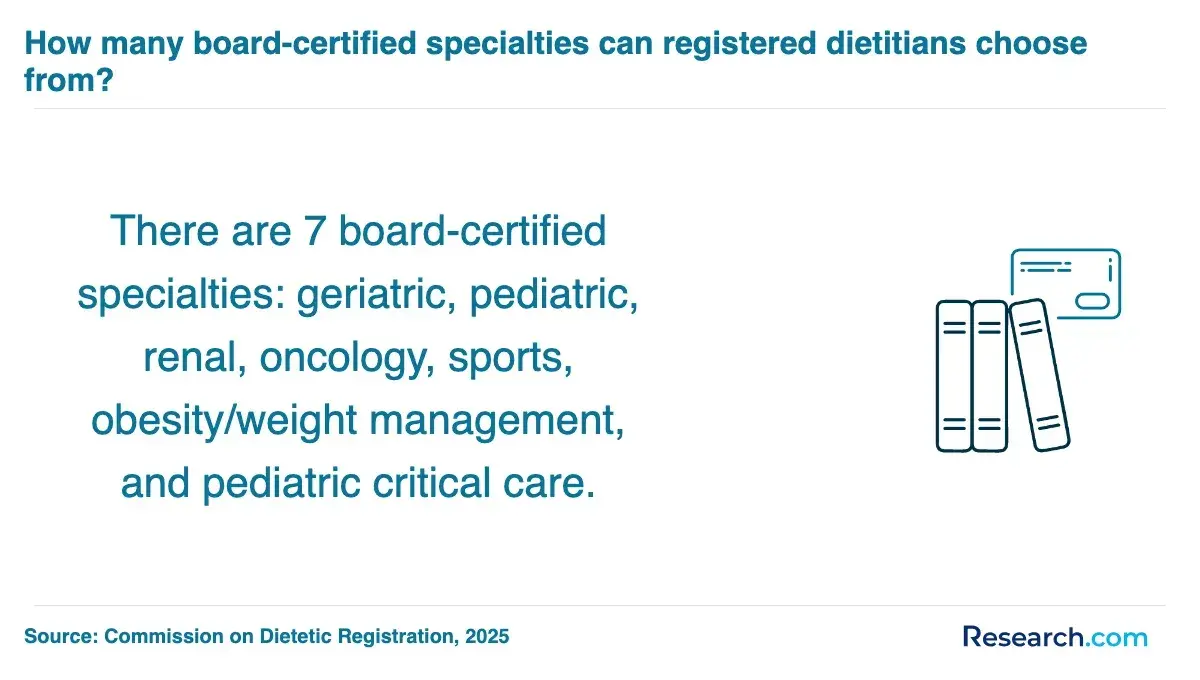
What types of dietitian specializations can you pursue in North Dakota?
Dietitians in North Dakota have the flexibility to specialize in various fields that address different populations and health concerns. These specializations reflect the diverse roles dietitians play in healthcare, community settings, and research. Exploring these options can help guide your career path based on your interests and the needs of the communities you wish to serve.
- Clinical Dietitian: Provides medical nutrition therapy in healthcare settings, collaborating with teams to manage chronic diseases such as diabetes and cardiovascular conditions.
- Community Dietitian: Works with public health programs to promote nutrition education and address issues like childhood obesity and food insecurity.
- Foodservice Management Dietitian: Oversees menu planning and food safety in institutions like schools and hospitals, combining nutrition expertise with management skills.
- Sports Dietitian: Focuses on nutrition for athletes, advising on performance, hydration, and recovery strategies.
- Pediatric Dietitian: Addresses nutritional needs of infants and children, managing growth and health-related dietary concerns.
- Geriatric Dietitian: Specializes in nutrition for older adults, dealing with chronic diseases and age-related metabolic changes.
- Renal Dietitian: Provides specialized care for individuals with kidney disease, often working in dialysis centers.
- Oncology Dietitian: Supports cancer patients by managing nutrition-related side effects during treatment.
- Research Dietitian: Engages in nutrition science research to advance dietetic practices and public health.
- Private Practice Dietitian: Offers individualized nutrition counseling, often focusing on areas like weight management or plant-based diets.
What is the average salary of a registered dietitian in North Dakota?
The average salary for a registered dietitian in North Dakota is approximately $67,840 per year, with an hourly wage near $32.62 as of May 2024. This figure is slightly below the national average of about $74,240 annually, reflecting regional economic factors and demand variations. Early-career dietitians in the state typically earn around $58,980, while those with extensive experience can make upwards of $83,440 annually.
- Location: Urban centers like Fargo offer higher salaries, averaging $66,730 annually, compared to lower wages in rural areas due to limited demand.
- Experience Level: Entry-level dietitians start near $58,980, while seasoned professionals can exceed $83,000 per year.
- Work Setting: Hospital and clinical roles tend to pay more than community health or school-based positions.
- Demand and Market Activity: The job market is relatively stable but not highly active, with few current openings affecting salary growth.
- Education and Credentials: Advanced degrees and certifications generally enhance earning potential.
Salary growth projections indicate room for advancement, with some top earners making up to $117,446 annually. However, North Dakota ranks 50th nationally for dietitian salaries, suggesting cautious expectations for significant wage increases in the near term.
What do you need to keep your dietitian registration active in North Dakota?
Maintaining an active dietitian registration in North Dakota is essential to legally practice and demonstrate professional competency. This ongoing process ensures dietitians meet evolving standards in healthcare and nutrition, impacting both public trust and career opportunities.
- Continuing Education Requirements: Complete at least 75 hours of approved continuing education every five years, as mandated by the CDR and state guidelines.
- Renewal Frequency: Renew your CDR registration and North Dakota license every five years, aligning with the continuing education cycle.
- Renewal Process and Fees: Submit a renewal form, proof of continuing education, and a $45 fee to the North Dakota Board of Dietetic Practice; background checks may be required.
- Maintain CDR Registration: Keep your CDR registration current by meeting all education and examination requirements.
- Documentation: Retain detailed records of continuing education for verification during renewal.
A registered dietitian from North Dakota, who graduated from a local university, shared insights on navigating these requirements. He noted that because North Dakota does not have broad license reciprocity, maintaining local registration meant staying closely connected with state-specific guidelines, which sometimes felt demanding but ultimately beneficial. “It required careful planning,” he said, “but it helped me stay engaged with North Dakota’s unique professional environment.”
He appreciated the clear structure for renewal but acknowledged challenges in tracking continuing education hours while balancing clinical work. Overall, he found the process reinforced his commitment to quality care and professional growth within the state’s nutrition community.
What emerging trends are shaping registered dietitian practices in North Dakota?
Recent developments in healthcare and technology are transforming registered dietitian roles across North Dakota. Digital health platforms, including telehealth and mobile nutrition applications, are enhancing remote patient consultations, while data analytics are driving personalized nutrition strategies. Additionally, interdisciplinary collaborations are increasingly vital as dietitians work alongside healthcare professionals to incorporate sustainable dietary solutions. For insights on related career transitions, refer to how to become a nutritionist in North Dakota.
Should Registered Dietitians Consider Additional Healthcare Certifications?
Registered dietitians looking to diversify their skill set and enhance interdisciplinary collaboration may benefit from exploring additional healthcare certifications. Pursuing complementary credentials can expand professional opportunities into specialized clinical roles, administrative positions, or integrative care settings that value a broader understanding of patient care dynamics. For professionals interested in gaining insights into alternate career pathways that support clinical efficiency, learning about how to become a medical assistant in North Dakota can offer valuable perspectives on structured healthcare training and teamwork.
How long does it take to become a registered dietitian in North Dakota?
Becoming a registered dietitian in North Dakota involves a timeline that typically spans several years, shaped by both education and practical experience requirements. While most candidates complete this journey in about six years, the actual duration can vary based on individual circumstances and program choices. The timeline reflects the need to balance academic coursework with supervised practice and credentialing exams.
The pathway generally starts with earning a bachelor’s or graduate degree from an accredited program, which can take around four years for an undergraduate degree. Some students may opt for an accelerated or coordinated program that combines coursework and supervised practice, potentially shortening the duration. For those wondering how many years to become a registered dietitian in north dakota, it is important to consider that supervised practice typically requires one to two years, depending on full- or part-time commitments.
Factors such as prior academic credits, program availability, and personal circumstances can influence this timeline significantly. To explore flexible academic options, students might consider a nutrition science degree online, which can accommodate varied schedules. Ultimately, while the process is structured, the time to become a registered dietitian in North Dakota is not fixed and may adapt to each individual’s educational path and career goals.
Can international students qualify to become registered dietitians in North Dakota?
International students can pursue registration as dietitians in North Dakota by fulfilling essential criteria tailored to their unique educational backgrounds. These requirements ensure foreign-trained candidates meet the state's professional standards while navigating the complexities of international credentials.
- Foreign Degree Evaluation: Applicants must have their dietetics degrees evaluated by an approved agency to confirm U.S. equivalency before enrolling in an ACEND-accredited program.
- Completion of ACEND-Accredited Education: Even with prior dietetics education abroad, candidates must complete U.S.-based coursework and supervised practice through an ACEND-accredited program.
- English Language Proficiency: Non-native English speakers need to demonstrate proficiency via tests such as TOEFL or IELTS, though specific requirements vary by program.
- Visa and Immigration Compliance: Securing and maintaining proper student visa status, such as an F-1 visa, is mandatory throughout education and supervised practice.
- CDR Registration Exam Eligibility: After completing accredited education and practice, passing the Commission on Dietetic Registration exam is required to qualify for licensure.
- State Licensure Application: Candidates must submit proof of education, exam results, and potentially background checks to the North Dakota Board of Dietetic Practice for licensure approval.
For those considering this pathway, it is helpful to explore options that accommodate international students balancing study and professional requirements, such as specialized programs including the best holistic nutrition certification programs, which demonstrate that flexible academic routes can support rigorous credentialing processes.
What career paths can registered dietitians pursue in North Dakota?
Registered dietitians in North Dakota can explore a variety of career opportunities that suit different interests and work environments. These options offer diverse roles, from clinical settings to community programs, each with distinct job outlooks and salary ranges.
- Clinical Dietitian: Working primarily in hospitals and medical centers such as CHI St. Alexius in Bismarck, these professionals provide nutrition therapy for patients, earning an average salary of $67,840, with experienced dietitians reaching up to $83,440. Clinical dietitian jobs in North Dakota remain steady due to ongoing healthcare demands.
- Community and Public Health Dietitian: These dietitians focus on nutrition education and disease prevention in community centers and public health departments, with salaries comparable to the state average and a strong job outlook linked to public health initiatives.
- Long-Term Care and Rehabilitation Dietitian: Serving nursing homes and rehabilitation facilities, these dietitians address complex nutritional needs of older adults, maintaining steady demand as the population ages and earning salaries near the state average.
- School Nutrition Director: Overseeing food services in K-12 schools like those in Mandan, these directors ensure compliance with nutrition standards, with compensation reflecting general dietitian pay in the state.
- Corporate Wellness and Health Coach: In corporate or wellness settings, dietitians design nutrition programs and provide coaching, often benefiting from hybrid or remote work options and competitive salaries in larger organizations.
- Diabetes Educator: Focused on educating patients in hospitals or clinics, these specialists respond to rising diabetes rates with salaries aligned with the typical dietitian range in North Dakota.
- Foodservice Management Dietitian: Managing institutional foodservice in hospitals, schools, or correctional facilities, these dietitians enjoy job stability, with pay varying by responsibility and facility size.
- Academic and Research Dietitian: Teaching or conducting research at colleges, these professionals’ pay depends on credentials and teaching load, with opportunities at local institutions.
- Private Practice/Consultant Dietitian: Offering specialized nutrition counseling independently or to organizations, earnings vary widely but can exceed averages with a strong reputation.
For those interested in educational preparation, pursuing a nutritional sciences degree can be a valuable step toward entering these fields.
What do registered dietitians in North Dakota say about their career?
- Completing my dietetics program at the University of North Dakota truly set the foundation for a fulfilling career. Starting as a registered dietitian in a local school, I was immediately struck by the chance to impact students’ daily lives through nutrition education and healthy meal planning. The community is supportive, and the stability of working in the education system gives me peace of mind. I feel privileged to help shape lifelong healthy habits in young people while growing professionally in a meaningful environment. - Vanessa
- My journey began at North Dakota State University, where I gained strong clinical and community nutrition skills. Working in a local school gave me unique challenges, especially adapting nutrition programs to the region’s agricultural culture and diverse student needs. This experience has deepened my appreciation for community impact and the importance of culturally relevant nutrition education. The opportunity for professional growth here is excellent, and I enjoy contributing to the well-being of children in such a vibrant and supportive setting. - Fatima
- Finishing my dietetics studies at Minot State University opened doors I hadn’t imagined. Starting my career as a registered dietitian in a local school allowed me to combine my passion for nutrition with a real desire to help students thrive. The personal growth I’ve experienced is immense, learning not only about dietetics but about leadership and community collaboration. North Dakota’s unique environment offers both challenges and opportunities that have shaped my professional path in rewarding ways. - Marianne
Related Articles for Nearby States
- 2027 Steps to Become a Registered Dietitian in South Dakota
- 2027 Steps to Become a Registered Dietitian in Minnesota
- 2027 Steps to Become a Registered Dietitian in Montana
- 2027 Steps to Become a Registered Dietitian in Nebraska
- 2027 Steps to Become a Registered Dietitian in Wyoming
- 2027 Steps to Become a Registered Dietitian in Iowa
- 2027 Steps to Become a Registered Dietitian in Wisconsin
- 2027 Steps to Become a Registered Dietitian in Colorado
- 2027 Steps to Become a Registered Dietitian in Kansas
- 2027 Steps to Become a Registered Dietitian in Illinois
References:
- BecomeANutritionist.org. (n.d.). Becoming a Licensed or Non-Licensed Nutritionist in North Dakota. BecomeANutritionist.org
- Dosedel, E. (2025). Needs Satisfaction Survey of the Academy of Nutrition and Dietetics and the Commission on Dietetic Registration: Executive Summary. Journal of the Academy of Nutrition and Dietetics
- North Dakota Academy of Nutrition and Dietetics. (n.d.). What is a Registered Dietitian Nutritionist? EatRight.ND
- North Dakota Board of Dietetic Practice. (n.d.). Laws and Rules Governing Dietetic Practice in North Dakota. NDBODP
- NutritionED.org. (n.d.). Steps to Become a Registered Dietitian in North Dakota. NutritionED.org
- Oakwood University. (2025). Distance Dietetic Internship Program (DDIP). Oakwood
- Sanford Careers. (n.d.). Dietitian - FT - Days. Sanford
- U.S. Department of Veterans Affairs. (n.d.). Dietetic Internship Program. U.S. DVA
- University of North Dakota. (2025). Accelerated Dietetics Degree. UND
- Zippia. (2025). Registered dietitian demographics and statistics in the US. Zippia
Other Things You Should Know About Becoming a Registered Dietitian in North Dakota
To become a Registered Dietitian in North Dakota in 2027, earn a bachelor's degree in dietetics, complete an ACEND-accredited dietetic internship, pass the CDR exam, and obtain state licensure. Keep updated with any new state-specific requirements by consulting the North Dakota Board of Dietetic Practice.
Students pursuing dietetics in North Dakota can access various scholarships and financial aid opportunities to support their education. The North Dakota Academy of Nutrition and Dietetics offers scholarships specifically for dietetics students demonstrating academic excellence and commitment to the profession.
Additionally, many universities with dietetics programs provide institutional scholarships and work-study options tailored to nutrition majors. Federal financial aid, including Pell Grants and student loans, is also available to eligible students to help cover tuition and related expenses. Exploring both state-specific and national scholarships can significantly ease the financial burden for aspiring registered dietitians in North Dakota.


