2027 Steps to Become a Registered Dietitian in South Dakota

Co-Founder and Chief Data Scientist
Many aspiring health professionals in South Dakota struggle to understand the path to becoming a registered dietitian. This challenge is significant given that South Dakota has a higher-than-average rate of diet-related chronic diseases, with nearly 34% of adults classified as obese. Pursuing a career as a registered dietitian offers strong job prospects and the opportunity to positively impact public health in this region.
This article outlines the education, supervised practice, and licensing requirements to help readers navigate the process efficiently and achieve their professional goals.
Key Things to Know About Becoming a Registered Dietitian in South Dakota
- Complete a Didactic Program in Dietetics accredited by the Accreditation Council for Education in Nutrition and Dietetics (ACEND), essential for eligibility to the RD exam in South Dakota.
- Fulfill a supervised practice internship of at least 1,200 hours, typically through South Dakota healthcare facilities or university programs, to gain hands-on experience.
- Pass the national Commission on Dietetic Registration (CDR) exam and apply for South Dakota state licensure to legally practice as a registered dietitian.
- What degree is required to become a registered dietitian in South Dakota?
- How many supervised practice hours are needed to become a registered dietitian in South Dakota?
- What are the eligibility requirements for the dietetic registration exam in South Dakota?
- How can you get a license after passing the dietetic registration exam in South Dakota?
- What types of dietitian specializations can you pursue in South Dakota?
- What is the average salary of a registered dietitian in South Dakota?
- How can professional organizations support my career as a registered dietitian in South Dakota?
- What do you need to keep your dietitian registration active in South Dakota?
- How long does it take to become a registered dietitian in South Dakota?
- Can international students qualify to become registered dietitians in South Dakota?
- What career paths can registered dietitians pursue in South Dakota?
- Are there financial incentives or loan forgiveness programs for registered dietitians in South Dakota?
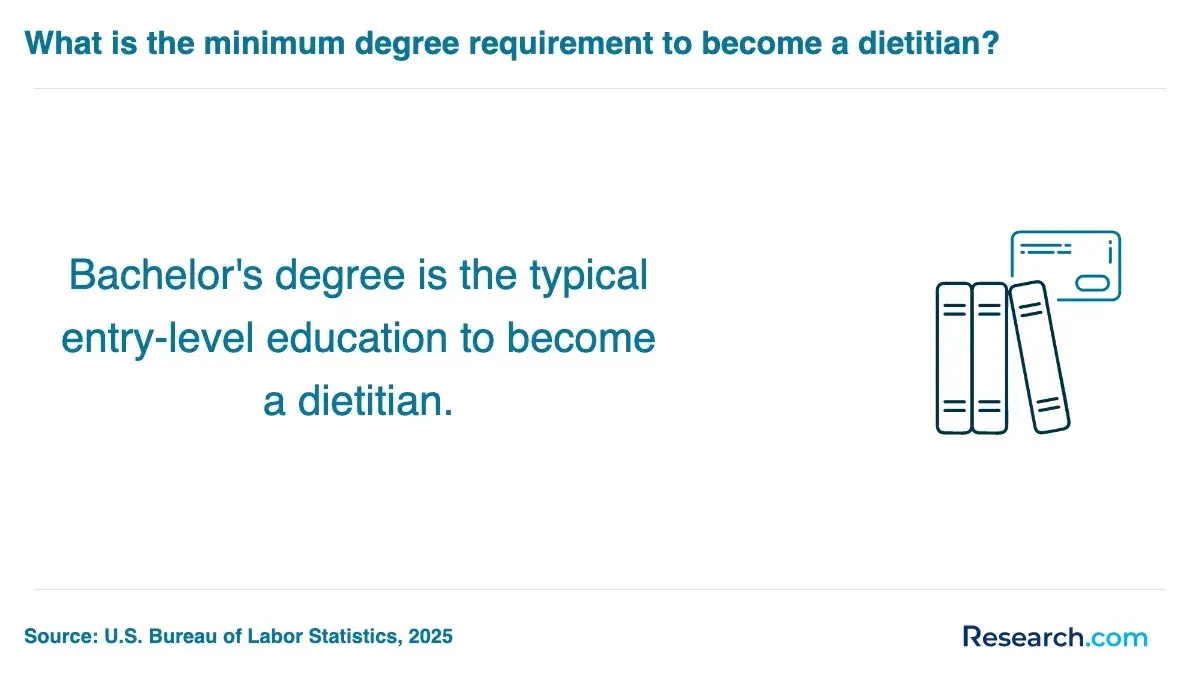
What degree is required to become a registered dietitian in South Dakota?
Meeting the degree requirements in South Dakota is essential for anyone aiming to become a registered dietitian. The state emphasizes accredited education to ensure competence and professionalism in the field.
- Bachelor’s Degree in Nutrition or Dietetics: Completion of a bachelor’s degree from an accredited nutrition and dietetics degree South Dakota program is typically the first step, providing foundational knowledge in food science and human nutrition.
- Didactic Program in Dietetics (DPD): This must be completed as part of your undergraduate education to meet the coursework requirements set by accreditation bodies and state authorities.
- Supervised Practice Program: After academic training, candidates must complete a supervised internship or dietetic practicum accredited by the appropriate organizations to gain practical experience.
- Master’s Degree (Optional but Increasingly Preferred): Although not always mandatory, earning a master’s degree in nutrition or a related field strengthens your qualifications and aligns with evolving national standards.
Following these steps prepares candidates for the registration exam and licensure process. For those exploring career outcomes, reviewing highest paying medical jobs 2025 can provide valuable insight into the profession’s potential. South Dakota dietitian education requirements focus on accredited programs that combine theory with practical experience, ensuring readiness for professional challenges ahead.
How many supervised practice hours are needed to become a registered dietitian in South Dakota?
To become a registered dietitian in South Dakota, candidates must complete supervised practice hours that align with national accreditation standards. The supervised practice component must be completed through an ACEND-accredited program, ensuring rigorous educational and practical training.
South Dakota State University is a local institution offering such accredited programs, providing convenient access to required internships. State law mandates a minimum number of documented supervised hours, but this is lower than the threshold generally required by dietetic internships and CDR.
Supervised practice settings include diverse professional environments like hospitals and community agencies, offering valuable real-world experience. There are no additional or unique South Dakota-specific supervised practice requirements beyond the national accreditation standards. The South Dakota Board of Medical and Osteopathic Examiners oversees licensure, verifying that candidates have fulfilled all supervised practice hour requirements.
What are the eligibility requirements for the dietetic registration exam in South Dakota?
Meeting the eligibility requirements for dietitian exam South Dakota is essential for advancing your career as a registered dietitian. These requirements ensure candidates are well-prepared through proper education and accreditation before taking the national registration exam. Below are the key steps and criteria to fulfill before you can register for the exam.
- Minimum Educational Qualification: Candidates must have a graduate degree from a USDE-recognized accredited institution as of January 1, 2024. The degree can be in any field, but you must complete the required nutrition and dietetics coursework.
- Completion of Nutrition Coursework: You must finish an ACEND accredited dietetics programs South Dakota, such as a Didactic Program in Dietetics (DPD), Coordinated Program (CP), or Graduate Program (GP), covering core nutrition, food science, and dietetics subjects.
- Supervised Practice Requirement: Although not detailed here, completing supervised practice through an ACEND-accredited pathway like a Dietetic Internship is also necessary for eligibility.
- Eligibility Verification Submission: Your program director must submit verification of your eligibility to the Commission on Dietetic Registration (CDR) after you complete your education and supervised practice, enabling you to register for the national exam.
- Registration and Exam Completion: Register for the CDR Registration Examination through Pearson VUE; in South Dakota, the primary test center is in Sioux Falls. The exam costs $200, and results are available immediately after testing.
- State Licensure and Credentialing: Passing the national exam allows you to apply for state licensure through the South Dakota Board of Medical and Osteopathic Examiners. South Dakota also distinguishes between dietitians and nutritionists, with different degree and exam requirements. For more on nutrition career paths, consider exploring how to become a nurse nutritionist.
How can you get a license after passing the dietetic registration exam in South Dakota?
To obtain a license after passing the dietetic registration exam in South Dakota, follow these essential steps carefully to ensure a smooth application process and timely approval.
- Register Online: Create an account on the South Dakota Online Application System to start your licensure application.
- Submit Application: Complete and submit the electronic application form with accurate personal and professional details.
- Pay Fee: Pay the nonrefundable $70 application fee through the online payment portal.
- Provide Verification: Submit proof of passing the Commission on Dietetic Registration exam and educational transcripts as instructed by the licensing board.
- Await Approval: The state board reviews your materials and issues the license upon approval to legally practice.
- Consider Temporary Permit: Apply for a one-year temporary permit if you meet education and experience requirements, allowing practice while waiting for full licensure.
- Renew on Time: Renew your license every two years by May 31 of odd years, paying a $100 fee and maintaining current CDR registration.
A registered dietitian from South Dakota, who graduated from a local university, shared her experience navigating the licensing process. She emphasized how reciprocity options eased her transition when moving back to South Dakota after working in a neighboring state, noting, “Having my previous license recognized saved me months of paperwork and waiting.”
However, she also reflected on the challenges faced by peers without reciprocity eligibility, stating, “Starting fresh meant I had to carefully track deadlines and document every requirement to avoid delays.” Her insights highlight the practical benefits of understanding reciprocity policies early and maintaining thorough records throughout the application journey.
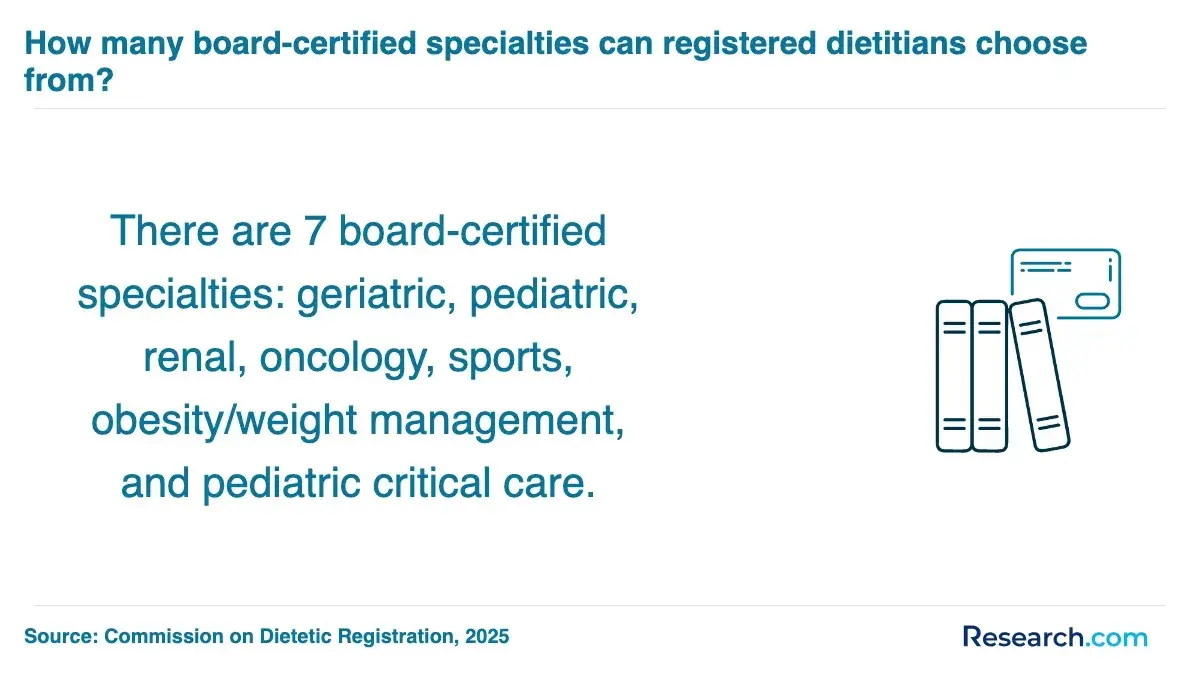
What types of dietitian specializations can you pursue in South Dakota?
Dietitians in South Dakota can specialize in various fields to better serve diverse populations and healthcare needs. Focusing on a specialization allows professionals to deepen their expertise and improve outcomes in specific areas of nutrition and dietetics. Below is a practical overview of key dietitian specializations available in the state.
- Clinical Nutrition / Medical Nutrition Therapy: Involves providing nutrition assessment and interventions for patients with chronic or acute medical conditions as part of healthcare teams, key for those pursuing clinical nutrition careers in South Dakota.
- Foodservice Management: Focuses on managing food service operations in institutions like hospitals and schools, ensuring efficient menu planning, budgeting, and food safety.
- Community and Public Health Nutrition: Targets population health by designing and implementing nutrition programs, especially in underserved or rural areas.
- Pediatric Nutrition: Addresses the nutritional needs of infants, children, and adolescents, including those with special health concerns.
- Gerontological Nutrition: Specializes in nutrition for older adults, focusing on chronic disease management and malnutrition prevention in long-term care settings.
- Sports Dietetics: Works with athletes and active individuals to enhance performance and recovery through tailored nutrition plans.
- Renal Nutrition: Provides dietary support for patients with kidney disease to slow progression and improve quality of life.
- Oncology Nutrition: Develops nutrition strategies to support cancer treatment, manage side effects, and aid recovery.
- Maternal and Child Nutrition: Concentrates on nutrition before, during, and after pregnancy, including infant and childhood development.
- Integrative and Functional Nutrition: Uses a holistic approach to optimize health by considering the body’s interconnected systems through nutrition; learn more about what can you do with a holistic nutrition certificate.
- Nutrition Education and Counseling: Provides personalized education and behavior change support to help individuals adopt healthier eating habits.
- Food Science and Product Development: Involves working in the food industry on product innovation, sensory evaluation, and nutrition labeling compliance.
What is the average salary of a registered dietitian in South Dakota?
The average salary for a registered dietitian in South Dakota is approximately $59,320 per year, with hourly wages ranging from $28 to $36.54 depending on experience. Entry-level dietitians typically earn around $35.91 per hour as of mid-2025. Compared to the national median annual salary of about $58,000 to $65,000, South Dakota’s pay rates are competitive, often matching or slightly exceeding nationwide averages.
- Location within the State: Salaries tend to be higher in urban centers like Sioux Falls and Rapid City due to greater demand and cost of living.
- Level of Experience: Entry-level dietitians earn less, while those with advanced experience and certifications can approach or exceed $76,000 annually.
- Work Setting: Hospital and health system employment typically offers higher pay compared to public health or school settings.
- Demand and Job Market: Stable demand limits rapid salary growth, but lower competition can benefit qualified candidates.
Regional trends show the highest wages near major medical centers and university hospitals, while rural areas may offer incentives like loan repayment to supplement lower base salaries.
Salary growth has been moderate, with increases from the low $50,000s in early 2020s to nearly $59,000–$76,000 projected by 2025, aligning with steady national job growth forecasts through 2032.
How can professional organizations support my career as a registered dietitian in South Dakota?
Engagement with professional organizations plays a critical role in continuously advancing competence and staying informed about industry developments. These organizations offer access to specialized continuing education, peer mentorship, and networking events that foster both clinical expertise and leadership skills. Participation in state and national associations can also provide timely updates on regulatory changes and emerging best practices, ensuring that professionals remain competitive in the evolving healthcare landscape. For insights into alternative career trajectories and additional opportunities, review how to become a nutritionist in South Dakota.
What do you need to keep your dietitian registration active in South Dakota?
Maintaining an active dietitian registration in South Dakota is vital to continue practicing legally and stay current with professional standards. Active registration also ensures compliance with state regulations and promotes ongoing professional growth.
- Biennial License Renewal: Renew your South Dakota license online every two years by May 31 of odd-numbered years, with a $100 fee.
- Continuing Education or CDR Maintenance: Complete at least 15 hours of continuing education annually or maintain current registration with the Commission on Dietetic Registration (CDR).
- CDR Registration Requirements: Pay an annual maintenance fee by August 31 or upfront for five years, and complete a 75-hour Professional Development Portfolio every five years.
- Renewal Responsibility: It is your responsibility to renew on time; failure results in forfeiture or suspension, with reinstatement not guaranteed.
A registered dietitian from South Dakota, who graduated locally, shared that navigating license reciprocity was initially challenging. “Since South Dakota joined the Dietitian Licensure Compact, it’s become easier to practice across states, which was a big relief,” he noted.
Before this, he faced lengthy processes to transfer credentials when considering work outside the state. He emphasized that staying proactive with renewals and continuing education not only avoids interruptions but opens doors for telehealth opportunities and expanded practice, which have been invaluable to his career growth.
How long does it take to become a registered dietitian in South Dakota?
Becoming a registered dietitian in South Dakota generally takes about five to seven years, encompassing college education and the path to earning the dietetic registration credential. The timeline depends largely on completing a relevant degree and supervised practice, which are essential steps in meeting the south dakota registered dietitian education requirements.
Most students complete a bachelor’s degree in dietetics or a related field in around four years, followed by a supervised practice internship lasting six to twelve months. Additional time may be needed for exam preparation and scheduling. Attending school full-time and securing timely supervised practice can help keep this process efficient.
Those wondering how many years to become a registered dietitian in south dakota should consider that pursuing a master’s degree or taking courses part-time might extend the timeline. For candidates seeking flexible learning options, exploring the best online nutrition program can be a practical strategy to balance education with other commitments.
Can international students qualify to become registered dietitians in South Dakota?
International students can qualify to become registered dietitians in South Dakota by fulfilling specific educational and licensure requirements tailored to foreign-educated applicants. The pathway involves credential evaluation, accredited program enrollment, and passing the national exam.
- Credential Evaluation of Foreign Degrees: International students must have their academic degrees evaluated to confirm equivalency with a U.S. regionally accredited bachelor’s or master’s degree, ensuring their coursework meets U.S. standards.
- Enrollment in ACEND-Accredited Programs: After evaluation, students need to complete coursework and supervised practice in an ACEND-accredited program such as the Bachelor of Science in Nutrition & Dietetics offered at South Dakota State University.
- Supervised Practice Requirement: A minimum of 1,000 hours of supervised practice through an ACEND-accredited Dietetic Internship, Coordinated Program, or an Individualized Supervised Practice Program (ISPP) is mandatory.
- Master’s Degree Requirement: As of January 1, 2024, candidates must hold at least a master’s degree or an equivalent foreign credential to be eligible for the Registration Examination for Dietitians.
- Passing the CDR Registration Examination: Successful completion of the national CDR exam is required for licensure eligibility in South Dakota.
- Visa and Immigration Compliance: Maintaining lawful visa status and adhering to all U.S. immigration regulations throughout education and supervised practice is essential.
What career paths can registered dietitians pursue in South Dakota?
Registered dietitians in South Dakota can explore various career opportunities that align with their skills and interests. These roles offer diverse settings, steady job outlooks, and competitive salaries across clinical, community, research, and industry sectors.
- Clinical Dietitian: Works in hospitals and outpatient clinics providing nutrition therapy for chronic and acute conditions, with an average salary of $64,210 and demand fueled by preventive health initiatives.
- Community Nutritionist: Operates in public health agencies and schools, developing nutrition programs; salaries range from $57,740 to $64,900, supported by growing statewide health efforts.
- Foodservice Management Dietitian: Manages nutrition programs in schools and correctional facilities, offering stable employment and earnings comparable to other dietitian roles.
- Consultant Dietitian: Provides specialized services independently or through agencies, with income varying but generally matching state averages.
- Research Dietitian: Advances nutritional science at universities or agencies, often requiring advanced degrees and offering competitive pay and benefits.
- Academic Dietitian/Educator: Teaches and researches at higher education institutions, with salaries similar to clinical roles and potential additional compensation.
- Remote/Telehealth Dietitian: Delivers virtual nutrition counseling statewide, with growing demand and salaries starting at $57,740 for entry-level positions.
- Industry Dietitian: Works in product development and regulatory compliance within food or pharmaceutical companies, often earning higher salaries and traveling nationally.
For those interested in advancing their expertise, pursuing a masters in nutrition can open further registered dietitian jobs in South Dakota, enhancing career opportunities and earning potential.
Are there financial incentives or loan forgiveness programs for registered dietitians in South Dakota?
Registered dietitians in South Dakota may benefit from various financial support programs that help offset educational expenses and encourage practice in underserved areas. Some state initiatives offer loan forgiveness and incentive programs for professionals working in designated regions or public health settings, easing the financial burden incurred during training. Additionally, candidates are advised to explore state and institutional partnerships that provide grants and reimbursement for continuing education. For those evaluating alternative career pathways within healthcare, reviewing how to become a medical assistant in South Dakota can offer further insights into funding opportunities and career progression strategies.
What do registered dietitians in South Dakota say about their career?
- Completing my dietetics program at South Dakota State University was a transformative experience that prepared me well for the realities of working in this state. Starting my career in a local school allowed me to directly impact students' health and nutrition, which is incredibly rewarding. The community here values wellness, and I’ve found plenty of opportunities to grow professionally while making a meaningful difference. South Dakota’s unique agricultural environment also gives me a chance to connect nutrition education with local food resources, enhancing the relevance of my work. Veronica
- After graduating from Augustana University, I began my journey as a registered dietitian in a local school, and it has been both challenging and fulfilling. The experience has deepened my passion for supporting young people’s well-being and has helped me develop skills in nutrition education tailored to our community’s specific needs. There’s a strong sense of purpose here, and I appreciate the steady career advancement opportunities available within the educational system. Working in South Dakota offers a unique blend of professional stability and personal fulfillment. Cris
- My decision to pursue dietetics at the University of Sioux Falls opened doors to a career that combines my love for nutrition with community service. Starting out in a local school setting, I encountered unique challenges related to rural health and limited resources, but these obstacles pushed me to innovate and grow. The personal satisfaction I gain from contributing to children’s health in this tight-knit community is unmatched. South Dakota’s cultural diversity and environmental factors make this career path especially dynamic and rewarding. Derek
Related Articles for Nearby States
- 2027 Steps to Become a Registered Dietitian in North Dakota
- 2027 Steps to Become a Registered Dietitian in Nebraska
- 2027 Steps to Become a Registered Dietitian in Minnesota
- 2027 Steps to Become a Registered Dietitian in Wyoming
- 2027 Steps to Become a Registered Dietitian in Iowa
- 2027 Steps to Become a Registered Dietitian in Montana
- 2027 Steps to Become a Registered Dietitian in Colorado
- 2027 Steps to Become a Registered Dietitian in Kansas
- 2027 Steps to Become a Registered Dietitian in Wisconsin
- 2027 Steps to Become a Registered Dietitian in Missouri
References:
- Becomeanutritionist. (n.d.). How to become a registered Dietitian in South Dakota - SD. Become a Nutritionist. becomeanutritionist.org.
- Commission on Dietetic Registration. (n.d.). RD EXAMINATION - ELIGIBILITY REQUIREMENTS. cdrnet.org.
- eatright.org. (n.d.). Become a registered dietitian nutritionist. eatright.org.
- NutritionED.org Contributor. (2025, July 2). How to Become a Registered Dietitian in South Dakota - SD | Exam, License, and Education Requirements in. nutritioned.org. nutritioned.org.
- SDBMOE. (n.d.). LICENSED NUTRITIONIST/DIETICIAN. sdbmoe.gov.
- South Dakota Academy of Nutrition & Dietetics. (n.d.). Become A RDN. eatrightsd.org.
- South Dakota Legislature. (n.d.). Codified Law 36-10B. sdlegislature.gov.
- South Dakota State University. (n.d.). Modern Campus CatalogTM. catalog.sdstate.edu.
- South Dakota State University. (n.d.). Nutrition and Dietetics Program. sdstate.edu.
- University of Nevada, Reno. (n.d.). Requirements for Licensure | Dietetic Internship | Dept. of Nutrition. unr.edu.
- Zippia. (2025, January 8). Best Colleges and Degrees for Registered Dietitians. zippia.com.
Other Things You Should Know About Becoming a Registered Dietitian in South Dakota
In South Dakota, students are not limited to majoring strictly in dietetics or nutrition to qualify for dietetics prerequisites required for becoming a registered dietitian. Many universities allow students from related fields such as biology, chemistry, or health sciences to complete the necessary coursework, provided they fulfill specific prerequisite classes set by accreditation bodies.
However, choosing a non-dietetics major means students must carefully plan their studies to cover all essential nutrition, chemistry, and food science courses required for dietetic internships and registration eligibility. This flexibility helps accommodate diverse academic interests but requires diligent coordination to meet all professional standards.
To become a registered dietitian in South Dakota in 2027, you must earn a bachelor's degree accredited by ACEND, complete a supervised practice program, pass the CDR exam, apply for state licensure, and maintain continuing education. It’s essential to stay updated on any changes in state or national requirements.