
2027 Steps to Become a Registered Dietitian in Tennessee

Co-Founder and Chief Data Scientist
Many aspiring nutrition professionals struggle to navigate the complex path to becoming a registered dietitian in Tennessee. With the state experiencing a 15% growth in healthcare roles over the next decade, the demand for qualified dietitians rises sharply. Tennessee offers unique opportunities for dietitians, combining a growing healthcare market with diverse community needs.
This article, crafted by seasoned career planning experts, unpacks the essential steps to earn registration in Tennessee. It guides readers through education, internships, and certification processes, empowering them to confidently embark on a rewarding and impactful career in dietetics within the Volunteer State.
Key Things to Know About Becoming a Registered Dietitian in Tennessee
- Earn a bachelor’s degree from a program accredited by the Accreditation Council for Education in Nutrition and Dietetics (ACEND), ensuring you meet Tennessee’s academic standards.
- Complete a supervised dietetic internship with at least 1,200 hours of practical experience to develop real-world skills and qualify for the national exam.
- Pass the Commission on Dietetic Registration (CDR) exam, which grants you Registered Dietitian (RD) status, unlocking career opportunities in Tennessee’s growing healthcare and wellness sectors.
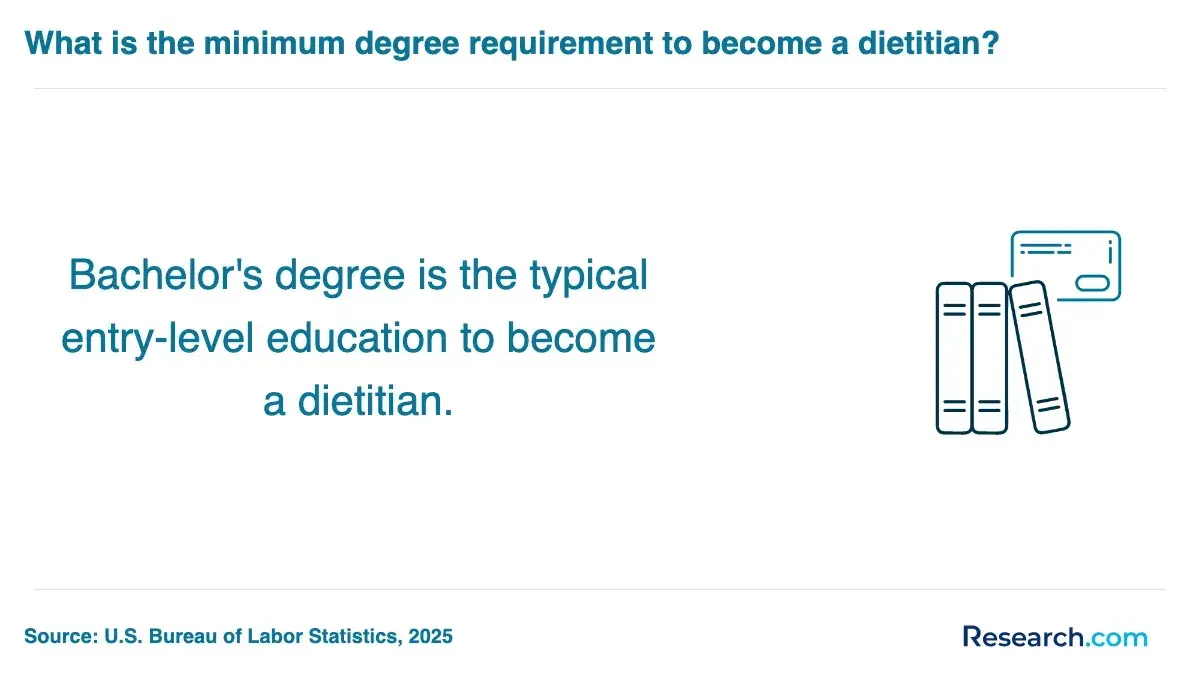
- What degree is required to become a registered dietitian in Tennessee?
- How many supervised practice hours are needed to become a registered dietitian in Tennessee?
- What are the eligibility requirements for the dietetic registration exam in Tennessee?
- How can you get a license after passing the dietetic registration exam in Tennessee?
- What types of dietitian specializations can you pursue in Tennessee?
- What is the average salary of a registered dietitian in Tennessee?
- What do you need to keep your dietitian registration active in Tennessee?
- How does ongoing professional development benefit registered dietitians in Tennessee?
- What distinguishes a registered dietitian from a medical assistant in Tennessee?
- How long does it take to become a registered dietitian in Tennessee?
- Can international students qualify to become registered dietitians in Tennessee?
What degree is required to become a registered dietitian in Tennessee?
Exploring the pathways to becoming a registered dietitian in Tennessee reveals several key degree options that align with the dietitian education requirements Tennessee demands. Each offers a unique route to gaining the necessary expertise and credentials.
- ACEND Accredited Nutrition Degree: This degree is essential and must be accredited by ACEND, ensuring the program meets national standards for dietitian education requirements in Tennessee.
- Bachelor’s Degree: Serving as the foundation, a bachelor’s degree in nutrition or a related field is typically required before pursuing advanced dietitian qualifications.
- Graduate Degree in Nutrition or Dietetics: Many aspiring dietitians in Tennessee pursue a master’s degree in nutrition, which deepens knowledge and prepares candidates for clinical practice and leadership roles.
- Supervised Practice Experience: Beyond academic degrees, completion of an accredited supervised practice program is critical to meet state certification standards.
For those curious about the educational journey, discovering what are the best careers to pursue with a nutrition masters degree can provide valuable insights into how nutrition degrees translate into fulfilling professional paths.
How many supervised practice hours are needed to become a registered dietitian in Tennessee?
To become a registered dietitian in Tennessee, candidates must complete a specific number of supervised practice hours under the guidance of a registered dietitian. Tennessee law sets a baseline, but most accredited programs exceed this minimum to meet national standards. The following points highlight the key requirements and standards related to supervised practice hours in Tennessee.
- Minimum State Requirement: Tennessee law mandates a minimum supervised practice duration in a planned, continuous preprofessional setting under registered dietitian supervision, ensuring legal licensure eligibility.
- Program Accreditation: ACEND-accredited programs in Tennessee offer a higher baseline of supervised practice hours aligned with national accreditation standards, typically required for exam eligibility.
- Supervised Practice Hours: Programs such as the University of Memphis include supervised practice hours delivered through rotations in clinical, community, and foodservice areas, providing diverse practical experience.
- Requirement Verification: Completion and verification of supervised practice hours by the program director are essential to receive the verification statement needed for the national credentialing exam.
Recent trends show Tennessee dietetics graduates commonly complete the higher standard of supervised practice hours, reflecting broader national expectations.
What are the eligibility requirements for the dietetic registration exam in Tennessee?
Exploring the path to becoming a registered dietitian in Tennessee reveals a carefully structured process centered around meeting precise academic and procedural benchmarks. Aspiring dietitians must navigate both national standards and state-specific requirements to qualify for the dietetic registration exam. This journey is defined by evolving educational prerequisites and formal verification steps that ensure readiness for professional practice.
- Minimum Educational Qualification: Since January 1, 2024, candidates must hold at least a graduate degree (master’s or higher) from a U.S. Department of Education-accredited institution or its foreign equivalent, replacing the previous bachelor’s degree requirement for eligibility.
- Required Nutrition Coursework: Completion of coursework in human nutrition, food and nutrition, dietetics, or food systems management from a regionally accredited institution is essential, with curricula approved by CDR-accredited Didactic Programs in Dietetics to meet Tennessee dietitian registration exam prerequisites.
- Verification Statement Submission: After finishing coursework and supervised practice, program directors submit a Verification Statement to the Commission on Dietetic Registration (CDR), officially confirming the candidate’s eligibility to sit for the exam.
- Registration and Exam Completion: Candidates must register online for the national CDR exam, which costs $200, and can take it at Pearson VUE centers in Tennessee cities like Nashville and Knoxville.
- Tennessee-Specific Licensure Pathway: Passing the national exam leads to applying for state licensure with the Tennessee Board of Dietitian/Nutritionist Examiners, requiring notarized proof of CDR registration, official transcripts, and evidence of approved education and training.
For those interested in complementary health careers, resources on becoming a nutrition nurse provide an insightful perspective alongside dietitian pathways.
How can you get a license after passing the dietetic registration exam in Tennessee?
Ready to navigate the path to your Tennessee dietitian license? Here’s a clear roadmap to transform your exam success into professional practice:
- Create Your Online Account: Begin by registering on the Tennessee Department of Health’s portal to unlock the application process.
- Submit Your Application: Complete the detailed online form with your personal and professional details to get officially in line.
- Pay the Fee: A $140 non-refundable fee secures your spot in the licensing queue.
- Upload a Photo: A recent passport-style photo personalizes your file and meets identification standards.
- Send Official Transcripts: Have your accredited school mail your transcripts directly to the Board to verify your academic credentials.
- Prove Supervised Practice: Submit documentation confirming your completed dietetic internship or equivalent experience.
- Provide Your CDR Card Copy: Include a notarized copy of your registration card to confirm exam passage.
- Secure a Recommendation Letter: At least one professional or academic endorsement strengthens your application.
- Complete a Background Check: Ensure your eligibility with a criminal background screening as mandated.
- Fill the Practitioner Profile: This form collects additional professional insights required by the Board.
- Submit Citizenship Declaration: Verify your legal status in the U.S. with this essential form.
- Mail Required Documents: Some items, like transcripts, must be physically sent to the Board’s Nashville address.
When I spoke with a registered dietitian from Tennessee who graduated locally, she recalled the thrill of completing these steps after passing her registration exam. “The process felt like a rite of passage,” she shared, explaining the mix of excitement and patience needed during the three-week wait for approval. She noted that reciprocity wasn’t an option for her, so going through the entire Tennessee process was essential—and ultimately rewarding, as it solidified her professional identity within the state.
“Having graduated here, the sense of community and knowing the local standards made the journey feel less daunting,” she reflected, emphasizing the value of understanding state-specific nuances firsthand. Her experience highlights how embracing each step with openness can turn licensing into a meaningful milestone rather than just a bureaucratic hurdle.
What types of dietitian specializations can you pursue in Tennessee?
The world of dietetics in Tennessee offers a vibrant array of pathways, each opening doors to unique professional experiences. Whether driven by a passion for healthcare, community wellness, or research, dietitians can explore specialized fields that match their interests and skills. Here are some prominent specializations available across the state:
- Clinical Nutrition: Focuses on providing medical nutrition therapy in hospitals and clinics, addressing chronic and acute health conditions through tailored dietary plans.
- Community Nutrition: Designs nutrition programs for schools and public agencies to improve health outcomes at the community level.
- Food Systems Management: Manages meal planning, budgeting, and quality control in large institutions like hospitals and schools to ensure food safety and compliance.
- Sports Nutrition: Supports athletes and active individuals by optimizing performance and recovery with evidence-based nutrition strategies.
- Research Dietetics: Conducts studies on nutrition interventions and public health, often linked to universities or healthcare organizations.
- Nutrition Therapy: Provides advanced medical nutrition treatment for complex conditions such as diabetes and eating disorders.
- Pediatric Nutrition: Specializes in nutrition for infants and children, focusing on growth and disease prevention in clinical or community settings.
- Geriatric Nutrition: Addresses the nutritional needs of elderly populations in long-term care and rehabilitation environments.
- Public Health Nutrition: Leads population-based initiatives and policy development to promote nutrition and health on a larger scale.
- Weight Management and Wellness: Guides clients through personalized weight loss and lifestyle programs in clinics and private practice.
To better understand how these specialties fit into the broader profession, the chart below shows the employment status of registered dietitians.
What is the average salary of a registered dietitian in Tennessee?
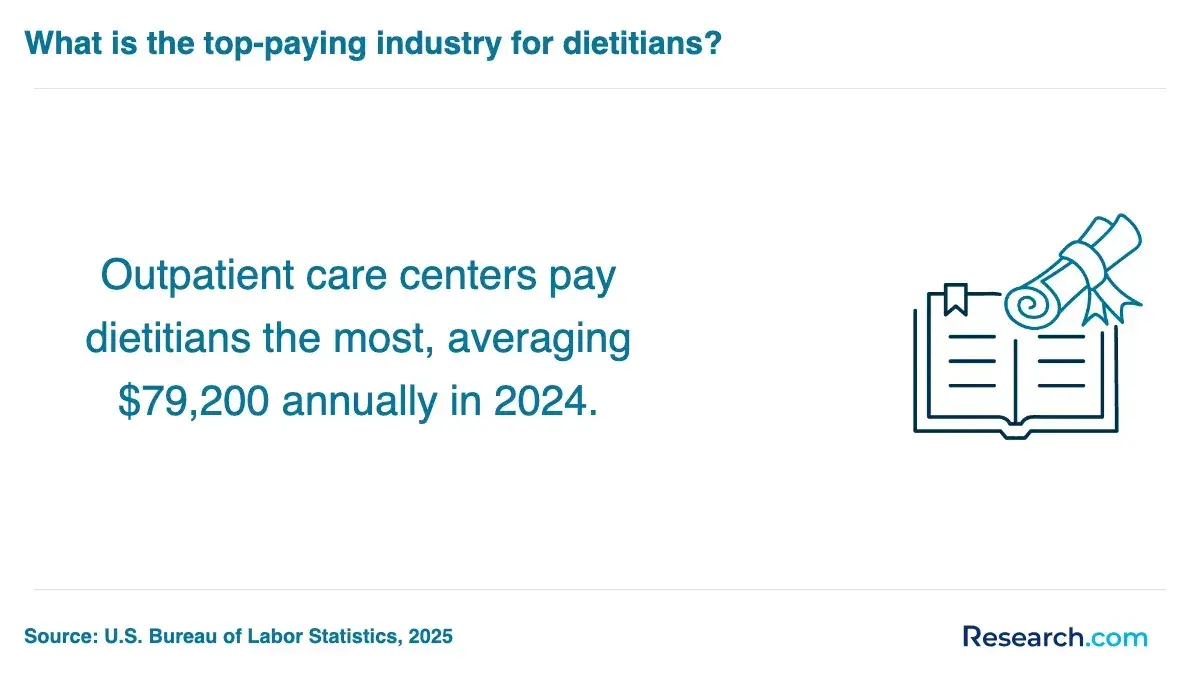
The average salary for a registered dietitian in Tennessee is approximately $63,030 per year, with an hourly wage of around $30.30, based on the most recent data from May 2024. This places Tennessee slightly below the national average for dietitians, ranking 50th among states. The median wage in Tennessee is about $58,550 annually, or $28.15 per hour, reflecting a diverse salary landscape across the state.
- Location: Urban centers like Knoxville and Bristol offer higher salaries around $64,390 and $65,240, while rural areas may pay less but sometimes add recruitment incentives.
- Experience: Early-career dietitians start near $52,060 annually, with seasoned professionals earning up to $82,220 and beyond.
- Work Setting: Higher salaries are typical in hospitals and specialized clinical roles, with major centers like the University of Tennessee Medical Center paying between $52,600 and $66,600.
- Demand: Although the job market is steady rather than booming, consistent demand in healthcare and wellness supports salary stability and growth opportunities.
Regional trends show the best pay in metro areas, and salary growth is projected to keep pace with national trends, especially for those with advanced credentials or specialized skills.
What do you need to keep your dietitian registration active in Tennessee?
Keeping your dietitian registration active in Tennessee is essential for practicing legally and staying connected to the evolving nutrition field. It ensures your skills remain relevant and your professional credibility intact while opening doors to new opportunities.
- Biennial License Renewal: Renew your license every two years on the last day of your birth month through the Tennessee Department of Health's online system.
- Renewal Fee: Pay a $90 fee at the time of renewal to maintain your state license.
- Continuing Education: No mandatory continuing education is required by the state, but ongoing professional development is encouraged.
- CDR Renewal: Complete 75 continuing professional education units every five years and pay a $70 renewal fee to maintain national RD registration.
- Good Standing: Avoid disciplinary actions and keep your contact information updated with the Board.
- Temporary Permits: Available for up to one year for applicants awaiting full licensure, with limited renewal options.
A registered dietitian from Tennessee, who graduated from a local university, shared how navigating license reciprocity was a defining moment in their career. "Moving here, I realized Tennessee doesn't offer automatic reciprocity, so I had to carefully manage the renewal timelines and fees for both state and national credentials," they recalled.
This process, while initially challenging, became an opportunity to deepen their understanding of professional standards. "It taught me the value of staying proactive and organized," they said, noting that this diligence ultimately strengthened their confidence and commitment to the profession within Tennessee’s supportive framework.
How does ongoing professional development benefit registered dietitians in Tennessee?
Registered dietitians in Tennessee are expected to engage in continuing education to maintain clinical competency and meet regulatory standards. Ongoing professional development helps professionals stay informed about evolving nutritional research, innovative clinical practices, and updated state and national requirements, ensuring they provide the highest level of care. Accredited courses, industry conferences, and specialized workshops not only reinforce core competencies but also foster leadership and innovation within the field. For further insights into expanding your career options, consider exploring how to become a nutritionist in Tennessee.
What distinguishes a registered dietitian from a medical assistant in Tennessee?
Registered dietitians and medical assistants hold distinct roles within Tennessee’s healthcare landscape. Registered dietitians focus on nutrition therapy, clinical counseling, and public health strategies, requiring accredited degrees, supervised practice hours, and comprehensive licensure. In contrast, medical assistants support clinical operations through administrative and basic clinical tasks, typically following a more streamlined training process. Understanding these differences is essential for individuals weighing various healthcare career options, including exploring how to become a medical assistant in Tennessee.
How long does it take to become a registered dietitian in Tennessee?
Setting out on the path to become a registered dietitian in Tennessee invites a blend of dedication and strategic planning. The journey typically spans five to seven years, weaving together college studies, supervised practice, and exam success into a cohesive timeline. For those wondering how long to become a registered dietitian in Tennessee, this period reflects the full arc from academic beginnings to professional credentialing.
Most aspiring dietitians first complete an ACEND-accredited bachelor’s or graduate degree, which can vary between four years for a bachelor’s and about two for a master’s. Some programs offer accelerated five-year combined degrees, offering a quicker route for motivated students. The registered dietitian education requirements Tennessee also include a supervised practice internship lasting several months, which is essential before sitting for the national exam.
Flexibility in pacing the process is common, as factors like part-time study or prerequisite courses may extend the timeline. Exploring options like the ranking of cheapest nutrition and dietetics online degree programs can help manage costs while pursuing this rewarding career. With persistence, the path to becoming a registered dietitian in Tennessee becomes a realistic and exciting adventure.
Can international students qualify to become registered dietitians in Tennessee?
International students eager to become registered dietitians in Tennessee can navigate a well-defined pathway that respects their unique educational backgrounds while aligning with U.S. standards. The process involves a series of key steps designed to ensure both academic equivalency and practical readiness.
- Degree Equivalency Evaluation: Foreign academic degrees must be assessed for equivalency to a U.S. regionally-accredited bachelor’s or master’s degree by recognized credential services before applying to dietetics programs.
- Completion of an ACEND-Accredited Program: After verification, students must finish coursework and supervised practice within an ACEND-accredited program such as a Didactic Program in Dietetics or a Coordinated Program offered in Tennessee.
- Minimum Education Requirement: Candidates must hold at least a master’s degree as of January 1, 2024, regardless of the field, provided all dietetics coursework and supervised practice are completed.
- Supervised Practice Completion: Practical experience is mandatory through dietetic internships or coordinated supervised practice included in the ACEND-accredited curriculum.
- Passing the Credentialing Exam: Success on the CDR exam is required to earn the Registered Dietitian Nutritionist credential.
- State Licensure Application: Holding the RDN credential allows graduates to apply for licensure with the Tennessee Board of Dietitian/Nutritionist Examiners, enabling professional practice.
For international students contemplating this exciting journey, understanding these requirements is crucial. Exploring options such as the best online masters in dietetics degree programs can provide additional insight into advanced educational pathways that complement dietetics credentials.
What career paths can registered dietitians pursue in Tennessee?
Exploring the diverse career opportunities for registered dietitians in Tennessee reveals a vibrant landscape filled with roles across multiple sectors. Whether you thrive in clinical settings or prefer community engagement, the state offers pathways that combine passion with competitive salaries.
- Clinical Dietitian: Working mainly in hospitals and clinics, these dietitians manage patient nutrition plans with salaries around $63,030, especially lucrative in metro areas like Knoxville and Bristol.
- Community Nutritionist: Employed by public health departments and nonprofits, they deliver education and interventions, enjoying steady job growth with pay near the state average.
- Food Service Management Dietitian: Overseeing meal planning and food safety in schools and healthcare, they earn between $52,000 and $70,000, reflecting experience and location.
- Private Practice/Consulting Dietitian: Independent consultants cater to specialized clients, often surpassing average state salaries through tailored nutrition counseling.
- Sports Nutritionist: Supporting athletes in schools and professional teams, this growing field offers salaries aligned with or above the median in larger cities.
- Corporate Wellness Dietitian: Designing employee health programs, these dietitians start near the state average salary with rising pay as experience grows.
- Research Dietitian: In academic or government settings, these specialists earn competitive compensation linked to expertise and grant funding.
- Educator/Faculty Member: Teaching future nutritionists in universities, they receive stable salaries from $55,000 to $75,000 depending on rank.
- Public Health Dietitian: Implementing nutrition policies at the population level, these roles offer positive job outlooks and pay mirroring statewide averages.
For those curious about advancing their career or education, exploring a list of most affordable online masters degrees in nutrition can be a strategic next step in expanding your registered dietitian jobs in Tennessee.
What do registered dietitians in Tennessee say about their career?
- Completing my dietetic program at Middle Tennessee State University was a transformative experience that truly prepared me for the diverse needs of Tennessee’s communities. Starting my career as a registered dietitian in a local school allowed me to combine my passion for nutrition with my love for education. I find it incredibly rewarding to influence young people’s health habits early on, especially in a state where food traditions are so strong. The support for professional growth here has also been remarkable, enabling me to stay updated with the latest nutrition research and apply it directly in my work. Tennessee offers a unique blend of cultural richness and career stability that makes this journey both fulfilling and exciting. - Demarco
- Graduating from the University of Tennessee’s dietetics program gave me a solid foundation to launch my career in an academic environment. Working in a local school setting has been a wonderful opportunity to engage with the community and address childhood nutrition challenges specific to Tennessee’s rural and urban areas. The professional development opportunities have allowed me to evolve continuously, deepening my expertise while positively impacting students’ well-being. Reflecting on my journey, I’m proud to contribute to a healthier future for Tennessee’s youth through education and hands-on support. - Janelle
- Finishing my studies at East Tennessee State University opened doors to a career path rich with unique opportunities and challenges shaped by Tennessee’s diverse landscape. Being a registered dietitian here means adapting nutrition strategies to fit both Appalachian and metropolitan lifestyles, which has enhanced my problem-solving skills and cultural awareness. I’ve seen tremendous personal growth by helping families navigate nutrition amidst local food traditions and economic factors. This role is more than a job; it’s a chance to make a real difference in the health of my community while advancing professionally within a supportive network. - Ravi
Related Articles for Nearby States
- 2027 Steps to Become a Registered Dietitian in Kentucky
- 2027 Steps to Become a Registered Dietitian in Mississippi
- 2027 Steps to Become a Registered Dietitian in Alabama
- 2027 Steps to Become a Registered Dietitian in Georgia
- 2027 Steps to Become a Registered Dietitian in North Carolina
- 2027 Steps to Become a Registered Dietitian in Missouri
- 2027 Steps to Become a Registered Dietitian in Arkansas
- 2027 Steps to Become a Registered Dietitian in Virginia
- 2027 Steps to Become a Registered Dietitian in Indiana
- 2027 Steps to Become a Registered Dietitian in South Carolina
References:
- BecomeANutritionist.org. (n.d.). Becoming a Registered Dietitian in Tennessee. BecomeANutritionist.org
- CareerExplorer by Sokanu. (2025). Registered dietitian salary in Tennessee. CareerExplorer
- Dosedel, E. (2025). 2023 Needs Satisfaction Survey of the Academy of Nutrition and Dietetics and the Commission on Dietetic Registration: Executive Summary," Journal of the Academy of Nutrition and Dietetics
- HealthCarePathway.com. (n.d.). Dietitian and Nutritionist License Requirements in Tennessee. HealthCarePathway.com
- NutritionED.org. (n.d.). Steps to Become a Registered Dietitian in Tennessee. NutritionED.org
- Payscale. (2025). Average Registered Dietitian Salary in Nashville, Tennessee. Payscale
- Tennessee State University. (n.d.). Food and Nutritional Sciences (Dietetics). TSU
- Tennessee Tech. (2025). School of Human Ecology: Nutrition and Dietetics. TN Tech
- Salary.com. (2025). Dietitian Salary in Tennessee. Salary.com
- University of Tennessee at Martin. (2025). Licensure in Dietetics. UT Martin
- Zippia. (n.d.). Registered dietitian demographics and statistics in the US. Zippia
Other Things You Should Know About Becoming a Registered Dietitian in Tennessee
To become a registered dietitian in Tennessee in 2027, you need a bachelor’s degree in dietetics or a related field, complete an ACEND-accredited dietetic internship, and pass the national RD exam. Meeting continuing education requirements is necessary for maintaining licensure.
To become a registered dietitian in Tennessee in 2027, candidates must pass the Commission on Dietetic Registration's (CDR) Registered Dietitian Nutritionist (RDN) exam. This exam assesses a candidate's ability and knowledge in dietetics to ensure they meet national competency standards.
Dietetics students in Tennessee have access to several scholarships and financial aid opportunities to support their education. The Tennessee Academy of Nutrition and Dietetics offers scholarships specifically for dietetics students demonstrating academic excellence and community involvement.
Additionally, students enrolled in accredited programs may qualify for federal financial aid, including grants and loans through the FAFSA process. Many Tennessee universities with dietetics programs also provide institutional scholarships or work-study options to help reduce the financial burden for aspiring registered dietitians.


