
2027 Steps to Become a Registered Dietitian in Wisconsin

Co-Founder and Chief Data Scientist
With over 1,200 dietitians currently practicing statewide, demand for qualified experts in Wisconsin continues to grow due to rising health awareness and chronic disease management needs. The state’s median salary for registered dietitians surpasses the national average, making this a financially rewarding career choice.
This article outlines the essential steps to achieve registration in Wisconsin, helping readers overcome barriers and advance confidently toward their professional goals.
Key Things to Know About Becoming a Registered Dietitian in Wisconsin
- Complete a bachelor’s degree in dietetics or a related field accredited by the Accreditation Council for Education in Nutrition and Dietetics (ACEND).
- Finish a supervised dietetic internship of at least 1,200 hours, which is mandatory before sitting for the national registration exam.
- Pass the Commission on Dietetic Registration (CDR) exam to become a Registered Dietitian Nutritionist (RDN) and apply for Wisconsin state licensure to practice legally.
- What degree is required to become a registered dietitian in Wisconsin?
- How many supervised practice hours are needed to become a registered dietitian in Wisconsin?
- What are the eligibility requirements for the dietetic registration exam in Wisconsin?
- How can you get a license after passing the dietetic registration exam in Wisconsin?
- What types of dietitian specializations can you pursue in Wisconsin?
- What is the average salary of a registered dietitian in Wisconsin?
- How do registered dietitians in Wisconsin stay updated with industry changes?
- How can interdisciplinary collaboration enhance my practice as a registered dietitian in Wisconsin?
- What do you need to keep your dietitian registration active in Wisconsin?
- How long does it take to become a registered dietitian in Wisconsin?
- Can international students qualify to become registered dietitians in Wisconsin?
- What career paths can registered dietitians pursue in Wisconsin?
What degree is required to become a registered dietitian in Wisconsin?
Meeting the degree requirements for registered dietitian in Wisconsin involves completing an accredited academic program designed to provide foundational knowledge and practical skills. Below are the key degrees that fulfill the educational prerequisites.
- Bachelor’s Degree in Nutrition or Dietetics: A minimum of a bachelor’s degree from an accredited nutrition programs in Wisconsin or elsewhere is essential, covering core subjects such as human nutrition, biochemistry, and food science.
- Didactic Program in Dietetics (DPD): Completion of a DPD is required to ensure the coursework aligns with the standards set by the Academy of Nutrition and Dietetics, preparing students for supervised practice programs.
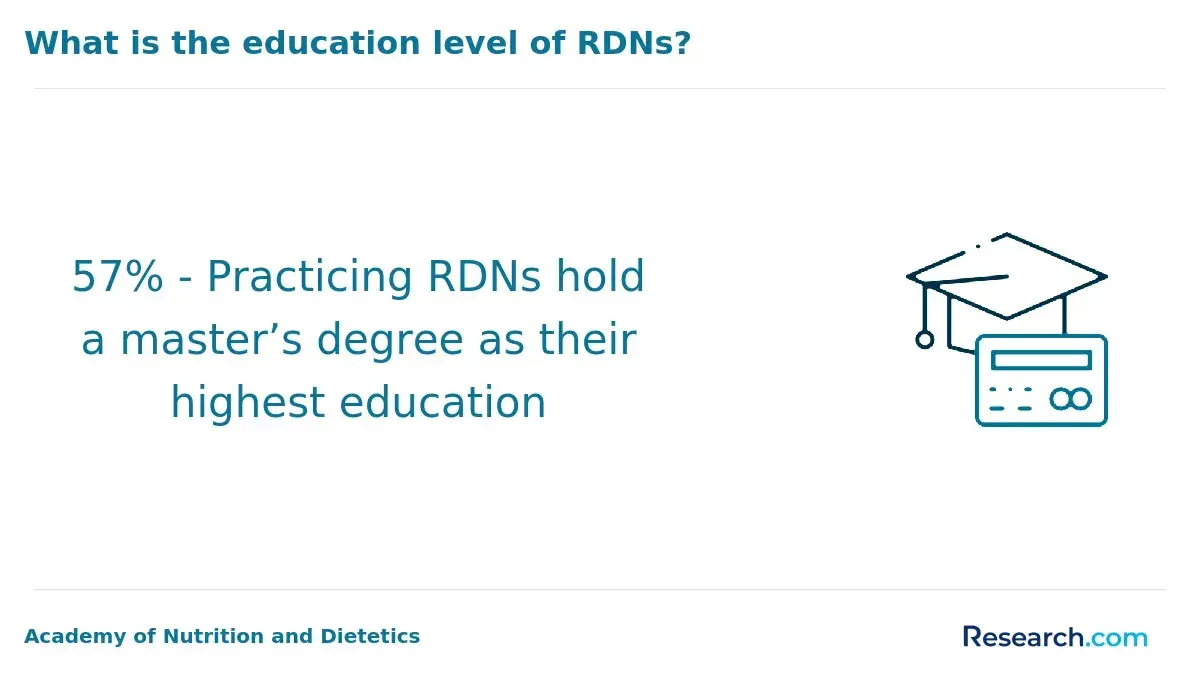
- Master’s Degree (Optional but Increasingly Required): Many candidates pursue a master’s degree in nutrition or dietetics to meet evolving credentialing standards and improve job prospects.
For those planning their education path, exploring the best online nutrition certifications can complement formal degrees and enhance professional readiness in the field.
How many supervised practice hours are needed to become a registered dietitian in Wisconsin?
To become a registered dietitian in Wisconsin, you must complete a minimum of 900 supervised practice hours under approved supervision. This requirement is slightly lower than the 1,000 to 1,200 hours typically mandated by national ACEND-accredited programs. The following points clarify Wisconsin’s specific standards alongside national program expectations.
- Wisconsin Licensure Requirement: The state mandates at least 900 supervised practice hours, with minimum hours allocated to clinical dietetics, food service administration, and community nutrition, all under approved supervision and documented for licensure.
- ACEND-Accredited Program Standards: Most programs in Wisconsin and nationwide require between 1,000 and 1,200 hours to meet national registration eligibility, reflecting a higher standard than state law.
- Master’s Degree Requirement: Starting in 2024, candidates must hold a master’s degree from an ACEND-accredited program to sit for the national registration exam, though supervised practice hour totals depend on program accreditation rather than state law.
- Types of Supervised Practice Programs: Wisconsin offers coordinated programs combining degree and practice hours, as well as post-bachelor’s internships, all needing ACEND accreditation for national exam eligibility.
- No Additional State-Specific Hour Requirements: Beyond the 900 hours and specified content areas, Wisconsin does not impose extra supervised practice hour demands, but applicants must fulfill all ACEND and national registration requirements.
What are the eligibility requirements for the dietetic registration exam in Wisconsin?
To sit for the dietetic registration exam in Wisconsin, candidates must meet specific eligibility requirements that align with national standards while addressing state-specific criteria. These requirements ensure you have the proper education and credentials to become a Registered Dietitian. Below are the key eligibility requirements for the dietitian exam in Wisconsin.
- Minimum Educational Qualifications: Candidates must hold at least a graduate degree (master’s or higher) from a U.S. Department of Education-recognized accredited institution, effective as of 2024.
- Required Nutrition Coursework: Completion of an ACEND accredited dietetics programs Wisconsin is mandatory, including Didactic Program in Dietetics (DPD), Coordinated Program in Dietetics (CP), or Graduate Program (GP) that provide essential nutrition science and dietetics education.
- Submission of Eligibility by Program Directors: After finishing the required coursework, your program director must submit your eligibility verification to the Commission on Dietetic Registration (CDR) before you can register for the exam.
- Registration and Passing the National Exam: Once your eligibility is confirmed by the CDR, you must register for and pass the national Registration Examination for Dietitians to obtain the RD credential necessary for licensure.
- State-Specific Licensure Requirements: Wisconsin requires passing the national exam and holding the RD credential for state licensure, with no alternative pathways available to practice as a licensed dietitian in the state.
While supervised practice hours are a prerequisite integrated into most programs, understanding how to qualify academically through ACEND-accredited dietetics programs in Wisconsin is foundational. For those exploring career options related to nutrition, you might find helpful guidance on how can I start as a nutrition nurse, complementing your dietetics expertise and skills highlighted below.
How can you get a license after passing the dietetic registration exam in Wisconsin?
After passing the dietetic registration exam in Wisconsin, follow these clear steps to secure your state license efficiently:
- Submit Application: Complete the online application via the Wisconsin LicensE portal and pay the $60 credential fee.
- Provide Education Proof: Send the Certificate of Professional Education (Form 2111) showing your accredited degree in dietetics or a related field.
- Document Practicum Hours: Submit Dietetics Practicum Experience (Form 2128) verifying at least 900 supervised hours, including clinical, food service, and community nutrition.
- Verify Exam Passage: Provide official proof of passing the Commission on Dietetic Registration (CDR) exam.
- Disclose Other Credentials: If licensed elsewhere, submit letters from all relevant states to confirm your status.
- Report Legal History: Use Form 2252 and Form 2829 to disclose any criminal or malpractice history with supporting documents.
- Submit Name Change Documents: Include legal proof if your name has changed since your education or certification.
- Pay Application Fee: Confirm payment of the $60 fee or apply for a reduced fee if eligible.
- Request Temporary Certificate: Apply for a temporary license (Form 2112) to practice while your full application is processed, if needed.
A registered dietitian from Wisconsin, who graduated from a local university, shared her experience navigating this process. She noted that while her education aligned well with state requirements, the reciprocity aspect posed challenges since her initial certification was from another state. “Having to gather letters from all previous states was time-consuming but ultimately ensured a smooth transition,” she explained.
She appreciated the option to request a temporary certificate, which allowed her to begin practicing without delay. Reflecting on the process, she highlighted that understanding each step upfront helped reduce stress and emphasized the value of thorough documentation. “It’s not just about passing the exam; it’s about proving you meet Wisconsin’s standards in every detail,” she said, underscoring how preparation and patience pay off in securing licensure.
What types of dietitian specializations can you pursue in Wisconsin?
Dietitians in Wisconsin can focus their careers by specializing in different areas that match their interests and the needs of the community. Choosing a specialization helps refine skills and opens doors to specific job roles across healthcare, education, and public health sectors. Below is a practical overview of common dietitian specializations available in Wisconsin.
- Clinical Dietitian: Provide medical nutrition therapy in hospitals or clinics, working with healthcare teams to develop patient-specific nutrition plans for chronic conditions.
- Community Dietitian: Lead public health initiatives and nutrition education programs within government agencies or non-profits to improve group health outcomes.
- Foodservice Management Dietitian: Manage meal planning, food safety, budgeting, and staff in institutional settings like schools and hospitals.
- Sports Dietitian: Support athletes with nutrition counseling and strategies aimed at enhancing performance and recovery.
- Pediatric Dietitian: Address the nutritional needs of infants, children, and teens, often working in pediatric clinics or schools.
- Geriatric Dietitian: Focus on older adults’ nutrition, handling issues like malnutrition and chronic illness in nursing homes or home care.
- Research Dietitian: Conduct studies on nutrition science and public health, contributing to evidence-based dietary practices.
- Nutrition Counseling and Education: Offer tailored or group counseling for weight management, disease prevention, and eating disorder recovery.
- Lifespan Nutrition Specialist: Provide nutritional guidance across all life stages, from prenatal care to senior wellness.
What is the average salary of a registered dietitian in Wisconsin?
The average salary for a registered dietitian in Wisconsin is approximately $60,400 per year, with an average hourly wage of about $36.25 as of mid-2025. These figures are roughly 4% below the national average, placing Wisconsin at the bottom of the salary rankings for dietitians nationwide.
Key factors influencing salary variations in Wisconsin include:
- Location within the State: Urban centers like Milwaukee tend to offer lower averages around $50,869, while rural areas may vary depending on demand.
- Experience Level: Entry-level dietitians earn near $46,090, while those with 5-9 years of experience can expect closer to $50,495, with advanced roles paying more.
- Work Setting: Hospital and long-term care dietitians generally earn higher wages than those in community health or outpatient settings.
- Specialization and Demand: Medical dietitians command higher salaries, averaging about $76,711 annually in specialized settings.
- Market Demand: A relatively inactive job market in Wisconsin may limit salary growth and increase competition for positions.
Regional trends show Milwaukee with below-average salaries due to market factors, while overall salary growth remains modest but offers potential through specialization and experience advancement.
How do registered dietitians in Wisconsin stay updated with industry changes?
Registered dietitians enhance their professional expertise by engaging in structured continuing education, industry conferences, and specialized workshops that offer insights into evolving nutritional research and regulatory updates. In addition to formal courses, many professionals actively participate in professional associations and subscribe to peer-reviewed journals, ensuring practice alignment with current science and policy shifts. Leveraging targeted online resources, such as how to become a nutritionist in Wisconsin, supports a diversified approach to skill enhancement and provides access to practical guidelines relevant to Wisconsin’s evolving practice environment.
How can interdisciplinary collaboration enhance my practice as a registered dietitian in Wisconsin?
Interdisciplinary collaboration is essential for integrated healthcare delivery. In Wisconsin, registered dietitians benefit from partnering with professionals across medical, nursing, and allied health fields to refine patient care strategies and broaden treatment perspectives. Engaging in interprofessional workshops and joint training sessions reinforces evidence-based practices and enables practitioners to exchange critical insights. Exploring complementary career pathways, such as how to become a medical assistant in Wisconsin, can also contribute to a deeper understanding of allied roles, ultimately enhancing collaborative healthcare outcomes.
What do you need to keep your dietitian registration active in Wisconsin?
Keeping your dietitian registration active in Wisconsin is essential to maintain your legal ability to practice and uphold professional credibility. Staying current with renewal deadlines, continuing education, and fees ensures you meet state and national standards without interruption.
- Biennial State License Renewal: Renew your license every two years by October 31 of even-numbered years; renewals are online with a $75 fee.
- Continuing Professional Education (CPE): Complete 75 hours of CDR-approved education every five years to maintain your credential.
- Annual CDR Registration Fee: Pay $80 yearly by August 31, increasing to $90 in 2027; late payments risk penalties or loss of status.
- Late Fees and Reinstatement: A $200 late fee applies per year if registration lapses, plus all unpaid fees and proof of completed education is required.
- Service Member Provisions: Military members and spouses may receive extensions or waivers if deployment affects renewal timing.
When I asked a registered dietitian from Wisconsin, who graduated locally, about what’s needed to keep registration active, he reflected on the challenges of managing deadlines while working full-time. “Navigating renewal dates and tracking continuing education felt overwhelming at first,” he said, “especially since Wisconsin doesn’t offer full license reciprocity, so staying proactive here is vital.”
He appreciated having clear reminders for renewals and emphasized that completing CPE early helped reduce stress. “It’s definitely a balancing act, but staying organized and understanding the process upfront made all the difference.” This perspective highlights the practical side of maintaining credentials within Wisconsin’s specific regulatory framework.
How long does it take to become a registered dietitian in Wisconsin?
Becoming a registered dietitian in Wisconsin typically takes around six years, starting from college enrollment to earning the dietetic registration credential. This timeline reflects the standard course of study combined with supervised practice and exam preparation. While various factors influence the duration, planning ahead helps manage expectations effectively.
The registered dietitian education requirements Wisconsin include earning a bachelor’s degree followed by a master’s, which is now mandatory for entry-level dietitians as of 2024. Most students spend about four years completing undergraduate coursework, then one to two additional years on a master’s program. Supervised practice hours, usually between 900 to 1,200, often take about a year and may be integrated within some graduate programs.
Accelerated or coordinated programs can shorten the timeline by allowing overlap between degrees and practice hours, potentially saving up to a year. For those seeking flexible options, considering an online dietetics degree might be a practical alternative. Ultimately, how long to become a registered dietitian in Wisconsin depends on your chosen path and pace, but a multi-year commitment is essential.
Can international students qualify to become registered dietitians in Wisconsin?
International students can become registered dietitians in Wisconsin by fulfilling additional steps that verify their foreign education and language skills. Meeting these requirements ensures smooth integration into accredited programs and eligibility for licensing.
- Credential Evaluation of Foreign Degrees: Academic transcripts must be evaluated by a recognized service, confirming equivalency to a U.S. bachelor’s or master’s degree in nutrition, dietetics, or a related field. This evaluation is typically course-by-course and should be done through a National Association of Credential Evaluation Services (NACES) approved provider.
- English Language Proficiency: Applicants whose first language is not English need to demonstrate proficiency via tests such as TOEFL, IELTS, or Duolingo English Test, meeting minimum score requirements set by the institution.
- Admission to an ACEND-Accredited Program: After credential evaluation, international students must be admitted to an ACEND-accredited bachelor’s or master’s program in the U.S. Since January 2024, a master’s degree is required to sit for the Commission on Dietetic Registration exam. Wisconsin offers such programs through institutions including the University of Wisconsin system and others.
- Supervised Practice Requirement: Completion of at least 1,200 hours of supervised practice is mandatory, providing practical U.S. experience essential for licensure and professional readiness.
- Visa and Work Authorization: Appropriate visa status must be secured to complete academic and supervised practice components, with some internships requiring additional work authorization.
For those considering advanced study options, exploring the best online masters in dietetics degree program can provide insights into balancing education with other commitments.
What career paths can registered dietitians pursue in Wisconsin?
Registered dietitians in Wisconsin have access to diverse career opportunities that span healthcare, community programs, and corporate wellness. Below are key roles, typical work settings, job outlooks, and salary ranges to help you plan your professional path effectively.
- Clinical Dietitian: Work in hospitals and clinics providing medical nutrition therapy, with strong job stability and salaries from $62,170 to $86,820, reflecting consistent demand in nutrition jobs in Wisconsin hospitals.
- Community Nutritionist: Employed by public health departments and nonprofits, focusing on education and program implementation, earning between $55,000 and $70,700 annually amid steady public health initiatives.
- Foodservice Manager: Manage operations in schools and healthcare facilities, ensuring nutritional standards are met, with pay from $60,000 to $75,000 and favorable employment prospects.
- Corporate Wellness Director: Lead employee wellness programs in businesses, a growing field with salaries between $65,000 and $80,000 as companies invest more in health promotion.
- Sports Dietitian: Advise athletes at universities and fitness centers, with expanding opportunities and salaries from $70,000 to $85,000.
- Nutrition Educator: Teach and develop nutrition courses in educational settings, earning $55,000 to $68,000, supporting widespread community nutrition education.
- Health Coach: Offer personalized nutrition coaching in private or corporate settings, a role in demand with compensation around $60,000 to $75,000.
- Food Safety Auditor/Food Scientist: Ensure food safety and innovation in the food industry, with salaries of $65,000 to $80,000 amid industry growth.
- Government and Regulatory Roles: Support state nutrition programs and compliance efforts, offering stable jobs with average salaries near $70,700.
- Private Practice Dietitian: Operate independent consulting businesses with flexible hours and earnings typically between $62,000 and $90,000.
For those seeking to advance their qualifications, exploring the best jobs with a online nutrition masters degree can broaden access to specialized roles within these career opportunities for registered dietitians in Wisconsin.
What do registered dietitians in Wisconsin say about their career?
- Completing my dietetic program at the University of Wisconsin-Madison truly set the foundation for my career. Starting as a registered dietitian in a local school allowed me to combine my passion for nutrition with my love for working with children. The stability of the job and the supportive community have made it rewarding to see the positive changes in students' health and eating habits over time. Wisconsin’s rich agricultural resources also offer unique opportunities to incorporate local foods into school meal programs, which has been a highlight of my work. I feel proud to contribute to shaping healthier generations in my home state. Javier
- Reflecting on my journey, graduating from Marquette University’s dietetic program was just the beginning of an ongoing adventure. Working as a registered dietitian in a local academic institution has challenged me to grow personally and professionally every day. The diverse student population here in Wisconsin has taught me the importance of cultural sensitivity and adaptability in nutrition education. Being part of a community that values wellness has deepened my commitment to making a meaningful impact. It’s fulfilling to see how my efforts help students develop lifelong healthy habits. Linda
- My experience as a registered dietitian who trained at Concordia University Wisconsin has been shaped by the unique challenges and opportunities of the region. The seasonal changes and emphasis on outdoor activities in Wisconsin have inspired me to create nutrition programs that align with local lifestyles. Professionally, the career advancement opportunities have been abundant, allowing me to lead initiatives that promote wellness beyond the classroom. The work is demanding but incredibly rewarding because I know I’m helping build a healthier future for our communities. It’s a privilege to be part of this profession in such a vibrant state. Khalil
Related Articles for Nearby States
- 2027 Steps to Become a Registered Dietitian in Minnesota
- 2027 Steps to Become a Registered Dietitian in Iowa
- 2027 Steps to Become a Registered Dietitian in Illinois
- 2027 Steps to Become a Registered Dietitian in Michigan
- 2027 Steps to Become a Registered Dietitian in Indiana
- 2027 Steps to Become a Registered Dietitian in Missouri
- 2027 Steps to Become a Registered Dietitian in Ohio
- 2027 Steps to Become a Registered Dietitian in South Dakota
- 2027 Steps to Become a Registered Dietitian in Nebraska
- 2027 Steps to Become a Registered Dietitian in Kentucky
References:
- Becomeanutritionist. (n.d.). How to become a registered dietitian in Wisconsin - WI. Become a Nutritionist. becomeanutritionist.org.
- BLS. (2025, August 28). Dietitians and nutritionists. bls.gov.
- DSPS Dietitian. (n.d.). Now Live: Easier Online License Applications and Renewals! dsps.wi.gov.
- Nutritional Sciences - College of Agricultural & Life Sciences. (n.d.). Application process and prerequisites | UW Madison. nutrisci.wisc.edu.
- NutritionED.org Contributor. (2025, July 1). How to Become a Registered Dietitian in Wisconsin - WI | Exam, License, and Education Requirements in. nutritioned.org.
- Universities of Wisconsin. (2025, March 6). Nutrition & Dietetics - Universities of Wisconsin Online. Universities of Wisconsin Online. online.wisconsin.edu.
- University of Wisconsin - Green Bay. (n.d.). Dietetics. catalog.uwgb.edu.
- University of Wisconsin - Green Bay. (n.d.). RD/RDN Requirements - Combined RD/RDN & MS. uwgb.edu.
- University of Wisconsin - Madison. (n.d.). Nutritional Sciences, BS Nutrition and Dietetics. guide.wisc.edu.
- University of Wisconsin - Milwaukee. (n.d.). Process to become a registered dietitian nutritionist (RDN) - Zilber College of Public Health. Zilber College of Public Health. uwm.edu.
- University of Wisconsin - Stout. (2025, July 29). B.S. Dietetics. uwstout.edu.
- Zippia. (2025, January 8). Registered Dietitian skills for your resume and career. zippia.com.
Other Things You Should Know About Becoming a Registered Dietitian in Wisconsin
To become a registered dietitian in Wisconsin in 2027, earn an ACEND-accredited bachelor’s degree, complete a dietetic internship, and pass the CDR exam. By 2024, a graduate degree will also be required. Pursue state licensure by submitting an application to the Wisconsin Department of Safety and Professional Services.
To become a Registered Dietitian in Wisconsin in 2027, complete a bachelor's degree in dietetics, an ACEND-accredited dietetic internship, and pass the CDR registration exam. Obtain state licensure through the Wisconsin Department of Safety and Professional Services, and pursue continuing education to maintain your credential.


