
2027 What Can You Do with an Online Sustainability Master’s Program?

Co-Founder and Chief Data Scientist
Choosing an online master’s degree in sustainability is usually a career decision, not just an academic one. You may already work in business, government, science, energy, planning, or nonprofit leadership and want to move into roles that address climate risk, resource use, ESG reporting, clean energy, or environmental policy. You may also be comparing whether a graduate degree is worth the time and cost when certificates, MBAs, and technical degrees can lead to related sustainability jobs.
The urgency behind this field is not abstract. Rising temperatures, flooding, wildfires, and melting ice sheets are shaping consumer choices, government policy, corporate risk management, and infrastructure planning. PwC's 2024 study reported that 85% of consumers say they personally experience the disruptive effects of climate change in daily life. As a result, employers increasingly need professionals who can turn sustainability goals into measurable operational, financial, and environmental outcomes.
This guide explains what an online sustainability master’s degree can do for your career, what jobs it may support, how it compares with an MBA in sustainability, which skills and certifications matter, and how to evaluate cost, accreditation, specialization options, and long-term return on investment.
Quick answer: Is an online sustainability master’s degree worth considering?
An online sustainability master’s degree can be a strong fit if you want to move into higher-level work in corporate sustainability, environmental consulting, renewable energy, sustainable supply chains, ESG reporting, environmental policy, or conservation. A bachelor’s degree may be enough for some entry-level roles, but a master’s program can help you build leadership, analysis, reporting, policy, and project-management skills that are harder to develop through short courses alone.
- Online study can work well for professionals who need to keep working while completing graduate coursework.
- Graduates may pursue roles in corporations, consulting firms, government agencies, nonprofits, energy companies, planning organizations, and sustainability-focused startups.
- Accreditation matters because it affects academic quality, employer recognition, transferability, financial aid eligibility, and, in some cases, preparation for professional credentials.
- The degree is most valuable when the curriculum matches your target path, such as ESG, renewable energy, conservation, environmental policy, or sustainable business strategy.
- Why pursue a career in sustainability for 2027?
- What is the job outlook for those with master's degrees in sustainability?
- What are the necessary skills for sustainability professionals?
- How do you start a career in sustainability?
- Do you need a specific undergraduate degree to apply for a sustainability master’s?
- Can you specialize in renewable energy, conservation, or corporate sustainability?
- How can you advance your career in sustainability?
- What are the main differences between an MBA in sustainability and a sustainability master’s?
- How can affordable online environmental science programs broaden your sustainability expertise?
- What sustainability certifications can boost your career prospects?
- How can interdisciplinary technical expertise enhance sustainability outcomes?
- What are the alternative career options for sustainability professionals?
- How can you finance an online sustainability master’s program?
- How can biotechnology open new career opportunities in sustainability?
Why pursue a career in sustainability for 2027?
A sustainability career is built around one central task: helping organizations reduce environmental harm while still operating effectively. That can mean lowering emissions, improving energy efficiency, managing water and waste, designing responsible supply chains, preparing ESG disclosures, advising on policy, or building programs that align environmental goals with business and community needs.
The field matters because sustainability is now tied to regulation, investor expectations, operating costs, brand reputation, and long-term risk. Companies are under pressure to measure and communicate their environmental and social performance through frameworks such as ESG (Environmental, Social, and Governance). Public agencies also need specialists who can evaluate environmental impact, protect natural resources, and plan infrastructure in ways that reduce damage to communities and ecosystems.
A master’s degree can be useful when you want to move beyond awareness and into decision-making. Graduate programs often focus on systems thinking, environmental data, policy, economics, project design, stakeholder engagement, and implementation. Those skills are important because sustainability work rarely sits in one department. Professionals often coordinate with finance, operations, legal, supply chain, engineering, communications, and executive leadership.
| Choose sustainability if you want to... | Be cautious if you... |
| Work on climate, energy, resource, policy, or social-impact problems in practical settings | Want a career with one fixed job title and a single standardized path |
| Connect science, business, policy, and community outcomes | Prefer work that does not require data, reporting, regulations, or cross-functional communication |
| Help organizations make measurable environmental improvements | Expect a degree alone to guarantee a specific salary or leadership role |
| Build a career that can move across industries | Have not yet identified whether you want a technical, policy, business, or conservation-focused role |
What is the job outlook for those with master's degrees in sustainability?
The U.S. Bureau of Labor Statistics projects employment for environmental scientists and specialists to grow 7% from 2023 to 2033. The BLS connects this demand to continued public concern about environmental hazards and the need for professionals who can study environmental conditions, solve problems, and support healthier communities.
Employers also need environmental and sustainability specialists to evaluate the consequences of business operations, construction, transportation systems, utilities, and land-use decisions. In practice, this can involve environmental assessment, compliance work, sustainability planning, resource protection, waste reduction, and risk management.
Graduate training may be especially useful for roles that require strategy, reporting, policy interpretation, project leadership, or cross-functional management. Sustainability is no longer limited to environmental departments. It now appears in supply chain decisions, investor reporting, facilities management, product development, public planning, and corporate risk conversations.
Still, job outcomes vary. A master’s degree can strengthen your profile, but employers will also look for experience, industry knowledge, data skills, communication ability, and evidence that you can produce results. The strongest candidates often combine sustainability knowledge with a second area of expertise, such as finance, engineering, public policy, data analytics, supply chain management, energy, or communications.
Employee recruitment and retention and employee morale are among the positive benefits associated with an organization's sustainability efforts.
What are the necessary skills for sustainability professionals?
Sustainability jobs require more than concern for the environment. Professionals must analyze evidence, interpret regulations, communicate trade-offs, manage projects, and persuade people with different priorities to act. The most competitive candidates usually combine technical knowledge with business judgment and strong communication.
Core sustainability skills employers value
| Skill area | Why it matters | Where it is used |
| Environmental and sustainability knowledge | Professionals need to understand climate issues, resource management, renewable energy, circular economy concepts, carbon reduction, and sustainability frameworks. | Environmental consulting, corporate sustainability, conservation, policy, operations |
| Data analysis and reporting | Sustainability work often depends on tracking energy use, emissions, waste, water, supplier practices, and social-impact indicators. | ESG reporting, carbon accounting, compliance, performance dashboards |
| Project management | Ideas must become programs with budgets, timelines, owners, milestones, and measurable results. | Energy projects, waste reduction, supplier programs, facilities improvements |
| Communication and stakeholder engagement | Professionals must explain complex environmental issues to executives, employees, regulators, communities, investors, and the public. | Presentations, sustainability reports, policy advocacy, change management |
| Problem-solving and critical thinking | Sustainability decisions often involve trade-offs among cost, feasibility, environmental impact, equity, and risk. | Strategy, consulting, operations, public planning |
| Regulatory and compliance awareness | Organizations must understand laws, standards, disclosure requirements, sourcing rules, and industry expectations. | Environmental compliance, ESG, procurement, risk management |
Green skills and professional credibility
The United Nations Industrial Development Organization describes green skills as the knowledge, abilities, values, and attitudes needed to support sustainable and resource-efficient societies. For sustainability professionals, these skills are not limited to technical work. They include the ability to help organizations change behavior, redesign systems, evaluate impact, and make better decisions under environmental constraints.
Transportation is the biggest energy-related CO2 emitter, as shown in the figures below.
How do you start a career in sustainability?
You can enter sustainability from several academic starting points. Some people begin with an associate degree in environmental science, sustainability, or a related field, including an accelerated associate's degree online. Others begin with a bachelor’s degree in environmental science, business, engineering, public policy, biology, chemistry, planning, economics, or social science.
The right path depends on the job you want. Hands-on field or technician roles may be accessible earlier. Corporate strategy, consulting, policy analysis, ESG reporting, and leadership roles often require stronger analytical, writing, project-management, and industry-specific skills. A master’s degree can help professionals reposition themselves for those higher-responsibility roles, especially when paired with experience.
Common sustainability career paths by education level
| Education level | Possible roles | Typical focus | Median salary stated |
| Associate degree | Environmental Technician | Collecting environmental samples, supporting testing, monitoring pollution, and helping with compliance activities | $45,000 |
| Associate degree | Sustainability Coordinator | Tracking energy use, supporting waste-reduction programs, coordinating sustainability initiatives, and helping organizations meet internal goals | $50,000 |
| Associate degree | Renewable Energy Technician | Installing, maintaining, or repairing solar panels, wind turbines, and other clean energy systems | $55,000 |
| Bachelor’s degree | Environmental Consultant | Advising organizations on environmental risk, audits, impact reduction, and compliance | $68,000 |
| Bachelor’s degree | Corporate Sustainability Manager | Managing sustainability goals, reports, operational improvements, and carbon-reduction efforts | $80,000 |
| Bachelor’s degree | Sustainable Urban Planner | Designing and evaluating greener communities, transportation systems, land-use plans, and public spaces | $75,000 |
| Bachelor’s degree | ESG Analyst | Reviewing corporate sustainability performance, ESG disclosures, and ethical business practices for investors and stakeholders | $85,000 |
Can you get a sustainability job with only a certificate?
A certificate may help you qualify for some entry-level or specialized tasks, particularly in green building, environmental compliance, energy efficiency, or sustainability reporting support. However, certificates usually work best as add-ons rather than replacements for a degree when the role requires advanced analysis, policy interpretation, leadership, or strategy.
Credentials such as LEED, Certified Sustainability Professional, or energy-management certifications can strengthen your profile, but employers often still evaluate your degree, work samples, project experience, industry knowledge, and ability to communicate results.
A practical starting plan
- Choose a target lane: corporate sustainability, ESG, renewable energy, conservation, environmental policy, consulting, supply chain, or community planning.
- Review job descriptions in that lane and note recurring requirements, such as data analysis, reporting frameworks, GIS, carbon accounting, policy writing, or project management.
- Match your education to the gap. If you lack foundational science, consider environmental science coursework. If you lack business skills, compare MBA and sustainability master’s options.
- Build proof through internships, volunteer projects, portfolio reports, campus sustainability work, employer initiatives, or applied capstone projects.
- Add a certification only when it clearly supports your target role.
The table below shows that industry leaders believe that sustainability is key to business growth and success.
Do you need a specific undergraduate degree to apply for a sustainability master’s?
No. Many online sustainability master’s programs consider applicants from different academic backgrounds. However, admissions committees may look more favorably on applicants whose undergraduate study or work experience shows readiness for environmental, analytical, policy, business, or technical coursework.
| Applicant background | How it can fit sustainability graduate study | Possible gap to address |
| Environmental science, biology, chemistry, or related STEM fields | Provides a strong base for environmental systems, climate science, resource management, and technical analysis | Business strategy, finance, leadership, or policy communication |
| Engineering or energy-related fields | Useful for renewable energy, infrastructure, energy efficiency, and technical sustainability work | ESG reporting, policy, stakeholder engagement, or social impact |
| Business, economics, finance, or management | Relevant for corporate sustainability, ESG, sustainable supply chains, and organizational strategy | Environmental science fundamentals, climate systems, or resource management |
| Public policy, political science, or social science | Supports work in regulation, environmental justice, community planning, and governance | Quantitative methods, technical science, or operational sustainability |
| Unrelated undergraduate major with relevant experience | May still be competitive if you can show strong motivation, transferable skills, and professional exposure | Prerequisites in environmental science, economics, statistics, or research methods |
Before applying, check whether the program requires prerequisite coursework, professional experience, a statement of purpose, recommendations, or quantitative preparation. If your background is not directly related, use your application to explain how your prior experience connects to your sustainability goals.
Can you specialize in renewable energy, conservation, or corporate sustainability?
Yes. Many online sustainability master’s programs allow students to focus their electives, capstone projects, or concentrations in areas such as renewable energy, conservation and natural resource management, corporate sustainability, ESG, policy, or sustainable development. The specialization you choose should match the job market you want to enter.
| Specialization | What you typically study | Best fit for students who want to... | Possible roles |
| Renewable Energy | Clean energy systems, energy policy, grid modernization, energy efficiency, solar and wind technologies, and low-carbon infrastructure | Work at the intersection of energy, climate, policy, and implementation | Renewable energy consultant, energy policy advisor, sustainability analyst |
| Conservation and Natural Resource Management | Biodiversity, ecosystem restoration, wildlife conservation, water resources, land-use planning, and environmental policy | Focus on ecosystems, public lands, water, wildlife, and resource protection | Conservation scientist, environmental consultant, policy analyst |
| Corporate Sustainability and ESG | Sustainable business strategy, ESG reporting, carbon accounting, supply chains, green finance, and corporate responsibility | Help organizations measure, report, and improve environmental and social performance | Sustainability manager, ESG analyst, corporate social responsibility director |
How to choose the right specialization
- Pick renewable energy if you are interested in power systems, energy policy, infrastructure, clean technology, and decarbonization projects.
- Pick conservation if you want work connected to ecosystems, natural resources, wildlife, land use, or environmental protection.
- Pick corporate sustainability or ESG if you want to work inside companies, consulting firms, finance-related roles, supply chains, or reporting functions.
- Review capstone options carefully. A strong applied project can become a portfolio sample for employers.
How can you advance your career in sustainability?
Advancement in sustainability usually comes from combining education, field experience, measurable project outcomes, and specialized credentials. A graduate degree can help you move into roles that involve strategy, leadership, policy development, ESG reporting, or complex project management. Shorter online graduate certificate programs may also help professionals add targeted expertise without completing another full degree.
Master’s-level sustainability roles
| Role | What the job involves | Median salary stated |
| Sustainability Director | Leads environmental and social responsibility strategy, oversees ESG reporting, coordinates sustainability goals, and manages compliance with relevant standards and regulations | $105,000 |
| Renewable Energy Project Manager | Directs solar, wind, or other clean-energy projects by coordinating technical teams, policy considerations, budgets, schedules, and implementation plans; this can align with a broader project management career path | $95,000 |
| Environmental Policy Analyst | Researches environmental issues, evaluates regulations, writes policy recommendations, and supports climate, pollution-control, and resource-management initiatives | $90,000 |
| Sustainable Supply Chain Manager | Works with suppliers, logistics teams, and internal departments to reduce waste, improve sourcing practices, and lower environmental impact; students interested in this route may also compare a supply chain management degree | $100,000 |
Doctorate-level sustainability roles
| Role | What the job involves | Median salary stated |
| Professor of Sustainability | Teaches sustainability, environmental science, sustainable development, and corporate responsibility; conducts research and mentors students at for-profit and non profit universities | $98,000 |
| Chief Sustainability Officer (CSO) | Sets executive-level sustainability strategy, improves ESG performance, manages long-term environmental goals, and aligns sustainability with business priorities | $160,000 |
| Climate Change Research Scientist | Studies climate patterns, evaluates environmental risks, and develops research-based approaches to climate mitigation and adaptation | $120,000 |
| Sustainable Development Consultant | Advises businesses, public agencies, and nonprofits on projects that support growth while reducing environmental harm | $110,000 |
Which certification is best for sustainability?
The best certification depends on your target role. A green-building professional may need LEED, while an ESG analyst may benefit more from reporting or accounting-focused credentials. Energy professionals may prioritize energy-management certification.
- LEED Accredited Professional (LEED AP) — Useful for green building, sustainable design, architecture, construction, and real estate-related roles.
- Certified Sustainability Professional (CSP) — Relevant for professionals focused on corporate sustainability, sustainability management, and environmental programs.
- Certified Energy Manager (CEM) — Strong fit for energy efficiency, facilities, renewable energy, and carbon-management work.
- Global Reporting Initiative (GRI) Certification — Valuable for professionals preparing sustainability reports and ESG disclosures.
- Circular Economy Specialist Certification — Helpful for work in waste reduction, resource efficiency, product redesign, and sustainable materials strategy.
This table shows where the majority of sustainability professionals work.
What are the main differences between an MBA in sustainability and a sustainability master’s?
An MBA in sustainability and a master’s in sustainability can both lead to sustainability-related careers, but they prepare students differently. The MBA is usually stronger for business leadership, finance, management, and strategy. A sustainability master’s is usually stronger for environmental systems, policy, technical analysis, climate issues, and resource management.
| Comparison point | MBA in Sustainability | Master’s in Sustainability |
| Main focus | Business strategy, leadership, management, finance, operations, and sustainable business practices | Environmental science, sustainability systems, policy, conservation, climate, energy, and technical or applied problem-solving |
| Typical coursework | Green finance, sustainable supply chains, ESG, corporate responsibility, organizational leadership, and strategy | Climate mitigation, renewable energy, environmental regulation, resource management, sustainability assessment, and policy analysis |
| Best for | Professionals who want management, consulting, executive, or corporate strategy roles | Students who want environmental, policy, conservation, renewable energy, research, or systems-oriented roles |
| Common job titles | Sustainability Manager, ESG Analyst, Chief Sustainability Officer | Environmental Scientist, Policy Analyst, Renewable Energy Consultant |
| Decision logic | Choose this if you want sustainability to sit inside business leadership and financial decision-making. | Choose this if you want deeper environmental, technical, scientific, or policy expertise. |
How can affordable online environmental science programs broaden your sustainability expertise?
If your background is in business, communications, policy, or another nontechnical field, environmental science coursework can strengthen your understanding of ecological systems, pollution, climate issues, and resource management. That foundation can make you more credible when working with scientists, regulators, engineers, or technical consultants.
Students comparing cost-conscious options may review the cheapest online environmental science degree programs to see how environmental science study could complement sustainability-focused graduate training. This can be especially useful for people targeting environmental consulting, conservation, public planning, or compliance work.
What sustainability certifications can boost your career prospects?
Certifications can help when they match the job you want and when employers in that niche recognize the credential. They are most effective when paired with a relevant degree, project experience, or a portfolio of measurable work.
| Certification | Best career use | Why it can help |
| LEED Accredited Professional (LEED AP) | Green building, real estate, architecture, construction, and facilities | Signals knowledge of sustainable design, construction, and building operations |
| Certified Energy Manager (CEM) | Energy efficiency, renewable energy, facilities management, and corporate sustainability | Supports roles focused on energy performance, conservation, and cost savings |
| Global Reporting Initiative (GRI) Certification | ESG reporting, sustainability disclosure, corporate sustainability, and consulting | Builds familiarity with sustainability reporting practices used by organizations |
| SASB Fundamentals of Sustainability Accounting (FSA) Credential | Finance, investment analysis, ESG accounting, and corporate reporting | Helps connect sustainability topics with financial decision-making |
| Certified Environmental Professional (CEP) | Environmental consulting, policy, compliance, and pollution control | Supports credibility in environmental regulation and management work |
How to avoid wasting money on certifications
- Search job postings first and note which certifications employers actually request.
- Do not collect credentials randomly. Choose one that supports a specific role.
- Check eligibility rules, renewal requirements, exam costs, and continuing education requirements before enrolling.
- Ask whether the certification helps you produce a work sample, such as an energy audit, ESG report, or green-building documentation.
How can interdisciplinary technical expertise enhance sustainability outcomes?
Sustainability projects often depend on technical systems. Energy efficiency, smart grids, building performance, electrification, water systems, manufacturing processes, and digital resource management all require collaboration between sustainability professionals and technical experts.
For that reason, some professionals benefit from adding engineering or technology knowledge to their sustainability training. For example, an affordable electrical engineering degree online may be relevant for people who want deeper knowledge of energy systems, power infrastructure, and efficiency improvements. Interdisciplinary training can help bridge the gap between environmental goals and practical implementation.
What are the alternative career options for sustainability professionals?
Sustainability skills can transfer into many fields because most industries face pressure to reduce waste, improve efficiency, manage environmental risk, and communicate social responsibility. If you do not want a conventional title such as sustainability manager or environmental consultant, you can still use the degree in roles connected to travel, media, product development, entrepreneurship, technology, or education.
| Alternative path | How sustainability expertise applies | Who it may suit |
| Sustainable tourism consultant | Advises hotels, tourism boards, and travel companies on reducing environmental impact, supporting responsible tourism, and promoting conservation-minded experiences | Professionals with a tourism degree or experience in hospitality, travel, or destination management |
| Environmental journalist or documentary filmmaker | Explains climate policy, environmental risk, conservation issues, and sustainability innovation to public audiences | Strong writers, storytellers, researchers, and media professionals |
| Eco-friendly product consultant | Helps companies evaluate materials, packaging, sourcing, claims, certifications, and product impact | People interested in product development, branding, supply chains, ethical fashion, packaging, or green technology |
| Sustainability entrepreneur | Builds services or products around waste reduction, energy efficiency, reuse, sustainable materials, consulting, or impact measurement | Professionals comfortable with risk, sales, market research, and operations |
Common mistakes when choosing an online sustainability master’s program
| Mistake | Why it can hurt you | Better approach |
| Choosing a program without checking accreditation | Accreditation can affect quality assurance, financial aid eligibility, employer recognition, and transfer options. | Confirm institutional accreditation before applying and ask whether the program has any additional discipline-specific recognition. |
| Looking only at tuition | Fees, technology costs, textbooks, travel requirements, and time away from work can change the real cost. | Compare total program cost, payment schedule, and all required fees. |
| Assuming every online program fits every career goal | A program focused on policy may not prepare you well for energy systems, and a business-heavy program may not build enough science depth. | Match courses, electives, faculty expertise, and capstone projects to your target job. |
| Relying only on rankings | A highly visible program may still be a poor fit for your schedule, budget, specialization, or career needs. | Use rankings as one input, then verify curriculum, outcomes, support services, and employer relevance. |
| Expecting salary outcomes to be guaranteed | Pay depends on experience, location, industry, job level, and employer needs. | Review job postings and alumni outcomes, and build experience while studying. |
| Ignoring applied learning | Employers want proof that you can analyze data, write reports, manage stakeholders, and implement projects. | Prioritize programs with capstones, consulting projects, internships, practicums, or portfolio-building assignments. |
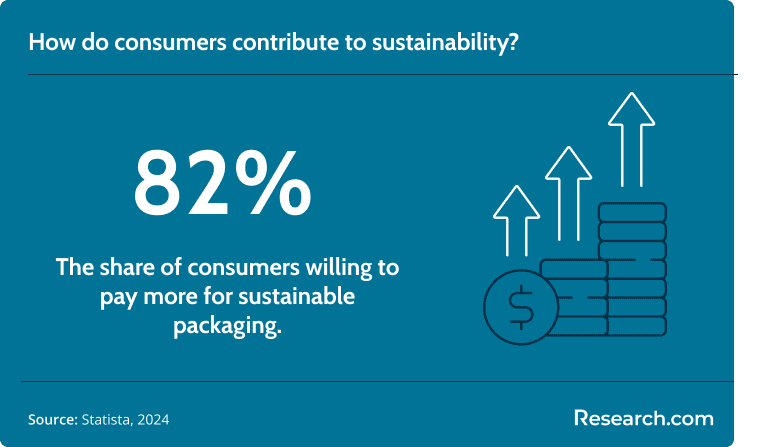
How can you finance an online sustainability master’s program?
Financing an online sustainability master’s degree starts with understanding the full cost, not just the advertised tuition. Ask each school for a complete cost breakdown, including tuition, mandatory fees, technology charges, books, course materials, residency or travel requirements, and graduation fees.
Students can compare lower-cost options through resources such as the cheapest online masters degree in sustainability. Cost should not be the only factor, but it is an important part of evaluating return on investment.
Questions to ask before enrolling
- Is the institution accredited, and is the program recognized by employers in my target field?
- What is the total program cost after fees, materials, and technology expenses?
- Can I attend part time while working?
- Are scholarships, assistantships, employer tuition assistance, military benefits, or payment plans available?
- Does the program qualify for federal or private loan options?
- What career services are available to online students?
- Can I use my current workplace for a capstone, project, internship, or applied research requirement?
- What roles have graduates pursued after completing the program?
Ways to reduce cost and improve ROI
- Ask your employer about tuition assistance, professional development funds, or reimbursement for sustainability-related training.
- Compare part-time and full-time pacing to see which option reduces financial pressure.
- Look for programs that allow transfer credits or credit for prior graduate coursework.
- Choose electives that produce job-ready work samples, such as ESG reports, energy assessments, policy briefs, or sustainability plans.
- Calculate opportunity cost, including how many hours per week you can realistically study without affecting income or family responsibilities.
How can biotechnology open new career opportunities in sustainability?
Biotechnology can support sustainability through bio-based materials, resource-efficient industrial processes, environmental remediation, sustainable agriculture, and pollution-reduction strategies. For professionals interested in science-driven sustainability work, biotechnology can create a bridge between laboratory innovation and environmental application.
Exploring the biotech career ladder can help sustainability professionals understand how biological systems, research roles, and applied technologies may connect to climate, conservation, manufacturing, agriculture, and circular-economy goals.
Key Insights
- An online sustainability master’s degree is most useful when it aligns with a clear career direction, such as ESG, renewable energy, conservation, sustainable supply chains, policy, or consulting.
- The BLS projects environmental scientists and specialists to grow 7% from 2023 to 2033, but individual outcomes depend on experience, location, industry, and technical skills.
- A master’s degree can support advancement into roles such as Sustainability Director, Renewable Energy Project Manager, Environmental Policy Analyst, or Sustainable Supply Chain Manager.
- An MBA in sustainability is typically better for business leadership, while a master’s in sustainability is usually better for environmental science, policy, technical analysis, and systems-focused work.
- Certifications such as LEED AP, CEM, GRI, FSA, CEP, and CSP can help when they match the role you want; they should not replace a thoughtful degree and experience strategy.
- Before enrolling, verify accreditation, total cost, curriculum fit, applied learning opportunities, online student support, and whether the program helps you build a portfolio employers can evaluate.
- A Chief Sustainability Officer (CSO) can earn an average annual salary of $160,000, but no degree guarantees a specific salary or title.
References:
- Alves, B. (2024, August 26). Sustainability - statistics & facts. Retrieved February 10, 2025, from Statista.
- BLS. (2024, September 30). Environmental Scientists and Specialists: Job Outlook. Retrieved February 10, 2025, from BLS.
- PwC. (2024, May 15). Voice of the Consumer Survey 2024. Retrieved February 10, 2025, from PwC.
- Reynolds, P. (2024, June 1). What You Can Do with a Master's in Sustainability. Retrieved February 10, 2025, from Harvard Extension School.
Other Things You Should Know About a Master's Degree in Sustainability
In 2027, industries like renewable energy, corporate social responsibility, and sustainable agriculture are likely to prioritize hiring graduates of online Sustainability Master’s programs, as these sectors increasingly focus on sustainable development and environmental impact.
In 2027, sustainability master’s graduates can explore emerging career opportunities such as roles in sustainable supply chain management, corporate social responsibility consulting, and renewable energy project management, addressing the growing focus on sustainable development and green practices across various industries.


