
2027 What Is a Clinical Manager: Salary & Career Paths?

Co-Founder and Chief Data Scientist
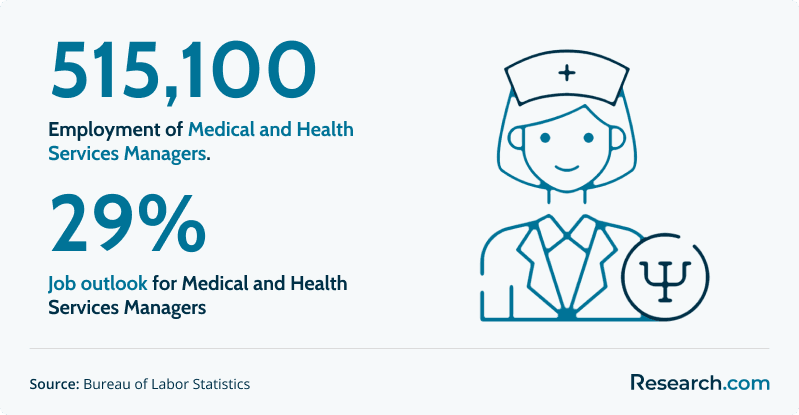
Are you contemplating a career as a clinical manager? This pivotal role in healthcare merges clinical expertise with administrative acumen, ensuring the efficient operation of medical facilities and the delivery of high-quality patient care. This is also a promising career, with the job outlook at 29% in the next decade.
In this article, we'll delve into the responsibilities, salary expectations, career paths, and the overall value of pursuing a career as a clinical manager.
What are the benefits of becoming a clinical manager?
- Clinical managers earn a median annual salary of $110,680, reflecting their critical role in healthcare administration.
- Employment for clinical managers is projected to grow 29% from 2023 to 2033, significantly outpacing many other professions.
- Opportunities abound in various healthcare settings, including hospitals, outpatient care centers, and specialized medical facilities.
- What is a clinical manager?
- How much can I make as a clinical manager for 2027?
- How does the salary of clinical manager compare to similar roles?
- Which industries pay the most for clinical managers?
- Which states pay the most for clinical managers?
- What are the career paths for clinical managers?
- How do I increase my earning potential as a clinical manager?
- What challenges do clinical managers face in today's healthcare environment?
- How can technology drive operational efficiency for clinical managers?
- How can I accelerate my transition into a clinical management role?
- Can Complementary Health Science Degrees Enhance Your Clinical Management Career?
- How can interdisciplinary expertise, including nutrition, drive effective clinical management?
- Can affordable online biology degrees enhance my clinical management skills?
- Can specialized online certifications enhance my clinical management career?
- Can pursuing advanced graduate degrees enhance my clinical management career?
- What licenses and certifications do I need as a clinical manager?
- What is the job outlook for clinical managers?
- Is a clinical manager career worth it?
What is a clinical manager?
A clinical manager is a healthcare professional responsible for overseeing the daily operations of a medical facility or a specific department within a healthcare institution. As of 2025, there are over 58,500 clinical managers employed in the United States. These professionals ensure that their departments operate efficiently, comply with healthcare regulations, and provide high-quality patient care.
What do clinical managers do?
Clinical managers play a crucial role in maintaining the effectiveness of healthcare services. Their responsibilities include:
- Policy Implementation: Developing and enforcing departmental policies and procedures.
- Staff Supervision: Managing healthcare professionals, including hiring, training, and performance evaluations.
- Budget Management: Overseeing financial aspects, such as budgeting and resource allocation.
- Quality Assurance: Ensuring compliance with healthcare laws and regulations to maintain high standards of patient care.
- Communication: Serving as a liaison between department staff and upper management.
How much can I make as a clinical manager for 2027?
Salaries for clinical managers can vary based on factors such as location, experience, and the employing institution. According to the U.S. Bureau of Labor Statistics, the median annual wage for medical and health services managers, which includes clinical managers, was $110,680 in May 2023. Other sources report average salaries ranging from $76,840 to $95,701.
Other sources report varying salary figures:
- ZipRecruiter: As of March 2025, the average annual salary for a Clinical Manager in the United States is $79,349, with a typical range between $64,000 and $88,500.
- Glassdoor: The average salary for a Clinical Manager is $110,819 per year, based on 2,673 salaries submitted anonymously.
- PayScale: The average salary for a Clinical Manager is $76,840, with reported salaries ranging from $53,000 to $105,000.
- Indeed: The average salary for a Clinic Manager is $82,804 per year, based on over 3,300 salary reports.
- Salary.com: As of March 2025, the average Clinical Manager salary is $82,914, typically ranging between $71,739 and $95,242.
These variations highlight the influence of factors such as geographic location, years of experience, and specific employer on compensation.
Understanding the compensation in related roles, such as the travel nurse salary, can provide additional context when evaluating career options in healthcare management.
How does the salary of clinical manager compare to similar roles?
When evaluating the compensation of clinical managers relative to similar positions within the healthcare management sector, it's evident that their salaries are competitive. According to Zippia, clinical managers earn an average annual salary of $84,066, much lower than the BLS reported amount of $110,680. Still, this Zippia figure serves as a benchmark when comparing to other roles:
- Medical Manager: Medical managers oversee medical practices and healthcare facilities, ensuring efficient operations and compliance with healthcare regulations. They earn an average annual salary of $129,941, significantly higher than that of clinical managers.
- Practice Manager: Practice managers handle the administrative and business aspects of medical practices, including staffing, budgeting, and patient relations. They receive an average annual salary of $107,374, which is notably above the clinical manager average.
- Chief Nursing Officer (CNO): CNOs are responsible for overseeing nursing departments, developing patient care policies, and ensuring compliance with healthcare standards. They command an average annual salary of $104,466, reflecting their senior leadership role.
- Hospital Administrator: Hospital administrators manage the overall operations of hospitals, including budgeting, staffing, and compliance with regulations. They earn an average annual salary of $75,644, which is slightly lower than that of clinical managers.
- Clinical Supervisor: Clinical supervisors oversee the day-to-day operations of clinical staff, ensuring quality patient care and adherence to protocols. They have an average annual salary of $61,615, which is below the clinical manager average.
These variations in compensation highlight the diverse responsibilities and levels of authority associated with each role. While clinical managers earn a better salary, perhaps than others like a nurse practitioner salary, pursuing advanced positions such as medical manager or chief nursing officer can lead to higher compensation, reflecting the increased scope of responsibilities and leadership demands inherent in those roles.
This chart provides a comparative overview of average annual salaries for clinical managers and related healthcare management positions.
Which industries pay the most for clinical managers?
Salaries for clinical managers, categorized under medical and health services managers by the BLS, vary notably across different healthcare industries. According to latest data, the average annual salaries in various settings are as follows:
- General Medical and Surgical Hospitals: Here, clininal managers earn approximately $145,390 yearly. They oversee departments, coordinate patient services, manage teams, and ensure regulatory compliance.
- Offices of Physicians: Earning about $134,330, clinical managers in this industry handle administrative tasks, supervise staff, schedule appointments, manage billing, and maintain patient records.
- Outpatient Care Centers: Clinical managers in this places earn $129,500. Here, they manage daily operations, supervise staff, oversee patient flow, and implement care policies.
- Nursing Care Facilities: Here, clinical managers coordinate resident care, supervise nursing staff, develop care plans, and ensure compliance with health regulations. They get $106,520 on average.
- Home Health Care Services: Clinical managers in this industry supervise in-home care professionals, ensure proper staffing, oversee care plans, and maintain compliance with healthcare standards. They earn $109,300.
These figures highlight the financial advantages of working in hospital settings compared to other healthcare environments. For those considering specialized roles, understanding compensation in areas like how much does an ICU nurse make can provide additional insight into earning potentials within the healthcare sector.
This chart illustrates the average annual salaries for clinical managers across various healthcare industries.
Which states pay the most for clinical managers?
Geographic location significantly influences the earning potential for clinical managers, classified by the BLS as Medical and Health Services Managers. According to May 2023 data, the top-paying states for this occupation are:
- New York: Annual mean wage of $179,160.
- District of Columbia: Annual mean wage of $170,710.
- Delaware: Annual mean wage of $164,190.
- New Jersey: Annual mean wage of $162,430.
- Massachusetts: Annual mean wage of $158,540.
These figures highlight the substantial regional variations in compensation for clinical managers, emphasizing the importance of geographic consideration when evaluating career opportunities in this field.
What are the career paths for clinical managers?
Clinical managers have diverse opportunities for advancement within the healthcare sector. By pursuing specialized education and certifications, they can transition into higher-level roles that offer increased responsibilities and compensation. For instance, obtaining neonatal nurse education can lead to positions such as Neonatal Unit Manager.
Potential Career Paths and Average Salaries:
- Clinical Director: Oversees clinical operations, ensuring quality patient care and compliance with regulations. Average annual salary: $96,497.
- Hospice Director: Manages hospice care services, focusing on patient comfort and staff coordination. Average annual salary: $90,235
- Clinical Operations Manager: Directs daily operations of clinical facilities, optimizing efficiency and patient satisfaction. Average annual salary: $96,262.
- Director of Rehabilitation: Leads rehabilitation services, developing programs for patient recovery and overseeing therapy staff. Average annual salary: $88,965.
- Home Service Director: Coordinates home healthcare services, ensuring delivery of quality care to patients in their homes. Average annual salary: $86,914.
These roles demonstrate the varied pathways available for clinical managers seeking career growth within healthcare management.
This chart compares average annual salaries for clinical managers and potential advancement roles within healthcare management.
How do I increase my earning potential as a clinical manager?
Enhancing your earning potential as a clinical manager involves several strategic approaches:
- Pursue Advanced Education: What you can do with an MSN in nursing education or other higher education? A Master of Science in Nursing (MSN) provides advanced clinical knowledge and management skills, preparing you for positions such as Director of Nursing or Chief Nursing Officer.
- Gain Specialized Certifications: Earning certifications in areas like healthcare administration, clinical research, or quality management can enhance your expertise and make you a more competitive candidate for higher-paying positions. Certifications demonstrate a commitment to professional development and can be a significant factor in salary negotiations.
- Accumulate Relevant Experience: Experience in clinical management roles is invaluable. As you gain more experience, you become eligible for senior positions with greater responsibilities and higher salaries. Demonstrating success in managing teams, improving patient outcomes, and streamlining operations can position you for advancement.
- Stay Informed About Industry Trends: Keeping abreast of the latest developments in healthcare management, technology, and policy can provide insights into emerging opportunities and areas of demand. Engaging in continuous learning through workshops, seminars, and professional associations can enhance your skill set and marketability.
- Negotiate Effectively: When offered a new position or during performance reviews, be prepared to negotiate your salary based on your qualifications, experience, and the value you bring to the organization. Researching industry salary standards and articulating your contributions can support your case for higher compensation.
By strategically pursuing education, certifications, and experience, and by staying informed and proactive in negotiations, you can significantly enhance your earning potential as a clinical manager.
fv
Clinical managers frequently contend with multifaceted challenges including adapting to evolving regulatory frameworks, managing budget constraints, and enhancing team collaboration in high-pressure environments. They must balance compliance with patient care priorities while integrating new technologies and data systems, which demands continuous process improvements and strategic resource allocation. In addition, addressing issues such as staff retention and workflow optimization is critical to maintaining operational efficiency. Considering ongoing professional development, factors like the cost for medical billing and coding certification can play a significant role in managing these challenges.
How can technology drive operational efficiency for clinical managers?
Clinical managers can significantly enhance operational efficiency by integrating digital solutions into everyday practices. Leveraging advanced electronic health records, data analytics, and telemedicine platforms not only streamlines administrative processes but also supports informed decision-making and improved patient care. Furthermore, acquiring targeted technical skills through specialized training—such as a certified medical assistant program online—empowers professionals to lead digital transformation initiatives within their organizations. This strategic adoption of technology serves as a catalyst for adapting to evolving healthcare trends while maintaining a competitive edge in an increasingly digital landscape.
How can I accelerate my transition into a clinical management role?
To bridge the gap between clinical expertise and effective management, consider strategies that build practical leadership skills and operational know-how. Enroll in accelerated programs and targeted workshops; for example, pursuing medical assistant training can familiarize you with foundational clinical processes that complement management duties. Additionally, seeking mentorship opportunities, engaging in cross-departmental projects, and participating in simulation exercises are effective ways to develop decision-making and team-coordination skills essential for a seamless transition into clinical management.
Can Complementary Health Science Degrees Enhance Your Clinical Management Career?
Pursuing an additional degree in health science can offer clinical managers a strategic edge by broadening their understanding of patient care innovations and operational efficiencies. This supplementary education refines analytical skills and fosters improved interdisciplinary communication—key factors for driving successful healthcare initiatives. Exploring options like kinesiology degrees online may further enhance a clinical manager's ability to integrate evidence-based practices with administrative oversight.
How can interdisciplinary expertise, including nutrition, drive effective clinical management?
Integrating interdisciplinary expertise can refine strategic decision-making by bridging clinical operations with specialized fields such as nutrition. This approach enables clinical managers to optimize patient outcomes through targeted wellness programs, more robust data analysis, and improved resource allocation. Gaining insights into fields outside traditional clinical management can inform innovative strategies that enhance overall facility performance. For instance, understanding nutritional science may aid in developing comprehensive patient care initiatives. Explore the steps to becoming a nutritionist for guidance on acquiring such complementary skills.
Can affordable online biology degrees enhance my clinical management skills?
Integrating scientific foundations with administrative expertise can offer a competitive advantage in clinical management. Supplementary academic credentials, such as an online biology degree, deepen the understanding of human physiology and evidence-based care practices. This additional scientific insight enables clinical managers to engage more effectively with clinical teams, optimize patient care protocols, and drive innovation within healthcare facilities. For instance, pursuing a cheapest biology online degree can provide a cost-effective means to acquire essential scientific knowledge that complements core managerial skills.
Can specialized online certifications enhance my clinical management career?
Clinical managers can elevate their expertise and leadership capabilities by pursuing targeted online training that focuses on contemporary healthcare management challenges. Completing online health certificate programs can offer practical insights into advanced operational strategies, emerging compliance standards, and innovative patient care models. These programs are designed to complement existing clinical experience with specialized skill sets, ultimately driving improved decision-making and facility outcomes.
Can pursuing advanced graduate degrees enhance my clinical management career?
Advanced academic credentials can distinguish clinical managers in an increasingly competitive industry. Many professionals pursue specialized graduate degrees to hone leadership skills and deepen clinical expertise, thereby positioning themselves for strategic roles. For instance, enrolling in cheapest doctor of pharmacy online programs provides an opportunity to merge advanced pharmaceutical knowledge with clinical management acumen. This pathway not only refines decision-making capabilities but also broadens perspectives on interdisciplinary innovations essential for healthcare excellence.
What licenses and certifications do I need as a clinical manager?
While not always mandatory, obtaining certifications can enhance your credibility and career prospects as a clinical manager. Some notable certifications include:
- Certified Medical Practice Executive (CMPE): Offered by the Medical Group Management Association (MGMA), this certification demonstrates expertise in medical practice management. The application fee varies depending on membership status and other factors.
- Certified Professional in Healthcare Quality (CPHQ): Provided by the National Association for Healthcare Quality (NAHQ), this certification focuses on healthcare quality management. The exam fee is $400 for NAHQ members and $500 for non-members.
- Certified Healthcare Financial Professional (CHFP): Offered by the Healthcare Financial Management Association (HFMA), this certification is ideal for financial professionals and clinical leaders aiming to demonstrate expertise in healthcare financial management.
Investing in these certifications can enhance your professional standing and potentially lead to higher compensation.
What is the job outlook for clinical managers?
The job outlook for clinical managers and related healthcare management roles varies, with some positions experiencing faster growth than others. According to the BLS, the projected growth rates for healthcare managers is 29% in the next decade, specifically, Zippia reports 28% for clinical managers. That is faster than in other roles in its path:
- Clinical Managers: 28% growth rate, with approximately 136,200 new jobs anticipated over the decade.
- Clinical Operations Managers: 6% growth rate, corresponding to about 189,200 new positions.
- Clinical Case Managers: 9% growth rate, with an estimated 64,000 new jobs.
- Clinical Trial Managers: 6% growth rate, equating to around 4,600 new positions.
- Clinical Research Managers: 6% growth rate, with about 4,600 new jobs projected.
These figures highlight that while clinical managers are expected to see significant demand, other specialized roles within clinical management may experience more modest growth.
The image presents the employment and growth rate of medical and health services managers, including clinical managers.
Is a clinical manager career worth it?
Yes, pursuing a career as a clinical manager can be a worthwhile endeavor. The role offers a competitive salary, with a median annual wage of $110,680 as of May 2023. While the cost of obtaining necessary education and certifications can be significant, the strong job growth and potential for advancement make it a promising career path.
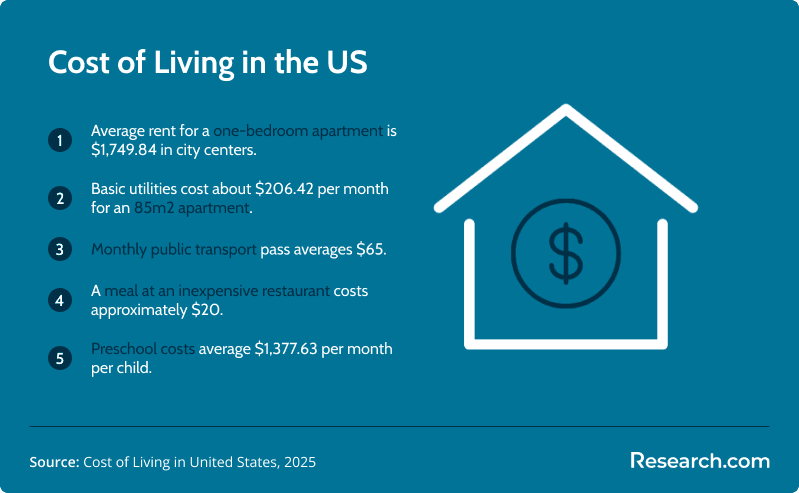
When considering the investment in education, it's important to research factors such as how much nursing school costs per semester to make informed financial decisions. At the same time, the cost of living is another factor to consider. Still, given the salary and the outlook of this career, it is generally worth it to pursue it.
The image below presents the cost of living in the US.
Here's What Graduates Have To Say About Their Career as Clinical Managers
- Transitioning into a clinical manager role allowed me to impact patient care on a larger scale. The leadership opportunities have been both challenging and rewarding. Elena
- The flexibility of online programs made it possible for me to advance my education while working full-time. Now, as a clinical manager, I find the work fulfilling and the compensation rewarding. Marcus
- Managing a dedicated team of healthcare professionals has been the highlight of my career. The role offers continuous learning and growth opportunities. Priya
Key Findings
- Clinical managers earn a median annual wage of $110,680 as of May 2023.
- Employment for medical and health services managers is projected to grow 29% from 2023 to 2033, adding approximately 160,600 new jobs.
- Salaries vary by industry, with general medical and surgical hospitals paying an average of $145,390 annually, while nursing care facilities offer around $106,520.
- Top-paying states include New York ($179,160), District of Columbia ($170,710), and Delaware ($164,190).
- Pursuing advanced education, such as an MSN, can lead to higher-paying leadership roles within healthcare organizations.
- Obtaining certifications like CMPE or CPHQ can enhance career prospects and potentially increase earning potential.
References:
- Collegetuitioncompare.com. 2024 Average College Tuition By State.
- Educationdata.org. Average Cost of College.
- Glassdoor.com. Clinical Manager Salaries.
- Indeed.com. Clinic Manager Salaries.
- LinkedIn.com. Progressing Your Career in Clinical Research: Tips and Strategies.
- Numbeo.com. Cost of Living in United States.
- Payscale.com. Clinical Manager Salary.
- Resumecat.com. Clinical Manager Certifications.
- Salary.com. Clinical Manager Salary.
- U.S. Bureau of Labor Statistics. Medical and Health Services Managers - Occupational Employment and Wage Statistics.
- U.S. Bureau of Labor Statistics. Medical and Health Services Managers - Occupational Outlook Handbook.
- Ziprecruiter.com. Clinical Manager Salary.
- Zippia.com. Clinical Director Jobs.
- Zippia.com. Clinical Operations Manager Jobs.
- Zippia.com. Director of Rehabilitation Jobs.
- Zippia.com. Home Service Director Jobs.
- Zippia.com. Hospice Director Jobs.
Other Things You Should Know About Clinical Manager
In 2027, clinical managers have diverse career advancement opportunities. These may include roles such as department head, hospital administrator, or healthcare executive. Advancement often requires a combination of additional education, certifications, and experience in management.
The average salary for a clinical manager in 2027 is expected to be around $90,000 annually, based on industry trends. Salaries vary depending on factors like location, experience, and the size of the healthcare facility. Clinical managers may earn higher wages in metropolitan areas or with extensive experience.


