
2027 What is Engineering Psychology: Responsibilities, Requirements & Career Outlook

Co-Founder and Chief Data Scientist
Engineering psychology is the science of designing systems for people. As a discipline, it applies what we know about human capabilities and limitations—like attention, perception, and memory—to the design of technology, tools, and work environments. The primary objective is to improve the interaction between humans and machines, making that relationship safer, more efficient, and less prone to error.
According to recent data, engineering psychologists earn an average of $92,813 yearly. Prepared by career experts, this guide is your definitive look at the engineering psychology profession, providing a clear, data-driven overview of the responsibilities, requirements, and rewards to help you map out your future.
Key Things You Should Know About Engineering Psychology
- Engineering Psychologists apply the science of human behavior to design safer, more efficient, and user-friendly technology, bridging the gap between human capabilities and machine complexity.
- The field forms the scientific backbone of User Experience (UX). Many engineering psychologists work as UX Researchers, using rigorous research methods to inform product strategy and design.
- This is a critical career in industries like aerospace, healthcare, and defense, where reducing human error through better design can save lives and prevent catastrophes.
- Offering a strong return on education, the average salary for an engineering psychologist is approximately $92,813, in a field projected to grow 6% by 2032.
- A master's degree in human factors, engineering psychology, or a related field is the standard entry point, with a Ph.D. required for higher-level research and academic roles.
- What is engineering psychology, and what do engineering psychologists do? Overview
- What specific problems do engineering psychologists work to solve? Problems Solved
- How is engineering psychology different from related fields like I/O psychology? How is engineering psychology different from related fields like I/O psychology?
- What are the educational requirements to become an engineering psychologist? Educational Requirements
- What skills do you need in engineering psychology aside from a degree? Top Skills
- Which industries rely most heavily on engineering psychology? Relevant Industries
- What is the earning potential for an engineering psychologist? Earning Potential
- How is the field of engineering psychology evolving? How is the field of engineering psychology evolving?
- What does a typical engineering psychologist career path look like? Career Path
- Who is a good fit for an engineering psychologist career? Who is a good fit for an engineering psychologist career?
- What supplemental online programs can boost practical expertise in engineering psychology? What supplemental online programs can boost practical expertise in engineering psychology?
- How do you start exploring engineering psychology? How do you start exploring engineering psychology?
What is engineering psychology, and what do engineering psychologists do?
Engineering psychology is an applied scientific discipline focused on the relationship between humans and the systems they use. Often called human factors engineering, its central purpose is to apply knowledge of human capabilities and limitations, such as perception, memory, and decision-making, to the design of technology, tools, and environments.
In essence, it's about making our interactions with technology safer, more efficient, and more intuitive.
What Engineering Psychologists Do
The day-to-day work of an engineering psychologist is varied and data-driven, centered on being an advocate for the end-user. Core responsibilities often include:
- Analyzing User Behavior: Observing how people interact with products, websites, or complex systems to identify points of friction and potential for error.
- Conducting research: Designing and executing user research studies using methods like usability tests, interviews, surveys, and task analyses to understand user needs and mental models.
- Collaborating with design teams: Working directly with engineers, designers, and product managers to translate research findings into actionable design requirements and solutions.
- Developing design guidelines: Creating standards and best practices based on established psychological principles and empirical data to ensure consistency and usability across systems.
- Investigating system failures: Analyzing incidents or accidents, particularly in high-stakes fields like aviation or healthcare, to determine the role of human factors and recommend systemic improvements to prevent future occurrences.
What specific problems do engineering psychologists work to solve?
Engineering psychologists tackle challenges where a mismatch between human capabilities and technological design can lead to confusion, inefficiency, or disaster. Their work is focused on creating systems that feel natural to use by anticipating the user's needs and limitations.
Examples of problems they solve include the following:
Preventing Medical Errors
A hospital's infusion pump has a confusing interface, leading nurses to occasionally input the wrong dosage. An engineering psychologist would analyze the workflow, conduct usability tests with nurses, and redesign the interface with clearer displays and logical keypads to make such errors far less likely.
Improving Aviation Safety
During an emergency, a pilot can be overwhelmed by multiple alarms and complex data displays. An engineering psychologist works to design an integrated cockpit warning system that prioritizes critical information, uses intuitive color-coding, and reduces cognitive workload, allowing the pilot to focus on flying the plane safely.
Reducing Driver Distraction
A new car's touchscreen controls for climate and audio are complex, forcing the driver to take their eyes off the road. An engineering psychologist would research driver attention, test alternative designs (like physical knobs for key functions), and recommend a hybrid interface that minimizes distraction.
Making Software Usable
A company rolls out powerful new data analysis software, but employees find it difficult to learn and avoid using it. An engineering psychologist would study the users' goals and analytical processes to restructure the software's workflow, simplify its features, and create an interface that matches the users' mental model of the task.
Enhancing Workplace Safety
Workers on a factory assembly line are developing repetitive strain injuries. An engineering psychologist would analyze the physical demands of the task, redesign the workstation layout to improve posture and reduce strain, and recommend changes to tools and processes to enhance both worker well-being and productivity.
This helps environments have a lower injury and illness rate than the average, which currently stands at 2.4 per 100 workers.
The chart below details the various occupations of psychologists in the country.
How is engineering psychology different from related fields like I/O psychology?
While both engineering psychology and industrial-organizational (I/O) Psychology are applied fields that often operate in workplace settings, they focus on fundamentally different aspects of human behavior. The confusion often arises because both aim to improve performance and well-being, but they do so from entirely different angles.
For students comparing these paths—or even exploring alternatives like fast track MFT online master’s programs that focus on counseling and therapy—it’s important to understand where each discipline fits.
The core distinction is this: engineering psychology focuses on the human-machine interface, while I/O psychology focuses on the individual and group behavior within the organization.
Engineering Psychology (Human Factors)
- Focus: The interaction between a person and a specific tool, machine, or system.
- Goal: To design safer, more efficient, and user-friendly technology.
- Example Tasks: Usability testing, ergonomic analysis, interface design, and investigating accidents to answer questions like, "How can we design this control panel to be more intuitive?"
Industrial-Organizational Psychology
- Focus: The behavior of employees and the dynamics of the organization as a whole.
- Goal: To improve organizational effectiveness, boost employee productivity, and increase job satisfaction.
- Example Tasks: Employee selection, leadership development, and performance management to answer questions like, "What is the best way to motivate our team?"
In short, an engineering psychologist works to improve the design of the tools people use, while an I/O psychologist works to improve the effectiveness of the people and teams within the organization.
What are the educational requirements to become an engineering psychologist?
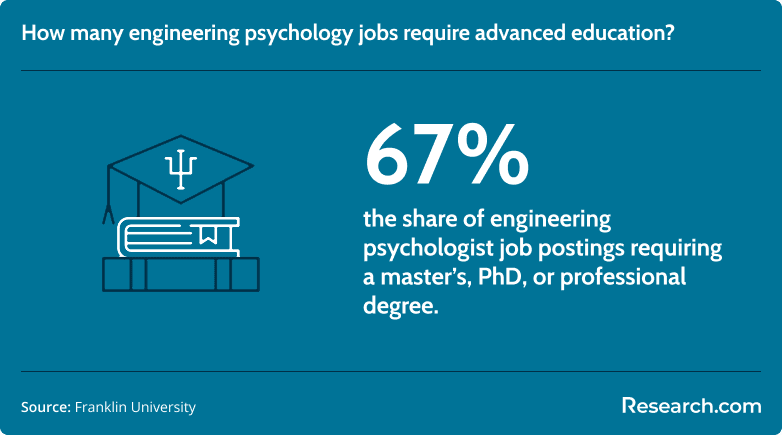
As a specialized, research-intensive field, engineering psychology requires advanced academic training. While a bachelor's degree is the first step, a graduate degree is essential to acquire the specific skills needed to enter the profession. Many jobs that require a master's degree, including engineering psychology roles, demand this higher level of education to ensure expertise and credibility in the field.
Bachelor's Degree
The journey begins with a four-year degree, typically in psychology, industrial engineering, cognitive science, or a related field. This undergraduate education provides the necessary foundation in research methods, statistics, and the core principles of human behavior and cognition. Some programs offer accelerated options, like the fastest online counselor education degree programs, which speed up the process of earning a degree.
Master's Degree (The Standard Entry Point)
A master's degree is the minimum requirement for the vast majority of engineering psychology and human factors jobs. A Master of Science (M.S.) in Human Factors, Engineering Psychology, Applied Psychology, or Human-Computer Interaction provides the specialized coursework and hands-on research experience that employers demand. This degree is the gateway to the profession.
Some professionals also enhance their applied skills through fast track online UX design bootcamps, which offer intensive training in user-centered design and digital product usability to complement graduate-level expertise. This degree is the gateway to the profession.
Doctoral Degree (Ph.D.)
For those who want to lead major research initiatives, work in academia, or achieve the highest levels of seniority and earning potential, a Ph.D. is the standard. A doctorate opens doors to roles like Principal Scientist or Director of Research and is often required for expert consulting positions.
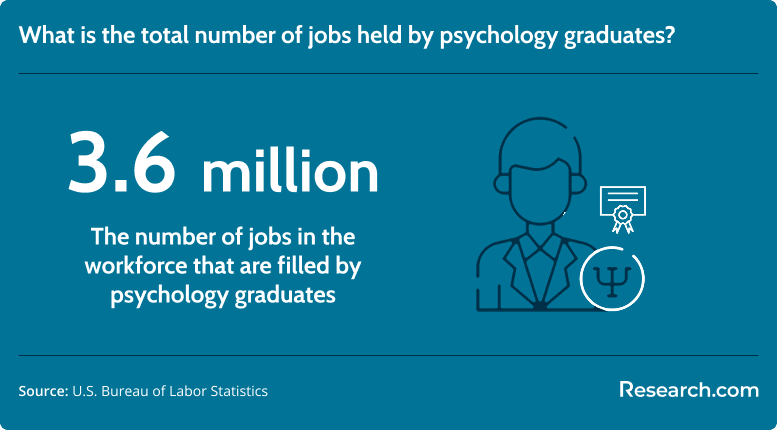
This emphasis on higher education is a key differentiator for specialized psychology careers. According to the U.S. Bureau of Labor Statistics, 51% of psychology graduates in the workforce hold an advanced degree, highlighting that graduate school is the standard path for turning a psychology background into a high-impact, specialized profession.
What skills do you need in engineering psychology aside from a degree?
While a graduate degree provides the necessary credentials, a specific set of practical skills is what makes an engineering psychologist effective. Success in this field requires a unique blend of rigorous scientific thinking and strong interpersonal abilities to bridge the gap between research and real-world product development. Understanding what jobs can you get with a master's in clinical mental health counseling can also help illustrate how advanced degrees open pathways to applied psychology roles that rely on both research and human interaction.
Core skills include:
- Scientific Research Methods: This is the foundation of the profession. You must be an expert at designing experiments, conducting usability tests, creating and analyzing surveys, performing observational research, and conducting structured interviews.
- Data Analysis (Qualitative & Quantitative): This includes proficiency in statistical software for quantitative data analysis and thematic analysis for qualitative data, including interview transcripts.
- Critical Thinking & Problem-Solving: The core of the job is identifying why a design is failing its users and then systematically developing and testing solutions. This requires a sharp, analytical mindset that can deconstruct complex problems.
- Communication & Collaboration: Engineering psychologists rarely work alone. You must be able to clearly articulate complex psychological concepts and research findings to diverse audiences, including engineers, designers, and business leaders who may not share your background.
- Empathy & User Advocacy: You must have a genuine curiosity about how other people think and experience the world. The ability to empathize with a user's frustrations and advocate for their needs—even when it challenges existing plans—is non-negotiable.
- Technical Acumen: You don't need to be a programmer, but you do need to understand the basics of the systems you are helping to design. A foundational knowledge of software development lifecycles or engineering principles makes collaboration far more effective.
Beyond coursework, employers look for hands-on experience. An analysis by Franklin University found that 48% of relevant job postings look for candidates with 2–3 years of experience, making internships, co-op programs, and applied research projects essential for a successful transition from academia to industry—especially in helping professions where practical experience directly impacts effectiveness in real-world settings.
The visual below indicates the industries in which most psychologists are employed.
Which industries rely most heavily on engineering psychology?
The skills of an engineering psychologist are highly transferable and in demand wherever complex technology and human performance intersect. While the career is specialized, the opportunities are widespread.
For students weighing their options, whether in human factors or related fields such as the fastest online master’s degree in educational counseling, it’s important to recognize how this career channel opens doors in multiple industries.
The following industries are among the most common employers of engineering psychologists:
- Technology and Software: This is one of the largest and fastest-growing sectors. Here, engineering psychologists typically work in User Experience (UX) research, helping design intuitive software, websites, and mobile applications for companies ranging from tech giants to innovative startups.
- Aerospace and Defense: This is the classic, high-stakes domain for the field. Professionals work for government contractors, military branches, and civil aviation authorities to design complex systems like aircraft cockpits, air traffic control interfaces, and drone operation consoles where human error can have catastrophic consequences.
- Healthcare: As medical technology becomes more complex, the need to ensure its safe and effective use is paramount. Engineering psychologists in this sector work on the design of life-critical medical devices, electronic health record (EHR) systems, and the layout of surgical suites to minimize the risk of error.
- Automotive: The modern vehicle is a sophisticated human-machine system. The automotive industry employs engineering psychologists to design everything from in-vehicle infotainment systems and dashboard layouts to advanced driver-assistance systems (ADAS), focusing on minimizing driver distraction and improving safety.
- Consulting: Experienced engineering psychologists often work as consultants, contracting their expertise out to a wide variety of companies that need to solve specific human factors challenges but may not have a full-time specialist on staff.
Currently, there are over 300 job openings for engineering psychologists in the United States. Graduates can find more opportunities if we factor in alternative and closely related jobs.
What is the earning potential for an engineering psychologist?
This specialized career path offers a significant return on the required educational investment, providing financial security and strong growth potential. According to salary data from ZipRecruiter, the average annual salary for an engineering psychologist in the United States is $92,813.
While the majority of salaries fall within the range of $66,500 to $117,000, top earners—particularly those with a Ph.D., extensive experience, or senior leadership roles—can command salaries of $146,000 or more per year.
Several key factors influence where a professional might fall within this salary spectrum:
- Degree Level: A Ph.D. typically commands a significantly higher salary than a master's degree.
- Industry: Salaries in the private sector, especially in technology and aerospace, are often higher than those in government or academia.
- Experience: Entry-level positions start at the lower end of the range, with substantial salary growth after gaining 5-10 years of experience.
- Geographic Location: Compensation is generally higher in major metropolitan areas and tech hubs with a higher cost of living.
Understanding these salary dynamics can help in deciding whether to pursue advanced degrees in human factors or alternative fields like the fastest online counselor education degree programs, both of which open doors to rewarding, specialized careers.
How is the field of engineering psychology evolving?
The core mission of engineering psychology—making technology work for people—has placed the field at the center of modern innovation. Its focus is constantly expanding to solve the human challenges created by the world's newest technologies.
The U.S. Bureau of Labor Statistics projects a 6% job growth for psychologists through 2034, faster than the average for all occupations, with much of this demand driven by the application of psychology to industrial and technological settings, highlighting the value of specialized HIM certifications for advancing your career in related roles.
Several key trends are shaping the future of the profession:
- Artificial Intelligence (AI) and Automation: Engineering psychologists are critical in designing AI systems that are transparent, trustworthy, and function as effective partners to their human users, ensuring that final authority and understanding rest with the person, not the algorithm.
- Virtual and Augmented Reality (VR/AR): The rise of immersive technologies for training, remote work, and entertainment presents a new frontier for human factors. Professionals in this area are working to create experiences that are not only intuitive but also account for challenges like motion sickness and cognitive overload in virtual environments.
- The Internet of Things (IoT) and Smart Environments: Engineering psychologists are needed to design seamless and useful interactions with interconnected devices in our homes, cars, and cities. They work to ensure that our smart environments are helpful and not just a source of constant distraction and complexity.
- Cybersecurity: Engineering psychologists are helping to design more secure systems by understanding why people fall for phishing scams, create weak passwords, or ignore security warnings, and then building systems that encourage safer behaviors.
What does a typical engineering psychologist career path look like?
A career in engineering psychology offers a clear and structured path for advancement, moving from hands-on research roles to positions of strategic leadership and influence. The progression reflects a deepening of expertise, an expansion of responsibility, and an increasing impact on product and system design.
Entry-Level (0-3 Years)
With a master's degree, professionals typically start in roles like Human Factors Specialist, User Experience (UX) Researcher, or Research Associate. In these positions, the focus is on executing research plans designed by senior team members.
Daily tasks include conducting usability tests, analyzing data, programming surveys, and preparing reports on research findings. The primary goal is to develop core competencies and gain practical experience on a variety of projects.
Mid-Level (3-8 Years)
After gaining foundational experience, individuals advance to titles such as Senior Engineering Psychologist, Senior UX Researcher, or Project Lead. At this stage, professionals are expected to work more independently.
They take on responsibility for designing and leading research projects from start to finish, managing project timelines, mentoring junior staff, and presenting findings and design recommendations directly to stakeholders and product leaders.
Some professionals at this level also pursue complementary training, such as the shortest master’s in instructional design online, to strengthen their expertise in user-centered design and learning systems.
Senior/Expert Level (8+ Years)
With significant experience and often a Ph.D., professionals can move into top-tier roles like Principal Scientist, Director of Human Factors, or Research Manager. These are leadership positions focused on strategy and vision.
Responsibilities include setting the research agenda for an entire department, managing teams of researchers, controlling budgets, and influencing the long-term product strategy of the organization. Many senior professionals also become independent consultants, recognized as leading experts in their specialized domain.
For those comparing related graduate education options, fields like human factors and even the shortest master’s in instructional design online programs can provide complementary skills that strengthen early career opportunities.
Who is a good fit for an engineering psychologist career?
While the educational path is clear, certain innate interests and personality traits make an individual particularly well-suited for a career in engineering psychology. This role is ideal for those who are not only fascinated by why people do what they do but are also driven to use that knowledge to build better things.
You might be a good fit for this career if you are:
- A Natural Problem-Solver: You enjoy taking things apart, whether a physical object or a complex process, to understand why they don't work well and how they could be improved.
- Deeply Curious About People: You find yourself constantly observing others and wondering about the motivations behind their actions. You have a genuine desire to understand the user's perspective.
- Both Analytical and Creative: You are comfortable with the rigor of scientific research and data analysis, but you can also think creatively to brainstorm practical solutions to the problems you uncover.
- An Excellent Communicator: You can translate complex scientific concepts into clear, persuasive language that engineers, designers, and business leaders can all understand and act upon.
- Driven by Practical Impact: You want a career where your work in psychology leads to tangible, real-world outcomes, like a safer medical device, a less frustrating app, or a more efficient workplace.
- A Bridge-Builder: You enjoy working at the intersection of different fields and can act as the crucial link between the technical world of engineering and the human-centered world of psychology.
What supplemental online programs can boost practical expertise in engineering psychology?
Engineering psychology professionals can benefit from targeted online learning that sharpens critical skills not fully covered in traditional academic programs. Supplementary courses and certifications in behavior analysis, design thinking, and data interpretation help practitioners address complex human-machine interaction challenges. For example, specialized training can reinforce an understanding of human behavioral patterns and decision-making processes in dynamic environments. Exploring additional credentials, such as those offered through the cheapest BCBA online programs, may provide a competitive edge by complementing core engineering psychology expertise with practical, real-world insights.
How do you start exploring engineering psychology?
If this career sounds like the right fit for you, you can begin taking concrete steps today to build a foundation for success.
Whether you are an undergraduate student or a professional considering a pivot, the path forward involves a combination of targeted education, hands-on experience, and professional networking.
- Target Your Coursework: If you are still in college, intentionally select classes that align with the field. Prioritize courses in cognitive psychology, research methods, statistics, and sensation and perception. If available, take introductory courses in human-computer interaction (HCI) or industrial engineering to build cross-disciplinary knowledge.
- Gain Hands-On Research Experience: Practical experience is non-negotiable. Volunteer to work in a professor's research lab, especially one focused on cognition, HCI, or applied psychology. This is the single best way to learn the research process and demonstrate your capabilities to graduate programs and future employers.
- Seek Out Relevant Internships: Actively look for internships in User Experience (UX) Research, Human Factors, or Ergonomics. Tech companies, medical device manufacturers, and government agencies often have these roles. An internship provides invaluable real-world experience and is a powerful resume-builder.
- Research Graduate Programs: Begin identifying master's and Ph.D. programs in Human Factors, Engineering Psychology, Applied Psychology, or HCI. Pay close attention to the research interests of the faculty, the program's curriculum, and the internship opportunities they offer. Look for programs with strong industry connections.
- Connect with Professionals: Join and participate in professional organizations. The Human Factors and Ergonomics Society (HFES) is the premier organization in the field and offers student memberships, conferences, and local chapters. Use platforms like LinkedIn to follow professionals in the field and learn from their career journeys. Don't be afraid to reach out for informational interviews to ask about their work.
Technology has become more prevalent in the practice of psychology. The chart below shows how psychologists currently leverage AI.
Here’s What Graduates Have to Say About Their Engineering Psychology Programs
- Jill: "The most incredible part of my studies was the moment abstract theories from my cognitive psychology classes clicked into place during a usability lab. Seeing how principles like cognitive load directly explained a user's frustration with a software interface was a powerful experience. You move beyond just learning concepts to actually using them to solve real-world problems. It was a completely different way of thinking."
- Erica: "My focus was on human factors in healthcare, and the program prepared me to work on projects with a serious, real-world impact. We spent a semester analyzing the design of a real medical device, and our findings were presented to the manufacturer. Knowing that the work I started as a student could help a nurse or doctor avoid a critical error is an incredibly fulfilling feeling."
- Cheryl: "Learning the science behind rigorous usability testing was the most valuable part of my education. It's one thing to have an opinion on a design, but it's another to be able to deliver data-driven proof of what works and what doesn't. This skill set is what employers were looking for, and it’s the foundation of the credibility I have with my team today."
Key Findings
- This career path offers a clear financial return on investment for a graduate degree, with an average starting salary of approximately $92,813 that directly addresses the common anxiety over student debt versus earning potential.
- The field is not only stable but growing, with a projected 6% job growth rate driven by its essential role in shaping the safety and usability of emerging technologies like AI and automated systems.
- Unlike many general psychology paths, entry into this profession has a clear, non-negotiable requirement: a master's degree is the standard, reflecting a broader trend where 51% of working psychology graduates hold advanced degrees.
- While education is critical, practical experience is equally important for securing a first job, as nearly half (48%) of relevant job postings look for candidates with at least two to three years of hands-on experience, making internships essential.
- The work provides a direct and tangible impact by applying psychological science to high-stakes fields like healthcare and aviation, offering a fulfilling career for those who want to see their knowledge used to prevent errors and save lives.
- Engineering psychology serves as a vital bridge between human science and technology, making it an ideal career for individuals who want to influence product design without being a pure engineer or pivoting to traditional therapy.
References:
- Franklin University. (n.d.). Engineering psychologists: How to become one. Retrieved September 30, 2025, from https://www.franklin.edu/career-guide/psychologists/how-to-become-engineering-psychologists
- Page, C., Assefa, M., & Stamm, K. (2025). What psychologists are saying about using AI in practice. American Psychological Association. Retrieved September 30, 2025, from https://www.apa.org/monitor/2025/07-08/ai-use-psychological-practice
- U.S. Bureau of Labor Statistics. (2023). Occupational outlook handbook, Field of degree: Psychology. Retrieved September 30, 2025, from https://www.bls.gov/ooh/field-of-degree/psychology/psychology-field-of-degree.htm
- U.S. Bureau of Labor Statistics. (2024). Occupational outlook handbook, Psychologists. Retrieved September 30, 2025, from https://www.bls.gov/ooh/life-physical-and-social-science/psychologists.htm
- ZipRecruiter. (2025). Engineering psychologist salary. Retrieved September 30, 2025, from https://www.ziprecruiter.com/Salaries/Engineering-Psychologist-Salary
Other Things You Need To Know About Engineering Psychology
For a successful career in engineering psychology in 2027, a background in psychology, human factors, cognitive science, or a related field is crucial. While engineering or computer science knowledge can be beneficial, the focal point remains on understanding human interaction with technology.
In 2027, engineering psychology professionals can seek support from organizations like the Human Factors and Ergonomics Society (HFES) and the American Psychological Association (APA). These bodies offer resources, networking, and advocacy for the field, aiding career development.


