
2027 Best Organizational Leadership Degree Programs in Texas: Online & Campus

Co-Founder and Chief Data Scientist
The sheer scale of the Texas economy presents one of the biggest challenges and opportunities for aspiring leaders in the country. The state is an economic powerhouse, employing over 1.2 million people in management occupations alone, according to the U.S. Bureau of Labor Statistics. To succeed here, you need a credential that is as ambitious and comprehensive as the market itself.
This guide, created by career planning experts with over a decade of experience, is designed to give you a competitive edge. We will provide a detailed analysis of the best online and on-campus organizational leadership degree programs in Texas for 2027. Think of this as your definitive plan for finding the right program to launch a successful leadership career in this massive market.
Key Things to Know About Organizational Leadership Programs in Texas
- Texas programs often feature a solid curriculum blending leadership theory with real-world skills, reflecting the state's booming corporate sectors like energy and healthcare.
- Students get access to internships and networking events thanks to strong campus connections with top companies, boosting job prospects in one of the fastest-growing job markets.
- Flexible online formats let busy pros study anytime, while expert faculty with industry experience help sharpen leadership skills that align with Texas's competitive business environment.
- How do online organizational leadership programs compare to campus degrees in Texas?
- What are the admission requirements for organizational leadership degrees in Texas?
- How long does it take to complete an organizational leadership program in Texas?
- What courses are included in an organizational leadership degree program in Texas?
- What skills do students gain in an organizational leadership program in Texas?
- How much do organizational leadership programs in Texas cost?
- What financial aid options are available to organizational leadership students in Texas?
- What jobs can you get with an organizational leadership degree in Texas?
- How much can organizational leadership graduates earn in Texas?
- Are organizational leadership programs in Texas accredited?
How do online organizational leadership programs compare to campus degrees in Texas?
Choosing between online organizational leadership programs in Texas and traditional campus degrees is a big deal because how you learn affects your study habits, networking, and even job prospects. Interestingly, recent data shows that nearly 70% of hiring managers now see online degrees as just as valid as campus ones, especially when paired with real-world experience. Let's break down how these two paths stack up.
Online Programs
- Curriculum Equivalency: Both online and campus programs cover core leadership theories and skills equally, so you're not missing out academically.
- Flexibility and Scheduling: Online programs shine here, offering the freedom to study whenever and wherever, which works great if you're juggling work or family.
- Interaction and Networking: While you'll mostly connect through virtual meetings and forums, it can be a bit less personal than face-to-face but still effective if you're proactive.
- Faculty Access: Online students usually have solid access to instructors but might miss out on casual chats or instant feedback you get on campus.
- Learning Experience: These programs rely heavily on tech tools to replicate a hands-on vibe, so self-motivation is key to staying engaged.
- Employer Perception: Employers increasingly respect accredited online degrees, especially from reputable Texas schools, valuing them on par with traditional degrees.
On-Campus Programs
- Curriculum Equivalency: Just like online options, campus programs maintain strong academic standards across leadership topics.
- Flexibility and Scheduling: Campus classes follow a set schedule, which suits students who prefer structure and fixed routines.
- Interaction and Networking: Being on campus means more face-to-face time with peers and professors, often sparking spontaneous collaboration and mentoring.
- Faculty Access: On-campus students usually enjoy easier, more personal access to faculty, including informal conversations and quick feedback.
- Learning Experience: You get direct access to physical resources like workshops and leadership labs, boosting hands-on learning.
- Employer Perception: Campus degrees have long been trusted, but the growing acceptance of online formats is leveling the playing field.
If you're wondering how both options relate to real career outcomes, exploring organizational leadership roles and salaries can give a clearer picture of what to expect after finishing your degree.
What are the admission requirements for organizational leadership degrees in Texas?
Getting into organizational leadership degree programs in Texas means balancing both your academic records and real-world experience. Since over 70% of applicants already have a bachelor's degree, knowing what schools look for can really improve your chances when you apply for leadership programs in Texas.
- Prior Education Level: For undergraduate programs, a high school diploma or equivalent is usually needed, while graduate programs typically require a bachelor's degree from an accredited school. This ensures you have the right foundation to handle advanced leadership topics.
- Minimum GPA: Most programs want to see a cumulative GPA between 2.5 and 3.0 on a 4.0 scale. But don't worry if your GPA is a bit lower-some schools might consider other strengths in your application.
- Standardized Test Policies: A lot of Texas programs have moved to test-optional policies, meaning GRE or GMAT scores aren't always necessary. If you do submit them, good scores can give your application a boost but aren't a strict must-have.
- Professional or Leadership Experience: Showing off relevant work experience, especially in leadership roles, can be a big plus or even a requirement for some graduate programs. It adds real-life context that enhances your studies and classroom conversations.
- Letters of Recommendation: Usually, you'll need two to three letters from either academic instructors or supervisors who can vouch for your leadership skills and academic readiness. These letters help schools see your potential beyond grades.
- Personal Statements: A well-crafted personal statement lets you share your career goals, leadership philosophy, and why you want this degree. It's your chance to stand out and show your passion.
Whether you're considering online or on-campus study, it's smart to also check out the cheapest organizational leadership doctorate online options to find programs that fit your budget while meeting your goals.
How long does it take to complete an organizational leadership program in Texas?
When juggling education, work, and personal life, knowing how long a program takes is a big deal. It helps you plan better and sets realistic expectations for reaching your career goals. Let's dive into how online and on-campus organizational leadership programs in Texas typically compare when it comes to time-to-completion.
Online Programs
- Flexible pacing: Online programs often let you set your own speed, which means you can move faster if you have the time or slow down when life gets busy.
- Accelerated options: Many online degrees offer accelerated tracks, especially for graduate students, allowing completion in about 12 to 18 months if you're motivated and manageable with your course load.
- Part-time friendly: Since many online courses are asynchronous, working professionals can spread classes out over longer periods, which can extend the total duration but make it easier to balance commitments.
- Start dates all year: Multiple enrollment periods let you jump in without waiting for the traditional semester, helping to avoid delays in starting or progressing through the program.
On-Campus Programs
- Traditional timeline: Full-time students typically finish a bachelor's degree in 2 to 4 years and master's degrees in 1 to 2 years.
- Structured scheduling: Classes usually follow a fixed semester calendar, which means less flexibility but a clear, steady path through the program.
- Part-time options: Many campuses allow part-time study, though it extends completion time since fewer courses are taken each term.
- Face-to-face engagement: On-campus programs often require regular attendance, which can impact how quickly you complete the program based on your work and life schedule.
A graduate of an online organizational leadership program in Texas shared that balancing coursework with a full-time job and family life was tough but doable thanks to the flexibility of asynchronous classes. She mentioned that switching between part-time and full-time enrollment helped her manage burnout during busy work seasons, even if it stretched her timeline longer than she initially expected. Reflecting on her journey, she found the freedom to adjust her pace invaluable, allowing her to stay motivated and finally earn her degree without sacrificing her responsibilities.
What courses are included in an organizational leadership degree program in Texas?
Courses included in organizational leadership degree programs in Texas play a big role in shaping your skills and career path. With companies 1.5 times more likely to succeed when they invest in leadership development, picking the right curriculum can really set you apart. When exploring organizational leadership courses in Texas, it's smart to know what subjects will prepare you best for today's fast-changing work environment.
- Leadership Theory: This course dives into different leadership styles and frameworks, helping you understand how to inspire and guide teams effectively.
- Organizational Behavior: Learn about workplace dynamics, including how individual and group behaviors impact overall culture and performance.
- Strategic Management: Focuses on crafting and implementing plans that align with key organizational goals, a vital skill for any leadership role.
- Ethics and Decision-Making: Covers frameworks for responsible leadership, ensuring your decisions are both ethical and effective.
- Communication: Builds your skills in interpersonal and digital communication, essential for managing teams and stakeholders clearly.
- Change Management: Prepares you to lead and support innovation and transformation initiatives smoothly within organizations.
- Team Dynamics: Teaches how to build strong teams, resolve conflicts, and foster collaboration.
The curriculum often reflects Texas-specific challenges and economic opportunities, making these programs practical for regional growth. For more details on programs that could fit your goals, check out the best organizational leadership master's programs available online and on-campus.
What skills do students gain in an organizational leadership program in Texas?
Organizational leadership programs in Texas are all about equipping students with a versatile set of skills that apply no matter the industry. These programs focus on building both the soft skills that help you connect with people and the strategic abilities needed to navigate complex business challenges.
- Leadership and Influence: You learn how to inspire and guide teams, making it easier to gain trust and motivate others toward shared goals.
- Communication: The program sharpens your ability to clearly express ideas and actively listen, which is key to preventing misunderstandings and building strong relationships.
- Decision-Making: You practice analyzing situations from multiple angles and weighing options to make informed, confident decisions even under pressure.
- Ethical Reasoning: Courses emphasize understanding ethical dilemmas and choosing actions that balance organizational goals with integrity and social responsibility.
- Change Management: You gain tools to help organizations smoothly navigate change, learning how to prepare teams and reduce resistance.
- Teamwork: Working on group projects teaches you how to collaborate effectively, respect diverse viewpoints, and create productive group dynamics.
- Problem-Solving: You develop analytical thinking skills to identify root causes of issues and craft practical solutions that improve performance.
- Strategic Thinking: The program encourages long-term thinking, helping you align daily operations with bigger organizational visions and goals.
How much do organizational leadership programs in Texas cost?
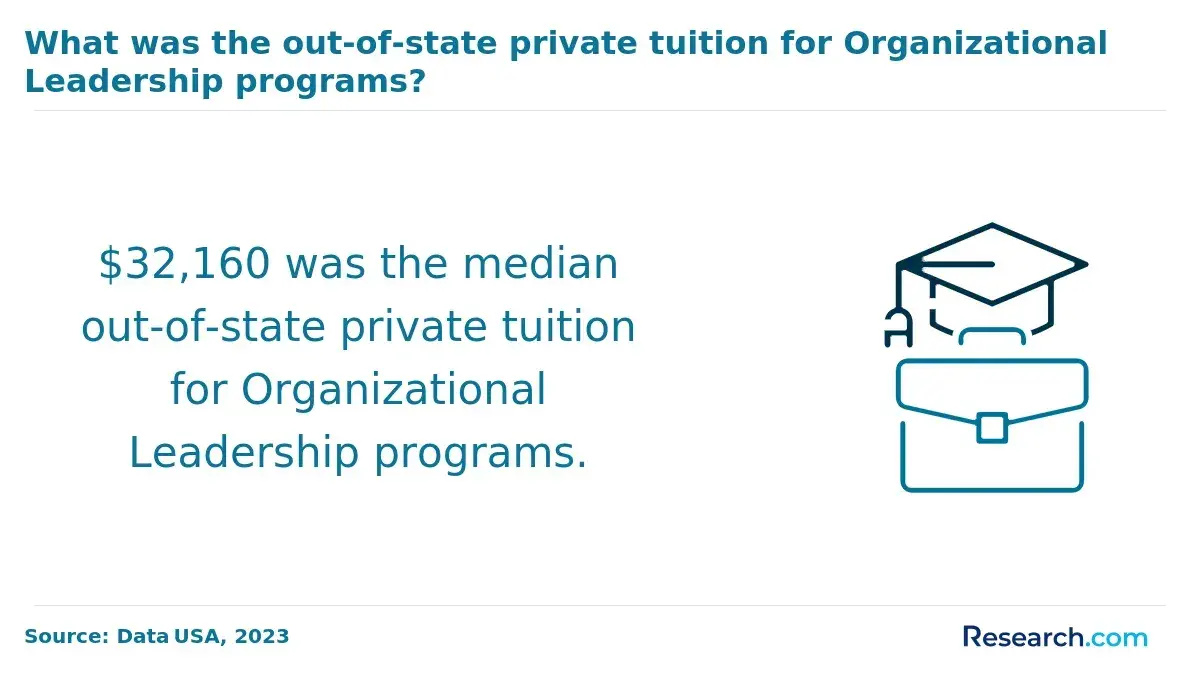
Students looking into organizational leadership degree programs in Texas can usually expect tuition to range between $8,000 and $30,000 for the whole degree. Knowing these costs upfront is helpful when weighing your options between online and on-campus programs, since each format comes with different financial considerations. Here are some key factors that tend to influence the overall price you'll pay.
- Program length: Programs that take longer to complete or require more credit hours typically cost more in tuition and fees. If you're aiming for a faster path, shorter programs might save you money in the long run.
- Residency status: Being a Texas resident often means qualifying for in-state tuition, which is significantly cheaper than what out-of-state or international students pay. It's worth checking your eligibility for these rates before applying.
- Delivery format: Online programs might have different tuition structures and can help cut down expenses like commuting and housing. Still, some online courses come with tuition costs that rival on-campus options, so it's not always a cheaper alternative.
- Additional fees: Besides tuition, expect to budget for things like technology fees, registration costs, textbooks, and supplies. These smaller expenses can add up, so factor them in when planning your finances.
I recently spoke with a graduate who completed an on-campus organizational leadership program in Texas, and he shared how managing the cost was part of his journey. At first, the tuition felt overwhelming, especially with the added living expenses of relocating closer to campus. He juggled part-time work alongside coursework and found that careful budgeting was key to staying on track. Despite the challenges, he appreciated the face-to-face access to faculty and campus events that enriched his experience and felt the investment paid off when he moved into a leadership role shortly after graduating.
What financial aid options are available to organizational leadership students in Texas?
Paying for an organizational leadership degree can be a challenge since costs vary depending on the program format and institution. On average, student loan debt for graduates in Texas tops $27,000, which makes finding good financial aid options even more important. Here are some common ways students in Texas can get help with expenses while pursuing a leadership degree.
- Federal Grants and Loans: Most students qualify for federal aid by filling out the FAFSA. Pell Grants provide need-based funding that doesn't have to be paid back, while student loans offer flexible repayment options to help spread out costs.
- State-Based Financial Aid: Texas has scholarships and grants like the Texas Educational Opportunity Grant and Texas Grant Program, which support undergraduates based on need or academic accomplishments.
- Scholarships: Many private organizations and foundations award scholarships for leadership studies, often looking at your academic record, leadership skills, or community involvement to decide.
- Employer Tuition Assistance: If you're working, your employer might offer tuition reimbursement programs that cover part or all of your tuition if you keep working for them or meet certain job-related goals.
- Military and Veteran Benefits: Veterans and active military members in Texas can use benefits like the GI Bill or state programs to help cover tuition and fees, which eases the financial load for many.
If you want to dig deeper into funding options while earning an advanced degree, exploring resources for online PhD organizational leadership programs can be a smart move.
What jobs can you get with an organizational leadership degree in Texas?
Organizational leadership skills are super versatile and apply across many industries, making graduates well-prepared for a variety of roles in Texas' diverse job market. With the state's economy growing, especially in healthcare and technology, the demand for leadership and management is on the rise, opening up plenty of opportunities.
- Management roles: Oversee teams, implement strategic goals, and manage resources efficiently. These positions rely on strong communication and decision-making skills developed through an organizational leadership degree.
- Operations roles: Focus on improving processes, coordinating supply chains, and optimizing workflows. Leadership training helps graduates analyze systems and encourage collaboration across departments.
- Human resources: Handle recruitment, employee relations, and training programs. The degree prepares you to resolve conflicts, evaluate performance, and maintain a positive work environment.
- Project leadership: Direct projects from start to finish, managing deadlines and budgets. Skills in strategic planning and stakeholder communication are key to staying on track.
- Nonprofit leadership: Manage programs, fundraising, and community outreach efforts. Leadership education supports inspiring teams and aligning operations with mission goals.
- Healthcare and public-sector roles: Oversee departments or programs, ensure regulatory compliance, and lead multidisciplinary teams, vital in these complex environments.
If you're curious about affordable ways to start, consider checking out this cheap organizational leadership bachelors degree online option that could fit your goals and lifestyle.
How much can organizational leadership graduates earn in Texas?
Organizational leadership graduates in Texas usually see annual salaries ranging from around $50,000 to $160,000, depending on where they are in their career path and the type of role they take on. How much you earn really depends on your experience level, job responsibilities, and the industry you're working in.
- Entry-level: Salaries typically fall between $50,000 and $65,000 for new grads stepping into roles like team supervisors, assistant managers, or coordinators. These jobs help build core leadership skills and usually involve managing smaller teams or projects, which means earnings start modest but grow as experience is gained.
- Mid-career: With several years under your belt, expect to earn from $70,000 up to $100,000. At this stage, positions often include managerial or department head roles that come with bigger responsibilities and a bigger impact on company strategy. Industries like tech, healthcare, and finance tend to offer higher pay.
- Senior leadership: Top leadership roles such as directors, VPs, or executives usually command salaries between $110,000 and $160,000 or more. Pay at this level varies based on how big the organization is, how broad your leadership is, and the industry sector-all requiring strong experience, proven leadership, and accountability for major business outcomes.
Are organizational leadership programs in Texas accredited?
When you're looking into organizational leadership programs in Texas, checking if they're accredited is super important. Accreditation guarantees that the program meets certain standards for academic quality, making sure you're actually getting a solid education. It also means employers take your degree seriously, helps you qualify for financial aid, and makes it easier to transfer credits if you want to keep studying later on.
- Southern Association of Colleges and Schools Commission on Colleges (SACSCOC): This is the main regional accreditor for many Texas colleges and universities. It looks at the whole school, making sure the institution meets high quality and integrity standards. Having this accreditation means your degree is widely recognized and respected.
- Accreditation Council for Business Schools and Programs (ACBSP): This body focuses specifically on teaching quality and student outcomes in business and leadership programs. It's great if the program emphasizes practical leadership skills and a strong classroom experience.
- Association to Advance Collegiate Schools of Business (AACSB): AACSB is a bit more research-focused and is considered a gold standard for business schools. Programs with this accreditation often have rigorous curricula and are a good choice if you're aiming for advanced leadership roles.
- Specialized Leadership Program Accreditation: Sometimes, leadership programs might have accreditation from professional organizations connected to leadership training. These are less common but can add value, especially for niche focuses in leadership and management development.
What Organizational Leadership Graduates in Texas Say About Their Degree
- Completing the organizational leadership program online while living in Texas allowed me the flexibility to balance work and family life effortlessly. The curriculum's focus on local educational policies gave me practical insights I immediately applied at Riverside Elementary School, where I now thrive as a first-year administrator. This degree has been a cornerstone in achieving stability and growth in my career while fueling my passion for creating supportive environments for students. The Texas-based resources and case studies made the learning experience especially relevant and empowering. Ashana
- Advancing to a senior leadership position within the academic field felt attainable once I earned my degree in organizational leadership in Texas. The program's emphasis on strategic thinking and cultural awareness prepared me to navigate the complexities of educational systems here, particularly the diverse community dynamics unique to Texas schools. It was a deeply rewarding process that shifted my perspective and has motivated me to mentor others looking to grow professionally. The sense of accomplishment in contributing to educational progress across the state has been immensely fulfilling. Comrade
- One of the most transformative aspects of my on-campus organizational leadership experience in Texas was witnessing firsthand how leadership can impact community well-being. Enrolling from Houston allowed me to connect with like-minded peers and faculty who were familiar with the challenges facing Texas education systems. This program not only developed my leadership skills but also deepened my commitment to fostering inclusive environments that celebrate our state's rich cultural diversity. The personal growth I achieved has inspired me to pursue continual development and greater impact. Mei
Related Articles for Nearby States
- 2027 Best Organizational Leadership Degree Programs in Louisiana: Online & Campus
- 2027 Best Organizational Leadership Degree Programs in Oklahoma: Online & Campus
- 2027 Best Organizational Leadership Degree Programs in Arkansas: Online & Campus
- 2027 Best Organizational Leadership Degree Programs in New Mexico: Online & Campus
- 2027 Best Organizational Leadership Degree Programs in Kansas: Online & Campus
- 2027 Best Organizational Leadership Degree Programs in Missouri: Online & Campus
- 2027 Best Organizational Leadership Degree Programs in Colorado: Online & Campus
- 2027 Best Organizational Leadership Degree Programs in Mississippi: Online & Campus
- 2027 Best Organizational Leadership Degree Programs in Tennessee: Online & Campus
- 2027 Best Organizational Leadership Degree Programs in Arizona: Online & Campus
References:
- Organizational Development Certificate | UT Tyler https://www.uttyler.edu/academics/programs/organizational-development-certificate.php
- Home https://texasleadershipscholars.org/index.html
- Is Organizational Leadership Hard? | CSU Global https://csuglobal.edu/blog/is-organizational-leadership-hard
- Organizational Leadership and Innovation https://www.brazosport.edu/areas-of-study/business/organizational-leadership-and-innovation/
- Leadership Development | TEEX. ORG https://teex.org/leadership-development/
- Prospective Students https://www.owls.txst.edu/undergraduate-program/prospective-students.html
- Organizational Leadership Graduate Programs & Schools 2025+ in Texas https://www.gradschools.com/programs/organizational-leadership
- Organizational Leadership - Texas Lutheran University https://edd.tlu.edu/organizational-leadership/
- Bachelor of Applied Arts and Science in Organizational Leadership https://catalog.wc.edu/organizational-leadership-orgl/bachelor-of-applied-arts-and-science-in-organizational-leadership
- Leadership and Organizational Behavior | College Course for University of North Texas https://www.transfercredit.org/course/university-of-north-texas/leadership-and-organizational-behavior
Other Things You Need to Know About Organizational Leadership Programs in Texas
Transfer students in Texas can typically enroll in organizational leadership programs, with many universities outlining credit transfer policies. Schools such as the University of Texas at Dallas and Texas A&M University often offer tailored guidance to facilitate a smooth transition for transfer students.
In 2027, top Texas universities for organizational leadership degrees, both online and on-campus, include the University of Texas at Austin, Texas A&M University, and Southern Methodist University. These institutions offer comprehensive programs that equip students with strategic leadership and management skills crucial for diverse career paths.
Core courses for organizational leadership degree programs in Texas in 2027 typically include Leadership Theory, Organizational Behavior, Strategic Management, Ethics in Leadership, and Change Management. These courses equip students with the skills necessary to effectively lead and manage organizations in various settings.
An organizational leadership degree can significantly enhance career opportunities in Texas by equipping professionals with advanced management skills critical for leadership roles. The degree focuses on strategic decision-making, effective communication, and organizational development, which are highly valuable in Texas’s diverse industries including technology, healthcare, and energy.


