
2027 Best Pharmacy Schools & Pharmacist Programs Requirements in Delaware: Online & Campus

Co-Founder and Chief Data Scientist
Choosing the right pharmacy school in Delaware can be daunting, given the complex admission standards and varied program formats. Approximately 65% of applicants to pharmacy programs meet initial eligibility, yet only a fraction gain acceptance due to rigorous prerequisites and competitive criteria. Understanding these requirements is essential for aspirants aiming to become licensed pharmacists in Delaware.
This article, created by career planning experts, critically examines top pharmacy schools and their online and campus offerings, helping readers navigate admissions and program selection with clarity and confidence.
Key Benefits of Pharmacy Schools and Pharmacist Programs in Delaware
- Delaware's pharmacy programs often feature advanced curricula aligned with ACPE standards, ensuring comprehensive knowledge in pharmacotherapy and patient care, although curriculum depth may vary by institution.
- Students typically benefit from access to diverse clinical training sites, including local hospitals and community pharmacies, which facilitate hands-on experience but may depend on the availability of partnerships.
- Faculty expertise combined with career placement services supports graduates' transition into the workforce, though effectiveness can differ, highlighting the importance of researching individual program outcomes.
- What pharmacy degree programs are offered in Delaware?
- How do you compare online vs. campus pharmacy programs in Delaware?
- What are the requirements for a pharmacy school application in Delaware?
- What courses do you take in pharmacist programs in Delaware?
- How long does it take to complete pharmacist programs in Delaware?
- What exams do pharmacy graduates in Delaware need to pass?
- How much do pharmacist programs cost in Delaware?
- What financial aid options are available for pharmacy students in Delaware?
- What jobs can you get with a pharmacy degree in Delaware?
- What is the average pharmacist salary in Delaware?
What pharmacy degree programs are offered in Delaware?
The landscape of pharmacy education in Delaware reflects broader national shifts toward more clinical and patient-centered pharmacy roles, aligning with data showing increasing enrollment in PharmD programs across the U.S. While Delaware offers limited direct access to PharmD programs on campus, students can benefit from hybrid and online options that provide flexibility for diverse learning needs. The following outlines key pharmacy degree programs in Delaware to consider for those exploring pharmacist education pathways.
- Pre-pharmacy Tracks: These foundational courses prepare students for admission into professional pharmacy programs by covering essential sciences and prerequisite subjects. They are designed for early undergraduate students aiming to meet the requirements for advanced study in pharmacy.
- Doctor of Pharmacy (PharmD) Programs: The PharmD remains the primary credential required to become a licensed pharmacist. While Delaware has few in-state direct PharmD offerings, regional and online programs frequently include hybrid learning formats that blend remote education with some in-person clinical experiences, catering to working professionals and those needing scheduling flexibility.
- Dual-Degree Programs: These options combine the PharmD with graduate degrees like an MBA or MPH, intended for pharmacists seeking expanded expertise in management, administration, or public health. Such pathways can open doors to more diverse career opportunities beyond traditional pharmacy practice.
- Postgraduate Residency Training (PGY1 and PGY2): Residency programs provide advanced, specialized clinical training after earning a PharmD. PGY1 focuses on general pharmacy practice competencies, while PGY2 allows for specialization in areas such as ambulatory care or pharmacotherapy, preparing pharmacists for advanced clinical, research, or academic roles.
- Certificate and Continuing Education Programs: These programs support licensed pharmacists in maintaining licensure and enhancing skills in specific areas like immunizations, medication therapy management, or compounding. Such education is vital for adapting to evolving pharmacy practices and regulatory requirements.
Students exploring the best pharmacy schools & pharmacist programs requirements in Delaware should evaluate how these pathways align with their professional goals. For a comprehensive overview of what educational steps are necessary, reviewing pharmacist degree courses can provide valuable insights.
How do you compare online vs. campus pharmacy programs in Delaware?
Online and campus pharmacy programs in Delaware differ mainly in delivery method, flexibility, and access to clinical training. Notably, over 20% of U.S. pharmacy schools incorporate hybrid or fully online courses as of 2023, reflecting growing trends in digital learning.
Online Pharmacy Programs
- Flexibility: Designed for students balancing work or family, these programs allow study from any location and often offer asynchronous coursework.
- Clinical Training: Students must independently coordinate required rotations and experiential learning, which can pose logistical challenges.
- Student Support: Support services like advising and tutoring are usually virtual, potentially limiting immediate access compared to on-campus options.
- Technology Requirements: Relies heavily on stable internet and digital platforms for lectures, exams, and virtual labs.
- Interaction: Instructor and peer interaction is mostly online, which may affect spontaneous discussion and networking opportunities.
- Learning Style Suitability: Best suited for self-motivated learners with strong time management and technology skills.
Campus Pharmacy Programs
- Hands-On Training: Emphasizes direct, in-person clinical experience essential for state licensure and skill development.
- Structured Schedule: Offers a traditional classroom environment with set class times that provide routine and immediate feedback.
- Access to Faculty: Regular face-to-face mentorship facilitates deeper engagement and personalized guidance.
- Peer Interaction: Encourages collaboration and networking through direct contact with classmates.
- Support Services: Provides on-site academic advising, tutoring, and access to campus resources.
- Suitability: Ideal for students who thrive in interactive, scheduled settings and seek close contact with clinical sites.
What are the requirements for a pharmacy school application in Delaware?
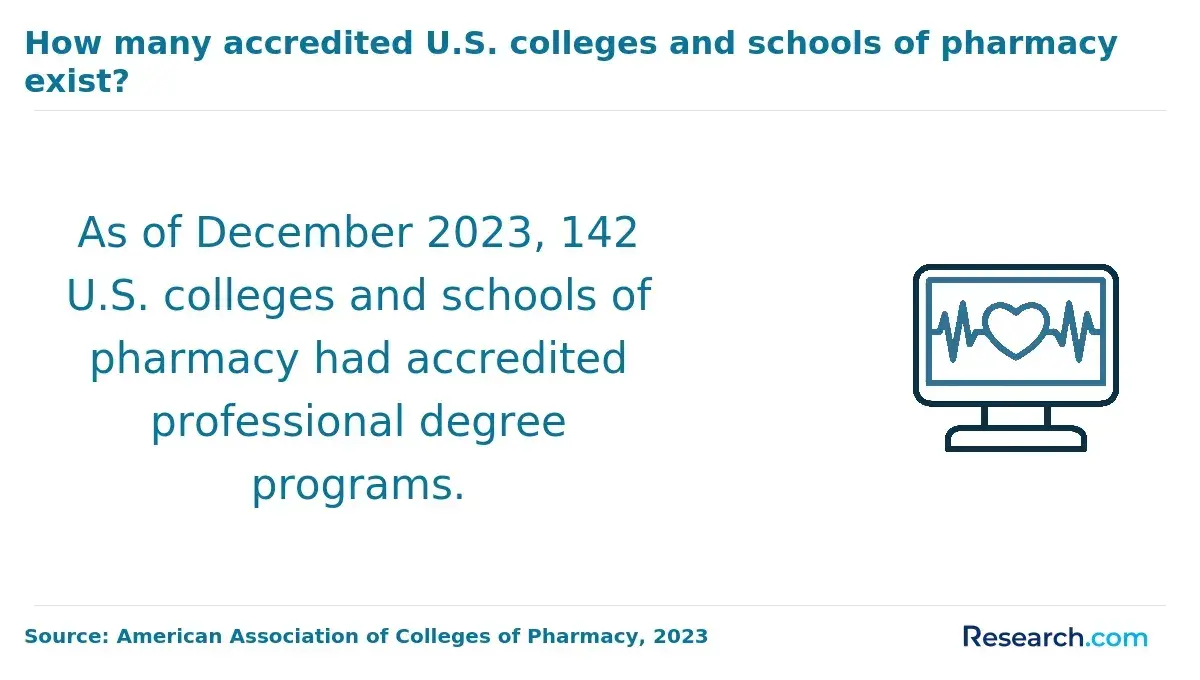
Pharmacy school applications in Delaware require a well-rounded and rigorous approach, reflecting the profession's demands for both academic excellence and personal integrity. Despite a slight national decline in applicants, competition remains strong due to limited program seats and steady demand for pharmacists in the region.
- Prerequisite Coursework: Applicants must complete foundational science and math courses, including biology, chemistry, anatomy, physiology, physics, microbiology, and often calculus or statistics. These courses ensure readiness for advanced pharmaceutical studies.
- GPA Expectations: A competitive cumulative GPA typically exceeds 3. 0, with admitted students averaging between 3. 3 and 3. 7 nationally, signaling high academic standards.
- Standardized Tests: Though the Pharmacy College Admission Test (PCAT) was once common, many Delaware programs have adopted test-optional policies. Applicants should check current requirements but focus heavily on academic records.
- Letters of Recommendation: Strong endorsements usually come from science professors or healthcare professionals, providing insight into both academic aptitude and character.
- Personal Statements: Candidates must articulate motivations and career goals clearly, showing their fit for pharmacy practice and commitment to patient care.
- Interviews: Programs often assess interpersonal skills, ethical judgment, and professional dedication through interviews conducted after application screening.
- Background Checks: Due to the sensitive nature of the pharmacy profession, applicants undergo background screenings to ensure they meet legal and ethical standards before admission.
A graduate shared that navigating the application process entailed balancing intense academic prerequisites with personal growth reflections. She recalled late nights refining her personal statement to honestly convey her passion, while also securing detailed recommendations from mentors familiar with her evolving professional ethos. The interview phase, she noted, was both nerve-wracking and affirming, challenging her to express her values beyond grades. Looking back, the combination of academic rigor and interpersonal evaluation deeply shaped her confidence and preparedness for pharmacy's demands.
What courses do you take in pharmacist programs in Delaware?
Pharmacist programs in Delaware typically allocate a substantial portion of credit hours-around 50-60%-to core sciences and clinical training, balancing theoretical and practical knowledge essential for effective patient care. This curriculum structure reflects a comprehensive approach designed to prepare students for diverse roles within healthcare settings. Below is an overview of key course categories commonly found in pharmacy degree courses in Delaware.
- Foundational Science Courses: These include subjects such as biology, chemistry, and pharmacokinetics, providing students with a solid understanding of the chemical and biological principles underlying drug actions and interactions.
- Pharmacology: Focused on the study of drug effects, mechanisms, and therapeutic uses, these courses equip students to understand how medications influence the human body and how to optimize their use.
- Therapeutics: This area covers clinical decision-making and patient care strategies, teaching students to apply pharmacological knowledge in developing effective treatment plans tailored to individual patient needs.
- Clinical Practice: Hands-on experiences and internships form a critical component, allowing students to practice patient counseling, medication dispensing, and interprofessional collaboration within real healthcare environments.
- Pharmacy Law and Ethics: Courses in this category address the legal and ethical standards governing pharmacy practice, helping students navigate regulatory requirements and professional responsibilities.
- Interprofessional Education: Encouraging collaboration with other healthcare professionals, these courses reflect the growing trend toward team-based care and integrated health services.
- Elective or Specialization Courses: Students may choose to focus on areas such as oncology, pediatrics, or pharmacogenomics, tailoring their education to specific interests and career goals within the field.
For prospective students considering the pharmacist program curriculum Delaware offers, understanding these core components is vital. Those exploring career options might also find value in reviewing a pharmacy tech salary comparison as part of broader career planning.
How long does it take to complete pharmacist programs in Delaware?
Program timelines for pharmacy education in Delaware can vary significantly based on factors such as program type, student pace, and prerequisite completion. Nationally, the average time to complete a Doctor of Pharmacy (PharmD) program is about four years following two to three years of prerequisite undergraduate study.
Below is an overview of factors influencing pharmacist program duration in Delaware:
- Standard PharmD timeline: Most students complete a PharmD in four academic years after finishing required undergraduate coursework. This aligns with national norms and institutions like the University of Delaware.
- Accelerated and part-time options: Some programs offer accelerated tracks that shorten the timeline to approximately three years by including summer terms. Part-time paths, though less common for pharmacy degrees, may extend completion time if balancing other commitments.
- Online versus on-campus pacing: Delaware pharmacy education emphasizes on-campus attendance for clinical rotations and labs. While some prerequisite or continuing education courses can be taken remotely, fully online PharmD programs are rare due to licensing requirements. For those exploring training options, there are online pharmacy technician certification courses that complement pharmacy studies.
- Prerequisites and experiential rotations: The combined undergraduate prerequisites and PharmD curriculum often total six to seven years. Practical rotations required for licensure add several months and depend on scheduling and availability, influencing the overall time to complete pharmacy degree Delaware students pursue.
What exams do pharmacy graduates in Delaware need to pass?
Becoming a licensed pharmacist in Delaware requires passing several rigorous examinations that assess both pharmaceutical knowledge and legal understanding. These exams are designed to ensure that pharmacists are equipped to provide safe, competent medication therapy management and comply with state and federal regulations. Below is an outline of the key exams and certifications relevant to pharmacy graduates seeking licensure and advanced credentials in Delaware.
- North American Pharmacist Licensure Examination (NAPLEX): This standardized exam evaluates a candidate's overall competence in pharmacy practice, focusing on medication therapy management, dispensing accuracy, and patient safety. Developed by the National Association of Boards of Pharmacy (NABP), passing the NAPLEX is essential to demonstrate readiness to practice effectively across various pharmacy settings.
- Multistate Pharmacy Jurisprudence Examination (MPJE): Tailored to Delaware's legal framework, the MPJE tests knowledge of federal and state pharmacy laws and regulations. Successful completion ensures pharmacists understand the legal obligations and standards governing pharmacy practice within Delaware. Currently, no additional state-specific jurisprudence exams are mandated beyond the MPJE.
- State-Specific Exams: Delaware does not require exams beyond the NAPLEX and MPJE for initial licensure. However, graduates should remain aware that other states may have additional requirements, which could be relevant for pharmacists planning to practice out of state or pursue broader certification.
- Additional Certifications and Residency Exams: While not compulsory for licensure, many pharmacists opt to obtain specialized certifications in areas such as Immunization Delivery or Diabetes Education. These credentials, offered by organizations like the Board of Pharmaceutical Specialties and the American Pharmacists Association (APhA), enhance professional development and can improve career prospects. Completion of residency programs or board certification exams further refines clinical expertise but remains optional in Delaware's licensing structure.
A pharmacy graduate from one of Delaware's top pharmacy programs shared his experience preparing for these exams: "The NAPLEX was undoubtedly challenging, requiring countless hours working through practice questions and clinical case studies to build confidence. What struck me most was balancing internship hours with exam prep-managing real-world pharmacy duties alongside rigorous study was demanding but invaluable. Taking the MPJE felt like entering a new realm, as pharmacy law was rarely emphasized in depth during school. I devoted extra time to mastering state-specific regulations, which made me feel more competent and confident when taking the test. Overall, passing these exams was a transformative milestone, marking a passage from student to healthcare professional fully ready to serve my community in Delaware. "
How much do pharmacist programs cost in Delaware?
Pharmacist program tuition rates in Delaware vary depending on the type of institution and format of study, influencing the overall cost significantly. National trends show that pharmacy education frequently ranges from $25,000 to over $50,000 annually for tuition alone, with additional expenses adding to the total financial commitment. Below is a breakdown of key cost factors relevant to students considering pharmacy schools in Delaware.
- Tuition for Public vs. Private Programs: Public pharmacy schools near Delaware typically charge in-state students between $25,000 and $40,000 per year. Private institutions often have higher rates, sometimes exceeding $50,000 annually, reflecting national patterns of greater tuition costs at private schools.
- Additional Fees: Besides tuition, students should budget for lab fees, technology charges, and student service fees. These extra costs generally range from several hundred to a few thousand dollars yearly and support essential resources like experiential training and online learning platforms.
- Online versus On-Campus Costs: Online pharmacist programs may reduce expenses related to housing and commuting, but tuition often remains similar to on-campus rates. Due to required clinical rotations, students might incur travel and lodging expenses regardless of the study format.
- Books, Supplies, and Clinical Rotations: Costs for textbooks and supplies can total $1,500 to $3,000 annually due to specialized materials. Clinical experiences may require additional spending on travel, accommodation, and liability insurance during rotations.
These factors highlight the complex cost structure involved in pharmacy education accessible to Delaware residents, whether attending in person or pursuing online pharmacist programs.
What financial aid options are available for pharmacy students in Delaware?
Pharmacy education in Delaware can involve significant costs, making financial aid crucial for many students. Nationwide, pharmacy graduates often face average debts exceeding $150,000, highlighting the need for comprehensive support options. Pharmacy students in Delaware may consider the following financial aid avenues.
- Federal and State Grants: Pell Grants and Federal Supplemental Educational Opportunity Grants (FSEOG) provide need-based support. Delaware's state-specific grants, such as the Delaware Scholarship Program, prioritize residents and careers in pharmacy, easing tuition burdens.
- Scholarships: Various scholarships from private groups and pharmacy associations reward academic merit and leadership. These often target those showing commitment to underserved communities.
- Work-Study Programs: The Federal Work-Study Program offers paid opportunities to gain experience while supporting education costs, benefiting students balancing study and income needs.
- Student Loans: Federal direct loans are common, with fixed rates and flexible repayment. Graduate pharmacy students may use unsubsidized and PLUS loans, but careful consideration is needed due to high average debt.
- Employer Tuition Assistance: Healthcare employers in Delaware frequently offer tuition reimbursement or aid, encouraging ongoing education among pharmacists and students.
- Online Pharmacy Programs: Students exploring online pharmacy programs can also access many of these financial aid options, making remote education more affordable.
What jobs can you get with a pharmacy degree in Delaware?
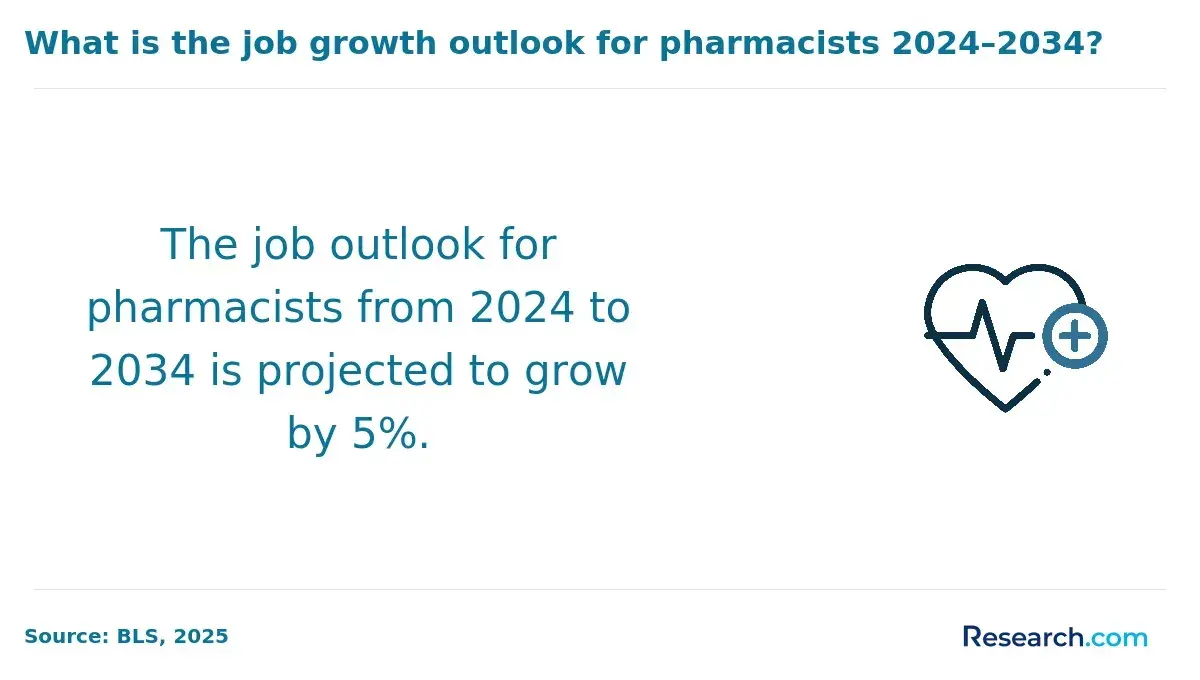
The pharmacy sector in Delaware offers a range of career opportunities that span various healthcare and pharmaceutical settings. Employment for pharmacists in the state is expected to grow by approximately 4% through 2030, influenced by an aging population and expanded clinical roles. This steady growth highlights the evolving scope of pharmacy professions beyond traditional dispensing tasks.
- Retail Pharmacist: These professionals primarily dispense medications and provide counseling to patients on proper drug use and potential side effects. Their role is vital in community health, ensuring patients understand their treatments and adhere to prescribed therapies.
- Hospital Pharmacist: Working within healthcare institutions, hospital pharmacists manage medication therapies for inpatients and collaborate with medical staff to optimize treatment plans. Their work often involves medication safety, inventory management, and regulatory compliance.
- Clinical Pharmacist: Clinical pharmacists engage directly with healthcare teams to tailor medication regimens and monitor patient outcomes. Their focus on evidence-based practices supports improved effectiveness and reduced adverse events, playing a critical role in multidisciplinary care.
- Pharmaceutical Researcher: Some graduates contribute to the development of new drugs and therapies, working in laboratories or clinical trials. This pathway demands a strong foundation in science and offers opportunities to impact public health on a broader scale.
- Consultant Pharmacist: Consultant pharmacists provide expert advice to healthcare facilities, long-term care centers, or outpatient clinics. They typically focus on medication management policies, regulatory compliance, and improving medication use systems.
- Specialty Pharmacist: This emerging role involves managing complex medication therapies for chronic or rare conditions, often coordinating with specialty pharmacies and clinics. Specialty pharmacists emphasize patient education and adherence, addressing challenges unique to these therapies.
- Ambulatory Care Pharmacist: In ambulatory settings, pharmacists provide ongoing medication management and monitoring outside of hospitals. Their involvement increases access to care and supports better health outcomes through continuous patient engagement.
What is the average pharmacist salary in Delaware?
Pharmacists in Delaware generally earn salaries close to the national median, reflecting consistent demand for skilled professionals in healthcare and pharmaceuticals. According to the U.S. Bureau of Labor Statistics, the median annual wage for pharmacists nationwide was about $128,710 as of May 2022, providing a useful benchmark for understanding earning potential in this field.
- Practice Setting: Salaries vary depending on the work environment. Retail pharmacists often earn less compared to those employed in hospitals or clinical settings, where the complexity and critical nature of duties tend to command higher pay.
- Experience Level: Entry-level pharmacists typically start with lower salaries, which increase as they gain more years of experience and take on leadership or specialized responsibilities within their practice.
- Geographic Location: Within Delaware, pharmacists working in urban areas or closer to major metropolitan centers generally have access to higher-paying opportunities than those in rural locations due to the concentration of healthcare facilities and pharmaceutical companies.
- Specialized Roles: Advanced positions in fields like oncology or infectious diseases often offer greater compensation. Expertise in these areas is in demand and can lead to higher earnings than general pharmacy roles.
What Graduates of Pharmacy Programs in Delaware Say About Their Degree
- Pursuing my pharmacy degree online through one of Delaware's top schools was a transformative experience that allowed me to balance work and study effectively. Landing a role at St. Andrew's School has been incredibly rewarding because I get to engage directly with students and ensure they understand the importance of medication safety right from a young age. The flexibility of the online program combined with the local curriculum made me feel well-prepared and confident in my skills. It's fulfilling to contribute positively to the well-being of my community while growing professionally in a supportive environment. Jamal
- After completing an on-campus pharmacy program at one of Delaware's leading universities, I was able to secure a higher position in the academic field, which has significantly expanded my influence on the future of pharmacy education. The rigorous curriculum combined with the resources unique to Delaware's healthcare and research sectors really set me apart in my career journey. I am proud to mentor aspiring pharmacy professionals while continuing to grow through research and professional development opportunities that the program opened up for me. This experience has been invaluable in shaping my leadership and innovative thinking. Aisha
- The pharmacy program I attended in Delaware offered a unique perspective by integrating the state's cultural and environmental aspects into the curriculum, which deepened my understanding of community health challenges here. Working now at Newark Charter School, I feel passionate about promoting health awareness and supporting students in making informed decisions about their medication and wellness. The personal growth I experienced throughout the program also strengthened my communication and critical thinking skills, enabling me to be an advocate for health equity in our diverse communities. This journey has been as much about professional advancement as it has been about making a meaningful impact locally. Carlo
Related Articles for Nearby States
- 2027 Best Pharmacy Schools & Pharmacist Programs Requirements in Maryland: Online & Campus
- 2027 Best Pharmacy Schools & Pharmacist Programs Requirements in New Jersey: Online & Campus
- 2027 Best Pharmacy Schools & Pharmacist Programs Requirements in Pennsylvania: Online & Campus
- 2027 Best Pharmacy Schools & Pharmacist Programs Requirements in Virginia: Online & Campus
- 2027 Best Pharmacy Schools & Pharmacist Programs Requirements in West Virginia: Online & Campus
- 2027 Best Pharmacy Schools & Pharmacist Programs Requirements in New York: Online & Campus
- 2027 Best Pharmacy Schools & Pharmacist Programs Requirements in Connecticut: Online & Campus
- 2027 Best Pharmacy Schools & Pharmacist Programs Requirements in Rhode Island: Online & Campus
- 2027 Best Pharmacy Schools & Pharmacist Programs Requirements in North Carolina: Online & Campus
- 2027 Best Pharmacy Schools & Pharmacist Programs Requirements in Ohio: Online & Campus
References
- Delaware Pharmacy Technician Program https://www.stepful.com/pharmacy-technician-program/delaware
- Discover Online PharmD Programs in DE- Pharmacist Schools https://pharmacistschools.org/online-pharmd-programs/delaware/
- Christiana Care Pharmacy Residency Program in Delaware https://residency.christianacare.org/pharmacy
- Best Accredited Online Colleges In Delaware https://www.accreditedschoolsonline.org/delaware/
- Pharmacy Jurisprudence DE - Study Test Review - Exam Master https://www.exammaster.com/exam/mpje-delaware/
- Client Challenge https://www.delawareareacc.org/o/dacchs/page/pharmacy-technician
- Financial Aid https://www.desu.edu/admissions/financial-aid
- List of pharmacy schools in the United States - Wikipedia https://en.wikipedia.org/wiki/List_of_pharmacy_schools_in_the_United_States
- Essential Skills to study Pharmacy - College of Pharmacy and Nutrition - https://pharmacy-nutrition.usask.ca/students/undergraduate-programs/essential-skills-pharmd.php
- Delaware Pharmacy Technician Requirements https://pharmacytechacademy.com/delaware-pharmacy-tech-requirements
Other Things You Should Know About The Best Pharmacy Schools & Pharmacist Programs Requirements in Delaware
In 2027, pharmacy schools in Delaware primarily offer in-person programs; however, some institutions may offer hybrid courses that combine online lectures with in-person lab experiences for flexibility. Prospective students should directly check with individual schools for the latest offerings and formats.
The Delaware Board of Pharmacy requires a minimum of 1, 500 internship hours for pharmacist licensure. These hours must be completed under the supervision of a licensed pharmacist. The internship experience helps candidates gain practical skills essential for pharmacy practice.
Students typically accumulate these hours during their professional pharmacy education. The hours can be completed in various settings, including community pharmacies, hospitals, and other approved healthcare facilities. It is important to document all completed hours accurately and submit them as part of the licensure application process to the Delaware Board of Pharmacy.
In 2027, pharmacy schools in Delaware typically require applicants to have a bachelor's degree, satisfactory PCAT scores, and relevant experience in healthcare or pharmaceuticals. Strong communication and analytical skills are also emphasized as crucial for admission.
In 2027, pharmacy schools in Delaware offer a curriculum that integrates both scientific knowledge and practical skills. Courses typically cover pharmaceutical sciences, clinical practice, and patient care, alongside opportunities for experiential learning through lab work and real-world healthcare settings. This prepares graduates for diverse roles in pharmacy.


