
2027 Best Pharmacy Schools & Pharmacist Programs Requirements in Michigan: Online & Campus

Co-Founder and Chief Data Scientist
Finding the right pharmacy school in Michigan presents a challenge as admission standards tighten and program requirements evolve rapidly. Currently, only about 55% of applicants meet the competitive criteria for accredited pharmacy programs, reflecting heightened academic and experiential demands. Future pharmacists must navigate increasingly complex prerequisites, including advanced coursework and practical hours, both online and on campus.
This article, crafted by seasoned career planning experts, explores top Michigan pharmacy schools and program requirements, offering strategic guidance to confidently meet these challenges and anticipate emerging industry trends.
Key Benefits of Pharmacy Schools and Pharmacist Programs in Michigan
- Michigan's pharmacy programs integrate cutting-edge curricula designed to adapt to emerging healthcare technologies, ensuring graduates remain competitive in evolving pharmaceutical fields.
- Students gain extensive clinical experience through partnerships with over 150 healthcare facilities statewide, fostering practical skills crucial for successful licensure and employment.
- Flexible online and hybrid formats, combined with expert faculty guidance and robust career placement services, exponentially improve student accessibility and post-graduation job prospects.
- What pharmacy degree programs are offered in Michigan?
- How do you compare online vs. campus pharmacy programs in Michigan?
- What are the requirements for a pharmacy school application in Michigan?
- What courses do you take in pharmacist programs in Michigan?
- How long does it take to complete pharmacist programs in Michigan?
- What exams do pharmacy graduates in Michigan need to pass?
- How much do pharmacist programs cost in Michigan?
- What financial aid options are available for pharmacy students in Michigan?
- What jobs can you get with a pharmacy degree in Michigan?
- What is the average pharmacist salary in Michigan?
What pharmacy degree programs are offered in Michigan?
Pharmacy degree programs in Michigan offer diverse pathways that adapt to the evolving demands of healthcare and education. With U.S. pharmacy school enrollment rising by about 20% over the last decade, Michigan's educational landscape is reflecting national trends toward more flexible and clinically focused training.
Students can expect a range of program types designed to meet various academic and professional goals within pharmacist education.
- Pre-Pharmacy Tracks: These foundational programs provide essential coursework in sciences, mathematics, and health studies, preparing students to meet Michigan pharmacist education requirements. Designed for those aiming to enter PharmD programs, pre-pharmacy tracks build the necessary knowledge base for admission and success in advanced pharmacy study.
- Doctor of Pharmacy (PharmD) Programs: The core of Michigan's pharmacist education, traditional PharmD programs typically combine comprehensive on-campus learning with experiential clinical training. Increasingly, hybrid and fully online PharmD options are emerging, offering greater flexibility while maintaining rigorous standards through in-person clinical components.
- Dual-Degree Pathways: To broaden career possibilities, some programs enable combined degrees such as PharmD/MBA, PharmD/MPH, or PharmD with law studies. These options prepare graduates for interdisciplinary roles that blend pharmacy expertise with business, public health, or legal insight.
- Postgraduate Residency Training (PGY1/PGY2): Michigan supports advanced clinical specialization through residency programs that target diverse fields such as ambulatory care, geriatrics, and pharmacogenomics. These residencies foster expert practice skills and leadership development after PharmD completion.
- Certificate and Continuing Education Programs: For practicing pharmacists and healthcare professionals, ongoing education is essential. Michigan offers multiple certificate programs and continuing education courses aimed at maintaining licensure, updating clinical knowledge, and enhancing skills in emerging pharmaceutical areas.
For students exploring the best pharmacy schools & pharmacist programs requirements in Michigan, understanding these varied academic options is crucial. For more insight into pharmacy education pathways, consider reviewing a comprehensive pharmacist study program overview.
How do you compare online vs. campus pharmacy programs in Michigan?
Pharmacy education in Michigan is evolving with growing digital learning options, yet on-campus programs remain essential for professional training. Over 20% of pharmacy schools nationwide have integrated online instruction, highlighting the expanding role of remote education alongside traditional formats.
Online Pharmacy Programs
- Flexibility: Online programs allow students to balance studies with personal and work commitments by offering schedule adaptability.
- Clinical Training Limitations: Despite virtual simulations, students must complete on-site clinical experiences separately due to accreditation requirements.
- Technology Dependence: Reliable internet and self-discipline are critical for success in this format, which demands greater learner autonomy.
- Instructor Interaction: Engagement with instructors is often remote and less frequent, which may reduce peer collaboration opportunities.
- Suitability: Ideal for self-motivated learners, those at pre-pharmacy levels, or professionals seeking continuing education while maintaining other responsibilities.
Campus Pharmacy Programs
- Immersive Learning Environment: Provides hands-on laboratory sessions and face-to-face interaction, fostering active mentorship and peer networking.
- Access to Clinical Rotations: Strong partnerships with local hospitals and pharmacies offer diverse experiential learning critical for licensure.
- Student Support Services: On-site tutoring, counseling, and student organizations contribute to a supportive academic experience.
- Structured Schedule: Campus programs follow established timetables, benefiting learners who prefer routine and direct supervision.
- Future Trends: Increasing integration of technology on campuses could blend the flexibility of online learning with the advantages of in-person instruction.
What are the requirements for a pharmacy school application in Michigan?
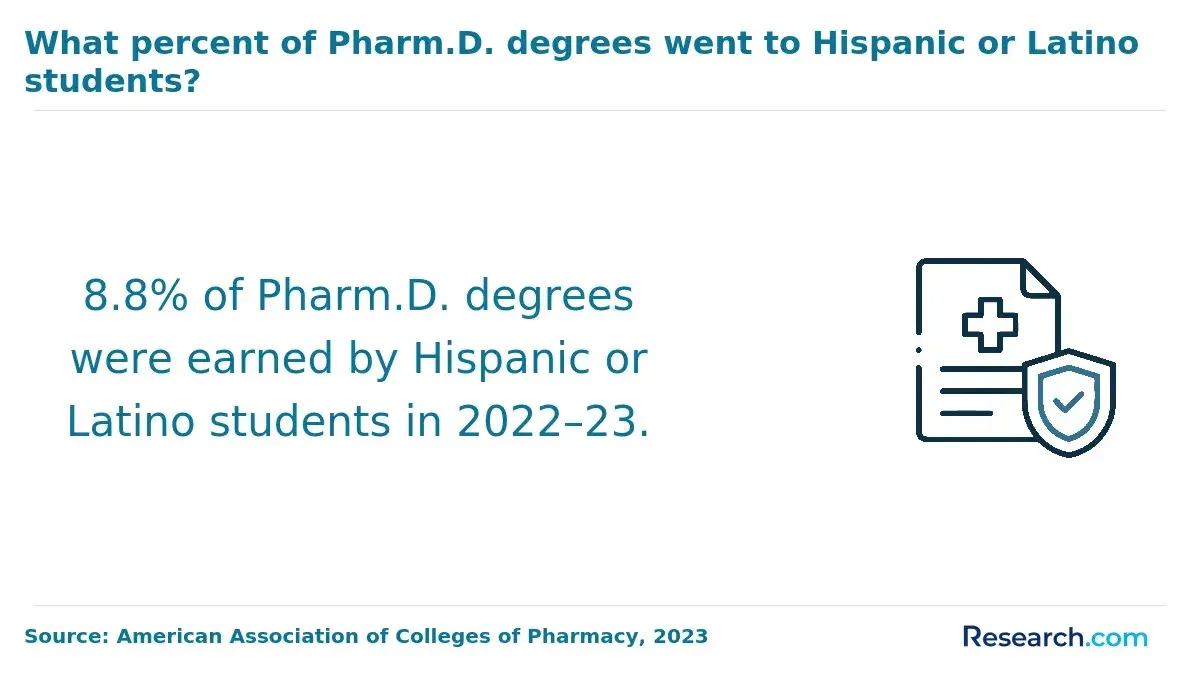
Pharmacy school admissions in Michigan demand a balanced mix of academic achievements and personal qualities to ensure candidates are prepared for rigorous studies and future healthcare roles. Over the past five years, applications have grown by nearly 10%, reflecting heightened competition among aspiring pharmacists statewide.
- Prerequisite Coursework: Applicants must complete foundational courses like general and organic chemistry, biology, anatomy, microbiology, calculus, and English composition. These classes build critical scientific knowledge and communication skills needed for pharmacy studies.
- GPA Expectations: Most programs look for a competitive cumulative GPA, often around 3. 0 to 3. 5, with many successful applicants exceeding 3. 4 to match rising academic standards.
- Standardized Tests: The Pharmacy College Admission Test (PCAT) is becoming optional in many schools, but some still consider scores if submitted, so prospective students should confirm specific program policies.
- Letters of Recommendation: Two to three detailed letters from professors, pharmacists, or supervisors provide insight into the applicant's academic talents, professionalism, and community involvement.
- Personal Statements: These essays explain motivation, understanding of pharmacy's impact, and dedication to patient care, adding depth beyond transcripts and test scores.
- Interviews: Both virtual and in-person formats assess interpersonal skills and fit with program values, increasingly vital as online options expand.
- Background Checks and Drug Screens: Required for safety and regulatory compliance, these steps precede enrollment or clinical placement
A graduate I spoke with reflected on her application journey as both challenging and rewarding. She shared how balancing intense prerequisite courses while securing strong letters from busy pharmacists tested her time management and persistence. The interview process initially sparked nerves, but thoughtful preparation allowed her to confidently express her passion for community health.
Despite the hurdles, completing multiple background checks and screenings felt reassuring, affirming her readiness to enter professional practice. Her experience highlights the importance of resilience and thorough preparation in navigating Michigan's evolving pharmacy admissions landscape.
What courses do you take in pharmacist programs in Michigan?
Pharmacy programs in Michigan are designed to build a comprehensive educational foundation that prepares students for the evolving demands of the profession. Typically requiring 140-160 credit hours, these curricula devote about 40-50% of coursework to foundational sciences, ensuring a strong grasp of biological and chemical principles.
Below is an outline of key course categories that structure pharmacy school courses in Michigan, highlighting their role in shaping skilled pharmacists.
- Foundational Science Courses: These include biology, chemistry, anatomy, physiology, and biochemistry, which form the core scientific knowledge essential for understanding drug actions and effects. Such coursework often takes up a large portion of the overall credit requirement, reflecting its importance in early stages of study.
- Pharmacology: This area focuses on the mechanisms of drug action and interaction within the body. Students learn how different medications affect biological systems, which is crucial in anticipating therapeutic and adverse effects.
- Therapeutics: Building on pharmacology, therapeutics courses teach the practical application of medication knowledge to treat diverse medical conditions. Emphasis is placed on selecting appropriate drug regimens and customizing treatment plans for patients.
- Clinical Practice: Experiential learning through internships or rotations in healthcare environments enables students to gain hands-on experience in patient care, pharmacy operations, and drug dispensing. This component bridges theoretical knowledge with real-world application.
- Pharmacy Law and Ethics: These courses cover regulatory standards, legal responsibilities, and ethical considerations in pharmacy practice. Understanding these areas ensures students can navigate professional conduct and compliance requirements effectively.
- Interprofessional Education (IPE): Michigan's pharmacy education increasingly includes IPE, where students collaborate with peers from nursing, medicine, and other health fields. This fosters teamwork and communication skills essential for integrated patient care.
- Electives and Specializations: Pharmacy students can tailor their learning with courses in clinical pharmacy, community pharmacy, pharmacoeconomics, or pharmaceutical research. This flexibility supports emerging roles and workforce needs within Michigan's healthcare landscape, including opportunities in clinical and outpatient settings such as through accredited online pharmacy technician associate degrees.
How long does it take to complete pharmacist programs in Michigan?
Pharmacy program timelines in Michigan vary depending on factors such as program type, prerequisites, and clinical requirements. On average, completing a pharmacy degree in the U.S. takes about six years, combining prerequisite coursework and professional study.
Below is an overview of typical program durations and considerations affecting completion times:
- Standard PharmD Program: Most students in Michigan enroll in a traditional four-year Doctor of Pharmacy program after completing prerequisite courses. These programs include intensive coursework and clinical rotations, which are mandatory for licensure and typically last several months.
- Accelerated and Part-time Options: Some schools offer accelerated programs allowing completion in less than four years through year-round classes. Part-time pathways extend the timeline but provide flexibility for working students by offering evening or weekend courses.
- Online versus Campus Programs: Online or hybrid programs align closely with campus-based pacing, as experiential rotations must be completed in person. Despite the delivery mode, the time commitment remains similar due to identical hour and clinical requirements.
- Prerequisites and Experiential Rotations: Completing prerequisite courses like biology and chemistry can add one to two years before starting the PharmD. Scheduling clinical rotations can sometimes extend the total duration when delays occur, impacting the time to complete the pharmacy degree that Michigan students experience.
Michigan's timelines often reflect national standards, as students follow pathways that balance rigorous training with emerging flexible options. Those interested in future pharmacy careers should also explore options among the highest paying jobs in healthcare to align education and career goals.
What exams do pharmacy graduates in Michigan need to pass?
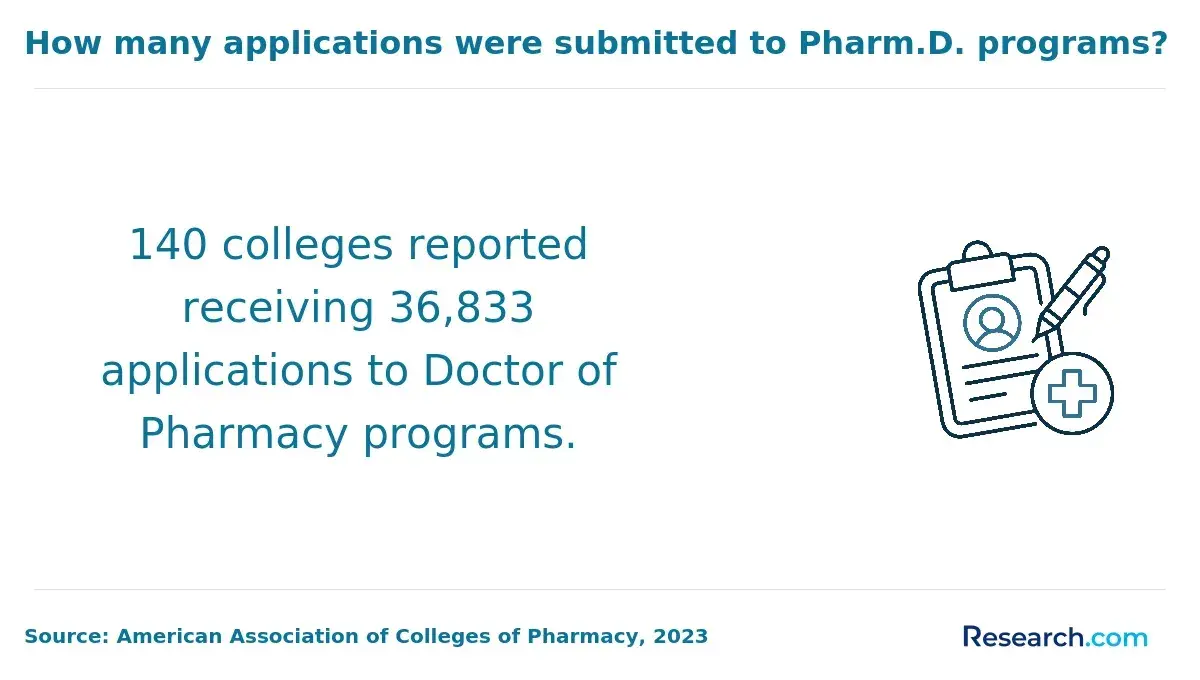
Becoming a licensed pharmacist in Michigan involves meeting rigorous examination and certification standards designed to ensure competence and adherence to state-specific regulations. These requirements not only assess foundational pharmacy knowledge but also emphasize the legal and ethical responsibilities unique to Michigan practice.
Below is a concise overview of the critical exams and certifications pharmacy graduates should anticipate during their licensing journey.
- North American Pharmacist Licensure Examination (NAPLEX): This nationwide exam tests a candidate's mastery of pharmacy practice, including clinical knowledge, patient safety, and medication management. Passing the NAPLEX demonstrates readiness to provide high-quality pharmaceutical care and is essential for licensure across all states, including Michigan.
- Multistate Pharmacy Jurisprudence Examination (MPJE) - Michigan: The MPJE specifically evaluates knowledge of federal and Michigan pharmacy laws, ensuring pharmacists understand the legal framework that governs practice, controlled substances, and patient rights in the state. Successfully passing this exam is mandatory to comply with Michigan's regulatory standards.
- State-Specific Exams: Unlike some states with additional testing layers, Michigan currently does not require extra state-specific licensure exams beyond the MPJE. However, ongoing legislative changes may introduce new requirements in the future as pharmacy practice continues to evolve.
- Additional Certifications and Residencies: While not required for initial licensure, pursuing specialty certifications such as Board Certified Pharmacotherapy Specialist (BCPS) or completing postgraduate residencies (PGY1 and PGY2) increasingly benefits pharmacists seeking advanced career opportunities. These certifications can enhance clinical expertise and demonstrate commitment to lifelong learning within the Michigan pharmacy community.
A pharmacy graduate from one of Michigan's most respected programs shared his experience preparing for the NAPLEX, recalling the intensity of balancing final coursework with an intensive review schedule. He described late nights spent practicing complex calculations and patient case scenarios, coupled with the emotional challenge of confronting the exam's demanding format.
This process, while stressful, strengthened his confidence and problem-solving skills, ultimately reinforcing his passion for pharmacy and commitment to serving his community through competent, compassionate care.
How much do pharmacist programs cost in Michigan?
Pharmacist programs in Michigan require a significant financial commitment, with tuition and fees varying widely across institutions. On average, tuition for these programs can range from around $26,000 to more than $55,000 annually, with additional costs contributing to the overall expense.
onsidering the growing demand for pharmacists, students evaluating pharmacy program tuition costs in Michigan should weigh both price and potential career outcomes.
Key cost factors to consider include:
- Tuition for Public vs. Private Programs: Public universities like the University of Michigan offer lower tuition for in-state students, approximately $26,000 per year, while out-of-state and private institutions often charge upwards of $55,000 annually. This discrepancy makes residency status a crucial factor in budgeting.
- Additional Fees: Students must account for mandatory fees, such as lab, technology, and student services, which can total between $3,000 and $5,000 each year. These fees fund critical resources like simulation labs and electronic health records systems.
- Online vs. On-Campus Costs: While fully online PharmD programs are rare due to clinical requirements, hybrid models are emerging. These may offer slight tuition discounts but still include similar fees for hands-on training and clinical rotations, reflecting evolving trends in pharmacy education delivery.
- Books, Supplies, and Clinical Expenses: Costs for textbooks range from $1,500 to $3,000 annually. Additional expenses include lab coats, equipment, and travel costs for clinical placements, which can exceed $2,000 per year depending on location and program structure.
Future pharmacy students might also explore the benefits of high salary medical certifications to complement their education and improve job market resilience amidst rising educational costs.
What financial aid options are available for pharmacy students in Michigan?
Pharmacy students often face significant financial challenges, with the average U.S. graduate accumulating over $170,000 in debt. Navigating these costs in Michigan can be more manageable by leveraging various financial aid options tailored to both online and campus programs.
- Federal Grants: Need-based grants such as the Federal Pell Grant and FSEOG provide funding that does not require repayment, helping to offset tuition and other expenses for qualifying students.
- State Grants: Michigan offers specialized programs like the Michigan Competitive Scholarship and Tuition Incentive Program, prioritizing students based on merit or financial need to support their pharmacy education.
- Scholarships: Numerous organizations offer scholarships focused on advancing pharmacy education in Michigan. These awards often target students from underrepresented groups or those committed to serving underserved communities.
- Work-Study Programs: The Federal Work-Study Program allows students to earn money through part-time employment, providing both financial support and valuable professional experience during their studies.
- Student Loans: While loans are common, federal Direct Loans with fixed interest rates and income-driven repayment plans offer more flexible options to manage long-term debt responsibly.
- Employer Tuition Assistance: Healthcare employers frequently provide partial or full tuition reimbursement in exchange for service commitments, benefiting students already employed in relevant settings.
Those researching options should consider exploring opportunities available through professional organizations and healthcare foundations, especially when attending an online pharmacy school or campus program in Michigan.
What jobs can you get with a pharmacy degree in Michigan?
The pharmacy field in Michigan offers diverse career opportunities that extend beyond traditional roles, reflecting ongoing advances in healthcare and patient management. Employment projections indicate a steady 3% growth rate for pharmacists in the state from 2022 to 2032, supporting a stable job market fueled by an aging population and increasing healthcare demands.
- Retail Pharmacist: These pharmacists serve as the primary point of contact for patients in the community, managing prescription fulfillment and providing medication counseling. Their role often includes offering health advice, which positions them as essential healthcare providers in everyday settings.
- Hospital Pharmacist: Working inside medical centers, hospital pharmacists oversee medication therapies for patients with complex conditions. They collaborate closely with healthcare teams to ensure safe and effective pharmaceutical use, particularly in acute care environments.
- Clinical Pharmacist: Focused on optimizing drug regimens, clinical pharmacists partner with physicians in ambulatory care and specialized clinical settings. Their expertise supports personalized treatment plans aimed at improving patient outcomes.
- Pharmaceutical Researcher: Engaged in the development of new drugs and therapies, these professionals work largely in lab settings or alongside academic and biotech institutions. Their efforts drive innovation in medication design and therapeutic approaches.
- Consultant Pharmacist: Consultant pharmacists provide guidance to healthcare organizations and long-term care facilities on medication management and regulatory compliance. Their advisory role helps improve patient safety and treatment effectiveness.
- Emerging and Specialized Roles: New career paths are developing in areas like pharmacogenomics and health informatics, reflecting the integration of personalized medicine and advanced technology in pharmacy practice. These roles are expected to grow as precision healthcare becomes more widespread.
What is the average pharmacist salary in Michigan?
Pharmacists in Michigan enjoy strong earning potential, reflecting the state's vibrant healthcare sector. Nationally, the median annual salary for pharmacists was about $128,000 in 2023, with Michigan's average closely matching this figure.
- Salary by Practice Setting: Pharmacists working in hospitals or clinical environments typically earn higher salaries compared to those in retail pharmacies. This difference is due to the advanced clinical responsibilities and specialized knowledge required in hospital settings.
- Experience Level: Entry-level pharmacists generally start with lower salaries, but earnings grow significantly with experience, advanced certifications, or leadership positions. Over time, seasoned pharmacists can expect much stronger compensation as their expertise deepens.
- Geographic Location: Salaries often vary across Michigan, with pharmacists in metropolitan areas like Detroit, Grand Rapids, and Ann Arbor earning more than those in rural regions. These variations reflect local demand and cost-of-living differences.
- Advanced and Specialized Roles: Pharmacists specializing in fields such as oncology, cardiology, or informatics tend to command premium salaries above the state average. As clinical roles evolve, these specialties may offer even greater earning opportunities in the future.
What Graduates of Pharmacy Programs in Michigan Say About Their Degree
- Pursuing my pharmacy degree through an on-campus program in one of Michigan's top schools was truly transformative. The hands-on experience I gained prepared me well for my role at Lincoln Elementary School, where I now have the joy of supporting student health every day. The program's strong community ties and Michigan-specific healthcare insights made all the difference in understanding local patient needs. I feel deeply fulfilled knowing I contribute directly to the well-being of young people in my community. Tariq
- Completing an online pharmacy program from a leading Michigan institution allowed me to advance professionally without sacrificing my current responsibilities. After graduation, I quickly moved up to a senior academic role, where I influence curriculum development and mentor the next generation of pharmacy students. The program's flexibility combined with its rigorous standards gave me the confidence and expertise to excel in higher education. It was an investment that has already paid off in career growth and personal satisfaction. Jasmine
- Studying pharmacy in Michigan connected me deeply with the state's unique healthcare landscape, especially its rural communities. The online program's focus on statewide challenges helped me develop the skills I now use at Jefferson Middle School, where I address diverse student needs. Beyond technical knowledge, the experience cultivated my passion for making a tangible difference in community health. This journey not only enhanced my professional skills but also nurtured my personal growth. Kara
Related Articles for Nearby States
- 2027 Best Pharmacy Schools & Pharmacist Programs Requirements in Ohio: Online & Campus
- 2027 Best Pharmacy Schools & Pharmacist Programs Requirements in Indiana: Online & Campus
- 2027 Best Pharmacy Schools & Pharmacist Programs Requirements in Wisconsin: Online & Campus
- 2027 Best Pharmacy Schools & Pharmacist Programs Requirements in Illinois: Online & Campus
- 2027 Best Pharmacy Schools & Pharmacist Programs Requirements in Minnesota: Online & Campus
- 2027 Best Pharmacy Schools & Pharmacist Programs Requirements in Pennsylvania: Online & Campus
- 2027 Best Pharmacy Schools & Pharmacist Programs Requirements in Kentucky: Online & Campus
- 2027 Best Pharmacy Schools & Pharmacist Programs Requirements in West Virginia: Online & Campus
- 2027 Best Pharmacy Schools & Pharmacist Programs Requirements in Iowa: Online & Campus
- 2027 Best Pharmacy Schools & Pharmacist Programs Requirements in Missouri: Online & Campus
References:
- Mich. Admin. Code R. 338. 515 - Internship requirements https://www.law.cornell.edu/regulations/michigan/Mich-Admin-Code-R-338-515
- Essential Skills to study Pharmacy - College of Pharmacy and Nutrition - https://pharmacy-nutrition.usask.ca/students/undergraduate-programs/essential-skills-pharmd.php
- Specialty Account Manager at Clinical Specialty Infusions Pharmacy https://jobs.csipharmacy.com/job/detroit/specialty-account-manager/45123/88164143568
- What are the Skills Required to Pursue a Pharmacy Degree? https://www.mguindia.com/blogs/what-are-the-skills-required-to-pursue-a-pharmacy-degree
- Pharmacy Advantage RX https://henryford.referrals.selectminds.com/page/pharmacy-advantage-rx-61
- Michigan Pharmacist Job - CareRx Specialty Pharmacy https://care-rx.co/pharmacist-job-michigan/
- Pharmacist Salary in Michigan (December 01, 2025) | Salary.com https://www.salary.com/research/salary/benchmark/pharmacist-salary/mi
- Pre-Pharmacy https://www.cmich.edu/program/Pre-Pharmacy
- Pharmacy Technician Associate in Applied Science https://www.lakemichigancollege.edu/academics/pharmacy-technician/pharmacy-technician-associate-applied-science
- NAPLEX Exam | NAPLEX Prep | Pharmacy Licensure Exam https://nabp.pharmacy/programs/examinations/naplex/
Other Things You Should Know About The Best Pharmacy Schools & Pharmacist Programs Requirements in Michigan
The state of Michigan requires pharmacist licensure candidates to complete a minimum of 1, 500 internship hours. These hours must be accumulated under the supervision of a licensed pharmacist. The internship can include both paid and unpaid experiences in various pharmacy settings, such as community, hospital, and institutional pharmacies.
Interns gain practical skills essential for professional practice. This requirement ensures candidates have hands-on experience before obtaining licensure. It is important to verify specific program requirements through the Michigan Board of Pharmacy or your academic institution, as regulations may have minor variations. Completing these hours is a crucial step toward becoming a licensed pharmacist in Michigan.
In 2027, Michigan pharmacy schools typically require a bachelor's degree or a minimum of two years of undergraduate coursework, PCAT scores (though some schools may waive this), letters of recommendation, and a personal statement. A background in biology and chemistry is often preferred. Some schools also conduct interviews as part of their admissions process.


