
2027 Best Pharmacy Schools & Pharmacist Programs Requirements in Illinois: Online & Campus

Co-Founder and Chief Data Scientist
Dreaming of becoming a pharmacist in Illinois can feel like navigating a labyrinth. With only 56% of applicants gaining admission to pharmacy programs statewide, the competition is fierce. Illinois demands specific coursework, practical experience, and entrance exam scores to unlock this career path.
This article, crafted by seasoned career-planning experts, demystifies the top pharmacy schools and their stringent requirements. It reveals both online and campus options, equipping aspiring pharmacists with clear, actionable insights to turn ambition into achievement.
Key Benefits of Pharmacy Schools and Pharmacist Programs in Illinois
- Illinois pharmacy programs blend rigorous, cutting-edge curricula with over 300 hours of clinical rotations, empowering students to master real-world medication management and patient care.
- Renowned faculty members often hold leadership roles in pharmacy boards and research, ensuring students receive mentorship from experts shaping the future of healthcare innovation.
- Flexible online and hybrid formats cater to diverse lifestyles, while robust career support networks boast a 90% job placement rate within six months post-graduation statewide.
- What pharmacy degree programs are offered in Illinois?
- How do you compare online vs. campus pharmacy programs in Illinois?
- What are the requirements for a pharmacy school application in Illinois?
- What courses do you take in pharmacist programs in Illinois?
- How long does it take to complete pharmacist programs in Illinois?
- What exams do pharmacy graduates in Illinois need to pass?
- How much do pharmacist programs cost in Illinois?
- What financial aid options are available for pharmacy students in Illinois?
- What jobs can you get with a pharmacy degree in Illinois?
- What is the average pharmacist salary in Illinois?
What pharmacy degree programs are offered in Illinois?
In Illinois, pharmacy education is a dynamic journey combining foundational learning and specialized training, reflecting a national trend where PharmD enrollment continues to rise due to widening roles in healthcare. This evolving landscape offers multiple pathways tailored to different stages and aspirations within the pharmacist career trajectory.
- Pre-pharmacy Pathways: These programs serve as a launchpad, providing essential prerequisite coursework for students planning to enter PharmD programs. They focus on building a strong science foundation and preparing candidates to meet Illinois pharmacist education requirements efficiently.
- Doctor of Pharmacy (PharmD) Programs: Available in campus, online, and hybrid formats, these comprehensive programs blend rigorous clinical training with academic study. Hybrid and online formats offer flexibility, accommodating students who balance education with professional or personal commitments.
- Dual-Degree Options: For those seeking to broaden their scope beyond traditional pharmacy practice, Illinois offers dual degrees such as PharmD/MBA or PharmD/PhD. These integrate pharmacy expertise with business or research, enabling graduates to pioneer innovations in healthcare management or pharmaceutical science.
- Postgraduate Residency Training (PGY1 and PGY2): These residencies provide advanced clinical specialization in areas like ambulatory care or oncology. Essential for pharmacists aiming to excel in high-level clinical roles, these programs combine hands-on experience with focused mentorship.
- Certificate and Continuing Education Programs: Designed for licensed pharmacists, these programs help maintain licensure and keep skills current with industry advancements. They support ongoing professional development through specialized courses beyond initial degree requirements.
For students exploring the pharmacist education path, Illinois stands out by offering an adaptable framework that meets growing workforce demands while accommodating diverse educational and career goals.
How do you compare online vs. campus pharmacy programs in Illinois?
From 2019 to 2021, U.S. postsecondary students taking at least one distance course rose from 35.3% to over 40%, highlighting the growing appeal of online education. Illinois pharmacy programs reflect this shift, offering two distinct paths that balance flexibility with hands-on experience.
Online Pharmacy Programs
- Flexibility: Designed to accommodate working professionals and those with family duties, these programs offer self-paced learning and reduce commuting.
- Clinical Training: Access to hands-on rotations is limited and depends on partnerships with local facilities; availability and quality can vary widely.
- Student Support: Virtual tutoring and advising are increasingly common, though some learners may miss immersive peer and instructor engagement.
- Technology Requirements: Dependence on digital platforms means students must have reliable internet and be comfortable with remote learning tools.
- Learner Compatibility: Suited for independent, self-motivated students who can manage time effectively without constant in-person guidance.
Campus Pharmacy Programs
- Flexibility: Fixed schedules and physical attendance may challenge working students or caregivers, but provide structured routines.
- Clinical Training: Direct access to labs and supervised rotations offers robust practical experience essential for career readiness.
- Student Support: On-site resources like libraries, study groups, and face-to-face instructor interaction enhance learning and motivation.
- Learning Environment: Immersive settings foster peer networking and professional connections with local healthcare partners.
- Learner Compatibility: Ideal for students who thrive in social environments and benefit from immediate feedback and hands-on practice.
What are the requirements for a pharmacy school application in Illinois?
Pharmacy school admissions in Illinois demand a careful blend of academic rigor and personal insight, reflecting the profession's evolving complexity. With applicant numbers rising steadily, meeting these multifaceted criteria is more crucial than ever to stand out in a growing field.
- Prerequisite Coursework: Applicants need a solid foundation in sciences like general and organic chemistry, biology, anatomy, physiology, microbiology, as well as calculus and English composition. These courses prepare candidates for the demanding curriculum ahead.
- GPA Expectations: A cumulative GPA of 3.0 is typically the minimum, but more competitive applicants often surpass this, demonstrating consistent academic excellence.
- Standardized Testing: Many schools require or recommend the Pharmacy College Admission Test (PCAT), though some have recently made it optional, allowing flexibility in showcasing aptitude.
- Letters of Recommendation: Typically two to three are needed, ideally from science professors or practicing pharmacists, providing insight into the applicant's capabilities and character.
- Personal Statement: This narrative captures motivation, career goals, and experiences, offering admission committees an authentic glimpse into the applicant's passion for pharmacy.
- Interviews: Conducted in-person or virtually, they assess communication skills, professionalism, and the candidate's fit within the pharmacy community.
- Background Checks: Standard for all candidates, these screenings ensure alignment with legal and ethical standards vital to the profession.
A graduate from one of Illinois's top pharmacy programs shared how navigating these requirements was both challenging and transformative. Balancing rigorous science coursework with crafting a compelling personal story demanded intense self-reflection and time management.
The interview process, especially conducted virtually, initially felt daunting, yet it became a moment to genuinely connect and reveal her passion. Letters of recommendation required thoughtful preparation, as choosing endorsers who truly understood her journey made all the difference. She recalls a sense of accomplishment not just in acceptance, but in knowing the process sculpted her readiness for a demanding career ahead.
What courses do you take in pharmacist programs in Illinois?
Pharmacy programs in Illinois weave together a dynamic curriculum designed to transform students into skilled healthcare providers. These programs typically require 144 to 160 credit hours over four years, with about one-third dedicated to experiential education that bridges theory and real-world practice.
The following highlights the core course categories students embark on during their pharmacy education journey.
- Foundational Science Courses: This early phase sets the cornerstone with biology, chemistry, organic chemistry, anatomy, physiology, and microbiology. These subjects build a robust scientific framework crucial for grasping advanced pharmacology and therapeutics, making them essential to any pharmacist program courses in Illinois.
- Pharmacology and Therapeutics: Here, curiosity meets clinical complexity as students explore drug mechanisms, pharmacokinetics, and targeted therapies. These classes empower learners to understand how medicines act and how to apply them to manage diverse health conditions effectively.
- Clinical Pharmacy Practice: Experiential rotations immerse students in various healthcare settings such as hospitals and community pharmacies. These hands-on experiences cultivate critical professional skills and deepen understanding of patient-centered care, reflecting the experiential emphasis in pharmacy school curriculum Illinois.
- Pharmacy Law and Ethics: Students navigate the legal landscape and ethical principles that guide pharmacy practice. This segment ensures graduates uphold patient rights and comply with regulatory standards, fostering trust and responsibility within their communities.
- Interprofessional Education (IPE): Collaboration takes center stage as students learn alongside future physicians, nurses, and social workers. This teamwork-focused approach aligns with modern healthcare's emphasis on integrated care to optimize patient outcomes.
- Elective and Specialization Courses: To tailor their expertise, students may choose electives in fields like oncology, geriatrics, pediatrics, or pharmacoeconomics. These options open pathways to advanced roles and address workforce needs.
For those curious about career prospects, understanding pharmacy technician salary expectations can offer additional context for navigating the healthcare field.
How long does it take to complete pharmacist programs in Illinois?
Pharmacy program timelines in Illinois shift with choices like program type, pacing, and prerequisite load, making each student's journey uniquely timed. Nationally, the average time to complete a pharmacy degree stands at about six to eight years, blending undergraduate preparation with professional study.
Here's a closer look at the distinctive stages shaping completion time.
- Standard Degree Timeline: The usual path involves two to four years of pre-pharmacy courses followed by a four-year Doctor of Pharmacy (PharmD) program. Illinois schools such as the University of Illinois at Chicago mirror this national framework, ensuring a solid foundation and depth in advanced pharmacy education.
- Accelerated & Part-Time Options: Some Illinois programs offer accelerated tracks squeezing the professional phase into three years by employing year-round coursework. Part-time or evening options, though less common, may extend duration to accommodate working students seeking flexibility in their pharmacist program duration in Illinois.
- Online vs. Campus Pacing: Online pre-pharmacy classes introduce flexible rhythms but do not shortcut the required on-site experiential rotations and clinical hours. Campus-based programs typically follow the traditional schedule, embedding in-person, hands-on training critical for licensure readiness.
- Prerequisites & Experiential Rotations: Completion time stretches with both prerequisite coursework and mandatory experiential rotations completing hour requirements. These supervised internships vary by student pace and can impact the overall time to complete pharmacy degree Illinois aspirants expect.
For those interested in supplemental learning opportunities, exploring pharmacy tech training programs online can provide valuable foundational skills that complement their PharmD journey.
What exams do pharmacy graduates in Illinois need to pass?
Pharmacy licensure in Illinois is a gateway defined by a constellation of rigorous exams and requirements, each designed to sculpt highly capable professionals equipped for the dynamic world of medication management and patient care. Beyond simply measuring knowledge, these hurdles ensure pharmacists possess a blend of scientific expertise, legal insight, and practical experience necessary to thrive and safeguard public health.
The essential exams and credentials to navigate on this journey are outlined below.
- North American Pharmacist Licensure Examination (NAPLEX): This exam serves as the cornerstone of pharmacy licensure across most U.S. states, including Illinois. Comprising roughly 225 questions, it challenges candidates on clinical problem-solving and real-world application of pharmaceutical knowledge, symbolizing readiness to deliver patient-centered care and navigate complex medication therapies.
- Multistate Pharmacy Jurisprudence Examination (MPJE): Tailored specifically for Illinois, the MPJE zeroes in on state and federal pharmacy laws and ethical standards. With its 90-question multiple-choice format, it mandates a deep understanding of the regulatory framework that pharmacy professionals must obey within Illinois, ensuring practitioners operate with both competence and integrity.
- State-Specific Exams: Illinois currently does not require any additional state-specific exams beyond the MPJE. This focused approach streamlines licensure and centers preparation efforts on nationally recognized assessments coupled with Illinois law knowledge.
- Additional Certifications and Residencies: While optional, many Illinois pharmacists choose to elevate their expertise through postgraduate residencies accredited by the American Society of Health-System Pharmacists (ASHP), or pursue specialty board certifications such as oncology or ambulatory care through the Board of Pharmacy Specialties (BPS). These pathways involve challenging exams that validate advanced clinical skills and specialized knowledge.
Reflecting on the arduous yet rewarding path, a recent pharmacy graduate from one of Illinois' premier pharmacy schools shared his candid experience preparing for the NAPLEX. He described late nights spent dissecting case scenarios and simulating patient consultations, often juggling study with internship hours to blend theory and practice seamlessly.
The exam was less about memorization and more about understanding nuanced clinical decisions under timed pressure. What lingered most vividly was the mix of anxiety and excitement on exam day-an emblematic rite of passage where months of preparation converged into a few decisive hours. Passing the exam wasn't just a milestone; it was a profound affirmation of readiness to engage meaningfully in patient care and contribute confidently to Illinois' healthcare ecosystem.
How much do pharmacist programs cost in Illinois?
Pharmacist program tuition in Illinois can flip the script on your budget depending on the school's public or private status and delivery method. While most lipid bubbles of pharmacy education hover in a $20,000 to $50,000 annual range, every cost strand-from tuition to clinical rotation travel-adds texture to the final tally.
Nationally, pharmacy education expenses often outpace many other health professions, making savvy budgeting an indispensable skill for aspiring pharmacists.
Let's deconstruct the main cost catalysts that shape the price tag of pharmacy schools in Illinois:
- Tuition: Public vs. Private Public institutions typically offer a more budget-friendly ride, with rates around $14,000 to $20,000 annually for Illinois residents. Private pharmacy schools, however, can demand fees soaring beyond $40,000 per year, especially for out-of-state attendees, aligning with their premium market positioning.
- Additional Fees: Beyond tuition, expect a cocktail of fees like lab charges, technology access, and student services. Lab fees support hands-on experiments integral to pharmacy training and can range into the thousands each semester. These hidden costs layer onto your tuition, quietly inflating the total expense.
- Online vs. On-Campus: The digital classroom may trim commuting and housing expenses, but online PharmD tuition often mirrors that of on-campus programs. Accreditation and clinical requirements keep prices buoyant, and in-person rotations can incur travel and lodging costs unaccounted for in base tuition.
- Books, Supplies, and Clinical Rotations: Textbooks specialized to pharmacy swirl upwards of $1,500 annually, complemented by essential lab coats, calculators, and software subscriptions. Clinical rotations, crucial for hands-on learning, can require temporary relocation, making housing and transport expenses a practical concern for students.
For those ready to pivot careers or boost credentials, exploring quick medical certification jobs alongside pharmacy may lighten financial pressure through strategic planning.
What financial aid options are available for pharmacy students in Illinois?
Pharmacy education demands a hefty investment, with many students facing a median debt around $180,000 nationwide. Navigating the financial maze of pharmacy school in Illinois means tapping into diverse aid streams to lessen this burden and focus on learning and growth.
- Federal Grants and Loans: Pell Grants offer vital support for eligible undergraduates, while subsidized student loans provide lower interest rates and flexible repayment plans. These federal resources serve as a foundational pillar for many students balancing cost and education.
- State Scholarships and Grants: Illinois steps in with its own targeted programs via the Illinois Student Assistance Commission, giving both merit and need-based aid. These funds are crafted to support healthcare career paths, making them especially relevant for pharmacy students.
- Work-Study Opportunities: The Federal Work-Study program offers part-time jobs tied to the field, blending income with invaluable hands-on experience. It's an efficient way to chip away at costs while staying immersed in pharmacy-related work.
- Student Loans: Many depend on a mix of private and federal loans to cover tuition and living expenses. Thoughtful planning around these loans is essential, given the substantial debt pharmacy students often accumulate.
- Employer Tuition Assistance: For those already inside healthcare, Illinois employers in hospitals and pharmacies may reimburse tuition or pay fees outright, contingent on ongoing employment or service commitments. This option can be a game-changer for working students.
Exploring these financial aid options is key for aspiring pharmacists, whether enrolled in online PharmD programs or campus settings, empowering them to pursue their ambitions without overwhelming financial constraints.
What jobs can you get with a pharmacy degree in Illinois?
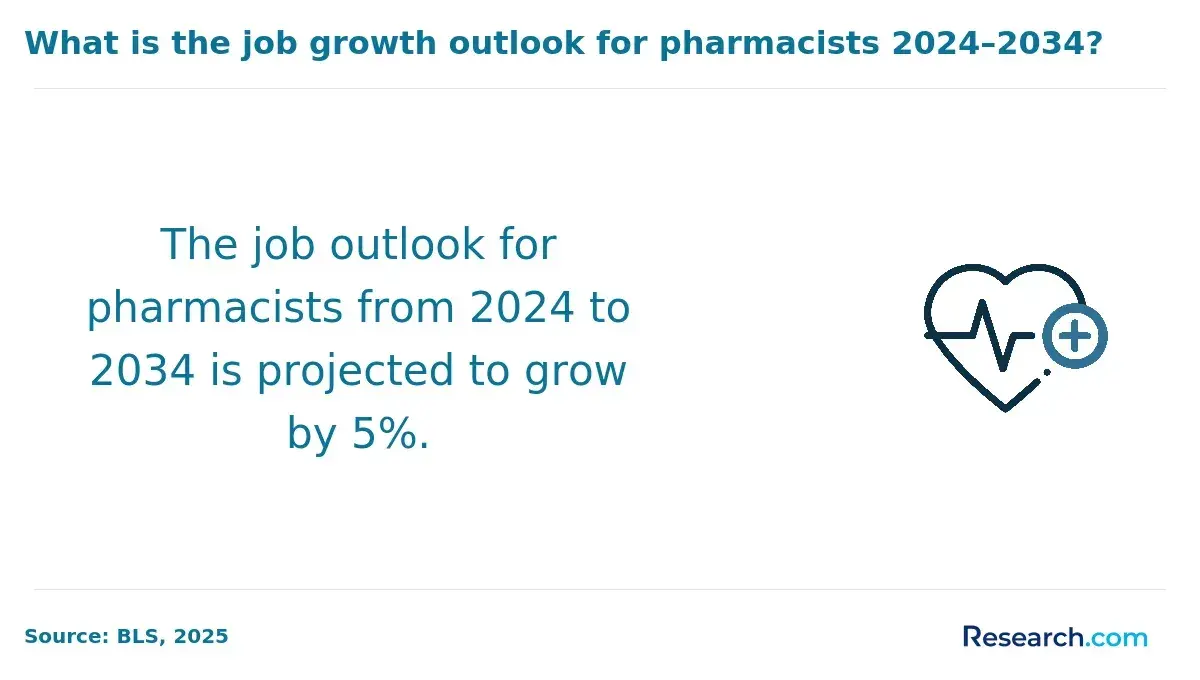
Illinois hosts a vibrant pharmacy landscape where graduates can carve out meaningful careers fueled by a steady 4% employment growth projected through 2032. The state's demographic makeup and healthcare complexity create fertile ground for pharmacists to innovate and specialize in roles vital to patient health and pharmaceutical advancement.
- Retail Pharmacist: Anchoring community health, retail pharmacists dispense medications, counsel patients, and oversee health screenings or immunizations. Their work ensures safe medication use across urban and rural Illinois, bridging pharmacy care to daily life.
- Hospital Pharmacist: Embedded within healthcare facilities, hospital pharmacists compound and provide medicines, collaborating with medical teams to tailor treatments for intricate conditions. Specializations like oncology or cardiology highlight their role in acute and critical care.
- Clinical Pharmacist: As frontline medication experts, clinical pharmacists conduct therapy reviews and medication reconciliation directly impacting patient outcomes. This role demands advanced expertise and often certification, blending clinical insight with personalized care.
- Pharmaceutical Researcher: Pioneers in labs or regulatory sectors, pharmaceutical researchers drive drug development and innovation. Their work shapes new therapies, ensuring safety and compliance that propel medical science forward.
- Consultant Pharmacist: Consulting within long-term care and hospice settings, these pharmacists audit medication plans and educate healthcare providers. Their guidance improves medication safety and quality of life for elderly or chronically ill populations.
- Pharmacogenomics Specialist: At the cutting edge of precision medicine, this emerging role uses genetic information to customize drug therapies. This approach exemplifies the fusion of genomics and pharmacology, marking a new frontier in individualized treatment.
What is the average pharmacist salary in Illinois?
Pharmacists in Illinois can expect to earn salaries that mirror their vital role in healthcare, with median wages that align closely with the national average. Nationwide, the median annual salary for pharmacists was about $128,570 as of May 2022, reflecting the profession's blend of expertise and responsibility.
- Practice Setting Matters: Where a pharmacist works greatly shapes their paycheck. Hospital and clinical pharmacists typically enjoy higher salaries due to the complex nature of patient care and medication management in these settings, compared to retail pharmacy roles that often come with more standard hours and responsibilities.
- Experience Shapes Earnings: Like fine wine, pharmacist salaries tend to mature over time. Entry-level professionals might start on the lower end, but those who build experience, earn certifications, or develop specialized skills often rise to the top of the salary spectrum.
- Location Influences Paychecks: Geography isn't just about where you live; it's about how much you earn. Pharmacists working in bustling metropolitan centers such as Chicago typically command higher wages than those in rural Illinois, driven by cost-of-living differences and employer demand.
- Specialized Roles Command Premiums: Advanced positions such as clinical pharmacy specialists or pharmacy managers usually come with bigger paychecks. High-demand niches in oncology, infectious disease, or ambulatory care offer enticing salary boosts for pharmacists who pursue these specialties.
What Graduates of Pharmacy Programs in Illinois Say About Their Degree
- Completing the on-campus pharmacy program in Illinois has been a transformative experience for me. The rigorous curriculum equipped me with the skills and confidence needed to start my role as a pharmacist at Lincoln Elementary School. Seeing the direct impact of my work on children's health and well-being has truly amplified my passion for this field. The supportive faculty and collaborative learning environment made the challenge worthwhile and rewarding every day. Blake
- After graduating from one of Illinois's top pharmacy schools, I was able to advance quickly in my academic career, securing a leadership position that I only dreamed of before. The program's strong emphasis on evidence-based practice and professional development gave me the foundation to contribute meaningfully to pharmacy education. Reflecting on my journey, I appreciate how the Illinois healthcare landscape provided unique challenges that enhanced my problem-solving skills. The degree continues to open doors for further career growth, and I'm excited about what the future holds. Lina
- My online pharmacy program experience allowed me to balance personal growth with community impact. Living in the Chicago area, I leveraged Illinois's rich healthcare network to support underserved populations through volunteer work during my studies. This program broadened my perspective, helping me become a more empathetic and effective healthcare provider. I'm proud to contribute positively to my community's health, knowing my education was tailored to meet local needs and challenges. Raj
Related Articles for Nearby States
- 2027 Best Pharmacy Schools & Pharmacist Programs Requirements in Indiana: Online & Campus
- 2027 Best Pharmacy Schools & Pharmacist Programs Requirements in Wisconsin: Online & Campus
- 2027 Best Pharmacy Schools & Pharmacist Programs Requirements in Iowa: Online & Campus
- 2027 Best Pharmacy Schools & Pharmacist Programs Requirements in Missouri: Online & Campus
- 2027 Best Pharmacy Schools & Pharmacist Programs Requirements in Kentucky: Online & Campus
- 2027 Best Pharmacy Schools & Pharmacist Programs Requirements in Michigan: Online & Campus
- 2027 Best Pharmacy Schools & Pharmacist Programs Requirements in Minnesota: Online & Campus
- 2027 Best Pharmacy Schools & Pharmacist Programs Requirements in Ohio: Online & Campus
- 2027 Best Pharmacy Schools & Pharmacist Programs Requirements in Tennessee: Online & Campus
- 2027 Best Pharmacy Schools & Pharmacist Programs Requirements in Arkansas: Online & Campus
References:
- To pass MPJE® on 1st Try, We Strongly Recommend Purchasing Following Additional Products: https://www.pharmacyexam.com/index.cfm/category/43/illinois.cfm
- Pre-Pharmacy - Program Overview https://www.clcillinois.edu/programs/biodv/pre-pharmacy
- College of Pharmacy, Downers Grove https://www.midwestern.edu/academics/degrees-programs/doctor-pharmacy-program/college-pharmacy-downers-grove
- Pharmacy Schools in Illinois - 2025 https://www.pharmacytechnicianguide.com/Pharmacy-Schools-Illinois/
- Pharmacy | University College | Illinois State https://universitycollege.illinoisstate.edu/advising/pre-health/pharmacy/
- Financial Information https://pharmacy.uic.edu/programs/doctor-of-pharmacy-pharmd/financial-information/
- Pre-Pharmacy https://catalog.uic.edu/ucat/colleges-depts/liberal-arts-sciences/preprofessional-studies/pre-pharm/
- Accelerated Doctor of Pharmacy, PharmD https://www.roosevelt.edu/colleges/science-health-pharmacy/pharmacy/programs/pharmd
- Pharmacy (PharmD) https://www.creighton.edu/academics/programs/pharmacy
- Illinois Pharmacy Tech License | 2026 State Requirements! https://ptcbtestprep.com/state-requirements/pharmacy-tech-license-illinois/
Other Things You Should Know About The Best Pharmacy Schools & Pharmacist Programs Requirements in Illinois
The Illinois State Board of Pharmacy requires pharmacy licensure candidates to complete a minimum of 1,500 internship hours. These hours must be obtained through approved practical experiences that offer hands-on training in pharmacy practice. The internship allows students to develop essential skills under licensed pharmacist supervision.
Students can accumulate hours through a variety of settings, including community pharmacies, hospitals, and other healthcare facilities. It is important that these hours are documented and verified to meet state requirements. Completing the required internship hours is a crucial step toward eligibility for the pharmacist licensure examination in Illinois.
Most pharmacy schools in Illinois for 2027 require applicants to have completed specific undergraduate prerequisites, such as courses in biology, chemistry, and mathematics. Additionally, a competitive GPA, PCAT scores, and relevant work or volunteer experience in a healthcare setting are often required.
Many pharmacy schools in Illinois offer job placement assistance to help graduates transition into the workforce. These services often include career counseling, resume workshops, and networking opportunities with potential employers in the pharmaceutical sector.


