
2027 Best Pharmacy Schools & Pharmacist Programs Requirements in Tennessee: Online & Campus

Co-Founder and Chief Data Scientist
Seeking admission to pharmacy schools in Tennessee is a considerable challenge for many, with less than 15% of applicants gaining entry annually. Navigating rigorous prerequisites like biology, chemistry, and patient care experience adds complexity. Admission can also be competitive, given the opportunities afforded by the discipline.
This article explores the top Tennessee pharmacy schools and their online and campus programs. Crafted by seasoned career planning experts, it guides readers through admission standards, curriculum highlights, and licensure requirements to empower informed decisions and smooth the path toward becoming a licensed pharmacist.
Key Benefits of Pharmacy Schools and Pharmacist Programs in Tennessee
- Tennessee's top pharmacy programs boast advanced curricula aligned with ACPE standards, ensuring students master cutting-edge pharmaceutical science and patient care techniques.
- Access to renowned clinical training sites, including hospitals and community pharmacies, offers hands-on experience essential for licensure and career readiness.
- Expert faculty with diverse research backgrounds guide students, while career placement services achieve over 90% job placement within six months of graduation.
- What pharmacy degree programs are offered in Tennessee?
- How do you compare online vs. campus pharmacy programs in Tennessee?
- What are the requirements for a pharmacy school application in Tennessee?
- What courses do you take in pharmacist programs in Tennessee?
- How long does it take to complete pharmacist programs in Tennessee?
- What exams do pharmacy graduates in Tennessee need to pass?
- How much do pharmacist programs cost in Tennessee?
- What financial aid options are available for pharmacy students in Tennessee?
- What jobs can you get with a pharmacy degree in Tennessee?
- What is the average pharmacist salary in Tennessee?
What pharmacy degree programs are offered in Tennessee?
Pharmacy education in Tennessee offers a rich variety of pathways for aspiring pharmacists, reflecting nationwide trends of steady growth in PharmD program enrollment. Students can explore diverse learning models and specialized training options that suit their needs and ambitions in this evolving healthcare landscape.
- Pre-Pharmacy Tracks: These foundational programs prepare students with essential science and general education coursework required for entry into PharmD programs. Ideal for those beginning their pharmacy journey, pre-pharmacy ensures a strong academic base to build upon.
- PharmD Programs: The cornerstone of pharmacist education, Doctor of Pharmacy programs in Tennessee come in traditional and hybrid formats. Hybrid programs blend online learning with on-campus clinical experiences, providing flexibility for students balancing work or personal commitments.
- Dual-Degree Pathways: Certain programs offer combined degrees such as PharmD/MBA, PharmD/MPH, or PharmD/PhD, perfect for students eager to expand their expertise beyond pharmacy into business, public health, or research fields. This interdisciplinary approach enhances career versatility.
- Postgraduate Residency Training (PGY1 and PGY2): Specialized clinical residencies help pharmacists deepen their skills in areas like ambulatory care, critical care, or oncology. These residencies are crucial for those seeking advanced expertise and competitive practitioner roles in Tennessee.
- Continuing Education and Certificate Programs: Lifelong learning is vital in pharmacy, and Tennessee offers a variety of courses and certifications to keep pharmacists updated with the latest practices and licensure requirements. These programs support ongoing professional development in a dynamic healthcare environment.
If you're curious about broadening your reach beyond traditional pathways, consider exploring resources highlighting the best online PharmD schools, providing flexible options from across the nation.
How do you compare online vs. campus pharmacy programs in Tennessee?
Online and campus pharmacy programs in Tennessee differ largely in how they deliver instruction and provide experiential learning. Approximately 30% of pharmacy-related coursework nationwide can now be completed online, reflecting growing digital education trends that open new possibilities for flexible learning. Each format offers distinct advantages and challenges for students.
Online Pharmacy Programs
- Flexibility: Allows asynchronous access to lectures and materials, ideal for working professionals or students with family obligations.
- Clinical Training: Some programs arrange local rotations, but quality and availability can vary, affecting hands-on experience.
- Technology Requirements: Demands reliable high-speed internet and updated computer systems, which can be challenging in rural areas.
- Student Support: Relies on virtual resources like tele-advising and online office hours, which may lack immediacy compared to in-person help.
- Suitability: Best suited for self-motivated learners comfortable managing their study schedules without direct supervision.
Campus Pharmacy Programs
- Immersive Learning Environment: Provides hands-on experiences through facilities like drug compounding labs and simulation centers.
- Clinical Training: Strong partnerships with local pharmacies and hospitals ensure consistent, high-quality practical training essential for licensure.
- Instructor Interaction: Offers real-time feedback and group collaboration, fostering active learning and peer support.
- Student Support: Access to in-person advising, tutoring, and counseling creates a more immediate support network.
- Suitability: Ideal for students who thrive in structured environments with direct, face-to-face engagement and supervised activities.
What are the requirements for a pharmacy school application in Tennessee?
Pharmacy school admissions in Tennessee are crafted to select candidates ready to thrive in a challenging and dynamic field. With applications rising nearly 10% each year, competition is fierce and demands thorough preparation across academics and personal qualities.
- Prerequisite Coursework: Applicants should complete essential courses like general and organic chemistry, biology, anatomy, microbiology, and math, often over two years of undergrad study, to build a solid scientific foundation.
- GPA Expectations: A minimum cumulative GPA of around 3.0 is typical, but aiming for 3.2 to 3.5 enhances your chances in this increasingly competitive applicant pool.
- Standardized Tests: The Pharmacy College Admission Test (PCAT) may be required or optional, but when submitted, scores above the 60th percentile can boost an application's strength.
- Letters of Recommendation: Two to three letters from professors or professionals acquainted with your academic and personal abilities provide critical insight into your character and readiness.
- Personal Statements: This is your chance to narrate your motivation and career goals, crafting a sincere story that highlights why pharmacy is your chosen path.
- Interviews: Conducted in person or online, interviews evaluate communication skills, professionalism, and ethical reasoning essential for the pharmacy profession.
- Background Checks: Necessary for licensure and practicum placement, these ensure candidate integrity and patient safety.
A graduate I spoke with shared how navigating these requirements was both daunting and rewarding. She recalled the late nights perfecting her personal statement to authentically express her passion for patient care and the nerves of her virtual interview, where adapting to the screen felt like learning a new skill entirely.
Collecting recommendation letters required patience and thoughtful communication with mentors deeply familiar with her work ethic. She emphasized that while the journey was demanding, each step deepened her commitment to becoming a pharmacist, proving that dedication and resilience truly pave the way to success in Tennessee's top pharmacy programs.
What courses do you take in pharmacist programs in Tennessee?
Pharmacist program curricula in Tennessee combine a broad range of courses designed to build a solid scientific foundation while honing clinical and professional skills. Typically, pharmacy programs include about 144 to 152 credit hours nationwide, with nearly a quarter of that time devoted to hands-on clinical experiences.
Below is an overview of the main course categories students encounter as they explore pharmacy education in Tennessee:
- Foundational Science Courses: These essential courses cover subjects like general and organic chemistry, biology, anatomy and physiology, and biochemistry. They establish the scientific groundwork necessary to understand drug actions and the human body's response to medications.
- Pharmacology and Therapeutics: Students dive into drug mechanisms, formulation types, disease management, and evidence-based treatment strategies. This area sharpens knowledge about how medications work and their appropriate use in patient care.
- Clinical Practice: Pharmacy practice experiences, including introductory and advanced rotations (IPPEs and APPEs), immerse students in real-world patient care settings. Emphasis is placed on medication management, patient counseling, and teamwork with other healthcare professionals.
- Pharmacy Law and Ethics: Courses focus on legal frameworks, ethical decision-making, and professional responsibilities specific to pharmacy practice in Tennessee and across the U.S. This prepares students to navigate complex regulatory environments.
- Interprofessional Education: Collaborative learning opportunities promote effective communication and cooperation among various healthcare providers. This approach aims to improve overall patient outcomes and healthcare delivery.
- Elective and Specialization Courses: Students can customize their studies with electives in areas such as ambulatory care, oncology, pediatrics, or pharmacoeconomics. These options support diverse career paths and personal interests within the pharmacy field.
For those curious about flexible learning methods, examining the best pharmacy tech associate programs provides insight into alternative routes into pharmacy-related careers, complementing the core curriculum pathways covered here.
How long does it take to complete pharmacist programs in Tennessee?
Nationally, the average time to complete a PharmD program is about four years, a standard that Tennessee schools generally follow. Pharmacy program timelines can vary widely depending on factors such as program structure, prerequisites, and experiential requirements.
Here are key points about the duration of pharmacy programs and factors influencing their length:
- Standard PharmD Timeline: Most students complete their Doctor of Pharmacy degree in approximately four years after fulfilling undergraduate prerequisites. This timeline aligns with the typical time to complete a pharmacist degree, emphasizing a balance of classroom learning and hands-on clinical rotations.
- Accelerated and Part-Time Options: Some programs offer accelerated paths that can shorten completion to around three years through continuous year-round study. Part-time options exist but usually extend duration to five or more years, allowing students to combine work and study at a slower pace.
- Online vs. Campus Programs: While Tennessee programs remain mostly campus-based due to necessary lab and clinical work, some prerequisite and didactic courses may be offered online. These online sections provide flexibility but generally don't reduce overall program length because of mandatory in-person experiential components.
- Prerequisites and Experiential Rotations: Missing foundational science or math courses before admission can add semesters and prolong graduation. Scheduling complexities in clinical rotations and required internship hours, mandated by the Tennessee Board of Pharmacy, also impact how long programs take.
With workforce demand driving robust curricula, Tennessee pharmacy schools prepare graduates to meet licensure standards efficiently. For students exploring pharmacy careers at the intersection of education and high earning potential, learning about the high salary healthcare professions can be inspiring for future goals.
What exams do pharmacy graduates in Tennessee need to pass?
Becoming a licensed pharmacist in Tennessee involves meeting several essential licensure and certification requirements designed to ensure competency and legal compliance. These requirements include passing national and state examinations, along with completing practical training hours.
Below is an outline of the primary exams and additional qualifications that pharmacy graduates typically need to fulfill:
- North American Pharmacist Licensure Examination (NAPLEX): This crucial exam evaluates a candidate's understanding of pharmacy practice, including medication preparation, dispensing, and therapeutic usage. It ensures that pharmacists possess the national-level knowledge necessary for safe and effective patient care and is a mandatory step for licensure in Tennessee.
- Multistate Pharmacy Jurisprudence Exam (MPJE): Focused on legal aspects, the MPJE tests pharmacists on federal pharmacy laws as well as Tennessee-specific regulations. Passing this exam confirms that candidates are knowledgeable about the ethical and legal standards required to practice within the state.
- State-Specific Requirements: Unlike some states that require an additional clinical or practical exam, Tennessee mandates completion of approximately 1,500 internship hours under licensed pharmacist supervision instead. This hands-on experience is vital for preparing candidates to apply their knowledge in real-world settings.
- Additional Certifications and Residencies: While not required for general licensure, some pharmacists pursue advanced residencies accredited by organizations like the American Society of Health-System Pharmacists (ASHP) to deepen clinical expertise. Specialty certifications in areas such as oncology or infectious diseases are also optional paths that can enhance career opportunities, especially within Tennessee's competitive healthcare landscape.
One pharmacy graduate from a top Tennessee program shared his reflections on preparing for these exams: "The NAPLEX was by far the most intense part of the journey. I remember countless nights immersed in case studies and clinical practice questions, trying to anticipate the range of scenarios the test could throw at me. The pressure wasn't just about memorizing facts; it was about truly understanding how to apply knowledge in patient care. When I finally took the MPJE, I found the focus on state laws both challenging and fascinating, as it made me realize the nuances of practicing pharmacy in Tennessee compared to other states. The most rewarding part was completing my internship hours, which connected everything I had learned to real patient interactions. Passing these exams felt like the culmination of years of hard work and the beginning of a lifelong commitment to health and service."
How much do pharmacist programs cost in Tennessee?
Pharmacist programs in Tennessee present diverse costs influenced by institution type, fees, and additional expenses. Nationally, pharmacy education costs often reach tens of thousands annually, reflecting the specialized training required. Exploring the breakdown of these fees reveals the various factors shaping the overall investment for students.
Here's a detailed look at the main costs to consider when budgeting for pharmacist programs tuition fees in Tennessee:
- Tuition: Public vs. Private Public pharmacy schools like the University of Tennessee Health Science Center (UTHSC) offer more affordable tuition for in-state students, typically ranging from $20,000 to $25,000 per year. Out-of-state and private institutions often charge over $40,000 annually, showing a clear distinction in cost structure.
- Additional Mandatory Fees: Beyond tuition, expect to pay lab, technology, and student services fees that can add $2,500 to $3,000 each year. These fees support essential resources such as specialized equipment and career counseling, important for a comprehensive pharmacy education.
- Online vs. On-Campus Costs: While Tennessee lacks fully online PharmD programs due to clinical requirements, some components are available online at reduced rates. However, hands-on clinical rotations must be completed in person, leading to extra travel and lodging expenses depending on location.
- Books, Supplies & Clinical Rotations: Students should budget $1,200 to $2,000 annually for textbooks and supplies like lab coats and calculators. Clinical rotations may require additional costs for transportation and occasional housing, especially if away from home.
For those exploring career paths in healthcare, learning about high-paying medical certifications may open doors to alternative certifications that can complement or expedite entry into the health sector.
What financial aid options are available for pharmacy students in Tennessee?
Pharmacy education is a significant investment, and managing costs is vital for success. Nationally, about 85% of pharmacy students graduate with debt, averaging over $160,000, which underscores the need for comprehensive financial aid strategies.
As such, Tennessee students can access various resources to fund their journey in pharmacy school scholarships in Tennessee and broader support.
- Federal Grants: Pell Grants and FSEOG are valuable for students meeting eligibility requirements, providing funds that don't need repayment. These grants form a strong foundation for financial assistance.
- State Grants: The Tennessee Student Assistance Award (TSAA) helps residents attending in-state institutions, benefiting pharmacy students who qualify based on financial need.
- Scholarships: Many private groups, pharmacy organizations, and foundations offer scholarships that reward merit, need, or commitment to underserved areas, reducing reliance on loans.
- Work-Study Programs: These federally and state-funded jobs allow students to earn income while gaining relevant pharmacy experience, easing financial burdens.
- Student Loans: Options include federal Direct Subsidized, Unsubsidized Loans, and PLUS Loans with flexible terms and relatively low interest rates.
- Employer Tuition Assistance: Healthcare employers in Tennessee often reimburse or sponsor tuition for employees advancing their pharmacy education, sometimes requiring work commitments post-graduation.
Exploring these opportunities early, especially when researching the best pharmacy schools in the US, can help students forge a financially viable path through their pharmacy programs.
What jobs can you get with a pharmacy degree in Tennessee?
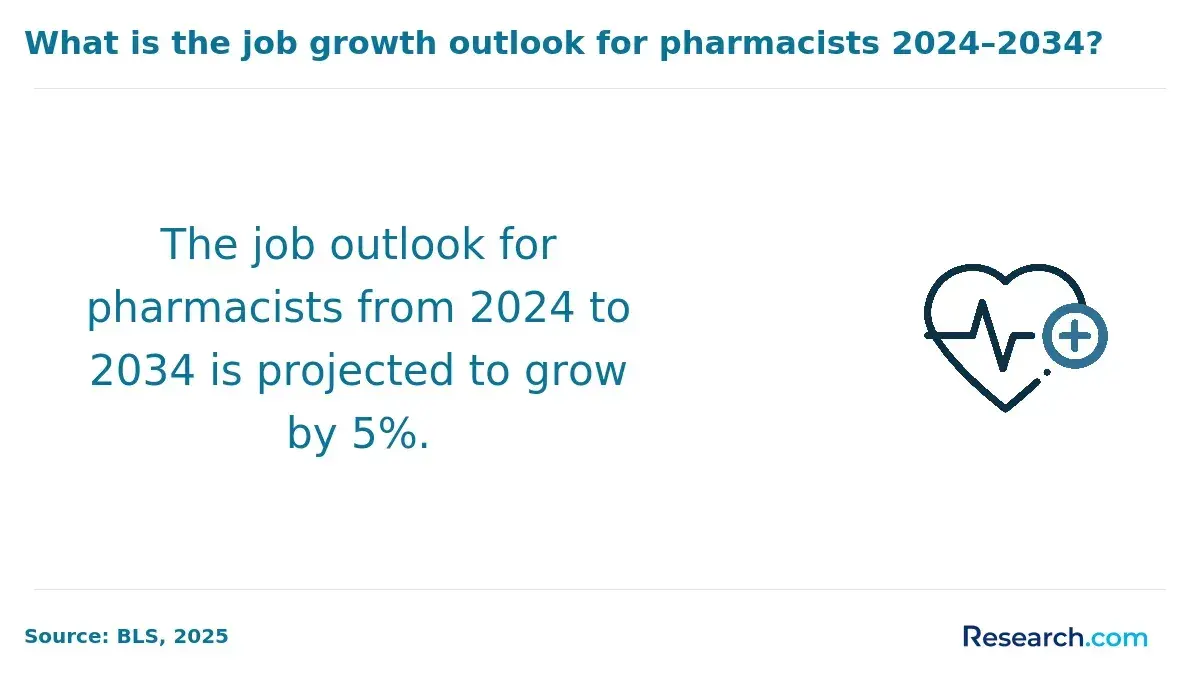
Pharmacy graduates in Tennessee can explore a wide range of rewarding career paths across the healthcare and pharmaceutical fields. With pharmacist employment in the state expected to grow by about 5% through 2034, opportunities continue to expand in traditional and innovative roles as the healthcare landscape evolves.
- Retail Pharmacist: Working in community pharmacies, retail pharmacists dispense medications, counsel patients on proper drug use, and manage prescriptions. This role often serves as a vital point of contact between patients and the healthcare system.
- Hospital Pharmacist: These pharmacists operate within clinical settings, focusing on medication management and collaborating closely with healthcare teams to optimize treatments. Their expertise helps ensure safe and effective patient care in hospitals.
- Clinical Pharmacist: Providing direct patient care, clinical pharmacists manage medication therapies and support chronic disease management, frequently within outpatient clinics and specialized healthcare environments. They play a critical role in tailoring treatments to individual patient needs.
- Pharmaceutical Researcher: Engaged in the development and testing of new drugs, pharmaceutical researchers contribute to medical innovation and improvements in therapeutic options. Their work is essential for expanding the possibilities of modern medicine.
- Consultant Pharmacist: Advising long-term care facilities, nursing homes, and other healthcare organizations, consultant pharmacists help shape medication use policies and enhance patient safety. Their guidance ensures effective pharmaceutical care in diverse settings.
- Emerging Specialized Roles: These include pharmacogenomics specialists who use genetic information to personalize treatments and telepharmacy professionals leveraging technology to expand access to pharmaceutical services. Such roles reflect advances in science and digital health.
What is the average pharmacist salary in Tennessee?
The earning potential for pharmacists in Tennessee offers an intriguing blend of variables that shape their salaries. Across the US, the median annual wage for pharmacists was about $137,480 in May 2025, setting a national benchmark for understanding this profession's value. Delving into Tennessee's market reveals a dynamic salary landscape influenced by setting, experience, and specialization.
- Salary by Practice Setting: Pharmacists in hospital or specialized clinical roles often earn higher wages compared to those working in retail or community pharmacies. Hospital environments and advanced clinical positions tend to offer salaries at the upper salary range, reflecting the complexity and responsibility involved.
- Experience Level: Early-career pharmacists usually start with salaries closer to the lower end of the spectrum. As they accumulate years of practice, they typically see steady pay increases, rewarding their growing expertise and professional development.
- Geographic Location: Urban centers like Nashville and Memphis generally provide higher salaries due to increased demand and cost of living. In contrast, rural areas often offer lower wages, reflecting different economic conditions and workforce availability.
- Advanced or Specialized Roles: Pharmacists with specialized skills in fields such as oncology, infectious diseases, or geriatric care can command premium salaries. Leadership roles, involvement in research, or academic positions also enhance earning potential, highlighting the value of advanced credentials and responsibilities.
What Graduates of Pharmacy Programs in Tennessee Say About Their Degree
- Completing the on-campus pharmacy program in Tennessee was a transformative experience that equipped me with both the clinical skills and cultural understanding needed to thrive in my role at Chattanooga High School. The program's emphasis on community health allowed me to develop tailored interventions that genuinely make a difference in students' well-being. I love being part of a supportive network that values ongoing learning and practical application in real-world settings, which has helped me grow professionally every day. Jimmy
- Pursuing my pharmacy degree online from one of Tennessee's top schools gave me the flexibility to balance work and study while expanding my expertise. After graduation, I was proud to advance into a leadership position in the academic field, using the advanced knowledge and research skills I gained to influence curriculum development and pharmacy education strategies. This journey has deepened my commitment to lifelong learning and has opened opportunities I hadn't previously imagined. Seth
- The unique challenges and resources of Tennessee's healthcare environment inspired me throughout my pharmacy studies on campus and shaped how I now contribute to my community. Working at Red Bank Middle School, I've been able to integrate local health initiatives that resonate with the cultural diversity of our area, fostering healthier lifestyles among students and their families. This program didn't just prepare me professionally; it encouraged personal growth and a lasting passion for public health advocacy. Stephen
Related Articles for Nearby States
- 2027 Best Pharmacy Schools & Pharmacist Programs Requirements in Kentucky: Online & Campus
- 2027 Best Pharmacy Schools & Pharmacist Programs Requirements in Mississippi: Online & Campus
- 2027 Best Pharmacy Schools & Pharmacist Programs Requirements in Alabama: Online & Campus
- 2027 Best Pharmacy Schools & Pharmacist Programs Requirements in Georgia: Online & Campus
- 2027 Best Pharmacy Schools & Pharmacist Programs Requirements in North Carolina: Online & Campus
- 2027 Best Pharmacy Schools & Pharmacist Programs Requirements in Missouri: Online & Campus
- 2027 Best Pharmacy Schools & Pharmacist Programs Requirements in Arkansas: Online & Campus
- 2027 Best Pharmacy Schools & Pharmacist Programs Requirements in Virginia: Online & Campus
- 2027 Best Pharmacy Schools & Pharmacist Programs Requirements in Indiana: Online & Campus
- 2027 Best Pharmacy Schools & Pharmacist Programs Requirements in South Carolina: Online & Campus
References:
- Types of Aid https://www.etsu.edu/pharmacy/administration/financial_aid/types_aid.php
- Pharmacy Technician FAQ https://www.utc.edu/academic-affairs/center-for-professional-education/professional-development/medical-career-academies/pharmacy-technician/pharmacy-technician-faq
- Essential Skills to study Pharmacy - College of Pharmacy and Nutrition - https://pharmacy-nutrition.usask.ca/students/undergraduate-programs/essential-skills-pharmd.php
- College of Pharmacy https://www.uu.edu/programs/pharmacy/
- Pre-Pharmacy https://www.tntech.edu/cas/healthsciences/ppha.php
- To pass MPJE® on 1st Try, We Strongly Recommend Purchasing Following Additional Products: https://www.pharmacyexam.com/index.cfm/category/70/tennessee.cfm
- Pharmacy Schools in Tennessee - 2025 https://www.pharmacytechnicianguide.com/Pharmacy-Schools-Tennessee/
- Curriculum https://www.uthsc.edu/pharmacy/current-students/academic-affairs/curriculum.php
- Pharmacy Technology | TCAT Oneida https://tcatoneida.edu/programs/pharmacy-technician
- Pharmacist Salary in Tennessee (December 01, 2025) | Salary.com https://www.salary.com/research/salary/benchmark/pharmacist-salary/tn
Other Things You Should Know About The Best Pharmacy Schools & Pharmacist Programs Requirements in Tennessee
In Tennessee, pharmacy schools such as the University of Tennessee Health Science Center and Belmont University are accredited by the Accreditation Council for Pharmacy Education (ACPE), a key accrediting body ensuring quality in pharmacy education.
The state of Tennessee requires aspiring pharmacists to complete a minimum of 1, 500 internship hours for licensure. These hours must be earned under the supervision of a licensed pharmacist. The internship provides practical experience in various pharmacy practice settings.
Students typically accumulate these hours during their pharmacy education. Documentation and verification of completed hours are required when applying for licensure. Tennessee's Board of Pharmacy oversees the internship requirements to ensure candidates gain adequate hands-on training before practicing independently.
Meeting this internship standard is essential for eligibility to take the North American Pharmacist Licensure Examination (NAPLEX) and obtain full pharmacist licensure in Tennessee.
In 2027, the University of Tennessee Health Science Center offers online programs for pharmacy. Requirements include prerequisite courses in biology and chemistry, completion of the PCAT (if required), and a minimum GPA set by the program. Online programs offer flexibility for students who need it.


