
2027 Best Pharmacy Schools & Pharmacist Programs Requirements in Missouri: Online & Campus

Co-Founder and Chief Data Scientist
Securing admission to a pharmacy school in Missouri poses challenges, as over 60% of applicants do not meet the rigorous prerequisites essential for enrollment. Prospective pharmacists must navigate complex requirements, including coursework, practical experience, and licensing exams.
This article explores the top pharmacy programs available online and on-campus across Missouri, detailing admission criteria and educational paths. Crafted by experts in career planning, it offers clear guidance to help aspiring pharmacists make informed decisions and successfully advance their careers.
Key Benefits of Pharmacy Schools and Pharmacist Programs in Missouri
- Missouri's pharmacy programs feature advanced curricula that integrate the latest pharmaceutical science and patient care techniques, preparing students for the evolving industry demands.
- Students benefit from extensive clinical training opportunities across Missouri's top healthcare facilities, ensuring hands-on experience and strengthened professional skills.
- Experienced faculty members and dedicated career placement support provide mentorship and job connections, boosting graduates' employment rates in competitive pharmacy roles.
- What pharmacy degree programs are offered in Missouri?
- How do you compare online vs. campus pharmacy programs in Missouri?
- What are the requirements for a pharmacy school application in Missouri?
- What courses do you take in pharmacist programs in Missouri?
- How long does it take to complete pharmacist programs in Missouri?
- What exams do pharmacy graduates in Missouri need to pass?
- How much do pharmacist programs cost in Missouri?
- What financial aid options are available for pharmacy students in Missouri?
- What jobs can you get with a pharmacy degree in Missouri?
- What is the average pharmacist salary in Missouri?
What pharmacy degree programs are offered in Missouri?
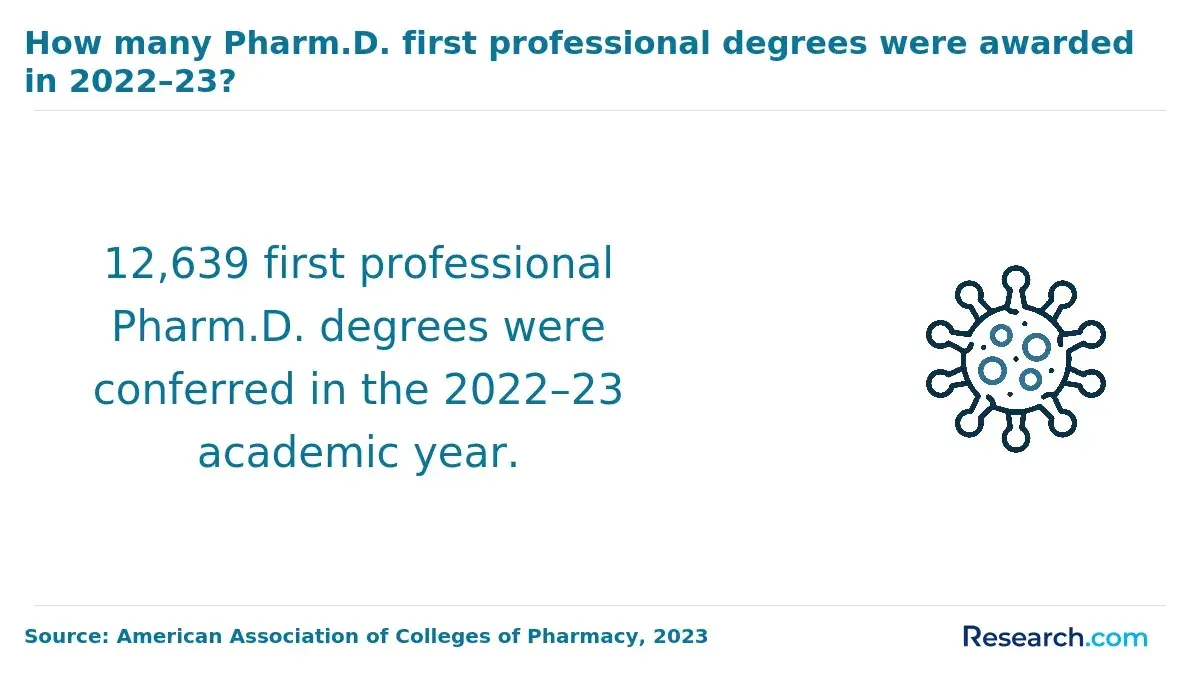
The landscape of pharmacy degree programs in Missouri is designed to support aspiring pharmacists at every stage of their educational journey. Nationally, PharmD graduate numbers have grown steadily, highlighting increased demand for qualified professionals in healthcare. Missouri's educational offerings reflect this trend by providing diverse pathways that accommodate both traditional and non-traditional students seeking to advance their careers in pharmacy.
- Pre-pharmacy tracks: These foundational programs cover essential sciences such as biology, chemistry, and anatomy. They prepare students academically for admission into Doctor of Pharmacy (PharmD) programs and are ideal for those beginning their path toward becoming licensed pharmacists.
- Doctor of Pharmacy (PharmD) programs: Missouri offers comprehensive PharmD programs primarily on-campus, ensuring in-depth clinical and pharmaceutical training. To increase accessibility, many schools also provide hybrid and limited online options, allowing students to balance coursework with personal or professional responsibilities.
- Dual-degree pathways: Some programs enable students to earn a PharmD alongside graduate degrees in fields like business (MBA) or public health (MPH). This approach equips future pharmacists with versatile expertise for leadership roles or specialized practice areas within healthcare.
- Postgraduate residency training (PGY1 and PGY2): After earning a PharmD, pharmacists can pursue residency programs focusing on advanced clinical skills and specialization. These residencies are essential for those seeking careers in hospitals or specialized pharmacy fields, enhancing both experience and professional opportunities.
- Certificate and continuing education programs: To maintain licensure and stay updated with evolving pharmaceutical practices, Missouri offers various certificate courses and ongoing education options. These programs serve practicing pharmacists dedicated to lifelong learning and professional development.
Prospective students and graduates interested in exploring additional advanced pharmacy programs may benefit from reviewing the best pharmacy PhD programs online, which complement traditional educational routes. Missouri pharmacist education pathways continue to evolve to meet healthcare needs, especially in underserved and rural communities.
How do you compare online vs. campus pharmacy programs in Missouri?
Pharmacy education increasingly integrates digital learning, with nearly 70% of U.S. pharmacy schools adopting virtual teaching components by 2022. While this shift supports flexibility, the hands-on nature of pharmacy practice still demands strong in-person training, influencing how online and campus programs compare in Missouri.
Online Pharmacy Programs
- Flexibility: Online programs offer scheduling convenience, accommodating students balancing work or family responsibilities.
- Access to Clinical Training: Clinical rotations must be arranged locally, which can limit supervision consistency and complicate scheduling.
- Technology Requirements: Reliable internet and self-discipline are essential to maintain engagement and effectively navigate digital platforms.
- Instructor Interaction: Interaction with faculty occurs mostly through virtual communication, which may reduce immediacy compared to face-to-face support.
- Suitability for Learners: Ideal for motivated, independent learners who need geographic flexibility but can manage hands-on experiences separately.
Campus Pharmacy Programs
- Immersive Learning Environment: Provides direct access to laboratories, study groups, and healthcare sites, supporting practical skills development.
- Clinical Training Opportunities: Robust, well-structured rotations with close faculty supervision enhance hands-on experience.
- Student Support: Immediate academic advising, tutoring, and peer networking foster a supportive learning community.
- Faculty and Peer Interaction: Face-to-face communication encourages mentorship and professional relationship building.
- Suitability for Learners: Best for students seeking comprehensive experiential training and in-person engagement vital to pharmacy practice.
What are the requirements for a pharmacy school application in Missouri?
Pharmacy programs in Missouri seek applicants who demonstrate strong academic preparation and a genuine commitment to the profession. With a competitive applicant-to-seat ratio averaging 3:1 nationally, meeting all requirements thoughtfully can set you apart.
Below are key components you'll need to focus on for a successful application.
- Prerequisite Coursework: Complete foundational science subjects like biology, chemistry, physics, anatomy, and mathematics, typically requiring at least two years of undergraduate study focused on these areas.
- GPA Expectations: Aim for a competitive cumulative GPA of 3.0 or higher, with many successful applicants holding 3.5 or above to strengthen their admission prospects.
- Standardized Tests: While some programs may still require the PCAT, many Missouri schools have shifted to test-optional policies, placing greater emphasis on holistic application reviews.
- Letters of Recommendation: Secure two to three recommendations from professors or pharmacy professionals who can vouch for your academic ability, character, and dedication to pharmacy.
- Personal Statement: Craft a thoughtful essay that highlights your motivation, relevant experiences, and your long-term goals in the pharmacy field.
- Interviews: Prepare to demonstrate strong communication skills, professionalism, and ethical reasoning during admissions interviews.
- Background Checks and Drug Screening: Complete necessary screenings to comply with licensure standards and ensure patient safety.
What courses do you take in pharmacist programs in Missouri?
Pharmacy programs in Missouri are designed to equip students with a broad and rigorous education that merges science with practical skills. Typically, these programs require between 140 and 180 credit hours, a range consistent with most U.S. PharmD curricula. Below is an outline of key course categories students encounter in pharmacy courses in Missouri programs, providing a balanced foundation for both academic and clinical success.
- Foundational Science Courses: These include general chemistry, organic chemistry, biology, anatomy, physiology, microbiology, and biochemistry. These courses build the essential scientific knowledge needed to understand how drugs interact with the body.
- Pharmacology and Therapeutics: Students study drug actions, interactions, and therapeutic uses. This coursework forms the core of pharmacist program curriculum requirements Missouri, focusing on how medications treat various conditions safely and effectively.
- Clinical Practice Experience: Hands-on experience through clinical rotations is mandatory. Students apply classroom knowledge in healthcare settings under licensed pharmacists' supervision, developing practical skills vital for patient care.
- Pharmacy Law and Ethics: Courses on legal regulations and ethical standards help students navigate the regulatory landscape and understand their responsibilities in patient medication management.
- Interprofessional Education: Collaboration with other healthcare professionals is emphasized to prepare students for team-based care, reflecting real-world healthcare environments and improving patient outcomes.
- Elective and Specialization Courses: These allow students to focus on areas like pediatric pharmacy, oncology, pharmacogenomics, or community pharmacy. Such specialization supports career flexibility and the development of unique expertise.
For students considering the evolving healthcare landscape and career growth, learning about pharmacy technician salary growth can provide valuable insight into workforce trends that also impact pharmacists' roles and opportunities.
How long does it take to complete pharmacist programs in Missouri?
Pharmacy program durations in Missouri vary significantly due to factors like program format, enrollment status, and course load. Nationwide, the average time to complete a PharmD program after prerequisite coursework is about four years, reflecting a common benchmark for prospective students.
Here are key factors that influence the time to complete pharmacy school Missouri offers:
- Standard Degree Timeline: The Doctor of Pharmacy (PharmD) degree typically takes six to eight years total, including two to four years of undergraduate prerequisites and four years of professional study. Most Missouri schools, such as UMKC, follow this traditional timeline.
- Accelerated and Part-Time Options: Some institutions offer accelerated programs that reduce the professional phase by integrating summer terms or heavier course loads. Conversely, part-time students balancing work or other commitments usually extend their completion time beyond four years.
- Online vs. Campus Programs: Missouri has limited fully online PharmD programs due to essential hands-on training. However, prerequisite courses and didactic elements may be completed online, providing flexibility without compromising required in-person lab and experiential rotations.
- Prerequisites and Experiential Rotations: Completing science and general education prerequisites can take two to four years and influences overall duration. Clinical experiential rotations, mandated by the ACPE, occur in final professional years, adding vital hands-on experience but also scheduling complexity.
For students exploring the pathway to pharmacy or other health careers, understanding how to qualify for healthcare jobs can offer valuable insights into educational timelines and requirements.
What exams do pharmacy graduates in Missouri need to pass?
Becoming a licensed pharmacist in Missouri requires dedicated preparation and success on several key exams designed to ensure both clinical expertise and legal knowledge. These assessments not only safeguard public health but also pave the way for a rewarding pharmacy career within the state. Below is an overview of the primary exams and certifications that pharmacy graduates in Missouri typically face.
- North American Pharmacist Licensure Examination (NAPLEX): This comprehensive exam evaluates a candidate's clinical pharmacy knowledge, including pharmacotherapy, medication safety, and patient care. Developed by the National Association of Boards of Pharmacy (NABP), the NAPLEX is essential for demonstrating competency in the core responsibilities of pharmacy practice. In the Midwest region, which includes Missouri, first-time pass rates for this exam are approximately 85%, reflecting strong academic foundations.
- Multistate Pharmacy Jurisprudence Exam (MPJE): Focused on Missouri-specific pharmacy laws, the MPJE assesses familiarity with state regulations, controlled substances laws, and other statutes critical to safe and legal pharmacy operation. This jurisprudence exam ensures pharmacists understand the unique legal environment governing their practice in Missouri, helping them maintain compliance and protect patient safety.
- Missouri State-Specific Requirements: Beyond the MPJE and NAPLEX, Missouri requires the successful completion of 1,500 internship hours, which provides vital hands-on experience under supervision. Although no additional state-specific exams are mandatory, these internship hours are a crucial component of licensure preparation, equipping graduates with practical skills and confidence.
- Optional Certifications and Residencies: While not required for licensure, many Missouri pharmacists pursue advanced training such as the Board Certified Pharmacotherapy Specialist (BCPS) credential or residencies accredited by the American Society of Health-System Pharmacists (ASHP). These opportunities enhance clinical expertise and open doors to specialized roles, reflecting a commitment to lifelong learning and professional growth.
How much do pharmacist programs cost in Missouri?
Pharmacist program tuition costs in Missouri vary widely based on the type of institution and program format. Public schools generally offer more affordable tuition compared to private colleges, and additional fees can impact overall expenses. National trends show that pharmacy education costs align closely with these Missouri figures, underscoring the importance of budgeting beyond tuition alone.
Here are key cost factors to consider when planning for pharmacy education.
- Tuition for Public vs. Private Programs: In-state tuition at public institutions like UMKC is around $14,000 per year, while out-of-state students pay nearly double. Private programs often exceed $40,000 annually, reflecting differences in resources and institutional funding.
- Additional Fees: Students should anticipate fees ranging from $1,000 to $3,000 annually to cover lab supplies, technology access, and student services. These fees support essential hands-on learning tools and campus resources necessary for a successful pharmacy education.
- Cost Differences Between Online and Campus Programs: Missouri offers limited fully online PharmD programs, but many schools provide hybrid options. These sometimes reduce tuition slightly, though students must still budget for in-person clinical rotations and travel expenses.
- Books, Supplies, and Clinical Rotations: Expect to spend $2,000 to $4,000 yearly on textbooks, equipment, and rotation-related costs like travel and housing. While local placement assistance is common, some students face extra expenses when rotations take place farther away.
For students weighing educational options, understanding the full spectrum of Missouri pharmacy school fees and expenses is vital. Exploring online pharmacist programs nationally can also provide alternative paths with varying financial impacts.
What financial aid options are available for pharmacy students in Missouri?
Pharmacy education requires a strong financial foundation as student debt can significantly impact your career path. With the average pharmacy graduate nationwide holding around $178,000 in loan debt, exploring diverse funding sources is crucial for managing costs effectively. Taking advantage of financial aid programs available for pharmacy students in Missouri can ease this burden.
- Federal Grants and Aid: Programs such as the Federal Pell Grant and Federal Supplemental Educational Opportunity Grants offer need-based funding, though eligibility depends on several factors including income. These grants do not need to be repaid, providing essential support for both online and campus students.
- State Grants and Scholarships: Missouri provides targeted scholarships and grants aimed at healthcare students, including pharmacy, through initiatives like the Missouri A+ Scholarship Program. These awards often encourage service in underserved areas, rewarding academic excellence and leadership.
- Work-Study Opportunities: Federal Work-Study programs let students earn money through part-time jobs related to their field, helping to finance education while gaining valuable experience.
- Student Loans: Federal Direct Loans usually offer better interest rates and flexible repayment compared to private loans. Given the high average debt, students should borrow carefully and plan repayment strategies in advance.
- Employer Tuition Assistance: Many Missouri employers, including hospitals and retail chains, offer tuition reimbursement or assistance programs, often requiring a post-graduation work commitment. This can be a practical way to reduce education costs while gaining work experience.
For more options tailored to your pace and program choice, explore accelerated PharmD programs that can also influence financial planning.
What jobs can you get with a pharmacy degree in Missouri?
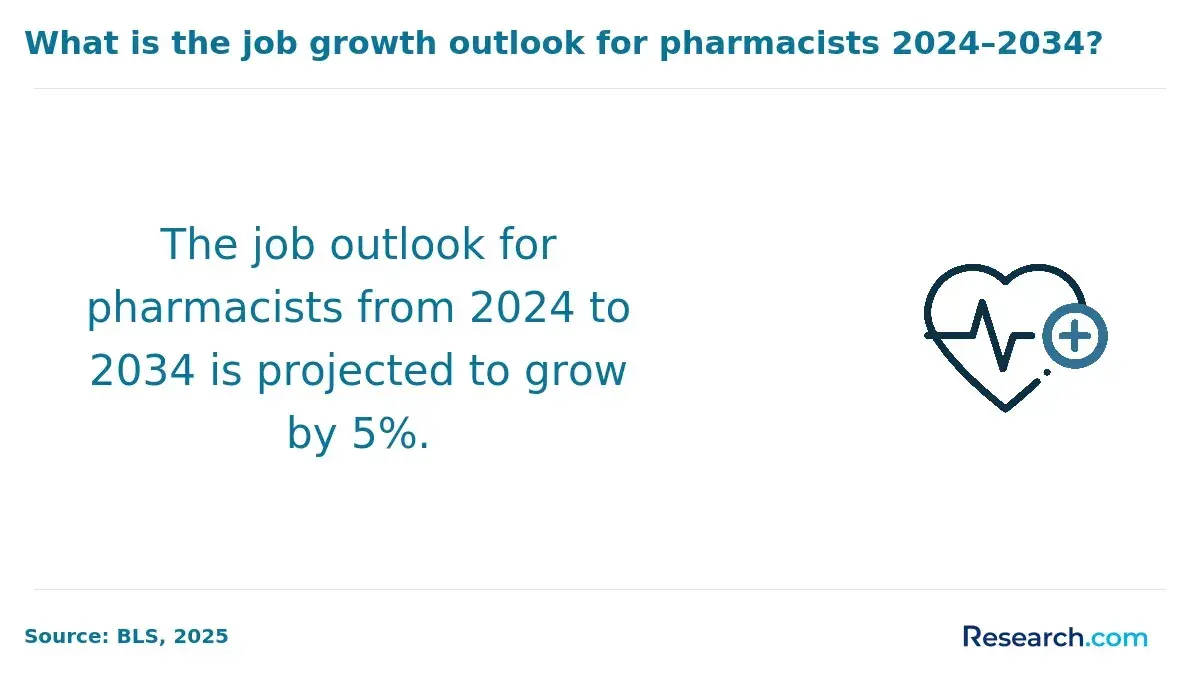
Pharmacy graduates in Missouri can explore a wide range of rewarding career paths across healthcare and research sectors. The state anticipates steady employment growth for pharmacists over the next decade, especially in clinical settings, making this a promising field for new professionals.
- Retail Pharmacist: Retail pharmacists dispense medications, counsel patients on proper drug use, and collaborate with healthcare providers to optimize treatment. Many work in community pharmacies or drugstore chains, where they also offer vaccinations and health screenings, playing a vital role in public wellness.
- Hospital Pharmacist: These pharmacists focus on managing medication therapies for hospitalized patients, preparing intravenous medicines, and partnering with healthcare teams. Their work in acute care environments is crucial for ensuring safe and effective treatment during hospital stays.
- Clinical Pharmacist: Clinical pharmacists often specialize in areas like oncology, cardiology, or infectious diseases. Their expertise helps improve patient care by minimizing medication errors and tailoring therapies to individual needs.
- Pharmaceutical Researcher: Working in labs, academic institutions, or government agencies, pharmaceutical researchers contribute to drug development and medical advancements. Their efforts help drive innovation and improve public health outcomes.
- Consultant Pharmacist: These professionals review medication regimens, particularly for patients in long-term care, ensuring prescriptions are safe, effective, and cost-efficient. Their role supports better healthcare decisions and patient safety.
- Emerging Specialized Roles: New opportunities are growing in fields such as pharmacogenomics, medication therapy management, and health informatics. These areas reflect the increasing use of technology and personalized medicine within pharmacy practice.
What is the average pharmacist salary in Missouri?
The earning potential for pharmacists in Missouri is shaped by multiple key factors, reflecting both national trends and local market conditions. Pharmacists across the U.S. earn a median annual wage of about $137,000, a solid benchmark that sets expectations for those entering the profession.
- Salary by Practice Setting: Pharmacists in retail or community pharmacies typically earn less compared to those working in hospitals or clinical environments. Hospital settings often offer higher pay due to the complexity and specialized nature of the care provided.
- Experience Level: Entry-level pharmacists or recent graduates usually start on the lower end of the salary range. With more years in the field and additional certifications, pharmacists can significantly increase their earning potential over time.
- Geographic Location: Salaries vary within Missouri, with pharmacists in larger urban areas like St. Louis and Kansas City generally earning more. This difference is influenced by local demand and cost of living factors.
- Advanced and Specialized Roles: Clinical pharmacists working in specialized fields such as oncology or infectious diseases often command premium salaries. Holding advanced certifications or completing residency training can open doors to these higher-paying positions.
What Graduates of Pharmacy Programs in Missouri Say About Their Degree
- Completing my on-campus pharmacy degree at one of Missouri's top schools truly opened doors faster than I expected. Landing a pharmacist position at Central High School not only fulfilled a childhood dream but also allowed me to combine my passion for healthcare and youth mentorship. The program's strong community connections prepared me to address the unique health concerns faced by students in our diverse public school system. Every day feels rewarding as I contribute toward my students' well-being and future. Jomarlyn
- Advancing my career in academia was always my goal, and earning my pharmacy degree from a premier Missouri school was the key. The rigorous curriculum and research opportunities equipped me to step confidently into leadership roles, shaping pharmacy education and policies. The experience helped me appreciate the evolving role of pharmacists statewide and inspired a commitment to enhance training for future professionals. Reflecting on my journey, I'm grateful for every challenge that pushed me forward. Linda
- My online pharmacy program in Missouri combined flexibility with a curriculum rich in local healthcare issues, which made a huge difference in balancing study and life. It also gave me insight into how Missouri's rural and urban areas face different medical challenges. This awareness fueled my desire to make a real community impact after graduation. Watching how my work improves access to medication and education in underserved neighborhoods fills me with pride and purpose. Ricky
Related Articles for Nearby States
- 2027 Best Pharmacy Schools & Pharmacist Programs Requirements in Kansas: Online & Campus
- 2027 Best Pharmacy Schools & Pharmacist Programs Requirements in Iowa: Online & Campus
- 2027 Best Pharmacy Schools & Pharmacist Programs Requirements in Nebraska: Online & Campus
- 2027 Best Pharmacy Schools & Pharmacist Programs Requirements in Arkansas: Online & Campus
- 2027 Best Pharmacy Schools & Pharmacist Programs Requirements in Oklahoma: Online & Campus
- 2027 Best Pharmacy Schools & Pharmacist Programs Requirements in Illinois: Online & Campus
- 2027 Best Pharmacy Schools & Pharmacist Programs Requirements in Kentucky: Online & Campus
- 2027 Best Pharmacy Schools & Pharmacist Programs Requirements in Tennessee: Online & Campus
- 2027 Best Pharmacy Schools & Pharmacist Programs Requirements in Indiana: Online & Campus
- 2027 Best Pharmacy Schools & Pharmacist Programs Requirements in South Dakota: Online & Campus
References:
- Other Financial Aid Resources | University of Health Sciences and Pharmacy in St. Louis https://www.uhsp.edu/admissions/financial-aid/other-resources/
- Pre-Pharmacy - Missouri Baptist University (Mobap) https://www.mobap.edu/majors-programs/pre-pharmacy/
- Occupational Employment and Wages, May 2023 https://www.bls.gov/oes/2023/may/oes291051.htm
- 4-Month Missouri Pharmacy Technician Certification Program https://www.stepful.com/pharmacy-technician-program/missouri
- Enrollment Options https://www.pharmcas.org/school-directory/explore-and-compare/enrollment-options
- Missouri - Pharmacy School Finder https://www.pharmacyschoolfinder.org/pharmacy-programs/missouri/
- Pharmacy Times Continuing Education https://www.pharmacytimes.org/pages/missouri-state-requirements
- Pharmacy Jurisprudence MO - Study Test Review - Exam Master https://www.exammaster.com/exam/mpje-missouri/
Other Things You Should Know About The Best Pharmacy Schools & Pharmacist Programs Requirements in Missouri
To apply for pharmacy schools in Missouri for 2027, candidates typically need a minimum of two years of undergraduate coursework focusing on subjects like chemistry, biology, and mathematics. Additionally, obtaining a competitive score on the Pharmacy College Admission Test (PCAT) may also be required by some institutions.
The Missouri Board of Pharmacy requires pharmacy candidates to complete a minimum of 1, 500 internship hours for licensure. These hours must be accumulated through supervised practical experience in an approved pharmacy setting. The internship provides students with hands-on exposure to pharmacy operations, patient care, and medication management.
Missouri mandates that these hours be completed under the guidance of a licensed pharmacist. Internship experiences can include community pharmacies, hospitals, or other healthcare environments. Candidates should ensure their internship sites are registered with the Missouri Board of Pharmacy to guarantee credit toward licensure requirements.
In 2027, pharmacy schools in Missouri expect applicants to demonstrate strong critical thinking, communication, and analytical skills. Additionally, proficiency in mathematics and the sciences, such as biology and chemistry, is crucial. Familiarity with the healthcare field and relevant volunteer or work experience can also strengthen an application.


