
2027 Best Pharmacy Schools & Pharmacist Programs Requirements in Indiana: Online & Campus

Co-Founder and Chief Data Scientist
Jumpstarting your career as a pharmacist in Indiana begins with selecting a program that meets licensure standards and emphasizes practical, science-driven training. Pharmacy schools across the state focus on pharmacology, patient safety, and experiential learning, preparing students for professional practice in clinical, community, and institutional healthcare settings.
In this guide, I will review Indiana’s pharmacy schools and pharmacist program requirements, comparing online and campus pathways, admissions expectations, and experiential components. Our goal is to help prospective students make informed, strategic decisions aligned with long-term career goals.
Key Benefits of Pharmacy Schools and Pharmacist Programs in Indiana
- Indiana's top pharmacy programs integrate cutting-edge curricula that exceed ACPE standards, ensuring students master emerging pharmaceutical technologies and patient care innovations.
- Students gain hands-on experience through partnerships with over 500 local healthcare providers, enhancing clinical skills crucial for high-demand roles throughout Indiana.
- Dedicated faculty with nationally recognized research credentials guide students, while career services report over 90% job placement within six months post-graduation, reflecting strong industry connections.
- What pharmacy degree programs are offered in Indiana?
- How do you compare online vs. campus pharmacy programs in Indiana?
- What are the requirements for a pharmacy school application in Indiana?
- What courses do you take in pharmacist programs in Indiana?
- How long does it take to complete pharmacist programs in Indiana?
- What exams do pharmacy graduates in Indiana need to pass?
- How much do pharmacist programs cost in Indiana?
- What financial aid options are available for pharmacy students in Indiana?
- What jobs can you get with a pharmacy degree in Indiana?
- What is the average pharmacist salary in Indiana?
What pharmacy degree programs are offered in Indiana?
Intriguingly, nearly 60% of U.S. pharmacy graduates pursue postgraduate training, signaling a significant shift in how pharmacists prepare for increasingly complex healthcare environments.
Indiana's pharmacy degree programs reflect this national trend by offering a spectrum of educational pathways designed to equip students with clinical, research, and professional skills for diverse careers.
These options accommodate different learning preferences, whether through traditional campus settings or flexible online and hybrid formats.
- Pre-Pharmacy Tracks: These foundational programs focus on prerequisite courses required for admission into professional pharmacy studies. Ideal for students beginning to explore the field, they lay essential groundwork tailored to meet pharmacy school requirements while building a broad scientific base.
- Doctor of Pharmacy (PharmD) Programs: The core professional degree typically spans four years and emphasizes clinical practice, patient care, and research competencies. In Indiana, these programs are available both on-campus and through hybrid models, blending online coursework with hands-on clinical experiences to provide flexibility without compromising rigor.
- Dual-Degree Pathways: Combining the PharmD with graduate studies such as a Master's or PhD, these programs foster advanced expertise in specialized areas like pharmacology or pharmaceutical sciences. They enable students to deepen their academic credentials and broaden career prospects beyond conventional pharmacy roles.
- Postgraduate Residency Training (PGY1 and PGY2): Residency programs offer critical clinical specialization through structured hands-on training in healthcare settings. Indiana's healthcare networks support these residencies, which are pivotal for pharmacists pursuing advanced patient care and specialized clinical roles.
- Certificate and Continuing Education Programs: Designed for licensed pharmacists, these offerings focus on maintaining professional licensure while developing niche skills in emerging fields such as pharmacogenomics and medication therapy management. They underscore the importance of lifelong learning amidst evolving healthcare demands.
For more information, check our our detailed steps to become a pharmacist, which outline education requirements, licensure exams, and practical training needed to enter the profession successfully.
How do you compare online vs. campus pharmacy programs in Indiana?
Digital learning in pharmacy education has expanded significantly, with over 30% of pharmacy students nationwide engaging in online coursework. Despite this growth, fully online Pharm. D. programs remain uncommon in Indiana, largely due to the essential need for hands-on clinical training that is difficult to replicate remotely.
Online Pharmacy Programs
- Flexibility: Online formats allow students to balance education with work or family, offering asynchronous coursework and adaptable schedules.
- Clinical Training Challenges: Hands-on clinical experiences are limited; hybrid models sometimes include virtual simulations, but in-person placements are necessary and vary in availability.
- Student Support: Communication relies on digital platforms like discussion boards and virtual office hours, which can hinder personal interaction depending on program design.
- Technology Requirements: Dependence on reliable internet and proficiency with learning management systems may create barriers for some learners.
- Suitable Learners: Best for those needing flexibility who can also commit time for mandatory in-person clinical rotations.
Campus Pharmacy Programs
- Clinical Training Access: Direct contact with instructors and access to onsite laboratories enable immersive, practical learning critical for pharmacy competence.
- Learning Environment: Face-to-face interaction fosters immediate feedback and collaboration with peers, supporting skill development and professional networking.
- Student Support: Immediate access to campus resources such as academic advising, tutoring, and libraries enhances overall student experience.
- Technology Use: Although requiring physical presence, campus programs leverage institutional technology support within a structured environment.
- Suitable Learners: Ideal for students prioritizing intensive hands-on training and active engagement with faculty and classmates.
What are the requirements for a pharmacy school application in Indiana?
Pharmacy school admissions in Indiana reflect a balance of academic rigor and professional readiness, aiming to select candidates equipped for a demanding healthcare career.
With a projected 5% growth in pharmacist employment through 2028, competition among applicants has steadily increased, pushing many to exceed baseline requirements just to be considered.
- Prerequisite Coursework: Applicants must complete courses in general chemistry, organic chemistry, biology, anatomy and physiology, microbiology, and calculus. These foundational subjects establish the scientific knowledge critical for success in pharmacy education.
- GPA Expectations: A minimum cumulative GPA around 3.0 is typical, though many competitive candidates surpass 3.2. Science GPA is heavily weighted due to its reflection of ability in core scientific disciplines.
- Standardized Tests: While some programs have waived the PCAT recently, it remains a valuable metric in many applications for demonstrating academic preparedness.
- Letters of Recommendation: Two to three letters from professors, healthcare professionals, or pharmacists provide insight into an applicant's suitability and character beyond grades.
- Personal Statement: This essay offers a platform to express motivation and relevant experiences that convey a genuine commitment to pharmacy.
- Interviews and Background Checks: Interviews assess communication and professionalism, while background checks uphold licensure and clinical eligibility standards.
A graduate from one of Indiana's top programs shared how the personal statement challenged her the most: condensing years of passion into a few hundred words required deep reflection and honesty.
Balancing demanding prerequisite courses while obtaining strong recommendation letters meant she often felt overwhelmed, but focusing on her long-term goals helped her persevere.
The interview process, particularly when conducted virtually, tested her adaptability and confidence, revealing that preparation beyond academics was just as vital to success.
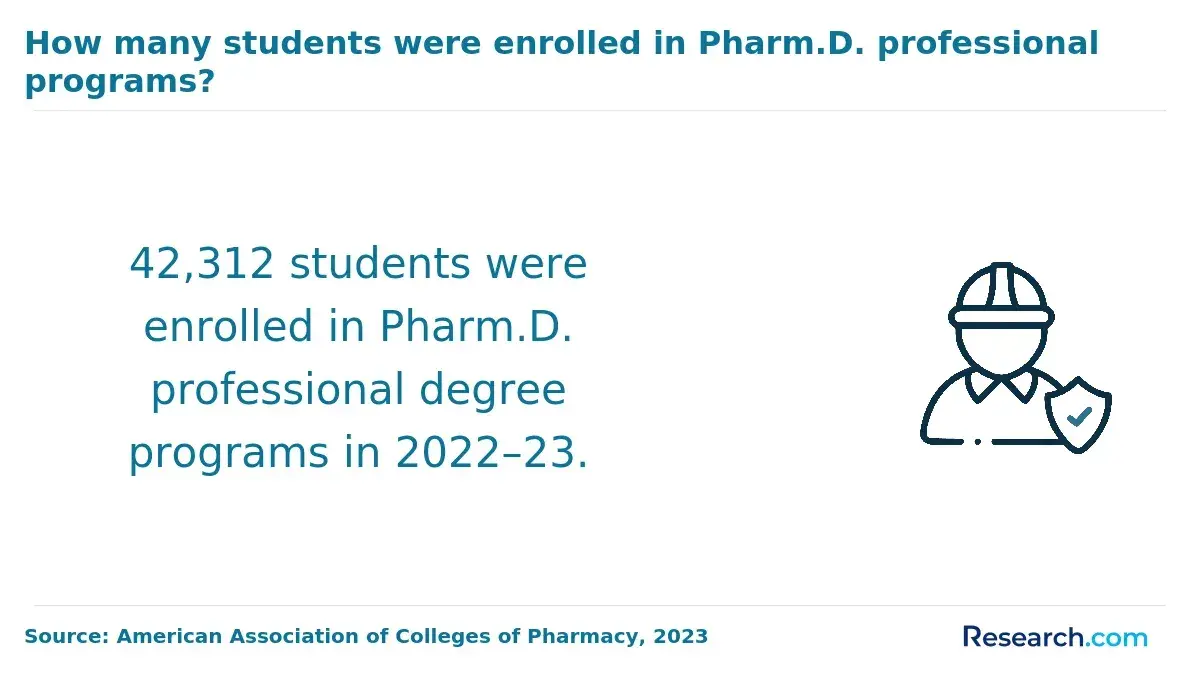
What courses do you take in pharmacist programs in Indiana?
Students enrolled in pharmacist programs in Indiana encounter a comprehensive curriculum designed to build a solid foundation in pharmaceutical sciences and prepare them for diverse clinical settings.
Across the United States, PharmD programs typically require between 144 and 150 credit hours, with nearly half devoted to experiential learning and practical training.
Below is an outline of the essential course categories that shape the educational journey in these programs.
- Foundational Science Courses: These courses cover core subjects such as anatomy, physiology, organic and inorganic chemistry, biochemistry, microbiology, and pharmacokinetics. This scientific groundwork is crucial for grasping how drugs work and sets the stage for advanced pharmacy topics within the Indiana curriculum.
- Pharmacology and Therapeutics: Central to pharmacy education, this area focuses on drug development, disease management, dosage, and patient-specific therapy considerations. It challenges students to think critically about medication effects and applications.
- Clinical Practice: Hands-on experiences like internships and rotations immerse students in healthcare environments, fostering practical skills and real-world problem solving. Approximately 40-45% of credit hours nationwide emphasize this experiential learning approach.
- Pharmacy Law and Ethics: Courses in this category address legal regulations, ethical standards, and professional responsibilities, ensuring future pharmacists can navigate complex decision-making processes and policy compliance.
- Interprofessional Education (IPE): Collaborative training with other healthcare disciplines is increasingly embedded in programs, enhancing communication and teamwork skills critical to patient-centered care.
- Elective and Specialization Courses: Students may tailor their studies through electives focusing on areas like oncology, geriatrics, pediatrics, or pharmacogenomics, allowing adaptation to emerging workforce needs.
Those interested in the broader field of pharmacy support roles may also explore our list of the top online pharmacy technician degree programs, which provide alternative pathways within pharmaceutical education and workforce development.
How long does it take to complete pharmacist programs in Indiana?
Pharmacy program timelines in Indiana vary considerably based on factors such as enrollment status, prior coursework, and experiential requirements. On average, PharmD programs in the U.S. require four years of professional study following two to four years of undergraduate prerequisites.
Below is a summary of typical durations and factors affecting the time to become pharmacist in Indiana:
- Standard PharmD Timeline: Students usually complete 2-4 years of prerequisites before entering a four-year professional PharmD program. This includes classroom instruction, lab work, and experiential rotations across Indiana, which are essential for practical learning but can extend program length if expanded.
- Accelerated or Part-Time Options: Less common due to rigorous licensing requirements, though some programs offer summer courses or flexible scheduling. Part-time study may extend completion time beyond the typical four years.
- Online vs. Campus Programs: Online options are limited because hands-on training is crucial. Some prerequisite courses or continuing education may be completed online, possibly affecting overall duration. Students interested in foundational training might explore our comprehensive guide on online pharmacy technician degree programs.
- Prerequisites and Experiential Rotations: The total time depends greatly on when students begin (direct entry or transfer), part-time versus full-time status, and fulfilling internship or residency requirements mandated for licensure by the Indiana Professional Licensing Agency.
What exams do pharmacy graduates in Indiana need to pass?
Becoming a licensed pharmacist in Indiana requires navigating a series of rigorous examinations designed to ensure competency, safety, and a deep understanding of pharmaceutical practice both at the national and state level.
Beyond initial licensure, many graduates pursue specialized certifications and residencies to stand out in a competitive healthcare environment. The essential exams for Indiana pharmacy graduates center around demonstrating clinical knowledge, legal expertise, and practical readiness.
The following points outline the key assessments involved in this process.
- North American Pharmacist Licensure Examination (NAPLEX): This exam, developed by the National Association of Boards of Pharmacy (NABP), evaluates the candidate's grasp of medication therapy management, pharmacy calculations, and patient care.
- Multistate Pharmacy Jurisprudence Examination (MPJE): Essential for proving knowledge of pharmacy law, this test combines federal regulations with Indiana-specific statutes and policies. With around 90 multiple-choice questions, it ensures pharmacists are prepared to navigate controlled substances regulations, legal responsibilities, and supervision guidelines.
- State-Specific Exams: Indiana does not mandate additional state-only exams beyond the MPJE. Instead, the state emphasizes practical experience, requiring at least 1500 internship hours under licensed pharmacists to bridge theory with real-world pharmacy practice.
- Additional Certification and Residency Exams: While optional, many pharmacists enhance their credentials by pursuing certifications like Board Certified Pharmacotherapy Specialist (BCPS) or specialties in oncology and pediatrics.
A pharmacy graduate from one of Indiana's top pharmacy schools shared that preparing for these exams was both a demanding and transformative experience. He described how balancing internship hours with intense study sessions for the NAPLEX tested not only his knowledge but also his resilience.
Unlike classroom exams, the pressure to perform well on the NAPLEX felt heightened by the stakes of entering a regulated profession. He found that reflecting on practical cases during his internship helped bring theoretical concepts to life, making the MPJE's legal nuances easier to grasp.
The eventual sense of accomplishment upon passing these exams was profound, marking the start of a fulfilling career anchored in continuous learning and responsibility towards patients and community health.
How much do pharmacist programs cost in Indiana?
Pharmacist programs in Indiana involve multiple cost layers beyond just tuition, often making the average cost of pharmacy schools Indiana between $30,000 and $60,000 annually.
While this range might seem standard, it's crucial to challenge the assumption that higher tuition guarantees a better education, as expenses vary greatly depending on residency, institution type, and program delivery method. Costs can quickly accumulate, so prospective students should carefully evaluate each factor.
Consider these key cost drivers when estimating your full financial commitment for pharmacology education:
- Tuition for Public vs. Private Programs: Public universities, like Purdue, offer significantly lower tuition for in-state residents-around $32,000 to $34,000 yearly-compared to private schools, which often charge between $40,000 and $55,000 regardless of residency.
- Additional Fees: Beyond tuition, expect mandatory fees for labs, technology, and student services, ranging from $1,000 to $3,000 per year. These necessary charges support vital hands-on training and campus resources, impacting total expenses independently of program format.
- Online vs. Campus Programs: Though limited, some Indiana programs integrate online coursework, which might reduce commuting costs but maintain tuition and fees close to on-campus levels. Evaluating online programs requires understanding that technology or clinical fees often offset apparent savings.
- Books, Supplies, and Clinical Rotations: Specialized textbooks and materials can add $2,000 to $4,000 yearly, while clinical rotations may involve additional expenses like travel or housing. These critical practical components can significantly affect budgeting for pharmacist program tuition costs in Indiana.
Finally, those seeking quicker entry into the healthcare field might find our guide on fast medical certifications with good pay valuable.
What financial aid options are available for pharmacy students in Indiana?
Pharmacy education often requires significant financial investment, making access to diverse financial aid programs crucial for students in Indiana. Nationally, about 80% of pharmacy students rely on student loans to cover costs, highlighting the importance of combining aid options to minimize debt.
Exploring these resources can make pursuing pharmacy more feasible, especially within rigorous online and campus environments.
- Federal Grants: Programs like Federal Pell Grants and FSEOG provide need-based aid that does not require repayment, easing upfront education costs significantly for eligible students.
- State Grants: Indiana offers state-specific grants such as the 21st Century Scholars and the Frank O'Bannon Grant, fostering access for residents pursuing pharmacy through targeted support.
- Scholarships: Merit- and need-based scholarships from pharmacy organizations reward academic excellence and community commitment, reducing the out-of-pocket burden.
- Work-Study Programs: These federally funded jobs enable students to earn income while gaining valuable healthcare experience, aligning financial support with professional development.
- Student Loans: Direct Unsubsidized and Grad PLUS Loans offer flexible, low-interest borrowing options, filling gaps left by scholarships and grants but requiring mindful repayment planning.
- Employer Tuition Assistance: Increasingly common among pharmacy employers, these programs reimburse tuition costs when students commit to service post-graduation, blending financial aid with career incentives.
For those interested in accelerated options, exploring our curated list of the top accelerated pharm d programs may present unique financial and time-saving benefits within Indiana's pharmacy education landscape.
What jobs can you get with a pharmacy degree in Indiana?
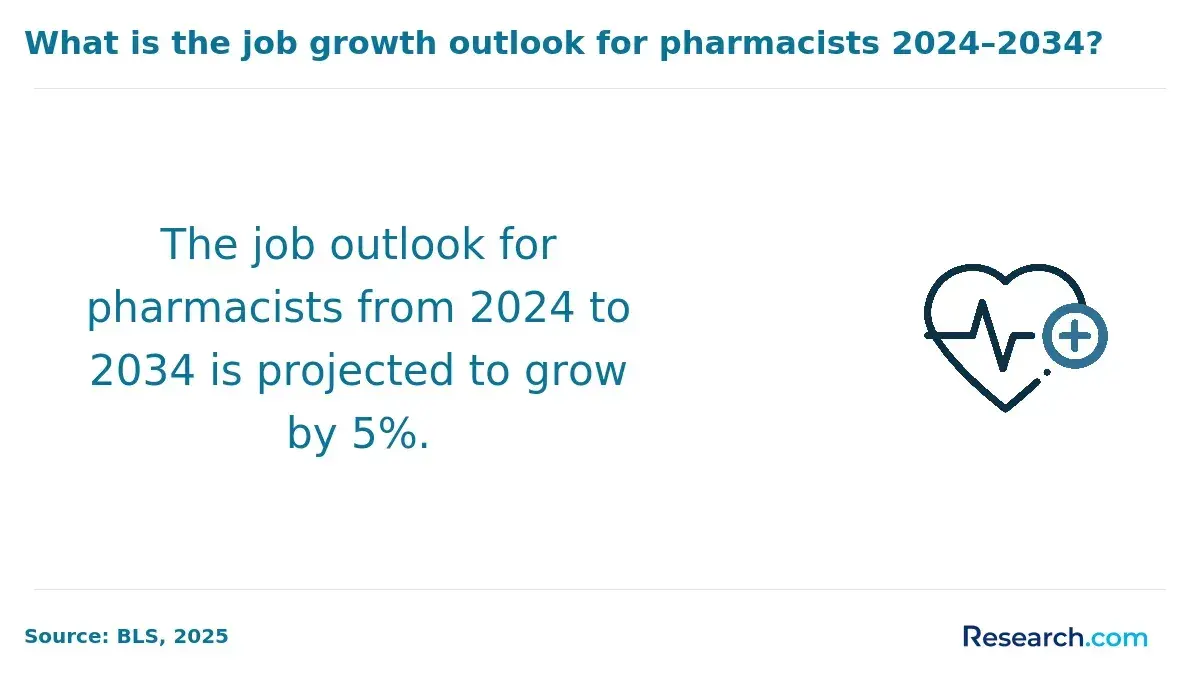
Pharmacy graduates in Indiana encounter diverse career paths that challenge traditional roles in healthcare and pharmaceutical industries. With a 5% projected employment growth through 2030, driven by an aging population and expanding healthcare needs, new opportunities demand adaptability and specialized knowledge.
- Retail Pharmacist: Serving community needs, retail pharmacists dispense medications and counsel patients on drug use. Their role extends beyond transactions to managing over-the-counter products and supporting public health awareness.
- Hospital Pharmacist: Situated within healthcare facilities, hospital pharmacists focus on precise medication management for both inpatients and outpatients. Collaboration with medical teams ensures safe and effective treatment regimens.
- Clinical Pharmacist: These specialists engage directly with patients to optimize medication therapies and monitor outcomes. Their work often integrates disease management programs, reflecting a shift towards personalized patient care.
- Pharmaceutical Researcher: Involved in the innovation of drug development and clinical trials, researchers pursue breakthroughs in therapies. This path bridges science and patient impact, requiring strong ties with biotech and research institutions.
- Consultant Pharmacist: Providing expert advice on medication use, consultant pharmacists focus on complex cases, often in long-term care settings. Their input is critical for optimizing treatment plans for vulnerable populations.
- Emerging Specialized Roles: Fields such as pharmacogenomics, informatics, and ambulatory care are reshaping pharmacy's landscape. These areas integrate technology, genetics, and outpatient services, reflecting a transformative approach to healthcare delivery.
What is the average pharmacist salary in Indiana?
Pharmacists in Indiana can expect salaries that closely reflect national trends, where the median wage hovers near $128,000. This earning potential is shaped by a complex set of factors, making it important for aspiring pharmacists to look beyond simple averages and understand what really drives salary differences.
- Practice Setting: Where a pharmacist works greatly impacts pay. Retail pharmacists often earn less compared to their hospital or clinical counterparts because specialized healthcare settings demand advanced skills and responsibilities.
- Experience Level: Salary progression is closely tied to years of experience. Entry-level pharmacists typically earn less, but with board certifications, leadership roles, or years on the job, wage opportunities expand significantly.
- Geographic Location: Indiana's moderate cost of living plays a role, but urban centers like Indianapolis may offer slightly higher salaries to meet local market demands and living expenses. Rural areas generally offer less, challenging the notion that all pharmacists nationwide share similar compensation.
- Advanced or Specialized Roles: Earning potential increases when pharmacists pursue certifications in areas like oncology or geriatrics. These specialized roles open doors to higher-paying positions in hospitals, research, or industry that standard practice settings may not offer.
What Graduates of Pharmacy Programs in Indiana Say About Their Degree
- Completing my pharmacy degree through the on-campus program at Purdue University truly opened doors I hadn't imagined. Starting my career as the school pharmacist at Washington High School in Indianapolis gave me an incredible chance to combine my passion for healthcare and education. The program's rigorous curriculum and hands-on training prepared me to confidently support students and staff, ensuring their well-being every day. I also appreciate how Indiana's diverse community influenced my learning experience, enriching my approach to pharmacy care. This journey has profoundly shaped my personal and professional growth. Clyde
- Advancing within the academic field after graduating from Butler University's online pharmacy program has been both challenging and rewarding. The flexibility of the online courses allowed me to continue working while furthering my education, and now I'm proud to hold a leadership position in pharmacy education. The program's focus on Indiana's healthcare needs gave me a unique perspective that I can share with colleagues and students alike. Looking back, I'm grateful for the solid foundation that propelled my career forward and fostered a commitment to lifelong learning. Lisbeth
- My experience in the online pharmacy program at the University of Indianapolis has been transformative, particularly in terms of community impact. After graduation, I secured a role at North Central High School where I've been able to develop wellness initiatives that focus on medication safety and health literacy. Indiana's close-knit communities provide an ideal environment for this kind of hands-on outreach work, and the program's emphasis on practical application made me confident in my abilities. This path has allowed me to grow personally while making a real difference in young people's lives. Roxie
Related Articles for Nearby States
- 2027 Best Pharmacy Schools & Pharmacist Programs Requirements in Ohio: Online & Campus
- 2027 Best Pharmacy Schools & Pharmacist Programs Requirements in Illinois: Online & Campus
- 2027 Best Pharmacy Schools & Pharmacist Programs Requirements in Kentucky: Online & Campus
- 2027 Best Pharmacy Schools & Pharmacist Programs Requirements in Michigan: Online & Campus
- 2027 Best Pharmacy Schools & Pharmacist Programs Requirements in Wisconsin: Online & Campus
- 2027 Best Pharmacy Schools & Pharmacist Programs Requirements in Missouri: Online & Campus
- 2027 Best Pharmacy Schools & Pharmacist Programs Requirements in Tennessee: Online & Campus
- 2027 Best Pharmacy Schools & Pharmacist Programs Requirements in Iowa: Online & Campus
- 2027 Best Pharmacy Schools & Pharmacist Programs Requirements in West Virginia: Online & Campus
- 2027 Best Pharmacy Schools & Pharmacist Programs Requirements in Minnesota: Online & Campus
References:
- Pharmacy Financial Aid https://www.cedarville.edu/offices/financial-aid/pharmacy
- Pharmacy Schools in Indiana - 2025 https://www.pharmacytechnicianguide.com/Pharmacy-Schools-Indiana/
- Indianapolis PGY1 Pharmacy Program — Franciscan Health Pharmacy Residency https://www.franciscanhealthpharmacyresidency.com/new-page
- Pharmacist Salary in Indiana (December 01, 2025) | Salary.com https://www.salary.com/research/salary/benchmark/pharmacist-salary/in
- 856 IAC 1-3. 1-7 - Pharmacist intern/extern; program requirements https://www.law.cornell.edu/regulations/indiana/856-IAC-1-3.1-7
- Pharmacy | Marian University https://www.marian.edu/academics/programs/bachelors/indianapolis/pharmacy.php
- Indiana Pharmacy Tech License | 2026 State Requirements! https://ptcbtestprep.com/state-requirements/pharmacy-tech-license-indiana/
- Indiana - Pharmacy School Finder https://www.pharmacyschoolfinder.org/pharmacy-programs/indiana/
- Pharmacist Intern Hours Requirements by US State https://pharmacistmigration.com/pharmacist-intern-hours-requirements-by-us-state/
- Doctor of Pharmacy Degree | Sullivan University https://www.sullivan.edu/pharmacy/doctor-of-pharmacy
Other Things You Should Know About The Best Pharmacy Schools & Pharmacist Programs Requirements in Indiana
In 2027, the best pharmacy school in Indiana is generally considered to be Purdue University College of Pharmacy. Known for its rigorous curriculum and active research environment, Purdue offers both Doctor of Pharmacy (PharmD) and graduate programs, focusing on preparing students for clinical practice and research careers.
Pharmacy schools in Indiana are required to hold accreditation from the Accreditation Council for Pharmacy Education (ACPE). This ensures that the program meets rigorous national standards and adequately prepares students for pharmacist licensure in the state.
In 2027, applicants to pharmacy schools in Indiana must generally have completed courses in biology, chemistry, physics, and calculus, along with a satisfactory score on the Pharmacy College Admission Test (PCAT). Each institution may have specific requirements, so reviewing them individually ahead of application deadlines is crucial.


