
2027 Best Pharmacy Schools & Pharmacist Programs Requirements in North Carolina: Online & Campus

Co-Founder and Chief Data Scientist
Securing admission to pharmacy schools in North Carolina presents significant challenges, with acceptance rates averaging just 40%. Aspiring pharmacists must navigate rigorous prerequisites like biology and chemistry coursework, along with competitive GPAs and PCAT scores. Understanding these requirements early is crucial for strategic preparation.
This article, crafted by career planning experts, explores the top pharmacy schools in North Carolina, detailing both online and campus-based programs. It offers clear guidance to help prospective students meet admissions criteria and excel in their pharmacist education journey.
Key Benefits of Pharmacy Schools and Pharmacist Programs in North Carolina
- North Carolina's pharmacy programs feature advanced curricula that integrate cutting-edge pharmaceutical sciences, ensuring students master both foundational knowledge and emerging drug therapies vital for today's healthcare landscape.
- Students benefit from extensive clinical training partnerships with top healthcare institutions across the state, offering hands-on experience that enhances practical skills and professional readiness.
- Expert faculty combine deep academic credentials with real-world pharmacy practice, while career placement support boasts high graduate employment rates, ensuring strong pathways into competitive pharmacist roles.
- What pharmacy degree programs are offered in North Carolina?
- How do you compare online vs. campus pharmacy programs in North Carolina?
- What are the requirements for a pharmacy school application in North Carolina?
- What courses do you take in pharmacist programs in North Carolina?
- How long does it take to complete pharmacist programs in North Carolina?
- What exams do pharmacy graduates in North Carolina need to pass?
- How much do pharmacist programs cost in North Carolina?
- What financial aid options are available for pharmacy students in North Carolina?
- What jobs can you get with a pharmacy degree in North Carolina?
- What is the average pharmacist salary in North Carolina?
What pharmacy degree programs are offered in North Carolina?
Pharmacy education in North Carolina offers a comprehensive pathway starting from foundational studies to advanced clinical training, catering to diverse student needs and professional goals. Nationally, there is a growing emphasis on flexible learning modalities and specialized postgraduate training to meet evolving healthcare demands, reflecting trends seen across various accredited pharmacist schools in North Carolina.
- Pre-pharmacy Tracks: These programs provide essential coursework designed to prepare students for admission into professional pharmacy degrees. Ideal for those beginning their academic journey, pre-pharmacy curricula focus on key science and math subjects foundational to pharmacy practice.
- PharmD Programs: The Doctor of Pharmacy is the core professional degree, delivered through traditional campus settings as well as online and hybrid formats. This flexibility supports students balancing geographic or scheduling challenges while pursuing licensure and clinical competencies.
- Dual-Degree Pathways: Combining the PharmD with graduate degrees such as an MBA or MPH, these programs expand career prospects beyond clinical roles. They are suited for students interested in leadership, administration, or public health alongside pharmacy practice.
- Postgraduate Residency Training (PGY1/PGY2): Advanced clinical, community, and specialty residencies help pharmacists gain expertise in focused areas of care. These residencies are integral for those seeking hospital or clinical pharmacy careers requiring specialized skills.
- Continuing Education and Certificate Programs: Offered statewide to licensed pharmacists, these courses support ongoing professional development. Topics typically include immunization, pharmacotherapy, and medication safety, helping pharmacists maintain credentials and adapt to healthcare advances.
For those exploring the best pharmacy schools & pharmacist programs requirements in North Carolina, it's valuable to recognize how these varied program options accommodate different learning preferences and career ambitions. If you are particularly interested in flexible learning, consider reviewing the best pharmacy doctorate degrees online to see how virtual and hybrid programs fit your goals.
How do you compare online vs. campus pharmacy programs in North Carolina?
Online and campus pharmacy programs in North Carolina serve different learner needs through distinct delivery methods. Enrollment in online pharmacy-related education has increased over 20% nationwide, reflecting greater acceptance of digital learning while challenges remain for hands-on clinical training.
Online Pharmacy Programs
- Flexibility: Online programs offer significant scheduling freedom, ideal for working adults or those balancing family commitments.
- Clinical Training Access: While coursework is remote, students must complete required experiential rotations in-person within local healthcare settings.
- Student Support: Digital platforms provide virtual advising and instructor interaction through live sessions and discussion boards, though immediate feedback can be limited.
- Technology Requirements: Success depends on reliable internet access and self-motivation to stay engaged in a less structured environment.
- Suitability: Best suited for non-traditional learners or those unable to relocate, seeking degree completion or working while studying.
Campus Pharmacy Programs
- Learning Environment: On-campus students benefit from direct access to labs, peer collaboration, and face-to-face mentorship.
- Clinical Training Access: Programs integrate hands-on internships and rotations coordinated through local partnerships, essential for skill development.
- Student Support: Immediate interaction with faculty and comprehensive support services enhance academic and career development.
- Networking Opportunities: Events and clinical partnerships facilitate connections with healthcare professionals within the state's system.
- Suitability: Often preferred by recent high school graduates or learners seeking immersive, in-person training from the start.
What are the requirements for a pharmacy school application in North Carolina?
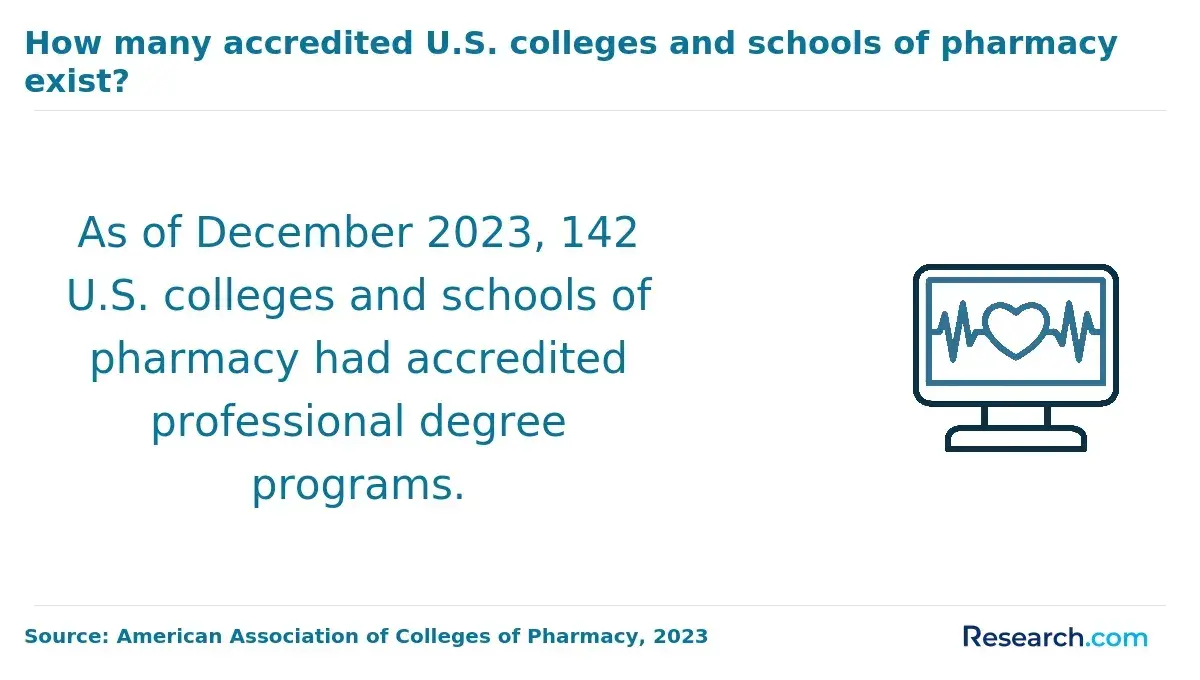
Pharmacy school admissions in North Carolina reflect a rigorous selection process designed to prepare dedicated professionals for a demanding career. With application numbers steadily rising, the competition grows, emphasizing the importance of thorough preparation and strong qualifications. Notably, the increasing demand for pharmacists statewide makes meeting these requirements essential for success.
- Prerequisite Coursework: Candidates must complete core science courses such as general and organic chemistry, biology, anatomy, physiology, microbiology, and math like calculus or statistics. These form the foundation necessary for advanced pharmacy studies.
- GPA Expectations: A minimum cumulative GPA of around 3.0 is typically recommended, though higher academic performance improves prospects. Admissions committees seek consistent academic excellence as a predictor of success.
- Standardized Testing: Many programs either require or recommend the Pharmacy College Admission Test (PCAT), though some may waive it. Applicants should confirm requirements with each school.
- Letters of Recommendation: Strong endorsements from science professors or practicing pharmacists help demonstrate an applicant's academic strengths and professional character.
- Personal Statements: These essays allow candidates to convey their passion for pharmacy, career goals, and relevant experiences, adding a human element to the application.
- Interviews: Whether virtual or in-person, interviews assess interpersonal skills, professionalism, and overall suitability for the pharmacy field.
- Background Checks & Drug Screening: These safeguards ensure candidates meet legal and ethical standards before matriculation, an essential step for patient care roles.
What courses do you take in pharmacist programs in North Carolina?
Pharmacy programs in North Carolina are designed with a well-rounded curriculum that balances foundational sciences and practical clinical experiences to prepare students effectively for their careers. Nationally, a typical PharmD program spans around 1,400 to 1,600 total credit hours, split evenly between didactic coursework and experiential learning, reflecting the importance of both knowledge and hands-on skills.
Below is an overview of essential course categories students encounter in pharmacist program course requirements North Carolina.
- Foundational Science Courses: These prerequisites emphasize core sciences such as biology, chemistry, organic chemistry, anatomy, physiology, and microbiology. This strong scientific base equips students with the necessary understanding of human biology and chemical processes fundamental to pharmaceutical sciences.
- Pharmacology: Courses in pharmacology focus on how drugs interact with the body, covering mechanisms of action, pharmacokinetics, and pharmacodynamics. This knowledge is critical for designing effective treatments and anticipating drug interactions.
- Therapeutics: Therapeutics coursework applies pharmacological principles to real-world patient care, teaching students how to manage diseases and optimize medication use for better health outcomes.
- Clinical Practice: Experiential learning through clinical rotations exposes students to various healthcare environments, allowing them to develop skills in medication management, patient counseling, and interdisciplinary collaboration.
- Pharmacy Law and Ethics: These courses cover legal regulations alongside ethical considerations pharmacists must navigate. Understanding these areas ensures adherence to professional standards and the safeguarding of patient rights.
- Interprofessional Education: Emphasizing teamwork, this component promotes cooperation with other healthcare professionals, enhancing patient-centered care within a collaborative environment.
- Elective and Specialization Courses: Students can tailor their education by selecting courses in areas like geriatrics, oncology, or ambulatory care, supporting personalized career pathways and deeper expertise.
Additionally, students considering their future pharmacy careers may find interest in related outcomes such as pharmacy technician income, which can provide insight into different roles within the pharmacy field beyond the traditional pharmacist route.
How long does it take to complete pharmacist programs in North Carolina?
Pharmacy program timelines in North Carolina vary depending on several factors such as program type, enrollment status, and prerequisite completion. On average, PharmD programs in the U.S. take about 4 years to complete, aligning with offerings from institutions like the UNC Eshelman School of Pharmacy.
The following points outline typical durations and influences on the time to complete pharmacist school NC:
- Standard Timeline: The traditional path involves about 2 to 3 years of pre-pharmacy undergraduate coursework in sciences, followed by a 4-year PharmD professional program. This sequence represents the common duration for many students entering pharmacy programs in North Carolina.
- Accelerated and Part-Time Options: Some schools offer accelerated tracks that shorten the PharmD portion to around 3 years through year-round courses, although these are intensive and less common. Part-time or flexible schedules, often available in online or hybrid formats, may extend program length beyond 4 years to accommodate working students.
- Online vs. On-Campus Programs: Despite delivery mode differences, online pharmacy programs in North Carolina typically maintain similar timelines due to mandatory hands-on experiential and clinical rotations required for licensure, which are paced according to state regulations.
- Prerequisites and Experiential Rotations: Completion time can be influenced by how quickly students finish prerequisite classes and the scheduling availability of clinical rotations. Delays in experiential placements or part-time attendance can lengthen the overall duration, as governed by the North Carolina Board of Pharmacy's requirements.
Students interested in efficient pathways should plan carefully, understanding how each element affects total program duration and, ultimately, entry into some of the high paying medical professions.
What exams do pharmacy graduates in North Carolina need to pass?
Becoming a licensed pharmacist in North Carolina requires successfully navigating a series of rigorous exams designed to ensure both clinical competence and legal understanding specific to the state. These assessments, combined with practical experience, form the cornerstone of professional preparation. The key examinations aspiring pharmacists in North Carolina must pass include the following:
- North American Pharmacist Licensure Examination (NAPLEX): This nationally standardized test evaluates a candidate's clinical knowledge, skills in patient care, medication management, and safe dispensing practices. Developed by the National Association of Boards of Pharmacy (NABP), it sets a baseline for pharmacy competency across the United States. In North Carolina, a scaled score of at least 75 is required to pass.
- Multistate Pharmacy Jurisprudence Examination (MPJE): Tailored specifically to states, the MPJE for North Carolina tests knowledge of state-specific pharmacy laws, regulations, and ethical standards. It ensures pharmacists understand the unique legal framework governing prescription requirements, drug scheduling, and professional conduct within the state.
- Internship Requirement: In addition to examinations, candidates must complete a minimum of 1,500 internship hours supervised by licensed pharmacists. This requirement, mandated by the North Carolina Board of Pharmacy (NCBOP), focuses on real-world training to build practical skills and professional judgment.
- Additional Certifications and Residencies: While not mandatory for licensure, many graduates pursue postgraduate residencies accredited by the American Society of Health-System Pharmacists (ASHP) to enhance their expertise. These residencies prepare pharmacists for specialization in fields such as oncology, ambulatory care, or critical care and often lead to board certifications.
How much do pharmacist programs cost in North Carolina?
Pharmacist programs in North Carolina present a range of costs influenced by the choice between public and private schools, as well as delivery mode. On average, pharmacy graduates nationally carry nearly $180,000 in debt, highlighting why a clear view of tuition and fees is critical.
Below are key cost factors to consider when exploring pharmacy school tuition costs North Carolina.
- Tuition for Public vs. Private Programs: Public pharmacy schools in North Carolina offer significantly lower tuition for in-state residents, with rates around $27,000 annually at institutions like UNC Chapel Hill. Private programs can range from $40,000 to $60,000 per year, which is important to weigh against potential benefits and program reputation.
- Additional Fees: Beyond tuition, lab fees often range from $500 to $1,500 per semester due to hands-on training requirements. Technology fees and student services charges can add several hundred to over $1,000 annually, impacting the overall cost for both online and on-campus students.
- Online vs. On-Campus Costs: Online programs may lessen expenses related to housing and commuting but usually have tuition comparable to on-campus options. Some online formats require extra fees for remote labs or proctored exams, so budgeting should account for these nuances in pharmacist programs in NC.
- Books, Supplies, and Clinical Rotations: Students should expect to spend $2,000 to $4,000 yearly on essential textbooks, tools, and supplies. Clinical rotations often incur additional costs for travel, lodging, and insurance, which vary by location and can add substantial expenses over the course of the program.
For those seeking a pathway with less cost burden, exploring quick healthcare certifications that pay well may offer alternative opportunities worth considering alongside traditional pharmacy education.
What financial aid options are available for pharmacy students in North Carolina?
Pharmacy education can be expensive, making access to financial support essential for many students pursuing this field. Over 80% of pharmacy students nationwide graduate with debt, often exceeding $170,000, highlighting the critical role of financial aid in managing costs. In North Carolina, multiple resources exist to assist students in both online and campus pharmacy programs.
- Federal and State Grants: These need-based funds, including Pell Grants and state-specific awards, offer support without requiring repayment. North Carolina's state grants often prioritize health sciences students to meet workforce demands.
- Scholarships and Grants: Merit-based and targeted scholarships help reduce debt burdens. Many come from pharmacy associations and community groups, providing valuable aid for pharmacy students in North Carolina.
- Work-Study Programs: These federally funded opportunities allow students to work part-time in pharmacy-related roles, gaining experience while earning education funds.
- Student Loans: Widely used by pharmacy students, federal loans like Direct Subsidized and Unsubsidized Loans offer lower interest and flexible repayments compared to private loans.
- Employer Tuition Assistance: Many healthcare employers reimburse tuition or provide scholarships for employees, helping students offset costs while gaining professional experience.
Students curious about what is the easiest pharmacy school to get into often also explore how financial aid can maximize their educational investment in North Carolina's programs.
What jobs can you get with a pharmacy degree in North Carolina?
The pharmacy field in North Carolina offers a range of rewarding career paths shaped by evolving healthcare needs and patient-centered approaches. Employment for pharmacists is expected to grow by about 6% statewide from 2022 to 2032, reflecting a stable and expanding profession. This growth supports diverse roles in community, clinical, research, and specialized settings.
- Retail Pharmacist: These pharmacists are essential in community health, responsible for dispensing medications, counseling patients on proper use, and managing ongoing medication therapies. Their work directly impacts patient safety and medication adherence outside hospital settings.
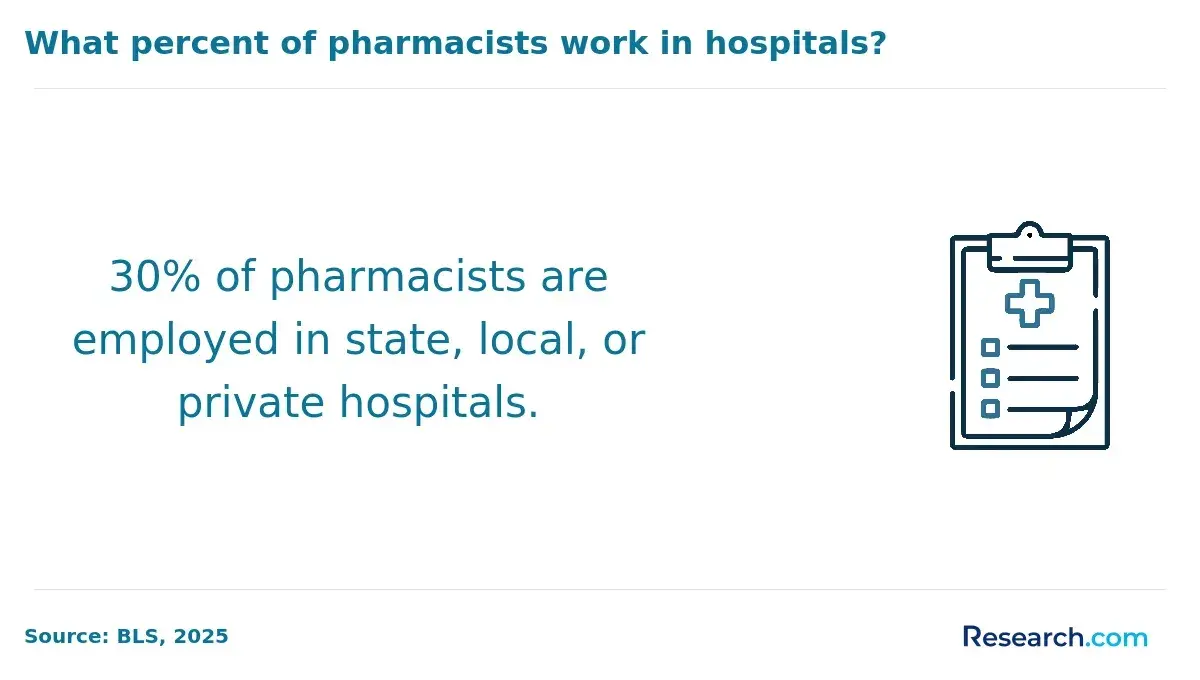
- Hospital Pharmacist: Operating within medical centers, hospital pharmacists prepare and deliver medications while ensuring their appropriate therapeutic use. They collaborate closely with healthcare teams to optimize treatment outcomes for inpatients and emergency cases.
- Clinical pharmacists often specialize in chronic disease management and work alongside physicians to tailor drug therapies. They typically practice in outpatient clinics or specialty units, focusing on individualized patient care to improve health results.
- Pharmaceutical Researcher: Those interested in innovation may pursue research roles, developing and testing new drugs and therapies. Research pharmacists often work in academic, government, or private sectors, contributing to advances in medical treatments.
- Consultant Pharmacist: Consultant pharmacists focus on medication management for long-term care or home healthcare patients. Their role involves advising healthcare providers and patients to reduce medication-related problems and improve therapy effectiveness.
- Specialized Positions: Emerging roles in oncology, geriatrics, and pharmacogenomics reflect a shift toward personalized medicine. Pharmacists with expertise in these areas address complex patient needs in an interdisciplinary healthcare environment.
What is the average pharmacist salary in North Carolina?
Pharmacists in North Carolina can expect earnings near the national median, which for U.S. pharmacists was about $128,570 annually as of May 2023. This figure sets a useful benchmark for understanding local salaries, which vary based on several important factors that impact earning potential throughout the state.
- Practice Setting: Pharmacists working in hospitals or clinical environments often earn more than those in retail pharmacies. This is due to the specialized nature of hospital pharmacy work, which can include critical care or oncology, demanding a higher level of expertise and responsibility.
- Experience Level: Starting salaries for entry-level pharmacists tend to be lower, but these increase steadily with years of practice. Advanced certifications, management roles, and expanded clinical responsibilities also lead to significant salary growth over time.
- Geographic Location: Urban centers like Charlotte, Raleigh, and Durham generally offer higher salaries compared to rural areas. These cities have larger healthcare systems and pharmaceutical organizations that can provide better compensation reflecting the local cost of living and demand for specialized skills.
- Advanced or Specialized Roles: Pharmacists who hold advanced degrees, complete residencies, or occupy leadership and clinical specialist positions typically earn above-average incomes. Specializations in areas such as oncology or critical care particularly boost earning potential due to increased expertise requirements.
What Graduates of Pharmacy Programs in North Carolina Say About Their Degree
- Completing my on-campus pharmacy program at one of North Carolina's top schools was transformative both professionally and personally. I began my career at Riverside Middle School, where applying my knowledge daily to support medication management helped me realize the true impact pharmacists have beyond traditional roles. The program's emphasis on community health prepared me to contribute meaningfully to student well-being, which fuels my passion every day. The close-knit academic environment in North Carolina fosters collaboration and lifelong connections that continue to enhance my growth in this field. Jennifer
- The online pharmacy degree I earned from a leading North Carolina college has opened incredible doors in my career. Since graduating, I've advanced to higher academic positions, which has allowed me to influence pharmacy education and research more profoundly. The flexible learning environment accommodated my busy schedule and introduced me to innovative approaches aligned with North Carolina's healthcare challenges. Reflecting on this journey, I'm proud of how the program strengthened my expertise and leadership abilities in a dynamic industry. Damian
- Studying pharmacy on-campus in North Carolina connected me deeply with the state's rich cultural and environmental landscape, which shaped my approach to patient care and community service. Starting out, I worked at Mountain View Elementary, where I saw firsthand the difference pharmacists make in rural and underserved areas. This experience enriched my personal growth and commitment to enhancing health outcomes through education and outreach. The program offered unique opportunities to engage with local health initiatives, boosting my confidence and career development. Romer
Related Articles for Nearby States
- 2027 Best Pharmacy Schools & Pharmacist Programs Requirements in South Carolina: Online & Campus
- 2027 Best Pharmacy Schools & Pharmacist Programs Requirements in Virginia: Online & Campus
- 2027 Best Pharmacy Schools & Pharmacist Programs Requirements in Georgia: Online & Campus
- 2027 Best Pharmacy Schools & Pharmacist Programs Requirements in Tennessee: Online & Campus
- 2027 Best Pharmacy Schools & Pharmacist Programs Requirements in West Virginia: Online & Campus
- 2027 Best Pharmacy Schools & Pharmacist Programs Requirements in Kentucky: Online & Campus
- 2027 Best Pharmacy Schools & Pharmacist Programs Requirements in Florida: Online & Campus
- 2027 Best Pharmacy Schools & Pharmacist Programs Requirements in Maryland: Online & Campus
- 2027 Best Pharmacy Schools & Pharmacist Programs Requirements in Alabama: Online & Campus
- 2027 Best Pharmacy Schools & Pharmacist Programs Requirements in Pennsylvania: Online & Campus
References:
- Pre-Pharmacy Advising | UNC Charlotte https://advising.charlotte.edu/pre-health/pre-pharmacy/
- Occupation Profile https://nccareers.org/occupation-profile/291051/1368
- Average Pharmacist Salary in North Carolina https://www.vivian.com/allied-health/pharmacist/north-carolina/salary/
- Clinical Pharmacist, Specialty Pharmacy Services in Winston Salem, North Carolina, United States https://careers.atriumhealth.org/jobs/17099611-clinical-pharmacist-specialty-pharmacy-services
- Pharmacy-Technician https://www.ncbop.org/pharmacy-technicians.html
- Careers - Carolina Compounding Pharmacy & Health Center Inc. | Cary | North Carolina https://carolinacompounding.com/careers/
- PharmD Pharmacy Admissions Process – Pharmacy & Health Sciences | Campbell University https://cphs.campbell.edu/academic-programs/pharmacy/doctor-of-pharmacy/requirements/
- NAPLEX Exam | NAPLEX Prep | Pharmacy Licensure Exam https://nabp.pharmacy/programs/examinations/naplex/
- Professional Financial Assistance Programs - Office of Student Financial Planning https://www.highpoint.edu/financialplanning/professional-financial-assistance-programs/
Other Things You Should Know About The Best Pharmacy Schools & Pharmacist Programs Requirements in North Carolina
In 2027, aspiring pharmacists in North Carolina must complete 1,500 internship hours to qualify for licensure. These hours must be accrued under the supervision of a licensed pharmacist, ensuring candidates receive practical, hands-on experience in diverse pharmacy settings.
Prerequisites for enrolling in North Carolina pharmacy programs in 2027 typically include completion of pre-pharmacy coursework such as biology, chemistry, and mathematics. Some programs may also require the Pharmacy College Admission Test (PCAT) scores. Specific requirements can vary by institution.


