
2027 Best Pharmacy Schools & Pharmacist Programs Requirements in Utah: Online & Campus

Co-Founder and Chief Data Scientist
Aspiring pharmacists in Utah face a competitive admission landscape, with only about 60% of applicants securing a place in accredited pharmacy programs each year. Understanding the specific prerequisites and educational pathways is crucial for navigating this rigorous process efficiently.
This article examines the top pharmacy schools in Utah, detailing both online and campus-based program requirements. Prepared by experts in career planning, it offers precise guidance to help candidates meet admission standards and achieve their professional goals in pharmacy education.
Key Benefits of Pharmacy Schools and Pharmacist Programs in Utah
- Utah's top pharmacy programs integrate advanced curricula accredited by ACPE, ensuring students master current pharmaceutical sciences and emerging healthcare technologies.
- Students benefit from extensive clinical training partnerships with leading hospitals and community pharmacies throughout Utah, enhancing practical skills and professional readiness.
- Faculty members in these programs possess robust research backgrounds and clinical experience, while dedicated career placement services support graduates in securing competitive pharmacist roles statewide.
- What pharmacy degree programs are offered in Utah?
- How do you compare online vs. campus pharmacy programs in Utah?
- What are the requirements for a pharmacy school application in Utah?
- What courses do you take in pharmacist programs in Utah?
- How long does it take to complete pharmacist programs in Utah?
- What exams do pharmacy graduates in Utah need to pass?
- How much do pharmacist programs cost in Utah?
- What financial aid options are available for pharmacy students in Utah?
- What jobs can you get with a pharmacy degree in Utah?
- What is the average pharmacist salary in Utah?
What pharmacy degree programs are offered in Utah?
Pharmacy education in Utah offers a diverse range of programs designed to prepare students for a licensed pharmacist career through comprehensive academic and practical training. Nationally, over 90% of pharmacy programs incorporate experiential or hybrid learning, reflecting evolving educational trends to meet diverse student needs. These varied pathways support both traditional students and working professionals seeking flexible options.
- Pre-pharmacy prerequisite tracks: These foundational programs provide essential coursework needed before entering PharmD studies. They are aimed at students beginning their pharmacy education journey and ensure timely qualification for professional degree programs.
- Traditional campus-based PharmD programs: These programs constitute the primary pathway to pharmacy licensure in Utah. They combine rigorous classroom instruction with hands-on clinical practice, preparing students fully for professional roles in diverse healthcare settings.
- Hybrid PharmD program options: Designed to offer flexibility, hybrid programs blend online coursework with in-person clinical experiences. This format suits working students or those in remote locations while maintaining accreditation standards and academic quality.
- Dual-degree pathways: Students can pursue combined degrees, such as PharmD with public health, business, or biomedical sciences. These interdisciplinary programs expand career opportunities and provide specialized expertise relevant to evolving healthcare markets.
- Postgraduate residency training (PGY1 and PGY2): Residency programs provide advanced clinical training beyond the PharmD degree. PGY1 focuses on general residency skills, while PGY2 offers specialized training, essential for pharmacists seeking expert-level practice credentials within Utah's healthcare systems.
- Certificate and continuing education programs: Targeting licensed pharmacists, these offerings support lifelong learning and compliance with licensure renewal requirements. They help pharmacists maintain competence and stay current with emerging pharmaceutical knowledge.
Students exploring pharmacy education and degree options Utah should consider these diverse pathways aligned with career goals. For detailed requirements, it is advisable to refer to official pharmacist degree requirements to ensure eligibility and successful program completion.
How do you compare online vs. campus pharmacy programs in Utah?
Approximately 25% of pharmacy students nationwide complete some portion of their coursework online, demonstrating a growing integration of digital learning in pharmacy education. Online and campus pharmacy programs in Utah differ primarily in flexibility, clinical training access, and learning environments, addressing diverse student needs and professional preparation.
Online Pharmacy Programs
- Flexibility: Allows students to complete didactic courses remotely, accommodating work, family, or geographic constraints.
- Clinical Training: Requires local partnerships for hands-on experiential hours since direct clinical practice cannot be conducted online.
- Technology Requirements: Necessitates reliable internet and self-motivation due to reliance on learning management systems and virtual simulations.
- Faculty Interaction: Maintains engagement through teleconferencing and digital communication, though less immediate than in-person contact.
- Student Support: Primarily virtual advising and online resources, which may provide less immediate access compared to on-campus services.
- Suitability: Ideal for working professionals and those residing in rural areas seeking schedule flexibility without relocating.
Campus Pharmacy Programs
- Flexibility: Less adaptable to personal schedules due to required in-person attendance and potential relocation or commuting.
- Clinical Training: Provides direct access to on-site laboratories, simulation centers, and nearby healthcare facilities for immersive practical experience.
- Learning Environment: Offers face-to-face interaction fostering collaboration, immediate feedback, and strong peer and faculty networks.
- Student Support: Readily available academic advising, tutoring, and extracurricular activities enhance engagement and professional growth.
- Technology Use: Supports learning with digital tools but emphasizes hands-on practice as essential.
- Suitability: Best for students seeking a traditional, immersive educational experience with extensive clinical exposure.
What are the requirements for a pharmacy school application in Utah?
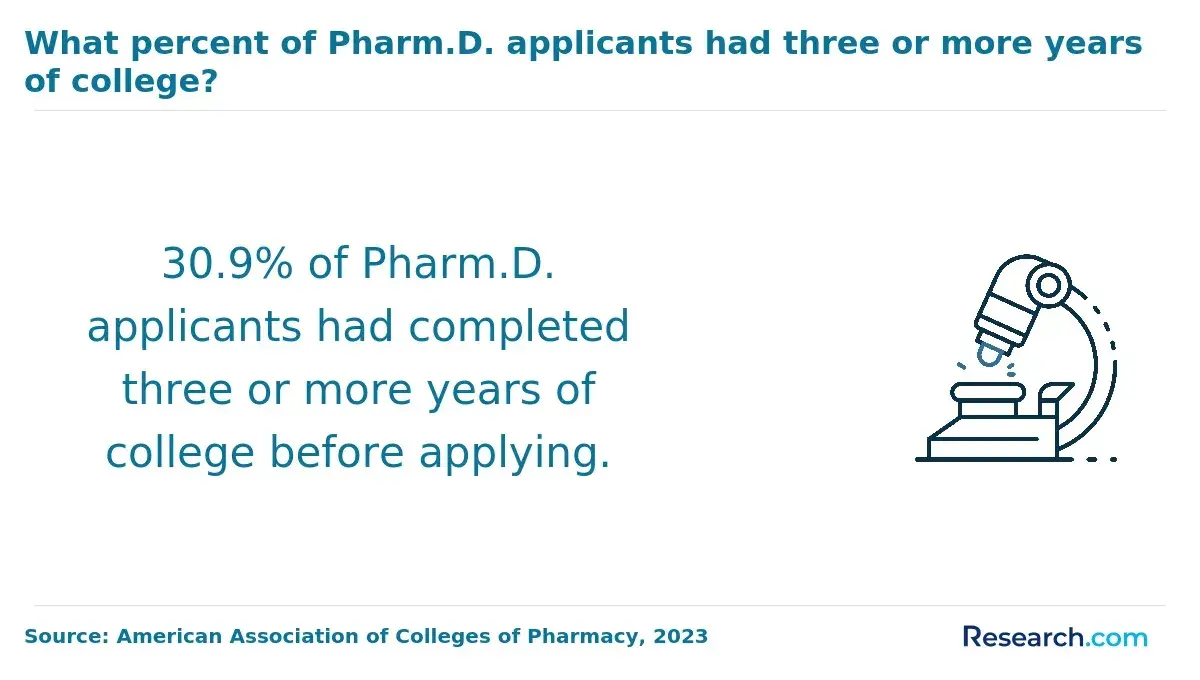
Pharmacy school admissions in Utah require a comprehensive review of academic preparation and personal qualities to identify candidates ready for professional success. Increasing applicant volume reflects the growing demand for pharmacists statewide, necessitating thorough evaluation measures across all programs.
Applicants must demonstrate strong academic performance and a commitment to pharmacy through various key criteria.
- Prerequisite Coursework: Completion of courses such as general biology, chemistry, organic chemistry, anatomy and physiology, microbiology, and calculus is mandatory, ensuring foundational knowledge essential for pharmacy studies.
- GPA Expectations: Most programs expect a competitive cumulative GPA, typically between 3. 0 and 3. 5, with particular emphasis on grades in prerequisite courses to demonstrate academic readiness.
- Standardized Tests: The Pharmacy College Admission Test (PCAT) may be optional or not required, reflecting a shift toward holistic admissions, but some programs might still consider these scores if submitted.
- Letters of Recommendation: Two to three letters are usually necessary, provided by professors, pharmacists, or healthcare professionals who can attest to the applicant's qualifications and potential for the field.
- Personal Statement: Applicants must submit a written statement outlining their motivation for pursuing pharmacy, understanding of the profession, and future career goals, highlighting their individuality and commitment.
- Interviews: Conducted either in-person or virtually, interviews assess candidates' communication skills, professionalism, and alignment with program values, playing a significant role in final admission decisions.
- Background Checks: Pre-enrollment screening ensures candidates meet ethical and safety standards required for healthcare professionals, sometimes including drug testing as part of the process.
A graduate from one of the top pharmacy schools in the US shared that managing the application process involved balancing intense coursework with the preparation of thoughtful recommendation requests and personal statements. She recalled that coordinating interviews amidst a busy schedule was challenging yet rewarding, as it allowed her to gain confidence in professional communication.
The background check stage brought some anxiety, but passing it reinforced her readiness for the responsibilities ahead. Reflecting on her journey, she emphasized that persistence and careful attention to each requirement were crucial to securing admission and ultimately thriving in the program.
What courses do you take in pharmacist programs in Utah?
Pharmacy programs in Utah typically follow a structured curriculum designed to equip students with comprehensive pharmaceutical knowledge and practical skills. Nationally, Doctor of Pharmacy programs require between 145 and 175 credit hours over four years, with approximately 30-40% focused on experiential learning.
Below is an overview of the core and specialized courses that compose the essential coursework and curriculum requirements in Utah pharmacy education.
- Foundational Science Courses: These initial courses cover biology, chemistry, anatomy, physiology, and organic chemistry. They establish the critical scientific foundation necessary for understanding drug mechanisms and advanced pharmacy topics.
- Pharmacology and Therapeutics: Central to the program, these courses delve into drug action, pharmacokinetics, and pharmacodynamics. Students learn how to apply medications effectively across a variety of clinical conditions.
- Clinical Practice Experiences: Extensive supervised rotations occur in diverse healthcare settings, providing hands-on learning. These experiential components represent a significant portion of the curriculum, offering real-world patient care exposure under licensed pharmacists.
- Pharmacy Law and Ethics: This area covers the regulatory frameworks governing pharmacy practice, including federal and state laws. Ethical issues such as patient confidentiality and professional responsibilities are emphasized to ensure compliance and integrity.
- Interprofessional Education: Preparing students to collaborate within multidisciplinary healthcare teams, this component fosters effective communication and coordination among various healthcare providers.
- Elective and Specialization Courses: Students can tailor their studies to focus on areas like oncology, pediatrics, geriatrics, or ambulatory care pharmacy. These specialized courses address emerging workforce needs in Utah's healthcare system.
Students considering pharmacy education may also explore career prospects and compensation details such as pharmacy technician pay, which can provide additional context on the value of this training in Utah's healthcare market.
How long does it take to complete pharmacist programs in Utah?
Pharmacy program timelines in Utah vary depending on several factors, including the choice between full-time, part-time, or accelerated study. Nationally, about 70% of pharmacy students complete their professional Doctor of Pharmacy (PharmD) program within four years, consistent with standard pacing in most programs.
The following points discuss key aspects influencing pharmacy program duration in Utah:
- Standard Program Length: The typical pathway consists of two to four years of pre-professional undergraduate coursework followed by a four-year full-time PharmD program. Combined, this results in approximately six to eight years to complete a pharmacy degree.
- Accelerated and Part-Time Options: Some programs offer accelerated tracks that include summer semesters to shorten the duration. Part-time or hybrid study options may extend completion time due to balancing coursework with personal or professional commitments.
- Online Versus Campus Programs: Fully accredited online PharmD programs are rare because of hands-on clinical rotation requirements, which must be completed in person. Campus-based and hybrid models generally maintain similar pacing aligned with experiential learning standards.
- Prerequisites and Clinical Rotations: Completion time depends on fulfilling prerequisite courses, often taken at institutions like the University of Utah or Utah State University. Additionally, students must complete around 1, 440 hours of clinical rotations, a substantial experiential component that can influence the pace toward graduation.
Prospective students should also review the entry requirements for healthcare careers to understand all educational and experiential prerequisites when planning their path in pharmacy education in Utah.
What exams do pharmacy graduates in Utah need to pass?
Pharmacy graduates aiming to practice in Utah must meet rigorous licensure and certification requirements designed to ensure competence and adherence to legal standards. These requirements include passing nationally recognized exams as well as state-specific assessments.
The following list outlines the primary examinations and certifications necessary to become a licensed pharmacist in Utah.
- North American Pharmacist Licensure Examination (NAPLEX): This comprehensive exam evaluates a candidate's knowledge of the scientific and clinical aspects of pharmacy practice, including pharmacotherapy, medication safety, and pharmaceutical calculations. Passing the NAPLEX confirms that the candidate possesses the essential skills to provide professional and effective pharmaceutical care.
- Multistate Pharmacy Jurisprudence Examination (MPJE): The MPJE is focused on the federal and Utah-specific pharmacy laws and regulations. It assesses the candidate's understanding of legal responsibilities and the regulatory environment governing pharmacy practice within the state, ensuring compliance with Utah statutes.
- State-Specific Licensing Exams: While Utah does not require additional mandatory state-specific exams beyond the MPJE, candidates must satisfy experiential requirements mandated by the Utah Department of Commerce Division of Occupational and Professional Licensing (DOPL). This includes completing practical experience hours integral to preparing pharmacists for real-world challenges.
- Additional Certifications and Residency Programs: Some pharmacists pursue specialized career paths requiring further credentials. For example, residency training accredited by the American Society of Health-System Pharmacists (ASHP) is common among those seeking clinical or ambulatory care specializations. These programs often involve additional assessments and certifications beyond basic licensure.
One pharmacy graduate from one of Utah's top programs shared his reflections on the licensure process: "Preparing for the NAPLEX was intense and required disciplined study, especially mastering the clinical scenarios and pharmaceutical calculations. The MPJE was equally challenging because it demanded a deep understanding of Utah's legal landscape, which differed from what I initially expected.
Balancing study with residency hours tested my time management skills. Despite the pressure, passing these exams gave me immense confidence and affirmed my readiness to serve the community. The experience taught me resilience and the importance of thorough preparation, which continue to guide my practice today. "
How much do pharmacist programs cost in Utah?
Pharmacist program tuition in Utah varies widely between public and private institutions, as well as between online and campus formats, influencing the overall cost of pharmacy education in the state. On average, pharmacy school expenses nationwide have been rising, emphasizing the need for prospective students to carefully assess their financial commitments.
Below is a breakdown of key cost factors to consider when evaluating pharmacy programs in Utah.
- Tuition for Public vs. Private Programs: The University of Utah, a primary public pharmacy school, charges approximately $12,000 annually for in-state students, whereas out-of-state students may pay about $36,000 per year. Private programs typically have higher tuition fees, impacting the total cost of attendance significantly.
- Additional Mandatory Fees: Beyond base tuition, students should expect fees for labs, technology, and student services. These fees support essential hands-on training and access to digital learning resources, potentially adding several thousand dollars to the yearly expenses.
- Differences Between Online and Campus Programs: Online PharmD programs often reduce on-campus facility fees but may require extra technology or proctoring fees for remote assessments. Nonetheless, clinical rotations generally necessitate in-person participation, incurring travel or housing costs outside the home area.
- Books, Supplies, and Clinical Rotation Expenses: Budgeting for educational materials typically ranges from $1,500 to $3,000 annually. Clinical rotations also introduce costs such as transportation, housing, and liability insurance, which are crucial for practical experience but raise overall expenditures.
What financial aid options are available for pharmacy students in Utah?
Financial aid plays a crucial role in enabling pharmacy students to manage the substantial costs associated with their education. Approximately 85% of pharmacy students nationwide rely on some form of student loan debt, with average borrowing exceeding $170,000, highlighting the necessity of seeking diverse funding sources.
In Utah, several financial aid options are available for pharmacy students, whether attending online or campus programs.
- Federal Grants and Loans: Pell Grants assist eligible undergraduates, while federal loans such as Direct Unsubsidized and Grad PLUS Loans offer graduate-level funding with competitive interest rates and flexible repayment plans.
- State Scholarships and Grants: The Utah Higher Education Assistance Authority (UHEAA) provides scholarships and grants focused on professional degrees, helping residents reduce upfront tuition expenses.
- Work-Study Programs: Qualifying students can earn income through part-time positions on campus or in community pharmacies, gaining practical experience alongside financial support.
- Private Scholarships: Various foundations and pharmacy organizations award scholarships based on academic merit, financial need, or specialty interests within pharmacy practice.
- Employer Tuition Assistance: Healthcare employers increasingly offer tuition reimbursement programs, often requiring a work commitment post-graduation to attract and retain pharmacists.
Prospective students are encouraged to explore these financial assistance opportunities to minimize debt and maximize their educational investment, with some also consulting resources such as easiest pharmacy schools to get into for program selection guidance. Accessing a robust combination of aid types can significantly enhance affordability for pharmacy students in Utah.
What jobs can you get with a pharmacy degree in Utah?
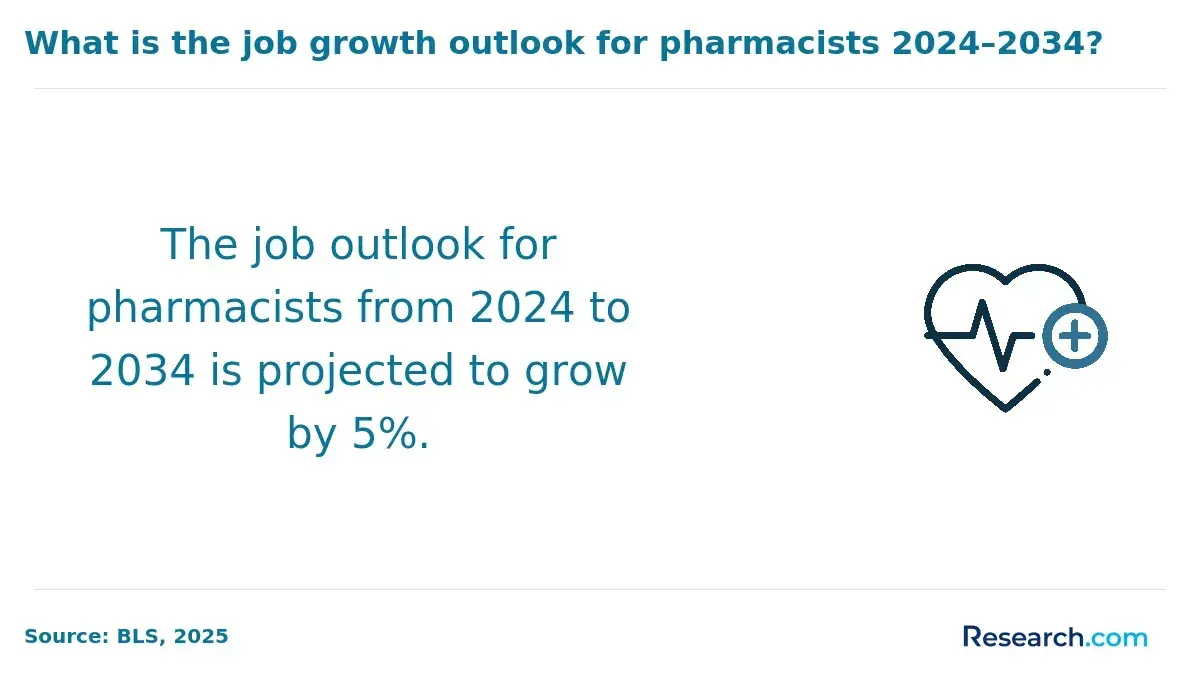
Employment for pharmacists in Utah is expected to experience moderate growth over the next decade, driven by expanding healthcare needs and a focus on medication management across varied settings. Pharmacy graduates in Utah can explore a diverse range of career paths that encompass traditional roles as well as emerging specialties shaped by technological advancements and personalized medicine.
- Retail Pharmacist: Responsible for dispensing medications and counseling patients in community drugstores. Retail pharmacists also manage daily pharmacy operations. This role emphasizes direct patient interaction and education on proper medication use.
- Hospital Pharmacist: Working within medical facilities, hospital pharmacists prepare and review medications, advise healthcare teams on drug therapies, and ensure safety in medication administration. Their involvement is critical to patient care and treatment outcomes.
- Clinical Pharmacist: Collaborating closely with other healthcare providers, clinical pharmacists optimize medication regimens, particularly for patients with chronic conditions. They often specialize in areas such as disease management and therapeutic drug monitoring.
- Pharmaceutical Researcher: Engaged in developing new drugs and therapies, pharmaceutical researchers typically work in laboratories or government agencies. Their efforts support healthcare innovation and the advancement of safer, more effective treatments.
- Consultant Pharmacist: Consultant pharmacists focus on reviewing medication plans for nursing homes, long-term care facilities, or individual patients. They help ensure appropriate therapy and reduce the risk of adverse drug effects.
- Emerging Roles: Positions in pharmacogenomics, medication therapy management, and telepharmacy represent growing fields. These roles leverage technology and personalized care models, offering expanded opportunities beyond conventional pharmacy practices.
What is the average pharmacist salary in Utah?
The pharmacist's salary in Utah provides a competitive earning opportunity within the healthcare sector. As of May 2023, the national average pharmacist salary is approximately $132,000 annually, with Utah's average slightly lower but still substantial, reflecting local economic factors.
- Practice Setting: Salaries can vary significantly depending on the workplace environment. Pharmacists employed in hospitals generally earn more than those in retail or community pharmacies due to the complex and critical nature of hospital-based care. Clinical and consultant pharmacists who participate in healthcare teams often receive higher pay reflecting their specialized roles.
- Experience Level: Entry-level pharmacists typically start with lower salaries, but earnings increase with experience, additional certifications, and advanced training. Senior pharmacists and those in leadership or management positions often benefit from notable salary growth over time.
- Geographic Location: Urban centers such as Salt Lake City and Provo offer higher salary opportunities due to increased demand and competitive job markets. Rural pharmacists might earn less in base salary but may receive benefits like loan repayment incentives that enhance overall compensation.
- Advanced and Specialized Roles: Pharmacists who obtain board certifications or specialize in areas such as pharmacotherapy tend to command premium salaries. These roles require advanced skills and knowledge, justifying higher compensation within the profession.
What Graduates of Pharmacy Programs in Utah Say About Their Degree
- Completing my pharmacy degree through an online program offered by one of Utah's top schools gave me the flexibility I needed while still providing a rigorous education. I was able to immediately apply what I learned to my role at Highland Elementary School, where I coordinate student health initiatives. The program's focus on both clinical skills and community health really prepared me to make a positive impact in the school environment. I appreciate how the curriculum incorporated Utah's unique rural healthcare challenges, which has deepened my understanding of patient care in diverse settings. This experience has truly shaped my passion for supporting young people's well-being in my community. Jane
- After graduating from one of Utah's premier pharmacy schools on campus, I advanced into higher academic roles, moving from lecturer to department associate chair in just a few years. The comprehensive training and strong network I gained were invaluable for stepping into leadership. My education emphasized both research and practical applications, enabling me to contribute effectively to curriculum development and student mentoring. Studying in Utah also exposed me to unique pharmacological needs related to the region's population, which has informed my teaching approach. This journey has been rewarding and opened pathways to further professional development. Miriam
- Enrolling in the on-campus pharmacy program at a top Utah institution was transformative for my personal and professional growth. The hands-on experiences within local clinics and community outreach programs allowed me to connect deeply with Utah's diverse populations, enhancing my cultural competency and empathy. Starting my career at Maple Ridge Middle School, I've been able to directly contribute to improving medication management and student health education. The challenges of adapting pharmacy practices to Utah's varied urban and rural landscapes have sharpened my problem-solving skills and commitment to service. I feel empowered to continue advancing my career while making meaningful community impacts. Casey
Related Articles for Nearby States
- 2027 Best Pharmacy Schools & Pharmacist Programs Requirements in Nevada: Online & Campus
- 2027 Best Pharmacy Schools & Pharmacist Programs Requirements in Arizona: Online & Campus
- 2027 Best Pharmacy Schools & Pharmacist Programs Requirements in Idaho: Online & Campus
- 2027 Best Pharmacy Schools & Pharmacist Programs Requirements in Wyoming: Online & Campus
- 2027 Best Pharmacy Schools & Pharmacist Programs Requirements in Colorado: Online & Campus
- 2027 Best Pharmacy Schools & Pharmacist Programs Requirements in New Mexico: Online & Campus
- 2027 Best Pharmacy Schools & Pharmacist Programs Requirements in California: Online & Campus
- 2027 Best Pharmacy Schools & Pharmacist Programs Requirements in Montana: Online & Campus
- 2027 Best Pharmacy Schools & Pharmacist Programs Requirements in Oregon: Online & Campus
- 2027 Best Pharmacy Schools & Pharmacist Programs Requirements in Washington: Online & Campus
References:
- Pharmacist https://nationalcareers.service.gov.uk/job-profiles/pharmacist
- Roseman University College of Pharmacy https://www.roseman.edu/academic-programs/college-of-pharmacy/
- Utah - Pharmacy School Finder https://www.pharmacyschoolfinder.org/pharmacy-programs/utah/
- Utah Licensing Guides for Immigrant Pharmacists - Upwardly Global https://www.upwardlyglobal.org/career-coaching/professional-licensing-guides/utah/pharmacist/
- Pharmacy Technician - Southwest Technical College - Cedar City, Utah https://stech.edu/programs/health/pharmacy-technician/
- What are the Skills Required to Pursue a Pharmacy Degree? https://www.mguindia.com/blogs/what-are-the-skills-required-to-pursue-a-pharmacy-degree
- Enrollment Options https://www.pharmcas.org/school-directory/explore-and-compare/enrollment-options
- Essential Skills to study Pharmacy - College of Pharmacy and Nutrition - https://pharmacy-nutrition.usask.ca/students/undergraduate-programs/essential-skills-pharmd.php
- Pharmacy Technician Trainee: Full Time/Part Time/PRN Opportunities in SALT LAKE CITY, Utah | Careers at University of Utah Hospital https://careers-uuhc.icims.com/jobs/74018/pharmacy-technician-%28trainee-tech-i-tech-ii%29-full-time-part-time-prn-opportunities/job
- NAPLEX Exam | NAPLEX Prep | Pharmacy Licensure Exam https://nabp.pharmacy/programs/examinations/naplex/
Other Things You Should Know About The Best Pharmacy Schools & Pharmacist Programs Requirements in Utah
In 2027, prerequisites for a pharmacy program in Utah typically include completing specific undergraduate coursework in subjects such as biology, chemistry, and mathematics. Additionally, prospective students may need to pass the Pharmacy College Admission Test (PCAT) and meet any specific GPA requirements set by the pharmacy schools.
The average class size for pharmacy programs in Utah typically ranges from 50 to 100 students per cohort. Smaller class sizes may provide more personalized attention from faculty, while larger classes may offer a diverse range of perspectives and networking opportunities.


