
2027 Best Pharmacy Schools & Pharmacist Programs Requirements in Alabama: Online & Campus

Co-Founder and Chief Data Scientist
Admission to pharmacy programs in Alabama is highly competitive, with acceptance rates hovering around 20%, making careful planning essential from the start. Prospective students must weigh the differences between campus-based and online pharmacy pathways. Early decisions can significantly influence an applicant’s chances of acceptance.
Crafted by career planning experts, this article delivers an in-depth look at Alabama’s leading pharmacy programs and their admissions requirements. Readers will gain practical insights to confidently choose the most suitable route toward licensure and long-term success in the pharmacy profession.
Key Benefits of Pharmacy Schools and Pharmacist Programs in Alabama
- Alabama's top pharmacy programs offer an advanced curriculum aligned with ACPE standards, ensuring up-to-date knowledge and competitive skills for the evolving pharmaceutical field.
- Students benefit from extensive clinical training partnerships with local hospitals and health systems, providing hands-on experience essential for licensure and practice readiness.
- Flexible online and campus formats are complemented by expert faculty mentorship and dedicated career services, which boast over 85% job placement rates within six months of graduation.
- What pharmacy degree programs are offered in Alabama?
- How do you compare online vs. campus pharmacy programs in Alabama?
- What are the requirements for a pharmacy school application in Alabama?
- What courses do you take in pharmacist programs in Alabama?
- How long does it take to complete pharmacist programs in Alabama?
- What exams do pharmacy graduates in Alabama need to pass?
- How much do pharmacist programs cost in Alabama?
- What financial aid options are available for pharmacy students in Alabama?
- What jobs can you get with a pharmacy degree in Alabama?
- What is the average pharmacist salary in Alabama?
What pharmacy degree programs are offered in Alabama?
Pharmacy education in Alabama offers a well-rounded journey for aspiring pharmacists, adapting to modern trends such as expanding online and hybrid learning options seen nationally. With growing enrollment in PharmD programs across the US, Alabama meets the increasing demand for skilled pharmacists through diverse educational pathways that blend academic preparation with practical training.
- Pre-pharmacy undergraduate tracks: These foundational programs prepare students academically for advanced pharmacy studies by focusing on prerequisite science and math courses. Ideal for those entering the field, they build the essential knowledge needed to succeed in professional programs.
- Traditional and online/hybrid Doctor of Pharmacy (PharmD) programs: The core credential for pharmacist licensure, PharmD programs in Alabama combine lecture, lab, and clinical experience. Flexible online and hybrid versions accommodate students balancing work or family commitments while pursuing full professional licensure.
- Dual-degree pathways: These innovative programs let students earn a PharmD alongside other graduate degrees, such as an MBA or MPH. This combination enhances career flexibility and prepares pharmacists for leadership roles in healthcare, business, or public health.
- Postgraduate residency training (PGY1 and PGY2): Designed for advanced clinical skill development, these residencies focus on specialty areas like ambulatory care and oncology. They are crucial for pharmacists seeking expert practice and heightened career opportunities within Alabama's healthcare system.
- Certificate and continuing education programs: These offerings help licensed pharmacists maintain licensure and stay up to date with the latest drug therapies and professional standards. Lifelong learning is essential to meet evolving patient care demands and regulations.
To fully understand how to navigate these diverse pathways and what each entails, exploring a pharmacy career guide can provide valuable insight into the profession's educational requirements and growth opportunities.
How do you compare online vs. campus pharmacy programs in Alabama?
Pharmacy education in Alabama is increasingly shaped by flexible learning models, with more than 40% of programs nationwide incorporating hybrid or fully online coursework by 2023. As a result, prospective students must carefully compare online and campus pharmacy programs, balancing convenience and accessibility with clinical training, instructional support, and hands-on experience.
Below is a direct comparison of the two formats:
Online Pharmacy Programs
- Flexibility: Online programs allow students to study around work, family, or other commitments, making education accessible for non-traditional learners or those distant from campus.
- Clinical Training Access: While virtual simulations support learning, fully online formats struggle to replace essential live clinical rotations in community and hospital settings.
- Student Support: Remote students often face fewer direct interactions and rely on self-discipline and technology, which can be challenging without structured peer or instructor engagement.
- Technology Requirements: Comfort with online platforms and reliable internet are necessary, potentially posing barriers for some students.
- Suitability: Best suited for motivated learners needing schedule flexibility or remote access who can supplement online study with local clinical placements.
Campus Pharmacy Programs
- Hands-on Training: Campus programs provide direct access to labs, faculty, and partnerships with healthcare sites, ensuring vital experiential learning in real-world settings.
- Instructor Interaction: In-person learning offers immediate guidance, helping students develop practical skills through real-time feedback.
- Learning Environment: Structured schedules and peer engagement foster motivation and collaborative problem-solving.
- Student Support: On-site tutoring and access to faculty resources enhance understanding and support throughout the program.
- Suitability: Ideal for students who value mentorship and immersive clinical experiences to prepare for licensure and professional practice.
What are the requirements for a pharmacy school application in Alabama?
Pharmacy school admissions in Alabama carefully evaluate each applicant to ensure readiness for the demanding coursework and professional responsibilities ahead. With rising applicant numbers fueled by growing interest in pharmacy careers, competitive qualifications are essential. Recent data show that entering students often hold GPAs around 3.4 to 3.6, reflecting this increasing competition.
The typical admission requirements include:
- Prerequisite Coursework: Completion of key science and math classes-such as biology, chemistry, physics, calculus, and English-is fundamental. These courses build the strong foundation needed for success in pharmacy studies.
- GPA Expectations: Most programs require a minimum cumulative GPA of around 3.0, but higher GPAs improve competitiveness. Maintaining strong academic performance demonstrates your commitment and capability.
- Standardized Tests: Some schools still require the Pharmacy College Admission Test (PCAT), though many have adopted test-optional policies. If submitting scores, focusing on strong quantitative and verbal performance can enhance your application.
- Letters of Recommendation: Recommendations typically come from science professors or pharmacy professionals who can attest to your academic strengths and character, adding valuable perspective to your profile.
- Personal Statement: This is your chance to convey motivation, career goals, and relevant experiences, giving admissions committees insight into your passion and suitability for the field.
- Interviews: Often conducted in person or virtually, interviews assess communication skills, professionalism, and fit with the program's culture and ethical standards.
- Background Check: To protect public health and professional integrity, applicants must undergo background screenings before enrollment, sometimes including immunization and drug testing.
A graduate from one of Alabama's top pharmacy schools shared that navigating the application was both challenging and rewarding. She recalled how balancing coursework with gathering detailed letters of recommendation tested her time management, yet those endorsements truly strengthened her candidacy. The personal statement pushed her to reflect deeply on her journey, which she found unexpectedly inspiring.
Preparing for the interview sparked apprehension but ultimately helped her grow in confidence and clarify her professional goals. This holistic process, though demanding, shaped her into a more resilient and focused candidate, laying a solid foundation for her success in pharmacy school and beyond.
What courses do you take in pharmacist programs in Alabama?
Pharmacy programs in Alabama offer a well-rounded curriculum designed to build strong foundations in science while advancing practical skills essential for modern healthcare. Students typically complete between 140 to 160 credit hours over four years, balancing classroom learning with hands-on experience.
Below is an overview of the main categories of courses that form the backbone of most pharmacist programs that Alabama students encounter:
- Foundational Science Courses: These include general chemistry, organic chemistry, biology, microbiology, and human anatomy and physiology. Together, they establish a solid scientific base critical for understanding drug interactions and bodily functions throughout pharmacy studies.
- Pharmacology and Therapeutics: Focused on the study of drugs, their effects, and therapeutic uses, these courses teach students about medication mechanisms and treatment strategies necessary for patient care.
- Clinical Practice: This vital component involves experiential learning such as internships, simulations, and clinical rotations, allowing students to apply knowledge in real healthcare environments and develop professional skills.
- Pharmacy Law and Ethics: Students learn the legal regulations and ethical standards governing pharmacy practice, preparing them to navigate complex professional responsibilities and ensure patient safety.
- Interprofessional Education: Courses encourage collaboration with various healthcare disciplines, fostering teamwork skills essential for integrated patient care and communication.
- Elective and Specialization Courses: These allow students to tailor their education toward specific interests like oncology, pediatrics, geriatrics, or pharmaceutical research, offering deeper expertise in chosen fields.
For those considering alternative paths within the pharmaceutical field, exploring options such as pharmacy technician associate degree distance learning programs can provide a flexible and valuable entry point into healthcare careers.
How long does it take to complete pharmacist programs in Alabama?
Pharmacy program timelines in Alabama vary depending on factors like course load, program format, and prerequisite completion. On average, most US pharmacy programs, including those in Alabama, follow a four-year professional curriculum after preliminary coursework, resulting in about six years total from start to finish.
Here are key points regarding program durations and factors affecting completion times:
- Standard Degree Timeline: Typically, students in Alabama complete two years of pre-pharmacy prerequisites followed by a four-year Doctor of Pharmacy (PharmD) program, totaling around six years. This structure aligns with national norms.
- Accelerated and Part-Time Options: Some programs offer accelerated pathways or part-time enrollment to help students finish faster or balance work commitments. These flexible options can alter the usual six-year timeline.
- Online vs. On-Campus Programs: Many schools now provide hybrid or online didactic courses, though experiential rotations remain in-person and must be completed onsite, which can extend program length if scheduling is adjusted.
- Prerequisites and Experiential Rotations: Prerequisite coursework is required before entering the PharmD curriculum, impacting total time. Experiential rotations, essential for hands-on training, must include at least 1,500 hours of internship or clinical work per Alabama Board of Pharmacy rules, potentially lengthening program duration.
For those interested in exploring healthcare pathways further, understanding healthcare job prerequisites can provide valuable insights before beginning pharmacy school or other medical fields.
What exams do pharmacy graduates in Alabama need to pass?
Becoming a licensed pharmacist in Alabama demands dedication to mastering both clinical expertise and state-specific legal knowledge. The path includes rigorous exams designed to ensure you are fully prepared to serve your community with competence and confidence.
Below are the essential examinations pharmacy graduates must tackle as part of their licensure journey:
- North American Pharmacist Licensure Examination (NAPLEX): This comprehensive, standardized exam administered by the National Association of Boards of Pharmacy (NABP) measures your grasp of critical scientific principles and clinical skills essential for pharmacy practice nationwide. With approximately 225 multiple-choice questions, the NAPLEX tests areas ranging from pharmacology to patient care management, reflecting the core competencies required for safe and effective medication therapy.
- Multistate Pharmacy Jurisprudence Examination (MPJE): Tailored specifically to Alabama, the MPJE assesses your understanding of both federal and state pharmacy laws that dictate professional conduct within the state. This exam ensures you are well-versed in Alabama's unique regulatory landscape, preparing you to navigate legal responsibilities confidently as a practicing pharmacist.
- State-Specific Licensure Requirements: While Alabama currently does not mandate additional state-specific exams beyond the MPJE, it values advanced qualifications. Pharmacists ambitious to deepen their expertise may pursue specialized certifications or residency programs, none of which are compulsory but can enhance clinical skills and career opportunities.
- Additional Certification and Residency Exams: To advance into specialized areas like oncology or ambulatory care, board certifications through organizations such as the Board of Pharmacy Specialties (BPS) are available. Residency programs lasting one to two years offer hands-on, intensive clinical training, equipping pharmacists for complex healthcare environments, though they remain optional for Alabama licensure.
Reflecting on the journey through these exams, a pharmacy graduate from one of Alabama's top pharmacy schools shared that preparing for the MPJE was unexpectedly challenging due to the depth and nuance of state-specific regulations. Balancing study with the demands of final professional rotations required disciplined time management and resilience.
Despite the stress, passing the exam brought a profound sense of accomplishment and readiness to practice, affirming that the effort invested was well worth the outcome. This graduate emphasized that understanding the "why" behind the laws-how they protect patients and support ethical care-made the preparation a meaningful experience beyond rote memorization.
How much do pharmacist programs cost in Alabama?
Pharmacist program tuition in Alabama varies widely, reflecting factors like residency, school type, and program format. Public universities offer more affordable rates for in-state students, while private institutions and out-of-state residents can expect higher costs. Nationally, pharmacy education expenses often exceed $40,000 annually, emphasizing the importance of careful financial planning.
Below is a breakdown of key cost factors to help you budget effectively for pharmacy schools in Alabama.
- Tuition: Public vs. Private Tuition at public schools like the University of Alabama at Birmingham runs approximately $16,000 to $18,000 yearly for in-state students. Out-of-state tuition is significantly higher, often surpassing $35,000, while private programs generally charge over $40,000 annually, though Alabama has fewer private options.
- Additional Fees: Students should anticipate extra charges for lab materials, technology, student services, and health insurance, typically adding $3,000 to $4,000 per year. These fees support essential resources that enrich the learning experience.
- Books and Supplies: Expect to spend between $1,200 and $1,500 annually on textbooks and necessary supplies. These costs vary based on specific courses and required equipment.
- Clinical Rotation Expenses: Transportation, housing, and licensure fees during clinical rotations can add variable costs, especially for placements away from home. These expenses should be factored into your overall budget for the four-year program.
- Online vs. On-Campus Costs: While fully online pharmacy programs are not available in Alabama, hybrid formats may lower commuting and campus fees. However, hands-on labs and clinical components require in-person attendance, limiting potential savings.
For those exploring efficient pathways in health education, consider quick healthcare certification courses as a complementary option to traditional pharmacist programs.
What financial aid options are available for pharmacy students in Alabama?
Pharmacy education can be a significant financial investment, making access to reliable financial aid crucial for students in Alabama. Nationwide, the median student loan debt for pharmacy graduates reached around $160,000, underscoring the importance of funding strategies. Here are key options to consider:
- Federal Grants: Programs like Pell Grants and FSEOG provide funds primarily for those with exceptional need, supporting undergraduate and some pharmacy students.
- State Scholarships and Grants: Alabama offers various need- and merit-based scholarships through state agencies, helping reduce costs specifically for in-state pharmacy students.
- Work-Study Programs: Federal work-study enables students to earn money while gaining pharmacy-related experience in healthcare or research settings.
- Student Loans: Direct unsubsidized loans and graduate PLUS loans are commonly used to cover tuition and living expenses, although careful borrowing is advised.
- Employer Tuition Assistance: Many healthcare employers in Alabama support students financially in exchange for work commitments post-graduation, easing debt burdens while fostering career opportunities.
Exploring these options thoroughly can help you build a sustainable financial plan tailored to your path, whether pursuing an accelerated PharmD program or a traditional route.
What jobs can you get with a pharmacy degree in Alabama?
The pharmacy field in Alabama offers a variety of rewarding career paths for graduates, supported by a steady job growth rate of about 6% projected from 2022 to 2032. This growth reflects the state's aging population and expanding healthcare access, creating strong demand for skilled pharmacy professionals.
The typical career paths include the following:
- Retail Pharmacist: Working primarily in community pharmacies, retail pharmacists dispense medications and counsel patients on their proper use. They also manage daily pharmacy operations, ensuring safety and accuracy in medication distribution.
- Hospital Pharmacist: Hospital pharmacists collaborate with healthcare teams to provide effective medication therapies for inpatients. Their role is critical in optimizing drug treatments and monitoring for potential adverse effects.
- Clinical Pharmacist: These pharmacists focus on specialized care, tailoring medication plans to individual patient needs. They often work in settings such as outpatient clinics and long-term care facilities, improving therapeutic outcomes.
- Pharmaceutical Researcher: Researchers contribute to developing new drugs and therapies, frequently working in laboratories or participating in clinical trials. Their efforts drive innovation and advancement in medicine.
- Consultant Pharmacist: Providing expert medication reviews and advice, consultant pharmacists support long-term care facilities and vulnerable populations. Their guidance helps ensure safe and effective medication use.
- Emerging Roles: Areas like pharmacogenomics and telepharmacy are growing in Alabama, offering opportunities to apply genetic data and digital health technologies. These roles enhance personalized medicine and improve access to care.
What is the average pharmacist salary in Alabama?
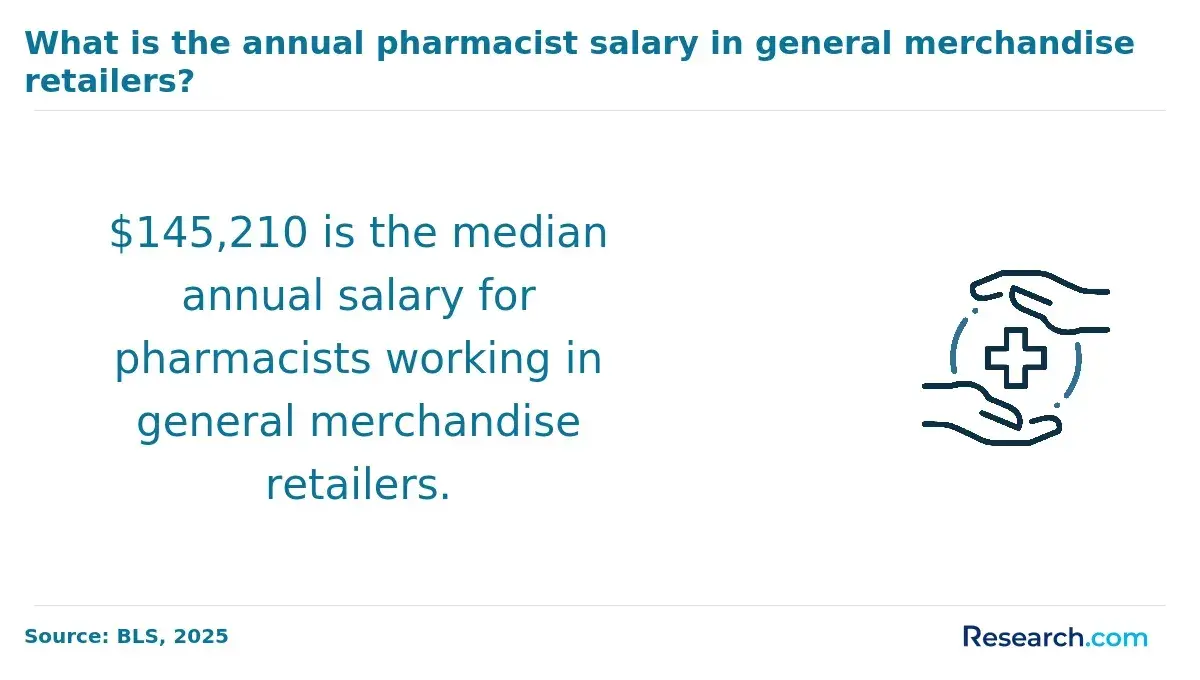
The earning potential for pharmacists in Alabama is promising, though slightly below the national median due to regional economic factors. Nationwide, the median annual wage for pharmacists was about $137,480 in 2024, reflecting the profession's significant financial rewards and demand.
Here are some key facts about pharmacist salaries:
- Salary by Practice Setting: Pharmacists working in retail pharmacies generally earn less than those in hospitals or clinical settings. Clinical roles often include advanced services like medication therapy management, contributing to higher salaries.
- Experience Level: Entry-level pharmacists typically start on the lower end of the pay scale but can expect growth with experience. Additional certifications and years of practice significantly boost earning potential over time.
- Geographic Location: Urban areas such as Birmingham and Huntsville tend to offer higher salaries due to increased demand and cost of living. Rural areas may have lower wages but frequently provide benefits like loan repayment or signing bonuses to attract professionals.
- Advanced and Specialized Roles: Pharmacists in specialized roles, such as clinical pharmacy specialists or those with residencies, often command higher salaries. Advanced training and certifications play a crucial role in standing out and increasing compensation.
What Graduates of Pharmacy Programs in Alabama Say About Their Degree
- Completing my pharmacy degree at one of Alabama's top schools completely transformed my career path. The hands-on experience and faculty support prepared me to start my practice right away at Montgomery High School, where I now help manage student health initiatives. I appreciate how the program balanced rigorous academics with real-world applications, which made transitioning into a school environment seamless and rewarding. It's fulfilling to guide young people toward better health daily, knowing that my education gave me the tools to make a meaningful difference. Randy
- Enrolling in an on-campus pharmacy program in Alabama was a pivotal decision that helped me climb the academic ladder in pharmacy education. The comprehensive curriculum and emphasis on research enabled me to advance into higher educational roles quickly. The strong network and cultural insights specific to Alabama enriched my teaching approach and connected me deeply with the community I serve. Reflecting on this journey, I am proud of how the program empowered my professional development and leadership skills over time. Jessica
- The unique challenges and resources of Alabama's healthcare landscape added incredible value to my online pharmacy degree. I was able to tailor my studies around local public health issues, which fueled my personal growth and commitment to community impact. Now, working in a rural school district, I apply what I learned to improve medication safety and wellness programs for students who often face barriers to healthcare. This experience has been both humbling and inspiring, reaffirming my passion for pharmacy and service. Eliza
Related Articles for Nearby States
- 2027 Best Pharmacy Schools & Pharmacist Programs Requirements in Mississippi: Online & Campus
- 2027 Best Pharmacy Schools & Pharmacist Programs Requirements in Tennessee: Online & Campus
- 2027 Best Pharmacy Schools & Pharmacist Programs Requirements in Georgia: Online & Campus
- 2027 Best Pharmacy Schools & Pharmacist Programs Requirements in Florida: Online & Campus
- 2027 Best Pharmacy Schools & Pharmacist Programs Requirements in Louisiana: Online & Campus
- 2027 Best Pharmacy Schools & Pharmacist Programs Requirements in Arkansas: Online & Campus
- 2027 Best Pharmacy Schools & Pharmacist Programs Requirements in Kentucky: Online & Campus
- 2027 Best Pharmacy Schools & Pharmacist Programs Requirements in South Carolina: Online & Campus
- 2027 Best Pharmacy Schools & Pharmacist Programs Requirements in North Carolina: Online & Campus
- 2027 Best Pharmacy Schools & Pharmacist Programs Requirements in Missouri: Online & Campus
References:
- Bevill State Adult Education Launches Free Pharmacy Tech Career Pathway https://www.bscc.edu/about/news/bevill-state-adult-education-launches-free-pharmacy-tech-career-pathway
- Pharmacy Technician - Trenholm State Community College https://www.trenholmstate.edu/workforce-development/pharmacy-technician/
- Alabama Pharmacy Tech License | 2026 State Requirements! https://ptcbtestprep.com/state-requirements/pharmacy-tech-license-alabama/
- 2025 Pharmacist Salary in Alabama https://www.pharmacytechnicianguide.com/Pharmacist-Salary-Alabama/
- Tuition and Fees https://www.samford.edu/pharmacy/tuition-and-fees
- Pharmacy Jobs in Alabama - RPh on the Go https://www.rphonthego.com/pharmacy-jobs/state-alabama/
- Huntsville Hospital Pharmacy Technician Training Program https://www.huntsvillehospital.org/pharmacy-technician-training-program
- INTERN/EXTERN - Alabama Board Of Pharmacy https://albop.com/intern-extern/
- How Long Does It Take to Become a Pharm Tech? | UMA https://www.ultimatemedical.edu/blog/pharmacy-tech-education-timeline/
Other Things You Should Know About The Best Pharmacy Schools & Pharmacist Programs Requirements in Alabama
Applicants to pharmacy schools in Alabama in 2027 should have completed prerequisite courses such as biology, chemistry, anatomy, and physiology. Most programs also recommend courses in calculus, statistics, and social sciences to ensure a well-rounded foundation for pharmacy education.
In 2027, Alabama's online pharmacy programs often offer flexible scheduling and remote learning options, while campus programs provide hands-on experience and direct access to lab facilities. Both types must adhere to the same accreditation standards set by the Accreditation Council for Pharmacy Education.


