
2027 Best Pharmacy Schools & Pharmacist Programs Requirements in South Dakota: Online & Campus

Co-Founder and Chief Data Scientist
Many aspiring pharmacists encounter challenges navigating South Dakota’s competitive admission standards, with only about 15% of applicants accepted into accredited pharmacy programs each year. Understanding required prerequisites, clinical expectations, and licensure pathways is essential for progressing in this demanding field. Early preparation can significantly improve an applicant’s chances of success.
Developed by career planning experts, this guide explores leading pharmacy schools in South Dakota, including both online and campus-based options. It outlines practical strategies to meet admission requirements and successfully pursue pharmacist licensure.
Key Benefits of Pharmacy Schools and Pharmacist Programs in South Dakota
- South Dakota's top pharmacy programs combine advanced curricula with emerging pharmaceutical technologies, ensuring students master essential skills aligned with industry standards.
- Many schools offer extensive clinical training partnerships with regional hospitals and pharmacies, providing hands-on experience that increases student job readiness and licensure exam pass rates.
- Faculty members typically hold specialized certifications and maintain active research roles, while programs provide career services that help graduates secure professional positions within six months on average.
- What pharmacy degree programs are offered in South Dakota?
- How do you compare online vs. campus pharmacy programs in South Dakota?
- What are the requirements for a pharmacy school application in South Dakota?
- What courses do you take in pharmacist programs in South Dakota?
- How long does it take to complete pharmacist programs in South Dakota?
- What exams do pharmacy graduates in South Dakota need to pass?
- How much do pharmacist programs cost in South Dakota?
- What financial aid options are available for pharmacy students in South Dakota?
- What jobs can you get with a pharmacy degree in South Dakota?
- What is the average pharmacist salary in South Dakota?
What pharmacy degree programs are offered in South Dakota?
Pharmacy education in South Dakota includes a variety of program options designed to meet the needs of aspiring and practicing pharmacists. Nationwide, pharmacy education is evolving with increasing emphasis on flexible learning and advanced clinical training to better prepare students for modern healthcare environments.
According to the American Association of Colleges of Pharmacy, graduate numbers have steadily increased to match workforce demands, reflecting opportunities available for students exploring the best pharmacy degree programs in South Dakota.
Below are the common degree programs offered:
- Pre-pharmacy Tracks and Prerequisite Courses: These foundational programs prepare prospective students for entry into PharmD programs by covering essential sciences and general education requirements. They are ideal for those who want to strengthen their academic profile before applying to professional pharmacy schools.
- Doctor of Pharmacy (PharmD) Programs: The primary professional degree offered, mostly based on campus in South Dakota, focuses on developing competencies in patient care, pharmacology, and pharmacy practice. Some programs feature hybrid structures incorporating online coursework combined with hands-on clinical experiences to provide greater flexibility.
- Dual-Degree Pathways: Combining the PharmD curriculum with degrees in business, public health, or clinical research, these programs equip students to take on leadership roles and specialized careers. Dual degrees broaden pharmacist opportunities beyond traditional dispensing roles toward management and interdisciplinary collaboration.
- Postgraduate Residency Training (PGY1 and PGY2): These advanced clinical programs support PharmD graduates in refining their skills through residency opportunities focused on patient care, research, and pharmacy specialization. PGY2 residencies particularly enhance expertise in specific practice areas and promote professional growth.
- Certificate and Continuing Education Programs: Designed for licensed pharmacists, these offerings provide updates on evolving therapies, regulations, and technologies. Lifelong learning through certificates or continuing education helps pharmacists maintain licensure and stay current with advancements in the field.
For those seeking detailed guidance on credential pathways, reviewing pharmacist degree levels can clarify the academic steps needed to enter and advance within pharmacy practice.
How do you compare online vs. campus pharmacy programs in South Dakota?
Online pharmacy education in the US has expanded significantly, with many programs adopting hybrid models to combine digital coursework and essential hands-on training. In South Dakota, online and campus-based formats differ mainly in flexibility, access to clinical experiences, and learning environments, giving students varied options based on their needs and circumstances.
Online Pharmacy Programs
- Flexibility: Students can complete most coursework remotely, which benefits working professionals and those in rural areas with limited campus access.
- Clinical Training: In-person clinical rotations are still required, but students must arrange these locally, which can add logistical challenges.
- Technology Requirements: Reliable high-speed internet and updated devices are necessary to engage fully with virtual lectures and resources.
- Student Support: Interaction with instructors and peers is primarily virtual, which may limit immediate feedback and hands-on guidance.
- Suitability: Ideal for nontraditional students needing to balance studies with work or family commitments due to scheduling flexibility.
Campus Pharmacy Programs
- Learning Environment: Provides direct, face-to-face interaction with instructors and peers, fostering a collaborative and immersive experience.
- Clinical Training Access: Organized clinical placements throughout the state ensure seamless integration of practical experience critical for licensure.
- Student Support: On-site resources like laboratories and simulation centers are readily available for enhanced skill development.
- Flexibility: Less adaptable for students balancing multiple responsibilities, typically suited for full-time learners.
- Suitability: Best for students seeking structured programs with frequent in-person engagement and immediate feedback.
What are the requirements for a pharmacy school application in South Dakota?
Pharmacy school admissions in South Dakota demand a strong foundation in science and a commitment to professionalism, with growing applicant numbers increasing competition. Meeting key academic and personal criteria is crucial for success in both online and campus programs.
- Prerequisite Coursework: Applicants must complete courses in general and organic chemistry, biology, anatomy, physiology, microbiology, and statistics to build the necessary scientific knowledge base.
- GPA Expectations: A minimum cumulative GPA of about 3.0 is required, but aiming above 3.5 significantly boosts admission chances in competitive programs.
- Standardized Tests: While some schools require PCAT scores, many have adopted test-optional policies, so confirm specific program requirements early.
- Letters of Recommendation: Two to three strong references from professors, pharmacists, or healthcare professionals are essential to demonstrate aptitude and dedication.
- Personal Statement: This essay should clearly convey your motivation, relevant experiences, and long-term pharmacy career goals.
- Interviews and Background Checks: Interviews assess interpersonal skills and professionalism; background checks and drug screenings ensure compliance with ethical standards.
One graduate from a top South Dakota pharmacy program shared that balancing rigorous prerequisite courses while securing meaningful letters of recommendation was challenging but rewarding. She emphasized how writing her personal statement multiple times refined her focus and passion.
The interview felt intense yet fair, helping her grow confident in her communication skills. Her journey taught her resilience and the importance of preparation, which ultimately made her proud to join the pharmacy profession.
What courses do you take in pharmacist programs in South Dakota?
Pharmacy programs in South Dakota are structured to provide a comprehensive education that integrates foundational sciences, clinical knowledge, and practical skills essential for effective pharmacy practice. Across the United States, accredited pharmacy programs typically require between 146 and 156 credit hours, combining both didactic coursework and experiential learning.
Below is an overview of the core course categories most students encounter in a pharmacist program:
- Foundational Science Courses: These include subjects like biology, chemistry (both general and organic), anatomy and physiology, physics, and introductory calculus. This base provides the essential scientific knowledge needed to understand drug actions and prepare for more advanced pharmacy studies.
- Pharmacology and Therapeutics: Central to the curriculum, these courses cover drug mechanisms, therapeutic uses, and patient-centered treatment planning. They equip students with the expertise to analyze pharmacotherapy and customize medication regimens for diverse patient populations.
- Clinical Practice: Experiential rotations in hospitals, community pharmacies, and other healthcare settings allow students to apply their knowledge practically. This hands-on training enhances skills in medication management, patient counseling, and collaboration within healthcare teams.
- Pharmacy Law and Ethics: Essential for preparing students to navigate the regulatory landscape, these courses focus on legal requirements, ethical decision-making, and professional responsibilities in pharmacy practice.
- Interprofessional Education: Designed to foster collaboration, this training emphasizes teamwork among healthcare professionals, improving coordinated patient care. It is aligned with accreditation standards to ensure readiness for integrated healthcare environments.
- Elective and Specialization Courses: Students can tailor their education by choosing electives in areas such as oncology, geriatrics, pediatrics, or pharmacogenomics. This flexibility supports meeting specific community healthcare needs and workforce demands in South Dakota.
Students interested in pharmacy technology can also explore options like a pharmacy tech associate degree online, which complements the broader pharmacy education pathways available in the state.
How long does it take to complete pharmacist programs in South Dakota?
Pharmacy program timelines in South Dakota can vary based on several factors, including course load, enrollment type, and program format. On average, completing a Doctor of Pharmacy (PharmD) degree in the US takes about six years, including prerequisites, with the professional degree itself typically requiring four years of full-time study.
Here are key points about the duration of pharmacy programs and what influences the timeline:
- Standard PharmD Timeline: Most students complete their PharmD in South Dakota in four years following two to four years of prerequisite coursework. Universities like South Dakota State University offer traditional on-campus programs that combine classroom instruction with clinical rotations required for licensure.
- Accelerated and Part-Time Options: Accelerated programs are uncommon in South Dakota but may be available elsewhere, allowing earlier completion through heavier course loads or summer classes. Part-time enrollment can extend the duration beyond the usual timeline.
- Online vs. On-Campus Programs: Online pharmacy programs are rare due to hands-on clinical requirements, but may blend synchronous coursework with local experiential placements. Program pacing varies and can impact how quickly students finish.
- Prerequisites and Experiential Rotations: The pace of completing prerequisite courses and the required clinical rotations influences the total time to complete the degree. South Dakota students must fulfill specific experiential requirements that often prevent significant acceleration of program length.
Those interested in shorter, flexible certification options might explore pharmacy technician certification programs online as a complementary pathway within the pharmacy field.
What exams do pharmacy graduates in South Dakota need to pass?
Pharmacy licensure in South Dakota involves a clear pathway of exams designed to ensure candidates possess the necessary knowledge and skills for safe pharmacy practice. Success in these assessments not only reflects a candidate's competency but is essential for legal authorization to practice in the state.
Below is a concise overview of the key exams pharmacy graduates must pass:
- North American Pharmacist Licensure Examination (NAPLEX): This is the primary national exam measuring broad pharmacy knowledge, including medication management and patient care principles. Passing the NAPLEX demonstrates that candidates meet nationwide standards for pharmacist competency and is typically taken after graduating from an accredited pharmacy program.
- Multistate Pharmacy Jurisprudence Examination (MPJE): South Dakota requires passing the MPJE tailored to state-specific laws. This exam tests knowledge of South Dakota's pharmacy regulations, covering controlled substances, prescription protocols, and professional legal standards critical to local practice.
- State-Specific Practical Requirements: While South Dakota does not require additional practical exams beyond the MPJE, candidates must complete at least 1,500 hours of supervised pharmacy practice. This experiential requirement helps prepare graduates for independent, real-world pharmacy work.
- Optional Certifications and Residency Training: Some graduates pursue post-graduate residencies accredited by the American Society of Health-System Pharmacists (ASHP) to specialize clinically. Though not mandatory for licensure, these residencies enhance expertise in areas like oncology or ambulatory care and improve employment opportunities in South Dakota's healthcare sector.
Reflecting on the journey to licensure, a pharmacy graduate from one of South Dakota's leading pharmacy schools shared insightful impressions. He described preparing for the NAPLEX as both a rigorous and rewarding experience, emphasizing the importance of disciplined study schedules and practice exams to build confidence.
The MPJE required a focused review of state laws, which initially felt overwhelming due to the volume of regulations, but ultimately increased his appreciation for the legal responsibilities pharmacists hold. Completing the 1,500 hours of experiential practice was crucial in transforming theoretical knowledge into practical skills.
He noted that balancing work, study, and personal time was challenging but that each step deepened his commitment to patient safety and professional excellence, making the licensing journey a defining phase of his early career.
How much do pharmacist programs cost in South Dakota?
Pharmacist program tuition in South Dakota varies notably between public and private institutions, with tuition generally ranging from $10,000 to $25,000 annually for in-state students. Nationally, pharmacy education expenses such as books, supplies, and equipment typically add $1,500 to $3,000 each year, which contributes significantly to overall costs.
The main components impacting the cost of pharmacy school in South Dakota include:
- Tuition for Public vs. Private Programs: Public universities like South Dakota State University offer lower tuition rates for in-state residents, while out-of-state and private programs usually charge significantly higher fees. Although private pharmacy schools in South Dakota are limited, their tuition tends to be more expensive than public options.
- Additional Fees: Beyond tuition, students should budget for lab, technology, and student services fees essential for hands-on learning and exam preparation. These fees can add several hundred to a few thousand dollars annually and are necessary for practical pharmacy training.
- Online vs. Campus Programs: Most pharmacy programs in South Dakota are campus-based due to clinical and lab requirements. While some online pharmacist programs offer partial coursework, tuition savings from online study are limited, and clinical rotations may add travel and housing costs.
- Books, Supplies, and Clinical Costs: Expect expenses for textbooks, professional equipment, licensing fees, and liability insurance during clinical rotations. These can total up to $3,000 per year and should be factored into your budget early on.
Students looking at these factors carefully can better plan their finances and explore available aid options when considering the cost of pharmacy school in South Dakota. For more information on financing options and programs, consider exploring online pharmacist programs that might offer additional flexibility.
What financial aid options are available for pharmacy students in South Dakota?
Pharmacy students in South Dakota often face significant educational expenses, making financial aid an essential resource. Nationwide, about 86% of pharmacy grads borrow to finance their degrees, with average debt exceeding $170,000. Accessing diverse aid options can help manage these costs effectively while pursuing pharmacy programs, whether online or on campus.
The common financial aid options include:
- Federal Grants and Work-Study: Need-based federal aid, such as Pell Grants and FSEOG, reduces tuition costs. Work-study programs offer job opportunities that help students earn income and gain experience while studying.
- State Scholarships: South Dakota provides scholarships targeting pharmacy students committed to serving the state, especially in underserved rural areas. These awards often recognize academic achievement and community involvement.
- Student Loans: Federal Direct Unsubsidized and Grad PLUS Loans are common but require careful consideration due to high average debt levels. Proper planning of borrowing limits and repayment is crucial.
- Employer Tuition Assistance: Many pharmacy employers in the region offer tuition reimbursement programs. In exchange, students agree to work post-graduation, reducing immediate education costs and supporting workforce retention.
- Additional Program Options: Students interested in accelerated paths can explore 6 year pharmacy programs for faster degree completion and potentially lower overall expenses.
What jobs can you get with a pharmacy degree in South Dakota?
The pharmacy sector in South Dakota offers a range of career opportunities that align with both traditional and evolving healthcare needs. Employment data indicates a moderate growth trend in pharmacist jobs statewide, reflecting steady demand driven by population aging and chronic disease management.
Common career paths include the following:
- Retail Pharmacist: These professionals dispense medications and provide patient counseling in community pharmacies. They play a vital role in both urban and rural areas, ensuring medication access and supporting overall patient health.
- Hospital Pharmacist: Hospital pharmacists manage and prepare medications within inpatient healthcare settings. They collaborate with medical teams to ensure safe and effective medication use for hospitalized patients.
- Clinical Pharmacist: Working closely with healthcare providers, clinical pharmacists optimize drug therapies to improve patient outcomes. They often specialize in areas such as chronic disease management within hospitals or outpatient clinics.
- Pharmaceutical Researcher: Researchers contribute to developing new drugs and therapeutic treatments. This role involves designing studies and analyzing data to advance pharmaceutical science.
- Consultant Pharmacist: Consultant pharmacists provide expert advice on medication use in long-term care and other specialized environments. Their guidance helps optimize medication regimens for complex patient populations.
- Emerging Roles: Telepharmacy has expanded in South Dakota, enhancing access to pharmaceutical care in remote locations through remote supervision and consultation. This reflects growing innovation in how pharmacy services are delivered statewide.
What is the average pharmacist salary in South Dakota?
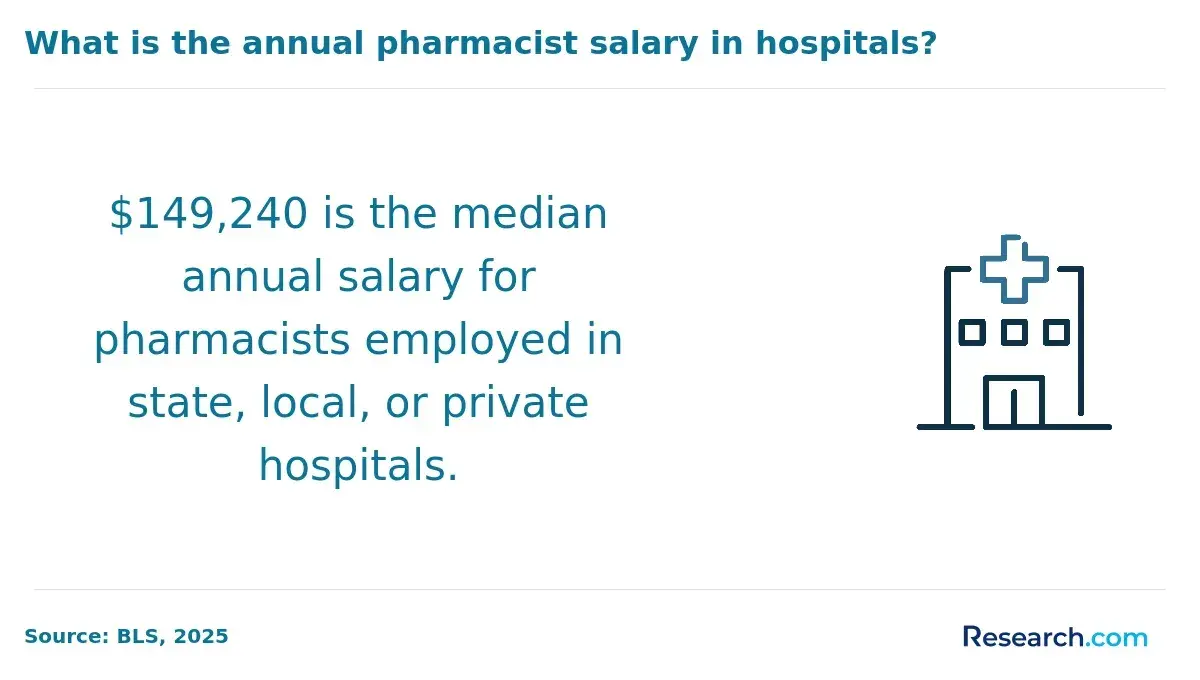
The earning potential for pharmacists in South Dakota is generally stable and aligns closely with national figures. For context, the median annual wage for pharmacists across the U.S. was about $137,480 as of May 2025, providing a benchmark for salaries within the state.
- Salary by Practice Setting: Salaries vary depending on the work environment. Pharmacists in retail settings, such as chain and independent drugstores, usually earn less than those working in hospitals or clinical roles, where the complexity of care and responsibilities often justify higher pay.
- Experience Level: Entry-level pharmacists in South Dakota start with lower salaries, but income typically increases with years of experience and additional certifications. Advancing skills and gaining expertise can lead to meaningful salary growth over time.
- Geographic Location: Where pharmacists work within South Dakota impacts their salary. Larger cities or regions with higher demand for healthcare services tend to offer better compensation compared to rural areas, which might have lower salary scales.
- Advanced and Specialized Roles: Pharmacists with focus areas like oncology, infectious diseases, or ambulatory care generally command higher wages. Board certifications and leadership positions also contribute to increased earning potential and career advancement opportunities.
What Graduates of Pharmacy Programs in South Dakota Say About Their Degree
- Completing the online pharmacy program allowed me the flexibility to balance family life while advancing my education. Starting as a pharmacist at Rapid City Central High School gave me the opportunity to directly impact students' health and well-being. The program's focus on practical, community-centered knowledge prepared me well for the unique healthcare challenges in South Dakota's rural areas. It's fulfilling to contribute to a healthier school environment where students feel cared for and supported. Yvonne
- After graduating from one of South Dakota's top pharmacy schools, I was able to secure a leadership role that might have taken years longer without the specialized education and connections I gained. The rigorous curriculum and dynamic faculty fostered my critical thinking and professional confidence, fueling my career growth in academia. South Dakota's tight-knit healthcare community allowed me to collaborate on initiatives that improve local patient care. My education opened doors I hadn't imagined and has been essential for my role in mentoring future pharmacists. Madeline
- The experience of studying on campus in South Dakota gave me unique insight into rural health issues and the opportunity to participate in community outreach programs. I've grown personally through volunteering and educating underserved populations, feeling a genuine connection to the people around me. My passion for pharmacy deepened as I witnessed firsthand the impact of accessible healthcare in smaller communities. This program didn't just teach me the science; it taught me how to lead with compassion and resilience in challenging environments. Jeanine
Related Articles for Nearby States
- 2027 Best Pharmacy Schools & Pharmacist Programs Requirements in North Dakota: Online & Campus
- 2027 Best Pharmacy Schools & Pharmacist Programs Requirements in Nebraska: Online & Campus
- 2027 Best Pharmacy Schools & Pharmacist Programs Requirements in Minnesota: Online & Campus
- 2027 Best Pharmacy Schools & Pharmacist Programs Requirements in Wyoming: Online & Campus
- 2027 Best Pharmacy Schools & Pharmacist Programs Requirements in Iowa: Online & Campus
- 2027 Best Pharmacy Schools & Pharmacist Programs Requirements in Montana: Online & Campus
- 2027 Best Pharmacy Schools & Pharmacist Programs Requirements in Colorado: Online & Campus
- 2027 Best Pharmacy Schools & Pharmacist Programs Requirements in Kansas: Online & Campus
- 2027 Best Pharmacy Schools & Pharmacist Programs Requirements in Wisconsin: Online & Campus
- 2027 Best Pharmacy Schools & Pharmacist Programs Requirements in Missouri: Online & Campus
References:
- South Dakota Pharmacy Technician Program https://www.stepful.com/pharmacy-technician-program/south-dakota
- Pharmacists | South Dakota Department of Health https://doh.sd.gov/licensing-and-records/boards/pharmacy/licensing-requirements/pharmacists/
- Find Online PharmD Programs in South Dakota https://pharmacistschools.org/online-pharmd-programs/south-dakota/
- South Dakota https://rxtechexam.com/pharmacy-tech-state-laws/south-dakota/
- Essential Skills to study Pharmacy - College of Pharmacy and Nutrition - https://pharmacy-nutrition.usask.ca/students/undergraduate-programs/essential-skills-pharmd.php
- To pass MPJE® on 1st Try, https://www.pharmacyexam.com/index.cfm/category/69/south-dakota.cfm
- Pharmacy Technician University | South Dakota Pharmacists Association https://www.sdpha.org/resources/pharmacy-technician-university
- Pharmacist Initial / New Application https://sdbop.igovsolution.net/initial/initial/initial.aspx
- South Dakota Pharmacy Tech License | 2026 State Requirements! https://ptcbtestprep.com/state-requirements/pharmacy-tech-license-south-dakota/
- Pharmacy (Pharm. D. ) https://sdstate.catalog.acalog.com/preview_program.php
Other Things You Should Know About The Best Pharmacy Schools & Pharmacist Programs Requirements in South Dakota
As of 2027, South Dakota does not have pharmacy schools offering fully online programs. However, hybrid options are available, combining online coursework with required in-person clinical experiences, catering to the practical nature of pharmacy education.
Yes, pharmacy schools in South Dakota require students to complete specific internship hours for licensure in 2027. The South Dakota Board of Pharmacy mandates a minimum of 1,500 internship hours, which can be fulfilled through approved programs integrated into pharmacy school curriculums.
For admission into pharmacy programs in South Dakota in 2027, applicants typically need to complete prerequisite courses in biology and chemistry, submit PCAT scores, possess letters of recommendation, and undergo an interview process. Specific requirements can vary by institution, so it's crucial to check with each school directly.


