
2027 Best Pharmacy Schools & Pharmacist Programs Requirements in Texas: Online & Campus

Co-Founder and Chief Data Scientist
Finding the right pharmacy school in Texas can be confusing, especially when admission requirements vary so much. Did you know that only about 60% of applicants get accepted into Texas pharmacy programs each year? Understanding prerequisites like coursework, exams, and experience is key to standing out.
This article, prepared by career planning experts, breaks down the best pharmacy schools and explains both online and campus program requirements. It's designed to help you navigate the process and boost your chances of success.
Key Benefits of Pharmacy Schools and Pharmacist Programs in Texas
- Texas pharmacy programs offer a strong mix of advanced curricula with up-to-date research and hands-on learning, boosting practical skills to meet industry demands.
- Many schools provide flexible online options alongside campus-based clinical rotations, making it easier to balance studies with work or family commitments.
- Experienced faculty and solid career support help graduates land jobs quickly, with Texas boasting a 90%+ pharmacist placement rate within six months of graduation.
- What pharmacy degree programs are offered in Texas?
- How do you compare online vs. campus pharmacy programs in Texas?
- What are the requirements for a pharmacy school application in Texas?
- What courses do you take in pharmacist programs in Texas?
- How long does it take to complete pharmacist programs in Texas?
- What exams do pharmacy graduates in Texas need to pass?
- How much do pharmacist programs cost in Texas?
- What financial aid options are available for pharmacy students in Texas?
- What jobs can you get with a pharmacy degree in Texas?
- What is the average pharmacist salary in Texas?
What pharmacy degree programs are offered in Texas?
Pharmacy education in Texas offers a variety of paths to help you become a licensed pharmacist, whether you prefer traditional campus learning or more flexible options. Across the U.S., enrollment in pharmacy programs has stayed steady, but there's a growing focus on residency and specialized training to meet complex healthcare needs.
- Pre-pharmacy tracks: These programs lay the groundwork for future pharmacy students by covering essential sciences and prerequisites. They're perfect for those just starting out, providing a solid base before diving into professional study.
- Doctor of Pharmacy (PharmD) programs: This is the main professional degree required to practice pharmacy in Texas. Most programs are on-campus, but many schools also offer hybrid and online options to fit busy schedules, making it easier for working students or those with other commitments.
- Dual-degree pathways: Combining pharmacy with areas like business (PharmD/MBA), public health (PharmD/MPH), or law (PharmD/JD) is becoming popular. These programs prepare grads with a mix of skills to stand out in different fields.
- Postgraduate residency training (PGY1 and PGY2): After earning a PharmD, you can pursue residency training focused on clinical practice or research in specialized areas. Texas offers growing opportunities to help pharmacists gain valuable hands-on experience.
- Certificate and continuing education programs: Licensed pharmacists in Texas can take advantage of courses and certificates to stay updated on the latest practices and maintain their licenses. It's a flexible way to keep learning throughout your career.
If you're curious about expanding your options beyond traditional routes, checking out the online pharmacy doctorate program rankings might give you a good overview of flexible programs that fit different lifestyles. Overall, the pharmacy degree programs in Texas are designed to meet the demands of a fast-changing healthcare landscape while supporting diverse student needs.
How do you compare online vs. campus pharmacy programs in Texas?
Online and campus pharmacy programs in Texas differ notably in delivery format, clinical training access, and learner interaction. Approximately 30% of pharmacy schools nationwide now incorporate hybrid or online content, reflecting a growing trend toward digital learning, but fully online PharmD options remain limited due to accreditation and in-person experience requirements.
Online Pharmacy Programs
- Flexibility: Online programs let you study on your own schedule, which is great if you're juggling work or family. Most courses are asynchronous, so you can watch lectures anytime.
- Clinical Training: While coursework is online, hands-on experience still requires in-person rotations at approved sites to meet Texas licensing rules.
- Student Support: Support mainly happens virtually through online advising and tutoring, which can feel less personal compared to face-to-face help.
- Learning Environment: You need a reliable internet connection and a quiet, dedicated space to get the most out of online learning.
- Instructor Interaction: Interaction tends to be limited to emails, discussion boards, or video calls, which some students find less engaging than in-person classes.
- Suitability: Ideal for busy professionals or those living far from campus who need more schedule flexibility but are comfortable managing self-directed learning.
Campus Pharmacy Programs
- Flexibility: Campus programs follow a fixed schedule with set class times, which can be less flexible but provides structure.
- Clinical Training: On-site programs offer direct access to labs and patient simulations, plus hands-on clinical rotations, which are integral for skill development.
- Student Support: Students benefit from in-person advising, tutoring, and counseling services, making it easier to get immediate help.
- Learning Environment: Being on campus gives you access to specialized facilities and fosters peer collaboration, helping with immersive learning.
- Instructor Interaction: Face-to-face contact with professors and peers encourages more dynamic discussions and networking.
- Suitability: Best suited for students who want a structured environment and value hands-on training and community engagement.
What are the requirements for a pharmacy school application in Texas?
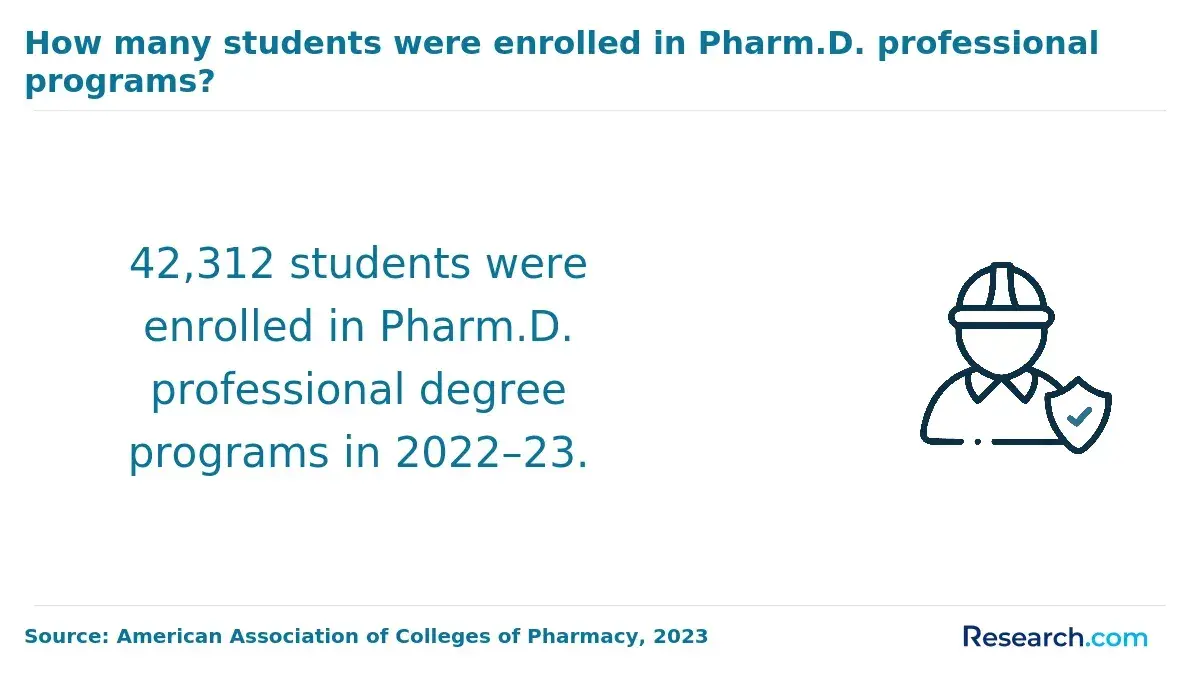
Each year, thousands of hopefuls compete for a limited number of pharmacy school spots in Texas, making the application process pretty competitive. With about 2,000 applicants vying for only 500 seats, it's important to know the key requirements that give you the best shot in both online and campus programs.
- Prerequisite Coursework: You'll need a solid foundation in subjects like general and organic chemistry, biology, anatomy, microbiology, and calculus. These classes set you up for success in the tough pharma curriculum ahead.
- GPA Expectations: Most programs look for a cumulative GPA of at least 3.0, often with stronger scores in science courses. This shows you're ready to handle the academic load.
- Standardized Tests: Many schools still want the PCAT, though some have gone test-optional recently. Check each program's stance since this can vary.
- Letters of Recommendation: Two to three strong refs from professors, pharmacists, or healthcare pros help paint a picture of your work ethic and readiness for pharmacy.
- Personal Statement: This is your chance to share why pharmacy matters to you, your relevant experiences, and your career goals in a clear, genuine way.
- Interviews: Be prepared for interviews that assess your communication and professionalism, often conducted either in person or online.
- Background Checks & Drug Screening: These are standard to make sure you meet ethical and legal standards before starting clinical work.
One graduate shared that juggling all these requirements was tough but worthwhile. She recalled the emotional rollercoaster of waiting for recommendation letters to come through and the challenge of crafting a personal statement that truly reflected her passion.
The interview was nerve-wracking, especially online, but it helped her grow confident in expressing her goals. Despite the hurdles, she felt proud knowing every step brought her closer to becoming a pharmacist in Texas's thriving healthcare scene.
What courses do you take in pharmacist programs in Texas?
Pharmacy programs in Texas usually require students to complete around 140 to 160 credit hours, covering a well-rounded mix of science and clinical training. On average, these programs include more than 1,300 hours of experiential education to ensure students gain real-world skills.
Here's a quick rundown of the main types of courses you can expect in a pharmacist program course requirements that Texas students typically follow.
- Foundational Science Courses: These classes include anatomy, physiology, biochemistry, microbiology, and organic chemistry. They lay the groundwork by teaching the biology and chemistry principles behind how drugs work in the body.
- Pharmacology: Building on foundational sciences, pharmacology courses focus on drug actions, effects, and interactions within the human body. This helps students understand how medications affect different systems.
- Therapeutics: These courses concentrate on the practical side of medication use, teaching safe and effective treatment plans for various patient groups. It's all about applying knowledge to improve health outcomes.
- Clinical Practice: Hands-on learning is key here, with rotations and internships in settings like hospitals and community pharmacies. This real-world experience is vital to developing practical skills and confidence.
- Pharmacy Law and Ethics: Students learn about the legal rules and ethical responsibilities pharmacists must follow. Understanding regulations helps ensure patient safety and professional integrity.
- Interprofessional Education: These courses foster teamwork skills by encouraging collaboration with healthcare professionals from different fields, which ultimately benefits patient care.
- Elective or Specialization Courses: Students can focus on areas like oncology, pediatrics, or geriatrics, tailoring their education to specific career interests and growing pharmacy fields.
If you're curious about similar healthcare paths, you might also want to explore options like a pharmacy tech associate degree online USA, which offers a different but related route into pharmacy careers.
How long does it take to complete pharmacist programs in Texas?
Pharmacy program timelines in Texas can vary widely depending on factors like the degree level, program structure, and whether students attend full-time or part-time. On average, most U.S. pharmacy students finish their degree within six years of starting, but individual experiences differ.
Here's a quick rundown of what affects how long it takes to complete pharmacy programs in Texas:
- Standard PharmD program: Usually a four-year commitment after completing at least two years of prerequisite undergraduate courses. Texas schools like the University of Houston follow this traditional path, but overall time can stretch longer if prerequisites aren't already done.
- Prerequisites impact: Courses in biology, chemistry, and anatomy often add one to two years before the PharmD curriculum. Students should factor this into their planning since these foundational classes are essential for admission.
- Accelerated and part-time options: Some programs let students finish faster-around three years-by taking summer sessions and heavier course loads. Part-time enrollment is less common but useful for those balancing work, though it extends the total time to the degree.
- Online vs. on-campus: While some prerequisite and continuing education courses can be done online, the critical clinical rotations require in-person attendance. Hands-on rotations can last months up to a year, significantly affecting completion time.
- Experiential rotations: Practical experience through rotations is mandatory and can add several months depending on state licensure rules. These real-world training periods are crucial for becoming a licensed pharmacist in Texas.
Overall, completing a pharmacist program duration in Texas typically ranges from six to eight years. If you're exploring career options, check out this helpful guide on top paying medical careers to see where pharmacy stands and other paths you might consider.
What exams do pharmacy graduates in Texas need to pass?
Getting licensed as a pharmacist in Texas means clearing a few important exams that prove you're ready to handle the responsibilities safely and legally. Beyond just passing tests, you'll need to meet state-specific requirements like internship hours and background checks.
Here's a quick rundown of the key exams you'll face on your path to becoming a pharmacist in Texas:
- North American Pharmacist Licensure Examination (NAPLEX): This is the big national exam everyone must take. It evaluates your pharmacy knowledge-from dispensing meds to managing patient care. The test is tough but fair, designed to make sure new pharmacists are up to the challenge. Recent first-time pass rates hover around 85%, showing it's no walk in the park.
- Multistate Pharmacy Jurisprudence Exam (MPJE): This one's all about law and regulations. It covers federal pharmacy laws plus Texas-specific rules, ensuring you know the legal framework of working in the state. Texas has some strict regulations, so nailing this exam is essential before you can start practicing.
- State-Specific Requirements: Besides exams, Texas expects candidates to log at least 1,500 internship hours and complete a thorough background check. These steps confirm your hands-on experience and trustworthiness as a future pharmacist.
- Additional Certifications and Residencies: Some grads go further by pursuing residencies accredited by the American Society of Health-System Pharmacists (ASHP). These programs, usually lasting 1-2 years, deepen your expertise in specialties like clinical pharmacy or oncology and often lead to board certification in those areas.
To get a personal take on this process, I spoke with a pharmacy graduate from one of Texas's top schools. He told me the NAPLEX was a rollercoaster of late nights, hitting practice questions, and simulating patient cases to feel confident. The tricky part wasn't just memorizing facts but applying them under pressure.
The MPJE felt especially challenging because Texas's rules are detail-heavy, so he dedicated weeks just reviewing state statutes and pharmacy laws. Despite the stress, crossing the finish line brought a huge sense of pride and relief, knowing he was well-prepared to serve patients responsibly in a fast-growing state. It's a journey that requires focus and grit, but passing these exams opens doors to a rewarding pharmacy career in Texas.
How much do pharmacist programs cost in Texas?
Pharmacist programs in Texas come with a variety of expenses that go beyond just tuition, and knowing what to expect can really help when planning your budget. On average, PharmD program tuition ranges from moderate costs at public universities to significantly higher rates at private schools across the state. Nationwide, pharmacy education costs have been rising, making it even more important to consider all the fees involved.
Here's a quick breakdown of typical costs you'll encounter in Texas pharmacist programs:
- Tuition for Public vs. Private Programs: Public schools like the University of Texas at Austin usually charge between $17,000 and $20,000 annually for in-state students, but out-of-state tuition can jump to around $34,000. Private institutions such as Texas Tech University Health Sciences Center often have higher tuition, generally ranging from $30,000 to $50,000 per year, depending on your residency.
- Additional Fees: Besides tuition, expect to pay extra fees covering labs, tech access, and student services, which typically add up to $1,500-$3,000 per year. These are necessary for accessing resources and hands-on learning.
- Online vs. On-Campus Costs: Online or hybrid models may save a bit by cutting down on campus facility fees and commuting, but because clinical rotations still require in-person attendance, overall expenses remain quite similar to traditional programs.
- Books, Supplies, and Clinical Rotations: Budget roughly $1,200 to $2,000 annually for textbooks, lab supplies, and exam preparation materials. Clinical rotations can also add travel and housing costs depending on where you're placed.
If you're curious about finding the cheapest PharmD programs, many resources online can help you compare costs across Texas and beyond.
What financial aid options are available for pharmacy students in Texas?
Paying for pharmacy school in Texas can be tough, especially since the average graduate leaves with over $170,000 in debt nationwide. Luckily, there are several financial aid options to help lighten the load for both online and campus students.
- Federal Grants and Loans: These are the main financial aid sources, including Pell Grants for some and federal loans like Direct Unsubsidized and PLUS loans. While grants may be limited for pharmacy students, loans remain widely used.
- State Grants: The Texas Higher Education Coordinating Board offers grants specifically for Texas residents, helping students enrolled in pharmacy programs cover costs based on need or merit.
- Scholarships: Professional groups, such as the Texas Pharmacy Association, provide scholarships rewarding leadership, community service, and academic achievements, making them a key resource.
- Work-Study Programs: These federal programs let students earn money through part-time jobs related to healthcare, offering both income and valuable experience.
- Employer Tuition Assistance: Many students working in healthcare get help paying tuition through reimbursement programs, which can reduce debt if they stick with their employer after graduation.
Exploring all these options is a smart move when researching online pharmacy school and campus programs to better manage tuition and other education expenses.
What jobs can you get with a pharmacy degree in Texas?
Jobs for pharmacy grads in Texas cover a wide range of fields, from retail to research. Though pharmacist employment is expected to grow by just about 2% through 2031-slower than the national average-there's still solid demand, especially in specialized and underserved areas.
- Retail Pharmacist: These pharmacists are out in the community, working at pharmacies and drugstores. They fill prescriptions, counsel folks on how to use meds safely, and check for any drug interactions or side effects.
- Hospital Pharmacist: Inside hospitals, these pharmacists team up with doctors and nurses to make sure patients get the right meds in the right doses. They keep a close eye on treatments and side effects, helping improve patient outcomes.
- Clinical Pharmacist: Working directly with healthcare providers, clinical pharmacists tailor medication plans and monitor how well treatments are working. This role often means extra training or residencies for in-depth patient care.
- Pharmaceutical Researcher: These folks focus on discovering and testing new drugs and treatments. Their lab and clinical work push healthcare forward by improving drug safety and efficacy.
- Consultant Pharmacist: They provide expert advice to healthcare facilities, like nursing homes, on medication management and making sure everything follows regulations.
- Emerging & Specialized Roles: New fields in pharmacogenomics, informatics, and specialty pharmacy are growing fast. These areas combine tech and personalized medicine to give patients tailored treatment options.
What is the average pharmacist salary in Texas?
The average pharmacist salary in Texas offers a solid earning potential for those entering the field, with pay generally aligning with national figures. In the U.S., pharmacists earn a median annual wage of around $128,710 according to recent national data, making pharmacy a well-compensated healthcare career.
- Salary by Practice Setting: Pharmacists working in hospitals or clinical environments in cities like Houston or Dallas often earn higher salaries compared to those in retail. Specialty pharmacies and advanced patient care roles usually offer even better pay due to the expertise required.
- Experience Level: New pharmacists or recent grads start on the lower end of the salary range. With more years on the job and additional certifications in areas like oncology or geriatrics, pharmacists can see noticeable boosts in their income.
- Geographic Location: Where you practice in Texas plays a big role in pay. Metropolitan areas tend to offer higher salaries than rural spots, reflecting differences in the cost of living and local demand for healthcare professionals.
- Advanced or Specialized Roles: Pharmacists with specialized skills or certifications often command premium salaries. These advanced roles include clinical specialties and positions that require technical knowledge beyond general pharmacy practice.
What Graduates of Pharmacy Programs in Texas Say About Their Degree
- Completing my pharmacy degree online through one of Texas's top programs allowed me to balance work, family, and studies seamlessly. The flexibility was crucial as I transitioned into my new role at Riverside Elementary School, where I now design health education initiatives that improve student wellness. The program's focus on practical skills and community health has deeply inspired me to contribute positively to children's lives. I feel empowered to make a real difference in my local community and have a job that offers both stability and purpose. Sofia
- Graduating from a prestigious pharmacy school in Texas opened many doors for me professionally, especially within the academic sector. I leveraged my degree to climb to a senior advisory role, guiding the next generation of pharmacy professionals. The program's rigorous curriculum and strong Texas network prepared me for leadership challenges, and I'm proud to represent a school renowned for excellence. Reflecting on my journey, the education I received was not only about knowledge but also about cultivating confidence and vision to advance my career. Minerva
- Attending an on-campus pharmacy program in Texas was a transformative experience that connected me with a vibrant and diverse community. Being immersed in that environment gave me insight into how healthcare needs vary across different Texan populations, motivating me to focus on community outreach and education. After graduation, I was able to launch initiatives targeting medication awareness in underserved areas, making a measurable impact. The program challenged me academically and personally, ultimately fostering growth that extends far beyond my career. Carlos
Related Articles for Nearby States
- 2027 Best Pharmacy Schools & Pharmacist Programs Requirements in Louisiana: Online & Campus
- 2027 Best Pharmacy Schools & Pharmacist Programs Requirements in Oklahoma: Online & Campus
- 2027 Best Pharmacy Schools & Pharmacist Programs Requirements in Arkansas: Online & Campus
- 2027 Best Pharmacy Schools & Pharmacist Programs Requirements in New Mexico: Online & Campus
- 2027 Best Pharmacy Schools & Pharmacist Programs Requirements in Kansas: Online & Campus
- 2027 Best Pharmacy Schools & Pharmacist Programs Requirements in Missouri: Online & Campus
- 2027 Best Pharmacy Schools & Pharmacist Programs Requirements in Colorado: Online & Campus
- 2027 Best Pharmacy Schools & Pharmacist Programs Requirements in Mississippi: Online & Campus
- 2027 Best Pharmacy Schools & Pharmacist Programs Requirements in Tennessee: Online & Campus
- 2027 Best Pharmacy Schools & Pharmacist Programs Requirements in Arizona: Online & Campus
References:
- Texas Licensing Guides for Immigrant Pharmacists https://www.upwardlyglobal.org/career-coaching/professional-licensing-guides/texas/pharmacist/
- School of Pharmacy Prerequisites https://www.ttuhsc.edu/pharmacy/prospective/prerequisites.aspx
- Essential Skills to study Pharmacy - College of Pharmacy and Nutrition - https://pharmacy-nutrition.usask.ca/students/undergraduate-programs/essential-skills-pharmd.php
- Prerequisite Coursework https://www.unthsc.edu/college-of-pharmacy/prerequisite-coursework/
- Pharmacy Technician License in Texas: Requirements & Certification https://www.chcp.edu/blog/pharmacy-technician-license-in-texas-requirements-and-certification/
- Pharmacy School Costs in 2025 https://pharmacy.uworld.com/blog/how-much-does-pharmacy-school-cost/
- Occupational Employment and Wages, May 2023 https://www.bls.gov/oes/2023/may/oes291051.htm
- Students - Pharmacy Opportunities | CVS Health https://jobs.cvshealth.com/us/en/students---pharmacy-opportunities
- Financial Aid https://catalog.uthscsa.edu/generalinformation/financialaid/
- Shields Health Solutions http://job-boards.greenhouse.io/shieldshealthsolutions
Other Things You Should Know About The Best Pharmacy Schools & Pharmacist Programs Requirements in Texas
To enroll in pharmacy schools in Texas in 2027, students typically need a minimum of 60-90 credit hours of undergraduate coursework, including courses in biology, chemistry, and mathematics. Additionally, applicants must take the Pharmacy College Admission Test (PCAT) and may require a competitive GPA.
In 2027, top pharmacy schools in Texas with online and campus programs include the University of Texas at Austin, Texas A&M University, and Texas Tech University Health Sciences Center. These institutions offer diverse programs catering to various educational needs while maintaining rigorous academic standards.


