
2027 Best Pharmacy Schools & Pharmacist Programs Requirements in Louisiana: Online & Campus

Co-Founder and Chief Data Scientist
Admission to pharmacy schools in Louisiana is highly competitive, with more than 60% of applicants failing to meet the required GPA and prerequisite standards. Understanding the expectations of both online and campus-based pharmacy programs is critical for prospective students. Early awareness of these requirements can help applicants avoid common pitfalls.
Created by career planning experts, this article examines leading Louisiana pharmacy schools, admission requirements, and licensure pathways. It provides practical, reliable guidance to help aspiring pharmacists make informed decisions and improve their chances of acceptance.
Key Benefits of Pharmacy Schools and Pharmacist Programs in Louisiana
- Louisiana's pharmacy programs offer advanced curricula aligned with national accreditation standards, ensuring comprehensive knowledge in pharmacology, therapeutics, and patient care.
- Students benefit from extensive clinical training opportunities within Louisiana's diverse healthcare systems, enhancing practical skills and real-world experience.
- Access to distinguished faculty with research expertise and dedicated career placement services increases graduates' employability in competitive pharmaceutical fields.
- What pharmacy degree programs are offered in Louisiana?
- How do you compare online vs. campus pharmacy programs in Louisiana?
- What are the requirements for a pharmacy school application in Louisiana?
- What courses do you take in pharmacist programs in Louisiana?
- How long does it take to complete pharmacist programs in Louisiana?
- What exams do pharmacy graduates in Louisiana need to pass?
- How much do pharmacist programs cost in Louisiana?
- What financial aid options are available for pharmacy students in Louisiana?
- What jobs can you get with a pharmacy degree in Louisiana?
- What is the average pharmacist salary in Louisiana?
What pharmacy degree programs are offered in Louisiana?
Pharmacy education in Louisiana offers diverse pathways for students aiming to become licensed practitioners. Reflecting nationwide trends where nearly 90% of pharmacy schools provide online or hybrid programs, Louisiana supports flexible learning options alongside traditional curricula.
These offerings align with evolving workforce demands and the advancement of clinical pharmacy roles across the state.
- Pre-pharmacy Coursework and Tracks: Foundational courses in sciences and general education prepare students for admission into PharmD programs. These pre-pharmacy tracks establish essential knowledge in biology, chemistry, and related subjects, ensuring readiness for professional pharmacy studies and supporting Louisiana pharmacist education pathways.
- Traditional PharmD Programs: On-campus doctor of pharmacy programs remain the primary route for licensure, emphasizing clinical knowledge, patient care, and pharmaceutical sciences. These programs typically follow successful completion of pre-pharmacy requirements and provide comprehensive training in pharmacy practice.
- Hybrid and Online PharmD Options: Designed for working professionals or those needing flexible schedules, these programs combine remote coursework with necessary in-person clinical experiences. This format enhances accessibility while maintaining rigorous educational standards.
- Dual-Degree Pathways: Integrated programs allow students to earn a PharmD alongside degrees such as an MBA or MPH, expanding career opportunities in healthcare management, public health, and research. Such pathways cultivate versatile skill sets tailored to diverse professional goals.
- Postgraduate Residency Training (PGY1 and PGY2): Graduates can pursue specialized residencies that deepen clinical expertise in areas like ambulatory care, oncology, or pharmacotherapy. These residencies support advanced practice and address critical workforce needs within Louisiana's healthcare system.
- Continuing Education and Certification Programs: For licensed pharmacists, ongoing education is essential to stay current with evolving regulations, therapies, and pharmacy practices. Louisiana offers a wide range of certificate programs designed to enhance professional competencies and career development.
Prospective pharmacy students should consider these program options and their respective requirements, including understanding the pharmacist degree cost implications, to best align their education plans within pharmacy degree programs in Louisiana.
How do you compare online vs. campus pharmacy programs in Louisiana?
Online and campus pharmacy programs in Louisiana differ primarily in delivery method and learning environment. Online programs offer increased flexibility and accessibility, reflecting a 20% annual growth in digital health education courses nationwide between 2017 and 2021, while campus programs emphasize immersive clinical training and direct interaction.
Each format suits distinct student needs based on professional background, learning style, and clinical experience requirements.
Online Pharmacy Programs
- Flexibility: Students can complete coursework on their own schedule, ideal for working professionals and those with family obligations.
- Accessibility: Digital platforms enable access from any location with reliable internet, expanding opportunities for students unable to relocate.
- Clinical Training Limitations: Challenges exist in replicating hands-on experiences and patient interaction remotely, which are critical for practical skill development.
- Technology Requirements: Learners must have dependable internet and appropriate devices to engage fully with virtual simulations and lectures.
- Potential Isolation: The remote format may limit direct communication skill development and reduce peer and instructor engagement.
Campus Pharmacy Programs
- Clinical Training Access: Provides hands-on experiences through simulation labs, real-time faculty feedback, and internships at healthcare sites, essential for licensure.
- Structured Learning Environment: Scheduled classes and face-to-face interactions foster greater motivation, collaboration, and immediate support.
- Interprofessional Education: Opportunities to collaborate with nursing and medical students enhance practical interdisciplinary skills.
- Student Support: On-campus resources include direct mentorship, peer interaction, and community engagement, which benefit learner development.
- Suitability: Best for students new to pharmacy or those who require direct supervision and immersive experiences to master core concepts and professional practices.
What are the requirements for a pharmacy school application in Louisiana?
Pharmacy school admissions in Louisiana maintain rigorous standards to ensure candidates possess the academic foundation and personal qualities necessary for success. While applicant numbers have steadied since the mid-2010s, competitive standards remain high to meet growing healthcare workforce needs in the state.
The common admission requirements include the following:
- Prerequisite Coursework: Applicants must complete essential science and math courses such as general and organic chemistry, biology, anatomy and physiology, microbiology, and mathematics. These courses build the foundational knowledge critical for advanced pharmacy studies.
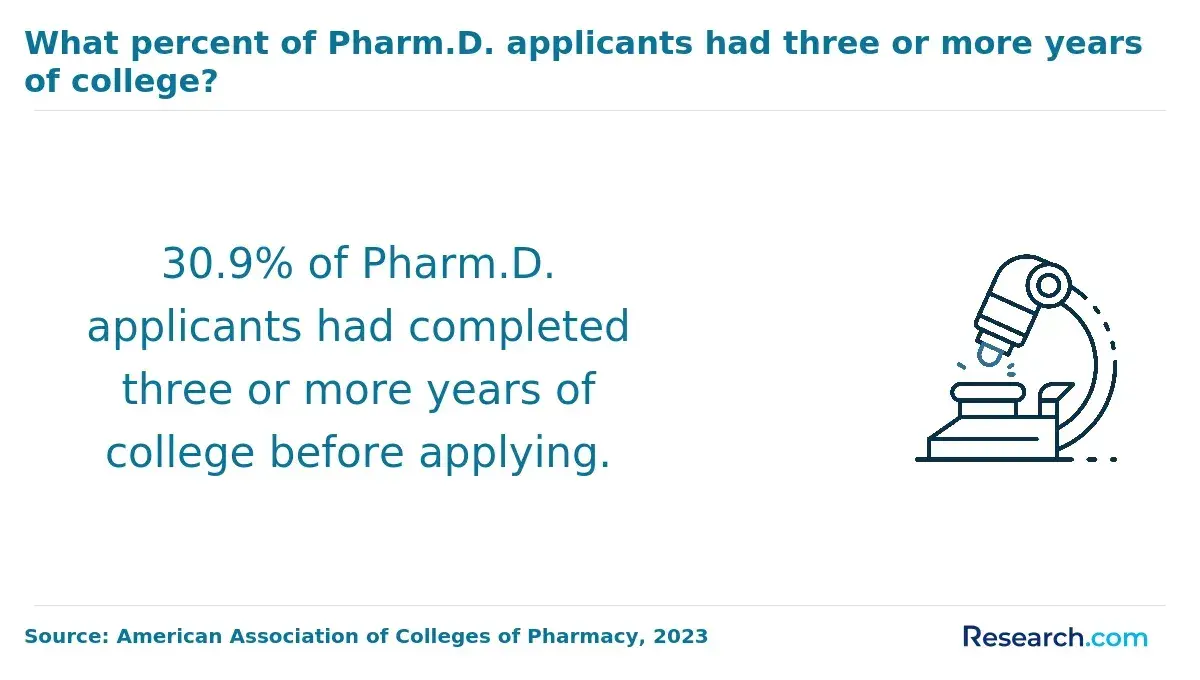
- GPA Expectations: A minimum cumulative GPA of around 3.0 is generally required, but stronger academic records improve admission chances due to the competitive applicant pool.
- Standardized Testing: Although the Pharmacy College Admission Test (PCAT) was once mandatory, numerous Louisiana schools have become test-optional, reflecting policy shifts and efforts to enhance accessibility.
- Letters of Recommendation: Two to three references are typically requested, often from science faculty, pharmacists, or professionals familiar with the applicant's academic performance and character.
- Personal Statement: Applicants must submit an essay explaining their motivation for studying pharmacy and outlining career goals, allowing admissions committees to assess commitment and suitability.
- Interviews: Both in-person and virtual interviews are commonly used to evaluate communication skills, professionalism, and ethical reasoning, with an emphasis on candidates' understanding of the profession.
- Background Checks and Drug Screening: To comply with state licensing standards, criminal history reviews and drug tests are required, safeguarding public trust and safety in pharmacy practice.
A graduate of a Louisiana pharmacy program shared that navigating multiple recommendation requests and personal essays felt overwhelming at times, especially while balancing prerequisite coursework. She recalled the anxiety before her virtual interview, unsure how to best convey her passion remotely.
However, these rigorous steps deepened her resolve and professionalism, ultimately shaping her into a confident pharmacist prepared for the real-world demands she now faces. Her experience underscores how the admissions process not only filters candidates but also fosters introspection and growth.
What courses do you take in pharmacist programs in Louisiana?
Pharmacy programs in Louisiana are designed to provide a comprehensive curriculum that balances foundational sciences, clinical training, and professional development. Nationally, pharmacy programs require between 140 and 160 credit hours for graduation, with approximately 50%-60% focused on pharmacy coursework and clinical experience.
The following overview highlights essential course categories commonly found within the coursework of pharmacist degrees:
- Foundational Science Courses: These prerequisite courses include biology, chemistry (with organic chemistry), anatomy and physiology, microbiology, and mathematics. They establish the scientific groundwork necessary for understanding drug interactions, human biology, and chemical processes critical in pharmacy.
- Pharmacology and Therapeutics: Coursework in pharmacology focuses on drug mechanisms and effects, while therapeutics emphasizes medication management and the application of drugs to treat various diseases. Together, they prepare students to optimize patient care through evidence-based medication use.
- Clinical Practice and Experiential Learning: Clinical rotations and practice-based education typically occur in the final years, allowing students to apply theoretical knowledge in real-world healthcare settings. These experiences are vital for developing practical skills in diverse environments such as hospitals and community pharmacies.
- Pharmacy Law and Ethics: This area covers regulatory frameworks, legal responsibilities, and ethical considerations that govern pharmacy practice. Understanding these topics ensures that graduates are prepared for the professional and legal demands of their careers.
- Interprofessional Education: Emphasizing collaboration with healthcare professionals across disciplines, this component prepares students to contribute effectively to healthcare teams, improving patient outcomes through coordinated care.
- Elective and Specialization Courses: Students often have the opportunity to select electives or focus areas such as oncology, pediatrics, geriatrics, or ambulatory care, enabling them to tailor their education toward specific interests or career goals.
For those exploring supplemental options, programs related to technician training can complement pharmacist education, some of which can be seen in pharmacy technician associate degree online rankings.
How long does it take to complete pharmacist programs in Louisiana?
Pharmacy program timelines in Louisiana vary depending on factors such as course load, program format, and prerequisite completion. On average, US PharmD programs typically take about four years of professional study after fulfilling pre-pharmacy requirements.
The following points outline key elements affecting the duration of pharmacy programs in the state:
- Standard Duration: Most pharmacy programs in Louisiana, including those at the University of Louisiana at Monroe and Xavier University of Louisiana, require about four years of professional study after 2-3 years of prerequisite coursework. This aligns with the national average time to complete pharmacy school in Louisiana.
- Accelerated and Part-Time Options: Some programs offer accelerated paths by increasing course loads or utilizing summer sessions, although these are uncommon due to required clinical hours. Part-time options extend the timeline, accommodating students who balance other commitments.
- Online versus On-Campus Programs: Because hands-on clinical rotations are essential, fully online PharmD programs are rare. However, some prerequisite or foundational courses can be completed online, impacting overall progression speed.
- Prerequisite and Experiential Requirements: Completion pace of prerequisite science courses significantly influences total program length. Additionally, experiential learning through clinical rotations, usually during later years, must be completed to meet licensure standards and can affect duration.
Careful timing and planning are crucial due to workforce demand in Louisiana, making efficient progression through pharmacy programs important for entering the profession. The same goes for students taking degrees for healthcare careers and approaching professional opportunities.
What exams do pharmacy graduates in Louisiana need to pass?
Pharmacists seeking licensure in Louisiana must successfully navigate a series of examinations and requirements designed to ensure competence and compliance with state and federal regulations. These assessments are critical checkpoints in professional certification, confirming the pharmacists' readiness to deliver safe and effective care.
Below is a concise overview of the primary exams and additional credentialing opportunities relevant to pharmacy graduates in Louisiana:
- North American Pharmacist Licensure Examination (NAPLEX): This standardized exam evaluates a candidate's knowledge and practical skills in pharmacy practice, including medication therapy management, pharmacy operations, and patient care. Administered nationally by the National Association of Boards of Pharmacy (NABP), it typically includes around 225 multiple-choice questions over six hours, with passing scores set by the NABP.
- Multistate Pharmacy Jurisprudence Examination (MPJE): The MPJE assesses understanding of pharmacy law, specifically combining federal regulations with Louisiana's unique statutory requirements. Also managed by the NABP, this exam ensures candidates are fully versed in the legal responsibilities and ethical standards of practicing pharmacy within the state.
- State-Specific Examinations: Louisiana does not require any additional state-specific licensing exams beyond the MPJE. However, candidates should stay apprised of any updates through the Louisiana State Board of Pharmacy, as regulatory requirements may evolve.
- Additional Certifications and Residency Programs: For pharmacists aiming to specialize or advance their practice, completing accredited residency programs, such as those recognized by the American Society of Health-System Pharmacists (ASHP), can be essential. These residencies often demand further certification exams linked to specialty areas of clinical pharmacy and ambulatory care.
One pharmacy graduate from a leading Louisiana institution shared that preparing for these exams was both rigorous and rewarding. He described long study hours, balancing coursework and review materials, particularly emphasizing the challenge of mastering state-specific laws for the MPJE.
Taking practice exams was instrumental in building confidence, but it was the internship experience that solidified his practical skills, making the transition to the actual licensing exams smoother. Despite occasional moments of stress, he found the process deeply affirming, knowing each step was crucial in shaping him into a competent and legally knowledgeable pharmacist ready to serve his community.
How much do pharmacist programs cost in Louisiana?
Pharmacist programs in Louisiana involve a range of tuition and fees that vary notably between public and private institutions, as well as by delivery format. On average, pharmacy education costs nationally continue to rise, with annual tuition often exceeding $30,000 at private schools.
Below are key cost components to keep in mind:
- Tuition for Public vs. Private Programs: Public pharmacy schools in Louisiana, such as LSU Health Sciences Center, generally charge in-state students between $13,000 and $15,000 per academic year for a PharmD. Private programs tend to be significantly higher, ranging from $30,000 to $50,000 annually, with out-of-state public tuition also costing considerably more.
- Additional Fees: Mandatory fees for labs, technology, and student services can add $1,500 to $3,000 yearly. These cover essential resources like simulation labs, pharmacy software, and health coverage that support a comprehensive educational experience.
- Cost Differences Between Online and On-Campus Programs: Louisiana offers some hybrid and limited online options where tuition may be slightly lower or comparable to on-campus rates for public schools. However, costs for required clinical rotations and travel to on-site locations remain, influencing overall expenses.
- Books, Supplies, and Clinical Rotation Expenses: Annual costs for textbooks, lab kits, and other materials are estimated between $2,000 and $3,000. Clinical rotations may incur additional transportation and housing costs if placements are off-site, increasing the financial commitment.
To explore options for accessible pharmacy education pathways, consider reviewing detailed cost breakdowns available for online pharmacist programs offering flexibility alongside rigorous training.
What financial aid options are available for pharmacy students in Louisiana?
Financial aid is essential for pharmacy students in Louisiana to help manage the substantial costs associated with their education. Nationally, pharmacy students graduate with an average debt exceeding $170,000, underscoring the need for effective funding strategies to reduce this burden.
- Federal Grants: Pell Grants and Federal Supplemental Educational Opportunity Grants (FSEOG) provide need-based funding to eligible undergraduates. These grants are awarded based on FAFSA and form the foundation of financial aid for many students.
- State Scholarships and Grants: Louisiana offers scholarships and loan repayment programs through organizations such as the Louisiana Board of Pharmacy, often targeting students committed to practicing locally, particularly in underserved areas.
- Work-Study Programs: Federally funded work-study positions allow students to earn income while gaining relevant experience in healthcare or research, helping offset living expenses and reducing reliance on loans.
- Student Loans: Both federal direct loans and private loans are available; however, careful consideration is advised, given the high average debt levels within pharmacy programs.
- Employer Tuition Assistance: Many Louisiana employers in pharmacies and healthcare provide tuition assistance or loan repayment options, which can significantly ease financial pressure while offering practical work experience.
Prospective students may also benefit from exploring the top 6-year pharmacy programs that combine comprehensive education with cost-saving opportunities.
What jobs can you get with a pharmacy degree in Louisiana?
Pharmacy graduates in Louisiana can pursue a variety of professional roles across several sectors within healthcare and pharmaceuticals. Job growth in the state aligns with national projections, driven by factors such as an aging population and increasing demand for pharmaceutical care services.
The common career paths include:
- Retail Pharmacist: Typically employed in community pharmacies, retail pharmacists dispense medications, provide patient counseling on drug use, and oversee inventory management. They serve as accessible healthcare professionals for the general public.
- Hospital Pharmacist: Working within medical centers, hospital pharmacists collaborate with healthcare teams to ensure the safe and effective use of medications in both inpatient and outpatient settings, contributing to patient treatment plans.
- Clinical Pharmacist: These pharmacists often specialize in areas like oncology, cardiology, or infectious diseases. They participate in patient care rounds and optimize medication therapies based on the latest clinical evidence.
- Pharmaceutical Researcher: Engaged in drug development and clinical trials, pharmaceutical researchers focus on improving medication safety and efficacy, advancing innovations in therapeutics.
- Consultant Pharmacist: Providing expert advice, consultant pharmacists support long-term care facilities, insurance companies, or patients with medication management and adherence strategies.
- Emerging Specialized Roles: Positions such as pharmacogenomics specialists and regulatory pharmacists are growing fields in Louisiana, integrating genetics and healthcare compliance into pharmacy practice.
What is the average pharmacist salary in Louisiana?
The average pharmacist's salary in Louisiana is competitive within the healthcare sector, reflecting various factors such as work environment, experience, and geographic location. Nationally, the median annual wage for pharmacists is approximately $137,480, according to the US Bureau of Labor Statistics.
- Salary by Practice Setting: Pharmacists working in retail settings in Louisiana typically earn salaries near the state average, though these may be somewhat lower than hospital or clinical pharmacy roles. Hospital and clinical pharmacists generally receive higher compensation due to the specialized knowledge and complexity of patient care involved.
- Experience Level: Entry-level pharmacists often start with lower salaries, but earnings increase with years of experience, additional certifications, and management responsibilities. Seasoned pharmacists tend to see substantial growth in their compensation as their expertise deepens.
- Geographic Location: Location within Louisiana significantly influences pharmacist salaries. Urban centers such as New Orleans and Baton Rouge usually offer higher wages compared to rural areas, driven by differences in demand, cost of living, and healthcare infrastructure.
- Advanced and Specialized Roles: Pharmacists who pursue specialized fields like oncology or pharmacogenomics can expect premium salaries that reflect their advanced skills and expertise. These roles often require additional training and certifications, leading to enhanced earning potential.
What Graduates of Pharmacy Programs in Louisiana Say About Their Degree
- Enrolling in the online pharmacy program allowed me to balance my family commitments while pursuing a degree from one of Louisiana's top schools. After graduation, I secured a position at Jefferson Parish High School, where I integrate pharmaceutical knowledge into the health education curriculum, impacting students' wellness directly. The flexibility of the program, combined with the practical skills I gained, made my transition to the professional world seamless and fulfilling. This experience has deepened my passion for promoting health literacy in younger generations. Maria
- Completing the on-campus pharmacy program was a transformative step in my career. Thanks to the rigorous education and networking opportunities I found at one of Louisiana's premier institutions, I advanced into a leadership role within the academic pharmacy field. This progression has allowed me to influence curriculum development and mentor upcoming pharmacists, which I find incredibly rewarding. The program's strong emphasis on Louisiana's unique healthcare challenges has prepared me to contribute meaningfully to our community's health landscape. Kevin
- The immersive experience of an on-campus pharmacy program in Louisiana enriched both my professional skills and personal growth. Engaging with the local culture and understanding regional healthcare needs gave me insights not found elsewhere. After graduating, I began working at Lake Charles Central School, where I actively contribute to community outreach programs focused on medication safety and disease prevention among students. This role has heightened my commitment to serving underserved populations and opened doors for continual career advancement in public health pharmacy. Florence
Related Articles for Nearby States
- 2027 Best Pharmacy Schools & Pharmacist Programs Requirements in Mississippi: Online & Campus
- 2027 Best Pharmacy Schools & Pharmacist Programs Requirements in Arkansas: Online & Campus
- 2027 Best Pharmacy Schools & Pharmacist Programs Requirements in Texas: Online & Campus
- 2027 Best Pharmacy Schools & Pharmacist Programs Requirements in Alabama: Online & Campus
- 2027 Best Pharmacy Schools & Pharmacist Programs Requirements in Tennessee: Online & Campus
- 2027 Best Pharmacy Schools & Pharmacist Programs Requirements in Missouri: Online & Campus
- 2027 Best Pharmacy Schools & Pharmacist Programs Requirements in Oklahoma: Online & Campus
- 2027 Best Pharmacy Schools & Pharmacist Programs Requirements in Florida: Online & Campus
- 2027 Best Pharmacy Schools & Pharmacist Programs Requirements in Kentucky: Online & Campus
- 2027 Best Pharmacy Schools & Pharmacist Programs Requirements in Georgia: Online & Campus
References:
- Enrollment Options https://www.pharmcas.org/school-directory/explore-and-compare/enrollment-options
- Pharmacy Technician Education Program from CLTCC | Career and Technical Education Programs https://www.cltcc.edu/academics/career-and-technical-education-programs/pharmacy-technician
- Technician Examinations https://www.pharmacy.la.gov/page/technician-examinations
- Specialty https://www.pharmacist.com/Career/Career-Pathways/Career-Option-Profiles/Specialty
- Pharmacy Technician, CTS https://catalog.bpcc.edu/preview_program.php
- Pharmacy Technology Certificate http://catalog.lsua.edu/preview_program.php
- Pharmacist Salary in Louisiana (December 01, 2025) | Salary. com https://www.salary.com/research/salary/benchmark/pharmacist-salary/la
- Financial Aid for Online Students https://louisiana.edu/online/admissions/tuition-costs/financial-aid-online-students
- Pharmacy Schools in Louisiana - 2025 https://www.pharmacytechnicianguide.com/Pharmacy-Schools-Louisiana/
Other Things You Should Know About The Best Pharmacy Schools & Pharmacist Programs Requirements in Louisiana
The state of Louisiana requires a minimum of 1,500 internship hours to qualify for pharmacist licensure. These hours must be completed under the supervision of a licensed pharmacist. The internship provides essential practical experience in various pharmacy settings, including community, hospital, and clinical environments. Students typically fulfill these requirements during their pharmacy education or through approved experiential programs.
The Louisiana Board of Pharmacy oversees and verifies internship documentation to ensure compliance. Completing the internship is a vital step before applying for the pharmacist licensure examination in Louisiana. This hands-on experience helps prepare candidates for professional responsibilities in pharmacy practice.
In 2027, several schools in Louisiana offer online pharmacy programs. Among these, the University of Louisiana at Monroe and Xavier University of Louisiana provide opportunities for students to complete parts of their pharmacy education online, allowing for flexibility and accessibility, particularly for those balancing other commitments.
To apply for pharmacy schools in Louisiana in 2027, you typically need a bachelor’s degree, a high GPA, adequate Pharmacy College Admission Test (PCAT) scores, and letters of recommendation. Schools may also expect prerequisite coursework in subjects such as biology and chemistry.


