
2027 Coding Bootcamp vs. Computer Science Degree: Explaining the Difference

Co-Founder and Chief Data Scientist
Specialized education is transforming pathways into technology careers. Coding bootcamps provide intensive, hands-on training that helps students gain practical skills quickly, while computer science degrees offer a comprehensive foundation in theory and long-term career versatility. According to Statista (2025), 41% of software developers worldwide hold a bachelor’s degree, showing that traditional education remains valuable while alternative options like bootcamps continue to grow in relevance.
In this article, I will help students decide which option better supports their employment goals. I will also cover the differences in curriculum, timelines, career outcomes, admission requirements, costs, and financial aid to determine whether a coding bootcamp or computer science degree offers the most effective route into the tech workforce.
Key Things You Should Know About Coding Bootcamps and Computer Science Degree Programs
- Coding bootcamps deliver intensive, skills-focused training in a condensed timeframe, offering a fast track into technology careers for motivated learners.
- Computer science degree programs provide a broad, theory-based education, equipping graduates with both technical expertise and critical thinking skills for long-term career growth
- Both pathways require commitment and adaptability, with students needing to weigh factors such as cost, timeline, and career goals before choosing their path.
- What is the difference between a coding bootcamp and a computer science degree? Key Differences
- How do coding bootcamp and computer science degree curricula compare? How do coding bootcamp and computer science degree curricula compare?
- How long does it take to finish a coding bootcamp vs. a computer science degree? Program Length
- Can I complete a bootcamp or degree faster with accelerated or online programs? Can I complete a bootcamp or degree faster with accelerated or online programs?
- Can coding bootcamp graduates transfer skills or credits into a computer science degree program? Transferring Skills & Credits
- What jobs can I get with a coding bootcamp vs. a computer science degree? Job Options
- How does salary vary between coding bootcamp and computer science degree graduates? Salary Expectations
- What are the admission requirements for coding bootcamps vs. computer science degrees? Admission Requirements
- How do you choose between a coding bootcamp and a computer science degree? Selection Tips
- What financial aid, scholarships, or payment plans are available for bootcamps and degrees? What financial aid, scholarships, or payment plans are available for bootcamps and degrees?
What is the difference between a coding bootcamp and a computer science degree?
When aspiring professionals explore pathways into technology, they often compare the intensity of a coding bootcamp with the academic depth of a computer science degree. Both routes provide access to rewarding careers, yet they differ in structure, duration, and long-term impact.
Students should recognize the key differences between these paths to choose one that fits their career goals, budget, and learning preferences, and knowing the best coding bootcamps available can make that decision easier.
Coding Bootcamps
Coding bootcamps help students quickly build practical skills to start tech careers, focusing on the most in-demand job skills.
- Bootcamps Emphasize Job Readiness: These short, intensive programs focus directly on marketable skills that prepare graduates for immediate employment in technology roles.
- Bootcamps Run on Short Timelines: Most programs last from a few weeks to several months, making them attractive to learners who want rapid entry into the workforce.
- Bootcamps Target Specific Roles: The training often centers on practical competencies needed for jobs such as software development, web development, or data analytics.
Computer Science Degrees
Computer science degrees provide a structured path that combines theory and practice, supporting long-term growth and advanced learning in technology.
- Degrees Provide a Broad Foundation: A degree program integrates computing theory, algorithms, and programming with general education, producing well-rounded professionals.
- Degrees Require Years of Study: Undergraduate programs typically span three to four years, offering extended opportunities to master complex concepts and specialized areas.
- Degrees Open Advanced Opportunities: Graduates may pursue research, leadership, or specialized roles that demand a deeper understanding of computing principles.
How do coding bootcamp and computer science degree curricula compare?
The global coding bootcamp market, valued at about $2.10 billion in 2024, highlights the rising demand for accelerated, skills-focused training. In contrast, the global computer engineering market, estimated at $250 billion in 2024, underscores the expansive scale and long-term significance of formal academic pathways (Market Research Future, 2025).
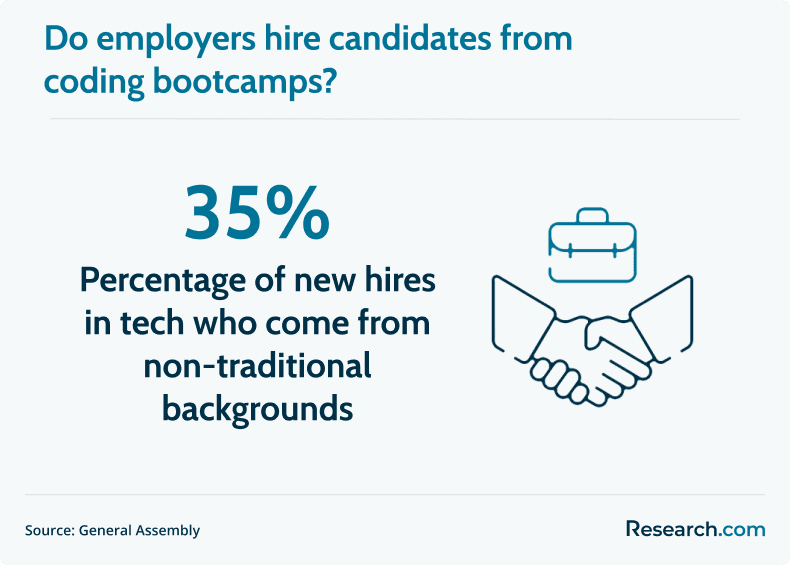
While bootcamps adopt a project-driven, fast-paced model and degree programs emphasize theory, mathematics, and long-term skill building, both aim to prepare students for success in a rapidly evolving technology landscape. Notably, 35% of new hires in the past two years have come from non-traditional backgrounds, showing how employers increasingly value diverse pathways into tech.
Many organizations now explore immersive training strategies, pioneered by bootcamps and other accelerated programs, that enable them to develop experts in-house with greater speed, efficiency, and scale. For learners who need to balance work and education, seeking out 8-week college courses online provides a flexible, accelerated learning format. Comparing these curricula helps learners see where they diverge, but also where they overlap in fostering technical growth.
Here are the similarities between coding bootcamps and computer science degrees:
- Focus on Core Programming Skills: Both emphasize proficiency in widely used programming languages such as Python, Java, or JavaScript.
- Inclusion of Practical Projects: Students in both pathways complete projects that demonstrate problem-solving ability and real-world application.
- Preparation for Career Entry: Each curriculum is designed to help learners transition into technology roles, though with different timelines and depth.
- Exposure to Problem-Solving Methods: Both teach systematic approaches to tackling technical challenges, fostering logical and analytical thinking.
- Integration of Collaboration Skills: Teamwork and communication are emphasized in both environments, preparing students for workplace collaboration.
How long does it take to finish a coding bootcamp vs. a computer science degree?
For many students, time is a decisive factor when choosing between a coding bootcamp and a computer science degree. Bootcamps emphasize speed, moving learners from beginners to job-ready professionals in 12 to 24 weeks for full-time programs or up to 12 months for part-time formats. For those pursuing a path requiring rigorous quality assurance in their education, researching an online ABET engineering degree is an important step, as ABET accreditation is the globally recognized standard for technical professions.
In contrast, computer science degrees require a longer commitment, typically three to four years full-time or five years or more part-time, though some accelerated pathways allow motivated students to graduate in about 2 and a half to 3 years. This difference in timelines helps learners align their choices with career goals, study preferences, and personal responsibilities.
Can I complete a bootcamp or degree faster with accelerated or online programs?
Accelerated and online programs provide clear pathways for students to complete a coding bootcamp or computer science degree faster. Bootcamps often offer intensive or self-paced tracks that let learners finish in weeks or months, while universities provide online and accelerated degree options that shorten study timelines without sacrificing academic rigor.
Accelerated and online formats provide students with multiple pathways to shorten timelines or adjust their studies to fit personal and professional commitments. For instance, aspiring journalists might look into sports journalism masters programs for specialized, advanced credentials. The following options highlight how both coding bootcamps and computer science degrees create flexibility for faster completion:
- Self-Paced Learning: Some bootcamps let students progress as they master skills, while online degrees allow flexible course loads.
- Intensive Options: Certain bootcamps finish in as little as eight weeks, and accelerated degrees reduce timelines to about three years.
- Online Programs: Many bootcamps operate fully online, while universities offer accredited remote degrees accessible worldwide
- Extra Sessions: Bootcamp students can add workshops for faster mastery, while degree seekers can accelerate with summer or intersession classes.
- Hybrid Models: Some bootcamps mix online and in-person training, while universities blend virtual lectures with campus-based labs.
Can coding bootcamp graduates transfer skills or credits into a computer science degree program?
Many aspiring computer professionals view coding bootcamps as a fast track into the industry, but some later consider pursuing an accelerated computer science degree to expand their academic foundation and long-term career prospects. The possibility of transferring skills or credits from bootcamps into formal degree programs is limited, as most universities rarely grant direct credit.
However, bootcamp experience retains significant value in other ways. Coding bootcamps strengthen applications, demonstrate technical proficiency, and, in some cases, waive introductory coursework.
Below factors can make a coding bootcamp experience valuable when transitioning into a computer science degree, offering ways to demonstrate skills, gain recognition, and potentially shorten academic requirements:
- Portfolio Projects Showcase Readiness: Completed coding projects often demonstrate technical competence to admissions committees.
- Industry Certifications Support Evaluation: Certifications gained through bootcamps may be considered for limited recognition.
- Credit-for-Experience Programs Exist: Some universities evaluate professional or training experience for possible credit awards.
- Placement Tests May Waive Courses: Strong coding skills can exempt students from beginner-level classes.
- Bootcamp Experience Strengthens Applications: Demonstrating initiative and real-world ability helps applicants stand out.
What jobs can I get with a coding bootcamp vs. a computer science degree?
Career outcomes vary significantly between coding bootcamps and computer science degrees, reflecting differences in training depth and scope. Bootcamps emphasize speed and employability, preparing students for immediate entry-level roles in development and programming.
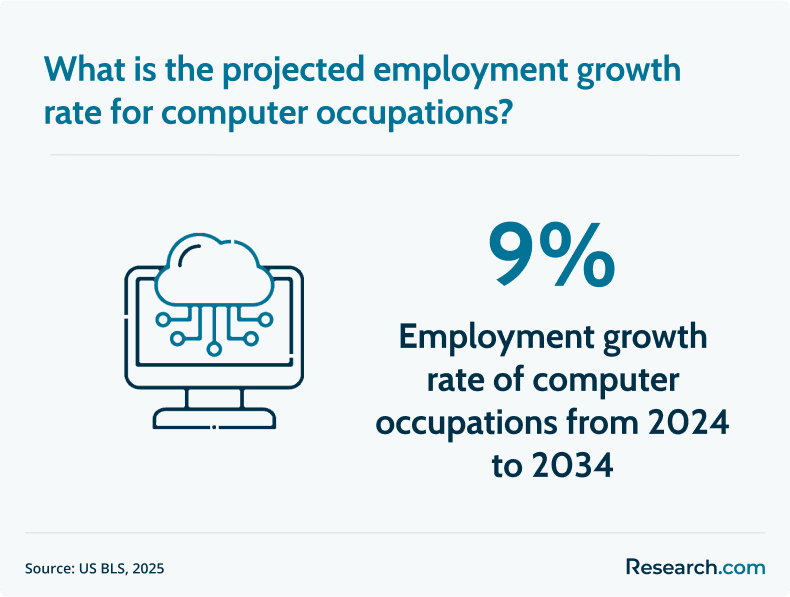
In contrast, computer science degrees cultivate a broader foundation, opening doors to advanced technical, analytical, and leadership positions. For career shifts outside of technology, such as into education, a different set of professional requirements applies, such as knowing how to get a school counselor certification. These distinctions matter in a growing field where employment in computer occupations is projected to increase by 9% from 2024 to 2034, signaling robust opportunities for both pathways.
Here are the jobs commonly pursued by coding bootcamp graduates:
- Front-End Developer: Bootcamp graduates often design and build user interfaces that shape digital experiences.
- Back-End Developer: Training equips students to manage server-side logic, APIs, and databases.
- Full-Stack Developer: Combining front- and back-end skills, graduates frequently develop complete applications.
- Junior Software Engineer: Entry-level roles allow bootcamp graduates to gain experience under senior supervision.
Meanwhile, these are the jobs commonly pursued by computer science degree holders:
- Software Engineer: Degree holders often design, implement, and maintain large-scale, complex software systems.
- Data Scientist: Advanced coursework in math and statistics prepares graduates for roles analyzing and modeling data.
- Systems Architect: Degree-based training enables professionals to plan and oversee enterprise-level IT infrastructure.
- Research Scientist: Some graduates move into research, contributing to innovations in artificial intelligence, algorithms, or security.
How does salary vary between coding bootcamp and computer science degree graduates?
Compensation in technology reflects both educational background and career trajectory. Bootcamp graduates often secure competitive entry-level salaries by quickly transitioning into in-demand roles, while computer science degree holders generally see higher long-term earnings due to broader academic preparation and access to specialized positions, thus, the highest paying computer science jobs.
Median salaries in common tech careers range from $90,930 for web developers to $133,080 for software developers, illustrating how career choice and qualifications influence pay outcomes. Understanding these salary differences helps students weigh the short-term and long-term returns of each pathway.
This chart from the US BLS highlights the median earnings for professionals in key technology roles.
What are the admission requirements for coding bootcamps vs. computer science degrees?
Admission standards reflect the accessibility of coding bootcamps compared to the structured demands of traditional degree programs. Bootcamps emphasize motivation, logical thinking, and practical readiness, often welcoming applicants without prior technical experience.
On the contrary, universities evaluate candidates through formal academic records and standardized metrics, ensuring preparedness for rigorous, multi-year study. These distinctions shape how quickly students can enter technology education and what level of commitment is required.
Coding Bootcamps
Bootcamps maintain accessible entry points, focusing on motivation and readiness rather than formal academic credentials. Admission requirements include:
- Basic Assessments: Many bootcamps require short tests in logic or introductory coding to gauge readiness.
- Diverse Backgrounds: Programs often welcome learners from non-traditional or varied professional paths, prioritizing drive over prior credentials.
- Motivation Interviews: Some bootcamps conduct interviews to assess a student’s goals, persistence, and commitment to completing intensive training.
Computer Science Degrees
Computer science degree programs follow more structured admissions processes, emphasizing academic achievement and formal qualifications. They require:
- High School Diploma: Universities typically require a diploma or equivalent as proof of prior academic achievement.
- Standardized Test Scores: Entrance exams such as the SAT or ACT may be required for undergraduate admission.
- Supporting Documents: Applicants often submit essays, recommendation letters, and transcripts to demonstrate academic readiness and personal fit.
- Prerequisite Courses: Some universities expect prior coursework in math or science to ensure students are prepared for technical study.
How do you choose between a coding bootcamp and a computer science degree?
Choosing between a coding bootcamp and a computer science degree requires careful consideration of career goals, learning preferences, financial resources, and time availability. Many students also ask, is computer science a good major, weighing its value against alternative pathways. Bootcamps offer intensive, skills-focused training designed for rapid entry into technology roles, making them ideal for those seeking immediate employment.
Meanwhile, degrees provide a broader academic foundation, combining theory, mathematics, and applied learning, and prepare graduates for advanced opportunities and long-term growth. By weighing factors such as timeline, cost, desired job roles, and the depth of study, students can select the pathway that best aligns with both their professional ambitions and personal circumstances.
Some of the factors to consider when choosing between a coding bootcamp and a computer science degree include:
- Career Objectives: Determine whether your goal is to quickly enter the workforce or pursue deeper technical expertise and advanced roles.
- Time Commitment: Evaluate whether you prefer a condensed learning path or a multi-year academic program.
- Financial Investment: Compare the cost of bootcamps with degree tuition and consider potential returns on investment.
- Learning Style: Reflect on whether immersive, hands-on learning or structured, theoretical study fits your strengths.
- Long-Term Plans: Consider whether you aim to specialize, engage in research, or pursue leadership roles that often require formal degrees.
What financial aid, scholarships, or payment plans are available for bootcamps and degrees?
Financing education remains a key consideration for students deciding between coding bootcamps and computer science degrees. Universities offer a long-established framework of financial aid, including federal grants, scholarships, and flexible payment plans, though four-year degrees can cost between $9,375 and $32,825 annually.
Meanwhile, coding bootcamps generally have lower fees, which helps minimize student debt, but not all programs provide funding assistance. Understanding these varied options enables students to choose a pathway that aligns with both career goals and financial realities.
Here are examples of financial aid options for bootcamps and degrees:
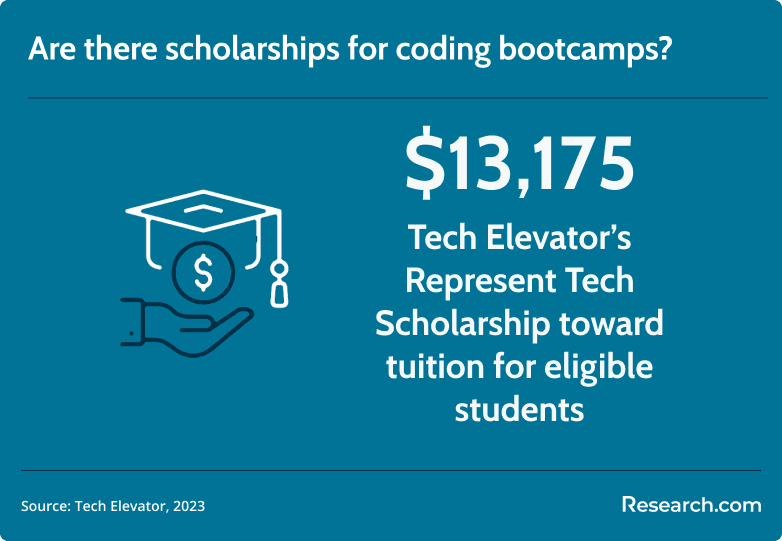
- Bootcamp Scholarships: Tech Elevator’s Represent Tech Scholarship provides $13,175 toward tuition for eligible students enrolled in coding bootcamps, supporting underrepresented groups in technology.
- Diversity and Veterans’ Scholarships: Programs like Women Ascend and Code Platoon award scholarships to promote inclusion and support veterans pursuing tech careers.
- University Scholarships: Initiatives such as the Generation Google Scholarship offer funding to computer science students, encouraging innovation and diversity in the field.
- Payment Plans: Many bootcamps and universities provide structured payment plans, allowing students to spread tuition costs over several months or years, making it easier to pursue options such as a cheap computer science degree without financial strain.
- Income Share Agreements (ISAs): Some bootcamps offer ISAs, where students pay a percentage of their salary after securing a job, minimizing upfront costs.
- Grants and Federal Aid: Accredited universities offer federal grants and loans, including Pell Grants, to eligible students pursuing degree programs.
What Graduates Say About Their Coding Bootcamp Vs. Computer Science Degrees
- Dan: "Studying computer science taught me how to think critically and solve problems step by step. Beyond coding, I gained confidence in tackling complex challenges and applying logic to real-world situations. The experience reshaped how I approach both work and learning. "
- Serene: "The coding bootcamp was intense, but the hands-on projects made everything click. I went from knowing very little to building functional apps in just months. That transformation gave me the skills and motivation to pursue a career I love. "
- Blake: "Immersing myself in computer science studies opened doors I never imagined. I not only learned multiple programming languages but also collaborated with peers on meaningful projects that boosted my teamwork and communication skills. The journey was challenging but deeply rewarding. "
Key Findings
- The global coding bootcamp market, valued at about $2.10 billion in 2024, reflects rising demand for accelerated, skills-focused training.
- The global computer engineering market, estimated at $250 billion in 2024, underscores the long-term value of formal technical education.
- 35% of new tech hires come from non-traditional backgrounds, showing employers’ openness to diverse training pathways.
- Computer occupations are projected to grow 9% from 2024 to 2034, signaling sustained demand for tech talent.
- The mean annual salary for web developers is $90,930, illustrating competitive pay for targeted technical skills.
References:
- General Assembly (n.d.). The State of Tech Talent Acquisition 2023. Retrieved from https://ga-public-downloads.s3.amazonaws.com/GA_StateOfTechTalent.pdf
- Market Research Future (2025). Computer Engineering Market. Retrieved from https://www.marketresearchfuture.com/reports/computer-engineering-market-18864
- Statista (2025). Global Formal Education Levels of Software Developers 2024. Retrieved from https://www.statista.com/statistics/793568/worldwide-developer-survey-level-formal-education/
- Tech Elevator (2023). Represent Tech Scholarship | Terms & Conditions. Retrieved from https://www.techelevator.com/wp-content/uploads/2023/07/Terms-Conditions-Represent-Tech-Scholarship-effective-October-2023.pdf
- US BLS (2025). Software Developers, Quality Assurance Analysts, and Testers. Retrieved from https://www.bls.gov/ooh/computer-and-information-technology/software-developers.htm#tab-5
- US BLS (2025). Web Developers and Digital Designers. Retrieved from https://www.bls.gov/ooh/computer-and-information-technology/web-developers.htm#tab-5
Other Things You Should Know About Coding Bootcamps and Computer Science Degrees
Coding bootcamps offer intense, accelerated programs suited for those wanting rapid entry into tech roles. Conversely, computer science degrees provide a structured education over several years, allowing a deeper exploration of theory and the opportunity to pace learning to individual needs.
Computer science degrees typically offer extensive networking opportunities through university-sponsored events, career fairs, and alumni networks. Coding bootcamps generally focus on practical skills, but many provide industry connections through partnerships and guest speakers, albeit on a smaller scale.
Coding bootcamps often offer more flexibility and focus on remote learning, leveraging online platforms for interactive sessions, projects, and peer collaboration. Computer science degrees may offer online courses but typically maintain a more traditional classroom environment, with some online elements incorporated into broader curriculums.
Coding bootcamps focus on practical skills and provide concentrated, hands-on training over a few months. They emphasize industry-relevant programming skills. In contrast, computer science degrees offer a comprehensive education over several years, covering broad theoretical foundations in computing, mathematics, and system design, providing a deeper understanding of technology principles.


