
2027 Revenue Cycle Certification for Healthcare Professionals: Topics, Benefits & Requirements

Co-Founder and Chief Data Scientist
Healthcare organizations increasingly rely on skilled professionals to manage financial processes efficiently. One of the challenges many face is the complexity of revenue cycle management, where billing errors, claim denials, and compliance issues can affect profitability. A revenue cycle certification equips healthcare professionals with standardized knowledge and competencies to address these challenges.
According to the U.S. Bureau of Labor Statistics (BLS), employment of medical and health services managers—roles that often require revenue cycle expertise—is projected to grow 23% from 2024 to 2034, much faster than the average for all occupations.
What are the benefits of getting a revenue cycle certification?
- Certified professionals can qualify for roles such as revenue cycle manager, patient financial services director, or healthcare reimbursement specialist.
- The median salary for medical and health services managers was about $117,960 per year in 2024, with certified professionals often earning higher.
- A revenue cycle certification validates expertise, making you more competitive in the healthcare job market.
What can you do with a revenue cycle certification?
A revenue cycle certification prepares professionals to work in roles that oversee the financial health of healthcare organizations. With this credential, you can manage patient billing systems, ensure regulatory compliance, reduce claim denials, and optimize reimbursement processes.
The certification also provides knowledge of payer systems, medical coding, and healthcare finance. For healthcare professionals already working in hospitals, clinics, or insurance providers, this credential opens doors to supervisory and management positions that require specialized knowledge of revenue cycle operations.
Where can you work with a revenue cycle certification?
Certified revenue cycle professionals are often employed in hospitals, physician practices, long-term care facilities, and outpatient clinics. These organizations require experts who can oversee billing and reimbursement to ensure financial sustainability.
Outside of direct care facilities, opportunities also exist in health insurance companies, revenue cycle outsourcing firms, consulting agencies, and government health organizations. Professionals with a revenue cycle certification are valued for their ability to connect financial management with quality patient care.
How much can you earn with a revenue cycle certification?
Salaries for those with a revenue cycle certification vary by role and experience. Entry-level positions such as revenue cycle analyst or billing coordinator may start around $50,000 to $60,000 annually, with growth potential as experience is gained.
Mid- to senior-level positions such as revenue cycle manager or director of patient financial services often earn $80,000 to $120,000 per year. Certified professionals typically earn more than their non-certified peers, reflecting the value of specialized expertise.
- What is the revenue cycle certification in healthcare? Overview
- What are the most recognized revenue cycle certifications in healthcare? Types
- What are the requirements for revenue cycle certification in 2027? Requirements
- What topics are included in a revenue cycle certification exam? Exam Topics
- How do you prepare for the revenue cycle certification exam? How do you prepare for the revenue cycle certification exam?
- How much does revenue cycle certification cost in 2027? Exam Cost
- What jobs can you get with a revenue cycle certification? Job Outlook
- What is the average salary for certified revenue cycle professionals? Salary
- How long is the revenue cycle certification valid? Validity
- Is revenue cycle certification still relevant in 2027 and beyond? Is revenue cycle certification still relevant in 2027 and beyond?
What is revenue cycle certification in healthcare?
A revenue cycle certification in healthcare is a professional credential that validates knowledge and skills in managing the financial aspects of healthcare organizations. It covers areas such as patient registration, insurance verification, medical billing, compliance, and reimbursement processes. Similar to learning how to obtain a psychology license, earning this certification demonstrates a professional’s ability to meet industry standards and ensures competence in handling complex processes from patient intake to final payment collection.
This credential is especially relevant for individuals pursuing administrative and management careers in healthcare. Many who explore the best certifications in healthcare management often include revenue cycle certification as a top choice because it directly aligns with financial performance and organizational success in healthcare systems.
What are the most recognized revenue cycle certifications in healthcare?
Revenue cycle certifications are offered by several respected organizations, each designed for different levels of expertise. Choosing the right credential depends on your current role, career goals, and level of experience. Those considering a certification for healthcare administration often compare these programs to decide which aligns best with their career path.
Certified Revenue Cycle Representative (CRCR) – HFMA
This certification is offered by the Healthcare Financial Management Association (HFMA) and focuses on revenue cycle fundamentals. It is suitable for entry-level professionals.
Certified Healthcare Financial Professional (CHFP) – HFMA
Aimed at mid-level managers, this certification emphasizes leadership in healthcare finance and revenue cycle strategy.
Certified Revenue Cycle Specialist (CRCS) – AAHAM
Provided by the American Association of Healthcare Administrative Management (AAHAM), this certification covers patient access and billing processes.
Certified Revenue Cycle Professional (CRCP) – AAHAM
Designed for professionals with advanced roles, it addresses strategic revenue cycle leadership.
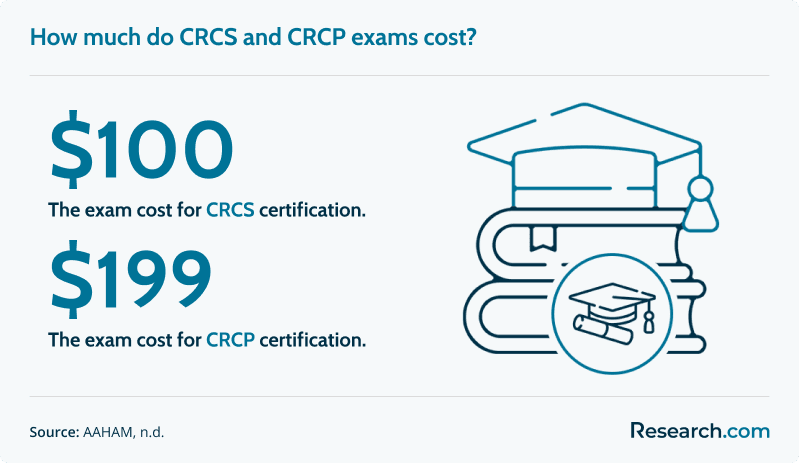
Check out the figures below for the cost of these guides.
What are the requirements for revenue cycle certification in 2027?
Revenue cycle certification requirements vary by organization, but most follow similar eligibility standards. For those considering alternatives, some candidates also explore the easiest healthcare administration degree programs as a foundation before pursuing certification.
Typical requirements include:
- A high school diploma or equivalent; a college degree is often preferred.
- Work experience in healthcare finance, billing, coding, or patient services (entry-level certifications may not require prior experience).
- Completion of an application with required documentation.
- Payment of the certification exam fee.
- Commitment to continuing education for credential renewal.
What topics are included in a revenue cycle certification exam?
Revenue cycle certification exams test knowledge across multiple domains, ensuring candidates have a well-rounded understanding of healthcare finance. These topics are designed to reflect real-world processes and challenges. Many candidates pursue academic training, including programs from HBCU that offer healthcare administration, as preparation for these content areas.
Common exam topics include:
- Patient registration and insurance verification
- Billing and coding compliance
- Claims management and denial resolution
- Reimbursement methodologies and payer systems
- Healthcare finance regulations and ethics
- Data analytics and revenue reporting
How do you prepare for the revenue cycle certification exam?
Preparation for the revenue cycle certification exam requires a combination of study, practice, and real-world exposure to healthcare financial systems. Candidates often use review guides, flashcards, and online practice tests to become familiar with exam formats and question styles. Many also enroll in structured review courses to strengthen their understanding of key revenue cycle concepts, similar to how nurses research what state pays postpartum nurses the most before deciding where to work.
Healthcare professionals pursuing advanced training often combine certification with graduate-level studies, such as the best online CAHME-accredited MHA programs. These programs provide both academic knowledge and practical frameworks that directly support exam readiness and long-term career growth.
How much does revenue cycle certification cost in 2027?
The cost of revenue cycle certification varies depending on the organization offering the credential. On average, exam and registration fees range from $100 to $200 for entry-level certifications and can exceed $600 for advanced credentials. Additional costs may include study materials, membership in professional organizations, and continuing education requirements—similar to the varying costs and training paths across different public health specialties.
Employers often provide financial assistance for certification, viewing it as an investment in workforce development. Many healthcare organizations sponsor their staff’s certification journey because certified professionals contribute to improved revenue performance, compliance, and patient satisfaction.
What jobs can you get with a revenue cycle certification?
A revenue cycle certification can qualify you for a variety of roles across healthcare finance and administration. These include revenue cycle analyst, billing supervisor, claims manager, and director of patient financial services. Each of these positions focuses on optimizing payment systems, reducing claim denials, and improving overall financial performance.
Beyond traditional hospital or clinic settings, certified professionals are also employed in insurance companies, consulting firms, and technology vendors that support healthcare finance systems. For those with technical skills, opportunities overlap with healthcare business intelligence jobs that are in demand, particularly in areas where revenue cycle data is analyzed for operational insights and decision-making.
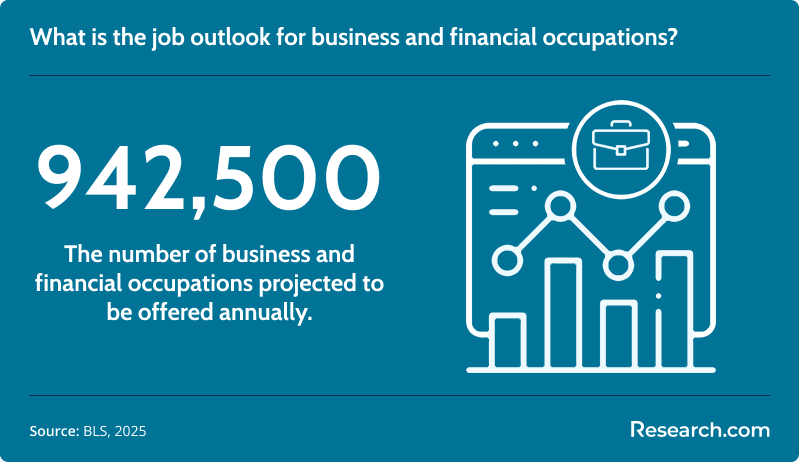
According to U.S. labor forecasts, overall employment in business and financial occupations is expected to grow faster than average between 2024 and 2034, with nearly 943,000 openings projected annually. For healthcare professionals, this outlook highlights the growing demand for revenue cycle expertise, as organizations increasingly seek certified specialists to strengthen financial operations and support long-term sustainability.
What is the average salary for certified revenue cycle professionals?
Salaries vary by role, location, and years of experience, but certified revenue cycle professionals consistently earn more than their non-certified counterparts. Entry-level positions such as revenue cycle analysts or billing specialists typically earn more than $65,000 per year, comparable to earnings in radiology associate's degree jobs.
Professionals in mid-level or senior positions, such as revenue cycle managers or directors, report salaries between $80,000 and $120,000 annually. In larger healthcare systems or metropolitan areas, compensation can exceed these ranges, reflecting the demand for professionals with proven expertise in revenue cycle management.
How long is the revenue cycle certification valid?
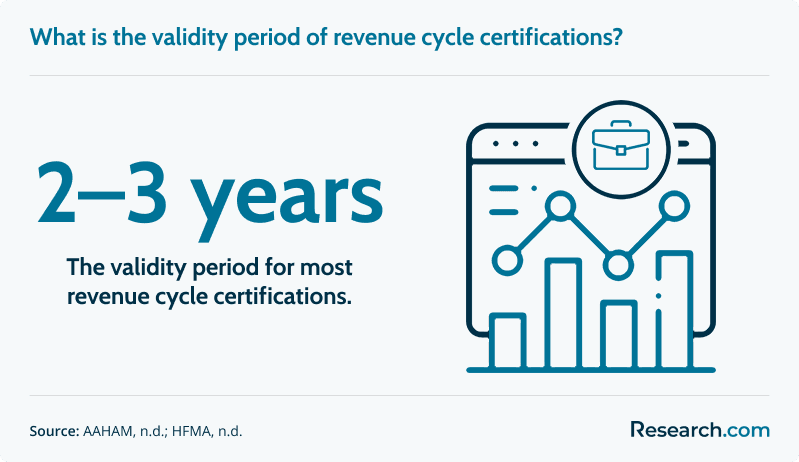
Revenue cycle certifications generally remain valid for two to three years, depending on the organization that issued the credential. To maintain an active status, professionals must complete continuing education credits and pay renewal fees within the specified period.
This ensures that certified individuals stay current with regulatory updates, compliance requirements, and evolving revenue cycle practices. Renewal also helps demonstrate a professional’s ongoing commitment to maintaining the highest standards in healthcare finance and administration.
Is revenue cycle certification still relevant in 2027 and beyond?
Revenue cycle certification remains highly relevant as healthcare systems face increasing regulatory scrutiny, payer complexity, and the adoption of new technologies. Certified professionals are critical in ensuring organizations remain compliant and financially sustainable.
Looking ahead, automation, artificial intelligence, and data analytics will transform revenue cycle management. However, the need for certified professionals who understand both technology and healthcare finance will continue to grow. This makes revenue cycle certification not only valuable in 2027 but also a forward-looking credential for long-term career advancement.
Here’s What Graduates Have to Say About Their Revenue Cycle Certification for Healthcare Professionals
- Sarah: "Earning my revenue cycle certification gave me the confidence to apply for roles I never thought possible. Within a year, I was promoted from billing specialist to revenue cycle analyst, with a salary increase of nearly 20%. The structured exam topics directly reflected the challenges I face at work every day. This certification made me feel recognized and credible in my field."
- Michael: "I decided to pursue revenue cycle certification after years of working in healthcare administration without formal credentials. The process was rigorous but manageable, and the preparation materials were very practical. Soon after becoming certified, I was hired by a large hospital network as a patient financial services manager. Beyond the job title, I appreciate how this credential validates my years of experience."
- Jasmine: "Balancing full-time work and studying for the exam wasn’t easy, but the reward was worth it. My certification allowed me to transition into consulting, where I now help multiple organizations improve their financial health. Clients trust me more because they know I have proven expertise. The career flexibility and higher earning potential have been life-changing."
Key Findings
- Revenue cycle certification validates expertise in managing healthcare billing, compliance, and reimbursement processes.
- Recognized credentials include CRCR, CHFP, CRCS, and CRCP, each suited for different career stages.
- Entry-level certified professionals typically earn $50,000–$65,000 annually, while advanced roles can reach $120,000 or more.
- Certification exams cover key topics such as insurance verification, claims management, reimbursement methodologies, and healthcare finance regulations.
- Most certifications are valid for two to three years and require continuing education for renewal.
- The demand for certified professionals is projected to grow alongside healthcare industry expansion, with employment of medical and health services managers expected to rise 28% from 2022 to 2032.
References:
- AAHAM. (n.d.). AAHAM Certification. aaham.org.
- BLS. (2025, August 28). Business and financial occupations. bls.gov.
- BLS. (2025, August 28). Medical and health services managers. bls.gov.
- HFMA. (n.d.). Certified Revenue Cycle Representative intro. learn.hfma.org.
- ZipRecruiter. (2025). Revenue Cycle Analyst Salary: Hourly rate September 2025 USA. ziprecruiter.com.
- ZipRecruiter. (2025). Salary: Billing Supervisor (September, 2025) United States. ziprecruiter.com.
- ZipRecruiter. (n.d.). Salary: Claims Manager (September, 2025) United States. ziprecruiter.com.
- ZipRecruiter. (n.d.). Salary: Director Patient Financial Services (SEP, 2025) US. ziprecruiter.com.
Other Things You Should Know About Revenue Cycle Certification for Healthcare Professionals
To maintain a revenue cycle certification in 2027, professionals must complete 20 hours of continuing education credits annually, including courses in healthcare finance, compliance, and updates on regulations. These credits must be obtained through accredited programs recognized by the certification body.
Obtaining the 2026 revenue cycle certification typically takes between three to six months, depending on study pace and program structure. This includes time spent on coursework, exam preparation, and testing.


