2027 Online MBA Concentration in Entrepreneurship: Who Should Choose It?

Co-Founder and Chief Data Scientist
Many professionals with non-business backgrounds struggle to turn innovative ideas into viable enterprises while managing their current jobs. They seek practical knowledge without sacrificing their careers or relocating. An online MBA concentration in entrepreneurship offers a flexible option, combining core business skills with startup-focused strategies.
It equips learners to navigate funding, marketing, and growth challenges, fostering adaptability crucial for new ventures. This article explores who benefits most from this specialized MBA track, guiding potential students through its unique advantages and helping them decide if it aligns with their career goals and entrepreneurial ambitions.
Key Things You Should Know
- Online MBA concentrations in entrepreneurship suit professionals aiming to launch startups or scale small businesses, combining practical innovation skills with strategic management knowledge.
- About 35% of online MBA students in entrepreneurship report career advancement within two years, reflecting the growing market demand for entrepreneurial leadership roles in 2025.
- Programs emphasize digital business models and venture capital insights, critical for navigating evolving economic landscapes and securing funding in competitive markets.
What Is an Online MBA Concentration in Entrepreneurship?
An online MBA entrepreneurship concentration equips students with skills essential for launching and managing new ventures, while driving innovation in existing companies. This specialization covers opportunity recognition, business model development, funding strategies, and entrepreneurial leadership, providing tools necessary to assess market demand and develop scalable business plans. Financial and legal challenges unique to startups are also addressed.
Such a concentration is ideal for individuals looking to start their own business or embrace intrapreneurship roles focused on innovation within corporations. It benefits professionals pivoting careers or those involved in managing new initiatives or product development. When exploring this path, prospective students should consider their appetite for risk, leadership goals, and interest in dynamic markets.
Core coursework often involves venture financing, innovation management, marketing strategies for startups, and entrepreneurial strategy. Some programs integrate experiential learning via business plan competitions, incubators, or mentorships, bridging theory with practice. Graduates frequently pursue roles as founders, business consultants, product managers, or innovation strategists. In 2025, the average starting salary for those with an MBA in entrepreneurship was $83,092, highlighting the field's market relevance.
The benefits of an online MBA entrepreneurship concentration extend beyond foundational business education, preparing graduates to navigate financial statements, analyze market trends, and address customer needs with creativity and resilience. For those seeking affordable options, consider reviewing inexpensive MBA programs to balance value and quality.
Who Should Pursue an Online MBA in Entrepreneurship?
Individuals best suited for pursuing an online MBA in entrepreneurship in the United States include aspiring founders, small business owners looking to scale, and professionals aiming to shift into leadership roles within startups. This degree develops key skills such as strategic planning, financial analysis, and innovation management, essential for successfully launching or expanding ventures. Mid-career professionals seeking expertise in emerging business models or entrepreneurial team management also benefit greatly.
Students focusing on technology startups, social enterprises, or franchise businesses gain specialized knowledge. Those intending to attract venture capital learn crucial topics like investor relations and business valuation, which are emphasized in entrepreneurship-focused programs. Additionally, working professionals in marketing, finance, or product development find value in applying their skills to new business opportunities.
The best candidates for an online MBA specializing in entrepreneurship often include:
- Career changers aiming to launch startups armed with practical business acumen.
- Existing entrepreneurs seeking formal training to navigate market challenges.
- Consultants or advisors wanting to better support entrepreneurial clients.
- Employees at innovation-driven firms preparing for leadership roles in new ventures.
According to workforce data, this educational path aligns with strong job market growth. The U.S. Bureau of Labor Statistics projects a 4.0% rise in business and financial operations jobs from 2023 to 2033, adding approximately 1.7 million positions. Such trends increase demand for entrepreneurial expertise in corporate innovation and consultancy.
Flexible online programs also cater to students balancing work or family commitments. For those concerned about cost, exploring a cheapest AACSB MBA option can make advanced entrepreneurship education more accessible.
What Are the Key Benefits of an Entrepreneurship MBA Concentration?
An entrepreneurship MBA concentration offers distinct advantages for those aiming to launch startups or drive innovation within established companies. This focus hones critical skills such as opportunity recognition, resource management, and strategic planning-key elements to building and sustaining ventures. It surpasses general business knowledge by emphasizing practical approaches to innovation, risk assessment, and business model development.
Benefits of pursuing MBA in entrepreneurship include:
- Hands-on experience tackling real entrepreneurial challenges through case studies and projects, allowing immediate application of theory.
- Improved leadership and decision-making abilities designed for dynamic business settings, preparing graduates to manage teams or spearhead new product lines.
- Exclusive networking opportunities with startup founders, venture capitalists, and incubators, vital for obtaining funding and mentorship.
- Preparation for various careers such as business development, product management, or consultancy roles focused on growth and innovation.
The financial upside is notable: for example, the average salary for a Business Development Manager was $84,121 per year, demonstrating lucrative paths linked to an entrepreneurship focus.
For professionals seeking career shifts, this specialization provides tools to launch ventures or innovate within corporations. It also addresses common challenges like securing funding, competing in the market, and scaling operations efficiently. When comparing program expenses, prospective students might consider the executive MBA online cost as part of evaluating their options.
What Are Typical Admission Requirements for These Programs?
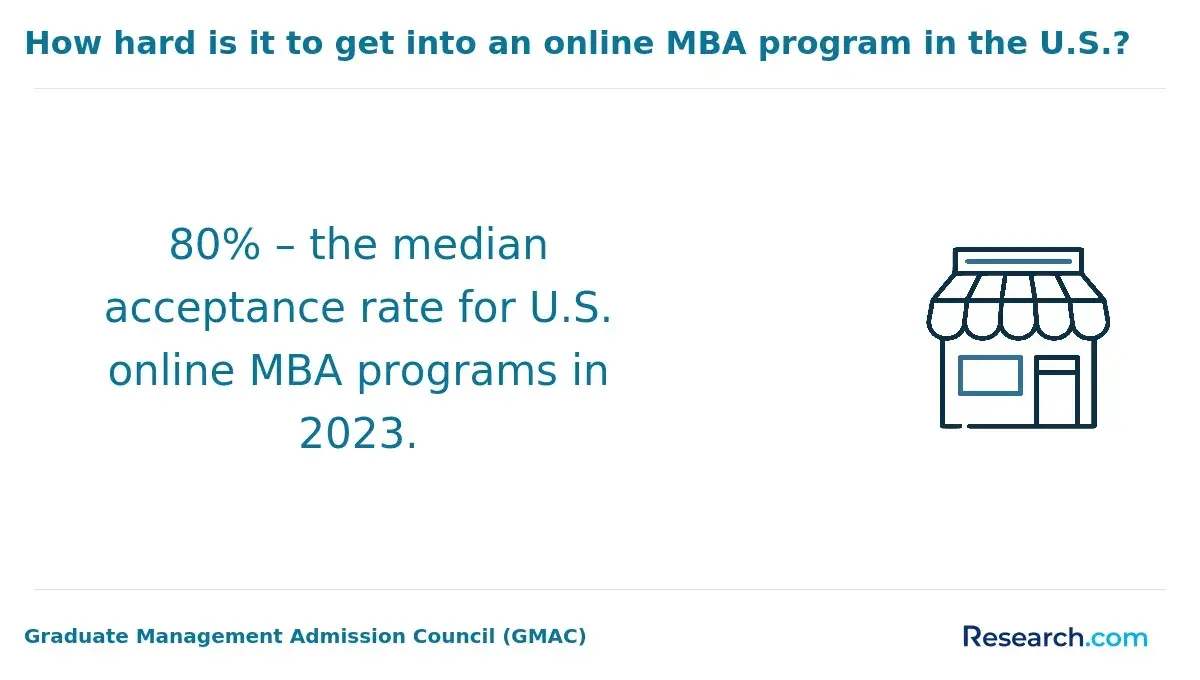
Typical admission requirements for an online MBA entrepreneurship concentration vary but generally include a bachelor's degree from an accredited institution. A minimum cumulative GPA, often around 3.0, is usually required. Candidates must submit official transcripts, a current resume showing professional experience-commonly two to three years-and a statement of purpose outlining their career goals and reasons for pursuing entrepreneurship. These components are essential when considering typical requirements for MBA entrepreneurship programs.
Standardized test scores like the GMAT or GRE may be required, but some programs waive these for applicants with significant work experience or prior graduate degrees. Letters of recommendation, typically two or three, assess leadership potential and professional abilities. Certain schools also prefer candidates who have completed foundational courses in business, accounting, or economics. Entrepreneurial initiatives such as founding startups or managing projects can strengthen applications.
International applicants often must demonstrate English proficiency through tests like TOEFL or IELTS. Because of the competitive nature of these programs, students should carefully review specific admission criteria. Prospective enrollees looking for alternatives might explore cheap online MBA programs no GMAT to find suitable options.
Salary outcomes for entrepreneurs vary widely based on business size and success. According to salarysolver.com, annual entrepreneur earnings can range from $50,000 to over $200,000, illustrating the diverse financial impact of entrepreneurship careers.
How Long Do Online MBA Entrepreneurship Programs Take?
Online MBA entrepreneurship programs generally range from 18 to 36 months to complete, depending on the institution and whether students study full- or part-time. Many schools offer part-time options to accommodate working professionals, extending the program's length up to three years. Accelerated pathways are also available, allowing completion in as little as 12 to 15 months.
Program structure plays a key role in duration. A typical 36-credit curriculum spans two to three years with courses spread over several semesters. Part-time learners often enroll in one or two classes per term, which lengthens the timeline but helps balance work and study. Full-time students usually finish within 12 to 18 months but need to devote more hours each week.
Some programs include capstone projects or entrepreneurial practicums, potentially adding months based on the project's scope. Asynchronous coursework is common, offering flexible pacing to move faster when schedules allow.
The average tuition for an online MBA in entrepreneurship was $29,513. While longer programs provide more flexibility, they may increase overall costs. Shorter programs demand a higher time commitment upfront but can reduce expenses by limiting time enrolled.
Students should weigh timelines alongside personal and career goals, balancing flexibility with the desire for rapid entry into entrepreneurship.
What Does the Curriculum Cover in an Entrepreneurship Concentration?
An entrepreneurship concentration within an online MBA program emphasizes practical skills critical for launching and growing new businesses. Core subjects typically include opportunity recognition, business model innovation, venture financing, and strategic growth management. Students build comprehensive business plans integrating market analysis, operational strategy, and financial forecasting.
The curriculum often highlights legal aspects like startup regulations and intellectual property, preparing learners for real-world challenges. Lean startup methodologies are taught to help reduce market risk through rapid idea validation. Courses also focus on leadership and decision-making within entrepreneurial settings, including investor pitching and partnership negotiations practiced through simulations or case studies.
Many programs enhance learning through experiential opportunities such as incubators, mentorship, and capstone projects. These experiences sharpen critical analytical and problem-solving abilities necessary for entrepreneurs. Key competencies developed include financial literacy, strategic thinking, and innovation management, preparing students for roles ranging from startup founders to innovation leaders in established firms.
In 2025, the Sy Syms School of Business introduced six concentrations in its online MBA, including entrepreneurship, business analytics, marketing, and accounting. This reflects a broader trend recognizing the value of specialized education in fostering sustainable business success through practical expertise.
How Much Do Online MBA Entrepreneurship Programs Cost?
The total cost of online MBA entrepreneurship programs varies significantly, typically between $20,000 and over $100,000. Public universities usually offer more affordable tuition, ranging from $20,000 to $50,000, especially for in-state students. Private and prestigious business schools often charge more than $80,000. These amounts usually cover tuition but may exclude additional fees for technology, books, and other necessary materials.
Accreditation and program quality play important roles in determining value and price. For example, Ohio University's College of Business, accredited by the Association to Advance Collegiate Schools of Business (AACSB) as of 2025, upholds strict educational standards that justify higher tuition costs. AACSB accreditation is a key indicator that the program meets rigorous quality benchmarks, which can benefit graduates seeking competitive advantages in entrepreneurial careers.
Additional expenses to consider include:
- Application and enrollment fees
- Books and materials, costing $1,000 to $3,000 per year
- Technology fees for online platform access
Financial aid, scholarships aimed at entrepreneurship students, and employer tuition reimbursement often reduce these costs. Students working full-time may find online MBA programs help avoid indirect costs like commuting and relocation. Budget-conscious candidates often prioritize accredited public universities with lower tuition.
Careful research into total program costs and accreditation status-such as AACSB, seen at Ohio University's entrepreneurship mba-is essential for informed financial decision-making.
What Careers Can You Pursue with an Entrepreneurship MBA?
An entrepreneurship MBA equips graduates with skills to innovate, lead, and drive strategic growth across diverse industries. Many graduates launch or manage startups, focusing on funding acquisition, market analysis, and operational challenges. Others work as business development managers, crafting growth strategies within established companies.
Product managers with this degree often lead innovation pipelines by blending technical knowledge with market demands. Graduates also find careers in venture capital or private equity, assessing early-stage companies for investment opportunities. Consulting roles centered on scaling businesses or entering new markets are common, as are corporate innovation positions that promote intrapreneurship within large firms.
Freelance consulting offers flexibility, allowing professionals to support multiple clients across sectors. Some entrepreneurship MBA holders create social enterprises or nonprofits, combining business acumen with mission-driven goals. Programs like Santa Clara University's Online MBA with an entrepreneurship concentration provide flexible learning paths leveraging Silicon Valley's ecosystem and Jesuit values.
Key career paths include:
- Startup founder or co-founder
- Business development manager
- Product manager
- Venture capital analyst or associate
- Strategy or innovation consultant
- Corporate innovation leader
- Social entrepreneur or nonprofit executive
This degree prepares professionals to navigate challenges such as fundraising, market disruption, and team leadership while supporting diverse work models like remote consulting aligned with modern business needs.
What Is the Salary Outlook for Entrepreneurship MBA Graduates?
Entrepreneurship MBA graduates can expect starting salaries generally ranging from $70,000 to $90,000 annually, depending on industry, role, and location. Those who establish or lead successful ventures often earn beyond $120,000, with compensation including equity or profit-sharing. Salary outcomes vary especially for self-employed entrepreneurs, whose income depends on business success rather than fixed pay.
Building a strong network is crucial. Institutions like the Sy Syms School of Business emphasize events such as their Community Night of Networking to connect alumni, faculty, and peers for exclusive mentorship and opportunities.
Careers in venture capital, startup leadership, or innovation management in tech typically offer higher financial rewards. Practical strategies to improve salary prospects include:
- Networking during and after the MBA program
- Gaining experience in fast-growing industries like healthcare and technology
- Developing skills in fundraising, business development, and financial management
An entrepreneurship concentration can lead to leadership roles in innovative companies where graduates command premium salaries, making the path a strategic choice beyond starting businesses.
What Is the Job Outlook for Entrepreneurship-Focused MBAs?
The outlook for entrepreneurship-focused MBA graduates is robust due to a surge in entrepreneurial ventures across the United States. The 2025 Global Entrepreneurship Monitor reports a historic total entrepreneurial activity rate of 19%, highlighting fertile ground for innovation and startup creation. This environment boosts demand for MBA graduates skilled in spotting market opportunities, securing capital, and scaling new businesses.
Career paths for entrepreneurship MBA holders extend beyond launching startups. Common roles include innovation management, venture capital, business development, and corporate strategy. Large corporations often recruit entrepreneurship graduates to spearhead intrapreneurial projects that foster growth and competitive advantage.
Key practical skills taught in entrepreneurship programs-such as business model development, financial forecasting, and market analysis-prepare graduates for success in both startups and established enterprises. Candidates combining entrepreneurial knowledge with technology or data analytics skills gain a competitive edge in the job market.
Prospective students should weigh several factors:
- Networking opportunities with investors and seasoned entrepreneurs
- Rising importance of entrepreneurial thinking across industries
- Potential for income volatility balanced by equity upside in startups
- Versatile skills suited for consulting, product management, and leadership roles
This 19% activity rate signals strong prospects for those pursuing entrepreneurship MBAs, emphasizing innovation and leadership in business launch environments.
Other Things You Should Know About MBA
Many MBA programs allow students to change their concentration after enrollment, but policies vary by institution. It is important to check with the program advisor early, as switching concentratons may require approval and could extend the time needed to graduate.
Typically, students do not need specific courses before starting an MBA with an entrepreneurship concentration. However, some programs may recommend or require foundational business courses or relevant work experience to ensure academic readiness.
Yes, an MBA with an entrepreneurship concentration in 2027 can be suitable for individuals without prior business experience. The program often covers foundational business concepts and includes networking opportunities, making it accessible for those looking to build a new venture or innovate within an existing organization.
References
- How Long Does An Online MBA Take? | StudyNext Australia https://studynext.com/au/resources/how-long-does-an-online-mba-take
- MBA Salary Projections 2025: How Much Will You Earn - MBA & Beyond https://www.mbaandbeyond.com/blog/mba-salary-projections-how-much-will-you-earn
- Benefits of MBA for Entrepreneurs https://gatetrainingeg.com/blog-details/93
- Mbaguide - Entrepreneurship https://www.mbaguide.org/online-mba/entrepreneurship/
- What Are the Various Prerequisites That One Should Consider Before Applying to Universities in the USA? - GroupL Education https://groupleducation.com/2024/07/12/what-are-the-various-prerequisites-that-one-should-consider-before-applying-to-universities-in-the-usa/
- Affordable Online MBA Costs for Working Professionals | Online MBA program 2025 https://ebsedu.org/blog/online-mba-costs-for-working-professionals/
- Admission Requirements for Universities in Poland: Bachelor & Master Checklist https://academgo.com/study-in-poland/admission-requirements-for-polish-universities
- Entrepreneurship MBA Career and Salary Outlook | OnlineMBA https://www.onlinemba.com/mba-careers/entrepreneurship/
- Entrepreneurs With MBA: Gaining Competitive Advantage | Walbrook https://www.walbrook.ac.uk/subjects/mba/is-mba-worth-it-for-entrepreneurs/
- Start Your Business with an Online MBA in Entrepreneurship https://paruluniversity.online/blogs/online-mba-in-entrepreneurship/