
2027 Most Popular Fine Arts Degree Programs Ranking in Hawaii

Co-Founder and Chief Data Scientist
Choosing the right fine arts degree program in Hawaii can shape your creative future in amazing ways. This article presents the 2027 Most Popular Fine Arts Degree Programs Ranking in Hawaii, developed by the Research.com team of data scientists. It's designed to help you explore top options based on real data, making your decision easier and more informed.
Whether you want to refine your artistic skills or pursue a rewarding career, pursuing a fine arts degree offers inspiration and opportunities. Dive in to discover programs that match your passion and goals.
Key benefits of getting fine arts degree in Hawaii
- Fine arts graduates in Hawaii can earn competitive salaries in creative fields such as Animator with a mean annual wage of $109,630 and Illustrator earning $71,420, making artistic careers financially rewarding.
- Graduates from institutions like the University of Hawaii find diverse career paths in graphic design, animation, and art therapy, allowing artistic passion to turn into fulfilling professional opportunities.
- Obtaining a fine arts degree online from a school like the University of Hawaii at Mānoa offers flexibility and convenience, helping students balance studies with life while still receiving quality education and support.
- Key benefits of getting fine arts degree in Hawaii
- What can I expect from fine arts degree in Hawaii?
- Where can I work with fine arts degree in Hawaii?
- How much can I make with fine arts degree in Hawaii?
- 2027 Most Popular Fine Arts Degree Programs Ranking in Hawaii
- Key Findings
- How long does it take to complete fine arts degree in Hawaii?
- Campus Life and Student Experience
- What's the difference between online and on-campus fine arts degree?
- Campus Life and Community Engagement
- What is the average cost of fine arts degree in Hawaii?
- Campus Life and Student Experience
- What financial aid is available to fine arts degree students in Hawaii?
- Additional Resources and Next Steps for Aspiring Fine Arts Students
- What are the prerequisites for enrolling in fine arts degree program in Hawaii?
- Pursuing an Advanced Degree: Master of Fine Arts (MFA) Options
- What courses are typically in fine arts degree programs in Hawaii?
- What types of specializations are available in fine arts degree programs in Hawaii?
- How do you choose the best fine arts degree in Hawaii?
- What career paths are available for fine arts degree students in Hawaii?
- What is the job market for fine arts degree in Hawaii?
- Related Fine Arts Rankings for Nearby States
- Top Trending Fine Arts Rankings
What can I expect from fine arts degree in Hawaii?
Tuition for fine arts degrees in Hawaii aligns closely with typical public university costs across the US, making quality education accessible while surrounded by breathtaking natural beauty. For example, students attending the University of Hawaii at Manoa often find tuition rates reasonable compared to mainland schools, allowing them to focus financially on their creative journey rather than overwhelming expenses.
Graduates from programs here frequently recall how personalized attention and smaller class sizes enhanced their learning experience, adding tremendous value beyond just the price. With financial aid and scholarships tailored for creative fields, many aspiring artists feel supported as they develop unique skills in painting, sculpture, digital media, and traditional Hawaiian arts within welcoming, modern studios.
Living costs in Hawaii may be higher, but many students embrace this as part of an immersive cultural experience that enriches their work and personal growth. Balancing tuition with vibrant opportunities for artistic exploration creates an inspiring environment where fine arts students thrive and launch fulfilling careers in diverse creative industries.
Where can I work with fine arts degree in Hawaii?
Graduates with a fine arts degree from institutions like the University of Hawai'i at Mānoa or Honolulu Community College find themselves thriving in Hawaii's vibrant creative industries. Many embrace careers as professional artists or illustrators, showcasing their work in local galleries and at celebrated events such as the Honolulu Biennial. These graduates often share how rewarding it is to contribute to Hawaii's rich cultural landscape through their art.
Others pursue teaching roles in public or private schools, inspiring young minds by integrating Fine Arts into the curriculum across the islands. Postsecondary opportunities also abound at community colleges and universities, allowing passionate educators to nurture future talents.
Creative professionals with a fine arts background also excel in graphic design and digital media, collaborating with tourism-driven marketing firms and media outlets to produce captivating visual content. Positions in museums like the Bishop Museum or the Honolulu Museum of Art offer meaningful careers focused on preserving Hawaiian history and culture through curation and conservation.
With a range of inspiring paths available, fine arts graduates in Hawaii find careers that bring both personal fulfillment and a chance to impact their communities positively.
How much can I make with fine arts degree in Hawaii?
Graduates from fine arts programs in Hawaii, such as those at the University of Hawaii at Manoa, often find exciting career opportunities with rewarding earnings. For example, many graphic artists enjoy a mean annual wage of around $64,700, allowing them to thrive creatively while supporting themselves financially. Illustrators and animators, who bring stories and ideas to life, can earn even more, with mean salaries of $71,420 and $109,630 respectively-figures that inspire many graduates to pursue their passion full-time.
Art therapists also represent a promising path, earning an average of $75,660 annually, combining creativity with impactful community work. Graduates pursuing these careers benefit from Hawaii's vibrant cultural scene and the growing demand in multimedia arts and design tied to tourism and local businesses. Many find joy in blending their art with the island lifestyle, often sharing their talents in galleries or educational settings while making a solid income.
These salary insights encourage fine arts students in Hawaii to envision a fulfilling future where creative expression and financial stability go hand in hand.
2027 Most Popular Fine Arts Degree Programs Ranking in Hawaii
How do we rank schools?
Investing in your education is a significant decision that can shape your future, and the Research.com team understands the importance of making informed choices. To assist prospective students in Hawaii, we have meticulously crafted the "2027 Most Popular Fine Arts Degree Programs Ranking in Hawaii." Our commitment to quality, credibility, and accuracy is reflected in the extensive research and analysis conducted to compile this ranking.
We utilized the following reputable data sources to ensure a comprehensive evaluation of fine arts degree programs:
By exploring this ranking, readers will gain valuable insights into the most popular fine arts programs in Hawaii, empowering them to make well-informed decisions about their educational journeys. For more details on our methodology, please visit our Research.com methodology page.


Key Findings
- Fine arts programs in Hawaii are offered mainly through public universities and focus on blending local Hawaiian culture with global art perspectives.
- In-state tuition for a bachelor's degree in fine arts ranges from $11,000 to $13,000 per year, while out-of-state tuition can exceed $35,000 annually.
- Additional costs include art supplies and living expenses, which tend to be higher due to Hawaii's geographic location.
- Starting salaries for fine arts graduates in Hawaii average between $30,000 and $35,000, with mid-career salaries rising to around $45,000 to $55,000.
- Job opportunities are mostly found in education, tourism, arts administration, and local galleries or museums, but the market is small and competitive.
- Internships and networking through local cultural institutions are important for career development in Hawaii's fine arts community.
How long does it take to complete fine arts degree in Hawaii?
Completing a fine arts degree in Hawaii is an exciting journey that typically takes about four years for a Bachelor of Fine Arts (BFA) or a Bachelor of Arts (BA) with a fine arts focus. Graduates from institutions like the University of Hawaii at Manoa often describe how this immersive experience combines rigorous coursework with vibrant cultural influences, making the time invested deeply rewarding.
For many students, full-time enrollment offers a clear path to completing their undergraduate degree within this timeframe, balancing core art classes, electives, and community projects that ignite creativity. Some find the flexibility to adapt their studies around internships or part-time schedules, allowing them to grow professionally while respecting personal commitments.
Those passionate about advancing their craft may choose to pursue a Master of Fine Arts (MFA), which usually requires an additional two to three years. This phase inspires intensive studio work and culminates in a final exhibition or thesis, empowering graduates to step confidently into professional art careers or teaching roles.
Campus Life and Student Experience
Studying Fine Arts in Hawaii isn’t just about classroom learning-it’s about immersing yourself in a vibrant, culturally rich community. Students experience a dynamic campus life where art blends with local traditions, inspiring creativity both inside and outside the studio. Daily interactions with peers, participation in local art festivals, and collaborative projects often extend beyond campus boundaries, transforming everyday life into a continuous learning journey. Many campuses offer community art workshops, gallery shows, and opportunities to engage with emerging local artists, which enrich your academic experience and build lasting connections. If you’re researching your options, exploring the most affordable fine arts programs in hawaii can provide valuable insights into how budget-friendly choices support an engaging student life. Ultimately, the balance of structured academic rigor and the spontaneous creativity that comes from Hawaii’s unique cultural environment makes pursuing a Fine Arts degree here an enriching overall experience.
What's the difference between online and on-campus fine arts degree?
Choosing between online and on-campus fine arts degrees in Hawaii offers unique and exciting paths to express your creativity. At universities like the University of Hawaii, on-campus students thrive through hands-on studio work, surrounded by inspiring landscapes and supportive peers who share their passion. Graduates often cherish the vibrant community connections and real-time feedback from experienced instructors, all while enjoying access to specialized equipment and local galleries.
Meanwhile, online programs bring remarkable flexibility to those balancing life's demands, making it possible to pursue art without stepping off your lanai. Digital platforms enable virtual critiques and interactive lessons, helping students stay motivated and engaged no matter where they live. Many graduates appreciate this freedom, blending their artistic journey with personal commitments.
Whether surrounded by Hawaii's natural beauty in a studio or creating at your own pace online, fine arts studies in Hawaii empower you to grow boldly-turning visions into tangible art that resonates deeply within and beyond the islands.
Campus Life and Community Engagement
Studying Fine Arts in Hawaii isn’t just about mastering technique in the classroom-it’s also an immersive experience in a vibrant cultural setting. Students quickly discover that campus life here is intertwined with the creative community, offering opportunities to participate in local art festivals, collaborative workshops, and community-based projects that celebrate Hawaiian heritage. This blend of academic learning and cultural immersion helps build a robust network that lasts well beyond graduation. Participating in extracurricular clubs, on-campus art exhibitions, and local internships further enhances your experience, preparing you for a successful career while enriching your personal growth. For those seeking budget-friendly options without compromising quality, you might also explore the most affordable fine arts programs in hawaii, which provide a supportive, creative environment alongside practical opportunities for community engagement and experiential learning.
What is the average cost of fine arts degree in Hawaii?
The average cost of a fine arts degree in Hawaii offers a unique blend of opportunity and investment. Many graduates from the University of Hawaii at Mānoa, a premier choice for aspiring artists, find the median in-state total cost to be approximately $12,186, a figure that reflects Hawaii's balancing act between quality education and accessibility. This cost allows students to immerse themselves fully in creative exploration without overwhelming financial strain, making it an encouraging prospect for local students passionate about fine arts.
For those coming from outside the state, the median total cost rises to around $53,169, a number that mirrors the premium and allure of studying in such an inspiring environment. Out-of-state students often embrace this investment as a key step towards thriving artistic careers, supported by Hawaii's vibrant art communities and resources. Many graduates fondly recall how the dynamic campus life and close-knit artistic circles helped turn tuition into a powerful gateway to professional growth and creative fulfillment.
Considering the Hawaii fine arts degree tuition and fees alongside additional expenses like art supplies and living costs enriches a student's understanding of the full picture. Yet, the rewards are clear: studying here unlocks unique perspectives and opportunities that fuel artistic innovation. Prospective students aiming to find the most affordable fine arts programs in Hawaii can discover programs tailored to their budgets and ambitions, blending affordability with excellence in an island setting filled with natural beauty and cultural richness.

Campus Life and Student Experience
For many students, the Fine Arts journey extends well beyond classroom lectures and studio sessions. Campus life in Hawaii offers a dynamic blend of creative communities, cultural events, and collaborative opportunities that enhance both personal growth and artistic development. Students often connect through art clubs, gallery exhibitions, and community projects that bring the local art scene alive. Engaging with these extracurricular activities helps build networks, encourages experimentation, and nurtures a sense of belonging to a vibrant creative community. Moreover, many institutions emphasize hands-on experiences and mentorship programs that not only refine techniques but also inspire professional confidence. For prospective students balancing quality education and a rich campus experience, it’s worth exploring options like the most affordable fine arts programs in hawaii, which offer robust support both academically and in extracurricular life. Embracing campus life in Hawaii can therefore provide a well-rounded education that prepares artists for a fulfilling career in a diverse and ever-evolving cultural landscape.
What financial aid is available to fine arts degree students in Hawaii?
Fine arts students in Hawaii have a remarkable range of financial aid options that make pursuing their creative passions more attainable. Graduates from the University of Hawaii often share how federal aid, such as the Pell Grant, eased their tuition burden by covering thousands annually without repayment obligations. Completing the FAFSA opens doors to these essential funds, empowering students to focus more on their artistry than finances.
Beyond federal aid, state scholarships from organizations like the Hawaii Community Foundation provide valuable support tailored to local residents. Many fine arts students express gratitude for community-backed grants rewarding talent and dedication, including those offered by the Hawai'i State Foundation on Culture and the Arts, which foster both creativity and connection.
Work-study programs within university galleries also enable students to gain meaningful experience while earning. Several reported how campus art roles enriched their portfolios and helped cover living expenses. Together, these opportunities build a supportive network that encourages aspiring Hawaiian artists to thrive.
Additional Resources and Next Steps for Aspiring Fine Arts Students
Navigating your educational and career path in Fine Arts can be just as creative as it is challenging. As you reflect on program rankings, course offerings, and career prospects, it’s important to take proactive steps toward your future success. In this section, you’ll find practical advice and curated resources to help you bridge the gap between research and action. First, consider setting up informational interviews with current students or alumni to gain firsthand insights into the day-to-day reality of working in Hawaii’s vibrant art scene. Additionally, attend virtual or in-person campus tours and industry networking events to understand how each institution’s culture and facilities align with your creative aspirations. For students who are budget-conscious, exploring options like the most affordable fine arts programs in hawaii can give you a head start in managing expenses without compromising on quality. Finally, compile all your findings and questions into a personalized checklist that covers academic prerequisites, potential career paths, internship or mentorship opportunities, and financial planning options. Taking focused steps now will empower you to make an informed decision as you prepare for the exciting journey ahead in the fine arts world.
What are the prerequisites for enrolling in fine arts degree program in Hawaii?
To begin an exciting journey in fine arts in Hawaii, you'll typically need a high school diploma or an equivalent like a GED, laying a solid foundation for your creative ambitions. Many students who have thrived at the University of Hawaii describe how their dedication to core subjects, especially English and mathematics, helped them embrace the rich artistic curriculum with confidence.
Beyond academics, assembling a vibrant portfolio is a joyful challenge often embraced by aspiring artists. This collection of your best work tells the story of your technical skills and your unique voice-much like graduates from Hawaii's private art colleges who reflect on how preparing their portfolio sparked new creative passions.
- Completion of foundational high school courses including arts and math supports your readiness.
- Submitting a thoughtful portfolio showcases your artistic potential and dedication.
- Letters of recommendation capture the encouragement and belief mentors have in your journey.
- Writing a personal statement offers a heartfelt chance to share your dreams and vision.
By fulfilling these heartfelt prerequisites, you position yourself among Hawaii's vibrant community of artists, ready to transform inspiration into meaningful creative expression.
Pursuing an Advanced Degree: Master of Fine Arts (MFA) Options
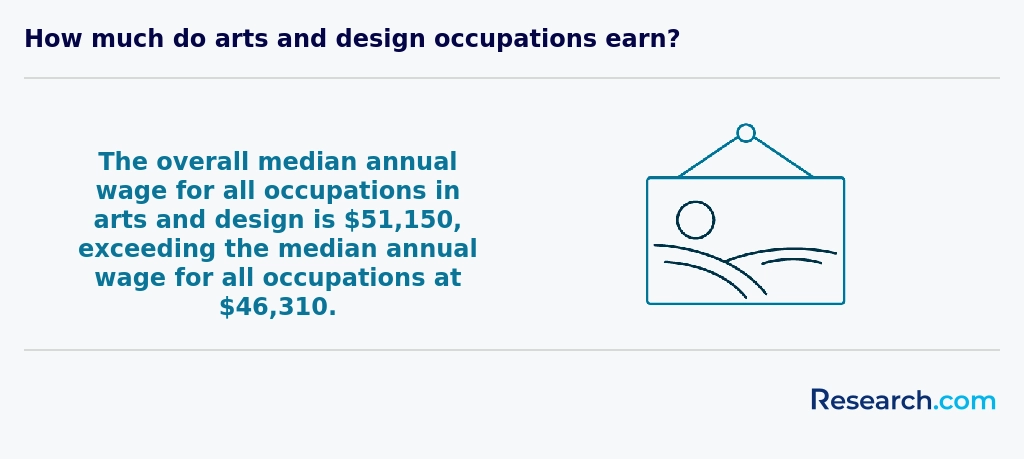
For students looking to deepen their practice and expand career prospects, earning an MFA can be transformative. MFA programs typically focus on advanced studio work, critical theory, and professional preparation, helping graduates refine a signature style and build a network of peers and mentors. When evaluating MFA options, consider factors such as faculty expertise, exhibition opportunities, residency requirements, and cost. Many aspiring artists now turn to online formats for greater flexibility; you can explore the most affordable online mfa programs to balance rigorous training with life and work commitments. Key considerations when choosing an MFA: • Curriculum focus – studio intensity versus research or pedagogy • Residency format – fully online, hybrid, or on-campus intensives • Exhibition and publication support – galleries, symposia, and thesis shows • Funding and assistantships – tuition waivers, stipends, and teaching opportunities By comparing program outcomes and alumni trajectories, you can select an MFA path that aligns with your artistic goals and ensures a solid return on your educational investment.
What courses are typically in fine arts degree programs in Hawaii?
Fine arts degrees in Hawaii immerse students in a vibrant blend of courses that ignite creativity and skill. At institutions like the University of Hawaii at Manoa and Honolulu Community College, graduates recall how foundational classes in drawing, painting, and sculpture empowered them to express their unique vision inspired by the islands' breathtaking landscapes and cultural richness.
Students also dive into art history and theory, connecting global artistic movements with Hawaii's indigenous traditions and Pacific influences, making each project deeply personal and culturally resonant. Specialized courses such as ceramics, digital media, and photography bring hands-on experience that challenges students to merge tradition with innovation.
Many fine arts students cherish opportunities to engage in critique sessions and professional practice classes, where they refine portfolios and gain confidence in planning exhibitions or navigating the art world. The inspiring community atmosphere on campuses encourages collaboration and growth, opening doors to internships focused on Hawaii's local art scene and environmental themes.
What types of specializations are available in fine arts degree programs in Hawaii?
Students pursuing a fine arts degree in Hawaii find inspiring options tailored to their creative passions and cultural roots. Popular specializations reflect both traditional and modern artistry, with programs at well-known institutions like the University of Hawaii offering unique chances to connect with indigenous Hawaiian themes. Graduates often describe their experiences in painting and drawing as deeply rewarding, as they explore techniques that capture the island's vibrant landscapes and cultural stories.
Other specializations such as sculpture and ceramics invite students to engage with Polynesian art forms and materials, enriching their skills through hands-on projects that honor local heritage. Photography students thrive amid Hawaii's breathtaking scenery, developing both artistic vision and technical expertise. Digital arts and multimedia attract those excited about innovation, blending graphic design, animation, and interactive media into their creative toolkit.
Those interested can discover more about the most affordable online mfa programs that complement Hawaii fine arts programs with specialization options, making the dream of an art degree even more accessible.
How do you choose the best fine arts degree in Hawaii?
Choosing the best fine arts degree in Hawaii means immersing yourself in a vibrant creative community that reflects the islands' rich culture and natural beauty. Many graduates from popular universities on Oahu find that connecting with local Native Hawaiian art traditions sparks inspiration and fuels unique artistic expression. When exploring fine arts degree programs in Hawaii, look for schools offering varied specializations-from traditional painting to cutting-edge digital arts-that align with your passion and career goals.
Cost is always a consideration, and affordable fine arts colleges Hawaii can provide excellent education without overwhelming expenses. Graduates often share how hands-on experiences in studios, galleries, and outdoor workshops shaped their skills and boosted confidence. The faculty's industry experience in these programs frequently opens doors to internships and exhibitions, increasing post-graduation success.
For those eager to launch creative careers quickly, exploring 6 month certificate programs that lead to high paying careers can be a great complement or alternative. Taking the time to visit campuses or attend virtual tours can help you feel the inspiring energy of each fine arts environment as you make your choice.
What career paths are available for fine arts degree students in Hawaii?
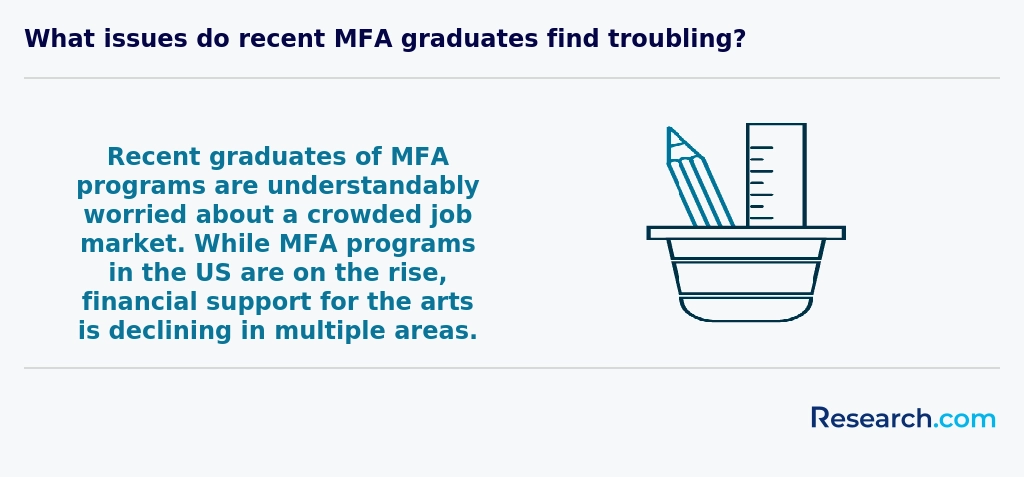
Graduates holding a fine arts degree in Hawaii discover a wealth of fine arts career opportunities in Hawaii that celebrate the islands' rich cultural heritage. Many find fulfilling roles as gallery and museum curators, immersing themselves in Hawaii's vibrant art scene. Others inspire the next generation as art educators in local schools or community programs. Graduates frequently thrive in graphic design and digital media, contributing to Hawaii's dynamic tourism and entertainment sectors with innovative visual storytelling.
At leading institutions like the University of Hawaii at Manoa, students build strong creative foundations that open doors to performing arts careers in theater, dance, and music, rooted deeply in Hawaii's unique traditions. Some artists embrace freelance or studio life, selling their work both locally and online, energized by the state's active art market. Fine arts degree job prospects Hawaii also include exciting fields such as cultural resource management and arts administration, blending creativity with the stewardship of island culture.
For those eager to expand skills quickly, many graduates pursue short courses that pay well, boosting their versatility. This landscape offers inspiring avenues where passion meets purpose, making fine arts a truly empowering path in Hawaii.
What is the job market for fine arts degree in Hawaii?
The job market for fine arts degree graduates in Hawaii reflects a vibrant blend of cultural richness and unique opportunities shaped by the state's deep connection to indigenous Hawaiian traditions and a thriving tourism economy. Graduates from institutions like the University of Hawaii at Manoa often find rewarding careers in galleries, museums, and educational settings, where their artistic talents help preserve and celebrate local heritage. Fine arts degree job outlook Hawaii favors those who combine creativity with skills in digital media or business, offering freelance and commercial art roles linked to tourism.
Many graduates feel a strong sense of fulfillment working in community arts centers or teaching visual arts, positively impacting both locals and visitors. The combination of hands-on creativity and cultural appreciation makes Hawaii's fine arts careers truly inspiring. Students can also explore diverse paths, including hybrid careers, further enhanced by flexible options such as doctorates without dissertation that support ongoing creative and academic growth.
Fine arts graduates embrace the challenge of Hawaii's competitive market by developing versatile skills, opening doors beyond traditional art roles and enriching Hawaii's dynamic art scene.
Frequently Asked Questions About fine arts
Fine arts degree students in Hawaii can maximize their learning experience by actively engaging with both academic and community resources. Hawaii offers unique cultural perspectives that enrich artistic expression, so students should immerse themselves in local art scenes, galleries, and festivals. Collaborations with native artists and participation in internships at cultural centers provide practical insights beyond the classroom. According to the National Center for Education Statistics, experiential learning significantly improves skill development in fine arts programs nationwide. Additionally, students should utilize campus facilities such as studios and workshops, as well as seek mentorship from faculty with diverse expertise, to broaden their technical and conceptual skills.
Emerging niches within the fine arts field reflect evolving technologies and cultural trends, especially relevant for students pursuing degrees in Hawaii. Digital arts, including 3D modeling and virtual reality, offer new creative outlets blending technology with traditional skills. Additionally, sustainable art practices are gaining attention as artists focus on environmental themes, aligning with Hawaii's strong ecological values.
Another growing area is public art curation, which combines community engagement with creative expression-important in Hawaii's diverse cultural landscape. Data from the National Endowment for the Arts shows a 12% rise in digital fine arts employment nationally, a trend also mirrored in Hawaiian arts organizations adapting to digital platforms.
After earning a fine arts degree in Hawaii, graduates should focus on building a strong professional portfolio showcasing their best work. A well-curated portfolio is essential for job interviews, gallery exhibitions, and freelance opportunities. Networking within Hawaii's local art communities, including events hosted by the Hawaii State Foundation on Culture and the Arts, can open doors to valuable connections.
Consider internships or part-time roles at cultural institutions like the Honolulu Museum of Art to gain practical experience. According to the U.S. Bureau of Labor Statistics, fine arts employment growth is projected at 1% nationally, making relevant experience crucial. Additionally, graduates should explore digital platforms to expand their exposure beyond Hawaii's islands.
Employers in Hawaii value fine arts graduates who demonstrate strong creative problem-solving skills and adaptability. These skills are essential for careers in Hawaii's vibrant art scene, including galleries, cultural institutions, and community arts programs. According to the National Endowment for the Arts, artists with versatile technical abilities and proficiency in digital media are in higher demand statewide. Communication skills are also critical, as fine arts professionals often collaborate across various disciplines and engage with diverse audiences. Additionally, knowledge of Hawaiian culture and history enhances a graduate's appeal by aligning their work with local traditions and values, a key factor in many employers' hiring decisions.
Finding internships in Hawaii relevant to a fine arts degree involves leveraging local arts organizations, galleries, and educational institutions. The University of Hawaii at Manoa offers connections to internships through its art department, where students often partner with museums like the Honolulu Museum of Art or community art centers.
Hawaii's creative industry is smaller than on the mainland, so networking is crucial. Students should attend local art events and engage with organizations such as the Hawai'i State Foundation on Culture and the Arts, which supports internships and art projects. Additionally, online platforms like Handshake and local job boards may list opportunities specific to the region.
According to the National Endowment for the Arts, Hawaii ranks high in cultural engagement, suggesting meaningful internship experiences exist within the state's tight-knit fine arts community.
A fine arts degree in Hawaii can significantly enhance career mobility and advancement, particularly within the state's growing creative sectors. Graduates often find opportunities in galleries, museums, educational institutions, and design firms. According to the Hawaii Department of Labor, arts-related occupations are projected to grow by 5% over the next decade, reflecting steady demand.
Possessing formal training allows candidates to compete for leadership roles, such as curators or art directors, that require both artistic skill and academic credentials. Additionally, Hawaii's unique cultural environment fosters specialized knowledge in Pacific and Indigenous art forms, which can distinguish graduates professionally.
Connections made during degree programs also open doors to internships and networking, critical for career advancement in the arts. The University of Hawaii system reports that alumni with fine arts degrees have a higher employment rate within creative industries compared to non-degree holders.
Studying for a fine arts degree in Hawaii offers unique interdisciplinary opportunities driven by the state's rich cultural diversity and vibrant arts scene. Many programs integrate traditional Hawaiian art forms with contemporary practices, encouraging collaboration across disciplines such as digital media, performance, and community engagement. This approach equips students to work effectively in fields like museum curation, art education, and multimedia production.
Hawai'i institutions emphasize experiential learning, often partnering with local cultural organizations and businesses. According to the National Center for Education Statistics, fine arts programs in Hawaii increasingly include coursework in technology and business, reflecting the evolving demands of creative industries nationwide. This blend prepares graduates to navigate diverse roles beyond conventional art careers.
When choosing between a thesis and a non-thesis fine arts degree program in Hawaii, prospective students should consider their career goals and interests. Thesis programs typically involve a substantial research or creative project, ideal for those aiming for advanced study or careers in academia and curatorial work. Non-thesis options often focus on practical skills and portfolio development, which can suit students preparing for professional art practice.
Institutions like the University of Hawaii offer both paths, with thesis tracks requiring additional credits and faculty mentoring. According to the National Center for Education Statistics, about 40% of fine arts graduates in the U.S. pursue thesis-based degrees, reflecting demand for research skills.
Choosing depends on whether you prefer a research-intensive experience or a more practice-oriented curriculum.
Students based in Hawaii who wish to study fine arts abroad have several options through US university partnerships and study abroad programs. Many mainland institutions with well-known fine arts departments offer semester or year-long exchange programs in Europe, Asia, or Australia. These opportunities allow Hawaiian students to gain international experience while earning credits toward their degrees.
Universities often coordinate with programs that emphasize classical art centers such as Italy and France, giving students exposure to rich artistic traditions. Additionally, scholarships and grants are available specifically for study abroad in arts disciplines, helping Hawaiian students manage costs.
According to the Institute of International Education, participation in study abroad programs among US arts students has grown steadily, reflecting increasing value placed on global experience within the fine arts field.
In Hawaii, part-time jobs that complement fine arts degree education often involve hands-on creative work and community engagement. Opportunities include positions as art instructors at local community centers, galleries, or museums. For example, the Honolulu Museum of Art occasionally hires assistants for exhibitions and educational programs. Additionally, freelance graphic design or illustration jobs serve as flexible options, allowing students to build portfolios while earning income. According to the U.S. Bureau of Labor Statistics, employment for artists and related workers in Hawaii is expected to grow modestly through 2028, making such roles viable for students. Working at art supply stores is another common option that offers industry insight.
Fine arts students in Hawaii benefit from diverse networking opportunities through local universities, galleries, and cultural organizations. Institutions like the University of Hawaii at Manoa host events, guest lectures, and exhibitions that connect students with established artists and industry professionals. The Hawaii State Foundation on Culture and the Arts provides grants and programs encouraging collaboration between emerging and experienced artists.
The vibrant arts community in Honolulu regularly organizes workshops, artist residencies, and public shows, fostering valuable relationships. According to the National Endowment for the Arts, Hawaii allocates over $1 million annually to support creative endeavors, enhancing networking possibilities for fine arts students statewide.
Alumni networks play a crucial role for fine arts degree students in Hawaii by providing valuable connections within the local and broader art communities. Graduates often gain access to mentorship opportunities, which can help them navigate the competitive art industry. According to the National Endowment for the Arts, Hawaii's creative sector supports over 15,000 jobs, making effective networking essential for career growth.
These networks also share job openings, gallery exhibitions, and community events specific to Hawaii's unique cultural environment. Through alumni, students can find internships and collaborations that enhance their portfolios. Universities like the University of Hawaii at Manoa actively facilitate these relationships to boost their graduates' professional success.
In Hawaii, students pursuing fine arts degrees can customize their programs through elective courses, interdisciplinary studies, and practical experiences. Many institutions offer concentrations such as painting, sculpture, digital media, or art history, allowing students to align their studies with specific career goals. Internships and community projects, often available through local galleries and cultural centers, provide hands-on experience relevant to the Hawaiian arts scene.
Students can also choose courses focusing on Pacific Islander arts, which is unique to Hawaii and valuable for careers in cultural preservation or education. According to the National Center for Education Statistics, about 40% of fine arts students in Hawaii engage in such focused studies, enhancing job readiness.
Fine arts students in Hawaii often face challenges related to limited local resources and networking opportunities. Compared to mainland institutions, Hawaii has fewer dedicated fine arts programs and art facilities, which can restrict access to specialized equipment or advanced courses.
Another hurdle is the high cost of living, with Honolulu ranking among the most expensive U.S. cities, impacting students' budgets for materials, studio space, and living expenses. According to the National Endowment for the Arts, funding for arts education in Hawaii is lower than the national average, further constraining available support.
Additionally, geographic isolation may make it harder for students to engage with broader art communities or participate in mainland exhibitions and internships essential for career growth.
A fine arts degree opens doors to various professional certifications that can enhance your career in the creative industry. In Hawaii, graduates commonly pursue teaching certifications if they aim to work in schools, requiring completion of a state-approved teacher preparation program and passing the Praxis exams. Another option is certification in museum studies or art curation, which can support roles in Hawaii's cultural institutions. Additionally, some artists obtain certification in graphic design software or digital arts to improve technical skills valuable in Hawaii's growing multimedia sector. These certifications help fine arts graduates increase job prospects and professional credibility.
Applying to a fine arts program in Hawaii requires a well-crafted portfolio that showcases your unique style and technical skills. Most programs, such as those at the University of Hawaii, emphasize originality and craftsmanship. Include a variety of media to demonstrate versatility.
Additionally, submit a clear, concise personal statement explaining your artistic goals and why Hawaii's cultural environment inspires your work. According to the National Center for Education Statistics, about 75% of fine arts applicants in U.S. public institutions include a statement, making it a crucial element.
Letters of recommendation from art instructors or professionals familiar with your abilities can strengthen your application. Also, adhere to each college's specific requirements and deadlines carefully.
Fine arts careers hold a unique place in the global job market, blending creativity with professional opportunities. In the United States, including Hawaii, fine arts graduates often pursue careers in design, media, and education. According to the National Endowment for the Arts, employment in arts and design occupations is expected to grow 4% from 2020 to 2030, aligning closely with average job growth nationally.
Hawaii's rich cultural environment supports fine arts through museums, galleries, and festivals, offering practical experience and networking for students. The University of Hawaii system reports increasing enrollment in fine arts programs, reflecting growing interest in creative professions across the state. Globally, fine arts careers emphasize adaptability and interdisciplinary skills, important for success amid evolving cultural trends and digital innovation.
Students pursuing fine arts degrees in Hawaii can gain practical experience through internships and community engagement programs offered by local universities such as the University of Hawaii at Manoa. These programs often partner with galleries, theaters, and cultural institutions across the islands, providing hands-on opportunities in art curation, exhibition, and production. Additionally, Hawaii's vibrant native arts scene allows students to collaborate on projects that blend traditional Polynesian arts with contemporary practices. According to the National Endowment for the Arts, participating in internships enhances employment prospects by 20% for graduates in the US arts sector. Volunteering at local art festivals is another valuable way to build real-world skills.
Choosing the right concentration within a fine arts degree program in Hawaii involves understanding your personal interests and career goals. Popular concentrations include painting, sculpture, digital media, and printmaking, each offering unique skills and artistic approaches.
Research local institutions such as the University of Hawaii, where approximately 30% of fine arts students specialize in digital arts, reflecting industry demand. Consider program offerings, faculty expertise, and available studio resources to ensure alignment with your focus.
Hands-on experience is essential; choose concentrations that provide significant practical work. Additionally, explore internship opportunities within Hawaii's arts community to boost real-world skills and networking.
Related Fine Arts Rankings for Nearby States
- 2027 Most Popular Fine Arts Degree Programs Ranking in California
- 2027 Most Popular Fine Arts Degree Programs Ranking in Oregon
- 2027 Most Popular Fine Arts Degree Programs Ranking in Washington
- 2027 Most Popular Fine Arts Degree Programs Ranking in Arizona
- 2027 Most Popular Fine Arts Degree Programs Ranking in Idaho
- 2027 Most Popular Fine Arts Degree Programs Ranking in Utah
- 2027 Most Popular Fine Arts Degree Programs Ranking in South Dakota
- 2027 Most Popular Fine Arts Degree Programs Ranking in North Dakota
- 2027 Most Popular Fine Arts Degree Programs Ranking in Kansas
- 2027 Most Popular Fine Arts Degree Programs Ranking in Missouri
Top Trending Fine Arts Rankings
References
- Fine Arts https://www.wits.ac.za/course-finder/undergraduate/humanities/fine-arts/
- Why I chose to study Fine Art https://www.falmouth.ac.uk/student-voice/why-i-chose-to-study-fine-art
- Standards & Guidelines » CAA Guidelines https://www.collegeart.org/standards-and-guidelines/guidelines/mfa
- Certificate of Fine Arts | CFA Programs - New York Academy of Art https://nyaa.edu/continuing-studies/certificate-of-fine-arts/
- Fine Arts https://en.uap.edu.pl/admission/programmes/fine-arts/
- What Alumni Say https://www.cityandguildsartschool.ac.uk/ma-fine-art/student-and-alumni-case-studies/
- Complete guide to studying Fine Arts - TAI Arts https://taiarts.com/en/blog/guide-to-studying-fine-arts/
- How to Network as an Artist - AGI Fine Art Blog https://agifineart.com/advice/the-art-of-reputation-how-to-network-if-youre-an-emerging-artist/
- Networking - Weaving Your Web as an Art Graduate - Visual Artists Association https://visual-artists.org/resources/networking-weaving-your-web-as-an-art-graduate/
- Three ways fine arts colleges help you grow as an artist https://www.cca.edu/newsroom/three-ways-fine-arts-college-will-help-you-grow-artist/


