
2027 Most Popular Fine Arts Degree Programs Ranking in Illinois

Co-Founder and Chief Data Scientist
Choosing the right fine arts degree program can be a thrilling step toward a creative and fulfilling future. If you're in Illinois and passionate about the arts, this article is made especially for you.
Our 2027 Most Popular Fine Arts Degree Programs Ranking in Illinois was developed by the Research.com team of data scientists to guide you in making an informed decision. It highlights programs that align with your goals and talents.
Explore your options confidently, knowing this resource supports your journey to turning artistic dreams into reality.
Key benefits of getting fine arts degree in Illinois
- Salary for fine arts degree graduates: Graduates in Illinois can expect competitive salaries such as $109,630 annually for animators, $71,420 for illustrators, and $64,700 for graphic artists, reflecting strong earning potential in creative fields.
- Career paths: Fine arts graduates from institutions like the School of the Art Institute of Chicago pursue diverse careers including animation, illustration, graphic design, and art therapy, offering plenty of options to match your passion and skills.
- Benefits of an online degree: Earning a fine arts degree online from schools like Governors State University allows flexibility to balance work and study, while offering access to the same quality education and portfolio-building opportunities as traditional programs.
- Key benefits of getting fine arts degree in Illinois
- What can I expect from fine arts degree in Illinois?
- Where can I work with fine arts degree in Illinois?
- How much can I make with fine arts degree in Illinois?
- 2027 Most Popular Fine Arts Degree Programs Ranking in Illinois
- Key Findings
- How long does it take to complete fine arts degree in Illinois?
- Emerging Trends in Fine Arts Education and the Creative Industry
- What's the difference between online and on-campus fine arts degree?
- Tips for Building a Strong Fine Arts Portfolio and Application
- What is the average cost of fine arts degree in Illinois?
- Accreditation and Quality Assurance
- What financial aid is available to fine arts degree students in Illinois?
- Accreditation and Quality Assurance in Fine Arts Programs
- What are the prerequisites for enrolling in fine arts degree program in Illinois?
- Campus Life & Student Experience in Illinois Fine Arts Programs
- What courses are typically in fine arts degree programs in Illinois?
- What types of specializations are available in fine arts degree programs in Illinois?
- How do you choose the best fine arts degree in Illinois?
- What career paths are available for fine arts degree students in Illinois?
- What is the job market for fine arts degree in Illinois?
- Related Fine Arts Rankings for Nearby States
- Top Trending Fine Arts Rankings
What can I expect from fine arts degree in Illinois?
The average cost of pursuing a fine arts degree in Illinois mainly depends on whether you attend a public or private institution. Public universities like Illinois State University typically charge around $13,000 per year for in-state tuition, which many students find manageable when combined with state-specific scholarships and grants, such as those from the Illinois Arts Council Agency. Graduates often describe how these financial aids eased their path and allowed them to focus more on developing their artistic skills rather than worrying about expenses.
Private institutions, such as the School of the Art Institute of Chicago (SAIC), have higher tuition rates, but many students consider the investment worthwhile because of the strong professional networks and hands-on experiences available through local gallery partnerships and internships. Those connections often lead to early career opportunities, making the higher price feel more like a gateway than a barrier.
When budgeting, consider additional costs like materials and exhibition fees, which can vary but are essential parts of building a professional portfolio in Illinois's vibrant arts community.
Where can I work with fine arts degree in Illinois?
Graduates from fine arts programs at schools like the School of the Art Institute of Chicago or Illinois State University often find rewarding job opportunities in museums and galleries throughout Illinois. Picture yourself working as a curator or exhibit designer at institutions such as the Art Institute of Chicago, contributing directly to preserving and presenting art in ways that engage communities.
Many graduates also pursue art education, finding positions as art teachers in public schools in Chicago or suburban districts where the demand for qualified instructors remains strong. For those who enjoy working with students, this path offers steady work and the chance to inspire young artists.
If you prefer a freelance or entrepreneurial route, Chicago's creative agencies and design firms offer roles in graphic design, branding, and digital media. Graduates share how starting small studios or collaborating on public art projects, often supported by state grants, has helped them build sustainable careers.
Additionally, some apply their skills in art therapy within hospitals or rehabilitation centers after obtaining required certifications, blending creativity with meaningful mental health work.
How much can I make with fine arts degree in Illinois?
Graduates with fine arts degrees in Illinois can expect varied earnings depending on their chosen career path. For example, graphic artists, often employed by design firms or media companies in Chicago, earn a mean annual wage of about $64,700. This aligns with the bustling creative economy found at schools like the School of the Art Institute of Chicago, where students learn skills that directly apply to such roles.
Illustrators, who may work freelance or with publishing houses statewide, have an even higher mean salary around $71,420. This reflects the technical skill and artistic versatility emphasized in programs at universities like Illinois State University. Graduates often feel optimistic seeing this earning potential after completing their studies.
Animator graduates tend to earn the most in this group, with a mean annual wage near $109,630. Their advanced training in digital arts and storytelling, often acquired at Illinois universities with specialized animation tracks, prepares them well for competitive positions in the entertainment and tech industries.
For those interested in therapeutic arts, art therapists earn roughly $75,660 annually, a career that combines creativity with meaningful community impact. Graduates pursuing this path appreciate how their degree promotes both personal fulfillment and stable income.
2027 Most Popular Fine Arts Degree Programs Ranking in Illinois
How do we rank schools?
Investing in your education is a significant decision that can shape your future, and the Research.com team is committed to helping you make well-informed choices. We have carefully developed the "2027 Most Popular Fine Arts Degree Programs Ranking in Illinois" with a focus on quality, credibility, and accuracy. Our extensive research and analysis draw from multiple trusted data sources to ensure a comprehensive evaluation.
We utilized the following reputable data sources to create this ranking:
By exploring this ranking, readers will gain valuable insights into the best fine arts degree programs in Illinois, empowering them to select the right educational path with confidence. For more information on how the ranking was created, please visit our Research.com methodology page.


Key Findings
- Fine arts programs in Illinois are available at public universities, private colleges, and specialized art schools.
- Annual tuition for public universities ranges from $12,000 to $16,000 for in-state students, while private and specialized schools can charge over $30,000.
- Additional costs include supplies, materials, and studio fees, which tend to be higher for fine arts students.
- Entry-level salaries for fine arts graduates typically range from $38,000 to $45,000 per year.
- Experienced fine arts professionals may earn between $55,000 and $65,000 annually.
- Illinois offers growing opportunities in digital media and interdisciplinary art fields, enhancing job prospects for graduates.
How long does it take to complete fine arts degree in Illinois?
Completing a fine arts degree in Illinois typically takes about four years when attending full-time at schools like the University of Illinois at Urbana-Champaign or Illinois State University. Graduates often share how maintaining a steady course load of around 120-130 credit hours balances the demands of studio work, art theory, and electives without feeling overwhelming.
Some students speed up their progress by enrolling in summer classes, but because fine arts projects require hands-on time and creativity, this path demands disciplined time management. Others working part-time or balancing personal commitments at the School of the Art Institute of Chicago find they take five or more years to complete their degree comfortably while excelling in their craft.
Graduate studies, such as the Master of Fine Arts (MFA), usually add two to three years beyond undergrad. Many students appreciate this period for its focus on exhibitions and professional development, enriching their portfolio and career readiness. Understanding these timelines helps you realistically plan your degree journey in Illinois.
Emerging Trends in Fine Arts Education and the Creative Industry
As the world rapidly evolves, Fine Arts education in Illinois is experiencing transformative trends that are reshaping both academic programs and career opportunities. Today’s programs are increasingly integrating digital technologies, immersive media, and interdisciplinary studies to prepare students for a dynamic creative landscape. One notable development is the growing emphasis on digital art forms, including animation, virtual reality, and interactive installations, which are bridging traditional techniques with modern innovation. This evolution is reflected in curriculum updates at institutions that now offer courses in digital media production, coding for art, and augmented reality design. Students are also benefiting from strengthened collaborations with industry professionals and local arts organizations, enhancing networking opportunities and providing firsthand experience with cutting-edge practices. For example, many programs now host industry panels, portfolio reviews, and internship opportunities with leading creative agencies and tech startups. Prospective students interested in a curriculum that blends foundational art techniques with emerging digital trends might explore options at an affordable fine arts school in illinois, where innovative teaching meets creative exploration. Furthermore, educators are placing greater focus on sustainable creative practices and community engagement, which has led to projects that address social, environmental, and cultural issues. This not only enriches the academic experience but also equips graduates with the skills to contribute meaningfully to evolving job markets in areas like interactive media, sustainable design, and cross-disciplinary research. As trends continue to evolve, staying informed about these developments can provide prospective and current students with a competitive edge in a rapidly changing creative industry.
What's the difference between online and on-campus fine arts degree?
Choosing between online and on-campus fine arts degrees in Illinois means weighing hands-on experience against flexible learning. On-campus students at schools like the School of the Art Institute of Chicago enjoy direct access to studios and workshops, which helps them develop practical skills by physically working with materials and receiving real-time feedback. Graduates often recall the vibrant campus atmosphere and collaborative projects that sparked their creativity.
In contrast, online programs focus more on theory, digital art, and art history, suitable for those balancing work or living far from Illinois art hubs. While these students miss the full studio immersion, many appreciate the convenience and can engage with peers through digital critiques and video submissions, allowing them to advance their concepts remotely.
Both formats meet Illinois accreditation standards, but the choice boils down to your learning style. Illinois-based students aiming for tactile mastery might prefer on-campus interaction, while those valuing flexibility can succeed online by dedicating time to build technical skills independently.
Tips for Building a Strong Fine Arts Portfolio and Application
Selecting the right pieces and presenting them effectively can make or break your admission to a top Fine Arts program in Illinois. Start by curating 8–12 of your best works that showcase a range of techniques, media, and conceptual approaches. Organize your portfolio to flow naturally-begin with a standout piece, follow with exploratory studies or sketches, then close with a bold, memorable project. Include concise captions for each piece: title, medium, dimensions, year created, and a one-sentence concept statement. This not only demonstrates professionalism but also highlights your ability to articulate artistic intent. When photographing or scanning your work, ensure high resolution, even lighting, and neutral backgrounds so admissions committees can appreciate true colors and textures. In addition to visual works, many programs request an artist statement or personal essay. Use this to connect your creative journey with specific faculty interests or campus resources. For example, mention how you hope to collaborate with Illinois State’s renowned sculpture studio or leverage digital labs at the School of the Art Institute of Chicago. Remember to proofread thoroughly and keep your voice authentic-admissions officers are looking for both skill and passion. If you’re considering graduate study or seeking more flexibility, explore our recommendations for affordable mfa online degree programs to see how an online format could complement your portfolio development with additional mentorship and funding options. Finally, meet all deadlines and technical requirements precisely. Submit your portfolio in the specified file formats (usually PDF or JPEG) and include any supplemental materials-such as transcripts, recommendation letters, or test scores-well before application cutoffs. By combining a polished visual showcase with a clear, compelling narrative, you’ll position yourself as a competitive candidate for Illinois’s most sought-after Fine Arts degrees.
What is the average cost of fine arts degree in Illinois?
The average cost of a fine arts degree in Illinois varies significantly depending on the type of institution. For in-state students attending public universities, the median total expenses typically amount to around $34,680, covering tuition and fees over the course of the degree. Graduates from these programs often reflect positively on balancing cost and quality, appreciating the access to foundational art resources without overwhelming debt.
Private institutions in Illinois, on the other hand, generally push total expenses above $47,000, reflecting the specialized facilities and intensive mentorship offered. Many students at these schools describe their experience as immersive and rewarding, justifying the higher investment despite the financial strain. The total expenses for fine arts degree Illinois often include not only tuition but also material costs, studio fees, and living expenses, which vary depending on campus location.
For students seeking more affordable options, exploring scholarship opportunities is crucial. Numerous fine arts programs provide merit-based aid tailored to creative talents, helping ease the financial burden. Prospective students interested in finding an affordable fine arts school in Illinois should begin by researching state resources and institutional aid packages early to maximize support.

Accreditation and Quality Assurance
Accreditation is a critical indicator of program quality and institutional credibility for any Fine Arts degree in Illinois. Prospective students should verify that their chosen institution is recognized by the Higher Learning Commission (HLC) and, where applicable, holds program-specific accreditation from the National Association of Schools of Art and Design (NASAD). These endorsements ensure rigorous academic standards, eligibility for federal financial aid, and seamless transfer of credits between institutions. When evaluating programs, look for clear accreditation statements on university websites and in course catalogs. Confirm that studio facilities, faculty credentials, and curriculum benchmarks meet or exceed national guidelines. Accredited programs often provide better access to internships, grant opportunities, and professional networks-factors that can directly influence post-graduation success. Furthermore, accreditation reviews typically include peer evaluations and site visits, offering an extra layer of accountability for continuous improvement. For students comparing costs or exploring options beyond Illinois, consider our Inexpensive Fine Arts Degree Programs Ranking in North Carolina to identify budget-friendly, accredited alternatives. By prioritizing accredited programs, you safeguard the value of your degree and ensure a comprehensive, recognized education that supports both your creative ambitions and career goals.
What financial aid is available to fine arts degree students in Illinois?
Students pursuing fine arts degrees in Illinois can access several financial aid sources to manage costly tuition expenses. For instance, graduates from the School of the Art Institute of Chicago often start by filing the FAFSA to unlock federal aid opportunities. This includes Pell Grants that can provide up to $7,395 annually without repayment, plus Federal Work-Study jobs that allow students to earn while gaining art-related experience.
State aid is another key resource. The Illinois Monetary Award Program (MAP) grant helps many Illinois State University fine arts students by covering thousands of dollars based on need and enrollment. This grant can significantly ease financial stress during the intense studio work semesters.
Many institutions also offer merit scholarships tied to artistic talent. For example, several fine arts graduates from local universities received scholarships recognizing their creative achievements, easing their tuition burden. Additionally, private grants from foundations like the Illinois Arts Council Agency provide targeted support for fine arts students statewide.
Finally, consider applying for scholarships from competitions such as the Scholastic Art & Writing Awards, which have helped Illinois art students gain both recognition and financial support. Combining these funding avenues makes pursuing a fine arts degree in Illinois a more attainable dream.
Accreditation and Quality Assurance in Fine Arts Programs
Accreditation is a key factor that prospective students should consider when choosing a Fine Arts program in Illinois. Recognized accreditation not only assures that the program adheres to high academic and industry standards, but it also facilitates credit transfers, improves job prospects, and boosts eligibility for financial aid. Many top institutions undergo rigorous evaluation by bodies such as the National Association of Schools of Art and Design (NASAD), ensuring that students receive quality education and hands-on training that meets professional benchmarks. It’s important to research whether your chosen program is accredited, as this can influence your learning experience and future career. For instance, checking rankings can help you identify an affordable fine arts school in illinois that balances cost with academic excellence. Accredited programs also provide transparency in their curriculum, faculty qualifications, and student support services, which are all vital for building a strong foundation in the Fine Arts. Prospective students are encouraged to verify the accreditation status of each institution early in the application process and to consider how the certification aligns with their long-term career goals in the creative industry. This diligence not only reinforces trust in your academic investment but also helps you stand out in a competitive job market.
What are the prerequisites for enrolling in fine arts degree program in Illinois?
To enroll in a fine arts degree program in Illinois, the first step is securing a high school diploma or equivalent, focusing on core subjects like English, history, and math. Many students who succeeded at the School of the Art Institute of Chicago shared that strong academic foundations gave them confidence during interviews and portfolio reviews.
Next, prepare a compelling portfolio that highlights your unique artistic voice. Graduates from Illinois State University emphasize how their carefully curated portfolios-featuring drawings, paintings, or digital work-became the centerpiece of their applications, showcasing creativity beyond grades.
Standardized test scores such as the SAT or ACT may be optional, but submitting them can strengthen your application for competitive programs. Don't overlook letters of recommendation from art mentors or teachers; these insights affirm your dedication and skill from trusted professionals.
Finally, many programs request a personal statement outlining your passion and goals in fine arts. Starting early lets you craft a genuine story that reflects your artistic journey, much like successful applicants who highlight their drive and vision for future projects.
Campus Life & Student Experience in Illinois Fine Arts Programs
Campus life is a vital element of a well-rounded Fine Arts education, and most prospective students want to know what everyday life is like beyond lectures and studio time. In many Illinois institutions, creativity thrives not only in the classroom but also through vibrant campus communities. Students have the chance to participate in art clubs, attend gallery exhibitions, and engage in diverse extracurricular activities that foster collaboration, innovation, and personal growth. These experiences often translate into invaluable networking opportunities, mentorships, and real-world project collaborations that enrich academic learning. For instance, many schools host regular artist talks, community art projects, and interdisciplinary events that invite students to step out of their comfort zones and gain hands-on experience with industry professionals. A sense of community is further bolstered by access to state-of-the-art facilities such as digital labs, art studios, and creative hubs, where learners can experiment and refine their craft. Moreover, participating in campus initiatives can be a transformative experience, offering both creative inspiration and a break from rigorous academic schedules. If you’re in search of programs that not only excel academically but also provide a thriving social scene and creative atmosphere, you might want to explore options at an affordable fine arts school in illinois. This blend of academic excellence and a dynamic student life is a key factor for those aiming to build a well-rounded portfolio and establish lasting industry connections.
What courses are typically in fine arts degree programs in Illinois?
If you're pursuing a fine arts degree in Illinois, expect a hands-on curriculum focused on developing both your technical skills and creative thinking. Core courses usually start with fundamentals like drawing and design, crucial for mastering a broad range of media such as painting or sculpture. For example, at popular Illinois colleges, graduates often recall how early projects in these classes shaped their understanding of form and color in a practical studio environment.
Along with technique, you'll dive into art history, studying cultural and historical contexts that deepen your appreciation for different art movements. This theoretical base proves inspiring, helping students connect their own work to a larger artistic conversation.
Many programs include specialized courses like digital media, portfolio development, and exhibition planning. Graduates share how these classes provide confidence in showcasing their work professionally and adapting to contemporary art practices.
Hands-on studio classes with critique sessions are typical, encouraging collaboration much like in Chicago's lively arts communities. This practical exposure prepares you step by step to build a solid foundation for careers in design, curation, or independent art practice.
What types of specializations are available in fine arts degree programs in Illinois?
When considering fine arts degree specializations in Illinois, students typically find a broad range of options tailored to diverse artistic interests. Traditional paths like painting and sculpture remain popular, especially at institutions such as the School of the Art Institute of Chicago, where graduates appreciate the mix of hands-on studio practice and historical art study that shapes their unique creative voice. For those drawn to modern digital trends, specializations in graphic design and digital media offer valuable skills blending art with technology, preparing students for dynamic careers in advertising and entertainment industries.
Many Illinois programs also offer concentrations in photography, ceramics, printmaking, and art education. Graduates who pursued the Illinois fine arts concentration options in art education find the combination of studio work and teaching preparation essential for entering K-12 certification and shaping future artists. With the growing landscape of artistic careers, exploring scholarships is wise, and students might find helpful resources through affordable mfa online degree programs to manage costs effectively.
How do you choose the best fine arts degree in Illinois?
Start by reviewing the curriculum at popular Illinois institutions like the School of the Art Institute of Chicago or Illinois State University. Graduates often mention how programs combining foundational skills with digital media courses prepared them well for diverse artistic careers. Look for schools that provide access to modern studios and technology, essential for hands-on learning in contemporary fine arts.
Next, consider faculty expertise and mentorship opportunities. Alumni frequently highlight the value of instructors' professional networks in Chicago's vibrant art community. Schools offering connections to galleries and museums boost chances for internships and exhibitions that strengthen portfolios.
Cost is a major factor. The best fine arts degree programs in Illinois vary widely in price, so explore scholarships and grants that can ease expenses, especially given added materials costs. For budget-conscious students, reviewing Inexpensive Fine Arts Degree Programs Ranking in North Carolina can offer insight into affordable fine arts colleges Illinois, helping to balance quality and price.
Finally, prioritize programs with strong alumni outcomes and NASAD accreditation to ensure your degree supports your long-term goals in the arts.
What career paths are available for fine arts degree students in Illinois?
Graduates with a fine arts degree in Illinois often find rewarding career paths in professional artistry, including painting, sculpting, and illustration. Many leverage the vibrant Chicago art scene, gaining exposure through galleries and exhibitions, which enhances their opportunities. Illinois fine arts degree job prospects also extend to graphic design and multimedia, where graduates contribute to advertising firms, tech startups, and publishing houses across the state. These roles are ideal for those excited by digital media's steady growth and creative problem-solving.
Education offers another reliable path; many graduates become art teachers or professors at public schools and universities like the University of Illinois, where state licensure requirements are clearly defined. Arts administration and museum work provide dynamic opportunities as well, especially within Chicago's renowned institutions such as the Art Institute, where curatorial work blends creativity and organization. Students balancing career planning may also explore shorter programs; for example, the 6 month associate degree online options can complement their fine arts credentials while accelerating entry into the workforce.
What is the job market for fine arts degree in Illinois?
The job market for fine arts degree holders in Illinois offers a balanced mix of opportunities and challenges. Graduates from well-known programs at universities like the School of the Art Institute of Chicago often find their creative skills in demand, especially within Chicago's bustling galleries and theaters. However, many fine arts degree job opportunities in Illinois involve freelance or contract work initially, requiring persistence and flexibility. Networking remains crucial; graduates frequently build careers through internships and portfolio showcases to stand out in competitive fields.
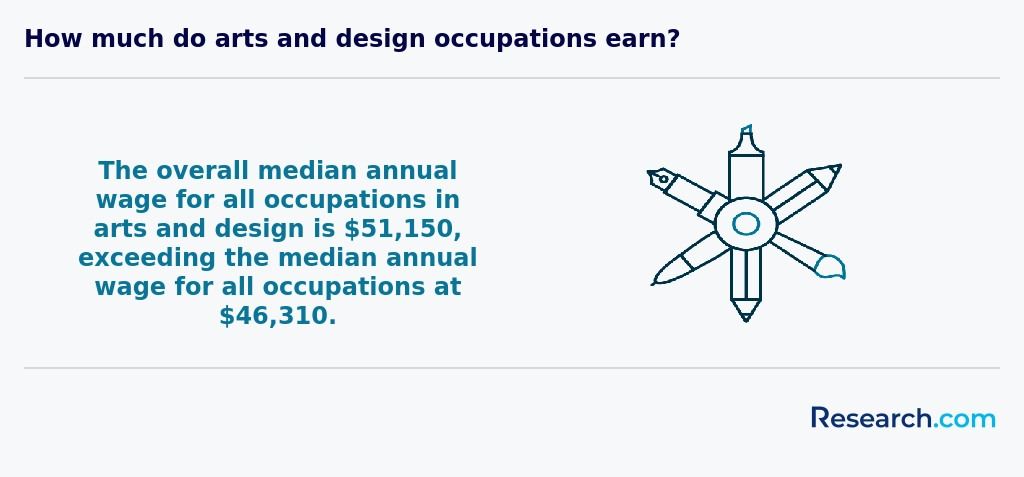
While the mean annual wage for artists in Illinois is around $53,000, which is modest compared to other sectors, strategic planning can improve outcomes. Cost-conscious students often weigh tuition against potential earnings and might explore financial aid options or part-time study routes at online colleges with open admission policies to manage expenses. Emerging creative professionals benefit from engaging with Chicago's support systems such as public grants and art communities to effectively launch their careers.
Frequently Asked Questions About fine arts
Fine arts degree students in Illinois can maximize their learning by engaging actively with both academic and practical experiences. Participating in internships at local galleries, theaters, and museums provides real-world exposure. Illinois hosts many cultural institutions like the Art Institute of Chicago, offering valuable networking opportunities.
Students should also take advantage of the state's numerous workshops and art festivals, which foster creativity and professional connections. According to the Illinois Board of Higher Education, interdisciplinary programs combining technology and arts show increasing relevance, so exploring digital media courses can broaden skills.
Joining campus art clubs and presenting work publicly enhances confidence and critique skills.
Emerging niches within the fine arts field in Illinois reflect broader trends in technology and cultural shifts. One fast-growing area is digital arts, including graphic design, animation, and interactive media. According to the Illinois Board of Higher Education, enrollment in digital arts-related programs grew by nearly 15% between 2019 and 2023.
Another emerging niche is interdisciplinary arts, where students combine traditional fine arts skills with new media, performance, or community engagement. This approach prepares graduates for diverse careers in museums, galleries, and creative industries.
Additionally, arts entrepreneurship is gaining importance, focusing on business skills tailored to artists. This helps fine arts graduates navigate freelance and gallery markets more effectively.
Preparing for the job market after completing a fine arts degree in Illinois involves strategic planning and practical experience. Graduates should build a professional portfolio showcasing their best work, as this is crucial when applying for art-related positions or freelance opportunities. Networking is equally important; attending local art exhibitions, joining Illinois-based arts organizations, and connecting with alumni can open doors to job leads and mentorship.
Internships and part-time jobs within galleries, museums, or design firms offer valuable hands-on experience and enhance employability. According to the Illinois Department of Commerce and Economic Opportunity, arts and culture contribute over $18 billion annually to the state economy, signaling robust opportunities in these sectors.
Additionally, developing business skills such as marketing and grant writing can help graduates manage freelance careers effectively. Many Illinois fine arts graduates benefit from continuing education workshops offered by community colleges and creative centers to stay competitive in a dynamic job market.
Employers in Illinois highly value creativity and technical skill in graduates holding fine arts degrees. According to recent data from the National Endowment for the Arts and the Illinois Arts Council, strong proficiency in digital media tools and traditional techniques is essential. Communication skills are also critical, as artists often collaborate with clients and teams. Problem-solving abilities and adaptability stand out, given the evolving nature of artistic trends and technology.
Additionally, employers look for portfolio quality that demonstrates originality and consistent skill development. Familiarity with business practices, such as marketing and project management, is a growing advantage in Illinois' competitive arts sector.
Finding internships relevant to a fine arts degree in Illinois involves a mix of research, networking, and utilizing university resources. Many Illinois colleges with fine arts programs offer career services that connect students with local museums, galleries, and theaters offering internships. For instance, the Art Institute of Chicago and the Illinois Arts Council provide listings and support for internships.
Students should also explore internships through professional associations like the Illinois Art Education Association. According to the National Association of Colleges and Employers, approximately 60% of fine arts students nationwide gained internships before graduation, increasing job prospects.
Online platforms, including Handshake and local arts organizations' websites, are valuable for discovering opportunities in Illinois cities such as Chicago, Springfield, and Champaign.
A fine arts degree in Illinois can significantly enhance career mobility by providing graduates with versatile creative skills valued across industries. According to the Illinois Board of Higher Education, fine arts graduates often find opportunities not only in traditional arts roles but also in expanding fields like digital media, advertising, and education. Strong connections between Illinois art schools and local cultural institutions support internships and networking, which are crucial for career advancement.
Data from the National Endowment for the Arts shows that Illinois ranks among the top states for arts employment, reflecting a healthy job market for fine arts degree holders. Graduates with these degrees often report greater opportunities for promotion and salary growth especially when combining artistic expertise with business or technology skills.
Studying for a fine arts degree in Illinois offers students a unique foundation to excel in interdisciplinary roles. Illinois colleges emphasize creativity combined with critical thinking, encouraging collaboration across fields such as technology, business, and communication.
Many programs incorporate courses in digital media, design principles, and project management. For example, institutions like the School of the Art Institute of Chicago integrate technology-driven workshops that prepare students for roles beyond traditional art careers.
According to the National Center for Education Statistics, Illinois awarded over 1,200 fine arts bachelor's degrees in 2021, reflecting a strong interest in diverse artistic disciplines. This broad training helps graduates adapt in dynamic work environments.
Additionally, Illinois fine arts programs often include internships and partnerships with local industries, fostering practical skills and networking opportunities essential for interdisciplinary success.
When choosing between a thesis and a non-thesis fine arts degree program in Illinois, students should consider their long-term goals and professional aspirations. A thesis program typically demands original research and a written dissertation, providing rigorous training valuable for those aiming at academic careers or advanced study. Non-thesis programs, by contrast, often focus more on practical skills and portfolio development, which can be beneficial for immediate entry into creative professions. According to the Illinois Board of Higher Education, about 40% of fine arts graduate programs statewide offer both options, allowing flexibility based on a student's preferred career path.
Language requirements, program length, and available faculty expertise are important factors. Thesis programs may extend study duration due to research commitments, while non-thesis paths often conclude faster. Students should also consider how each track matches their artistic medium and preferred learning style. Connecting with current students or alumni from Illinois institutions can provide insight into the daily demands of each option. Ultimately, selecting between thesis and non-thesis fine arts degrees in Illinois is a decision shaped by personal and professional priorities.
Students in Illinois pursuing fine arts degrees have several opportunities to study abroad through partnerships and exchange programs offered by their home institutions. Many Illinois universities with strong fine arts programs encourage participation in semester-long or summer art residencies in Europe and Asia.
For example, the University of Illinois Urbana-Champaign offers study abroad options in Italy and France focused on art history and studio work. Similarly, the School of the Art Institute of Chicago facilitates international exchanges in cities known for rich artistic heritage.
These programs enable students to gain global perspectives, access diverse artistic traditions, and build international networks. According to NAFSA: Association of International Educators, about 10% of Illinois college students study abroad overall, with increasing interest in arts-oriented destinations.
Funding through scholarships and financial aid specific to Illinois students often helps reduce costs, making abroad experiences more accessible. Students should consult their university study abroad offices for tailored fine arts opportunities and application guidance.
Part-time job opportunities in Illinois that complement a fine arts degree often align with the creative skills students develop. Common roles include gallery assistant positions, where individuals manage exhibits and engage with the public, offering practical experience in art presentation.
Another option is working as an art tutor or teaching assistant in community centers or private studios. These roles enhance communication skills and reinforce artistic knowledge. According to the Illinois Arts Alliance, the state supports over 1,000 arts organizations, creating diverse part-time openings.
Additionally, some students find work as freelance graphic designers or photographers, leveraging digital art skills developed during their fine arts studies. These jobs provide valuable portfolio material.
Fine arts students in Illinois benefit from diverse networking opportunities that connect them to professionals, peers, and potential employers. Many universities, such as the School of the Art Institute of Chicago and Illinois State University, host regular exhibitions, workshops, and guest lectures that foster community engagement. According to the Illinois Arts Council, state arts organizations and public events provide valuable platforms for students to showcase their work and meet established artists.
Additionally, student chapters of national arts organizations like the College Art Association offer access to conferences and online networks. Local galleries and cultural institutions in Chicago and other cities often collaborate with schools to create internships and job placements, enhancing career prospects for fine arts students.
Alumni networks play a vital role for fine arts degree students in Illinois by offering valuable professional connections. Graduates often gain access to exhibition opportunities, job leads, and mentorship through these networks. According to the Illinois Arts Alliance, strong alumni ties can increase employment success by up to 30% for fine arts students within the state.
These networks also support collaboration among artists, helping students expand their creative reach. Many Illinois institutions, like the School of the Art Institute of Chicago, host alumni events and workshops that foster skill development and industry knowledge exchange. Such support can be crucial in navigating a competitive arts job market.
Customizing a fine arts degree program in Illinois begins with selecting a school that offers flexible course options aligned with your goals. Many Illinois institutions allow students to choose specialties such as painting, sculpture, digital arts, or art education. This lets you tailor your studies toward professional practice or teaching careers.
Students can often combine studio art courses with classes in art history, business, or technology, enhancing career readiness. Illinois' strong network of galleries and cultural organizations provides valuable internship opportunities. According to the Illinois Board of Higher Education, over 70% of fine arts programs offer interdisciplinary options, fostering skill development relevant to diverse creative industries.
Fine arts students in Illinois often face financial challenges, with the median undergraduate debt for arts majors reaching over $29,000 nationwide, according to the National Center for Education Statistics. In Illinois, limited funding for arts programs at public universities can restrict access to advanced facilities and materials. Students also report difficulty balancing rigorous studio hours with academic coursework, which demands strong time management skills. Additionally, career uncertainty is common, as fine arts degrees may not have direct career paths, requiring students to proactively develop portfolios and networks. These challenges underscore the need for careful planning and resourcefulness among Illinois fine arts students.
With a fine arts degree in Illinois, you can pursue several professional certifications that enhance your career opportunities. One popular path is obtaining a teaching license, which requires certification through the Illinois State Board of Education for those interested in art education at K-12 levels.
Additionally, certifications in art therapy are available for graduates who combine their fine arts background with psychology credentials. The Art Therapy Credentials Board offers the Registered Art Therapist (ATR) certification widely recognized across the U.S., including Illinois.
Some professionals choose to acquire credentials related to museum work or art conservation, such as certificates in collections care or museum studies, often offered by Illinois universities or professional associations.
These certifications reflect specialized skills and comply with Illinois regulations, helping graduates advance in education, counseling, or curatorial roles. According to the National Center for Education Statistics, about 35% of Illinois fine arts graduates pursue licensure-related roles within five years of graduation.
Applying to a fine arts program in Illinois requires a clear demonstration of both creative talent and academic readiness. Most universities request a portfolio showcasing your best artworks, reflecting technical skill and originality. According to the Illinois Board of Higher Education, portfolios typically account for 40-60% of admission decisions in fine arts.
Be sure your portfolio is well-organized and highlights diverse mediums, including drawing, painting, or digital art. Alongside the portfolio, submit a polished personal statement explaining your artistic goals and why you chose that specific Illinois program. Many schools value insight into your creative process.
Academic transcripts are important too, especially courses in art history or visual arts, demonstrating your commitment. Also, some Illinois programs require letters of recommendation from art instructors or professionals who can attest to your skills and work ethic.
Research each program's unique application components on their official websites, as requirements may vary between institutions like the School of the Art Institute of Chicago and Illinois State University.
Global perspectives on a fine arts career emphasize the growing importance of cultural exchange and technological innovation. In the United States, and specifically Illinois, fine arts programs increasingly integrate global influences to prepare students for diverse markets. According to the National Endowment for the Arts, artists with international experience often have greater opportunities to collaborate and exhibit worldwide.
Illinois hosts several renowned fine arts institutions, like the School of the Art Institute of Chicago, which attracts students globally, reflecting the globalized nature of the field. Moreover, data from the Illinois Board of Higher Education shows steady enrollment growth in fine arts programs, underlining sustained interest.
Careers in fine arts now often require not only artistic skill but also knowledge of digital platforms and intercultural communication. Many graduates pursue roles in global galleries, design firms, or educational institutions that value cross-cultural competencies.
Gaining practical experience while studying for a fine arts degree in Illinois can significantly enhance your skills and employability. Many Illinois colleges and universities offer internships with local galleries, theaters, and museums, providing hands-on exposure to professional environments. According to the Illinois Art Council, over 70% of fine arts programs in the state encourage internships or cooperative education opportunities.
Students can also participate in campus exhibitions, community art projects, and collaborative workshops. These activities allow for real-world application of artistic techniques and project management experience. Additionally, some schools provide access to professional-grade studios and equipment, preparing students for industry standards.
Networking events and partnerships with Chicago's vibrant art community can lead to freelance work or entry-level positions. Overall, Illinois offers diverse pathways to practical learning combined with academic study.
Choosing the right concentration within a fine arts degree program in Illinois involves evaluating your personal interests and career goals. Common concentrations include painting, sculpture, graphic design, photography, and digital media. According to the Illinois Board of Higher Education, programs often emphasize practical skills alongside theory, which means selecting a concentration that matches your strengths is key.
Consider the local arts scene, such as Chicago's vibrant galleries and theaters, which can offer internship and networking opportunities. Employment data from the U.S. Bureau of Labor Statistics shows that demand for graphic designers and multimedia artists continues to grow, influencing choice of specialization. Exploring program curricula across Illinois institutions will help identify concentrations with strong faculty expertise and resources.
Related Fine Arts Rankings for Nearby States
- 2027 Most Popular Fine Arts Degree Programs Ranking in Indiana
- 2027 Most Popular Fine Arts Degree Programs Ranking in Wisconsin
- 2027 Most Popular Fine Arts Degree Programs Ranking in Missouri
- 2027 Most Popular Fine Arts Degree Programs Ranking in Kentucky
- 2027 Most Popular Fine Arts Degree Programs Ranking in Michigan
- 2027 Most Popular Fine Arts Degree Programs Ranking in Ohio
- 2027 Most Popular Fine Arts Degree Programs Ranking in Arkansas
- 2027 Most Popular Fine Arts Degree Programs Ranking in Kansas
- 2027 Most Popular Fine Arts Degree Programs Ranking in South Dakota
- 2027 Most Popular Fine Arts Degree Programs Ranking in North Dakota
Top Trending Fine Arts Rankings
References
- Alumni Network at Moore https://moore.edu/alumni/
- Art/ART - IAI Major Course Recommendations https://itransfer.org/courses/majors/art/
- Standards & Guidelines » CAA Guidelines https://www.collegeart.org/standards-and-guidelines/guidelines/mfa
- Overview | School of the Art Institute of Chicago https://www.saic.edu/art-education/undergraduate/overview
- How to Use Art Challenges to Push Your Creative Boundaries - OCAD https://artcoursework.com/how-to-use-art-challenges-to-push-your-creative-boundaries/
- Careers | The Art Institute of Chicago https://www.artic.edu/employment
- Arts Alumni Network https://alumni.brandeis.edu/resources/interest-groups/arts-alumni-network.html
- Illinois Central College https://catalog.icc.edu/curriculum/degrees/afa
- Essential Strategies for Artists to Master the Art of Networking https://www.artworkarchive.com/blog/essential-strategies-for-artists-to-master-the-art-of-networking
- The Step-by-Step Art Business Plan Every Emerging Artist Needs in 2026 https://womeninartsnetwork.com/the-step-by-step-art-business-plan-every-emerging-artist-needs-in-2026/


