
2027 Easiest Online Doctorate in Healthcare Degree Programs Ranking in the West

Co-Founder and Chief Data Scientist
Are you considering advancing your career with a healthcare doctorate but worried about the time and effort involved? This article presents the 2027 Easiest Online Doctorate in Healthcare Degree Programs Ranking in the West, thoughtfully compiled by the Research.com team of data scientists. It's designed to guide you through the best options that balance quality and accessibility.
By exploring these programs, you can find paths that fit your lifestyle while gaining valuable expertise. Earning a healthcare doctorate offers rewarding opportunities and personal growth, and this ranking helps make that journey clearer and more achievable.
Key benefits of getting online healthcare degree in the West
- Healthcare degree graduates in the West can expect competitive salaries, such as Program Directors earning around $129,330 annually and Healthcare Services Researchers earning about $112,380 per year, offering strong financial rewards for their expertise.
- Career paths often include roles like Research Director or Principal Scientist, demonstrating diverse opportunities for growth and impact in healthcare organizations seen with graduates from leading Western universities.
- Online healthcare degrees provide flexible schedules and accessibility, as experienced by graduates from popular Western universities, making it easier to balance work, family, and education compared to traditional programs.
- Key benefits of getting online healthcare degree in the West
- What can I expect from online healthcare degree in the West?
- Where can I work with online healthcare degree in the West?
- How much can I make with online healthcare degree in the West?
- 2027 Easiest Online Doctorate in Healthcare Degree Programs Ranking in the West
- Key Findings
- How long does it take to complete online healthcare degree in the West?
- What's the difference between online and on-campus healthcare degree?
- Future Trends and Innovations in Online Healthcare Education
- What is the average cost of online healthcare degree in the West?
- Application Process Overview
- What financial aid is available to online healthcare degree students in the West?
- Tips for Success in an Online Healthcare Doctoral Program
- What are the prerequisites for enrolling in online healthcare degree program in the West?
- Understanding Accreditation and Institutional Reputation
- What courses are typically in online healthcare degree programs in the West?
- What types of specializations are available in online healthcare degree programs in the West?
- How do you choose the best online healthcare degree in the West?
- What career paths are available for online healthcare degree students in the West?
- What is the job market for online healthcare degree in the West?
- Top Trending Healthcare Rankings
- See What Experts Have To Say About Studying Healthcare
What can I expect from online healthcare degree in the West?
The average cost of an online healthcare degree in the Western U.S. typically ranges from $7,000 to $15,000 annually at public universities, providing affordable access for many local students. Private institutions may charge significantly more, but graduates often report that the investment is worthwhile for the flexibility and quality offered. For example, students enrolled at well-known Western universities appreciate how their tuition fees translate into comprehensive resources and support, even from a distance.
Many graduates describe balancing work and family while completing coursework through interactive platforms like Canvas, valuing how the cost aligns with the convenience of asynchronous learning. They often share stories of completing clinical placements in their own communities, which keeps expenses manageable and deepens their connection to local healthcare networks. As more institutions adopt innovative digital tools, future students can expect even more cost-effective and personalized online education options tailored for the growing healthcare demands in states like California and Washington.
Where can I work with online healthcare degree in the West?
Graduates with an online healthcare degree in the West often step into dynamic roles within hospitals, medical centers, and health systems where their expertise directly impacts patient care and administration. For example, those who studied through the University of California system frequently find themselves leading nursing teams or managing clinical research projects, balancing career growth with the flexibility their online education provided.
Others land positions in public health agencies or community organizations, tackling pressing regional health challenges-like policy development or disease prevention-particularly in states like California and Washington. Alumni from the University of Washington express enthusiasm about contributing to innovative health programs that improve community wellness.
Career paths also extend to private industry; graduates become healthcare analysts or regulatory specialists in Silicon Valley biotech firms and pharmaceutical companies. This sector's rapid expansion excites many online students, who value the opportunity to influence cutting-edge healthcare solutions.
Finally, some graduates pursue academia and research roles, drawn by universities' commitment to healthcare innovation and education across the West. Their accredited degrees open doors to licensure and certification, ensuring long-term career stability in a booming healthcare ecosystem.
How much can I make with online healthcare degree in the West?
Graduates from online healthcare programs at well-regarded Western institutions like the University of Washington or California State University find encouraging salary prospects. For instance, a Program Director in healthcare can anticipate a mean annual wage around $129,330, reflecting their crucial leadership roles. Many who advanced into research-based positions such as Healthcare Services Researchers, Research Directors, or Principal Scientists earn similar median salaries, approximately $112,380 annually, benefiting from the region's investment in healthcare innovation.
Masters-level graduates moving into executive roles, such as Chief Development Officers, typically see earnings close to $95,600 per year, which supports the positive financial outlook for leadership careers. Western graduates often share stories of thriving in dynamic urban environments like Seattle or San Francisco, where demand and pay premiums encourage ongoing professional growth.
As healthcare demands increase, driven by innovation and population needs, these salaries may rise further. Online learners from the West feel hopeful and motivated knowing their degrees can unlock these rewarding and well-paid career paths while balancing flexible study options and vibrant metropolitan job markets.
2027 Easiest Online Doctorate in Healthcare Degree Programs Ranking in the West
How do we rank schools?
Investing in your education is a significant decision that can profoundly impact your career and personal growth. The Research.com team is dedicated to helping you make informed choices by ensuring the quality, credibility, and accuracy of our rankings. To create the "2027 Easiest Online Doctorate in Healthcare Degree Programs Ranking in the West," we conducted thorough research and relied on trusted data sources to provide an accurate and reliable evaluation.
We utilized the following reputable data sources to compile this ranking:
By reviewing this ranking, prospective students will gain valuable insights into accessible online doctorate programs in healthcare across the West, empowering them to choose programs that best fit their goals and lifestyles. For a detailed explanation of our methodology, please visit our Research.com methodology page.


# 9 position
Aspen University
Doctor of Nursing Practice


Key Findings
- Tuition for online bachelor's healthcare degrees in the Western US ranges from $10,000 to $30,000, while graduate programs cost between $20,000 and $50,000.
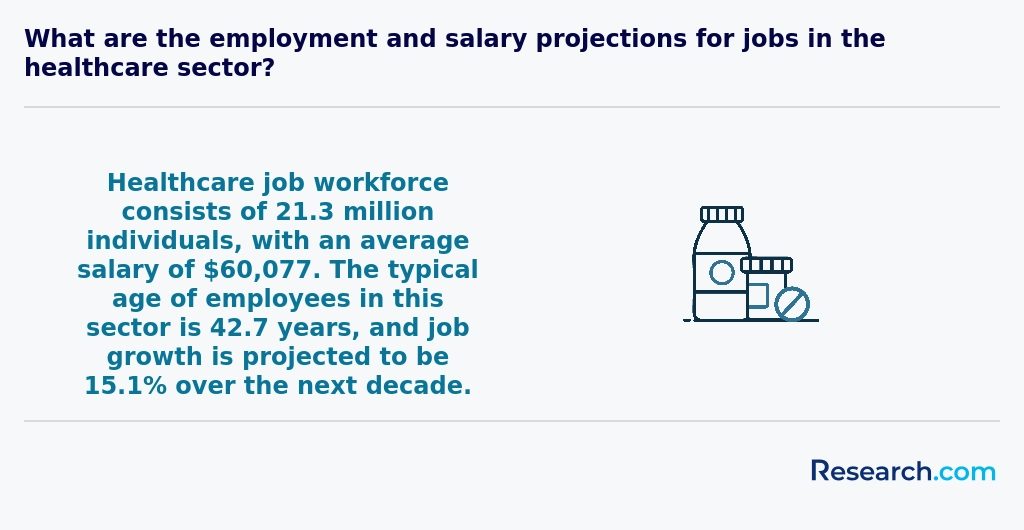
- Healthcare jobs in the Western US are expected to grow by about 15% through 2030, faster than the average for all occupations.
- Entry-level salaries for bachelor's degree holders start between $50,000 and $65,000 annually, while advanced degree holders often start around $75,000.
- Experienced healthcare professionals with advanced degrees can earn median salaries above $100,000, depending on their role and location.
- Online healthcare programs in the West provide accredited education that meets licensing requirements and qualify for federal aid and employer tuition reimbursement.
- State initiatives to expand telehealth and public health services create growing job opportunities for online healthcare graduates.
How long does it take to complete online healthcare degree in the West?
Online healthcare degrees in the Western US typically range in completion time based on degree level and student pace. Graduates from popular institutions like the University of Washington and Arizona State University often share how associate degrees finish in about 2 years, providing a quick path into healthcare roles. Many find this timeline motivating as they balance careers and education.
Bachelor's degrees, such as nursing or health sciences, usually take around 4 years but accelerated programs offered by colleges like Oregon State University enable students with prior experience to finish in 3 years or less. Graduates recount the satisfaction of completing a bachelor's faster while juggling work, highlighting the flexible scheduling these programs offer.
Master's programs, common at universities like California State University, typically require 1.5 to 3 years. Students appreciate part-time options that fit their lifestyles, allowing continued employment alongside study. Doctoral degrees, such as DNPs, often take 3 to 5 years with many students valuing the ability to pace study according to personal and professional demands.
Emerging trends suggest future programs in the West may become even more adaptive, integrating AI-guided personalized pacing, potentially reducing completion times while maintaining quality and strong workforce readiness.
What's the difference between online and on-campus healthcare degree?
Online healthcare degrees in the Western US offer unmatched flexibility, allowing students to juggle work and family while pursuing studies through platforms used by institutions like the University of Washington. Graduates often share how this freedom enabled them to complete coursework from rural areas, avoiding long commutes. Meanwhile, campuses such as California State University provide on-site clinical labs, giving hands-on experience that some find essential for confidence in patient care. Many online students arrange local clinical placements, yet they miss the spontaneous peer support found in on-campus cohorts.
The cost factor is also significant. For instance, online programs at universities like Arizona State University can reduce expenses by eliminating commuting and housing fees, a relief many students express with satisfaction. Networking varies too-while on-campus students enjoy face-to-face mentorship, online learners connect through virtual boards, appreciating how evolving technology fosters meaningful professional relationships.
Future Trends and Innovations in Online Healthcare Education
Looking ahead, the landscape of online healthcare education is set to evolve dramatically. Emerging technologies, innovative curriculum designs, and the integration of virtual simulations are reshaping how students learn and apply their healthcare expertise. With increasing emphasis on remote learning, institutions are incorporating advanced digital tools, such as AI-driven tutoring and interoperable learning management systems, to offer more personalized and interactive educational experiences. These advancements are equipping graduates with cutting-edge skills that are highly valued in today's competitive job market. A significant trend is the growing interconnection between various disciplines within healthcare. For instance, programs that combine traditional clinical training with public health management and digital data analysis are becoming more common. This interdisciplinary approach is essential for addressing complex healthcare challenges and improving patient outcomes. Additionally, as the need for cost-effective education continues to rise, students are actively seeking options that do not compromise quality. If you are exploring affordable alternatives, you might also want to check out cheapest mph online programs to compare how these innovative trends are being embraced across diverse healthcare fields. Staying informed about upcoming educational trends is crucial. As online healthcare programs continue to adapt to technological advances and evolving industry needs, prospective students should consider how these changes will impact their career readiness and long-term success in the healthcare sector.
What is the average cost of online healthcare degree in the West?
The average cost of an online healthcare degree in the West centers around $38,040, with significant variations depending on residency status and institution type. In-state students frequently benefit from reduced tuition rates, sometimes paying closer to $27,656, while out-of-state enrollees might see costs rise to approximately $54,865. This variation influences many prospective students to carefully evaluate their options before committing.
Graduates from popular Western universities often share positive reflections on their investment, citing how competitive tuition rates combined with flexible online formats made pursuing their degrees both affordable and achievable. For example, students pursuing healthcare degrees at public institutions in states like California or Washington enjoy lower tuition rates per credit hour, which adds up to meaningful savings over program length. Such financial clarity is essential when considering the average cost online healthcare degree West has to offer.
For those interested in advancing to graduate or doctorate levels, tuition can increase substantially. Nevertheless, scholarships, employer tuition reimbursements, and federal aid frequently offset these costs. Many aspiring professionals take advantage of programs, including the best online healthcare school in colorado, which balance cost and quality to create valuable learning experiences without impractical debt burdens.
Ultimately, understanding tuition and fees for healthcare doctorate West expands a student's ability to navigate educational investments thoughtfully as healthcare education evolves in the region.

Application Process Overview
Applying to an online healthcare doctorate requires planning and attention to detail. Follow these steps to streamline your application:
- Verify program accreditation and licensure alignment.
- Gather official transcripts and document prerequisite coursework.
- Request 2–3 letters of recommendation from academic or professional mentors.
- Draft a concise personal statement outlining your research interests and career goals.
- Submit your application and fees before deadlines, noting any waived exam requirements-as seen in some nursing programs that don't require teas.
- Prepare for an admissions interview or portfolio review if required.
Use this checklist to stay organized and improve your chances of acceptance into a flexible, online doctoral program.
What financial aid is available to online healthcare degree students in the West?
Many online healthcare students in the West find federal aid through FAFSA indispensable, unlocking Pell Grants and low-interest loans that make demanding programs at institutions like the University of Washington or Arizona State University more affordable. Graduates often reflect on how these funds eased their financial worries, allowing them to focus on coursework without overwhelming debt.
State-specific grants, such as those offered by California's State Grant Program, play a crucial role by supporting residents pursuing healthcare degrees online, especially when aiming to serve underserved communities. These opportunities create a real impact, encouraging students at schools like Oregon State University to remain in the region's healthcare workforce after graduation.
- Professional organizations like the AACN and National Society of Healthcare Human Resources continue expanding scholarships, providing targeted aid for healthcare majors actively engaged in their fields.
- Innovative employer-sponsored tuition reimbursements in rural Western areas offer hopeful pathways for working students balancing jobs and studies.
- Online learners also benefit from merit- and need-based institutional scholarships, frequently accessed by students at popular Western colleges.
Looking ahead, growing partnerships between educational institutions and local healthcare providers hint at more integrated financial aid models, designed to support both education costs and employment stability in the West's evolving healthcare landscape.
Tips for Success in an Online Healthcare Doctoral Program
Navigating an online healthcare doctorate requires strategic planning, disciplined time management, and proactive engagement. First, establish a consistent weekly schedule dedicated to coursework, research, and dissertation milestones-treat each module like a professional commitment. Leverage productivity tools (e.g., Trello or Asana) to break complex assignments into manageable tasks and set interim deadlines for literature reviews, proposal drafts, and data analysis chapters. Second, cultivate strong relationships with faculty mentors and peers. Join virtual study groups, attend optional office hours, and participate in online forums to exchange feedback on proposals or share insights on statistical software. Building a support network will not only enhance your academic performance but also provide accountability during intensive research phases. Third, ensure you have reliable technology and digital literacy skills. Confirm that your institution’s learning management system (LMS) supports remote proctoring, video conferencing, and secure file sharing. Familiarize yourself with reference managers like EndNote or Zotero to streamline citation management, and consider enrolling in free tutorials to sharpen advanced data analysis techniques in SPSS or R. Fourth, balance hands-on clinical or practicum requirements by proactively coordinating local site placements early in the program. Many Western institutions require 200–400 practicum hours; reach out to alumni or professional networks six months before your intended start date to secure a placement that aligns with your research focus. Finally, plan your finances and explore cost-effective alternatives for foundational coursework-whether through transferable credits or complementary master’s programs. For students seeking affordable options beyond the West, review our Most Affordable Online Master's in Healthcare Degree Programs Ranking in Kansas to identify budget-friendly pathways that can strengthen your doctoral research foundation. By combining structured scheduling, active networking, technological preparedness, and financial foresight, you can maximize success and complete your online healthcare doctorate with confidence.
What are the prerequisites for enrolling in online healthcare degree program in the West?
Enrolling in an online healthcare degree in the Western US usually demands a solid academic foundation, starting with a high school diploma or GED for undergraduate programs. Graduates from well-known Western institutions often recall having to complete prerequisite courses like biology and anatomy, which helped them confidently tackle the program's challenges. For example, students at universities such as the University of Washington and Arizona State University emphasize how mastering these basics made advanced topics feel more accessible and rewarding.
At the graduate level, holding a bachelor's degree-often in a related field-is essential, along with professional experience for specialized programs. Many healthcare students from California State University campuses mention that having hands-on work experience and an RN license dramatically boosted their readiness and confidence entering a Doctor of Nursing Practice (DNP) program.
Additional requirements like GRE scores, health screenings, immunization proof, and letters of recommendation often feel like hurdles, yet students express pride in overcoming them, recognizing these as steps that build resilience and professionalism. The evolving trend towards waiving standardized tests reflects a hopeful shift toward broader accessibility without compromising quality in Western online healthcare education.

Understanding Accreditation and Institutional Reputation
A crucial factor that often determines the success of an online Healthcare degree is the accreditation status and institutional reputation of the program. Accreditation not only serves as a benchmark of quality by ensuring that the curriculum meets industry standards, but it also plays a vital role in financial aid eligibility, transferability of credits, and employer recognition. When prospective students evaluate programs, they should closely examine if the institution is accredited by recognized bodies such as the Commission on Accreditation of Healthcare Management Education or other specialized agencies. This endorsement signals that the program adheres to rigorous academic principles and prepares graduates for real-world challenges. It is equally important to consider the institution's track record for graduate outcomes, including job placement rates and partnerships with reputable healthcare providers. For example, students looking for a program with a strong reputation might explore institutions like the best online healthcare school in colorado, known for its commitment to excellence and ongoing industry collaboration. By prioritizing accreditation and institutional reputation, students ensure that they invest in an education that not only elevates their academic profile but also bolsters their long-term career prospects in the highly competitive healthcare field.
What courses are typically in online healthcare degree programs in the West?
Online healthcare degrees in the West typically feature courses like anatomy and physiology, giving students a clear understanding of the human body essential for any health profession. Graduates from universities such as the University of California often recall how these courses made complex concepts tangible, preparing them for real patient interactions, even before clinical experiences began.
Courses in healthcare ethics and policy help students navigate the moral landscape of healthcare delivery. For instance, learners from Arizona State University describe how exploring case studies on patient rights made them feel more confident managing ethical dilemmas in diverse Western communities.
Emerging fields like health informatics and data analytics are becoming staples, reflecting Western healthcare's push towards digital records and AI-driven care. Graduates from Oregon State University highlight their excitement mastering these skills, which they see as vital for future leadership roles.
Moreover, public health courses such as epidemiology and community health assessment resonate strongly, addressing unique challenges faced by rural and multicultural populations across states like Washington and California, making students feel prepared to drive real change locally.
What types of specializations are available in online healthcare degree programs in the West?
Online healthcare degree specializations West are evolving to meet the dynamic needs of students eager to impact the healthcare landscape. Popular pathways include healthcare administration, where graduates from leading Western universities report feeling empowered managing complex systems with newfound confidence in policy and finance. Nursing specializations, especially Doctor of Nursing Practice programs, continue to thrive, with students appreciating flexible online schedules that accommodate their demanding work lives.
Public health degrees offer rich avenues for tackling pressing community issues, an aspect praised by recent graduates who contributed to pandemic responses. Health informatics stands out as a future-forward specialization, with students excited about integrating technology and data to transform patient care. Clinical research programs, offered at various Western institutions, provide immersive training that graduates find rewarding for launching careers in innovative medical trials.
For those comparing options, some turn to the cheapest mph online programs in the region, balancing affordability with quality. These fields reflect a trend of intertwining practical expertise with emerging technologies and leadership skills, perfectly suited for Western US learners looking ahead to a robust healthcare career.
How do you choose the best online healthcare degree in the West?
Choosing the best online healthcare degree in the West means anticipating how education and healthcare industries will evolve together. Graduates from popular colleges in California or Washington often emphasize the importance of program flexibility that fits around demanding work schedules or family life. Hybrid learning options with local clinical placements in cities like Seattle or Los Angeles bring invaluable hands-on experience, which aligns with the practical needs of healthcare careers.
Financially, finding affordable online healthcare degrees Western US residents value-especially through public universities offering in-state tuition-remains a top priority. Graduates frequently share how access to employer tuition reimbursement transformed their educational journey, making advanced degrees more achievable. Those pursuing the best online healthcare doctorate programs West benefit from programs accredited by reputable bodies, ensuring future licensure and strong employment prospects. The growing healthcare market in the West motivates students to seek programs emphasizing specialized fields like nursing or healthcare administration. Students often explore curriculum and faculty expertise through resources such as the medical program online guidance to refine their choices.
What career paths are available for online healthcare degree students in the West?
Graduates of online healthcare degrees in the West increasingly find themselves stepping into diverse and evolving roles. Many pursue clinical careers such as Registered Nurses or Nurse Practitioners, enjoying the rewarding challenge of direct patient care while benefiting from a robust job market driven by the region's growing population. Others leverage their degrees for healthcare management positions at institutions like the University of Washington or Arizona State University, where they guide hospital operations and shape patient experiences. These roles offer graduates a sense of accomplishment and leadership satisfaction.
Non-clinical paths are also thriving, especially in fields like healthcare informatics and health services management, where professionals harness data to improve care quality and system efficiency. Health policy and behavioral health counseling open doors to meaningful work influencing public health outcomes, a path embraced by graduates who aspire to create lasting community impact. Students interested in cost-effective options often explore resources such as the Most Affordable Online Master's in Healthcare Degree Programs Ranking in Kansas to plan their next step. These varied opportunities reflect the expanding healthcare job opportunities West region students can anticipate.
What is the job market for online healthcare degree in the West?
Online healthcare jobs in the West are evolving rapidly, driven by strong regional demand and expanding healthcare infrastructure. Graduates from universities like the University of Washington and California State University often share how their flexible online programs allowed them to balance work, family, and study while preparing for rewarding roles as healthcare managers or nurses. These roles frequently offer competitive salaries, enhancing the appeal for students investing time and resources into their education.
Many believe that healthcare degree employment opportunities West will continue to expand, especially in rural and urban areas facing professional shortages. Programs that integrate certifications align well with employer expectations, easing the transition into the workforce. Graduates report a sense of optimism knowing their chosen programs emphasize both practical skills and academic rigor.
For those considering the easiest doctorate to get as a pathway to leadership positions, the Western healthcare job market remains a fertile ground for career growth.
Frequently Asked Questions About healthcare
Online healthcare degree students in the West can maximize their learning by actively engaging with course materials and faculty. Research shows that students who participate in virtual discussions and seek feedback tend to perform 20% better, according to the Western Regional Education Lab. Utilizing local healthcare facilities for practical experience complements online theory, enhancing skills and employability. Time management is critical; dedicating specific hours daily can improve retention and reduce stress. Additionally, leveraging regional networks and joining healthcare organizations in the West helps build professional connections. Staying updated on state healthcare policies also benefits those intending to work locally.
The healthcare field in the Western United States is expanding into several emerging niches driven by technology and demographic changes. One rapidly growing area is telehealth, which has seen a 38% annual growth rate since 2020 due to increased demand for remote patient care, according to the Healthcare Information and Management Systems Society.
Another promising niche is healthcare informatics. Professionals who analyze health data to improve patient outcomes are in high demand, with a projected 20% job growth by 2030 from the U.S. Bureau of Labor Statistics.
Specializations in gerontology and palliative care are also expanding, as the aging population in states like California and Washington grows significantly. These fields focus on improving quality of life for older adults.
Preparing for the job market after completing an online healthcare degree in the West requires strategic planning. First, graduates should obtain any required state licensure or certification, as healthcare roles are often regulated. For example, many Western states require passing the National Council Licensure Examination (NCLEX) for nurses.
Networking is crucial. Using platforms like LinkedIn to connect with healthcare professionals in the region can open job opportunities. Also, engaging with local healthcare associations, such as the California Association of Healthcare Employers, can provide job leads and career advice.
Internships and clinical experience remain valuable. Even with an online degree, gaining in-person clinical practice can enhance employability in the competitive Western healthcare market, which is projected to grow by 16% through 2030, according to the U.S. Bureau of Labor Statistics.
Employers in the Western United States highly value strong communication skills in healthcare graduates. According to the California Healthcare Foundation, effective patient interaction is critical for improved outcomes. Additionally, clinical competence gained through accredited programs remains a top priority.
Problem-solving and critical thinking are frequently cited skills, especially as healthcare becomes more complex. The Western Region Public Health Training Center emphasizes adaptability in digital health technologies, reflecting the region's growing telehealth sector.
Leadership and teamwork abilities are also essential. Graduates who can collaborate across multidisciplinary teams often have an advantage in hospitals and clinics. Finally, cultural competence is increasingly important due to the West's diverse population, as noted by the Oregon Health Authority.
Finding internships in the Western US related to healthcare degrees involves leveraging multiple resources. Start by exploring university career centers, which often have partnerships with local hospitals and clinics. The Western region hosts major healthcare hubs like California and Washington, where healthcare employment is projected to grow by 15% through 2030, according to the Bureau of Labor Statistics.
Online platforms such as Handshake and local health department websites can list relevant internships. Networking through professional organizations like the California Nursing Students' Association or Washington State Medical Association also opens doors. Additionally, reaching out directly to healthcare providers in hospitals, outpatient centers, or public health agencies in the West increases chances of securing practical experience.
Obtaining an online healthcare degree in the Western United States significantly enhances career mobility and advancement opportunities. According to the Western Interstate Commission for Higher Education (WICHE), the demand for healthcare professionals in the West is projected to grow by over 15% through 2030, driven by an aging population and expanding healthcare systems.
Online degrees offer flexibility, allowing professionals to upskill without interrupting their employment. This accessibility supports career shifts within healthcare sectors such as administration, nursing, or public health.
Employers increasingly recognize accredited online degrees, with many healthcare organizations in states like California, Washington, and Oregon reporting rising acceptance rates. This recognition leads to higher earning potential and eligibility for leadership roles, especially with doctoral-level credentials.
Online healthcare degree programs in the Western United States equip students for interdisciplinary roles by integrating diverse healthcare disciplines into their curricula. These programs emphasize collaboration among professionals in medicine, nursing, public health, and healthcare administration.
Many Western universities incorporate case studies and team-based projects to mimic real-world healthcare settings, enhancing skills in communication and problem-solving across fields. According to the Western Interstate Commission for Higher Education (WICHE), graduates with interdisciplinary training have a 15% higher employment rate in integrated care environments.
This approach reflects the growing demand for healthcare workers who can navigate complex systems and coordinate care across specialties, a crucial ability in the evolving U.S. healthcare landscape.
Choosing between a thesis and a non-thesis online healthcare degree program in the West depends on your career goals and learning preferences. Thesis programs require original research and a formal paper, suited for students targeting academic roles or research positions. Non-thesis options often emphasize practical skills through coursework and projects, appealing to professionals aiming for leadership or clinical roles.
Many Western U.S. institutions like the University of Washington and Oregon Health & Science University offer both options, reflecting regional demand for diverse healthcare expertise. According to the Western Interstate Commission for Higher Education, research-based programs can take longer but may enhance critical thinking and grant opportunities.
Consider your timeline and whether you prefer in-depth research or applied learning when selecting a program.
Students in the Western United States seeking online healthcare degrees have several options for studying abroad through accredited US institutions offering international programs. Many universities based in states like California, Oregon, and Washington provide fully online healthcare degrees that meet US healthcare standards while allowing global accessibility.
Programs often include fields such as public health, nursing, healthcare administration, and health informatics. According to the Western Interstate Commission for Higher Education, over 30 institutions in the West have expanded online offerings to accommodate remote and international students as of 2023.
These degrees typically allow students to study at their own pace while gaining credentials recognized across the US healthcare industry. Some programs also offer partnerships with foreign universities to enhance global learning experiences and networking opportunities.
Part-time job opportunities that complement online healthcare degrees in the Western US include medical assisting, patient care technician roles, and pharmacy technician positions. According to the Bureau of Labor Statistics (BLS, 2023), medical assistants in California and Washington earn median wages around $18-$22 per hour, providing practical experience alongside academic study.
Working as a home health aide or medical scribe can also benefit students by strengthening clinical knowledge and patient interaction skills. Many healthcare facilities in the West seek part-time help, especially as the region experiences a growing demand for healthcare services driven by an aging population (CDC, 2022).
These jobs offer flexibility, allowing students to manage coursework and gain hands-on exposure relevant to their healthcare education.
Online healthcare students in the Western United States benefit from numerous networking opportunities designed to build professional connections. Many programs include virtual meetups, discussion forums, and webinars where students can interact with peers and faculty. According to the Western Interstate Commission for Higher Education (WICHE), these platforms enhance collaboration essential for clinical and administrative healthcare roles.
States like California, Oregon, and Washington host regional healthcare conferences welcoming online learners, providing access to industry experts and potential employers. Additionally, partnerships between universities and local health systems offer internships and practicum experiences that expand professional networks.
Alumni networks play a crucial role for online healthcare degree students in the Western United States by offering valuable professional connections. Graduates often gain access to exclusive job postings and internships tailored to the healthcare industry in this region. According to a 2023 report by the Western Healthcare Education Alliance, 68% of alumni cited networking opportunities as a key factor in securing employment after graduation.
These networks also provide mentorship possibilities, allowing current students to seek guidance from experienced professionals. This support helps navigate the evolving healthcare landscape, especially amid ongoing workforce shortages documented by the California Health Care Foundation.
Moreover, participation in alumni events and online platforms fosters collaboration and lifelong learning, essential for career growth in healthcare management and patient care roles.
Customizing an online healthcare degree in the West typically involves selecting electives, specializations, and flexible scheduling options tailored to your career goals. Many Western U.S. schools offer tracks such as public health, healthcare administration, or informatics. For example, Oregon and California institutions often provide pathways emphasizing rural health or health policy, relevant to regional workforce needs.
Students can also benefit from practicum or capstone projects, allowing them to gain field-specific experience. According to the Western Interstate Commission for Higher Education (WICHE), institutions increasingly support personalized learning plans to boost employability in local healthcare markets.
Advising services are critical in helping students align coursework with certification requirements or leadership aspirations.
Online healthcare students in the Western US encounter several notable challenges during their studies. A primary difficulty is securing quality clinical placements close to home. As many programs require hands-on experience, limited local options can delay graduation. According to the California Healthcare Workforce Alliance, about 30% of students report difficulty finding suitable sites.
Time management also poses a major hurdle. Balancing coursework with professional or family responsibilities often leads to stress and burnout. Surveys show nearly 40% of online healthcare learners in Washington and Oregon struggle with maintaining work-study balance.
Technical barriers, such as unreliable internet or unfamiliarity with digital platforms, can affect learning outcomes. Rural areas in states like Nevada have reported internet connectivity issues impacting student engagement.
Finally, feelings of isolation are common as online students may lack peer connection and face limited instructor interaction compared to on-campus programs.
With an online healthcare degree, especially those earned from accredited institutions in the Western United States, students can pursue a variety of professional certifications. Common options include Certified Professional in Healthcare Quality (CPHQ), Certified Health Education Specialist (CHES), and Registered Health Information Technician (RHIT). These credentials enhance job prospects and validate expertise in specialized areas.
Many Western states report growing demand for healthcare quality and informatics roles, where these certifications are highly valued. According to the Bureau of Labor Statistics, healthcare occupations are expected to grow by 16% through 2031, with the West showing above-average increases.
Further options vary by degree level and specialization, including certifications in healthcare administration, clinical research, and public health. Each certification requires passing exams and meeting experience criteria.
Writing a winning application for an online healthcare program in the West starts with thorough research. Focus on choosing accredited programs recognized by organizations like the Commission on Collegiate Nursing Education (CCNE) or the Council on Education for Public Health (CEPH). These accreditations assure quality education and better career outcomes.
Highlight relevant healthcare experience clearly in your personal statement. According to the U.S. Bureau of Labor Statistics, healthcare occupations in the West grew by 14% between 2019 and 2029, so emphasizing your practical knowledge is crucial.
Strong letters of recommendation from healthcare professionals can significantly boost your application. Finally, proofread carefully and tailor each application to specific program requirements for the best chance of acceptance.
The demand for healthcare professionals in the West continues to grow rapidly, driven by aging populations and advances in medical technology. In the United States, the Bureau of Labor Statistics projects a 16% growth in healthcare occupations from 2021 to 2031, much faster than the average for all careers.
Globally, healthcare careers are valued for their stability and social impact. Many Western countries emphasize formal education, certification, and ongoing training to meet high professional standards. Online healthcare degrees offer flexible access to such credentials, supporting workforce development.
Furthermore, the integration of telemedicine and digital health creates new opportunities for healthcare workers trained online to serve diverse populations efficiently.
Gaining practical experience while studying for an online healthcare degree in the West is essential for career readiness. Many accredited programs require clinical hours or internships, which students can complete locally through partnerships with healthcare providers. The Western region, including states like California and Washington, offers ample opportunities in hospitals, clinics, and community health centers.
Students often arrange supervised practicums or externships near their residence, enabling hands-on skill development. According to the Western Interstate Commission for Higher Education (WICHE), about 70% of online healthcare students utilize local facilities for clinical training.
Online programs also incorporate virtual simulations to complement fieldwork, enhancing decision-making and technical skills. Engaging in these practical components ensures compliance with state licensing requirements and prepares students for real-world healthcare environments.
Choosing the right concentration within an online healthcare degree in the Western United States involves careful consideration of personal interests and regional industry demand. Areas like public health, healthcare administration, and nursing often have strong job growth in Western states such as California, Washington, and Oregon, where healthcare expansion is significant. According to the Bureau of Labor Statistics, occupations related to healthcare in the West are projected to grow faster than the national average through 2030.
Assess your career goals and review workforce trends published by state health departments and regional labor market reports. For example, California's Department of Public Health emphasizes a rising need for health informatics professionals. Finally, verify that accredited programs offer concentrations aligned to both your interests and local employment prospects, ensuring your degree supports your future career path.
Top Trending Healthcare Rankings
See What Experts Have To Say About Studying Healthcare
Read our interview with Healthcare experts

References
- How to Write Your Cover Letter | NQRTH https://www.nqrth.edu.au/career-planning/how-to-write-your-cover-letter/
- Top 5 Part-Time Healthcare Jobs For Students https://www.sumnercollege.edu/blog/top-5-part-time-healthcare-jobs-for-students/
- Pre-Med Study Abroad Programs | Go Overseas https://www.gooverseas.com/study-abroad/pre-med
- Online Healthcare Degree Programs | University of Phoenix https://www.phoenix.edu/online-healthcare-degrees.html
- 6 Tips On Networking For Medical Professionals https://aaams.net/blog/how-to-network-in-the-medical-field-nurses/
- Is an Online Degree the Same as a Traditional Degree | Online Degree https://www.cambridgehealth.edu/online-degrees/get-an-online-degree/is-an-online-degree-the-same-as-a-traditional-degree/
- 10 Skills Employers Are Looking for in Healthcare Management Jobs https://www.aiuniv.edu/blog/10-top-skills-for-healthcare-management-jobs
- How to Set and Achieve Career Goals in Health and Social Care https://uk.hfonline.org/how-to-set-and-achieve-career-goals-in-health-and-social-care/
- Online Health Science Degrees with Financial Aid https://www.edumed.org/online-schools/health-science-degrees/financial-aid/
- 6 key healthcare challenges affecting students and how to address them - Wellfleet Student https://wellfleetstudent.com/engaging-empowering-student-members/6-key-healthcare-challenges-affecting-students-and-how-to-address-them/


