
2027 Most Affordable Online Master's in Healthcare Degree Programs Ranking in New York, NY

Co-Founder and Chief Data Scientist
Choosing the right healthcare master's program can be overwhelming, especially with so many options available online. This article offers the 2027 Most Affordable Online Master's in Healthcare Degree Programs Ranking in New York, NY, developed by the Research.com team of data scientists. It aims to guide prospective students in New York toward smart, data-driven decisions about their education.
By exploring this ranking, you'll discover affordable programs that align with your goals and budget. Pursuing a healthcare degree opens doors to meaningful careers that make a difference in people's lives, and this resource helps you take the first confident step.
Key benefits of getting online healthcare degree in New York
- Healthcare degree graduates in New York can expect strong earning potential, with roles like Healthcare Consultant earning a mean annual wage of $115,530 and Healthcare Compliance Manager earning about $80,190.
- Graduates from institutions like New York University often explore diverse career paths, including consulting, compliance, and project management, allowing flexibility to find a role that fits their skills and passions.
- Online healthcare degrees from schools like SUNY offer greater flexibility and convenience, enabling students to balance work and family life while still gaining the credentials needed for rewarding healthcare careers.
- Key benefits of getting online healthcare degree in New York
- What can I expect from online healthcare degree in New York?
- Where can I work with online healthcare degree in New York?
- How much can I make with online healthcare degree in New York?
- 2027 Most Affordable Online Master's in Healthcare Degree Programs Ranking in New York, NY
- Key Findings
- How long does it take to complete online healthcare degree in New York?
- Next Steps: Pursuing a Doctorate in Healthcare
- What's the difference between online and on-campus healthcare degree?
- Accreditation and State Authorization
- What is the average cost of online healthcare degree in New York?
- Return on Investment (ROI) for an Online Healthcare Degree in New York, NY
- What financial aid is available to online healthcare degree students in New York?
- Tips for Success in Your Online Healthcare Program
- What are the prerequisites for enrolling in online healthcare degree program in New York?
- Student Support & Success Resources
- What courses are typically in online healthcare degree programs in New York?
- What types of specializations are available in online healthcare degree programs in New York?
- How do you choose the best online healthcare degree in New York?
- What career paths are available for online healthcare degree students in New York?
- What is the job market for online healthcare degree in New York?
- Top Trending Healthcare Rankings
- See What Experts Have To Say About Studying Healthcare
What can I expect from online healthcare degree in New York?
The average cost of an online healthcare degree in New York varies but typically ranges between $20,000 and $50,000, depending on the program and institution. Graduates from well-known colleges appreciate how this investment translates into career flexibility and growth, especially when balancing studies with work. For example, students at a prominent New York university often find in-state tuition rates and financial aid make the price more manageable, reinforcing the value of pursuing their degree locally.
Many recall how asynchronous classes and limited in-person practicums fit seamlessly into busy, real-life schedules. These features make the financial commitment feel less like a burden and more like a stepping stone. One graduate described the blend of rigorous healthcare coursework and practical engagement at their institution as "empowering," unlocking opportunities in public health or hospital leadership without uprooting personal obligations.
Ultimately, the moderate to high cost of tuition is balanced by tailored program offerings and accreditation that assures graduates of nationwide credibility-letting students view their expenses as strategic rather than purely transactional.
Where can I work with online healthcare degree in New York?
Graduates from online healthcare programs in New York often find themselves at the crossroads of diverse, dynamic career paths that extend well beyond traditional hospital halls. Imagine a graduate from a popular program at Pace University stepping into a bustling outpatient clinic, coordinating patient care with a deep understanding of evolving health needs. This experience reflects a state-wide trend, where outpatient centers have surged by 12%, opening fresh roles in patient management and public health.
Others from institutions like Excelsior College take on leadership roles in renowned New York hospitals such as NewYork-Presbyterian, blending clinical expertise with healthcare administration. These environments challenge graduates to navigate complex systems, driving change from within.
Long-term care facilities, filled with an aging population, beckon graduates passionate about quality assurance and compassionate management. Public health agencies, too, seek alumni skilled in policy and epidemiology to tackle disparities-offering a sense of purpose many find deeply rewarding.
Finally, health informatics, championed by the New York eHealth Collaborative, welcomes those eager to innovate through data and technology. For graduates, the state's healthcare scene is not just employment; it's a landscape of meaningful impact and growth.
How much can I make with online healthcare degree in New York?
Graduates from online healthcare programs in New York often find themselves stepping into roles with impressive earning power. For instance, healthcare consultants earn a mean annual wage of about $115,530, reflecting both the specialized knowledge they bring and the critical thinking skills developed through programs at institutions like Hunter College or Pace University. These salaries challenge the assumption that online degrees yield lower pay, proving that quality education can translate to real financial success.
Meanwhile, healthcare compliance managers make around $80,190 annually, a solid salary that highlights growing opportunities in regulatory and operational roles within New York's complex healthcare system. Graduates often share how their degree from schools such as CUNY or Stony Brook University empowered them to confidently pursue these positions in bustling urban centers where healthcare is a top priority.
This strong salary potential points to the value of pursuing an online healthcare degree in New York-not just for job placement but for thriving in meaningful, well-compensated careers. The experience of managing coursework while engaging with real-world healthcare challenges resonates deeply with many students, fueling their ambition and leading to sustained career growth.
2027 Most Affordable Online Master's in Healthcare Degree Programs Ranking in New York, NY
How do we rank schools?
Investing in your education is a significant decision that can shape your future, and the Research.com team understands the importance of making informed choices. To assist prospective students in New York, NY, we have meticulously crafted the "2027 Most Affordable Online Master's in Healthcare Degree Programs Ranking." Our commitment to quality, credibility, and accuracy is reflected in the extensive research and analysis conducted to compile this ranking.
We utilized the following reputable data sources to ensure a comprehensive evaluation of healthcare programs:
By exploring this ranking, readers will gain valuable insights into the most affordable and high-quality online master's healthcare programs available in New York, NY, aiding them in making well-informed educational decisions. For more details on our methodology, please visit our Research.com methodology page.
# 1 position
John Jay College of Criminal Justice of the City University of New York
Master of Inspection and Oversight: Health Care Specialization


Key Findings
- Online healthcare degree programs in New York cover fields like nursing, health administration, public health, and allied health, with many fully online options available.
- Tuition for master's level online healthcare degrees typically ranges between $15,000 and $30,000, with some financial aid and scholarships potentially reducing costs.
- Healthcare jobs in New York are expected to grow by about 15% over the next ten years, driven by aging populations and increased healthcare access.
- Entry-level salaries for healthcare master's graduates average between $65,000 and $75,000 annually, with experienced professionals often earning over $100,000.
- Many programs align with New York state licensure requirements and offer clinical placements, ensuring graduates meet state board standards.
How long does it take to complete online healthcare degree in New York?
Completing an online healthcare degree in New York isn't a one-size-fits-all timeline. Graduates from institutions like Hunter College or Stony Brook University often reflect on how their journey stretched beyond expectations, shaped by factors like balancing full-time work and part-time study. For some, an associate degree in health information technology takes roughly two years, but many find their progress influenced by personal and professional demands.
Bachelor's degrees, common among students pursuing nursing or healthcare administration at schools such as SUNY Downstate, generally require about four years. However, stories abound of classmates accelerating their studies through summer courses or extending them to manage family commitments. This flexibility reveals how online formats in New York accommodate diverse life circumstances.
Master's students, especially those at Columbia University or NYU, often navigate between 18 months and three years, juggling rigorous coursework with clinical hours mandated by the state. Their experiences emphasize that while the clock ticks, the ability to pace oneself brings a sense of accomplishment and empowerment unique to New York's dynamic healthcare education landscape.
Next Steps: Pursuing a Doctorate in Healthcare
For students aiming to elevate their expertise beyond a master’s degree, pursuing a doctoral credential can open doors to leadership, research, and academic roles in healthcare. Doctoral programs-such as a Doctor of Nursing Practice (DNP) or a PhD in Health Services Research-emphasize advanced clinical practice, population health analysis, and original research, equipping graduates to shape policy, drive innovation, and teach the next generation of professionals. Typical admission requirements for healthcare doctorates include a relevant master’s degree, a minimum GPA of 3.0, professional licensure (for clinical tracks), and a statement of purpose outlining research interests. Programs often span 2–4 years and blend asynchronous coursework with residencies, offering flexibility for working professionals. Graduates report that doctoral studies enhance critical thinking, grant-writing skills, and evidence-based decision-making-attributes increasingly valued by hospitals, academic institutions, and public health agencies. Financial considerations vary widely, but many institutions offer fellowships, assistantships, or tuition remission. Applicants should compare total cost, accreditation status, and faculty research interests when selecting a program. For a comprehensive overview of cost-effective doctoral options, see our Cheapest Online Doctorate in Healthcare Degree Programs Ranking in Pennsylvania.
What's the difference between online and on-campus healthcare degree?
Choosing between an online healthcare degree and an on-campus program in New York is more than just a format decision-it's about how you want to experience your education and career launch. Graduates from schools like Hunter College often praise the on-campus experience for its hands-on clinical labs and face-to-face mentorship, which create a vibrant atmosphere that deepens learning and builds lasting professional networks.
Meanwhile, alumni from institutions such as New York University emphasize the unparalleled flexibility of online programs. They share stories of balancing demanding work schedules with coursework, appreciating how virtual labs and recorded lectures allowed them to study at their own pace without sacrificing quality.
However, clinical experience remains a non-negotiable reality for all healthcare degrees in New York. Even the most flexible online formats require in-person clinical hours, usually arranged through partnerships with local hospitals and clinics, ensuring students gain essential real-world skills.
When tuition is considered, online programs sometimes ease financial pressure by eliminating commuting and housing costs, but students must carefully assess fees and resource access specific to their chosen university.
Accreditation and State Authorization
Accredited programs meet rigorous standards, ensuring credit transfer, financial aid eligibility, and licensure readiness. When comparing online healthcare master’s degrees in New York, verify both institutional and programmatic accreditation.
- Institutional accreditation: Middle States Commission on Higher Education (MSCHE) or equivalent regional body
- Healthcare administration: Commission on Accreditation of Healthcare Management Education (CAHME)
- Nursing programs: Commission on Collegiate Nursing Education (CCNE) or Accreditation Commission for Education in Nursing (ACEN)
- State authorization: Approval by the New York State Education Department for distance education
Choosing accredited programs safeguards your investment and supports licensure. If you’re considering specialized nursing tracks, explore our cheapest online whnp programs to compare quality and cost.
What is the average cost of online healthcare degree in New York?
Understanding the average cost of online healthcare degree programs in New York requires looking beyond simple numbers. Graduates from well-known institutions in New York often share how balancing tuition, fees, and additional expenses like technology or clinical placement costs shaped their journey. With a median total cost around $30,912, many students find this investment reflects not just education but the valuable opportunity to connect with experienced faculty and diverse healthcare networks within the state.
For those pursuing affordable online master's healthcare degrees New York NY offers, public universities stand out by providing competitive tuition rates. Some students have benefited from programs that allow out-of-state learners to pay in-state tuition, making advanced healthcare education accessible without sacrificing quality. However, private universities often come with significantly higher price tags, demanding more careful financial planning for prospective students.
The cost per credit, usually between $500 and $1,000, influences the total investment depending on program length-typically 30 to 45 credits. Alumni recall how crucial it was to consider these factors early, alongside available financial aid and loan forgiveness programs for healthcare professionals in New York State.
Those seeking to explore options further may find value in reviewing a curated list of the most affordable online healthcare schools in new york, which highlights institutions combining education quality with reasonable cost structures.
Return on Investment (ROI) for an Online Healthcare Degree in New York, NY
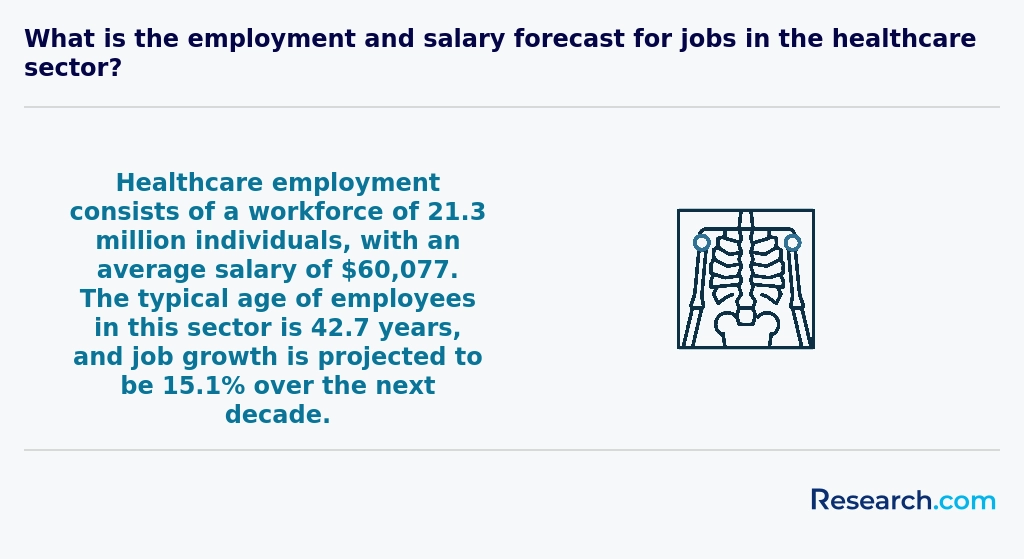
Investing in an online healthcare degree in New York, NY often prompts questions about long-term financial returns. By examining average salary growth, program costs, and career advancement timelines, prospective students can gauge whether the educational investment aligns with their financial goals. • Cost vs. Earnings Timeline: With average tuition around $28,320 and starting salaries frequently exceeding $60,000, most graduates recoup their investment within two to three years. Rising to mid-career salaries of $80,000–$100,000 in roles like healthcare administrator or health informatics specialist further bolsters ROI. • Career Acceleration and Leadership: Advanced credentials often unlock leadership tracks that yield 20–30% higher compensation. For example, moving from entry-level management to director-level positions typically requires a master’s degree and delivers substantial salary gains. • Comparative Pathways: Students exploring niche paths-such as pharmaceutical leadership-may consider supplementing their healthcare master’s with a low cost online doctorate in pharmacy, which can accelerate eligibility for executive roles in hospital pharmacies and research institutions. • Non-Monetary Benefits: Beyond salary, intangible returns include expanded professional networks, greater job security (with a projected 13% sector growth through 2031), and the flexibility to balance work, family, and continuing education-ultimately maximizing both career satisfaction and financial resilience.
What financial aid is available to online healthcare degree students in New York?
Online healthcare students in New York often discover that financial aid is more layered than they initially imagined. Graduates from prominent institutions like Columbia University and SUNY Downstate Health Sciences University recall juggling federal loans through FAFSA, which, while standard, come with flexible income-driven repayment options easing long-term stress. Pell Grants may seem out of reach since they're focused on undergraduates, yet many find federal Direct Loans crucial for tackling expensive graduate programs.
Beyond federal aid, the New York State Tuition Assistance Program (TAP) offers unexpected relief for some healthcare students, especially those enrolled in dual-degree programs blending undergraduate and graduate studies. Think of a student balancing coursework at Hunter College who leverages TAP alongside merit scholarships, transforming a hefty tuition bill into manageable monthly payments. Excelsior Scholarships largely favor undergraduates, but the existence of state-specific aid signals how New York prioritizes accessible education.
Institutional scholarships and local healthcare provider partnerships often add another dimension. Graduates from schools like Pace University describe receiving discounted tuition tied to future commitments within New York's healthcare system-a real game-changer financially and professionally.
Ultimately, the blend of federal, state, institutional, and employer-sponsored aid presents a mosaic of opportunities that demand early, strategic pursuit but reward perseverance with both financial relief and career momentum.
Tips for Success in Your Online Healthcare Program
Succeeding in an online healthcare program requires a strategic approach that emphasizes time management, resource utilization, and proactive engagement with available support services. First, create a consistent study schedule that aligns with your personal and professional commitments-this structure not only minimizes stress but also bolsters retention of complex healthcare concepts. Utilize digital tools and learning platforms to stay organized and manage deadlines effectively. Moreover, take full advantage of the comprehensive student support services offered by your institution. From academic advising and technical support to career counseling and virtual networking events, these resources are designed to guide you through your educational journey. Connecting with peers and mentors through online forums and study groups can enhance your learning experience, providing insights that enrich both academic and professional growth. In addition, it’s essential to leverage career development opportunities early on. Many successful graduates have reported that participating in internships and collaborating on group projects helped them bridge the gap between theoretical knowledge and real-world application. For students exploring additional healthcare credentials, consider resources provided by reputable institutions such as online pharmacy schools to widen your career prospects. Finally, maintain an active approach to feedback by regularly consulting with your instructors and peers to identify areas for improvement. This proactive mindset not only boosts your expertise but also positions you as a competitive candidate in the dynamic healthcare sector.
What are the prerequisites for enrolling in online healthcare degree program in New York?
Envision starting your journey at a prominent institution like Columbia University or Hunter College; before you even log in for your first online class, you'll need more than just curiosity. A bachelor's degree from an accredited school is not merely a box to check-it's a foundation, often expected to come from related fields like nursing or health sciences. Graduates from these programs often say that this prerequisite felt like a meaningful threshold, affirming their readiness to dive into complex healthcare topics.
Official transcripts and a respectable GPA, typically around 3.0, are another critical step. Many applicants recall the reassurance of submitting these records, knowing they presented their academic histories transparently, which smoothed the path toward acceptance at institutions like New York University's online health programs.
Some students sharing their experiences mention that while GRE or GMAT scores are rarely demanded, relevant professional experience made a real difference. Whether it's hands-on nursing or administrative work in a bustling NYC hospital, these roles ground your studies in practical reality and boost your confidence when engaging with coursework and peers.
Letters of recommendation and personal statements are often highlighted by graduates as opportunities to reflect on their passion and grit-qualities highly valued by admissions committees in New York's competitive online healthcare programs. These elements shape an application narrative that resonates beyond numbers and credentials, aligning with the dynamic healthcare landscape students eagerly anticipate joining.
Student Support & Success Resources
Navigating an online healthcare degree program in New York, NY, is not just about selecting the right course or meeting the prerequisites-it’s also about having a robust support system to guide you throughout your academic journey. Many students have found that dedicating time to explore available resources such as virtual tutoring, academic advising, career counseling, and online networking communities can make a significant difference. These support services not only help in mitigating the challenges of remote learning but also play a crucial role in enhancing the overall student experience. For instance, connecting with alumni networks and engaging in dedicated discussion forums can provide students with real-world insights, encouragement, and mentorship during their studies. If you’re looking to uncover additional insights and compare various programs, you might find our detailed reviews on most affordable online healthcare schools in new york particularly helpful. By leveraging these resources, students can streamline their learning processes, stay motivated, and pave the way for successful career transitions in the dynamic field of healthcare.
What courses are typically in online healthcare degree programs in New York?
Online healthcare degree programs in New York challenge you to engage with courses that go far beyond basic theory. Graduates from well-known institutions like Hunter College or Stony Brook University recall how healthcare management courses pushed them to navigate real-world hospital budgeting dilemmas and staffing crises, experiences that brought textbook concepts vividly to life.
Ethics and law classes invite you to confront ethical puzzles faced daily by New York healthcare professionals, such as balancing patient rights with evolving state regulations. This isn't abstract theory-it's about grappling with real consequences in a diverse and complex urban environment.
Healthcare informatics courses focus on managing electronic health records, vital in New York's push toward modernizing healthcare IT. Graduates describe feeling empowered as they mastered tools that directly improve patient outcomes through data-driven decisions.
Public health and epidemiology programs immerse students in tackling health disparities unique to New York's multicultural communities, fostering a profound sense of responsibility. Add courses in healthcare finance and policy analysis, and you're equipped not just to survive but to lead in the dynamic world of healthcare.
What types of specializations are available in online healthcare degree programs in New York?
In New York, the spectrum of online healthcare specializations breaks traditional molds, inviting students to rethink what a healthcare degree can truly offer. Many graduates from respected institutions like Hunter College or Stony Brook University speak highly of deeply immersive tracks such as Healthcare Administration, which preps students for dynamic leadership roles in hospitals managing complex operations. Others find Nursing Leadership appealing, especially registered nurses eager to impact patient care beyond the bedside. The real innovation comes with Health Informatics-a blend of technology and healthcare-which graduates recall as a transformative experience, equipping them to decode data and revolutionize patient records systems.
Public Health specializations engage those driven by community impact, drawing on examples from citywide health campaigns. Clinical Research, meanwhile, lures students fascinated by medical trials aiming to push treatment frontiers. These New York online master's healthcare degree options enable learners to craft careers that resonate deeply with their passions and professional ambitions, often juggling studies with jobs in a city teeming with healthcare opportunities.
For those curious about healthcare education pathways, some also explore online pharmacy schools, broadening their healthcare specialization horizon.
How do you choose the best online healthcare degree in New York?
Choosing the best online healthcare degree in New York demands more than scanning program brochures-it requires nuanced evaluation. Graduates from the State University of New York (SUNY) system often share how accreditation by bodies like the Commission on Collegiate Nursing Education (CCNE) changed their career trajectories, providing them with legitimacy that New York employers respect deeply. These success stories underscore the crucial role of accreditation and how it intersects with real-world job prospects in a competitive healthcare market.
Financially savvy students frequently highlight the affordability factor found in top online healthcare master's programs NY offer. Many recount balancing family and work while benefiting from SUNY's comparatively low tuition. Yet, these narratives also stress looking beyond tuition-fees and technology costs can quietly inflate the total investment, making a comprehensive cost analysis essential for any serious candidate.
Flexibility is often praised in graduates' reflections, especially asynchronous formats that respect the demands of busy, working adults. Whether pursuing nursing or health informatics, these individuals find programs that align tightly with their schedules and personal lives, often citing the invaluable support services provided by New York institutions.
Ultimately, the best fit includes programs that prepare students for New York-specific licensure and certifications. To explore affordable options that maintain high standards, prospective students should consider a low cost online doctorate in pharmacy, blending quality and economy in today's evolving healthcare environment.

What career paths are available for online healthcare degree students in New York?
Graduates holding an online healthcare degree in New York step into a landscape rich with dynamic career options that defy stereotypes. Far beyond the expected clinical roles, many find themselves leading hospital departments or managing healthcare networks across the state, from bustling New York City hospitals to smaller community clinics. These leadership roles, accessible through degrees from well-known institutions like the University at Albany or Columbia University, offer a sense of impact and purpose that resonates deeply with students seeking meaningful work.
Others leverage their advanced nursing degrees to specialize as nurse practitioners or educators, thriving under New York's progressive scope of practice that allows nurse practitioners significant autonomy. Graduates often share how this independence boosts their confidence and financial stability, with salaries often surpassing $110,000 annually. Exploring career options with healthcare master's New York degrees also reveals paths as health informatics specialists or public health professionals, who play critical roles in modernizing patient care and shaping wellness programs in diverse urban settings.
Those drawn to influence healthcare policy find opportunities as analysts who navigate New York's complex regulations, fostering change on a systemic level. Such diverse pursuits highlight the value of an online healthcare degree and encourage prospective students to consider how their unique strengths might shape their careers. For those looking for affordable advanced credentials, exploring the Cheapest Online Doctorate in Healthcare Degree Programs Ranking in Pennsylvania may offer intriguing options nearby, expanding the horizon of what's achievable.
What is the job market for online healthcare degree in New York?
The job market for graduates with an online healthcare degree in New York is notably dynamic and rich with opportunity. Graduates from universities like Hunter College and the University at Buffalo often share how the state's diverse healthcare system-from bustling New York City hospitals to upstate community clinics-offers pathways to rewarding careers. Healthcare administration roles are particularly abundant, with median salaries surpassing $100,000, reflecting the high demand for skilled individuals to manage complex organizations.
New York's healthcare career opportunities New York online programs foster extend beyond administration, touching on nursing leadership and health informatics. Graduates feel empowered entering roles where their expertise directly impacts patient care and technology integration. The flexibility of these programs allows working professionals to balance study and employment, enhancing both practical skills and credentials.
Financial considerations often arise, but many students find relief by exploring the cheapest online school options in New York, proving that quality education needn't come with exorbitant costs. This balance of affordability and career potential challenges the assumption that valuable healthcare education must be financially out of reach.
Frequently Asked Questions About healthcare
Online healthcare degree students in New York can maximize their learning by actively engaging with their coursework and utilizing available university resources. Many institutions provide virtual labs, simulation tools, and interactive case studies that enhance practical understanding. Students should also participate in online discussion forums and study groups to gain diverse perspectives.
Networking with local healthcare professionals through virtual internships can provide valuable real-world experience. According to the New York State Department of Labor, healthcare employment is expected to grow by 10% through 2030, increasing opportunities for remote collaboration.
Finally, managing time effectively and setting a structured study schedule supports consistent progress and knowledge retention.
Emerging niches within the healthcare field reflect the evolving needs of New York's diverse population and technological advances nationwide. One rapidly growing area is telehealth, which expanded significantly during the COVID-19 pandemic and continues to reshape patient care delivery. The New York State Department of Health reports a 150% increase in telehealth usage from 2019 to 2022, highlighting the demand for trained professionals skilled in remote healthcare technologies.
Another promising niche is healthcare data analytics. As hospitals and clinics in New York increasingly adopt electronic health records, professionals who can analyze and interpret healthcare data are essential for improving outcomes. According to the U.S. Bureau of Labor Statistics, this sector is expected to grow 31% nationally through 2031, faster than the average for all occupations.
Additionally, gerontology and chronic disease management have gained importance due to New York's aging population. The state's Department of Aging predicts a 25% increase in residents over 65 by 2030, driving demand for specialists in elderly care and long-term chronic condition support. These niches offer promising opportunities for online healthcare degree students aiming to meet regional workforce needs.
After completing an online healthcare degree in New York, preparing for the job market requires a strategic approach. Begin by obtaining any required state licenses or certifications, as New York often mandates specific credentials for healthcare roles. Familiarity with the New York State Department of Health regulations is essential. Networking through professional associations like the New York State Nurses Association or the Healthcare Association of New York State can open doors.
Gaining practical experience through internships or volunteer opportunities in local hospitals or clinics increases employability. According to the New York State Department of Labor, healthcare jobs are projected to grow by 16% by 2030, highlighting ample career prospects.
Developing strong communication and technical skills alongside your degree further enhances job readiness in this competitive field.
Employers in New York highly value healthcare graduates with strong clinical skills and an ability to adapt to rapidly changing environments. According to the New York State Department of Labor, proficiency in electronic health records (EHR) management is critical, as digital systems are now standard in medical facilities across the state.
Communication and teamwork skills are also essential, especially given New York's diverse patient population. Healthcare professionals must effectively collaborate with multidisciplinary teams to provide quality care.
Additionally, knowledge of state-specific healthcare regulations and compliance standards helps graduates stand out. Analytical thinking and problem-solving abilities are frequently cited as key attributes for roles in hospitals and outpatient care centers throughout New York City and beyond.
Finding internships in New York relevant to a healthcare degree requires targeted research and proactive networking. Start by exploring partnerships your online program may have with local hospitals, clinics, and health organizations. Many institutions in New York, including prestigious systems like NewYork-Presbyterian and Northwell Health, offer internship programs for healthcare students.
Utilize state and city resources, such as the New York State Department of Health and NYC Health + Hospitals, which occasionally post internship opportunities. Consider attending virtual career fairs and joining professional associations like the New York State Public Health Association for additional leads.
According to the New York State Department of Labor, healthcare jobs are projected to grow 18% through 2030, signaling robust internship availability. Applying early and tailoring your resume to the healthcare sector enhances your chances.
Obtaining an online healthcare degree in New York can significantly enhance career mobility and advancement opportunities. New York's healthcare sector is one of the largest in the U.S., employing over 2.6 million people, according to the New York State Department of Labor (2023). Online degrees allow professionals to gain up-to-date skills and credentials without disrupting their current jobs.
Employers in New York increasingly value advanced education, especially master's degrees, for leadership roles in hospitals and public health organizations. The flexibility of online programs also enables workers to specialize in high-demand areas like healthcare administration or informatics, expanding their expertise. This credential often leads to higher salaries and positions with greater responsibility.
Studying for an online healthcare degree in New York equips students with essential skills to work across multiple healthcare professions. Many New York programs emphasize interdisciplinary collaboration, reflecting the state's advanced healthcare system, which includes over 700 hospitals and thousands of clinics (NY Department of Health, 2023). Students learn to communicate effectively with teams of doctors, nurses, social workers, and administrators.
Curricula often integrate public health, informatics, and policy courses, preparing graduates to address complex health challenges. This broad training aligns with New York's emphasis on coordinated care models, improving patient outcomes through teamwork.
Choosing between a thesis and a non-thesis healthcare degree program in New York depends on your career goals and learning preferences. A thesis option typically involves conducting original research, which can be beneficial if you aim for a research or academic career. It may also enhance your critical thinking and analytical skills. In contrast, non-thesis programs focus more on practical knowledge and coursework, often appealing to professionals seeking to advance in clinical or administrative roles.
New York's healthcare sector, one of the largest in the US, emphasizes applied skills due to its diverse patient population and complex health systems (New York State Department of Health, 2023). This context may influence your choice based on whether you prefer research or hands-on practice. Additionally, non-thesis paths can be shorter, enabling faster entry into the workforce. Consider also program flexibility and faculty expertise when making your decision.
Students based in New York looking to study healthcare abroad have several options through international online degree programs. Many accredited foreign universities offer fully online healthcare master's degrees that can be completed remotely, allowing New York residents to access a global education without relocating. It is important for students to verify that these programs meet the New York State Education Department's licensing requirements, especially for clinical or professional practice roles.
Popular countries hosting recognized online healthcare programs include the United Kingdom, Canada, and Australia, with some universities offering specialized tracks like public health, nursing, or healthcare administration. According to the National Center for Education Statistics, about 14% of U.S. students enroll in online international degrees, reflecting growing interest in global healthcare education.
New York's healthcare sector, employing over 1.2 million people as of 2023 (NY State Department of Labor), values internationally informed professionals. Students should consider programs with accreditation from recognized bodies such as the Commission on Accreditation of Healthcare Management Education (CAHME) or equivalent international agencies. Liaising with program advisors and state boards can ensure a smooth credential evaluation and professional advancement.
Part-time jobs in New York that complement online healthcare degrees often focus on gaining practical experience while supporting academic progress. Common roles include medical scribes, patient care technicians, and pharmacy assistants. These positions allow students to develop clinical skills and understand healthcare environments firsthand.
New York's healthcare industry is one of the largest in the state, employing over 1.5 million people, according to the New York State Department of Labor. Part-time roles in hospitals and outpatient centers often provide flexible hours suitable for students.
Additionally, administrative jobs such as medical billing or coding can enhance knowledge of healthcare systems and insurance processes.
Online healthcare students in New York have access to various networking opportunities that can enhance their academic and professional growth. Many New York institutions offer virtual events, webinars, and career fairs specifically designed for online learners. These platforms connect students with faculty, alumni, and healthcare professionals statewide.
Students can also join statewide organizations like the New York State Nurses Association or the Healthcare Association of New York State, which often provide online forums and virtual networking events. According to the New York State Department of Labor, the healthcare sector is one of the fastest-growing industries, creating numerous chances for collaboration and mentorship.
Furthermore, many online programs encourage participation in virtual internships and local healthcare partnerships, helping students build connections even without being on campus.
Alumni networks offer significant advantages to online healthcare degree students in New York by fostering professional connections within the state's extensive medical community. These networks provide access to mentors, job opportunities, and industry events tailored to New York's healthcare sector, which employs over 600,000 professionals according to the New York State Department of Labor.
Graduates benefit from shared resources such as workshops and webinars focused on current healthcare trends and regulations specific to New York. Additionally, strong alumni ties can facilitate internships and clinical placements, crucial for practical experience in a competitive regional market.
This ongoing support enhances career growth, ensuring students remain connected and competitive after graduation.
Customizing an online healthcare degree program in New York allows students to align their education with specific career goals. Many universities offer electives or specializations in areas such as healthcare administration, public health, or health informatics. This flexibility helps students develop skills that meet industry demands.
New York's healthcare sector is one of the largest in the U.S., employing over 1.6 million people according to the New York State Department of Labor. Tailoring your curriculum can prepare you for diverse roles within this vast field.
Additionally, many programs support internships or practical experiences in local healthcare settings, enhancing real-world skills and professional networking.
Online healthcare students in New York often face challenges balancing rigorous coursework with work and family commitments. Many programs require clinical placements, which can be difficult to arrange given the state's dense healthcare network and licensing regulations. According to the New York State Education Department, students must ensure their clinical hours meet both accreditation and state licensure standards, adding complexity.
Technical issues also pose barriers, as reliable internet access and familiarity with digital platforms are crucial. Additionally, feelings of isolation can affect student motivation, since healthcare fields thrive on hands-on learning and peer interaction. These factors require strong time management and self-discipline for success.
With an online healthcare degree in New York, graduates can pursue several valuable professional certifications to enhance their career prospects. Common options include the Certified Professional in Healthcare Quality (CPHQ), which is widely recognized across the United States for healthcare quality management. Many also aim for the Certified Healthcare Financial Professional (CHFP) credential to specialize in healthcare finance and administration.
For clinical roles, certifications such as Certified Case Manager (CCM) or Registered Health Information Administrator (RHIA) are popular. In New York, the demand for healthcare project managers with the Project Management Professional (PMP) certification is increasing as healthcare facilities expand and modernize.
These certifications require passing exams and meeting experience criteria, typically facilitated by an accredited online degree.
Writing a winning application for an online healthcare program in New York requires clarity, relevance, and attention to detail. Start by thoroughly researching the specific program and its requirements. Highlight your academic achievements and any relevant healthcare or volunteer experience.
Demonstrate your understanding of New York's healthcare landscape-such as challenges in urban health or the state's focus on telehealth expansion-by incorporating these insights into your personal statement. According to the New York State Department of Health, telehealth usage increased by over 150% from 2019 to 2022, showing a rising demand for digitally skilled professionals.
Request strong letters of recommendation from supervisors or professors familiar with your healthcare skills. Finally, tailor your goals to align with the program's strengths, showing how the degree will help you meet New York's healthcare needs.
The healthcare sector is one of the fastest-growing industries worldwide, with increasing demand for skilled professionals. In the United States, including New York, healthcare jobs are projected to grow 13% from 2021 to 2031, according to the Bureau of Labor Statistics. This growth reflects global trends emphasizing health services due to aging populations and expanding medical technologies.
Globally, healthcare careers offer diverse opportunities from clinical roles to administrative and research positions. Online degrees in healthcare allow students in New York to access flexible programs that align with international standards, preparing graduates for both local and global markets.
Understanding global health challenges, such as pandemics and chronic diseases, is crucial. These issues shape curricula and the skills demanded by employers. New York institutions often integrate global health perspectives, helping students address these challenges effectively.
Gaining practical experience while studying for an online healthcare degree in New York is crucial for career readiness. Many programs incorporate clinical placements or internships at local healthcare facilities. These opportunities allow students to apply theoretical knowledge in real-world settings under professional supervision.
New York State requires hands-on clinical hours for several healthcare professions, including nursing and public health. Students often partner with nearby hospitals, clinics, or community health organizations in compliance with these standards. For example, New York City's large healthcare system offers diverse clinical sites for students.
Additionally, virtual simulations and telehealth training are becoming common, supplementing in-person experience. These tools help students build skills in patient interaction and healthcare technology, especially valuable amid ongoing healthcare innovations.
Choosing the right concentration within an online healthcare degree program in New York involves assessing your career goals and local industry needs. New York's healthcare sector is one of the largest in the U.S., employing over 1.8 million workers, which creates diverse opportunities across specialties.
Popular concentrations include healthcare administration, public health, nursing management, and healthcare informatics. Healthcare administration is vital due to the presence of major hospital networks like NYU Langone and Mount Sinai. Public health is especially relevant given New York's focus on population health initiatives after the COVID-19 pandemic.
Consult resources like the New York State Department of Labor for in-demand roles and salary data. Knowing these can help match your specialization with job market trends in New York, increasing your employability upon graduation.
Related Healthcare Rankings for Nearby Cities
- 2027 Most Affordable Online Healthcare Degree Programs Ranking in South Orange, NJ
- 2027 Most Affordable Online Healthcare Degree Programs Ranking in Dobbs Ferry, NY
- 2027 Most Affordable Online Healthcare Degree Programs Ranking in West Long Branch, NJ
- 2027 Most Affordable Online Bachelor's in Healthcare Degree Programs Ranking in Philadelphia, PA
- 2027 Most Affordable Online Healthcare Degree Programs Ranking in Saratoga Springs, NY
- 2027 Most Affordable Online Master's in Healthcare Degree Programs Ranking in Baltimore, MD
- 2027 Most Affordable Online Healthcare Degree Programs Ranking in North Dartmouth, MA
- 2027 Most Affordable Online Bachelor's in Healthcare Degree Programs Ranking in Utica, NY
- 2027 Most Affordable Online Master's in Healthcare Degree Programs Ranking in Boston, MA
- 2027 Most Affordable Online Healthcare Degree Programs Ranking in Adelphi, MD
Top Trending Healthcare Rankings
See What Experts Have To Say About Studying Healthcare
Read our interview with Healthcare experts

References
- Healthcare Degrees https://teach.com/online-ed/healthcare-degrees/
- Best Online Colleges in New York https://www.onlineu.com/best-online-colleges/new-york
- How to choose a bachelor's in healthcare administration | edX https://www.edx.org/resources/how-to-choose-a-bachelors-in-healthcare-administration
- 20 healthcare investment niches and 3 things to know: The evolution of ... https://blackbookmarketresearch.com/20-healthcare-investment-niches-and-3-things-to-know-the-evolution-of
- Interdisciplinary Education and Practice https://www.aacnnursing.org/news-data/position-statements-white-papers/interdisciplinary-education-and-practice
- 6 Tips On Networking For Medical Professionals https://aaams.net/blog/how-to-network-in-the-medical-field-nurses/
- Employability Skills Matrix for the Health Sector https://www.skillsforhealth.org.uk/resources/employability-skills-matrix/
- Online Healthcare Degree-Accredited Programs https://nursinglicensemap.com/resources/healthcare-degree-programs/
- Know more about thesis vs non- thesis: what is the difference? https://studyfans.com/en/blogs/816
- Global Health Perspectives https://www.denvercollegeofnursing.edu/students/global-health-perspectives.html


