
2027 Most Popular Healthcare Degree Programs Ranking in Costa Mesa

Co-Founder and Chief Data Scientist
Choosing the right healthcare degree program can be challenging, especially with so many options available in Costa Mesa. This article presents the 2027 Most Popular Healthcare Degree Programs Ranking in Costa Mesa, developed by the expert Research.com team of data scientists.
It offers clear, data-driven insights to help you find programs that align with your goals and interests. Exploring these options can open doors to a rewarding career in healthcare, where you can make a real difference in people's lives.
Take the first step toward a fulfilling future by learning more about the top programs available near you.
Key benefits of getting healthcare degree in Costa Mesa
- Healthcare degree graduates in Costa Mesa can expect strong salaries, with roles like Patient Care Technicians earning a mean annual wage of $60,790 and Quality Improvement Coordinators reaching $103,150 annually.
- Career paths for healthcare graduates are diverse, including positions such as Medical Assistant, Health Information Technician, and Clinical Research Coordinator, offering rewarding opportunities in patient care and administrative support.
- Online healthcare degrees provide flexible schedules and accessible learning options, ideal for working students in Costa Mesa, as demonstrated by graduates from local institutions who balance education with life commitments efficiently.
- Key benefits of getting healthcare degree in Costa Mesa
- What can I expect from healthcare degree in Costa Mesa?
- Where can I work with healthcare degree in Costa Mesa?
- How much can I make with healthcare degree in Costa Mesa?
- 2027 Most Popular Healthcare Degree Programs Ranking in Costa Mesa
- Key Findings
- How long does it take to complete healthcare degree in Costa Mesa?
- Nutrition and Dietetics: An Essential Component of Healthcare Education
- What's the difference between online and on-campus healthcare degree?
- Accreditation and Certification Requirements for Healthcare Degrees in Costa Mesa, CA
- What is the average cost of healthcare degree in Costa Mesa?
- Accreditation and Licensure Success Rates
- What financial aid is available to healthcare degree students in Costa Mesa?
- Post-Graduation Licensing and Certification Process
- What are the prerequisites for enrolling in healthcare degree program in Costa Mesa?
- What courses are typically in healthcare degree programs in Costa Mesa?
- What types of specializations are available in healthcare degree programs in Costa Mesa?
- How do you choose the best healthcare degree in Costa Mesa?
- What career paths are available for healthcare degree students in Costa Mesa?
- What is the job market for healthcare degree in Costa Mesa?
- Top Trending Healthcare Rankings
- See What Experts Have To Say About Studying Healthcare
What can I expect from healthcare degree in Costa Mesa?
The average cost of pursuing a healthcare degree in Costa Mesa varies notably depending on the institution and program level. For instance, graduates from Coastline Community College frequently mention that associate degrees in nursing or allied health can range between $5,000 and $10,000 for the entire program, making it a more affordable option compared to four-year universities. This financial accessibility is often a relief for students balancing work and study, allowing them to focus on gaining practical skills and clinical experience without overwhelming debt.
On the other hand, bachelor's degree programs at local universities tend to be costlier, sometimes exceeding $30,000. Graduates from these programs often highlight the enhanced opportunities for leadership roles or specialized healthcare positions, which can justify the higher upfront investment. However, this doesn't automatically guarantee better outcomes; some students emphasize the importance of hands-on experience and clinical hours over cost alone.
Students also report that scholarships, financial aid, and employer partnerships in Costa Mesa can significantly offset expenses, making healthcare education more attainable. These real-life financial considerations shape their sense of optimism and confidence as they advance toward licensure and entering a robust local job market.
Where can I work with healthcare degree in Costa Mesa?
Graduates holding healthcare degrees from institutions like Orange Coast College in Costa Mesa often find themselves drawn to nearby hospitals such as Orange Coast Medical Center, where the demand for nurses and healthcare administrators remains strong. These graduates share enthusiasm about hands-on experience gained through clinical rotations, which many cite as crucial in securing roles in busy hospital environments. However, some also caution that competition can be intense, urging new professionals to build versatile skills.
Many alumni describe rewarding positions in outpatient care centers and urgent care clinics around Orange County, where roles like physician assistants and physical therapy aides allow them to engage directly with diverse patient populations. The steady growth in ambulatory services here reflects broader healthcare trends, expanding opportunities for newcomers.
Costa Mesa's rising elderly population steers graduates toward long-term care and assisted living facilities, where compassionate care providers in nursing and gerontology find meaningful, often emotionally fulfilling work. Others pursue community health roles through collaborations between local colleges and public agencies, facilitating real-world impact through education and health programs.
While medical research positions are less common locally, some graduates leverage proximity to universities for clinical trial roles, appreciating the chance to contribute to innovative studies close to home despite limited direct openings in Costa Mesa itself.
How much can I make with healthcare degree in Costa Mesa?
Graduates with healthcare degrees in Costa Mesa can expect a wide range of earnings that reflect the diversity of roles available locally. For instance, medical assistants typically earn around $43,350 annually, closely matching the U.S. Bureau of Labor Statistics mean wage data. This aligns well with entry-level opportunities many graduates from local institutions like Orange Coast College find rewarding as they start their careers.
Those who specialize as patient care technicians or health information technicians often see salaries near $60,790 or $43,380, respectively, providing a stable income foundation after graduation. Graduates pursuing roles that require more advanced training or coordination, such as quality improvement coordinators, can anticipate significantly higher wages, with mean annual salaries around $103,150, reflecting both experience and responsibility.
Students often share that studying healthcare in Costa Mesa feels encouraging because the local job market, including hospitals like Hoag Memorial, actively seeks skilled professionals. While salaries vary, these figures demonstrate that investing in a healthcare degree here can yield meaningful financial returns and open doors to varied career paths.
2027 Most Popular Healthcare Degree Programs Ranking in Costa Mesa
How do we rank schools?
Investing in your education is a significant decision that can shape your future, and the Research.com team understands the importance of making informed choices. To assist prospective students in Costa Mesa, we have meticulously crafted the "2027 Most Popular Healthcare Degree Programs Ranking in Costa Mesa." Our commitment to quality, credibility, and accuracy is reflected in the extensive research and analysis conducted to compile this ranking.
We utilized the following reputable data sources to ensure a comprehensive evaluation of healthcare programs:
By exploring this ranking, readers will gain valuable insights into the most popular healthcare degree programs available in Costa Mesa, empowering them to make well-informed decisions about their educational and professional futures. For more details on our methodology, please visit our Research.com methodology page.


Key Findings
- Healthcare degrees in Costa Mesa include certificates, associate, bachelor's, and master's programs in nursing, health administration, and medical technology.
- Community college tuition for healthcare associate degrees ranges from $1,500 to $3,500 per year, while private colleges charge between $15,000 and $30,000 annually for bachelor's degrees.
- Entry-level healthcare salaries start between $40,000 and $50,000, with bachelor's and advanced degree holders often earning $60,000 or more.
- The healthcare job market in Costa Mesa is growing over 15% in the next decade, especially for registered nurses, therapists, and healthcare managers.
- Proximity to major medical centers offers strong internship and employment opportunities, enhancing career advancement after graduation.
How long does it take to complete healthcare degree in Costa Mesa?
Completing a healthcare degree in Costa Mesa varies, largely depending on the level pursued and study mode. Graduates from local community colleges often finish associate degrees like nursing (ADN) or medical assisting in about two years when attending full-time. Many found this pace rewarding, balancing hands-on training and general courses, which prepared them confidently for entry-level roles.
Meanwhile, those enrolled full-time in bachelor's programs at nearby universities typically invest four years, as seen in Bachelor of Science in Nursing (BSN) paths. Several graduates recall the intensity yet fulfillment of integrating clinical practice and leadership skills, opening doors to advanced roles. However, it's important to note many students extend their timelines, especially when studying part-time. Working adults leveraging evening and weekend classes in Costa Mesa often take longer, reflecting real-life responsibilities and a desire to avoid burnout.
Graduate degrees, such as the MSN, present wider variation-commonly lasting 1.5 to 3 years based on specialization and scheduling. This flexibility suits diverse life circumstances, allowing students to tailor their progress without sacrificing quality education.
Nutrition and Dietetics: An Essential Component of Healthcare Education
Integrating nutrition and dietetics into healthcare studies can significantly enhance patient outcomes and preventive care approaches. As the link between diet and overall health becomes increasingly evident, healthcare students are now exploring courses that focus on nutritional science, weight management, chronic disease prevention, and wellness strategies. These programs provide a comprehensive understanding of how proper nutrition supports both recovery and long-term health, which is crucial in today’s multidisciplinary healthcare landscape. Moreover, gaining expertise in nutrition often opens doors to roles in community health education, hospital dietary management, and wellness consulting. Students who wish to broaden their skill sets may find that supplementing their primary healthcare training with courses in nutritional science is highly advantageous. For those interested in further specialization, exploring the most popular nutrition programs online could offer additional insights and flexible learning pathways. By combining clinical healthcare education with robust nutrition training, graduates are well-equipped to address complex health challenges, drive holistic wellness initiatives, and contribute meaningfully to public health advancement.
What's the difference between online and on-campus healthcare degree?
The main difference between online and on-campus healthcare degrees in Costa Mesa revolves around the delivery method and hands-on experiences. Graduates from on-campus programs at local institutions often recall how face-to-face interaction with instructors and peers enriched their learning, especially during clinical sessions and internships arranged through nearby hospitals. This direct engagement helps in mastering skills vital to nursing or medical assisting that online programs struggle to fully replicate.
Conversely, online students appreciate the flexibility to balance studies with work or family, a benefit many highlight positively. For example, some graduates mention how virtual simulations helped build confidence before attending mandatory in-person clinicals at approved local facilities. However, securing these clinical placements independently can be challenging, requiring more proactive planning, especially in Costa Mesa's competitive healthcare environment.
Both paths involve costs ranging from $8,000 to $15,000 annually, but on-campus students need to consider commuting and housing, while online learners must invest in reliable technology. Choosing between these formats depends on individual circumstances, learning preferences, and career goals within the Costa Mesa healthcare community.
Accreditation and Certification Requirements for Healthcare Degrees in Costa Mesa, CA
Ensuring your healthcare degree is accredited and meets state certification requirements is essential for licensure, employability, and federal financial aid eligibility. In Costa Mesa, CA, reputable programs undergo rigorous evaluation by recognized agencies to guarantee curriculum quality, clinical training standards, and student support services. Before enrolling, verify that your chosen institution holds accreditation from one or more of the following bodies:
- Western Association of Schools and Colleges (WASC) Senior College and University Commission
- Commission on Accreditation of Allied Health Education Programs (CAAHEP) for programs like medical assisting
- Commission on Accreditation for Health Informatics and Information Management Education (CAHIIM) for health informatics
- California Board of Registered Nursing (BRN) approval for nursing programs After completing an accredited program, graduates are eligible to sit for nationally recognized certification exams, which enhance job prospects and ensure compliance with California state licensing requirements. Common certification pathways include:
- Certified Medical Assistant (CMA) through the American Association of Medical Assistants (AAMA)
- Registered Medical Assistant (RMA) via the American Medical Technologists (AMT)
- Certified Health Information Technician (RHIT) offered by AHIMA
- National Council Licensure Examination (NCLEX-RN) for registered nurses For students seeking flexibility and cost savings, consider exploring low cost medical assistant programs online that maintain CAAHEP accreditation and prepare you for the CMA exam. Always confirm accreditation status on the U.S. Department of Education or CHEA database and review program-specific exam pass rates to make an informed decision.
What is the average cost of healthcare degree in Costa Mesa?
The average cost of obtaining a healthcare degree in Costa Mesa typically centers around $41,700 for in-state students and can rise to approximately $64,840 for out-of-state students. These figures reflect the broader total expenses for healthcare programs Costa Mesa, including tuition, fees, and necessary materials.
Many graduates from local institutions like Orange Coast College share how managing these costs required careful budgeting, especially when factoring in additional expenses such as textbooks, uniforms, and certification exams. Despite these challenges, students often appreciate the value they receive, citing strong program reputations and local industry connections that enhance their career prospects.
Public universities in the vicinity tend to offer more affordable tuition for residents, while private schools may present a higher financial commitment. Considering these differences is vital when planning your education path, as the cumulative investment directly influences your return on investment after graduation.
Students looking for a more affordable yet quality education can explore community colleges in Costa Mesa that offer popular healthcare degree programs well aligned with industry standards. These programs often allow for internships and clinical hours, essential components, which may extend program length but enrich real-world experience and employability.
For those interested in a detailed overview of options, costs, and program popularity in the region, exploring the popular healthcare degree offerings can be insightful and help tailor educational choices to personal and financial circumstances.
Accreditation and Licensure Success Rates
Healthcare degree programs in Costa Mesa, CA, are accredited by nationally recognized bodies-such as the Commission on Collegiate Nursing Education (CCNE) and the Accreditation Council for Pharmacy Education (ACPE)-ensuring rigorous standards and seamless eligibility for state licensure exams. For example, Orange Coast College’s nursing program maintains a 94% NCLEX-RN first-time pass rate and a 92% graduate employment rate within six months, while Vanguard University reports an 88% pass rate for its medical assisting graduates. These outcomes underscore program quality and predictability in career readiness. Prospective students concerned about educational value can also compare tuition and outcomes through our Inexpensive Online Healthcare Degree Programs Ranking in Tennessee, which highlights high licensure pass rates alongside cost-effective options. By selecting an accredited program with proven licensure success, students maximize their return on investment and position themselves for immediate entry into the thriving Costa Mesa healthcare workforce.
What financial aid is available to healthcare degree students in Costa Mesa?
Students pursuing healthcare degrees in Costa Mesa often rely on a mix of federal, state, and local financial aid to manage the high costs associated with these programs. For example, graduates from Coastline College have shared how Pell Grants-offering up to $7,395 annually for qualifying students-helped them reduce the burden of tuition without adding debt.
Federal Direct Student Loans also play a significant role, providing access to funds with reasonable repayment options, though many caution about borrowing within limits, typically $31,000 for undergraduates, to avoid long-term financial strain.
State aid, such as the California College Promise Grant, is particularly impactful at institutions like Coastline College, where it waives enrollment fees, easing financial pressure for many community college healthcare students. This grant often makes the difference between continuing studies or pausing due to cost.
Local scholarships from organizations like the Orange County Healthcare Agency offer targeted support, encouraging students committed to serving Costa Mesa's healthcare community. Graduates often praise the sense of community and motivation these awards foster.
Institutional aid, including merit scholarships at private Costa Mesa schools, further supplements costs, but students recommend proactively engaging with financial aid offices to uncover all avenues. This approach reflects the practical realities faced by those balancing educational ambitions with financial constraints.
Post-Graduation Licensing and Certification Process
After earning your degree in healthcare in Costa Mesa, CA, the journey toward a successful career doesn’t end in the classroom. Many healthcare positions require that graduates secure additional state licensure or professional certifications to ensure they meet industry standards and legal requirements. For example, nursing graduates must pass the NCLEX exam, while allied health professionals may need certifications specific to their roles before entering the workforce. Understanding these post-graduation steps is crucial, as they not only validate your skills but also enhance your employability in a competitive job market. State requirements can vary, so it’s advisable to research the specific licensure processes for your chosen career path. In addition to formal examinations, many professionals opt for continuing education courses, workshops, and preparatory classes to stay updated on best practices and emerging technologies in the healthcare industry. These additional learning opportunities support lifelong professional development and ensure that you remain compliant with evolving industry regulations. For instance, students who pursue a popular healthcare degree often find that integrating certification preparation into their academic programs provides a clear advantage when transitioning into the professional world. By planning ahead and taking proactive steps toward accreditation, you set the stage for a rewarding and sustainable career in healthcare.
What are the prerequisites for enrolling in healthcare degree program in Costa Mesa?
Enrolling in a healthcare degree program in Costa Mesa often means meeting specific academic and experiential prerequisites that reflect both local and broader California standards. For example, graduates from institutions like Coastline Community College emphasize the importance of having a high school diploma paired with completed courses in biology, chemistry, and math to build a solid foundation before advancing in healthcare studies.
Many students recall how completing prerequisite classes such as anatomy and physiology was essential before starting associate or bachelor's programs, especially in nursing or medical assisting tracks. Applicants to CSU Fullerton, which serves many Costa Mesa residents, might also need standardized test scores and maintain a GPA around 2.5 to 3.0, which aligns with the competitive nature of these programs.
Beyond academics, real-world experience through volunteering or internships profoundly impacts admissions. Several graduates have noted that working in local clinics not only strengthened their applications but also deepened their passion for healthcare.
Additionally, handling financial commitments like tuition and program fees, as well as meeting background checks and immunization requirements, remains a practical, yet often under-discussed, part of the enrollment journey in Costa Mesa's healthcare education landscape.
What courses are typically in healthcare degree programs in Costa Mesa?
Healthcare degree programs in Costa Mesa commonly include courses that build a strong foundation in subjects like human anatomy and physiology, which graduates often recall as essential for understanding patient care deeply. For example, students at Orange Coast College describe how hands-on labs in these classes made complex body systems feel tangible, boosting their confidence for clinical roles.
Microbiology also features prominently, teaching students about microorganisms crucial for infection control-an area students find increasingly relevant given today's healthcare challenges. Alongside science courses, medical terminology and healthcare ethics are standard, helping students communicate clearly and navigate the complex moral decisions they will face, which many graduates say prepared them to act responsibly in real clinical environments.
Courses in healthcare administration and policy appeal to those aiming for leadership roles, with students noting how case studies on hospital management at local institutions make theoretical concepts vivid and applicable. Practical experiences-through patient care techniques and clinical practicums-allow students to apply learning in real-world settings, often leading to a rewarding sense of readiness before entering the workforce in Costa Mesa's diverse healthcare community.
What types of specializations are available in healthcare degree programs in Costa Mesa?
Healthcare degree specializations in Costa Mesa typically encompass a broad spectrum of fields reflecting both established and emerging healthcare needs. Graduates from popular colleges often mention Registered Nursing (RN) for its strong demand in California's healthcare workforce, especially in local hospitals where hands-on clinical training is emphasized. Others appreciate programs in Healthcare Administration, which train students to navigate complex medical policies and facility management, crucial for efficient service delivery in Orange County's growing health systems.
Students pursuing Costa Mesa healthcare program specialization options also highlight Medical Assisting and Physical Therapy Assisting, which combine practical skills with classroom learning. These paths are especially appealing for those eager to enter the healthcare workforce quickly, supported by internships at nearby clinics. Some graduates find the focus on Health Information Management rewarding, given the increasing importance of patient data privacy and technology in modern care.
Moreover, public health studies attract those interested in community-oriented approaches, directly tying into local health promotion efforts. For students weighing options, exploring the most popular nutrition programs online can complement traditional healthcare studies, broadening career possibilities in wellness and preventative care.
How do you choose the best healthcare degree in Costa Mesa?
Choosing the best healthcare degree in Costa Mesa involves weighing factors like program focus, cost, and flexibility against your personal goals. Graduates from popular local colleges often highlight the importance of accreditation to ensure their degree is respected by employers, especially in nursing or healthcare administration fields. Costa Mesa's healthcare facilities provide valuable hands-on opportunities, so selecting programs with strong partnerships can improve job prospects and real-world experience.
Affordability is a key concern for many students. Since tuition varies widely, exploring options like public colleges or low cost medical assistant programs online can be a smart strategy. Graduates frequently mention that balancing work and studies is easier with schools offering online or evening classes, which many Costa Mesa institutions provide.
Understanding how healthcare trends in Orange County affect demand can help you choose a degree aligned with future opportunities. Graduates report more positive outcomes when their program focuses on in-demand sectors like elder care or outpatient services. Reflecting on these insights helps critically assess which of the best healthcare degree programs Costa Mesa offers fits your unique path.
What career paths are available for healthcare degree students in Costa Mesa?
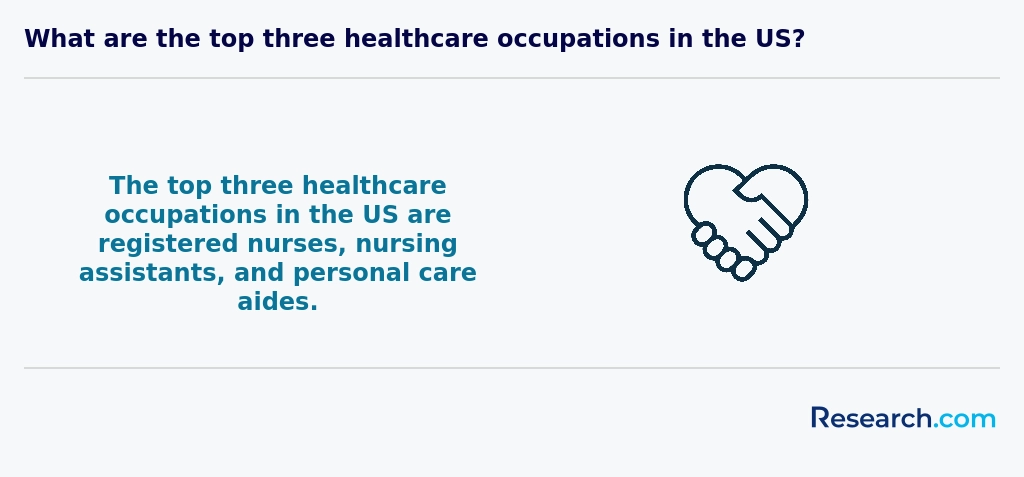
Graduates with a healthcare degree in Costa Mesa can explore diverse career paths reflective of the region's dynamic healthcare environment. Popular options include nursing, medical assisting, health administration, physical therapy, and public health. Many graduates from local colleges find nursing particularly rewarding, with registered nurses in Orange County earning a median salary near $100,000. This career remains in demand, though prospective students should consider the physical and emotional challenges nursing often entails.
Medical assisting graduates frequently secure roles that blend clinical support with administrative duties, serving in outpatient clinics throughout Costa Mesa. Some choose to advance by becoming licensed vocational nurses, demonstrating how flexibility enhances long-term career growth. Healthcare management is another attractive path, where graduates support efficient hospital and clinic operations, often enjoying median salaries around $120,000 in California.
Physical therapy assistants benefit from Costa Mesa's aging population, stepping into rehabilitation roles with expected growth of 20% nationwide. Additionally, public health careers have gained traction, with opportunities in health education and policy reflecting the region's heightened public health awareness. Students balancing costs while studying should explore financial aid options and check rankings such as the Inexpensive Online Healthcare Degree Programs Ranking in Tennessee. These pathways illustrate the varied healthcare career opportunities in Costa Mesa shaped by local demand and broader trends.
What is the job market for healthcare degree in Costa Mesa?
The healthcare job opportunities in Costa Mesa show considerable promise for graduates holding healthcare degrees. The region's hospitals and outpatient centers, including institutions near popular colleges like Orange Coast College, provide a solid starting point for entry-level roles. Graduates often find that registered nursing positions are in notably high demand, with salaries generally exceeding national averages, creating a positive financial incentive to enter the local market.
Many graduates describe their experiences balancing demanding clinical rotations with coursework as both challenging and rewarding, encouraging them to continue specialization. For those exploring less direct patient-care roles, jobs such as healthcare administrators or radiologic technologists also demonstrate steady growth, though these can require additional certifications obtained through continuing education.
Considering Costa Mesa healthcare degree employment outlook, wages for healthcare support roles may be more modest but remain competitive locally, motivating some students to explore options like a fast associates degree to quickly enhance employability. This practical approach to education reflects the realistic budgeting and career planning many students pursue in the area.
Frequently Asked Questions About healthcare
Healthcare degree students in Costa Mesa can enhance their learning experience by actively engaging in local clinical opportunities. The city is home to several healthcare facilities, including the Hoag Orthopedic Institute, which offers practical training environments. According to the California Employment Development Department, healthcare roles in Orange County, where Costa Mesa is located, are projected to grow by 16% through 2028, emphasizing the importance of hands-on experience.
Students should also participate in internships and volunteer programs to develop professional skills and build networks. Many Costa Mesa colleges coordinate such placements within nearby hospitals and clinics. Utilizing campus resources like tutoring and study groups supports academic achievement in demanding healthcare curricula.
The healthcare field continues to evolve rapidly, creating new opportunities for specialized education in Costa Mesa. Emerging niches include telehealth, which grew substantially during the COVID-19 pandemic and remains a key area of investment nationwide, including in Southern California. According to the California Employment Development Department, telehealth services are projected to increase by over 20% in the next decade.
Another growing area is healthcare informatics, where professionals manage patient data and improve digital health systems. The demand for experts in this niche is rising as Costa Mesa healthcare providers adopt advanced technologies.
Additionally, geriatric care and mental health specialties are expanding, reflecting demographic shifts and increased attention to holistic patient approaches. These niches offer promising paths for students pursuing healthcare degrees locally.
Graduates with a healthcare degree in Costa Mesa should begin preparing for the job market by gaining relevant clinical experience during their studies. Internships and externships offered by local hospitals like Hoag Memorial Hospital Presbyterian provide valuable hands-on training. Networking also plays a vital role; attending career fairs and joining local professional organizations such as the Orange County Medical Association can open job opportunities.
Understanding licensure requirements is essential since many healthcare roles need state certification. According to the California Board of Registered Nursing, earning a license is mandatory for nurses in the area. Additionally, strong communication and technological skills improve employability in the evolving healthcare landscape.
Employers in Costa Mesa increasingly prioritize strong communication skills in healthcare degree graduates, essential for effective patient interaction and teamwork. According to a 2023 survey by the California Healthcare Institute, 78% of local healthcare employers value interpersonal abilities above technical expertise.
Critical thinking and problem-solving are also key, helping graduates adapt to fast-changing clinical environments common in Costa Mesa's hospitals and clinics. Familiarity with electronic health records (EHR) systems is another important skill, as digitization is widespread across Orange County healthcare facilities.
Finally, cultural competence is vital due to Costa Mesa's diverse population, ensuring care is respectful and personalized. These skills align graduates with employer expectations in this competitive regional job market.
Finding healthcare internships in Costa Mesa involves leveraging several local resources and networks. Students should start by contacting career services at nearby institutions such as Orange Coast College, which often maintain partnerships with local healthcare providers.
Healthcare organizations in Costa Mesa, including Hoag Health and local clinics, frequently offer internships or shadowing programs. Applicants can explore websites of these institutions or attend local healthcare job fairs to connect with recruiters directly.
Additionally, online platforms like Handshake and the California Employment Development Department provide listings tailored to healthcare internships in the region. Networking through professional associations, such as the California Healthcare Association, can also uncover opportunities.
According to the U.S. Bureau of Labor Statistics, practical experience is essential for healthcare careers, making internships critical for skill development and employability.
Obtaining a healthcare degree in Costa Mesa significantly enhances career mobility and advancement opportunities in the region. The city is part of Orange County, where healthcare employment is projected to grow by 15% over the next decade, according to California Employment Development Department data.
Healthcare degrees, such as nursing or health administration, provide essential credentials that many local employers require for hiring and promotion. In Costa Mesa, major healthcare providers often prioritize candidates with formal education for advanced roles, including management and specialized clinical positions.
Additionally, earning a degree often leads to higher salaries. The U.S. Bureau of Labor Statistics notes that professionals with healthcare degrees in Southern California earn approximately 20-30% more than those without such qualifications. This financial incentive further supports the value of educational advancement.
The degree also facilitates professional networking through campus resources and clinical placements, which are vital in Costa Mesa's competitive healthcare market.
Studying for a healthcare degree in Costa Mesa equips students with the skills necessary for interdisciplinary roles through a curriculum emphasizing collaboration among health professionals. Local colleges and universities integrate courses in nursing, public health, and health administration, reflecting the growing demand for teamwork in healthcare settings.
Clinical training often takes place in nearby Orange County hospitals and community clinics, where students gain hands-on experience working with diverse medical teams. According to the California Employment Development Department, healthcare jobs in the region are projected to grow by 14% through 2030, highlighting a need for workers who can navigate multiple health disciplines.
Programs also focus on communication and problem-solving skills essential for coordinating patient care across specialties, preparing graduates for roles in hospital management, case coordination, or health education.
Choosing between a thesis and a non-thesis healthcare degree program in Costa Mesa depends on your career goals and learning preferences. Thesis programs focus on original research, ideal for students considering advanced degrees or research roles. Non-thesis programs emphasize practical skills and coursework, suited for those aiming for clinical or administrative healthcare positions.
According to the California Center for Healthcare Workforce Development, Costa Mesa's healthcare sector is rapidly growing, with a 12% job increase projected by 2030, favoring hands-on skills.
Consider your time availability as thesis options often require at least six months to a year for research, while non-thesis tracks may allow quicker completion. Consult local universities' advisors to match programs with your professional aims.
Students based in Costa Mesa who want to study healthcare abroad have several pathways to consider within the U.S. higher education system. Many universities offer exchange programs and partnerships with international institutions, allowing students to gain global experience while earning accredited healthcare degrees. For example, programs in nursing, public health, and healthcare administration often include study abroad opportunities in countries with advanced healthcare systems.
According to the National Center for Education Statistics, over 300 U.S. institutions provide study abroad options focused on health sciences, which might suit Costa Mesa students' interests. These experiences can enhance cultural competence and global health understanding.
Additionally, online degree programs accredited in the U.S. may enable students to engage with international healthcare curriculum without relocating. This hybrid approach has grown since the COVID-19 pandemic.
Students pursuing healthcare degrees in Costa Mesa can benefit greatly from part-time jobs that align with their academic goals. Local hospitals like Hoag Hospital and Orange Coast Memorial Medical Center offer positions such as medical assistants, patient care technicians, and administrative support roles. These jobs provide hands-on experience and a deeper understanding of clinical environments.
Pharmacies and outpatient clinics in the area also hire part-time pharmacy technicians and medical receptionists, helping students learn about medication management and patient communication. According to the California Employment Development Department, healthcare support roles in Orange County are projected to grow by 15% through 2028, indicating strong job availability.
Additionally, opportunities in caregiving and home health aid are common, allowing students to develop crucial interpersonal skills and practical patient care experience alongside their studies.
Healthcare students in Costa Mesa have access to various networking opportunities that support their academic and professional growth. Local colleges and universities, such as Orange Coast College, often host events where students can meet healthcare professionals and alumni. These events include career fairs, guest lectures, and workshops focused on healthcare topics.
Additionally, Costa Mesa is close to major medical centers in Orange County, providing students opportunities for internships and volunteering, which are crucial for building professional connections. Organizations like the Orange County Medical Association also offer student memberships and networking events specific to healthcare fields.
According to the Orange County Health Care Agency, healthcare remains a rapidly growing sector in the region, which increases demand for skilled professionals and networking chances for students in this field.
Alumni networks provide valuable support for healthcare degree students in Costa Mesa by connecting them with experienced professionals in the healthcare field. These networks often facilitate mentorship opportunities, which can enhance students' practical knowledge and career readiness.
Many Costa Mesa institutions emphasize strong alumni engagement, helping students access internships and job openings in local healthcare facilities, including Hoag Memorial Hospital. According to the National Association of Colleges and Employers, 85% of jobs are filled through networking, underscoring alumni networks' importance.
Additionally, alumni events promote ongoing education and professional development, vital in the rapidly evolving healthcare sector of Southern California.
Customizing a healthcare degree program in Costa Mesa allows students to align their education with specific career goals. Many local colleges offer flexible course selections, enabling students to focus on areas such as nursing, health administration, or medical technology. Electives and specialized tracks are common, helping tailor the program to industry demands.
Internship opportunities at nearby healthcare facilities, like Hoag Memorial Hospital, provide practical experience relevant to career ambitions. Students can also pursue certifications alongside their degree, enhancing qualifications for advanced roles.
According to the California Employment Development Department, healthcare jobs in Orange County, including Costa Mesa, are projected to grow by 14% through 2030, underscoring the value of a customized education.
Healthcare students in Costa Mesa often face several challenges during their education. One major difficulty is managing rigorous coursework alongside clinical rotations, which require significant time and energy. The demand for hands-on experience means students must balance classroom learning with real-world practice.
Another challenge is the rising cost of education and living expenses. According to the College Board, California's average tuition fees have steadily increased, impacting students' financial stress. In Costa Mesa, where the cost of living is relatively high, students may find budgeting difficult.
Additionally, competition for limited clinical placement spots can delay graduation. Local healthcare facilities often have occupancy limits, making it harder for all students to secure the necessary hours.
Stress and mental health concerns are prevalent as well. A study by the American Psychological Association highlights that healthcare students nationwide report higher anxiety levels compared to other fields.
With a healthcare degree in Costa Mesa, you can pursue a variety of professional certifications that enhance your career prospects. Common certifications include Certified Nursing Assistant (CNA), Licensed Vocational Nurse (LVN), and Registered Nurse (RN), each requiring different education and exam criteria.
Additional certifications such as Certified Medical Assistant (CMA) or Certified Pharmacy Technician (CPhT) are also popular, supporting roles in clinical and pharmaceutical settings.
Specialized certifications like Emergency Medical Technician (EMT) or Certified Health Education Specialist (CHES) prepare graduates for targeted healthcare fields. These credentials are nationally recognized and often required in California healthcare facilities.
The demand for certified healthcare professionals in Costa Mesa grows alongside a regional focus on expanding healthcare services, reported by the California Employment Development Department.
Writing a winning application for a healthcare program in Costa Mesa begins with understanding the local competitive landscape. Costa Mesa is part of Orange County, where healthcare jobs are projected to grow by 15% from 2022 to 2032, according to the Bureau of Labor Statistics. Highlighting relevant experience, such as volunteering or internships in nearby hospitals like Hoag Hospital, strengthens your application.
Ensure your personal statement clearly explains your motivation for healthcare, emphasizing key skills such as empathy and communication. Include specific examples to demonstrate these traits.
Be thorough with prerequisite courses and maintain a strong GPA, particularly in biology and chemistry, as most programs require a minimum 3.0. Lastly, secure strong letters of recommendation from professionals familiar with your healthcare ambitions.
Globally, healthcare careers are highly valued due to increasing demand for medical services and aging populations. In the United States, healthcare occupations are projected to grow 13% from 2021 to 2031, adding about 2 million new jobs, according to the U.S. Bureau of Labor Statistics (BLS). Costa Mesa, located in Orange County, benefits from this national trend with its proximity to major hospitals and research centers, boosting opportunities for healthcare graduates.
Internationally, healthcare professionals face varying certification requirements but share a common need for strong education and clinical skills. For U.S.-based students in Costa Mesa, degrees in nursing, health administration, or clinical research align well with both local and global job markets. These programs emphasize practical experience and evidence-based care, reflecting global standards in healthcare education.
Gaining practical experience while studying for a healthcare degree in Costa Mesa is essential for building skills and enhancing employability. Many local colleges, like Orange Coast College, integrate clinical internships or externships within their programs, allowing students to work directly in healthcare settings. These opportunities often take place in nearby hospitals, clinics, and long-term care facilities.
Additionally, Costa Mesa's proximity to Orange County's healthcare network provides students with access to diverse clinical environments. According to the California Employment Development Department, healthcare occupations in Orange County are expected to grow by 13% from 2020 to 2030, increasing practical training prospects.
Volunteering with local health organizations is another way to gain hands-on experience while studying. Students should seek programs with structured mentorship to maximize learning and meet licensure requirements efficiently.
Choosing the right concentration within a healthcare degree program in Costa Mesa involves evaluating your career goals and local industry demands. The city's healthcare sector is growing, with a 15% job increase expected by 2030 according to California Employment Development Department data. Popular concentrations include nursing, health administration, and medical technology.
Consider your interests alongside practical factors like salary potential and job availability. For example, registered nurses in Orange County earn a median annual wage around $95,000, reflecting strong local demand.
Look for programs offering internships or clinical experience in Costa Mesa healthcare facilities, as hands-on training improves job prospects. Also, verify program accreditation to ensure quality education recognized by employers and licensing boards.
Reviewing these aspects can help you select a concentration that aligns with both your ambitions and the robust healthcare environment in Costa Mesa.
Related Healthcare Rankings for Nearby Cities
- 2027 Most Popular Healthcare Degree Programs Ranking in Las Vegas
- 2027 Most Popular Healthcare Degree Programs Ranking in Provo
- 2027 Most Popular Healthcare Degree Programs Ranking in El Paso
- 2027 Most Popular Healthcare Degree Programs Ranking in Portland
- 2027 Most Popular Healthcare Degree Programs Ranking in Lubbock
- 2027 Most Popular Healthcare Degree Programs Ranking in Spokane
- 2027 Most Popular Healthcare Degree Programs Ranking in Tacoma
- 2027 Most Popular Healthcare Degree Programs Ranking in Abilene
- 2027 Most Popular Healthcare Degree Programs Ranking in Oklahoma City
- 2027 Most Popular Healthcare Degree Programs Ranking in San Antonio
Top Trending Healthcare Rankings
See What Experts Have To Say About Studying Healthcare
Read our interview with Healthcare experts

References
- The Healthcare Student’s Guide to Internships | EduMed.org https://www.edumed.org/resources/student-online-guide-to-internships/
- 20 healthcare investment niches and 3 things to know: The evolution of ... https://blackbookmarketresearch.com/20-healthcare-investment-niches-and-3-things-to-know-the-evolution-of
- CNA Training Costa Mesa | LA Skills Academy https://www.laskillsacademy.com/cna-training-costa-mesa
- How to Set and Achieve Career Goals in Health and Social Care | Royal Open College https://royalopencollege.org/blog/health-and-social-care/how-to-set-and-achieve-career-goals/
- Thesis vs. Non-Thesis Master's Programs: Which is Right for You? https://potomac.edu/thesis-vs-non-thesis-masters/
- Job-Ready Healthcare Skills for 2026 https://cliniwave.in/blogs/latest-article/job-ready-healthcare-skills
- Niche Markets in Healthcare https://ultrariskadvisors.com/niche-markets-in-healthcare/
- College Options - Costa Mesa Middle and High School https://cmhs.nmusd.us/cmhs/counseling/college-and-career-center/college-options
- Allied Health https://orangecoastcollege.edu/academics/consumer-health/allied-health/index.html
- Education requirements for the fastest-growing healthcare jobs https://www.corridorcareers.com/job-tips/blog-news-education-requirements-fastest-growing-healthcare-jobs


