2027 Most Popular Marketing Degree Programs Ranking in Colorado

Co-Founder and Chief Data Scientist
Choosing the right marketing degree program can shape your future career in exciting ways. For students in Colorado, making an informed decision is key to finding a program that matches your goals and interests.
This article features the 2027 Most Popular Marketing Degree Programs Ranking in Colorado, created by the Research.com team of data scientists. The ranking helps you discover top programs based on solid data, giving you confidence as you explore your options.
Reading this will guide you toward programs that open doors to rewarding opportunities and personal growth in marketing.
Key benefits of getting marketing degree in Colorado
- Marketing degree graduates in Colorado can earn competitive salaries, such as $83,190 annually for roles like Marketing Assistant or Digital Marketing Specialist, and up to $159,420 for Public Relations Specialists, offering strong financial rewards.
- A marketing graduate from a popular Colorado university might explore diverse careers, including Sales Associate, Media Planner, or Public Relations Specialist, allowing flexibility to find a role that fits personal strengths and passions.
- Completing a marketing degree online from a well-known Colorado university offers convenience and flexibility, enabling graduates to balance work and study while still gaining valuable skills and recognized credentials.
- Key benefits of getting marketing degree in Colorado
- What can I expect from marketing degree in Colorado?
- Where can I work with marketing degree in Colorado?
- How much can I make with marketing degree in Colorado?
- 2027 Most Popular Marketing Degree Programs Ranking in Colorado
- Key Findings
- How long does it take to complete marketing degree in Colorado?
- What's the difference between online and on-campus marketing degree?
- What is the average cost of marketing degree in Colorado?
- Future Trends in Marketing Education and Career Opportunities in Colorado
- What financial aid is available to marketing degree students in Colorado?
- Return on Investment (ROI) for Marketing Degrees in Colorado
- What are the prerequisites for enrolling in marketing degree program in Colorado?
- Internships and Experiential Learning Opportunities
- What courses are typically in marketing degree programs in Colorado?
- What types of specializations are available in marketing degree programs in Colorado?
- How do you choose the best marketing degree in Colorado?
- What career paths are available for marketing degree students in Colorado?
- What is the job market for marketing degree in Colorado?
- Related Marketing Rankings for Nearby States
- Top Trending Marketing Rankings
- See What Experts Have To Say About Studying Marketing
What can I expect from marketing degree in Colorado?
The average annual cost for pursuing a marketing degree in Colorado generally falls between $10,000 and $40,000, depending on whether you attend a public or private institution. Graduates from well-known universities like the University of Colorado Boulder often reflect on the value of affordable in-state tuition, which helped them manage expenses while still accessing quality education. Conversely, students from private colleges report a higher price tag but appreciate the smaller class sizes and personalized support they received.
Many marketing students recall leveraging scholarships and financial aid opportunities, easing the financial burden significantly. The investment feels worthwhile when considering the practical experiences these programs offer-internships with companies in Denver or Boulder often lead to early job placements. This combination of cost, hands-on learning, and strong regional connections makes studying marketing in Colorado an appealing and achievable path for many young professionals eager to launch their careers in dynamic economic sectors.
Where can I work with marketing degree in Colorado?
Graduates with a marketing degree in Colorado often find themselves stepping into dynamic roles across vibrant industries, shaping careers rich with opportunity. Many who studied at institutions like the University of Colorado Boulder or Colorado State University share stories of landing positions in bustling Denver marketing firms or joining innovative startups in Boulder's tech scene. These environments let them apply their skills in real-world projects, from crafting compelling digital campaigns to analyzing consumer data.
Colorado's diverse economy means marketing graduates can pursue paths in healthcare, finance, renewable energy, or the state's thriving tourism sector. One graduate recalls working with a Denver-based aerospace company, where marketing efforts supported high-tech product launches, blending creativity with strategic insight. Another found fulfillment managing social media for Colorado Springs tourism, promoting local events and destinations that foster community pride.
Such roles vary in focus-from market research analyst to brand manager or digital marketing specialist-offering a satisfying balance between analytical and creative work. The steady growth in demand for these skills in Colorado ensures marketing graduates enter a workforce eager for innovation and fresh ideas.
How much can I make with marketing degree in Colorado?
Graduates with a marketing degree in Colorado often find rewarding salary opportunities that align well with the state's dynamic job market. For example, those starting as Marketing Assistants can expect an average annual wage around $83,190. This is a solid entry point for recent graduates from institutions like the University of Colorado Boulder or Colorado State University, who often find this role a valuable step to hone their skills.
As graduates progress, roles such as Digital Marketing Specialists or Media Planners typically earn similar annual wages near $83,190. These positions can leverage Colorado's growing tech and service industries, offering exciting avenues to apply creativity and analytics in vibrant metropolitan areas like Denver.
For those who build experience and specialize further, becoming a Public Relations Specialist offers a substantially higher mean wage at about $159,420 annually. Graduates who have navigated internships and networked within Colorado's marketing circles often feel proud to reach such levels, reflecting dedication and strategic career moves.
Even jobs like Sales Associates, earning a mean wage of $53,280, provide practical experience and income while opening pathways to broader marketing roles. Many graduates appreciate starting here, confident their degree equips them well for growth in Colorado's market.
2027 Most Popular Marketing Degree Programs Ranking in Colorado
How do we rank schools?
Investing in your education is a significant decision that impacts your future, and the Research.com team is committed to helping you make well-informed choices. To support students exploring marketing degrees in Colorado, we have carefully developed the "2027 Most Popular Marketing Degree Programs Ranking in Colorado." Our dedication to quality, credibility, and accuracy is evident through the thorough research and analysis behind this ranking.
We utilized the following reputable data sources to ensure a comprehensive evaluation of marketing programs:
By consulting this ranking, readers will receive valuable insights into top marketing degree options in Colorado, empowering them to select the program that best fits their academic and career aspirations. For more information about how this ranking was created, please visit our Research.com methodology page.


Key Findings
- Public universities in Colorado charge in-state students about $10,000 to $15,000 per year, while private schools can exceed $30,000 annually.
- Starting salaries for marketing graduates in Colorado range from $45,000 to $55,000 per year, increasing to around $70,000 with experience.
- Senior marketing managers in Colorado often earn more than $100,000 annually.
- Colorado offers strong job opportunities in marketing across industries like technology, healthcare, tourism, and energy.
- The marketing field in Colorado is expected to grow by about 8% over the next decade, matching national trends.
How long does it take to complete marketing degree in Colorado?
Completing a marketing degree in Colorado often takes about four years for those studying full-time, a duration familiar to many graduates from well-known institutions like the University of Colorado Boulder or Colorado State University. These students typically carry around 120 credit hours, balancing fall and spring semesters in a rhythm that feels steady and manageable.
Some graduates recall choosing flexible paths-enrolling in summer classes or online courses-that helped them finish in as little as three years. This accelerated route can spark excitement, offering an earlier start to careers while maintaining academic rigor. On the other hand, students who incorporate internships or cooperative programs often extend their studies slightly but gain invaluable real-world marketing experience, which many reflect on as well worth the extra time.
For those advancing to graduate degrees in Colorado, one to two years full-time is common. Part-time options also serve working professionals, offering a balanced approach that respects other life commitments while moving steadily forward.
What's the difference between online and on-campus marketing degree?
Choosing between online and on-campus marketing degrees in Colorado often comes down to lifestyle and learning preferences. Graduates from the University of Colorado Boulder describe on-campus programs as energizing, with lively classroom debates and networking events that make building professional connections feel natural. The hands-on experiences, like attending local job fairs or internships in Denver's marketing firms, create a tangible link between study and career opportunities.
Conversely, graduates from Colorado State University's online program emphasize the freedom of studying asynchronously. They found balancing coursework with jobs or family much easier, appreciating the ability to learn anytime without sacrificing quality. This flexibility reduces stress and commuting costs, a real advantage for those living outside urban hubs.
Both pathways cover essential marketing skills and rely on Colorado's accreditation standards, ensuring graduates feel confident in their knowledge. On-campus students often relish direct feedback and physical collaboration, while online learners grow self-motivation and adaptability-traits just as crucial in today's digital marketing landscape.
What is the average cost of marketing degree in Colorado?
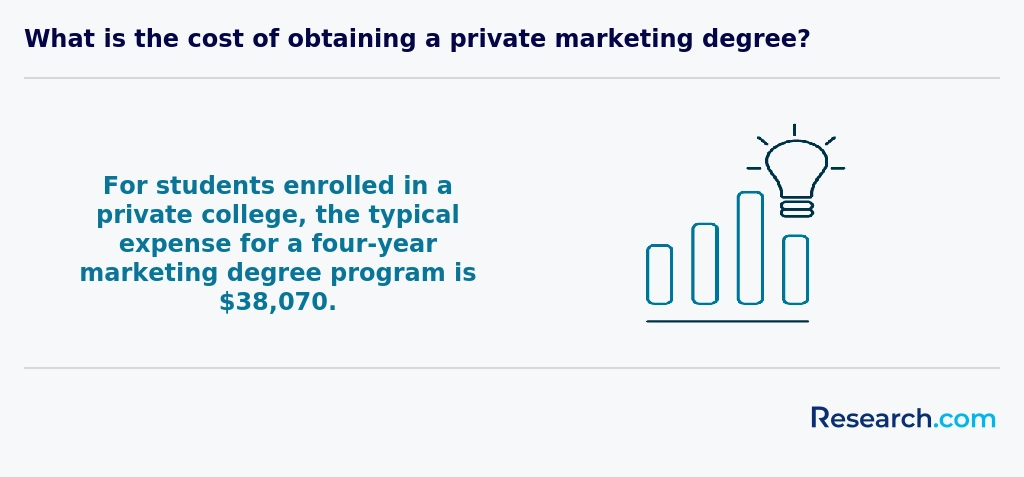
The average cost of a marketing degree in Colorado varies significantly based on residency and the choice of institution. For in-state students attending public universities, the median total cost stands around $11,124, which reflects a more accessible path to obtaining a quality marketing education. Many graduates share how attending well-known institutions like the University of Colorado Boulder or Colorado State University allowed them to balance tuition expenses with opportunities for internships and local networking.
Out-of-state students face a noticeably higher median total cost of about $48,929. Though this number might seem daunting, it often includes substantial fees beyond tuition-covering housing, supplies, and other essentials that come with relocating. Some graduates remark on the value they found in enrolling at private colleges in Colorado, where the immersive experience and smaller class sizes enriched their learning despite a steeper price tag.
Understanding the average cost of marketing degree in Colorado requires considering more than just tuition; living expenses and educational supplies contribute heavily to total expenses for marketing degree Colorado 2027. For example, seasoned students at metropolitan campuses often recount budgeting carefully for housing and transport, learning firsthand how to allocate resources while gaining meaningful professional skills.
Prospective students aiming to find more affordable options might explore affordable marketing schools in colorado, where financial aid packages and scholarships can make a substantial difference. This thoughtful approach allows many to pursue their marketing ambitions without overwhelming financial stress, blending passion with pragmatism.
Future Trends in Marketing Education and Career Opportunities in Colorado
The marketing landscape is evolving rapidly, and understanding the future trends in education and career opportunities is essential for prospective students. As digital technologies continue to reshape industries, innovative teaching methods and curriculum updates are emerging at a fast pace. Institutions in Colorado are increasingly integrating data analytics, artificial intelligence, and immersive digital experiences into their marketing programs to better prepare students for an ever-changing job market. This evolution not only enhances academic rigor but also improves hands-on learning opportunities critical for real-world success. Moreover, emerging trends indicate that employers are placing greater emphasis on creative problem-solving, ethical marketing practices, and sustainability. These shifts are influencing academic programs, prompting universities to collaborate with industry experts and incorporate current trends into their courses. Students can expect curricula that are more adaptive and reflective of contemporary market demands, ensuring that graduates are well-equipped to drive innovative strategies in their careers. For those considering cost-effective options without compromising on quality, exploring the series of affordable marketing schools in colorado can be an excellent starting point. Staying updated with the latest industry insights and networking with professionals through seminars, webinars, and internships can further enhance career prospects in this dynamic field.
What financial aid is available to marketing degree students in Colorado?
Marketing students in Colorado often start their financial aid journey by completing the FAFSA, unlocking access to federal grants like the Pell Grant, which many find essential since it doesn't require repayment. Graduates from institutions such as the University of Colorado Denver recall how these funds eased their early financial worries, allowing them to focus more on building marketing skills than on mounting debt.
State programs add another layer of support; for example, the Colorado Opportunity Scholarship Initiative (COSI) is praised by alumni of Colorado State University Global for helping bridge the gap between tuition costs and personal resources. This kind of aid not only lightens the financial load but also encourages persistence through challenging coursework.
Institutional scholarships based on merit or leadership, especially those specific to business or marketing fields, are common at Colorado universities, offering students tangible recognition of their efforts. Many graduates highlight how employer tuition assistance and private scholarships from local marketing organizations helped them continue their studies without financial strain.
Finally, federal student loans remain a practical choice, with lower interest rates and flexible repayment terms, factors appreciated by marketing graduates who balanced education costs with life beyond college.
Return on Investment (ROI) for Marketing Degrees in Colorado
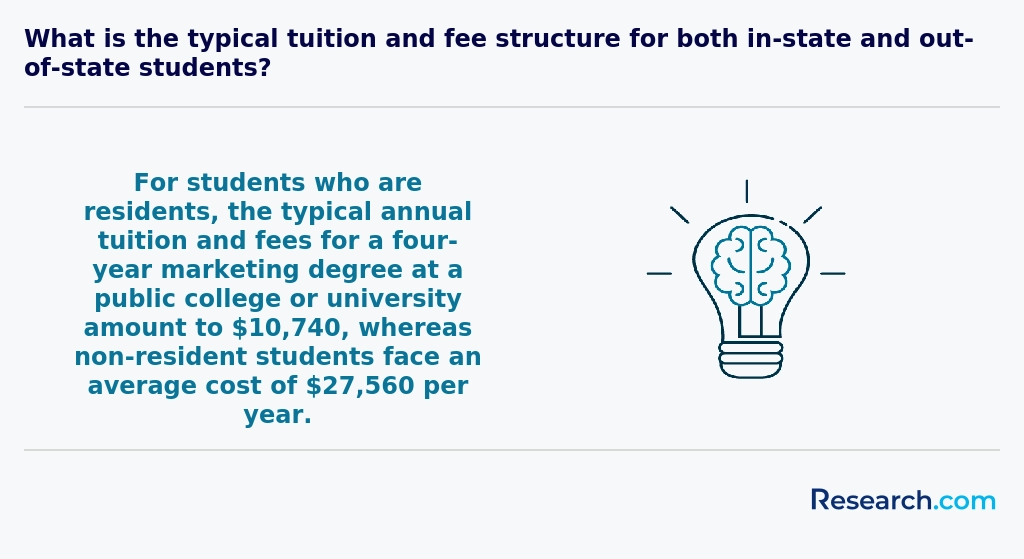
Understanding the return on investment (ROI) is essential when evaluating the true value of a marketing degree in Colorado. By comparing average tuition costs against projected earnings and career growth, students can make data-driven decisions that align with their long-term financial goals. • Estimated Total Cost vs. Earnings - In-state public bachelor’s programs: ~$10,740 per year (tuition & fees) - Out-of-state bachelor’s programs: ~$27,560 per year - Median starting salary for Marketing Assistants: $50,000–$78,880 - Median mid-career salary for Marketing Managers: $90,000–$138,730 • Payback Period - In-state students typically recover tuition costs within 3–4 years of full-time employment. - Out-of-state students may extend their payback period to 5–6 years but often offset this by leveraging internships and high-growth specializations like digital marketing. • Lifetime Earnings Premium - Graduates of top Colorado programs report an average salary premium of $11,000 annually compared to non-degree holders. - Over a 30-year career, this gap can translate into an additional $330,000 in gross earnings. • Factors That Influence ROI 1. Specialization Choice: Data-driven fields such as Market Research and Digital Marketing often yield higher starting salaries. 2. Internship Experience: Paid internships in Denver’s tech and outdoor recreation sectors can accelerate salary growth by 10–15%. 3. Networking & Alumni Outcomes: Programs with strong corporate partnerships and active alumni networks tend to produce faster job placements. For students prioritizing affordability without sacrificing quality, our Low Cost Marketing Degree Programs Ranking in Indianapolis, IN offers additional insights into cost-effective pathways.
What are the prerequisites for enrolling in marketing degree program in Colorado?
Enrolling in a marketing degree program in Colorado usually means meeting a few key prerequisites that set the stage for your success. For many undergraduates, a high school diploma or GED is essential, alongside a solid GPA-around 2.5 to 3.0 on a 4.0 scale-though some schools like the University of Colorado Boulder offer flexibility with test-optional policies, which some graduates found relieved early application stress.
Beyond grades, you'll notice the importance of strong academic preparation in subjects like math, English, and social sciences. Graduates from Colorado State University often reflect on how early familiarity with data analysis and digital tools helped them thrive in marketing projects, reinforcing that these skills are more than just recommendations-they're valuable foundations.
For those pursuing graduate-level marketing, such as an MBA with a marketing focus, programs at institutions like the University of Denver typically require a bachelor's degree and often a minimum 3.0 GPA. Some ask for GMAT or GRE scores, though many appreciate work experience to gauge practical readiness, making the journey feel more personal and attainable.

Internships and Experiential Learning Opportunities
Colorado’s top marketing programs prioritize hands-on learning through a variety of internships, co-ops, and practicum experiences that bridge classroom theory and real-world application. Most universities partner with local agencies, nonprofits, and Fortune 500 companies-such as Ball Corporation and New Belgium Brewing-to offer semester-long internships that allow students to manage live campaigns, conduct market research, and optimize digital strategies under professional supervision. Many programs also integrate cooperative education (co-op) models, enabling students to alternate between full-time work terms and academic semesters. This flexible structure not only enhances résumés but often leads to full-time job offers upon graduation. Students at Colorado State University, for example, have completed co-ops with public relations firms and tech startups, receiving mentorship from industry veterans while earning academic credit. Beyond internships and co-ops, experiential learning extends to campus-based consulting projects and case competitions. Marketing cohorts frequently collaborate with local businesses to develop branding strategies, culminating in presentations before executive panels. To ensure you meet the business marketing degree requirements, institutions often mandate a minimum number of experiential credits-typically 3–6 units-focused on strategic planning, consumer analytics, or digital advertising. These immersive opportunities sharpen critical thinking, strengthen professional networks, and dramatically improve post-graduation placement rates.
What courses are typically in marketing degree programs in Colorado?
Marketing degrees in Colorado university programs typically immerse students in a blend of foundational and specialized courses that truly prepare them for the dynamic marketing world. Graduates often recall how courses like Principles of Marketing gave them a clear understanding of strategies and consumer behavior, essential for crafting real campaigns. For instance, students at the University of Colorado Boulder have appreciated how Market Research and Analytics sharpened their ability to interpret data, turning numbers into actionable insights that drive decisions.
The experience of navigating Digital Marketing classes is frequently highlighted by those who valued learning SEO tactics, social media engagement, and content creation - skills that directly reflect current job market demands in Colorado's growing digital economy. Advertising and Promotion courses further enable students to confidently design impactful brand messages, while Sales Management teaches practical negotiation and relationship-building techniques.
These programs often integrate Marketing Strategy and Business Ethics, pushing students to think critically about market positioning and ethical considerations, which alumni praise for grounding them in responsible, effective marketing practices.
What types of specializations are available in marketing degree programs in Colorado?
Marketing degree specializations in Colorado often reflect the dynamic economic landscape of the state, offering tracks that align with both established and emerging industries. Graduates from universities like Colorado State University and the University of Colorado Denver frequently highlight how specializations such as Digital Marketing empower them to excel in tech-driven roles within Colorado's bustling startup ecosystem. These programs emphasize real-world applications, like mastering social media strategy and data analytics, which deeply resonate with students eager to translate theory into practice.
Others find value in Brand Management and Market Research, focusing on sectors like craft beer and outdoor recreation, which are integral to Colorado's unique market. Such specializations help students develop skills that are immediately relevant-whether it's creating compelling brand stories or understanding consumer behavior patterns. Those pursuing Sales Management appreciate how coursework and internships prepare them to lead sales teams in rapidly growing local companies. For prospective students, exploring business marketing degree requirements at these universities can offer clear guidance on how to align their passions with viable career paths.
How do you choose the best marketing degree in Colorado?
When choosing the best marketing degree programs in Colorado, it's important to weigh accreditation and curriculum quality carefully. Graduates from institutions like the University of Colorado Boulder often reflect on how their programs combined solid marketing theory with hands-on projects, preparing them well for real-world challenges. Many find that courses focusing on digital marketing, consumer behavior, and market research form a strong foundation for growth in Colorado's competitive marketing landscape.
Flexibility in format matters greatly-colorado students juggling work or family responsibilities often appreciate the hybrid or fully online options available at schools such as Colorado State University. These formats enable learners to gain local internship experience in booming cities like Denver without sacrificing personal commitments. Considering affordable marketing colleges in Colorado is equally critical; the cost difference between public and private universities can be vast, and evaluating value for money through resources like the Low Cost Marketing Degree Programs Ranking in Indianapolis, IN may help clarify options.
What career paths are available for marketing degree students in Colorado?
Graduates from universities like the University of Colorado Boulder and Colorado State University often find marketing career opportunities in Colorado that span from traditional advertising and public relations to rapidly growing digital marketing fields. Many who pursued their degrees here have embraced roles as digital marketing specialists, social media managers, or content creators, taking advantage of Colorado's vibrant startup culture and expanding tech sector. These experiences highlight how marketing students learn to balance creativity with analytics, preparing them for diverse industries.
Jobs with marketing degree in Colorado are not limited to corporate settings; graduates frequently engage with nonprofit organizations, government agencies, and educational institutions, promoting critical programs across the state. For those starting out, entry-level positions such as marketing assistants or social media coordinators often serve as valuable stepping stones. Students appreciate programs at schools like the University of Denver for their practical internships and networking opportunities, which reflect real-world challenges and help build lasting professional relationships.
Many find the fastest way to get bachelor's degree online appealing to balance work and study while enhancing skills like SEO or brand management. This flexible approach supports career growth within Colorado's evolving market, making the pursuit of a marketing degree a rewarding and strategic decision.
What is the job market for marketing degree in Colorado?
The job market for marketing degree job opportunities in Colorado remains vibrant, particularly for graduates from institutions like the University of Denver and Colorado State University. Many graduates share how the state's strong economy and diverse industries create valuable chances to apply their skills in real-world settings. Whether working at startups in Boulder or established companies in Denver, these marketing professionals find rewarding roles managing digital campaigns and brand engagement, aligning with the rising demand for expertise in SEO, content marketing, and data analytics.
Beyond entry-level roles such as marketing assistants and social media specialists, many Colorado marketing graduates quickly advance to managerial positions offering salaries well above state averages. This positive trajectory offers both reassurance and excitement for students considering the financial and career returns of their education. Those pursuing further specialization often explore options like the easiest masters program to enhance their skills and improve employment outlook.
Colorado marketing graduate employment outlook is strengthened by local trends emphasizing sustainability and social responsibility, which resonate deeply with students' values. Graduates frequently describe their experiences contributing to environmentally focused initiatives, reflecting how their education prepares them for evolving market demands and fulfilling career paths.
Frequently Asked Questions About marketing
Marketing degree students in Colorado can maximize their learning experience by combining academic study with practical opportunities. Universities such as the University of Colorado Boulder and Colorado State University offer access to local businesses and startups where students can apply marketing theories in real-world settings.
Colorado's diverse economy, including booming tech and outdoor industries, provides unique internship opportunities that enhance both skills and résumés. According to the Colorado Department of Labor and Employment, marketing roles in the state grew by 7% between 2018 and 2023, highlighting a strong job market for graduates.
Students should also engage in networking through campus clubs, professional organizations like the American Marketing Association's Colorado chapter, and local events to build connections. Supplementing coursework with certifications in digital marketing tools can further improve employability in this competitive field.
The marketing field is rapidly evolving, introducing new and specialized niches. In Colorado, areas like digital analytics, content marketing, and influencer marketing are gaining prominence. According to the Colorado Department of Labor and Employment, digital marketing jobs grew by 12% from 2020 to 2023, reflecting the increasing demand for data-driven strategies.
Another emerging niche is sustainability marketing, which focuses on promoting eco-friendly products and corporate social responsibility. This aligns with Colorado's strong environmental values. Additionally, experiential marketing is expanding, leveraging live events and immersive experiences to engage consumers more deeply.
Colorado's growing tech industry also supports careers in marketing automation and artificial intelligence applications in marketing. These fields require a mix of creativity and technical skills, valuable for graduates aiming to stand out.
After earning a marketing degree in Colorado, preparing for the job market involves strategic steps. Building a strong professional network in cities like Denver and Boulder, where marketing jobs are concentrated, is essential. According to the Colorado Department of Labor and Employment, marketing-related positions are expected to grow by 8% through 2030. Internships during or immediately after graduation provide practical experience, increasing employability.
Developing digital marketing skills, including SEO, analytics, and social media, is critical since 70% of Colorado businesses prioritize these areas. Joining local marketing associations, such as the Colorado American Marketing Association, offers valuable connections and learning opportunities.
Employers in Colorado seek marketing degree graduates with strong analytical skills to interpret data and measure campaign effectiveness. According to the Bureau of Labor Statistics, Colorado's marketing sector emphasizes proficiency in digital marketing tools and social media management, reflecting the state's growing tech industry.
Communication skills are vital, as graduates must craft clear messages for diverse audiences. Creativity also ranks highly, supporting innovative strategies that stand out in Colorado's competitive markets. Additionally, problem-solving abilities help graduates adapt to fast-changing trends.
Colorado employers value teamwork and project management experience, ensuring graduates can collaborate efficiently in dynamic environments. Familiarity with SEO, content creation, and marketing automation platforms is increasingly preferred as businesses adopt integrated marketing solutions.
Finding marketing internships in Colorado involves exploring various local resources tailored to the state's economic and educational environment. Colorado hosts a diverse range of industries, including technology, tourism, and retail, which actively offer marketing internships to students.
University career centers are a primary resource for students enrolled in marketing programs. Schools like the University of Colorado Boulder and Colorado State University regularly connect students with internship opportunities in Denver's growing marketing sector.
The Colorado Department of Labor and Employment reports that marketing-related jobs in the Denver metropolitan area are expected to grow by approximately 8% through 2028, creating competitive internship openings.
Students should also leverage networking events organized by professional marketing associations, such as the American Marketing Association (AMA) Colorado chapter, to identify internships.
Online job platforms specific to Colorado, including the state's official job bank, help filter internships by industry and location, making the search more efficient for marketing students.
A marketing degree in Colorado significantly enhances career mobility and advancement opportunities. Employers in Colorado's growing business hubs, such as Denver and Boulder, increasingly prefer candidates with formal marketing education due to strong competition in sectors like tech, retail, and healthcare. According to the Colorado Department of Labor and Employment, marketing managers in the state earn a median annual wage of over $120,000, which is above the national average. Graduates with a marketing degree often advance faster into roles like brand manager, digital strategist, or market analyst because their education provides essential skills in data analysis, consumer behavior, and digital marketing. Continuous learning through degree programs also aligns with Colorado's emphasis on innovation-driven industries, supporting professionals in adapting to emerging marketing technologies and leadership positions.
Studying for a marketing degree in Colorado equips students with skills that extend beyond traditional marketing roles. Colorado's universities emphasize interdisciplinary learning, integrating courses in data analytics, business management, communication, and technology. This approach mirrors the demands of today's job market, where marketing professionals often collaborate across departments.
For example, institutions like the University of Colorado Boulder offer programs blending marketing with information systems and entrepreneurial studies. According to the Colorado Department of Higher Education, students graduating in marketing-related fields demonstrate strong employment growth, reflecting diverse career options.
This education model prepares students to handle roles involving digital strategy, brand management, and consumer behavior analysis, often requiring knowledge from multiple disciplines.
Choosing between a thesis and a non-thesis marketing degree program in Colorado depends on your career goals and learning preferences. A thesis option emphasizes research, requiring students to conduct original studies and write a detailed paper. This path suits those planning to pursue doctoral studies or research-oriented roles.
Non-thesis programs focus on coursework and practical skills, often including internships or projects, which may benefit students aiming for direct entry into Colorado's competitive marketing industry. According to the Colorado Department of Higher Education, over 60% of marketing graduates enter local businesses or agencies where applied skills matter most.
Consider also your time commitment: thesis programs often take longer due to research demands. Reflect on whether you prefer depth in theory or practical marketing applications.
Students based in Colorado seeking marketing degrees often explore study abroad opportunities through their home institutions. Many universities in Colorado, including the University of Colorado Boulder and Colorado State University, offer exchange programs or partnerships with international universities in Europe, Asia, and Australia. These programs allow students to complete marketing courses abroad while earning credits toward their degree.
Students can also participate in faculty-led short-term study tours focused on global marketing strategies. According to the Institute of International Education, about 2% of U.S. marketing students engage in study abroad, highlighting growing interest. Advising offices in Colorado institutions assist with selecting programs aligned with marketing career goals and ensuring credit transferability. Access to these options depends on specific university agreements and funding availability.
Students pursuing marketing degrees in Colorado can benefit from various part-time job opportunities that enhance their education. Positions such as social media coordinator, content creator, or marketing assistant are common roles available in cities like Denver and Boulder, which host numerous start-ups and established companies. According to the Colorado Department of Labor and Employment, marketing support roles grew by 5% between 2020 and 2023, indicating healthy demand.
Interning with local advertising agencies or nonprofits offers practical experience in campaign planning, digital analytics, and consumer behavior analysis. Retail marketing positions also help students develop direct customer interaction skills essential for market research.
These roles complement academic learning by developing real-world marketing skills and improving resumes for competitive job markets in Colorado's growing business sectors.
Marketing students in Colorado benefit from numerous networking opportunities through both academic institutions and industry organizations. Major universities such as the University of Colorado Boulder and Colorado State University offer marketing clubs, career fairs, and mentorship programs connecting students with local businesses.
Colorado's vibrant economy, particularly in Denver and Boulder, hosts events like the Denver AMA (American Marketing Association) chapter meetings, where students can meet professionals and gain insight into marketing trends. According to the Colorado Department of Labor, marketing-related jobs have grown by over 10% in the past five years, increasing demand for networking in this field.
Internships with companies in technology, retail, and tourism sectors provide valuable real-world experience and contacts. Additionally, Colorado's growing startup scene encourages students to engage with entrepreneurial marketing groups, enhancing their professional networks early in their careers.
Alumni networks provide crucial support for marketing degree students in Colorado by connecting them with experienced professionals and industry leaders. These connections often lead to internships, job opportunities, and mentorship, which can be especially valuable in Colorado's competitive marketing job market. For example, the Denver Metro Chamber of Commerce highlights that local marketing roles grew by 7% between 2019 and 2023, underscoring the importance of networking in the region. Many universities in Colorado maintain active alumni groups that host events and workshops, helping students build practical skills and insider knowledge about market trends specific to the state.
Such networks also allow students to gain insights into companies that are prominent in Colorado's economy, including sectors like technology, outdoor recreation, and healthcare marketing. According to the Colorado Department of Labor and Employment, marketing is among the top 15 fastest-growing occupations statewide, increasing demand for well-connected graduates. Alumni often share success stories and strategies, enabling students to navigate career paths more effectively. This peer and mentor support can significantly enhance a student's chances of employment after graduation.
To customize your marketing degree program in Colorado, start by exploring elective courses that align with your career goals. Many Colorado universities offer specialized classes in digital marketing, consumer behavior, and brand management. This allows you to focus on areas like social media marketing or market research.
Internships and cooperative education opportunities within Colorado's growing marketing sector provide practical experience. Engaging with local businesses, especially in Denver's expanding marketing industry, can enhance your resume.
Additionally, consider certificate programs or minors in areas like data analytics or communications to complement your marketing degree, increasing your versatility in the job market.
Marketing students in Colorado often face the challenge of balancing theoretical knowledge with practical skills. According to the Colorado Department of Higher Education, many programs emphasize digital marketing technology, but students report needing more hands-on experience with real-world campaigns.
Another common challenge is access to internships. While Colorado hosts a growing number of marketing firms, competition for local internship positions remains high, especially in cities like Denver and Boulder.
Additionally, students frequently mention the fast-changing nature of marketing trends, which requires continuous learning beyond the classroom. Staying updated with tools like SEO, social media analytics, and data-driven marketing is essential for success in the state's evolving job market.
With a marketing degree in Colorado, you can pursue several professional certifications to enhance your career prospects. Popular options include the Certified Marketing Professional (CMP) and the Digital Marketing Institute's Professional Diploma in Digital Marketing, which offer strong credentials in both traditional and digital marketing fields.
The American Marketing Association also offers the Professional Certified Marketer (PCM) credential, highly respected across the US, including in Colorado's growing marketing industry.
Given Colorado's dynamic economy and strong tech sector, certifications in SEO, Google Ads, and content marketing are valuable.
According to the Colorado Department of Labor and Employment, marketing roles in the state are expected to grow by 8% over the next decade, making these certifications worth considering.
When applying to marketing degree programs in Colorado, start by carefully researching each school's specific requirements. Many institutions, such as the University of Colorado Boulder, emphasize a strong academic record and relevant extracurricular activities.
Highlight any marketing-related experience, internships, or projects to demonstrate practical skills. According to the Colorado Department of Higher Education, marketing job opportunities are growing statewide, so showcasing awareness of local industry trends can strengthen your application.
Write a clear, concise personal statement explaining your career goals and why Colorado's marketing programs suit your ambitions. Use measurable achievements and relate them to skills demanded in Colorado's evolving marketplace, supported by data from the Bureau of Labor Statistics on regional marketing employment growth.
Finally, tailor each application to the institution, focusing on how your background aligns with their curriculum and values for better chances of acceptance.
The global perspective on a marketing career is increasingly relevant for students pursuing degrees in Colorado. Marketing today connects brands to diverse international markets, requiring professionals to understand cross-cultural communication and global consumer behavior. According to the U.S. Bureau of Labor Statistics, employment of marketing managers is projected to grow 10% from 2022 to 2032, reflecting strong demand both domestically and globally.
Colorado's marketing programs emphasize global business strategies, preparing students for careers that involve international trade, digital marketing, and data analytics. Institutions often partner with global companies to give students real-world experience. This global outlook enhances job prospects beyond U.S. borders.
With Colorado's economy tied to tech and tourism, marketers with global knowledge are in high demand, supporting the region's connection to international markets.
Gaining practical experience while pursuing a marketing degree in Colorado is essential for career readiness. Many Colorado universities, including the University of Colorado Boulder, offer internship programs that connect students with local businesses in Denver's growing marketing sector. According to the Colorado Department of Labor and Employment, marketing positions in the Denver metro area are expected to grow by 8% through 2028, highlighting ample internship opportunities.
Students can also participate in cooperative education programs that blend coursework with paid, real-world marketing work. Additionally, marketing clubs and student-led projects provide hands-on experience in campaign planning and digital marketing strategies. Such activities help students build portfolios and professional networks before graduation.
Choosing the right concentration within a marketing degree program in Colorado depends on your career goals and interests. Popular options include digital marketing, brand management, and market research. Colorado's growing tech and outdoor industries often demand skills in social media marketing and consumer analytics.
Research from the Colorado Department of Labor notes that roles in digital marketing are projected to grow 12% by 2030, higher than the national average. This suggests a strong regional job market for digital specialists.
Consider the coursework and internships each program offers to match real-world experience with your ambitions. For example, concentrations with practical projects in data-driven marketing may be advantageous given Colorado's data-centric business environment.
Finally, connect with alumni or advisors to understand how each concentration aligns with local industry needs and long-term job prospects.
Related Marketing Rankings for Nearby States
- 2027 Most Popular Marketing Degree Programs Ranking in Nebraska
- 2027 Most Popular Marketing Degree Programs Ranking in Kansas
- 2027 Most Popular Marketing Degree Programs Ranking in Oklahoma
- 2027 Most Popular Marketing Degree Programs Ranking in Arizona
- 2027 Most Popular Marketing Degree Programs Ranking in Missouri
- 2027 Most Popular Marketing Degree Programs Ranking in Idaho
- 2027 Most Popular Marketing Degree Programs Ranking in Iowa
- 2027 Most Popular Marketing Degree Programs Ranking in Arkansas
- 2027 Most Popular Marketing Degree Programs Ranking in Louisiana
- 2027 Most Popular Marketing Degree Programs Ranking in California
Top Trending Marketing Rankings
See What Experts Have To Say About Studying Marketing
Read our interview with Marketing experts

Aidin Namin, Ph.D.
Marketing Expert
Associate Professor of Marketing Analytics
Loyola Marymount University

Sonya A. Grier, Ph.D.
Marketing Expert
Professor, Department of Marketing
American University

References
- Department of Marketing - MSU Denver https://www.msudenver.edu/marketing/
- How to use growth marketing in an alumni network context? - AlumnForce https://www.alumnforce.com/en/how-to-use-growth-marketing-in-an-alumni-network-context/
- Marketing Manager Salaries State-by-State https://www.allbusinessschools.com/marketing/salary/
- Traditional Marketing vs. Digital Marketing: What's the Difference? https://online.champlain.edu/blog/traditional-marketing-vs-digital-marketing
- Marketing Program and Degree Options | Colorado Mesa University https://www.coloradomesa.edu/business/degrees/marketing.html
- Outstanding Job Application Letter for Marketing Manager | Cover Letter Copilot https://coverlettercopilot.ai/blog/job-application-letter-marketing-manager
- 12 Major Marketing Challenges and How to Address Them | NetSuite https://www.netsuite.com/portal/resource/articles/erp/marketing-challenges.shtml
- How to maximize your education benefits and supercharge your career - Colorado State University Global https://csuglobal.edu/blog/how-maximize-your-education-benefits-and-supercharge-your-career
- Online Bachelor's Degree in Business Admin - Marketing https://www.coloradotech.edu/degrees/bachelors/business-administration/marketing
- Best Marketing Jobs in Denver & Boulder, CO 2025 | Built In Colorado https://www.builtincolorado.com/jobs/marketing