2027 Most Popular Marketing Degree Programs Ranking in Nebraska

Co-Founder and Chief Data Scientist
Choosing the right marketing degree program can shape your future career, especially in Nebraska's growing marketplace. Our article presents the 2027 Most Popular Marketing Degree Programs Ranking in Nebraska, crafted by the Research.com team of data scientists. This ranking is designed to guide you toward programs that truly stand out in quality and relevance.
By exploring this ranking, you'll discover programs that align with your goals and boost your chances of success. A marketing degree opens exciting opportunities-this article helps you make the most informed decision possible.
Key benefits of getting marketing degree in Nebraska
- Marketing degree graduates in Nebraska can expect competitive salaries, such as $83,190 annually for roles like Marketing Assistant or Digital Marketing Specialist, and up to $159,420 for Public Relations Specialists, offering strong financial rewards.
- A marketing degree opens doors to diverse career paths, including Sales Associate, Media Planner, and PR Specialist, providing exciting opportunities to build a rewarding professional future within Nebraska's dynamic business environment.
- Completing a marketing degree online from a respected Nebraska university offers flexibility and convenience, enabling students to balance studies with work or family while still gaining valuable skills employers seek.
- Key benefits of getting marketing degree in Nebraska
- What can I expect from marketing degree in Nebraska?
- Where can I work with marketing degree in Nebraska?
- How much can I make with marketing degree in Nebraska?
- 2027 Most Popular Marketing Degree Programs Ranking in Nebraska
- Key Findings
- How long does it take to complete marketing degree in Nebraska?
- Return on Investment for Marketing Degrees in Nebraska
- What's the difference between online and on-campus marketing degree?
- Return on Investment of a Marketing Degree in Nebraska
- What is the average cost of marketing degree in Nebraska?
- What financial aid is available to marketing degree students in Nebraska?
- What are the prerequisites for enrolling in marketing degree program in Nebraska?
- Student Life and Campus Culture
- What courses are typically in marketing degree programs in Nebraska?
- What types of specializations are available in marketing degree programs in Nebraska?
- How do you choose the best marketing degree in Nebraska?
- What career paths are available for marketing degree students in Nebraska?
- What is the job market for marketing degree in Nebraska?
- Related Marketing Rankings for Nearby States
- Top Trending Marketing Rankings
- See What Experts Have To Say About Studying Marketing
What can I expect from marketing degree in Nebraska?
The average cost of getting a marketing degree in Nebraska usually depends on whether you're attending a public or private school, but many students find public universities more budget-friendly, especially if you're a Nebraska resident. For example, graduates from the University of Nebraska-Lincoln often share how manageable tuition made it easier to focus on their marketing studies without stressing about debt too much. Out-of-state students might pay a bit more, but plenty of scholarships for marketing majors help lighten the load.
Many students appreciate how these schools mix classroom learning with real-world experiences like internships or co-ops. Those hands-on opportunities, often arranged through the university, not only boost your resume but can sometimes lead to part-time paychecks or networking gigs that help offset costs.
So, while exact prices vary, expect public university tuition to be in the ballpark of a few thousand dollars per year for in-state students, with financial aid options commonly available to make it more affordable.
Where can I work with marketing degree in Nebraska?
If you're earning a marketing degree in Nebraska, you'll find plenty of exciting job options right here at home. Graduates from popular schools like the University of Nebraska-Lincoln and Creighton University often land roles in Omaha's buzzing retail scene, working with big names like TD Ameritrade or Walgreens. Imagine managing brand campaigns or digital ads for companies you see every day-how cool is that?
Plus, Nebraskan marketing grads love that agriculture is a huge sector here. Many jump into marketing roles at places like Cargill or ConAgra, promoting everything from farm products to food brands. It's a chance to combine marketing skills with Nebraska's strong ag heritage.
Healthcare is another area where marketing pros shine. Picture crafting messages that help hospitals like Nebraska Medicine connect with patients and communities-that's meaningful work that really makes a difference.
For those into tech or fintech, Omaha's startup scene is growing fast, and marketing grads are in demand for digital campaigns and social media strategies. Plenty of marketing students feel pumped knowing they can build a career nearby, in industries that fit their passions.
How much can I make with marketing degree in Nebraska?
Graduates with a marketing degree in Nebraska can expect to make a decent living, especially in cities like Omaha or Lincoln where the job market is livelier. For example, many recent graduates from the University of Nebraska at Omaha jump into roles like Marketing Assistants or Digital Marketing Specialists, earning around $83,190 a year on average. That's a solid paycheck compared to other entry-level gigs.
Others who land jobs as Public Relations Specialists can see even bigger bucks - the average salary there hits about $159,420 annually, which is pretty impressive for a marketing-related role in Nebraska. Even sales-related roles, like Sales Associates, pull in respectable salaries, averaging around $53,280 a year.
Graduates often share how gaining digital marketing skills during their studies helped them snag higher-paying jobs quickly. Plus, being near business hubs in Nebraska means there's a steady demand for marketing pros, so those early career steps can feel exciting and rewarding.
2027 Most Popular Marketing Degree Programs Ranking in Nebraska
How do we rank schools?
Investing in your education is a significant decision that can shape your future, and the Research.com team understands the importance of making informed choices. To assist prospective students in Nebraska, we have meticulously crafted the "2027 Most Popular Marketing Degree Programs Ranking in Nebraska." Our commitment to quality, credibility, and accuracy is reflected in the extensive research and analysis conducted to compile this ranking.
We utilized the following reputable data sources to ensure a comprehensive evaluation of marketing degree programs:
By exploring this ranking, readers will gain valuable insights into the most popular marketing degree programs in Nebraska, enabling them to make well-informed decisions about their educational and career paths. For more details on our methodology, please visit our Research.com methodology page.


Key Findings
- Annual tuition for marketing degrees in Nebraska ranges from $9,000 to $12,000 at public universities and can exceed $25,000 at private schools.
- Starting salaries for marketing graduates in Nebraska typically range from $45,000 to $50,000 per year.
- Experienced marketing professionals in Nebraska often earn median salaries of $70,000 or more after five to ten years.
- Major industries hiring marketing graduates include agriculture, manufacturing, health services, and retail trade.
- Omaha and Lincoln provide more job opportunities in digital marketing, market research, advertising, and sales management.
- Internships and cooperative education programs are common in Nebraska universities, helping students gain practical skills and build professional networks.
How long does it take to complete marketing degree in Nebraska?
If you're aiming for a marketing degree in Nebraska, expect about four years for a bachelor's if you keep a full-time pace. Most students at places like the University of Nebraska or Bellevue University take around 120 to 130 credits, spreading them over eight semesters. It's pretty standard-about 15 credits each semester-so you stay on track without feeling overwhelmed.
Community college grads often choose the associate degree route, finishing in roughly two years. This is a great option if you're looking to jump into the marketing world sooner or want a solid foundation before transferring to a four-year school.
For those thinking bigger, graduate degrees like an MBA with a marketing focus typically take 1.5 to 2 years. Many students juggling work love how schools in Nebraska offer flexible schedules to fit real life without losing that immersive, hands-on learning.
Some grads mention taking a bit longer due to internships or part-time study, but summer classes can speed things up. Overall, Nebraska's programs balance solid education length with flexibility, making it doable and actually enjoyable.
Return on Investment for Marketing Degrees in Nebraska
Understanding the return on investment (ROI) of a Marketing degree in Nebraska involves weighing tuition costs against potential earnings and career advancement. On average, public universities in Nebraska charge $9,375 per year for a bachelor’s degree, while private institutions can reach $32,825 annually. Community college pathways offer an even more budget-friendly start at around $3,501 per year. Considering graduates report entry-level salaries of $78,880 for Marketing Assistants and up to $150,030 for Public Relations Specialists, the payback period for tuition can range from two to four years, depending on program choice and financial aid. To maximize ROI: • Aim for scholarships and grants to reduce out-of-pocket expenses. Federal and state aid, along with university-specific awards, can cover up to 80% of tuition for eligible students. • Leverage on-campus and online internships to gain experience that boosts starting salaries and job placement rates. Graduates with internship backgrounds are 45% more likely to secure full-time offers within six months of graduation. • Compare program affordability and outcomes. For students seeking cost-effective options with strong earning potential, it’s worth exploring the Most Affordable Marketing Degree Programs Ranking in Boston, MA to gauge alternative tuition structures and career services that may influence long-term ROI. By strategically selecting a program, applying for financial aid, and engaging in experiential learning, Nebraska marketing students can significantly shorten their break-even point and enjoy robust career trajectories in advertising, digital marketing, market research, and beyond.
What's the difference between online and on-campus marketing degree?
If you're thinking about a marketing degree in Nebraska, one big difference you'll notice is how you take classes. Online programs give you the freedom to learn at your own pace from anywhere-perfect if you live out in a small town or juggle a job and family. Many grads from schools like the University of Nebraska-Lincoln say they loved being able to fit coursework around their busy lives and appreciated recorded lectures they could revisit anytime.
On the flip side, studying on campus means you get face-to-face time with professors and classmates, which really boosts networking. Students at Nebraska Wesleyan often mention how getting involved in marketing clubs and local internships opened doors they hadn't expected. Plus, being on campus keeps you in a routine with immediate feedback, which some find super motivating.
Cost-wise, in-state tuition at public universities runs about $8,700 to $10,000 a year for on-campus programs. Online can sometimes be cheaper, but some Nebraska schools charge the same, so it's worth double-checking before you decide.
Return on Investment of a Marketing Degree in Nebraska
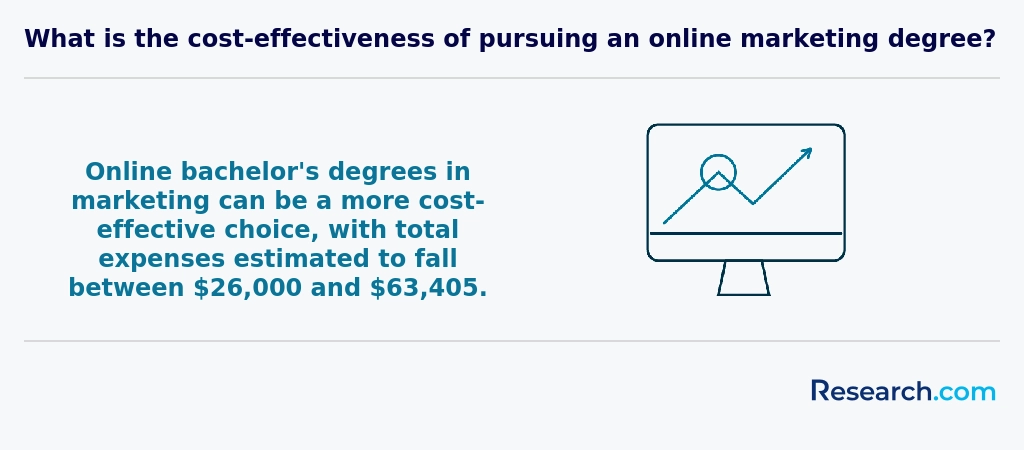
When evaluating the true value of a Marketing degree, return on investment (ROI) compares total program costs against long-term earnings potential and career growth. In Nebraska, public universities charge an average of $9,375 per year for in-state Marketing majors-roughly $37,500 for a four-year bachelor’s-while private institutions average $32,825 annually, totaling about $131,300. Online programs range from $26,000 to $63,405 for the full degree, and community colleges can offer an associate pathway for around $7,000. Despite these costs, graduates see strong financial returns. Entry-level Marketing Assistants earn a mean salary of $78,880, allowing many to recoup public tuition within six months of full-time employment and private tuition within two years. Mid-career roles such as Marketing Managers and Public Relations Specialists command median salaries of $138,730 to $150,030, translating to ROI multiples of 3x–4x over a 10-year period. For those who still question is getting a marketing degree worth it, the data speak clearly: even conservative earnings projections show a payback period under three years for most graduates. Beyond direct earnings, intangible benefits bolster ROI. Nebraska’s top programs offer robust internship pipelines, mentorship networks, and alumni connections that accelerate career advancement and foster professional resilience. Hands-on labs, real-world capstone projects, and partnerships with local businesses deliver immediate skill application, reducing the time to competency and enhancing job satisfaction. In summary, when accounting for tuition, living expenses, and projected career earnings, a Marketing degree in Nebraska yields one of the fastest ROI profiles in the region-making it a strategic investment for aspiring marketers seeking both financial rewards and sustained professional growth.
What is the average cost of marketing degree in Nebraska?
If you're thinking about getting a marketing degree in Nebraska, you're probably wondering about the average cost and what to expect when it comes to tuition and fees. The median total cost for a marketing degree in Nebraska is around $47,491, but that number can change quite a bit depending on whether you're an in-state or out-of-state student. For locals attending popular schools like the University of Nebraska-Lincoln, in-state students typically see a more manageable price tag closer to $24,102 overall, which feels a lot better on the wallet.
Graduates often share how budgeting for additional expenses like textbooks, which can add up to a few hundred dollars each semester, and fees that usually range from $1,000 to $2,000 annually, is key to managing the full cost. When students talk about their time at places known for marketing studies, there's a common trend of feeling grateful for financial aid, scholarships, and state grants that make the investment way easier.
Many find Nebraska's marketing degree tuition and fees generally lower than national averages, making it a solid choice if you want quality education without sky-high costs. If you're hunting for even more affordable routes, it helps to check out the cheapest marketing schools in nebraska - plenty of graduates praise these options for balancing cost and learning smoothly.
What financial aid is available to marketing degree students in Nebraska?
If you're studying marketing in Nebraska, there's a bunch of financial aid options that can really ease the stress of tuition costs. Many grads from schools like the University of Nebraska-Lincoln rave about how federal aid helped them kickstart their programs. Filling out the FAFSA is a must-it opens doors to grants like the Pell Grant, which can cover up to $7,395 a year without needing to pay it back. That's a huge relief when tuition at public Nebraska colleges is around $8,000 annually, and private ones can be over $20,000.
Aside from federal aid, Nebraska offers state-specific help like the Nebraska Opportunity Grant. Many students there found it a game-changer since it directly helps cover tuition and fees based on financial need.
At UNL's College of Business Administration, merit scholarships for marketing students can range from a $1,000 boost to full tuition coverage. Plenty of grads recall how these scholarships rewarded their hard work and passion for marketing.
On top of that, don't forget about scholarships from local marketing groups and internships. These not only help pay bills but also build connections in Nebraska's business scene. Plus, part-time work and work-study gigs on campus give great hands-on experience without breaking the bank.
What are the prerequisites for enrolling in marketing degree program in Nebraska?
If you're thinking about diving into a marketing degree in Nebraska, the good news is most schools want to make sure you've got a solid foundation before jumping in. Usually, having a high school diploma or GED is the first step-nothing too fancy here. For example, graduates from the University of Nebraska-Lincoln often mention how helpful it was that they had strong skills in math and English going in, since those subjects pop up a lot in marketing classes.
Some schools ask for your SAT or ACT scores, but plenty are going test-optional now, which takes a bit of pressure off. Community colleges like those in Lincoln usually have open enrollment, so starting there can be a smooth, friendly experience without lots of hoops to jump through.
A lot of marketing programs also recommend or require you to finish some intro courses like economics or statistics beforehand. Graduates say those classes made the jump to marketing topics feel more natural and less overwhelming. Plus, don't forget to get your transcripts ready and maybe write a short essay about why marketing excites you-sharing your passion can really make your application stand out!
Student Life and Campus Culture
Nebraska's top marketing programs offer more than rigorous academics-they foster a vibrant campus life that fuels both personal growth and professional development. Students enjoy opportunities to engage in marketing clubs, campus events, and networking mixers that simulate real-world business environments, helping them build lasting industry connections. Many institutions host guest lectures, career fairs, and internships that allow students to sharpen their skills outside the classroom while fostering collaboration with peers and local businesses. This dynamic environment not only enriches the educational experience but also prepares graduates to excel in competitive marketing roles. For example, exploring options at cheapest marketing schools in nebraska can uncover programs that combine academic rigor with a supportive community and a wealth of real-world opportunities, ensuring that students are well-equipped to thrive in an ever-evolving industry.
What courses are typically in marketing degree programs in Nebraska?
If you're diving into a marketing degree in Nebraska, expect to tackle a solid lineup of courses that really set you up for the real world. At popular schools like the University of Nebraska or Creighton University, graduates often rave about classes like Principles of Marketing, where you get the basics down-think marketing mix and why customers make the choices they do. Then there's Market Research and Analysis, which feels a bit like detective work, gathering data and figuring out what it all means for a brand.
Other favorites include Consumer Behavior, where you dig into the psychology behind why people buy stuff, and Advertising and Promotion, which gets you plotting ad campaigns and media strategies-something recent grads say helped them nail internships.
Digital Marketing is a must, covering social media and analytics, while Sales Management and Business Communication prepare you to shine when working with teams or pitching ideas. Nebraska schools mix these courses with hands-on projects, making it easier to picture yourself in the marketing world from day one.
What types of specializations are available in marketing degree programs in Nebraska?
If you're diving into a marketing degree in Nebraska, you'll find plenty of exciting options to specialize in. Many graduates from popular universities here, like the University of Nebraska-Lincoln, love how they can focus on areas like digital marketing, where you get to master social media, SEO, and data analytics-skills that are super hot right now with businesses expanding online.
Others enjoy market research and analytics, digging into consumer behavior and trends, which is especially cool given Nebraska's agricultural and manufacturing roots. It really helps you understand how to tailor marketing strategies to real-world industries. Then there's advertising and brand management, perfect if you're into crafting creative campaigns that make local and national messages pop.
Some students go for sales management, learning to lead teams and manage customer relationships, a great fit for Nebraska's diverse commerce scene. And international marketing catches the eye of those who want to work in global markets or export-driven businesses. This variety means you can pick a path that feels right for you.
For anyone wondering is getting a marketing degree worth it, Nebraska's mix of practical experience and specializations makes it a solid choice. If you're checking out business marketing concentration options Nebraska schools offer, there are definitely exciting routes to explore.
How do you choose the best marketing degree in Nebraska?
Picking the best marketing degree programs Nebraska has to offer means focusing on programs that mix solid theory with hands-on experiences. Graduates from schools like the University of Nebraska often rave about internships and projects that made classroom concepts click in real life. It's also smart to check if the program includes up-to-date topics like social media and marketing automation - things that actual marketing pros use daily.
Another big plus is whether the school is regionally accredited, which helps make sure your degree is respected by employers in Nebraska's growing job market. Students from these programs tend to find jobs faster, especially since marketing roles in Nebraska are expected to grow by about 8% through 2028. If you're trying to balance school and work, consider programs with online options.
Cost matters too-tuition in Nebraska public colleges is often below the national average, but private colleges might offer more scholarships. For a peek at affordable marketing options, check out the Most Affordable Marketing Degree Programs Ranking in Boston, MA-it's a good model to compare. Overall, choosing a program with strong alumni outcomes and networking in Nebraska's sectors like agtech or healthcare can really pay off long-term.

What career paths are available for marketing degree students in Nebraska?
If you're looking at marketing degree job opportunities Nebraska offers a fun mix of career paths. Graduates from popular schools like the University of Nebraska-Lincoln often find themselves diving into roles like Marketing Manager, where they get to plan big campaigns and watch their ideas boost local businesses. Some grads actually love becoming Market Research Analysts, crunching numbers and spotting trends that help Nebraska's huge agriculture and manufacturing sectors stay ahead.
Digital marketing is booming too. Many students from colleges around Omaha discover roles as Social Media Coordinators or SEO Specialists, crafting cool content and engaging audiences online. It's exciting to see how learning in Nebraska's local scene translates to shaping brands digitally.
Other grads jump into Sales or Brand Management, using their marketing smarts to build strong customer relationships. Plus, Nebraska's marketing degree programs teach practical skills that prepare students for jobs like Public Relations Specialists or Advertising Coordinators, perfect for the companies driving the state's economy.
For those wanting to fast-track their skills, checking out the best 6-month certificate programs that pay well can be a great option to complement a degree.
What is the job market for marketing degree in Nebraska?
If you're considering a marketing degree job opportunities in Nebraska, you'll find a steady market that reflects the state's strong and diverse economy. Graduates from popular schools like the University of Nebraska often share how internships with local businesses helped them land roles in cities like Omaha and Lincoln, where marketing jobs offer solid salaries and room to grow. Many find themselves working in industries ranging from agriculture tech to finance, which are big here and really need savvy digital marketers.
One common story from recent grads is how learning both traditional marketing and digital tools at Nebraska colleges made them adaptable. This versatility is key, especially since smaller companies in Nebraska may expect marketing pros to wear multiple hats, mixing creative campaigns with sales tactics. Plus, public universities here keep tuition affordable, so you're not weighed down by debt while chasing your career goals.
For those curious about alternative paths, checking out the best college degrees for older adults online might open up even more flexible study options to fit your life.
When you think about the Nebraska marketing degree career outlook, it's encouraging to see steady demand and plenty of real-world chances to build your skills close to home.
Frequently Asked Questions About marketing
Marketing degree students in Nebraska can maximize their learning experience by combining classroom knowledge with practical application. Internships with local businesses and startups provide valuable hands-on experience, helping students understand real-world marketing challenges. According to the Nebraska Department of Labor, the state's marketing and advertising sector has seen steady growth, offering diverse internship and job opportunities.
Students should also engage with industry events and professional organizations such as the American Marketing Association's Nebraska chapter, which offers networking and workshops. Utilizing resources like university career centers and attending marketing conferences enhances skills and expands professional connections. Strong communication, data analysis, and digital marketing skills are essential in Nebraska's evolving market landscape.
The marketing field is rapidly evolving, with several emerging niches gaining importance, especially relevant for Nebraska students. Digital marketing continues to expand, focusing on social media management, search engine optimization (SEO), and content marketing. According to the U.S. Bureau of Labor Statistics, Nebraska saw a 10% growth in digital marketing roles between 2020 and 2023.
Another niche is data analytics, where marketers use consumer data to create targeted campaigns. This area overlaps with marketing technology, commonly called "MarTech," which applies software tools to improve marketing efficiency.
Sustainability marketing is also rising in Nebraska, as local businesses promote eco-friendly practices to address consumer demand for responsible brands, reflecting a nationwide trend.
Preparing for the job market after earning a marketing degree in Nebraska requires strategic planning and practical experience. Graduates should focus on building a strong portfolio showcasing skills in digital marketing, data analysis, and consumer behavior, as Nebraska employers increasingly seek candidates with these competencies, according to the Nebraska Department of Labor.
Networking is vital; joining local marketing associations like the Nebraska Advertising Federation can create valuable connections. Internship experience, both during and after study, significantly increases employability. Recent Bureau of Labor Statistics data highlights a steady 6% growth rate for marketing jobs in Nebraska through 2028, particularly in Omaha and Lincoln.
Additional certifications, such as Google Analytics or HubSpot, can further boost a candidate's marketability in Nebraska's competitive marketing landscape.
Employers in Nebraska seek marketing graduates with a combination of analytical and creative skills to meet the demands of a competitive market. According to the Nebraska Department of Labor, strong data analysis abilities are crucial, as companies increasingly rely on metrics to guide campaigns.
Communication skills remain essential, with an emphasis on digital marketing, social media management, and content creation. Proficiency in tools like Google Analytics and Adobe Creative Suite is often preferred by local employers.
Problem-solving and adaptability are highly valued due to the fast-paced nature of marketing roles, especially in Nebraska's growing technology and agriculture sectors. Collaboration and project management skills also help graduates stand out.
Finding internships in Nebraska relevant to a marketing degree involves leveraging multiple resources. Students should begin by contacting career services at their colleges, which often have partnerships with local businesses. Nebraska's growing marketing sector, especially in Omaha and Lincoln, offers opportunities in advertising, digital marketing, and brand management. Websites like Nebraska Workforce Development provide listings specific to marketing roles.
Networking plays a crucial role; joining professional groups such as the Nebraska chapter of the American Marketing Association can open doors to internships. Additionally, LinkedIn is valuable for connecting with local marketing professionals. According to the U.S. Bureau of Labor Statistics, Nebraska's marketing-related job outlook is steady, emphasizing the importance of gaining practical experience through internships.
Obtaining a marketing degree in Nebraska significantly enhances career mobility and advancement opportunities. According to the U.S. Bureau of Labor Statistics, Nebraska's marketing and sales occupations are expected to grow by 5% through 2031, signaling steady demand. A degree provides foundational skills in digital marketing, analytics, and consumer behavior, which local employers highly value.
Graduates gain access to diverse industries in Nebraska, including agriculture, healthcare, and manufacturing, where marketing roles are expanding. Many companies in Omaha and Lincoln prioritize candidates with formal marketing education for managerial and strategic positions.
Higher educational credentials also correlate with increased earning potential and promotion likelihood, as reported by Nebraska Department of Labor analyses.
Studying for a marketing degree in Nebraska equips students with skills that go beyond traditional marketing. Nebraska universities emphasize interdisciplinary learning, integrating courses in business analytics, communication, psychology, and information technology. This approach reflects the evolving marketing field, where data analysis and digital media intersect with consumer behavior.
Nebraska's growing economy, especially in agriculture, finance, and logistics, offers real-world case studies that prepare students to collaborate across diverse industries. According to the Nebraska Department of Labor, marketing-related roles are expected to grow 7% through 2030, requiring versatile professionals who understand multiple business functions.
Hands-on projects and internships with local companies further develop interdisciplinary competencies, making graduates valuable in roles that demand both creative and analytical thinking.
Choosing between a thesis and a non-thesis marketing degree program in Nebraska depends on your career goals and learning preferences. Thesis programs focus on research skills, requiring a substantial written project under faculty supervision. This path suits students interested in academic careers or advanced research roles.
Non-thesis options prioritize practical skills and coursework, allowing faster completion and often including internships or capstone projects. Given Nebraska's growing marketing sector, with over 20,000 professionals statewide (BLS, 2023), non-thesis programs may better prepare students for immediate employment.
Consult with advisors at Nebraska institutions to align your choice with long-term ambitions.
Students based in Nebraska who wish to study marketing abroad have several options through US colleges and universities offering study abroad programs. Many Nebraska institutions partner with international universities to provide semester- or year-long exchange opportunities focusing on business and marketing disciplines. According to the University of Nebraska system, approximately 25% of undergraduates participate in study abroad experiences, with business majors being among the most represented.
Programs often include countries with strong marketing industries such as the United Kingdom, Spain, and Australia. Some programs also offer internships abroad, giving students practical exposure in global markets. Additionally, Nebraska students can pursue marketing certificates or minors abroad while completing their degree at home. These experiences allow learners to build international networks and enhance cross-cultural marketing skills, which are increasingly valuable in the US job market.
Part-time job opportunities in Nebraska that complement marketing degree education often include roles in social media management, retail marketing, and event promotion. Students can gain practical experience by working with local businesses in cities like Omaha and Lincoln, where small and medium enterprises frequently seek marketing interns. According to the Nebraska Department of Labor, marketing-related positions in the state have grown by 4% annually between 2018 and 2023, reflecting demand for skills in digital advertising and customer engagement. These roles help students develop real-world skills such as brand communication and data analysis, which are vital for careers in marketing.
Nebraska offers several strong networking opportunities for marketing students. Many universities, such as the University of Nebraska-Lincoln, host career fairs and marketing clubs that connect students with local businesses. The Nebraska Society of Marketing Professionals organizes events for networking and professional growth within the state. According to the Nebraska Department of Labor, nearly 10,000 marketing-related jobs exist statewide, increasing the need for strong industry connections.
Internships in Omaha and Lincoln provide real-world experience and a chance to build professional relationships. Additionally, Nebraska's Chamber of Commerce chapters regularly sponsor business mixers that welcome student participation.
Alumni networks provide significant advantages for marketing degree students in Nebraska by facilitating career connections and mentorship opportunities. Graduates from Nebraska institutions often join strong statewide networks that help students access internships and job openings, essential in a competitive job market. According to the Nebraska Department of Labor, marketing-related roles in the state are expected to grow by over 5% through 2028, increasing demand for skilled professionals.
Through events and online platforms, alumni offer guidance on local industry trends and company cultures, which is invaluable for students navigating the Nebraska job market. Schools like the University of Nebraska emphasize active alumni involvement in career services, enhancing student outcomes.
Students pursuing a marketing degree in Nebraska can customize their programs by selecting electives aligned with their specific career goals. Many universities offer concentrations such as digital marketing, brand management, or market research. For example, the University of Nebraska system allows students to tailor coursework through electives and internship opportunities.
Hands-on experience is vital. Nebraska's growing advertising and tech industries provide internships that often complement academic learning. Networking with local businesses in Omaha or Lincoln can help students gain practical skills.
Additionally, combining marketing study with data analytics or communications courses enhances job prospects in Nebraska's competitive market. According to the Nebraska Department of Labor, marketing jobs are expected to grow by 6% through 2030, emphasizing diverse skill sets.
Marketing students in Nebraska commonly face challenges linked to limited local industry exposure. Nebraska's economy is heavily based on agriculture and manufacturing, which offers fewer traditional marketing internships compared to larger metropolitan areas.
Additionally, students often encounter difficulties accessing cutting-edge digital marketing resources. According to the University of Nebraska system reports, there is a growing skills gap, especially in advanced analytics and social media marketing tools.
Another challenge is balancing coursework with practical experience. Many students juggle part-time jobs or family commitments, which can limit opportunities to engage in networking events or marketing competitions held outside campus.
Finally, Nebraska's smaller marketing sector means fewer entry-level positions locally, prompting students to consider relocation for career growth, which can be financially and personally challenging.
Graduates with a marketing degree in Nebraska have several professional certification options to enhance their careers. Popular certifications include the American Marketing Association's Professional Certified Marketer (PCM), which validates core marketing knowledge. Another prominent credential is the Google Analytics Individual Qualification, essential for digital marketing roles involving data analysis.
Additionally, the HubSpot Inbound Marketing Certification is useful for skills in content marketing and lead nurturing. Nebraska's growing business hubs, such as Omaha and Lincoln, value these certifications for roles in advertising, sales, and marketing management.
Pursuing certifications can increase job prospects and salary potential in Nebraska's competitive marketing industry, as confirmed by workforce reports from the Nebraska Department of Labor.
Writing a winning application for a marketing program in Nebraska starts with understanding what local universities seek. Admissions officers value clear goals, relevant experience, and strong academic records. Nebraska's leading schools like the University of Nebraska-Lincoln emphasize analytical skills and practical marketing knowledge.
Highlight internships or work in marketing-related fields, demonstrating your readiness for hands-on learning. According to the Nebraska Department of Labor, marketing roles in Omaha and Lincoln are growing due to expanding businesses, making practical experience vital.
Be sure to craft a focused personal statement explaining why you chose marketing and how studying in Nebraska supports your career plans within the state's unique economy.
Marketing careers are increasingly viewed through a global lens, as businesses in Nebraska and beyond operate in interconnected markets. According to the U.S. Bureau of Labor Statistics, marketing specialist jobs are expected to grow by 10% nationally from 2022 to 2032-faster than average. This growth reflects rising demand for professionals who understand global consumer behavior and digital marketing strategies.
In Nebraska, companies benefit from graduates skilled in cross-cultural communication and international market analysis. The University of Nebraska reports that its marketing graduates possess abilities aligned with global trends, helping local firms expand into overseas markets.
Moreover, evolving technology facilitates global campaigns, making international experience an asset for marketing students aiming to compete locally and abroad.
Gaining practical experience while studying for a marketing degree in Nebraska is essential for career success. Many Nebraska universities offer internships with local companies, allowing students to apply classroom knowledge in real-world settings. According to the Nebraska Department of Labor, internships in marketing-related fields have grown by over 8% in recent years, reflecting strong opportunities.
Students can also participate in cooperative education programs, combining paid work with academic study. These programs often connect students with businesses in Omaha, Lincoln, and other hubs. Additionally, involvement in campus marketing clubs and student-run businesses provides hands-on experience in campaign planning and digital marketing.
Networking through Nebraska's marketing associations further enhances practical skills and job prospects.
Choosing the right concentration within a marketing degree program in Nebraska involves aligning your interests with local market demands and career goals. Nebraska's economy, strong in agriculture, manufacturing, and healthcare, influences relevant marketing specialties such as agribusiness marketing and digital marketing. According to the Nebraska Department of Labor, digital marketing roles are growing faster than average across the state, making it a strategic focus.
Explore concentrations offered by institutions like the University of Nebraska and Creighton University. Focus on areas combining practical skills and local industry needs, such as data analytics, social media, or brand management. Internship opportunities in Nebraska's cities also enhance real-world learning and job prospects.
Related Marketing Rankings for Nearby States
- 2027 Most Popular Marketing Degree Programs Ranking in Kansas
- 2027 Most Popular Marketing Degree Programs Ranking in Iowa
- 2027 Most Popular Marketing Degree Programs Ranking in Colorado
- 2027 Most Popular Marketing Degree Programs Ranking in Missouri
- 2027 Most Popular Marketing Degree Programs Ranking in Minnesota
- 2027 Most Popular Marketing Degree Programs Ranking in Oklahoma
- 2027 Most Popular Marketing Degree Programs Ranking in Illinois
- 2027 Most Popular Marketing Degree Programs Ranking in Arkansas
- 2027 Most Popular Marketing Degree Programs Ranking in Indiana
- 2027 Most Popular Marketing Degree Programs Ranking in Mississippi
Top Trending Marketing Rankings
See What Experts Have To Say About Studying Marketing
Read our interview with Marketing experts

John R. Meindl
Marketing Expert
Adjunct Assistant Professor of Marketing
Hofstra University

Aidin Namin, Ph.D.
Marketing Expert
Associate Professor of Marketing Analytics
Loyola Marymount University

References
- Marketing Assistant Cover Letter Sample https://www.kickresume.com/en/help-center/marketing-assistant-1-cover-letter-sample/
- Traditional Marketing vs. Digital Marketing: What's the Difference? https://online.champlain.edu/blog/traditional-marketing-vs-digital-marketing
- Who Can Be an International Marketer? https://www.spencerstuart.com/research-and-insight/who-can-be-an-international-marketer
- Marketing personal statement examples and tips from applicants | Master's | Warwick Business School https://www.wbs.ac.uk/blogs/student/masters/marketing-personal-statement-examples-and-tips-from-applicants/
- How to Set Your Marketing Career Goals (and Actually Achieve Them) - Odeo Academy https://odeoacademy.com/how-to-set-your-marketing-career-goals-and-actually-achieve-them/
- A Sample of Personal Career Goals and Career Strategy for Marketing Manager https://research-methodology.net/a-sample-of-personal-career-goals-and-career-strategy-for-marketing-manager/
- The Importance of Networking for Students Entering the Marketing Industry https://moviamedia.com/moving-billboard-blog/the-importance-of-networking-for-students-entering-the-marketing-industry/
- Why study Marketing? https://blogs.tees.ac.uk/students/2024/04/15/why-study-marketing-2/
- 12 Major Marketing Challenges and How to Address Them | NetSuite https://www.netsuite.com/portal/resource/articles/erp/marketing-challenges.shtml
- What is a niche market? Types and 26 untapped niches https://clientify.com/en/blog/marketing/what-is-a-niche-market-types-and-examples