2027 Most Popular Marketing Degree Programs Ranking in Florida

Co-Founder and Chief Data Scientist
Choosing the right marketing degree program can feel overwhelming, especially with so many options available in Florida. This article introduces the 2027 Most Popular Marketing Degree Programs Ranking in Florida, thoughtfully compiled by the Research.com team of data scientists to guide students like you.
By exploring this ranking, you'll discover programs that match your goals and interests, helping you make informed decisions about your education. A marketing degree offers exciting potential for creativity, growth, and a rewarding career path in today's dynamic business world.
Key benefits of getting marketing degree in Florida
- Marketing degree graduates in Florida can expect strong earning potential, with roles like Public Relations Specialists earning around $159,420 annually and Digital Marketing Specialists making about $83,190 per year.
- Graduates from Florida universities often pursue diverse careers such as Media Planner, Sales Associate, or Marketing Assistant, offering exciting opportunities to grow in fast-paced and creative work environments.
- Completing a marketing degree online from a Florida university provides flexibility and convenience, allowing students to balance work and study while gaining the same valuable skills as traditional programs.
- Key benefits of getting marketing degree in Florida
- What can I expect from marketing degree in Florida?
- Where can I work with marketing degree in Florida?
- How much can I make with marketing degree in Florida?
- 2027 Most Popular Marketing Degree Programs Ranking in Florida
- Key Findings
- How long does it take to complete marketing degree in Florida?
- Typical Courses and Curriculum Overview
- What's the difference between online and on-campus marketing degree?
- What is the average cost of marketing degree in Florida?
- Student Life and Campus Experience in Florida
- What financial aid is available to marketing degree students in Florida?
- Typical Courses in a Marketing Degree Program in Florida
- What are the prerequisites for enrolling in marketing degree program in Florida?
- What courses are typically in marketing degree programs in Florida?
- What types of specializations are available in marketing degree programs in Florida?
- How do you choose the best marketing degree in Florida?
- What career paths are available for marketing degree students in Florida?
- What is the job market for marketing degree in Florida?
- Related Marketing Rankings for Nearby States
- Top Trending Marketing Rankings
- See What Experts Have To Say About Studying Marketing
What can I expect from marketing degree in Florida?
The average cost of pursuing a marketing degree in Florida can feel surprisingly manageable, especially for in-state students. For example, graduates from public universities like the University of Florida or Florida State University often share how competitive tuition rates helped ease their financial worries, allowing them to focus on exciting internships and networking opportunities instead. These universities typically offer tuition well below the national average for business-related degrees, setting the stage for adventure without breaking the bank.
Many students take advantage of scholarships or work-study programs, which often become a critical part of their college journey. Picture a marketing student at the University of Central Florida balancing a part-time job with hands-on projects for local businesses, gaining both skills and financial support.
Private institutions or out-of-state tuition can raise costs, but the strong reputation of Florida's AACSB-accredited business schools provides great value. This blend of affordability and quality makes Florida a vibrant place to launch a marketing career while embracing new experiences.
Where can I work with marketing degree in Florida?
Graduates from marketing programs at well-known Florida schools often find themselves diving into vibrant industries ready to embrace their creativity and skills. Imagine crafting dynamic campaigns for bustling tourism hotspots like Miami or Orlando, where millions of visitors await exciting experiences. Many find roles at hotel chains, theme parks, or event companies, turning promotional ideas into unforgettable adventures.
Others land in the retail world, working with Florida's diverse and growing consumer base to develop brand stories that resonate locally and online. Graduates from universities scattered across the state often share how thrilling it is to see their digital marketing strategies directly impact sales and customer engagement in fast-paced e-commerce settings.
Florida's healthcare sector also welcomes marketing minds eager to translate complex information into clear, impactful messages promoting wellbeing. From hospitals to nonprofit agencies, the opportunity to make a real difference is inspiring.
With a marketing degree from Florida's top colleges, the door opens to roles in finance, tech startups, and media firms, sparking endless possibilities for adventurous graduates eager to explore and shape emerging markets.
How much can I make with marketing degree in Florida?
Graduates from marketing programs at popular Florida schools like the University of Florida or Florida State often find themselves stepping into dynamic roles with exciting salary prospects. A marketing assistant, for example, earns a mean annual wage of around $83,190, opening doors to creative campaign work and hands-on learning experiences in bustling Floridian cities. Imagine starting your career coordinating vibrant events or analyzing market trends with that kind of pay-it really sparks motivation.
Those diving into digital marketing roles can expect similar earnings, with digital marketing specialists also making about $83,190 yearly. Graduates from Miami or Tampa thrive here, blending analytics with creativity to captivate diverse audiences. Sales associates in Florida earn an average of $53,280, often the first step for fresh graduates eager to master customer engagement in retail-heavy areas like Orlando.
PR specialists, another thrilling path for marketing grads, bring in impressive annual wages around $159,420. Graduates imagine themselves managing public images and campaigns, experiencing the lively culture of Florida's media landscape firsthand. The energetic Florida market makes exploring these options an exhilarating journey for any marketing graduate.
2027 Most Popular Marketing Degree Programs Ranking in Florida
How do we rank schools?
Investing in your education is a significant decision that can shape your professional future, and the Research.com team is fully aware of the importance of making well-informed choices. To support prospective students interested in marketing, we have carefully developed the "2027 Most Popular Marketing Degree Programs Ranking in Florida." Our dedication to quality, credibility, and accuracy is evident in the thorough research and analysis underlying this ranking.
We utilized the following reputable data sources to ensure a comprehensive evaluation of marketing degree programs:
By exploring this ranking, readers will gain valuable insights into the top marketing degree programs available in Florida, enabling them to make confident and informed decisions about their educational paths. For more details on how this ranking was created, please visit our Research.com methodology page.


Key Findings
- In-state tuition for marketing degrees at Florida public universities ranges from $6,000 to $8,000 per year, while private colleges often charge over $20,000 annually.
- Community colleges offer affordable options for completing the first two years before transferring to a four-year marketing program.
- Marketing jobs in Florida are expected to grow by about 7% over the next decade, matching the national average for the field.
- Starting salaries for marketing graduates in Florida range from $45,000 to $52,000 per year, with mid-career earnings between $70,000 and $85,000 annually.
- Senior marketing managers in major Florida cities like Miami and Orlando can earn significantly higher salaries than the state average.
- Many Florida programs include internships and cooperative education to help improve job placement rates after graduation.
How long does it take to complete marketing degree in Florida?
Completing a marketing degree in Florida can feel like embarking on a personal adventure, with timelines that adapt to your unique journey. Most graduates share stories of starting at community colleges in the Florida College System, wrapping up an associate degree in about two years, before eagerly transferring to state universities like the University of Florida or Florida State University to dive into a bachelor's program that generally takes four years of full-time study.
Imagine balancing weekend shifts or family events while progressing through your courses-this is where many students find their pace varies. Some take longer if studying part-time, while others embrace accelerated options, packing extra classes into summer sessions to cross the finish line faster.
For many, the joy of learning marketing comes with a manageable rhythm of about 15 credit hours each semester. Graduates often recall the thrill of mastering core business concepts alongside vibrant marketing classes, all while keeping up with the campus buzz. It's a flexible path designed to fit the Florida student lifestyle and ambitions.
Typical Courses and Curriculum Overview
Florida’s marketing degree programs blend foundational theory with practical application to prepare students for dynamic careers. Core courses typically include:
- Principles of Marketing: Introduction to marketing concepts, market segmentation, and the marketing mix.
- Consumer Behavior: Examination of psychological, cultural, and social factors influencing buyer decisions.
- Marketing Research and Analytics: Methods for gathering, analyzing, and interpreting market data to inform strategic choices.
- Digital Marketing Strategies: SEO, SEM, email marketing, and social media campaign design.
- Strategic Brand Management: Techniques for building, positioning, and managing strong brands in competitive markets. Electives and specialization tracks allow deeper dives into areas such as social media marketing, content creation, marketing automation, and data visualization. Many programs culminate in a capstone project or internship, where students apply classroom theory to real-world challenges-designing a complete marketing plan for local firms or conducting market research for nonprofit organizations. To accommodate diverse needs, several Florida institutions offer hybrid and online formats, enabling learners to balance professional commitments while accessing the same rigorous curriculum. For those exploring cost-effective online alternatives beyond Florida, our Low Cost Online Marketing Degree Programs Ranking in Michigan highlights top-value options that maintain academic quality and industry relevance.
What's the difference between online and on-campus marketing degree?
Choosing between an online and on-campus marketing degree in Florida feels like stepping into two distinct adventures. Imagine a graduate from the University of Florida sharing how their on-campus experience fueled vibrant face-to-face brainstorming sessions and unforgettable networking events tied to Florida's bustling business hubs. The energy of campus life, filled with career fairs and internships, made connections feel tangible and exhilarating.
On the flip side, a graduate from Florida International University recalls the freedom of their online marketing program, fitting studies around a busy job and family life. The flexibility to log in anywhere-from a cozy Miami café or a quiet home office-offered a unique sense of control and calm focus. They savored saving time and money without daily commutes, while still diving deep into subjects like digital marketing and consumer behavior.
Both paths in Florida share solid accreditation and curriculum, yet each crafts a different experience: one rich with personal interaction, the other tailored for life's unpredictable rhythms. Your choice becomes a personal journey through Florida's diverse education landscape.
What is the average cost of marketing degree in Florida?
The average cost of a marketing degree in Florida offers an intriguing mix of accessibility and investment, especially when you dig into the specifics. Recent data shows that the median total expenses for marketing degree programs in Florida hover around $43,470. For in-state students, this means a more manageable figure near $26,906, reflecting the state's supportive approach to residents pursuing higher education.
Imagine a student attending a well-known public university in Florida, balancing part-time work and studies while enjoying a vibrant campus life and engaging marketing projects. For them, the cost feels like a worthy adventure toward a rewarding career. This blend of cost and opportunity is common among graduates from popular Florida colleges who often share how balancing tuition with scholarships and internships made their journey feel not just achievable but exciting.
Beyond tuition, the total expenses for marketing degree programs in Florida include essential costs like housing, books, and transportation. These varied costs create an experience unique to each student, whether they're at a bustling state school or a private college with its own charm. Prospective students eager to dive deeper into the financial landscape can explore options across different institutions, including the cheapest marketing schools in florida, tailoring their plans to fit both their passions and budgets.

Student Life and Campus Experience in Florida
Florida campuses offer an enriching environment that goes far beyond the classroom, blending academic rigor with a vibrant student life that inspires creativity and personal growth. Students frequently highlight the sense of community on campus, where everything from student clubs and networking events to cultural festivals and sports can enhance the overall educational journey. The unique blend of rigorous academics and diverse extracurricular activities not only fosters lifelong connections but also provides invaluable hands-on experiences that can complement classroom learning. For instance, many institutions offer partnerships with local businesses and organizations for internships, allowing students to immerse themselves in real-world projects while enjoying an active social environment. Additionally, prospective students looking for quality education without breaking the bank can explore options at the cheapest marketing schools in florida, where vibrant campuses and supportive communities help shape not only skilled professionals but also well-rounded individuals ready to take on the dynamic challenges of the marketing industry.
What financial aid is available to marketing degree students in Florida?
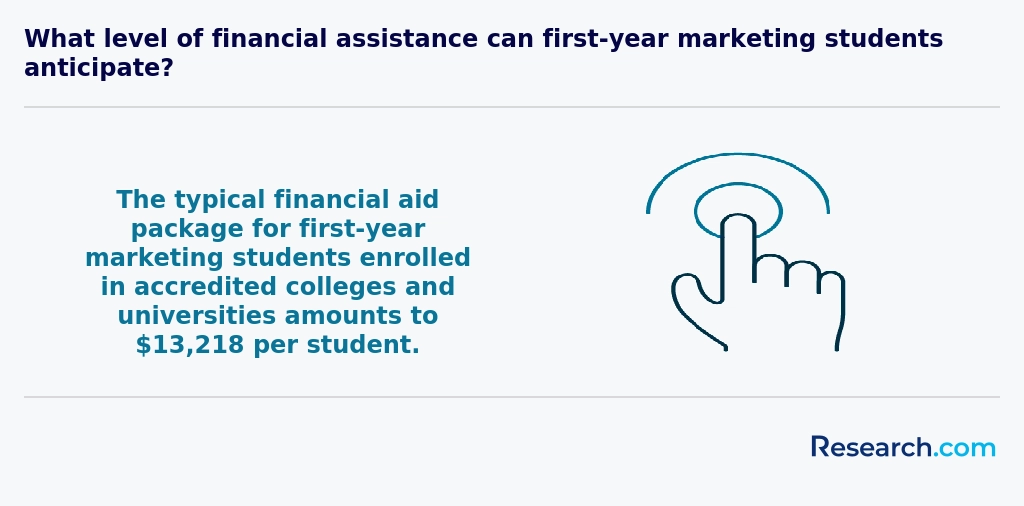
Imagine diving into your marketing studies at the University of Florida or Florida State, knowing that financial aid is ready to support your journey. Many graduates recall relying on federal aid like Pell Grants, which offer up to $7,395 a year without the stress of repayment. Stafford Loans also become a handy tool to bridge gaps when tuition or living costs stretch beyond the basics.
In Florida, state-specific programs like the Benacquisto Scholarship can turn dreams into reality by covering full tuition for National Merit Scholars. Bright Futures Scholarships add extra sparkle by rewarding your hard-earned merit, sometimes covering everything from small fees to full tuition at institutions like the University of Central Florida.
- Marketing students at Florida colleges often tap into institutional scholarships designed just for their field, easing financial pressure with dedicated funds.
- Organizations like the AMA Foundation offer private scholarships that feel like a cheer from within the marketing community itself.
- Work-study programs provide hands-on experience and a paycheck, blending education and real-world skills in dynamic ways.
Graduates frequently share how employer tuition reimbursement or flexible payment plans turned financial challenges into manageable steps. These options unlock opportunities, letting students focus on creativity and growth rather than just bills. It's a landscape full of support-ready for any aspiring marketer eager to explore it.
Typical Courses in a Marketing Degree Program in Florida
Florida’s leading marketing programs balance foundational theory with cutting-edge skills, ensuring graduates are prepared for real-world challenges and jobs with marketing degree across diverse industries. Core and elective courses often include: • Principles of Marketing: An introduction to marketing concepts, the marketing mix (4Ps), and strategic planning. • Consumer Behavior: Exploration of psychological, social, and cultural factors that influence purchasing decisions. • Marketing Research and Analytics: Methods for designing studies, collecting data, and applying statistical tools to derive actionable insights. • Digital Marketing and SEO Strategies: Techniques for search engine optimization, pay-per-click advertising, email marketing, and performance metrics. • Brand Management and Advertising: Development of brand identity, creative campaign planning, and media selection for maximum impact. • Social Media Marketing: Tactics for content creation, community engagement, and social listening across platforms such as Instagram, TikTok, and LinkedIn. • Integrated Marketing Communications: Coordination of messaging across traditional and digital channels to ensure a consistent brand narrative. • Marketing Strategy and Planning: Case-based analysis of competitive positioning, market segmentation, and strategic decision-making. • Marketing Ethics and Law: Examination of regulatory frameworks, consumer privacy issues, and ethical dilemmas in today’s marketplace. • Capstone Project or Internship Seminar: A hands-on experience where students collaborate with local businesses or nonprofits to solve real marketing challenges. Together, these courses build a comprehensive curriculum that hones both analytical and creative talents-equipping Florida marketing graduates to excel in roles from market research analyst to brand strategist.
What are the prerequisites for enrolling in marketing degree program in Florida?
Diving into a marketing degree in Florida means gearing up with a few essential prerequisites that set the stage for your academic adventure. Imagine a recent graduate from a well-known Florida public university sharing how submitting official high school transcripts and SAT scores was just the beginning of their journey. Most Florida institutions, like UCF or FIU, appreciate a solid foundation-think completing core high school courses in English and math to jumpstart your application.
Under the watchful eye of the Florida Board of Governors, many public universities expect a minimum 2.5 GPA, which feels like a manageable milestone for budding marketers eager to explore the business of influence. Private colleges, often a bit more flexible, still expect you to come prepared to engage deeply with your studies.
Transfer students often tell tales of presenting detailed college transcripts and conquering general education requirements, including English composition and introductory economics, before stepping fully into the vibrant marketing world. Some programs even encourage mastering basics like statistics or computer applications-skills that turn data into marketing magic.
Enrolling here isn't just meeting rules; it's stepping into a dynamic community ready to challenge and inspire you!
What courses are typically in marketing degree programs in Florida?
Diving into a marketing degree in Florida means exploring a vibrant mix of courses that bring theory to life. Graduates from top universities like the University of Florida and Florida State University often recall their excitement discovering foundational classes such as principles of marketing. These courses unpack the mysteries of consumer behavior and the marketing mix, where students imagine launching a product by choosing price points and promotional tactics that connect with real people.
Hands-on learning really takes off in marketing research methods, where students become data detectives. Picture analyzing survey results using statistical software to predict trends that could shape a local business's future-this is a favorite challenge for many in Florida's programs.
Digital marketing courses rank high among student favorites too, reflecting the state's booming job market. From mastering social media campaigns to optimizing websites for search engines, graduates have shared how these skills made their internships in Miami's vibrant digital scene both exciting and valuable.
- Advertising and promotion management, turning creative ideas into strategic campaigns
- Consumer behavior, revealing why people buy what they do
- Sales management, developing leadership and relationship-building abilities
- Business communication, sharpening persuasive pitches and presentations
- Marketing strategy and planning, crafting full-scale plans that feel like launching a real brand
What types of specializations are available in marketing degree programs in Florida?
Diving into marketing degree specializations in Florida feels like stepping into a vibrant marketplace of opportunities. Graduates from well-known Florida colleges eagerly share how their focus on Digital Marketing equipped them with real skills to launch social media campaigns that buzz in Miami's bustling business scene. Others found passion in Market Research and Analytics, using rich data to unlock insights about Florida's diverse communities, a unique edge offered by the state's multicultural vibe.
At several popular universities, students embrace Brand Management by crafting brand stories that resonate in Florida's competitive retail and hospitality sectors, creating memorable customer experiences. Sales Management and Advertising specializations foster leadership and creativity, perfect for those aiming to manage sales teams or lead exciting promotional campaigns in fast-paced coastal cities.
For anyone curious about shaping their future in Florida's dynamic market, exploring these paths offers immense joy and practical skills. Check out more about jobs with marketing degree to see how Florida's marketing bachelor's degree options align with real-world success.
How do you choose the best marketing degree in Florida?
Choosing the best marketing degree in Florida means diving deep into what really matters for your future. Graduates from well-known Florida universities often share how accreditation played a pivotal role in their decision; programs accredited by the Association to Advance Collegiate Schools of Business (AACSB) guaranteed a curriculum that matched real-world demands. Imagine studying marketing in Miami or Orlando-cities buzzing with opportunities in tourism and trade-where internships become gateways to vibrant industries.
Cost is another adventure. Many students discovered that in-state tuition averaging $6,500 made public universities accessible, while private colleges pushed the boundaries with fees over $30,000. Exploring financial aid felt like uncovering hidden treasures that transformed dreams into tangible realities. If budget is a concern, browsing the Low Cost Online Marketing Degree Programs Ranking in Michigan offers useful insights and comparisons.
When it comes to curriculum, opting for programs emphasizing digital marketing or consumer behavior allowed recent graduates to enter Florida's competitive market with confidence. The promise of hands-on internships and connections in dynamic local economies makes finding one of the best marketing degree programs in Florida an exciting quest rather than a chore.
Location and flexibility also shine: smaller colleges offer cozy, personalized learning, while online options cater to those balancing work and study. All these elements together shape a path uniquely suited to each student's goals and lifestyle.

What career paths are available for marketing degree students in Florida?
Exploring marketing career opportunities in Florida reveals a vibrant landscape ripe with possibilities. Graduates from well-known Florida universities often find themselves stepping into dynamic roles like marketing coordinators or social media specialists, where they dive into digital marketing and sharpen skills in SEO and campaign design. Imagine collaborating with a bustling tourism company in Miami, crafting enticing campaigns that draw visitors worldwide-this is just one thrilling path.
For those craving deeper specialization, jobs with a marketing degree in Florida may include becoming brand managers shaping product images or sales managers driving teams toward ambitious targets. The state's booming healthcare and biotech industries provide an adventurous frontier for marketing experts eager to engage audiences in new ways. Many graduates, inspired by hands-on projects during their studies, explore further education options such as a 1 year masters to expand their career paths even more.
What is the job market for marketing degree in Florida?
The job market for marketing degree holders in Florida is vibrant and full of potential, offering graduates exciting roles across industries like tourism, healthcare, and finance. Graduates from popular Florida universities often find themselves thriving as marketing coordinators, social media strategists, or brand managers, especially in cities like Miami and Orlando where marketing hubs pulse with opportunity. With Florida's economy expanding, this growth fuels the demand for fresh digital marketing expertise-making this an exhilarating time to build a career here. For example, many graduates savor the fast-paced energy of hospitality marketing, combining creativity with data analytics to capture the attention of visitors from around the globe.
Those navigating the marketing degree job outlook Florida will discover salaries reflecting their skills, with marketing managers earning close to $95,000 and entry-level specialists starting around $48,000. Public universities help keep tuition manageable, encouraging more students to explore easy associate degrees to get that kickstart their journeys in marketing.
Frequently Asked Questions About marketing
Marketing degree students in Florida can maximize their learning experience by engaging in internships with local companies, as the state hosts a diverse economy with strong sectors like tourism, healthcare, and international trade. Florida universities often partner with businesses in Miami, Orlando, and Tampa, providing students valuable real-world exposure.
Active participation in student marketing organizations and competitions can enhance practical skills. According to the Florida Department of Education, hands-on experience significantly improves job placement rates for graduates in marketing fields.
Additionally, students should leverage Florida's growing digital marketing industry, where demand for skills in social media and analytics is rising rapidly.
Emerging niches within the marketing field are rapidly evolving alongside technology and consumer behavior changes. In Florida, digital marketing roles focusing on social media analytics and influencer marketing are expanding, reflecting national trends reported by the U.S. Bureau of Labor Statistics. Additionally, content marketing and search engine optimization (SEO) remain critical, with Florida's growing tech hubs increasing demand for specialists.
Another rising area is data-driven marketing, where professionals use big data to tailor campaigns, a skill highly valued in Florida's diverse markets. Sustainability marketing is also gaining attention as businesses emphasize eco-friendly practices. These niches reflect the dynamic nature of marketing careers available to students pursuing degrees in Florida today.
After completing a marketing degree in Florida, preparing for the job market involves several strategic steps. First, gaining practical experience through internships is crucial, as 60% of Florida employers prefer candidates with hands-on marketing skills (Florida Chamber Foundation, 2023). Networking is also essential; attending local marketing events or joining organizations like the American Marketing Association's Florida chapter can connect graduates with industry professionals.
Building a robust portfolio showcasing digital marketing campaigns, analytics, and content creation can significantly enhance employability. Additionally, obtaining certifications in tools like Google Analytics or HubSpot boosts job prospects. Staying informed about Florida's growing digital economy, projected to add over 8,000 marketing jobs by 2025 (Florida Department of Economic Opportunity), helps graduates align skills with market demand.
Employers in Florida seek marketing degree graduates with strong analytical skills to interpret consumer data and market trends effectively. According to the Florida Department of Economic Opportunity, the demand for professionals who can leverage data-driven marketing strategies has grown by over 10% in recent years. Communication skills are equally critical, as graduates must craft compelling messages across digital platforms. Additionally, proficiency in digital marketing tools like SEO, social media management, and content creation is highly valued. Creativity and problem-solving abilities remain essential for developing innovative campaigns that resonate with Florida's diverse demographic. Adaptability and teamwork also rank high among employer priorities.
Finding internships in Florida related to a marketing degree involves strategic steps to maximize opportunities. Start by utilizing university career centers, which often connect students with local companies seeking marketing interns. Florida's large metropolitan areas like Miami, Orlando, and Tampa offer numerous businesses in tourism, retail, and media that actively recruit marketing interns.
Additionally, explore online platforms such as Handshake and Internships.com that list Florida-based marketing internships. Networking can be significant; attend events hosted by organizations like the American Marketing Association's Florida chapters. According to the Florida Department of Economic Opportunity, marketing internships in Florida have grown by 8% over the past two years, reflecting expanding demand.
A marketing degree in Florida significantly enhances career mobility and advancement opportunities within the state's competitive business environment. Florida's diverse economy, which includes strong sectors like tourism, retail, and technology, demands skilled marketing professionals who understand local and global markets.
According to the Florida Department of Economic Opportunity, marketing managers in the state earn an average annual salary of approximately $115,000, well above the national average. This wage premium often comes with advanced education credentials.
Graduates with marketing degrees typically find faster promotions and access to leadership roles, supported by Florida's numerous professional networking organizations and continued education options. Skills gained in consumer behavior, digital marketing, and data analytics align closely with employer needs.
Studying for a marketing degree in Florida equips students with skills relevant to interdisciplinary roles by integrating coursework from business, communications, technology, and data analytics. Florida universities often emphasize collaboration across departments, preparing graduates to work alongside professionals in finance, IT, and creative fields.
According to the Florida Department of Education, marketing programs incorporate practical experience in digital marketing, consumer behavior, and project management, vital for versatile roles. Additionally, exposure to Florida's diverse economy, including tourism and international trade sectors, fosters adaptability and cross-industry insights.
This multidisciplinary approach aligns with employer demands, as noted by the Bureau of Labor Statistics, which projects a 10% growth in marketing-related positions requiring diverse skill sets by 2030.
When choosing between a thesis and a non-thesis marketing degree program in Florida, consider your career goals first. Thesis programs typically require original research and are suited for students interested in academic or research roles. Non-thesis programs focus more on practical skills and coursework, ideal for those aiming to enter the marketing industry directly.
In Florida, universities like the University of Florida and Florida State University offer both options. According to the Florida Department of Education, graduates with thesis degrees often pursue doctoral studies or specialized roles, while non-thesis graduates find employment faster in the competitive Florida marketing job market.
Additionally, thesis programs usually take longer to complete, requiring strong writing and analytical skills. Non-thesis paths may be completed in less time with internships and project-based learning focused on current marketing trends.
Students in Florida seeking to study marketing abroad have several options through partnerships between Florida universities and international institutions. Many Florida State University campuses and private colleges participate in exchange programs, allowing students to earn credits toward their marketing degrees while studying overseas. According to the Florida Department of Education, nearly 30% of Florida's public university students engage in study abroad programs, with business and marketing among the top fields.
Popular destinations include Europe, Asia, and Latin America, where students gain global marketing perspectives. These experiences enhance understanding of international consumer behavior and digital marketing trends.
Some Florida marketing programs, such as those at the University of Florida, offer dual degree arrangements with foreign universities, enabling students to graduate with credentials from both institutions.
Students pursuing marketing degrees in Florida can benefit from a variety of part-time job opportunities that directly enhance their academic experience. Positions such as social media coordinator, marketing assistant, and content creator enable practical application of classroom theories. These roles often emphasize skills like digital marketing, analytics, and customer engagement, which are critical in today's market.
Florida's diverse economy, including tourism and retail sectors, offers numerous internships and freelance gigs. Data from the Florida Department of Economic Opportunity highlights that marketing-related roles grow about 7% annually in the state, reflecting rising demand.
Such jobs not only build resumes but also provide valuable networking opportunities with local businesses and agencies. Aligning part-time work with marketing studies can significantly boost employability post-graduation.
Marketing students in Florida benefit from numerous networking opportunities through universities and local organizations. Many Florida colleges host marketing clubs and student chapters of the American Marketing Association (AMA), offering events, workshops, and professional meetups. These platforms allow students to connect with industry professionals, alumni, and peers. The state's strong business environment, including the presence of major companies in Miami and Tampa, provides ample internships and career fairs specific to marketing fields. According to the Florida Department of Education, over 70% of marketing graduates secure internships before graduation, enhancing their professional networks early in their careers.
Alumni networks play a crucial role in enhancing the experience of marketing degree students in Florida. These networks offer valuable connections with graduates who are established in Florida's robust marketing industry, which employed over 300,000 professionals as of 2023 according to the U.S. Bureau of Labor Statistics.
Students can gain mentorship, internships, and job referrals through these connections, improving career prospects. Florida's alumni groups frequently organize events and workshops, fostering professional development and industry insight.
Participation in alumni networks also helps students build soft skills like communication and networking, which are vital in marketing careers. Overall, these networks bridge academic learning with practical opportunities in Florida's dynamic market.
Customizing a marketing degree program in Florida allows students to align their education with specific career goals. Many Florida universities offer elective courses and concentrations such as digital marketing, consumer behavior, or international marketing, giving students flexibility. For example, the University of Florida and Florida State University provide options to focus on data analytics, which is crucial as Florida's marketing industry increasingly relies on technology-driven strategies (Bureau of Labor Statistics, 2023).
Internships and cooperative education opportunities are another way to tailor a degree. Florida has a robust job market in tourism and retail sectors, making practical experience vital. Students can select programs with strong industry connections, enhancing employability.
Additionally, some programs offer certificates in social media marketing or branding, complementing core marketing courses. These options make it easier for students to become specialists while earning their degree.
Marketing students in Florida often face several challenges that can affect their academic and professional growth. One common issue is the intense competition in the state's marketing job market, particularly in major cities like Miami and Tampa, where digital marketing roles are rapidly evolving. According to the Florida Department of Economic Opportunity, marketing-related occupations are expected to grow by 10% by 2030. This growth demands that students not only master traditional marketing skills but also rapidly adapt to digital tools and data analytics.
Another challenge lies in the cost of education. Florida's average tuition for public universities is about $6,500 annually for in-state students, but out-of-state students pay significantly more. Financial pressures can impact students' ability to fully engage with internships or extracurricular projects, which are crucial for gaining real-world experience.
Finally, many students struggle to find sufficient local internships and networking opportunities because Florida's market is heavily seasonal and tourism-focused, limiting year-round business marketing roles. Staying competitive requires proactive effort to build portfolios and professional connections.
With a marketing degree from Florida, students can enhance their careers by pursuing several professional certifications. Popular options include the American Marketing Association's Professional Certified Marketer (PCM), which validates skills in marketing management and digital marketing.
Additionally, the HubSpot Content Marketing Certification and Google Ads Certification are valuable credentials that focus on digital advertising and inbound marketing techniques, increasingly important in Florida's growing digital economy.
According to the Florida Department of Economic Opportunity, Florida's job market for marketing managers is expected to grow by 10.7% from 2022 to 2032, highlighting the importance of certifications to stand out.
Certifications such as the Certified Sales Professional (CSP) from the Florida Association of Sales Professionals can also benefit marketing graduates who wish to specialize in sales and client relationship management.
Writing a winning application for a marketing program in Florida requires careful attention to detail. Start by highlighting your academic achievements, especially in subjects like business, communications, or economics. Florida schools often look for a GPA of 3.0 or higher for competitive marketing programs.
Make sure your personal statement clearly explains your passion for marketing and how studying in Florida's diverse economy will help you achieve your goals. Citing local marketing trends or notable companies in Miami or Orlando can show your genuine interest.
Include any relevant work or internship experience in marketing to strengthen your resume. Florida's strong tourism and retail industries offer excellent practical examples.
Lastly, secure solid recommendation letters from instructors or employers familiar with your marketing potential. According to the Florida Department of Education, well-rounded applications that reflect both academic and real-world marketing skills stand out the most.
Marketing careers increasingly emphasize global awareness, reflecting how businesses operate across borders. According to the U.S. Bureau of Labor Statistics, marketing managers earn a median annual wage of $135,030 nationwide, with Florida showing strong employment growth due to its diverse economy. For Floridian students, understanding international markets is crucial, as companies seek professionals who can navigate cultural differences and digital channels worldwide. Additionally, Florida's economy benefits from extensive trade and tourism, encouraging marketing strategies that appeal internationally. Universities in Florida often integrate global case studies and internships with multinational firms, preparing graduates for competitive roles in an interconnected marketplace.
Gaining practical experience while studying for a marketing degree in Florida is essential to prepare for the competitive job market. Many Florida universities encourage internships, often partnering with local businesses and major corporations in cities like Miami, Orlando, and Tampa. These internships provide hands-on experience in market research, digital marketing, and sales strategy.
Students can also join campus marketing clubs or participate in case competitions, which simulate real-world marketing challenges. According to Florida's Department of Education, over 70% of marketing students secure internships before graduation, enhancing their resumes and networking opportunities.
Additionally, some programs integrate cooperative education (co-op) options, allowing students to alternate classroom study with paid work experiences. This combination of study and work experience helps students apply theoretical knowledge in real marketing environments.
Choosing the right concentration within a marketing degree program in Florida involves aligning your interests with market demand. Popular options include digital marketing, brand management, and market research. According to the Florida Department of Economic Opportunity, digital marketing roles are growing faster than average statewide, reflecting current industry trends.
Students should consider their career goals and local business needs. Florida's diverse economy, with strong tourism and international trade sectors, creates specific marketing opportunities. For example, concentrations in international marketing or social media marketing can be particularly valuable in this state.
Additionally, review program curricula and internship opportunities at institutions to ensure practical experience alongside theory.
Related Marketing Rankings for Nearby States
- 2027 Most Popular Marketing Degree Programs Ranking in Georgia
- 2027 Most Popular Marketing Degree Programs Ranking in Alabama
- 2027 Most Popular Marketing Degree Programs Ranking in Mississippi
- 2027 Most Popular Marketing Degree Programs Ranking in Louisiana
- 2027 Most Popular Marketing Degree Programs Ranking in Arkansas
- 2027 Most Popular Marketing Degree Programs Ranking in Missouri
- 2027 Most Popular Marketing Degree Programs Ranking in Indiana
- 2027 Most Popular Marketing Degree Programs Ranking in Illinois
- 2027 Most Popular Marketing Degree Programs Ranking in New Jersey
- 2027 Most Popular Marketing Degree Programs Ranking in Oklahoma
Top Trending Marketing Rankings
See What Experts Have To Say About Studying Marketing
Read our interview with Marketing experts

Aidin Namin, Ph.D.
Marketing Expert
Associate Professor of Marketing Analytics
Loyola Marymount University

John R. Meindl
Marketing Expert
Adjunct Assistant Professor of Marketing
Hofstra University

References
- How Do Different Marketing Salaries in Florida Stack Up? https://www.allbusinessschools.com/marketing/salary/florida/
- Online Marketing Education Opportunities in Florida - Best Marketing Degrees https://www.bestmarketingdegrees.org/states/florida/
- What Jobs Can You Get with a Marketing Degree? https://www.global-business-school.org/content-type/blog/what-jobs-can-get-marketing-degree/
- Sales & Marketing Management BAS Track | Eastern Florida State College https://www.easternflorida.edu/academics/bachelor-degrees/organizational-management/sales-marketing/index.php
- Why study marketing? Discover 7 compelling reasons https://isc.strath.ac.uk/blog/why-study-marketing
- Women in marketing: Career growth through education | Esade https://www.esade.edu/beyond/en/women-marketing/
- Digital Marketing Major https://www.kozminski.edu.pl/en/digital-marketing-major
- Top 5 marketing skills employers are looking for in 2025 https://www.konkergroup.com/top-5-marketing-skills-employers-are-looking-for-in-2025/
- How Experiential Marketing Degree Programs are Evolving https://www.eventmarketer.com/article/professors-weigh-in-experiential-marketing-degree-programs/
- What Are Market Niches? Includes Benefits And Expert Insights https://seekmarketingpartners.com/digital-marketing-blog/what-are-market-niches/