
2027 Most Popular Nursing Degree Programs Ranking in North Carolina

Co-Founder and Chief Data Scientist
Choosing the right nursing degree program in North Carolina can feel overwhelming. To make this easier, the Research.com team of data scientists has created the 2027 Most Popular Nursing Degree Programs Ranking in North Carolina. This ranking provides reliable insights to help you identify quality programs that fit your goals.
Exploring this article will guide you toward a rewarding nursing career with confidence. Nursing offers meaningful work, job stability, and opportunities to make a difference in people's lives. Take this first step toward a bright future in healthcare.
Key benefits of getting nursing degree in North Carolina
- Salary for nursing degree graduates: Graduates in North Carolina can expect competitive salaries, with roles such as Registered Nurse, Clinical Nurse Educator, and Public Health Nurse earning a mean annual wage of around $94,480 and an hourly wage of $45.42.
- Career paths: Nursing graduates from universities in North Carolina often find diverse opportunities ranging from Emergency Room Nurse to Public Health Nurse, offering rewarding roles that impact community health and patient care positively.
- Benefits of online nursing degrees: Earning a nursing degree online provides flexibility and convenience, allowing graduates from institutions like the University of North Carolina to balance work and study without sacrificing educational quality.
- Key benefits of getting nursing degree in North Carolina
- What can I expect from nursing degree in North Carolina?
- Where can I work with nursing degree in North Carolina?
- How much can I make with nursing degree in North Carolina?
- 2027 Most Popular Nursing Degree Programs Ranking in North Carolina
- Key Findings
- How long does it take to complete nursing degree in North Carolina?
- Accreditation and NCLEX Readiness
- What's the difference between online and on-campus nursing degree?
- Licensed Practical Nurse (LPN) Programs in North Carolina: A Fast-Track Pathway
- What is the average cost of nursing degree in North Carolina?
- Affordability and Financial Considerations in Nursing Education
- What financial aid is available to nursing degree students in North Carolina?
- Return on Investment: Cost vs. Career Earnings for Nursing Programs in North Carolina
- What are the prerequisites for enrolling in nursing degree program in North Carolina?
- Advanced Nursing Degrees and Pathways
- What courses are typically in nursing degree programs in North Carolina?
- What types of specializations are available in nursing degree programs in North Carolina?
- How do you choose the best nursing degree in North Carolina?
- What career paths are available for nursing degree students in North Carolina?
- What is the job market for nursing degree in North Carolina?
- Related Nursing Rankings for Nearby States
- Top Trending Nursing Rankings
- See What Experts Have To Say About Studying Nursing
What can I expect from nursing degree in North Carolina?
The average cost of a nursing degree in North Carolina can vary, but many students find state universities offer affordable tuition that fits within a reasonable budget. For example, those attending the University of North Carolina system often appreciate the balance of quality education and manageable costs, making it easier to focus on hands-on training and clinical rotations instead of worrying about steep tuition bills.
Graduates often share how financial aid and scholarships tailored to nursing students made a big difference, especially at schools like North Carolina Central University or East Carolina University. These supports help turn the dream of earning a nursing degree into an exciting reality without overwhelming debt.
Hands-on clinical experience is a cornerstone of these programs, with students excited to step into hospitals, community clinics, and long-term care settings across the state. This practical learning happens alongside classroom instruction, powered by a strong regulatory framework that ensures every nurse is prepared for the NCLEX-RN exam.
Many students also find online or hybrid options appealing, especially working adults balancing life commitments. These flexible programs offer similarly competitive pricing, making North Carolina an inviting place to explore a nursing career at a cost that feels right for many.
Where can I work with nursing degree in North Carolina?
Graduates holding nursing degrees from North Carolina's top programs, like those at UNC Chapel Hill or Duke University, find themselves at the gateway to exciting career paths. Many jump into bustling hospitals, where over 60 percent of the state's nurses navigate intense, fast-paced environments caring for diverse patients. Imagine starting your shift assisting in critical surgeries or comforting families in intensive care-each day unfolds with new learning and meaningful impact.
Others discover opportunities beyond hospital walls-in community clinics, outpatient centers, or thriving primary care offices scattered across both city streets and rural towns. This shift toward preventive care offers graduates a chance to build lasting relationships, working on chronic disease management and health education.
Long-term care facilities and nursing homes provide a rewarding setting for those passionate about elder care, where nurses make a tangible difference in seniors' quality of life. Meanwhile, home healthcare roles appeal to graduates eager for personalized patient interactions, boosted by telehealth technologies.
Public health agencies and military hospitals also welcome nursing degree holders, opening doors to unique challenges and the chance to serve diverse populations. Knowing these paths await graduates from NC's vibrant nursing schools fills many with excitement for the adventure ahead.
How much can I make with nursing degree in North Carolina?
Graduates from nursing programs at universities like the University of North Carolina at Chapel Hill or East Carolina University often find themselves stepping into roles where the salary reflects their hard work and dedication. For example, registered nurses straight out of these programs can expect a mean annual wage around $94,480 in North Carolina, which fuels many exciting career adventures.
Imagine joining a busy emergency room as an Emergency Room Nurse earning about that same salary, $94,480 annually, where every shift brings new challenges and the chance to make a real difference.
Those who venture into specialized fields like Clinical Nurse Educators or Public Health Nurses also share similar salary expectations, at approximately $94,480 per year, combining rewarding work with financial stability.
For graduates pursuing advanced skills, the Operating Room Nurse role is particularly enticing, with salaries reaching up to $128,490. This allows for both professional growth and a comfortable lifestyle in cities like Raleigh or Charlotte.
Hearing about these salaries often lights a spark of excitement among nursing students, fostering dreams of thriving careers filled with both purpose and possibility in North Carolina.
2027 Most Popular Nursing Degree Programs Ranking in North Carolina
How do we rank schools?
Investing in one's education is a significant decision that can influence both personal and professional growth, and the Research.com team is dedicated to supporting prospective students in making well-informed choices. To provide a reliable guide, we have developed the "2027 Most Popular Nursing Degree Programs Ranking in North Carolina" with a strong emphasis on quality, credibility, and accuracy. Our thorough research process relies on trusted and comprehensive data sources to ensure the ranking's integrity.
We utilized the following reputable data sources to compile this ranking:
By consulting this ranking, readers will gain valuable insights into the top nursing degree programs in North Carolina, enabling them to choose the program best suited to their career goals and personal needs. For more details on how this ranking was created, please visit our Research.com methodology page.


Key Findings
- North Carolina offers accredited nursing programs including ADN and BSN degrees at public universities and community colleges.
- Tuition ranges from about $4,000 to $15,000 per year for in-state students at public schools, with private colleges often charging over $20,000 annually.
- Entry-level nurses earn between $56,000 and $62,000 annually, while experienced RNs can make from $65,000 up to $80,000 or more.
- The nursing job market is expected to grow by approximately 12% in the next decade due to an aging population and expanding healthcare facilities.
- Licensure requires passing the NCLEX-RN exam, and many programs include clinical training to prepare students for practical nursing roles.
How long does it take to complete nursing degree in North Carolina?
If you're drawn to a broader nursing education, consider a Bachelor of Science in Nursing (BSN), usually a four-year journey at universities like the University of North Carolina at Chapel Hill. Many graduates celebrate the immersive campus experience and comprehensive training, describing it as a rewarding challenge that deeply prepares them for diverse nursing roles.
For career changers, accelerated BSN programs available at institutions such as Duke offer an exciting 12 to 18 months of intensive study. RNs aiming to advance often enroll in RN-to-BSN bridge programs that flexibly span 12 to 24 months, helping them grow while continuing to work.
Advanced learners can pursue a Master of Science in Nursing (MSN), typically a two-year venture post-BSN, opening doors to specialized roles like nurse practitioners. These timelines at notable North Carolina schools create pathways filled with discovery and growth for every nursing adventurer.
Accreditation and NCLEX Readiness
Accreditation ensures your nursing degree meets rigorous quality standards. Verify key credentials before enrolling:
- CCNE or ACEN accreditation for baccalaureate and graduate programs
- Approval by the North Carolina Board of Nursing
- Published NCLEX-RN first-time pass rates above 85%
A robust NCLEX preparation framework boosts licensing success. Look for programs offering:
- Dedicated review courses and simulation labs
- Access to tutoring, practice questions and study groups
For nurses aiming at advanced practice roles, explore online dnp programs without dissertation.
What's the difference between online and on-campus nursing degree?
Choosing between an online or on-campus nursing degree in North Carolina feels like stepping into two unique adventures. Imagine a student at East Carolina University embracing the freedom to study nursing courses from home, juggling family time while diving into video lectures and virtual simulations. Still, the thrill of hands-on clinical hours-arranged nearby at a local hospital-keeps the experience grounded in real care.
Meanwhile, a peer at the University of North Carolina at Chapel Hill thrives amid the buzz of campus life, exploring labs, libraries, and face-to-face mentoring. The direct support and networking with faculty and fellow nursing students spark confidence and camaraderie that can only come from in-person engagement.
Costs also paint different pictures. Online learners appreciate savings on commuting and housing, though they might encounter extra tech fees. On-campus students invest more in tuition but gain rich access to campus resources and local clinical partnerships. Both paths lead to the same goal-North Carolina Board of Nursing-approved licensure-ready to launch a rewarding nursing career.
Licensed Practical Nurse (LPN) Programs in North Carolina: A Fast-Track Pathway
If you’re seeking a quicker entry into the healthcare field, Licensed Practical Nurse (LPN) programs in North Carolina provide a streamlined solution. These certificate programs typically span 12 to 18 months, blending foundational nursing theory with hands-on clinical rotations in hospitals, long-term care facilities, and community health centers. Upon completion, graduates are eligible to sit for the NCLEX-PN licensure exam, unlocking roles in skilled nursing facilities, physician’s offices, and home health agencies. Key advantages of LPN training include:
- Accelerated Timeline: Most programs wrap up within a year, allowing you to begin working and earning sooner.
- Targeted Curriculum: Courses focus on essential skills-medication administration, wound care, and patient assessment-ensuring you acquire the competencies in high demand.
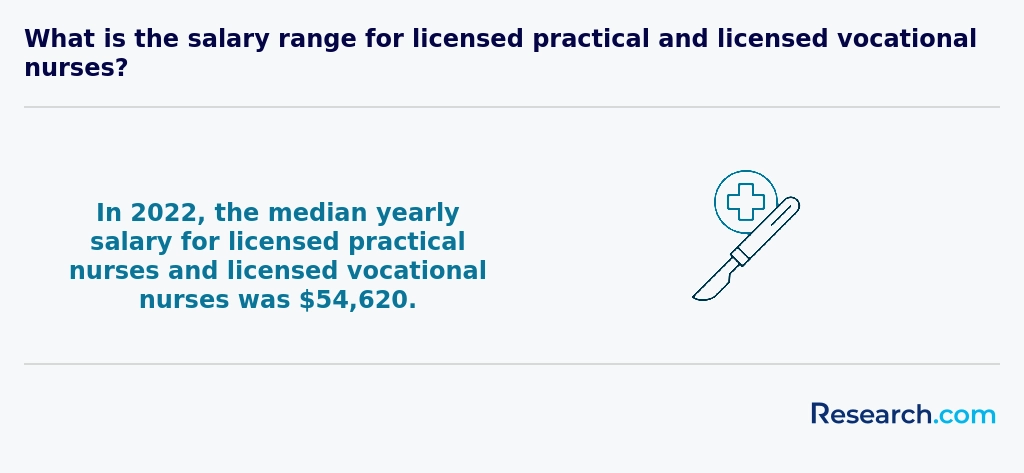
- Career Growth: Many LPNs leverage their experience and credits toward a bridge RN or LPN-to-RN program, expanding both responsibilities and salary potential. For busy learners balancing work or family, online options can be especially appealing. By enrolling in our fast track lpn online programs, you gain access to flexible coursework, virtual simulations, and coordinated local clinical placements. This hybrid model ensures you maintain quality instruction while completing key requirements at your own pace. Salary data reflects strong returns on this investment: LPNs in North Carolina earn an average annual wage of $49,000 to $54,000, with rural and specialized care settings often offering even higher rates. With healthcare demand surging, LPN graduates enjoy broad hiring prospects and a clear pathway for advancing to Registered Nurse (RN) and specialized roles. Investing in an LPN program can therefore be both a fast and strategic step toward a lifelong nursing career.
What is the average cost of nursing degree in North Carolina?
On average, the total cost for earning a nursing degree in North Carolina hovers around $19,000 for in-state students, an inviting figure compared to many other states. Graduates from universities like the University of North Carolina at Chapel Hill or community colleges in the state often share stories of how their investment felt manageable yet meaningful-balancing tuition, fees, and essential supplies. This average nursing degree cost in North Carolina reflects a combination of traditional Bachelor of Science in Nursing (BSN) programs and Associate Degree in Nursing (ADN) pathways, making nursing education accessible to a diverse range of students.
Imagine a typical day at a vibrant campus such as East Carolina University, where students experience both rigorous clinical practice and the supportive environment of affordable tuition. Many students mention how financial aid and scholarships played crucial roles, reducing the sticker shock and opening doors to their dream careers. The appeal of these programs extends beyond cost; the quality of education and clinical opportunities spark excitement and confidence in future nurses.
For those curious about tuition costs, it's also worth exploring various options because the North Carolina nursing program tuition fees can differ widely between public universities and private institutions. The adventure of finding the right fit may lead you to discover affordable nursing programs in North Carolina that align with your budget and ambitions while supporting a rewarding nursing journey.
Affordability and Financial Considerations in Nursing Education
When considering a nursing degree in North Carolina, affordability is a crucial factor. Many prospective students are concerned about the financial implications of pursuing a nursing education. To address this concern, it's essential to explore the various options available for making nursing education more affordable. For instance, researching affordable nursing programs in North Carolina can be a great starting point. By understanding the costs associated with different nursing programs and the available financial aid options, students can make informed decisions about their educational investments. Additionally, many institutions offer scholarships, grants, and tuition reimbursement programs that can significantly reduce the financial burden of nursing education. By taking the time to investigate these options and plan carefully, aspiring nurses can embark on their educational journey with confidence, knowing that they are making a wise investment in their future careers.
What financial aid is available to nursing degree students in North Carolina?
Imagine starting your nursing journey at the University of North Carolina or Appalachian State, feeling the excitement of discovery but also the challenge of tuition costs. Many graduates recall how filling out the FAFSA opened doors to federal aid like the Pell Grant, easing their worries with awards surpassing $7,000 annually. This financial boost made attending a BSN program in North Carolina feel more within reach.
State-specific scholarships, like the North Carolina Nursing Scholarship Program, add a thrilling twist-students commit to serving locally after graduation and receive vital support during their studies. It's a win-win, helping both future nurses and communities.
Hands-on learners often benefit from institutional grants and merit scholarships offered at schools like East Carolina University, while some graduates share stories of work-study roles that not only covered expenses but also enriched their clinical experiences.
Then there are loan forgiveness programs and tuition reimbursements from employers, creating pathways that lighten debt in exchange for service in underserved areas. These options spark hope and determination among nursing students across the state.
Return on Investment: Cost vs. Career Earnings for Nursing Programs in North Carolina
Evaluating the return on investment (ROI) of a nursing degree is essential for prospective students seeking long-term financial stability. In North Carolina, the average total cost of a BSN program ranges from $89,556 to $211,392, while ADN programs span $23,900 to $66,320. When compared to the average annual RN salary of $89,010, graduates can anticipate recouping their educational expenses in as little as one to three years, depending on program type and living costs. Key factors influencing ROI include:
- Program Length and Tuition: Shorter, more affordable pathways like an accelerated LPN route can significantly reduce both tuition and opportunity costs. For those aiming to minimize time spent in school while maximizing earning potential, consider a 6 month online lpn to rn degree program, which often requires lower tuition and allows faster entry into the workforce.
- Salary Trajectory: Graduates entering specialized roles-such as Operating Room Nurse or Nurse Practitioner-can see starting salaries climb to $124,680 or higher. Factoring in annual salary growth of 3–5%, the break-even point on a BSN investment can fall below two years.
- Debt-to-Income Ratio: With average student loan debt for nursing graduates around $35,000, monthly payments at a 4.5% interest rate typically amount to $360–$400. Against a monthly RN income of $7,417, this ratio remains well below recommended thresholds, underscoring manageable repayment.
- Living Expenses and Opportunity Cost: Urban centers like Charlotte and Raleigh command higher living expenses but also offer competitive wages, shortening the payback period. Conversely, rural clinical sites may offer loan repayment incentives and housing stipends, further enhancing ROI. By carefully comparing program costs, length, and expected salaries, North Carolina nursing students can make data-driven decisions to optimize their ROI-and embark on a rewarding, financially sound career in healthcare.
What are the prerequisites for enrolling in nursing degree program in North Carolina?
Imagine stepping into a vibrant classroom at the University of North Carolina or a bustling community college, ready to embark on your nursing journey. To get there, you'll need a solid foundation: a high school diploma with strong coursework in biology, chemistry, and math is indispensable. Graduates from these programs often recall how mastering anatomy, physiology, and microbiology before enrollment made the complex nursing concepts feel thrilling rather than overwhelming.
For those eyeing a BSN at a university like Duke or NC State, the adventure deepens. Alongside core sciences, classes in psychology, nutrition, and statistics help build critical thinking skills needed in real-life patient care. Admitted students usually achieve GPAs around 2.5 to 3.0 and ace standardized tests like the TEAS, reflecting their readiness to tackle the challenges ahead.
Some program alumni share how the requirement for background checks and drug screenings made them feel proud, knowing these steps protect patients and uphold the nursing profession's trust. These prerequisites aren't just rules-they're the gateway to a rewarding career in North Carolina's healthcare community, sparking excitement for what lies ahead.

Advanced Nursing Degrees and Pathways
For nurses aiming to elevate their practice and leadership roles, pursuing a Master of Science in Nursing (MSN) or a Doctor of Nursing Practice (DNP) offers targeted specialization and increased earning potential. In North Carolina, MSN programs-often completed in 18–24 months-allow you to focus on nurse practitioner tracks, clinical nurse specialist roles, or nurse educator positions. Graduates report that advanced coursework in evidence-based practice and healthcare policy equips them to lead interdisciplinary teams and influence patient outcomes. Transitioning to a DNP or PhD in Nursing further amplifies your impact. DNP curricula emphasize quality improvement, informatics, and health systems leadership, preparing nurses to implement change at the organizational level. For those seeking affordable, flexible online options, consider exploring the Most Affordable Online Doctorate in Nursing Degree Programs Ranking in the South, which highlights programs that balance cost with rigorous accreditation standards. When evaluating advanced programs, prioritize accreditation by the Commission on Collegiate Nursing Education (CCNE), high post-graduation certification rates, and robust clinical partnerships. By mapping out MSN and DNP pathways early, you’ll streamline your transition from bedside care to advanced practice, administration, or academia-positions that routinely report median salaries exceeding $100,000 and strong job growth projections.
What courses are typically in nursing degree programs in North Carolina?
Nursing degrees in North Carolina weave a rich tapestry of courses designed to ignite curiosity and build confidence. Imagine starting with core sciences like anatomy, physiology, and microbiology-these aren't just textbooks; they reveal the fascinating machinery of the human body. Graduates from universities like UNC Chapel Hill often recall how these courses made them feel like real-life detectives piecing together patient puzzles.
As you dive deeper, you explore pharmacology, learning about medications as powerful tools to heal, much like a community college grad described experiencing their first clinical rotation, where understanding drug effects meant the difference between patient comfort or distress.
Courses such as health assessment and mental health nursing put you in the shoes of caregivers, developing skills to notice subtle signs in patients. At institutions like East Carolina University, students thrive on hands-on training with children, adults, and newborns, transforming textbook knowledge into heartfelt care.
Leadership courses prepare you to coordinate teams and advocate for patients, igniting a sense of purpose. This blend of science, practice, and empathy forms the adventurous journey of nursing education in North Carolina, empowering you to make a tangible difference every day.
What types of specializations are available in nursing degree programs in North Carolina?
Exploring nursing degree specializations in North Carolina feels like stepping into a world of vibrant possibilities. Graduates from top institutions like the University of North Carolina at Chapel Hill describe the Family Nurse Practitioner (FNP) track as a journey that empowers them to provide crucial care across all ages, reflecting the growing demand for nurse practitioners in the state. Meanwhile, those drawn to North Carolina nursing program specialization options often find themselves captivated by fields such as pediatric nursing, where caring for children in hospital wards or outpatient clinics feels deeply rewarding and dynamic.
Imagine focusing on psychiatric-mental health nursing, working in community centers helping people through tough mental health challenges, or embracing the challenge of geriatric nursing, supporting the elderly population in crafting healthier lives. Other exciting paths include emergency and neonatal nursing, where quick thinking and compassion meet every day. Many students also seek fast track lpn online programs to dive into their careers with speed while exploring these diverse specialties.
How do you choose the best nursing degree in North Carolina?
Choosing the best nursing degree in North Carolina means embracing an educational journey as unique as you are. Imagine walking the halls of a popular university where graduates share how their BSN programs equipped them with confidence and hands-on skills, setting them apart during clinical rotations in bustling Raleigh hospitals. Many discover that community colleges offer more affordable nursing schools North Carolina, where the blend of classroom learning and real-world experiences in local clinics creates a fulfilling path without overwhelming debt.
Think about the thrill of joining a program with NCLEX pass rates soaring above 90%, where fellow students celebrate their success together. Balancing cost, program quality, and future job prospects is an adventure-whether you dive into a traditional BSN or explore a 6 month online lpn to rn degree program that fits your lifestyle. By considering all these vibrant options, you'll find the nursing degree that feels just right for your next exciting chapter.
What career paths are available for nursing degree students in North Carolina?
Nursing degrees in North Carolina open doors to diverse and rewarding career paths that energize graduates with possibilities. Many RNs start their journey after earning an ADN or BSN from renowned institutions like the University of North Carolina at Chapel Hill or Duke University. These graduates often land fulfilling roles in bustling hospitals or community health centers, where every day offers new challenges and chances to make a real difference.
For those craving specialization, advanced credentials such as a Master of Science in Nursing can launch careers as Clinical Nurse Specialists or Nurse Practitioners. Imagine stepping into leadership roles or becoming a Nurse Anesthetist after studying at popular programs in North Carolina, turning clinical skills into profound expertise.
Graduates passionate about shaping future nurses find joy in education, training others at colleges statewide. Others dive into community health, thriving on serving underserved populations, reflecting that strong sense of purpose many report after their nursing degree job prospects North Carolina become clear.
Explorers ready to advance their nursing journey may also find excellent options in the Most Affordable Online Doctorate in Nursing Degree Programs Ranking in the South, allowing flexible growth beyond campus walls.
What is the job market for nursing degree in North Carolina?
The nursing job outlook in North Carolina radiates opportunity, fueled by a growing need for skilled caregivers. Graduates from programs at popular institutions like the University of North Carolina at Chapel Hill or central community colleges often share stories of quick employment offers, thanks to the state's expanding healthcare sector. This vibrant demand is driven by factors like population growth and the retirement of experienced nurses, opening doors in hospitals, outpatient centers, and specialized care units.
Many nursing degree holders find themselves embraced by a network of local healthcare providers eager to recruit talent, making North Carolina a promising place to launch a nursing career. The meaningful work combined with a mean annual wage near $67,000 helps graduates feel valued and motivated to grow. For those curious about accelerated paths, options such as the fastest online bachelor degree programs add flexibility, blending education with career readiness.
Exploring North Carolina nursing degree employment opportunities reveals a landscape rich in growth and potential, perfectly suited for adventurous students eager to make a difference close to home.
Frequently Asked Questions About nursing
Nursing degree students in North Carolina can enhance their learning by combining classroom knowledge with practical experience. Clinical rotations in diverse healthcare settings are crucial, offering exposure to real-world patient care. North Carolina requires nursing programs to follow strict standards set by the North Carolina Board of Nursing, ensuring quality education aligned with industry needs.
Students should actively participate in simulation labs, which use technology to replicate clinical scenarios, improving critical thinking and decision-making skills. Joining professional organizations like the North Carolina Nurses Association can provide networking opportunities and access to continuing education resources.
Research shows nurses with hands-on experience and involvement in professional communities tend to have better job readiness and satisfaction (NC Board of Nursing, 2023).
In North Carolina, emerging niches within the nursing field reflect the state's evolving healthcare needs. One growing area is geriatric nursing, as the population aged 65 and older is expected to increase by over 20% by 2030, according to the North Carolina Office of State Budget and Management. This has heightened demand for nurses specializing in elderly care and chronic disease management.
Another expanding niche is telehealth nursing. Advances in technology and rural healthcare access challenges have made telehealth vital for many North Carolinians, especially in medically underserved areas.
Additionally, psychiatric-mental health nursing is on the rise due to increased awareness and demand for behavioral health services statewide.
Preparing for the job market after earning a nursing degree in North Carolina involves several key steps. First, graduates must pass the NCLEX-RN exam to obtain licensure from the North Carolina Board of Nursing. This is mandatory for practicing as a registered nurse in the state.
Networking is also crucial. Joining local professional organizations, such as the North Carolina Nurses Association, can provide valuable contacts and job leads. Clinical experience gained during training plays a significant role, so highlighting internships or clinical rotations helps in job interviews.
According to the North Carolina Department of Commerce, nursing jobs in the state are expected to grow by 15% from 2020 to 2030, indicating strong demand. Staying updated with continuing education and specialty certifications can increase competitiveness in this expanding market.
Employers in North Carolina highly value nursing graduates who demonstrate strong clinical skills and sound decision-making. According to the North Carolina Board of Nursing, graduates must be proficient in patient assessment, care planning, and administering treatments.
Communication skills rank among the top requirements. Nurses must effectively coordinate with healthcare teams and clearly explain care instructions to patients and families.
Critical thinking and adaptability are essential in the fast-paced medical environment, especially in hospitals across North Carolina's growing healthcare sector.
Additionally, proficiency in electronic health records (EHR) systems is increasingly important, reflecting statewide efforts to improve healthcare technology integration.
These skills collectively contribute to higher patient satisfaction and better outcomes, which are priorities for North Carolina healthcare employers.
Finding nursing internships in North Carolina typically begins with leveraging the resources offered by nursing schools. Many accredited programs require clinical placements, helping students gain hands-on experience in hospitals, clinics, or community health settings. The North Carolina Board of Nursing oversees licensure and education quality, and schools often partner with healthcare providers across the state.
Students should explore internship opportunities at major institutions such as UNC Health, Duke University Health System, and Atrium Health. These organizations offer structured clinical rotations and internships specifically tailored for nursing students. According to the North Carolina Center for Nursing, over 80% of nursing students secure internships through their academic programs.
Additionally, community health departments and local non-profits provide internships focused on public health nursing, valuable for gaining diverse experience. Networking events, nursing job fairs, and the state's online healthcare job portals also serve as important tools to identify internships. Early outreach and maintaining communication with faculty and clinical coordinators can significantly improve chances of placement.
Obtaining a nursing degree in North Carolina significantly enhances career mobility and advancement opportunities. Registered nurses (RNs) with a Bachelor of Science in Nursing (BSN) are in higher demand, as nearly 70% of hospitals in the state prefer or require nurses to hold a BSN, according to the North Carolina Board of Nursing.
A nursing degree enables greater chances of promotion to roles like nurse manager, clinical nurse specialist, or nurse educator. Advanced degrees such as a Master of Science in Nursing (MSN) can open doors to specialized fields and leadership positions.
Additionally, North Carolina offers multiple pathways for degree completion, including RN-to-BSN programs, supporting career progression without leaving the workforce.
Studying for a nursing degree in North Carolina equips students with essential skills for interdisciplinary roles by emphasizing collaboration across healthcare fields. Programs often include coursework in communication, ethics, and healthcare policy, preparing nurses to work effectively with doctors, social workers, and therapists.
North Carolina nursing schools follow guidelines from the American Association of Colleges of Nursing, integrating clinical experiences in diverse settings like hospitals and community health centers. This practical training strengthens teamwork and problem-solving abilities.
According to the North Carolina Board of Nursing, graduates are prepared for fast-paced healthcare environments, where interdisciplinary cooperation improves patient outcomes and safety.
Choosing between a thesis and a non-thesis nursing degree program in North Carolina depends largely on your career goals. Thesis programs emphasize research, requiring students to complete original studies and are ideal for those considering a future in academia or research-based roles. Non-thesis tracks focus more on practical skills and coursework, preparing students for clinical leadership or administrative positions.
North Carolina is home to several nursing programs accredited by the Commission on Collegiate Nursing Education (CCNE), which ensures both options meet high educational standards. According to the North Carolina Board of Nursing, demand for nurse educators is growing, making thesis degrees attractive for those pursuing teaching careers.
Financial and time commitments can also influence your choice. Thesis programs often take longer due to research demands, while non-thesis paths may offer a faster route to advanced nursing practice. Reviewing program outcomes and speaking with academic advisors can help align your choice with your professional objectives.
Students in North Carolina interested in studying nursing abroad have several avenues to explore. Many universities in North Carolina, such as UNC Chapel Hill and East Carolina University, offer study abroad programs focused on health sciences, including nursing. These programs often last a semester and provide clinical experience in diverse healthcare settings.
The North Carolina Board of Nursing requires foreign nursing programs to meet U.S. standards for licensure eligibility, so students should choose programs affiliated with accredited U.S. institutions. Additionally, global partnerships allow students to gain international clinical experience without compromising their path to licensure in the U.S.
According to the North Carolina Center for Nursing, nearly 30% of nursing students participate in educational exchanges or international clinical rotations, reflecting growing interest in global healthcare perspectives among North Carolina nursing students.
In North Carolina, several part-time job opportunities can complement nursing degree education effectively. Many nursing students work as certified nursing assistants (CNAs), a position requiring a relatively short certification process. CNAs assist patients with daily activities and gain valuable hands-on experience in clinical settings. According to the North Carolina Board of Nursing, CNAs often find opportunities in hospitals, nursing homes, and outpatient clinics.
Other common roles include medical scribes and phlebotomy technicians, jobs that help students familiarize themselves with patient care documentation and laboratory procedures. Working in these positions strengthens clinical skills and expands practical knowledge.
Part-time roles in community health outreach and home health aide services also provide useful exposure to patient education and chronic care management, which are vital aspects of nursing practice in North Carolina's diverse healthcare environment.
Nursing students in North Carolina have access to numerous networking opportunities that support their career development. The North Carolina Nurses Association (NCNA) offers student memberships, providing access to conferences, workshops, and local chapter events where students can connect with practicing nurses and healthcare leaders.
The state's strong healthcare system includes major hospital networks in cities like Raleigh, Charlotte, and Durham, offering clinical rotations and internships that enable students to build professional relationships. Many universities also host annual nursing symposia and career fairs inviting employers from across the state.
Additionally, the National Student Nurses' Association (NSNA) has chapters in North Carolina schools, promoting peer networking and leadership skills. According to NC Board of Nursing reports, such connections improve licensure exam success and job placement rates.
Alumni networks provide valuable support to nursing degree students in North Carolina by fostering connections within the healthcare community. These networks offer mentorship opportunities, helping students gain insights into clinical practice and career pathways. According to the North Carolina Board of Nursing, strong professional connections can improve job placement rates after graduation.
Networking through alumni groups also gives students access to exclusive job openings and continuing education resources. Many nursing programs in the state encourage alumni involvement, creating a robust system of shared experiences and guidance. This support is especially important given the projected 15% increase in nursing employment in North Carolina by 2030, as reported by the U.S. Bureau of Labor Statistics.
Such connections often lead to faster transitions into practice and enhanced professional growth throughout a nurse's career.
In North Carolina, customizing your nursing degree program starts with choosing the right educational path, such as an Associate Degree in Nursing (ADN), Bachelor of Science in Nursing (BSN), or advanced degrees like a Master's or Doctorate. Many universities offer specialized tracks or electives in areas like pediatrics, geriatrics, or critical care. You can also select clinical placements that align with your career interests, gaining hands-on experience in desired settings.
Online and part-time programs provide flexibility for working students. According to the North Carolina Board of Nursing, over 50 accredited programs allow tailored learning options that help meet specific career goals efficiently. Certifications and continuing education further enhance your qualifications within the program structure.
Nursing students in North Carolina face several notable challenges during their education. One major difficulty is balancing rigorous coursework with clinical practice hours. According to the North Carolina Board of Nursing, students must complete a minimum of 500 clinical hours, which can be taxing alongside academic responsibilities.
Another common issue is keeping up with high NCLEX-RN exam pass rates. In 2023, North Carolina nursing programs averaged an 88% first-time pass rate, pushing students to meet strong academic standards.
Financial pressure is also significant, as nursing programs often require expensive textbooks, supplies, and transportation to distant clinical sites. Limited access to clinical placements, especially in rural areas of the state, creates additional logistical challenges.
With a nursing degree in North Carolina, graduates can pursue various professional certifications to enhance their careers. Among the widely recognized certifications is the Registered Nurse (RN) license, which is essential for practicing nursing in the state. Beyond this, nurses can specialize through certifications such as Certified Nurse Practitioner (CNP), Clinical Nurse Specialist (CNS), or Certified Nurse Midwife (CNM).
The North Carolina Board of Nursing oversees licensure and certification, ensuring that applicants meet state and national standards. Additionally, certifications in areas like critical care (CCRN), pediatrics (CPN), and oncology (OCN) are available through national bodies such as the American Nurses Credentialing Center. These credentials can increase job opportunities and salary potential for nurses in North Carolina, where demand for specialized nursing roles continues to grow.
Writing a winning application for a nursing program in North Carolina requires careful preparation and attention to detail. Start by researching accredited schools approved by the North Carolina Board of Nursing to ensure your application meets state requirements. Highlight your academic achievements, particularly in science courses like biology and chemistry, as competitive programs often look for a strong GPA in these areas.
Include relevant healthcare experience, such as volunteering or working in clinical settings, to demonstrate your commitment. Many programs value letters of recommendation from professionals familiar with your work ethic. Lastly, craft a clear and sincere personal statement that reflects your motivation to pursue nursing and your understanding of the profession's demands in North Carolina's healthcare environment.
The nursing profession is recognized worldwide as vital to healthcare systems. Globally, nurses are essential in improving patient outcomes and addressing public health challenges. In the United States, including North Carolina, nursing offers a stable and growing career path with a projected 7.9% employment growth from 2021 to 2031 according to the U.S. Bureau of Labor Statistics.
North Carolina, specifically, has over 165,000 licensed nurses as reported by the North Carolina Board of Nursing, reflecting a strong local demand. Internationally, the profession is viewed as a respected and diverse field, with opportunities ranging from clinical care to research and policy.
The adaptability of nursing skills allows professionals to work in various countries if they meet licensure requirements, emphasizing global mobility. Additionally, advances in technology and telehealth are shaping nursing roles worldwide, which benefits students considering degrees in states like North Carolina.
Students pursuing nursing degrees in North Carolina gain practical experience primarily through clinical rotations, which are required in all accredited programs. These rotations typically take place in hospitals, community health centers, and long-term care facilities throughout the state. According to the North Carolina Board of Nursing, programs must provide a minimum number of clinical hours-often around 500-to ensure hands-on training with patients under supervision.
Many universities also offer partnerships with healthcare providers, enabling students to work directly with experienced nurses. Additionally, some institutions provide simulation labs with advanced manikins to practice critical skills safely before entering real clinical settings.
Healthcare facilities in North Carolina also frequently offer internships and volunteer opportunities specifically for nursing students pursuing degrees, which help develop real-world skills and professional networking.
Choosing the right concentration within a nursing degree program in North Carolina requires understanding both your career goals and the specific demands of the local healthcare market. North Carolina offers diverse nursing specializations such as Family Nurse Practitioner, Psychiatric-Mental Health, and Pediatric Nursing. According to the North Carolina Board of Nursing, Family Nurse Practitioners are in high demand due to a growing statewide focus on primary care. Consider your interests and strengths alongside job outlooks reported by the Bureau of Labor Statistics, which projects a 15% growth for nurse practitioner roles nationally through 2031. Research program focus, clinical opportunities, and licensure preparation in each concentration before deciding.
Related Nursing Rankings for Nearby States
- 2027 Most Popular Nursing Degree Programs Ranking in Georgia
- 2027 Most Popular Nursing Degree Programs Ranking in Florida
- 2027 Most Popular Nursing Degree Programs Ranking in Alabama
- 2027 Most Popular Nursing Degree Programs Ranking in Ohio
- 2027 Most Popular Nursing Degree Programs Ranking in Delaware
- 2027 Most Popular Nursing Degree Programs Ranking in New Jersey
- 2027 Most Popular Nursing Degree Programs Ranking in Arkansas
- 2027 Most Popular Nursing Degree Programs Ranking in Louisiana
- 2027 Most Popular Nursing Degree Programs Ranking in Indiana
- 2027 Most Popular Nursing Degree Programs Ranking in Missouri
Top Trending Nursing Rankings
See What Experts Have To Say About Studying Nursing
Read our interview with Nursing experts


References
- 7 Nursing School Tips for Studying https://www.denvercollegeofnursing.edu/blog/nursing/7-Nursing-School-Tips-for-Studying.html
- Top Nursing Skills U.S. Employers Want to See on Your Resume | O'Grady Peyton https://www.ogradypeyton.com/blog/job-seeker-resources/top-nursing-skills-u.s.-employers-want-to-see-on-your-resume
- Know more about thesis vs non- thesis: what is the difference? https://studyfans.com/en/blogs/816
- Study Nursing Abroad | Boomerang International Educational Services https://boomerangedu.com/study-nursing-abroad/
- Exploring Diverse Nursing Career Horizons - N2S Healthcare Blog https://n2shealthcare.com/blog/exploring-diverse-nursing-career-horizons-n2s-healthcare-blog
- Recommendations on Increasing Nursing Graduates https://webservices.ncleg.gov/ViewDocSiteFile/73863
- THE FIELD OF NURSING - FIRST-DEGREE OF STUDIES https://wnoz.wum.edu.pl/pl/content/field-nursing-first-degree-studies
- From Scrubs to Success: How NC Nursing Graduates Launch High-Earning Careers https://www.commerce.nc.gov/news/the-lead-feed/how-nc-nursing-graduates-launch-high-earning-careers
- Approved Nursing Programs https://www.ncbon.com/approved-nursing-programs
- Top Skills Employers Want in Practical Nursing Graduates https://vervecollege.edu/what-employers-look-for-in-practical-nursing-graduates/


