
2027 Most Popular Nursing Degree Programs Ranking in Worcester

Co-Founder and Chief Data Scientist
Choosing the right nursing degree program can feel overwhelming, especially in Worcester's competitive educational landscape. This article offers a clear guide with the 2027 Most Popular Nursing Degree Programs Ranking in Worcester, developed by Research.com's skilled data scientists.
Designed to help you make confident decisions, the ranking highlights nursing programs that stand out for quality and student satisfaction. Whether you're starting your nursing journey or aiming to advance your career, this information will support your goals and brighten your path forward.
Discover valuable insights to find a program that fits your ambitions and lifestyle.
Key benefits of getting nursing degree in Worcester
- Nursing degree graduates in Worcester can expect competitive salaries, with roles like Registered Nurse, Clinical Nurse Educator, Public Health Nurse, and Emergency Room Nurse earning a mean annual wage of $94,480, while Operating Room Nurses can earn up to $128,490.
- Graduates from Worcester-based institutions often find diverse career paths in hospitals, community health, and specialized nursing fields, offering exciting opportunities to make a real impact on patient care.
- Completing a nursing degree online through Worcester's reputable programs provides flexibility and convenience, allowing students to balance study with personal commitments while gaining the same valued qualifications as traditional students.
- Key benefits of getting nursing degree in Worcester
- What can I expect from nursing degree in Worcester?
- Where can I work with nursing degree in Worcester?
- How much can I make with nursing degree in Worcester?
- 2027 Most Popular Nursing Degree Programs Ranking in Worcester
- Key Findings
- How long does it take to complete nursing degree in Worcester?
- Exploring Local Nursing Opportunities
- What's the difference between online and on-campus nursing degree?
- Accreditation and NCLEX Pass Rates
- What is the average cost of nursing degree in Worcester?
- Accreditation and Licensure Requirements
- What financial aid is available to nursing degree students in Worcester?
- NCLEX Pass Rates & Licensure Requirements
- What are the prerequisites for enrolling in nursing degree program in Worcester?
- Accelerated LVN and LPN Pathways: A Quick Start to a Nursing Career
- What courses are typically in nursing degree programs in Worcester?
- What types of specializations are available in nursing degree programs in Worcester?
- How do you choose the best nursing degree in Worcester?
- What career paths are available for nursing degree students in Worcester?
- What is the job market for nursing degree in Worcester?
- Top Trending Nursing Rankings
- See What Experts Have To Say About Studying Nursing
What can I expect from nursing degree in Worcester?
The average cost of a nursing degree in Worcester varies depending on the program and institution, yet many students find these investments manageable with proper planning. Graduates from Worcester State University or Becker College often share that tuition for a Bachelor of Science in Nursing (BSN) can range between $15,000 and $35,000 per year, reflecting both public and private school options. Those pursuing an Associate Degree in Nursing (ADN) generally experience lower tuition costs, often closer to $10,000 annually, making it an appealing path for many.
Several nursing students recall balancing part-time jobs and scholarships to ease the financial load, supported by the substantial financial aid opportunities available locally. The feeling of progressing with strong community support and clear goals helps them stay motivated amid the expenses. In clinical rotations at places like UMass Memorial Medical Center, students emphasize how hands-on experience boosts confidence, making the financial challenge feel worthwhile as they envision their future careers.
Looking ahead, emerging models might offer more flexible tuition or hybrid learning formats in Worcester, potentially reducing costs while maintaining quality training. With the nursing field's steady growth locally, students see their education as a valuable investment toward fulfilling and secure careers.
Where can I work with nursing degree in Worcester?
Graduates from nursing programs at institutions like Worcester State University often find themselves stepping confidently into diverse healthcare roles across the city. Many share excitement about joining major employers such as UMass Memorial Medical Center, where they rotate through specialized units like emergency care or pediatrics, gaining hands-on experience that shapes their career paths.
Others discover rewarding positions in outpatient clinics or community health centers, engaging directly with patients to manage chronic conditions or lead health education initiatives. This shift toward community-based nursing nurtures a strong sense of purpose and connection with local neighborhoods.
Long-term care facilities and home healthcare agencies also attract Worcester grads who enjoy building lasting relationships with patients, providing compassionate support in familiar environments. These evolving roles often bring a fulfilling balance between clinical expertise and personal care.
Graduates pursuing public health careers in Worcester's schools or municipal health departments express enthusiasm for contributing to broader wellness programs, feeling empowered to impact entire communities beyond individual treatments.
With nursing education grounded in Worcester's unique healthcare landscape, students envision meaningful futures where their skills meet growing local needs in innovative and compassionate ways.
How much can I make with nursing degree in Worcester?
Graduates from nursing programs in Worcester can anticipate competitive earnings reflecting the city's robust healthcare market. Registered Nurses, including those trained at well-regarded local institutions, typically start with salaries around $94,480 annually, matching the mean wage data for RNs and Clinical Nurse Educators in the area.
For those pursuing specialized roles, such as Emergency Room Nurses, the salary outlook remains strong at the same average annual wage of approximately $94,480, offering stability early in one's career. Graduates aiming for advanced technical roles like Operating Room Nurses can look forward to higher compensation, with average earnings reaching about $128,490, demonstrating the value of additional training and expertise.
Many Worcester graduates share excitement about entering workplaces like UMass Memorial Health Care, where demanding shifts and specialized skills translate into premium pay. This practical experience, combined with the city's wage growth trends, opens doors to increasingly rewarding positions. With ongoing demand and wage growth in nursing, Worcester remains an inspiring place for nursing grads ready to build a thriving career.
2027 Most Popular Nursing Degree Programs Ranking in Worcester
How do we rank schools?
Investing in your education is a significant decision that can shape your future, and the Research.com team understands the importance of making informed choices. To assist prospective students in Worcester, we have meticulously developed the "2027 Most Popular Nursing Degree Programs Ranking in Worcester." Our commitment to quality, credibility, and accuracy is reflected in the extensive research and analysis conducted to create this ranking.
We utilized the following reputable data sources to ensure a comprehensive evaluation of nursing programs:
By exploring this ranking, readers will gain valuable insights into the most popular nursing degree programs in Worcester, helping them make confident and informed decisions about their educational futures. For more information about our approach, please visit our Research.com methodology page.


# 4 position
University of Massachusetts Chan Medical School
Master of Science in Nursing
Key Findings
- Worcester offers nursing programs including ADN, BSN, and advanced degrees with strong clinical placement opportunities.
- Tuition ranges from $12,000 to $18,000 annually at public in-state colleges, while private schools often charge over $25,000 per year.
- Additional costs include textbooks, uniforms, licensing exam fees, and clinical placement expenses.
- Starting salaries for new nurses in Worcester average around $65,000 per year, increasing to $85,000-$95,000 with experience.
- Unemployment rates for nurses in Worcester are typically below 2%, boosted by a growing healthcare sector and an aging population.
- Nursing programs in Worcester are accredited by ACEN or CCNE, and graduates must pass the NCLEX-RN exam to become licensed.
How long does it take to complete nursing degree in Worcester?
Completing a nursing degree in Worcester typically spans from about two to six years, depending on the path chosen. Graduates from community colleges often share how the two-year ADN program jumpstarted their careers, offering hands-on clinical experience that made them feel confident and ready when taking the NCLEX-RN exam. This swift timeline appeals to those eager to enter the workforce quickly.
For many attending Worcester State University or University of Massachusetts Medical School, the four-year BSN program brings a deeper sense of achievement. Alumni describe a journey filled with enriching leadership and research opportunities that broadened their perspective, making the investment in time feel worthwhile. Transitioning nurses often praise RN-to-BSN bridge programs, which flexibly fit into busy lives, helping them advance their education in one to two years while working.
Looking ahead, accelerated BSN tracks and growing online components suggest future students might complete degrees even faster, combining rigorous academics with real-world clinical placements right here in Worcester's vibrant healthcare settings.
Exploring Local Nursing Opportunities
To further enhance your understanding of the nursing landscape in Worcester, MA, it's beneficial to explore local nursing opportunities, considering factors such as job openings, employer preferences, and the demand for specialized nursing services. For instance, understanding the preferences of local healthcare facilities can guide your educational and career decisions. Many students find value in researching the best popular nursing colleges in the area, as these institutions often have strong connections with local healthcare providers, facilitating job placements and clinical experiences. By delving into these aspects, you can better navigate the local nursing job market and make informed decisions about your nursing career in Worcester, MA.
What's the difference between online and on-campus nursing degree?
Online nursing degrees in Worcester offer a flexibility that many graduates appreciate, especially those balancing family or work. For example, a graduate from a local university recalls how being able to access lectures anytime allowed them to manage their shifts while progressing steadily. This remote format suits self-motivated learners who thrive on controlling their schedules but still face the requirement to complete clinical hours at nearby hospitals or clinics.
Conversely, on-campus programs at Worcester colleges immerse students in a structured environment with face-to-face classes and direct interactions with instructors and peers. Graduates often describe this setting as energizing, fostering teamwork skills vital in nursing. The convenience of local clinical placements connected to these campuses means hands-on experience feels seamless and deeply integrated into the learning process.
Looking ahead, hybrid models may blend the best of both worlds-combining online theoretical study with immersive, community-linked clinical practice in Worcester's healthcare facilities. Such evolution could redefine how future nurses gain their education and experience.
Accreditation and NCLEX Pass Rates
Accreditation ensures that nursing programs meet rigorous educational standards and adequately prepare students for licensure. In Worcester, MA, the most reputable institutions hold accreditation from the Commission on Collegiate Nursing Education (CCNE) or the Accreditation Commission for Education in Nursing (ACEN). This recognition not only affects eligibility for federal financial aid but also influences employer and graduate school perceptions. Worcester State University’s BSN program, for example, reports a 95% NCLEX-RN first-time pass rate over the past three years, exceeding the national average of 88%. Similarly, graduates from Assumption University achieve an impressive 92% pass rate, while Quinsigamond Community College ADN alumni consistently score above 90%. High pass rates reflect robust curricula, experienced faculty, and extensive clinical partnerships with local hospitals like UMass Memorial Medical Center. Prospective students should verify accreditation status and review licensure outcomes when comparing programs. For those exploring supportive entry pathways, you can also learn more about what is the easiest school to get into for nursing and assess how admissions selectivity may impact your educational journey. Choosing a program with strong NCLEX results not only boosts confidence for the licensure exam but also signals to employers that you’re well-prepared for the demands of professional nursing. Always confirm the latest pass rate statistics on each school’s official website or through state board resources before making your final decision.
What is the average cost of nursing degree in Worcester?
The average nursing degree cost in Worcester typically reflects a balance between affordability and quality education. Graduates from popular institutions such as Worcester State University often share how the total investment, which is around $11,786 for in-state students, felt manageable given the robust training and clinical experiences they gained. This figure usually covers tuition plus essential expenses like textbooks and licensing exam fees, which can elevate the total cost but also ensure readiness for nursing careers.
Many students pursuing nursing degrees appreciate the accessibility of community colleges and four-year universities in Worcester, which offer a pathway that fits varied budgets. For example, those attending Quinsigamond Community College found that the moderate tuition expenses allowed them to focus more on hands-on learning rather than financial strain. This aligns with the overall median cost for nursing programs, creating an environment where commitment and passion for healthcare can thrive without overwhelming debt.
Looking forward, as healthcare demands rise, financial aid and scholarships targeted to nursing students in Worcester are expected to expand, making these programs even more feasible. Prospective students interested in assessing how these dynamics might impact their plans should explore the best popular nursing colleges in the area, where supportive communities help transform ambition into career success through affordable education options and dedicated resources.
With these opportunities, envisioning the total cost of nursing programs Worcester-wide involves considering both current trends and emerging support systems that could alleviate financial barriers for future nurses, encouraging more students to enter this vital profession with confidence.
Accreditation and Licensure Requirements
Ensuring your nursing program is properly accredited and aligned with Massachusetts licensure standards is critical for your future career success. All reputable nursing degrees in Worcester, MA should hold accreditation from bodies such as the New England Commission of Higher Education (NECHE) or the Accreditation Commission for Education in Nursing (ACEN). These endorsements guarantee that curricula meet rigorous academic and clinical benchmarks, preparing you for the NCLEX-RN exam and ensuring eligibility for state licensure by the Massachusetts Board of Registration in Nursing. Before enrolling, verify each school’s NCLEX-RN first-time pass rates-programs with consistently high pass rates often offer superior clinical training and exam preparation. Graduates from accredited institutions benefit not only from seamless licensure applications but also from broader employment opportunities, as many healthcare employers require degrees from accredited programs. If you’re exploring cost-effective options that maintain full accreditation, review our Most Affordable Online Nursing Degree Programs Ranking in the South to find accredited online alternatives that fit your budget. Finally, remember that maintaining licensure in Massachusetts involves completing continuing education requirements and renewing your registration every two years. Accredited programs often integrate guidance on post-graduation requirements, helping you stay compliant with state regulations and advance your expertise through certifications in specialties like oncology or pediatrics. By prioritizing accreditation and understanding licensure steps, you’ll build a solid foundation for a thriving nursing career.
What financial aid is available to nursing degree students in Worcester?
Nursing students in Worcester often find financial aid to be a lifeline as they navigate the demands of their education. Graduates from institutions like Worcester State University frequently cite federal aid through the FAFSA as transformative, opening doors to grants like the Pell Grant that ease tuition worries with up to $7,395 annually for eligible students. This support creates a tangible sense of relief and motivation during intense clinical rotations.
State-specific programs also play a crucial role. The Massachusetts Workforce Skills Cabinet scholarship, for instance, has allowed many nursing students to focus fully on their studies without the distraction of financial stress. Imagine balancing textbooks and practicals while knowing your tuition is covered thanks to these targeted scholarships.
Local hospitals in Worcester, like UMass Memorial Health Care, provide scholarships and tuition reimbursement plans in exchange for committed work, fostering a strong community connection. Graduates recall how this support made their transition from student to nurse feel both valued and hopeful.
Emerging trends suggest these programs may expand, incorporating more flexible work-study and loan forgiveness options to adapt to evolving healthcare needs in Worcester, further uplifting future nursing cohorts.
NCLEX Pass Rates & Licensure Requirements
Nursing students in Worcester consistently achieve NCLEX-RN pass rates above the state average, reflecting strong program quality and exam preparation. For example, Worcester State University reports a 92% first-time pass rate, while Quinsigamond Community College averages 89%.
For RN licensure in Massachusetts, follow these key steps:
- Graduate from a CCNE- or ACEN-accredited nursing program
- Register with the Massachusetts Board of Registration in Nursing
- Submit official transcripts, background check, and licensing fee
- Schedule and pass the NCLEX-RN exam
- Receive your Massachusetts RN license and begin practice
Many graduates later pursue advanced practice roles through fnp programs florida, building on their RN foundation.
What are the prerequisites for enrolling in nursing degree program in Worcester?
Nursing students in Worcester typically start by ensuring they have a high school diploma or GED, setting a solid foundation for their journey. Graduates from Worcester-based programs often recall how completing courses like biology, chemistry, and anatomy with strong grades opened doors to their nursing classes. At institutions like Worcester State University, meeting minimum grade requirements in these prerequisites gives applicants confidence and a clear target to aim for.
Many students describe the TEAS exam as a hurdle that, once overcome, boosts their readiness for the academic challenge ahead. The test's focus on reading, math, science, and English mirrors real classroom demands, making it a meaningful step in admissions. Some hopeful nurses also share how volunteering in local healthcare settings before applying gave them a genuine sense of purpose and eased their anxiety about clinical experiences.
Looking forward, Worcester nursing programs might increasingly value diverse experiences, blending academic excellence with practical skills and personal growth. Graduates feel that aligning with these prerequisites helped them step into nursing roles with enthusiasm and resilience, ready to impact their communities.
Accelerated LVN and LPN Pathways: A Quick Start to a Nursing Career
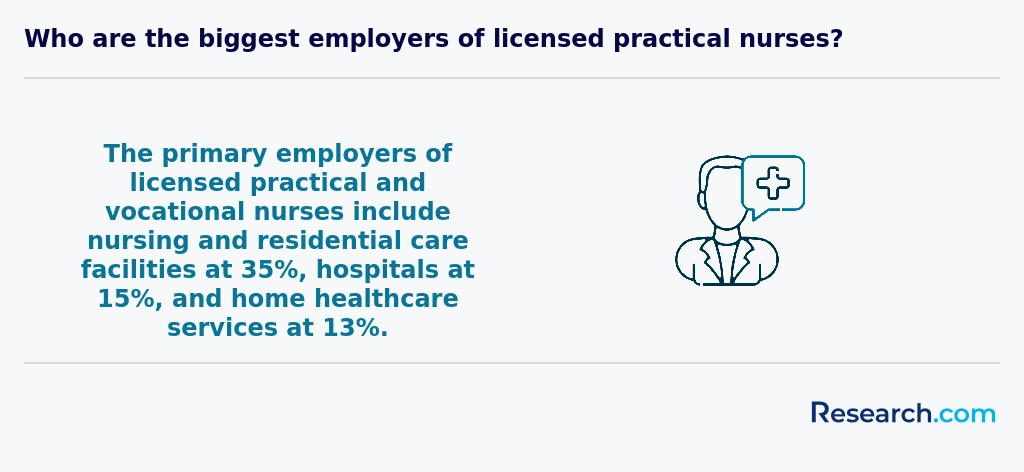
While traditional ADN and BSN tracks remain popular, aspiring nurses in Worcester, MA can fast-track their entry into the profession through Licensed Practical Nurse (LPN) or Licensed Vocational Nurse (LVN) programs. These certificate-level courses typically span 9–12 months and emphasize core clinical skills, basic pharmacology, and supervised patient care. Upon passing the NCLEX-PN exam, graduates are qualified to provide essential nursing services in hospitals, long-term care facilities, and community clinics-often earning competitive starting salaries while gaining hands-on experience. Many students appreciate the flexibility of blended or online LPN/LVN options that pair virtual lectures with local clinical rotations. For example, a 9 month lvn program in texas demonstrates how accelerated curricula can deliver rigorous training in under a year, making it easier to enter the workforce quickly. Although this particular program is out of state, its hybrid model can inspire local institutions to adopt similar schedules or online components. After securing LPN/LVN licensure, graduates often enroll in LPN-to-ADN or LPN-to-BSN bridge programs, which acknowledge prior clinical coursework and reduce redundant credits. These pathways preserve earned clinical hours, shorten time to an RN credential, and boost long-term earning potential, making the accelerated route a strategic first step toward advanced nursing practice.
What courses are typically in nursing degree programs in Worcester?
Students pursuing nursing degrees in Worcester typically engage in courses like anatomy and physiology, where they vividly explore the human body's intricate systems, often recalling hands-on lab sessions at popular local colleges. Graduates describe these classes as eye-opening, making complex concepts feel tangible through real specimen studies and interactive models.
Microbiology and pathophysiology courses deepen understanding of disease processes, with many students sharing how these subjects sparked their interest in infection control, especially during clinical rotations in Worcester hospitals. Pharmacology stands out as a crucial course, where students eagerly master medication management-a skill they proudly apply during supervised practicums in community clinics.
Nursing ethics and healthcare law are often highlighted by graduates as empowering, offering clarity on patient rights and professional accountability, topics brought to life through compelling case studies at Worcester's nursing schools. Communication skills courses prepare students to navigate diverse patient interactions, with many recalling role-playing exercises that built their confidence for real-world teamwork.
Specialized clinical courses focusing on maternal-child, pediatric, adult, and mental health nursing provide immersive experiences that graduates cherish, describing vivid moments in Worcester's clinical sites where theory became life-saving practice. These courses reflect a future-ready curriculum designed to adapt as healthcare evolves locally and beyond.
What types of specializations are available in nursing degree programs in Worcester?
In Worcester, nursing degree specializations continue to evolve to match the shifting landscape of healthcare needs. Graduates from well-known nursing colleges in the city often speak about their rewarding experiences in specializations like Adult-Gerontology Nursing, where they care for aging populations facing chronic illnesses. Worcester nursing programs with specialties such as Pediatric Nursing capture the enthusiasm of students eager to support children's health growth within their community, making the work deeply fulfilling.
Innovations in Psychiatric-Mental Health Nursing are also gaining traction, reflecting a growing awareness of mental well-being. Many students appreciate how their programs incorporate community health perspectives, linking academic learning to local clinical experiences in nearby hospitals. The Family Nurse Practitioner specialization offers a forward-looking approach to healthcare, equipping nurses to meet diverse family needs holistically.
Some students explore advanced pathways, similar to opting for a 9 month lvn program in texas as an example of quick progression options elsewhere, which suggests that Worcester's programs might also expand flexible, accelerated tracks. Overall, Worcester's nursing degree specializations invite proactive learners to engage in practical, impactful education tailored to the future of nursing.
How do you choose the best nursing degree in Worcester?
Choosing the best nursing degree in Worcester means looking beyond just the program name and considering how it fits your future goals. Graduates from Worcester State University often share how the strong clinical training with local hospitals like UMass Memorial Medical Center gave them real confidence and hands-on skills before stepping into their careers. The emphasis many places in Worcester put on a Bachelor of Science in Nursing (BSN) reflects a trend toward higher qualifications that open more doors and lead to fulfilling work experiences.
Cost and accreditation also shape the decision. Affordable nursing schools in Worcester, such as Fitchburg State University nearby, offer in-state tuition that balances value and quality. Many graduates remark that programs accredited by ACEN or CCNE gave them peace of mind knowing they met rigorous standards necessary for the NCLEX-RN exam and future licensure. For those wondering what is the easiest school to get into for nursing, weighing these factors carefully can help determine the right path.
What career paths are available for nursing degree students in Worcester?
Graduates with a nursing degree in Worcester find themselves stepping into a vibrant healthcare community that supports a wide range of career paths. Whether trained at well-known institutions like Worcester State University or the College of the Holy Cross, many graduates embrace roles as registered nurses in nearby hospitals such as UMass Memorial Health Care, where they work in critical care or emergency units. This robust local demand fuels a positive outlook, encouraging new nurses to pursue specialized positions. For those interested in community impact, public health nursing offers engaging opportunities promoting wellness in local clinics or government agencies.
Others choose to explore home health nursing, providing compassionate in-home care which continues to grow alongside Worcester's aging population. More ambitious graduates often advance toward clinical nurse specialist or nurse practitioner roles that require an MSN, embracing broader autonomy in patient care. Additionally, Worcester's nursing degree job outlook inspires some to join nursing education, training new professionals at colleges in the area, or move into healthcare administration. The evolving healthcare landscape reveals exciting prospects for all who invest in their nursing career opportunities in Worcester.
Prospective students balancing cost and quality might also consider exploring the Most Affordable Online Nursing Degree Programs Ranking in the South to supplement their local studies or ease financial burdens.
What is the job market for nursing degree in Worcester?
The nursing degree job outlook Worcester graduates face is notably promising, driven by local healthcare demands and strong institutional support. Nurses graduating from Worcester's popular nursing colleges often share how their clinical placements at hospitals like UMass Memorial Medical Center boost their confidence and readiness for the workforce. This hands-on experience not only enhances professional skills but also creates connections that ease the transition into full-time roles.
Many who pursue nursing report feeling encouraged by the steady employment opportunities fueled by an aging population and expanding outpatient services. Worcester nursing employment opportunities remain abundant due to ongoing staffing shortages and competitive salaries, with annual wages higher than the national average, making the city an attractive place for new professionals.
For those considering advanced studies, exploring a one year masters program can expedite career growth and access to specialized roles. Overall, the local job market reflects a dynamic environment where nursing graduates can thrive, supported by Worcester's robust healthcare ecosystem.
Frequently Asked Questions About nursing
Nursing degree students in Worcester can maximize their learning experience by engaging deeply in both classroom and clinical settings. Worcester hosts several respected nursing programs, such as those at the University of Massachusetts Medical School, known for strong clinical partnerships. Students benefit from actively participating in clinical rotations at local hospitals, gaining firsthand patient care experience.
Additionally, joining nursing organizations like the Student Nurses Association of Massachusetts helps students connect with professionals and access extra resources. Worcester's diverse patient population also offers opportunities to develop cultural competence, an essential skill in nursing.
According to the Massachusetts Board of Registration in Nursing, hands-on experience significantly improves licensure exam pass rates, emphasizing practical learning.
The nursing field is evolving rapidly, creating new specialized roles that meet modern healthcare demands. In Worcester, emerging niches such as geriatric nursing are gaining importance due to the city's aging population. According to the U.S. Census Bureau, Massachusetts expects a 20% increase in residents over 65 by 2030, driving demand for nurses skilled in elder care.
Another growing specialty is informatics nursing, which combines healthcare and IT to improve patient data management. Worcester's expanding health tech sector supports this trend, offering nurses opportunities to bridge clinical care with technology.
Additionally, community health nursing focuses on preventive care and chronic disease management, responding to Worcester's diverse urban population needs. These niches offer promising pathways for nursing students entering the job market.
Graduates with a nursing degree in Worcester should focus on obtaining licensure by passing the NCLEX-RN exam, a mandatory step to practice as a registered nurse in Massachusetts. According to the Massachusetts Board of Registration in Nursing, the state has seen a steady 4% increase in RN job openings annually, signaling strong local demand.
Networking is essential; joining organizations such as the Massachusetts Nurses Association can provide valuable connections and job leads. Worcester's healthcare system offers numerous clinical internships and residency programs, which improve employability by providing real-world experience.
Additionally, graduates should consider acquiring certifications in specialties like geriatrics or pediatrics, as Worcester's aging population drives demand for specialized nursing care. Utilizing career services at local colleges aids in crafting effective resumes and preparing for interviews.
Employers in Worcester seek nursing graduates with strong clinical skills and critical thinking. According to the Massachusetts Department of Higher Education, practical experience and the ability to apply evidence-based care are vital. Communication skills also rank highly, as nurses collaborate with patients and interdisciplinary teams daily.
Attention to detail and proficiency in electronic health records are increasingly important due to technological integration in healthcare settings. Employers value adaptability in fast-paced environments like those found in Worcester hospitals, including UMass Memorial Medical Center.
Lastly, cultural competence and empathy are essential to meet the diverse needs of Worcester's community, reflecting broader national trends reported by the American Nurses Association.
Finding nursing internships in Worcester involves a mix of research and networking within the local healthcare community. Worcester hosts several hospitals and healthcare centers like UMass Memorial Health Care, which often offer structured internship or clinical placement programs for nursing students. Checking with nursing schools in Worcester is also crucial, as many colleges coordinate internships through established partnerships.
Students should utilize career services and attend nursing job fairs in the region to connect with potential internship providers. Online platforms like Handshake or local healthcare job boards may list internship openings.
The Massachusetts Board of Registration in Nursing provides guidelines ensuring internships meet state educational requirements, which helps in securing meaningful clinical experiences.
Obtaining a nursing degree in Worcester significantly enhances career mobility and advancement opportunities. The Bureau of Labor Statistics reports that registered nurses in Massachusetts, including Worcester, earn an average annual wage of $88,000, above the national average. Advanced degrees such as a Bachelor of Science in Nursing (BSN) or Master of Science in Nursing (MSN) open doors to specialized roles like nurse practitioners or nurse educators.
Local healthcare institutions, including UMass Memorial Health, prefer hiring nurses with higher education, linking degrees to better job security and faster promotions. Worcester's growing healthcare sector benefits from an educated nursing workforce, increasing demand for degree holders. Additionally, advanced nursing degrees qualify graduates for leadership and administrative positions, broadening career paths. This trend aligns with the Massachusetts Department of Higher Education's emphasis on BSN-prepared nurses for improved patient outcomes.
Studying for a nursing degree in Worcester offers strong preparation for interdisciplinary roles, reflecting the growing demand for collaboration in healthcare. Nursing programs in the region emphasize teamwork with professionals such as physicians, therapists, and social workers. Local colleges often include practical clinical experiences in diverse settings, enhancing students' ability to communicate and coordinate across disciplines.
According to the Massachusetts Board of Registration in Nursing, Worcester's nursing graduates are trained to navigate both hospital and community health environments, where interdisciplinary skills are critical. Curriculums integrate courses in health informatics, ethics, and patient-centered care, aligned with national educational standards.
This interdisciplinary focus prepares students to contribute effectively in complex care teams, improving patient outcomes and workplace efficiency in Worcester's healthcare systems.
Choosing between a thesis and a non-thesis nursing degree program in Worcester depends on your career goals and learning preferences. Thesis programs emphasize research skills and critical analysis, which can benefit students aiming for doctoral studies or research-oriented nursing roles. Non-thesis options focus more on practical training and clinical experience, often allowing faster completion.
In Worcester, nursing programs at institutions like Worcester State University offer both tracks. According to the National League for Nursing, research skills are increasingly valued but practical readiness remains top priority in clinical settings.
Consider your interest in academic research and available time when deciding.
Students in Worcester interested in studying nursing abroad have several options through established exchange programs and partnerships between local institutions and international universities. Worcester Polytechnic Institute and Worcester State University both offer study abroad opportunities that can include nursing-related courses or clinical experiences in countries such as Ireland, Australia, and the United Kingdom. These programs often last from a few weeks to a full semester, allowing students to gain global healthcare perspectives.
Moreover, many U.S. nursing programs encourage participation in international clinical rotations, which help students understand diverse healthcare systems. According to the Massachusetts Board of Registration in Nursing, Worcester County has seen increased interest in global nursing education, reflecting wider trends in the profession.
Students should consult their academic advisors early to plan credits and clinical requirements carefully to ensure eligibility for licensure after returning to the U.S.
Worcester offers several part-time job opportunities suitable for students pursuing nursing degrees. Many students find roles as certified nursing assistants (CNAs) in local hospitals and care facilities, which provide hands-on patient care experience crucial for nursing education. According to the Massachusetts Department of Public Health, Worcester's healthcare sector employs thousands in support roles, making it a practical area for part-time work.
Other options include medical receptionist positions or volunteer roles in community health clinics. These jobs strengthen administrative and communication skills relevant to nursing careers. The University of Massachusetts Medical School in Worcester frequently posts part-time openings that complement nursing studies and offer flexible schedules for students.
Nursing students in Worcester benefit from numerous networking opportunities essential for career development. Local institutions such as the College of the Holy Cross and Worcester State University offer access to nursing clubs and student organizations. These groups often organize events that connect students with healthcare professionals and alumni. Additionally, Worcester is home to UMass Memorial Health, a major hospital system where students can engage in clinical rotations and job fairs, facilitating direct contact with experienced nurses and potential employers. According to the Massachusetts Nurses Association, such networks significantly improve employment prospects for new graduates in the region.
Alumni networks provide valuable support for nursing degree students in Worcester by fostering professional connections and mentorship opportunities. According to recent data from the Massachusetts Board of Registration in Nursing, Worcester's healthcare sector employs over 15,000 registered nurses, making networking crucial for job placement after graduation. These networks often organize events where students can meet experienced nurses working in local hospitals and clinics. Such interactions help students understand workplace expectations and gain insight into specialized nursing fields. Additionally, alumni can offer guidance on continuing education, certification, and career advancement based on their own experiences in Worcester's healthcare environment.
Customizing a nursing degree program in Worcester allows students to align their education with specific career aspirations. Many local institutions offer flexible curricula, including elective courses in specialties such as pediatric nursing, gerontology, or mental health. Students can also choose between degree levels, like an Associate Degree in Nursing (ADN) or a Bachelor of Science in Nursing (BSN), depending on their goals and time availability.
Clinical placements are another customization option, with Worcester hospitals and healthcare centers providing diverse hands-on experiences. According to the Massachusetts Board of Registration in Nursing, these practical experiences are critical for licensure and employment success in local healthcare settings.
Online and hybrid course formats are increasingly available in Worcester, helping students balance education with work or family commitments. Advisors in nursing programs guide students in crafting plans that meet both state licensure requirements and personal career objectives.
Nursing students in Worcester often face significant academic pressure due to demanding coursework and rigorous clinical schedules. Balancing classroom learning with hands-on clinical experience requires effective time management skills. According to the Massachusetts Board of Registration in Nursing, many students report challenges in adapting to fast-paced clinical environments prevalent in Worcester's hospitals.
Financial stress is another common issue, as tuition and related expenses for nursing programs can be high. Limited availability of scholarships and part-time job opportunities in the healthcare field adds to students' burdens. Additionally, the need to maintain strong academic performance for licensure exams intensifies pressure.
Social support and mental health concerns also arise frequently, with many students seeking counseling services to cope with stress. Overall, nursing students in Worcester must navigate a complex mix of academic, financial, and emotional challenges throughout their education.
With a nursing degree, graduates in Worcester can pursue several professional certifications that enhance career opportunities and specialization. Common certifications include Certified Nurse Assistant (CNA), Licensed Practical Nurse (LPN), and Registered Nurse (RN) licensure, which is mandatory for practice. Beyond basic licensure, nurses can obtain advanced certifications such as Certified Nurse Practitioner (CNP), Certified Clinical Nurse Specialist (CNS), and certifications in specialties like pediatric or emergency nursing.
According to the Massachusetts Board of Registration in Nursing, over 9,000 nurses in Worcester hold active licenses as of 2023, with growing demand for certified nurse practitioners due to expanding healthcare needs. These certifications generally require passing exams and meeting specific clinical experience standards.
When applying to nursing programs in Worcester, it is important to provide a clear, well-organized application that highlights your academic achievements and relevant experiences. Most nursing schools require a minimum GPA of 3.0, so maintaining strong grades in science and math courses is essential.
Include detailed descriptions of any healthcare-related volunteer or work experience, as practical exposure is highly valued. Personal statements should reflect your motivation, empathy, and understanding of nursing as a profession. Worcester institutions often prioritize applicants who demonstrate community engagement and leadership.
Additionally, prepare for required entrance exams such as the TEAS (Test of Essential Academic Skills), which many local schools use to assess candidates' preparedness.
The demand for nursing professionals is growing worldwide, reflecting a global recognition of nursing's critical role in healthcare. In the United States, including Worcester, nurses are essential in meeting the needs of an aging population and rising chronic conditions. According to the U.S. Bureau of Labor Statistics, registered nursing jobs are expected to grow 6% from 2021 to 2031, faster than the average for all occupations.
Globally, nursing is viewed as a respected and stable career with opportunities for specialization and advancement. In Worcester, nursing programs emphasize preparing students for both local and international healthcare standards, ensuring graduates can adapt to diverse clinical settings. Organizations like the World Health Organization highlight the importance of strengthening nursing education worldwide to improve health outcomes.
Additionally, many nurses from Worcester pursue certifications that are recognized internationally, facilitating careers abroad or participation in global health initiatives. This global perspective underscores the versatility and increasing importance of nursing as a profession in an interconnected world.
Students pursuing nursing degrees in Worcester can gain practical experience through clinical rotations, which are a required part of most nursing programs. These rotations occur in local hospitals, clinics, and long-term care facilities, allowing students to apply classroom knowledge in real healthcare settings. Worcester State University and Quinsigamond Community College collaborate with nearby medical centers like UMass Memorial Health to facilitate hands-on learning.
Additionally, many programs encourage participation in internships and volunteer opportunities, providing valuable exposure to patient care. According to the Massachusetts Department of Higher Education, over 85% of nursing students in the state complete clinical hours prior to graduation, a trend evident in Worcester's institutions as well.
Some schools also offer simulation labs that replicate hospital environments, helping students build confidence and skills before direct patient interactions.
Choosing the right concentration within a nursing degree program in Worcester requires careful consideration of your career goals and local industry demands. Worcester's healthcare sector, including major hospitals like UMass Memorial Medical Center, offers varied opportunities in specialties such as gerontology, pediatrics, and critical care. According to the Massachusetts Department of Higher Education, concentrations in geriatric nursing are growing due to the aging population in the region.
Evaluate your interests alongside job market trends and certification requirements. For example, if you prefer working with children, pediatrics might suit you, while those interested in emergency settings may lean toward trauma or critical care nursing. Visiting campus advisors and reviewing clinical placement options can also guide your decision.
Related Nursing Rankings for Nearby Cities
- 2027 Most Popular Nursing Degree Programs Ranking in Boston
- 2027 Most Popular Nursing Degree Programs Ranking in Bronx
- 2027 Most Popular Nursing Degree Programs Ranking in New York
- 2027 Most Popular Nursing Degree Programs Ranking in Brooklyn
- 2027 Most Popular Nursing Degree Programs Ranking in Philadelphia
- 2027 Most Popular Nursing Degree Programs Ranking in Rochester
- 2027 Most Popular Nursing Degree Programs Ranking in Baltimore
- 2027 Most Popular Nursing Degree Programs Ranking in Washington
- 2027 Most Popular Nursing Degree Programs Ranking in Pittsburgh
- 2027 Most Popular Nursing Degree Programs Ranking in Cleveland
Top Trending Nursing Rankings
See What Experts Have To Say About Studying Nursing
Read our interview with Nursing experts


References
- Tips for Creating a Perfect Nursing School Application https://www.allnursingschools.com/articles/how-to-create-the-perfect-nursing-school-application/
- How Do Nurses Navigate Career Advancement? | NursingEducation https://nursingeducation.org/insights/career-advancement/
- How to Choose the Right Nursing School for Your Career Goals | Archer Review https://www.archerreview.com/blog/how-to-choose-the-right-nursing-school-for-your-career-goals
- What Are the Best RN Certifications for Your Career? https://credenzahealth.com/career-advice/what-are-the-best-rn-certifications-for-your-career
- How to Choose a Nursing Program: A Comprehensive Guide - Madonna ABSN https://absn.madonna.edu/blog/how-to-choose-a-nursing-program/
- Students urged to choose a nursing degree at University of Worcester https://www.worcesternews.co.uk/news/18163428.students-urged-choose-nursing-degree-university-worcester/
- Career Advancement Pathways for Nurses : Expert RN shares 10+ Professional growth opportunities - MuminMed https://blog.muminmed.com/career-advancement-pathways-for-nurses/
- Nursing | Worcester State University Catalog https://catalog.worcester.edu/undergraduate/school-education-health-natural-sciences/nursing/
- Nursing Major at Worcester State University https://www.worcester.edu/programs/nursing-track-one-undergraduate-bs-program/
- New Scholarships Will Help Nursing Students With a Passion for Public Health - Worcester State University News https://news.worcester.edu/new-scholarships-will-help-nursing-students-with-a-passion-for-public-health/


