
2027 Most Valuable Nursing Degree Programs Ranking in San Juan

Co-Founder and Chief Data Scientist
Considering a nursing degree in San Juan? Choosing the right program can shape your future in meaningful ways. Our article introduces the 2027 Most Valuable Nursing Degree Programs Ranking in San Juan, created by Research.com's team of data scientists to help you make a confident, informed decision.
Exploring this ranking will give you clear insights into programs that offer the best value for your investment. A nursing degree opens doors to rewarding careers, personal growth, and the chance to make a real difference in people's lives.
Take the first step toward a fulfilling journey in healthcare with the right information at your fingertips.
Key benefits of getting nursing degree in San Juan
- Salary for nursing degree graduates: Registered Nurses in San Juan can expect a mean annual wage of $94,480, with Operating Room Nurses earning even more at $128,490, offering strong financial stability and rewarding opportunities.
- Career paths: Nursing graduates from the University of Puerto Rico in San Juan often find diverse roles such as Clinical Nurse Educators and Public Health Nurses, allowing them to choose rewarding specialties that match their passions.
- Online degree benefits: Earning a nursing degree online through local institutions like Ana G. Méndez University offers flexible schedules and saves commuting time, making education accessible while balancing work and life commitments.
- Key benefits of getting nursing degree in San Juan
- What can I expect from nursing degree in San Juan?
- Where can I work with nursing degree in San Juan?
- How much can I make with nursing degree in San Juan?
- 2027 Most Valuable Nursing Degree Programs Ranking in San Juan
- Key Findings
- How long does it take to complete nursing degree in San Juan?
- NCLEX Pass Rates & Licensing Requirements
- What's the difference between online and on-campus nursing degree?
- What is the average cost of nursing degree in San Juan?
- What financial aid is available to nursing degree students in San Juan?
- Accreditation and Licensure Requirements
- What are the prerequisites for enrolling in nursing degree program in San Juan?
- Licensing and Certification in Puerto Rico
- What courses are typically in nursing degree programs in San Juan?
- What types of specializations are available in nursing degree programs in San Juan?
- How do you choose the best nursing degree in San Juan?
- What career paths are available for nursing degree students in San Juan?
- What is the job market for nursing degree in San Juan?
- Top Trending Nursing Rankings
- See What Experts Have To Say About Studying Nursing
What can I expect from nursing degree in San Juan?
Tuition for nursing degrees in San Juan typically ranges from $5,000 to $15,000 per year, depending on whether you choose a public university like the University of Puerto Rico or a private institution. Graduates often share how the investment felt worthwhile-combining solid classroom lessons with real clinical experiences at nearby hospitals made learning exciting and deeply rewarding.
For many, the financial aid opportunities play a huge role in turning dreams into reality. Scholarships and grants specifically designed for nursing students help lighten the financial load, making it easier to focus on mastering patient care skills. Imagine yourself walking through corridors at prestigious San Juan nursing schools, confident that your education is both affordable and high quality.
The balance between cost and value becomes clear when hearing stories of alumni who passed the NCLEX-RN with ease, thanks to the rigorous yet supportive training tailored to local health challenges. This assurance fuels a sense of adventure and accomplishment that defines nursing studies in San Juan.
Where can I work with nursing degree in San Juan?
Graduates from nursing programs at prominent San Juan institutions often find themselves stepping into dynamic roles within major hospitals like those in the Puerto Rico Medical Center. Imagine working in the emergency room or pediatric unit, where every shift brings new challenges and the chance to make a real difference. Many of these nurses recall the excitement and satisfaction of applying their clinical skills right after finishing their studies.
Others explore careers in community health centers and outpatient clinics, engaging directly with patients on preventive care and chronic disease management. Picture coordinating patient education programs that improve lives in neighborhoods across San Juan-this hands-on work often feels rewarding and deeply connected to the community.
Some graduates prefer the independence of home health care, visiting patients at their homes and providing vital medical support. Meanwhile, those who studied at well-known universities also pursue faculty positions or research roles, shaping the future of nursing through teaching or innovation.
Public health agencies and nonprofits offer yet another path, where nurses lead initiatives in wellness and disaster preparedness, tapping into their passion for serving Puerto Rico's diverse population with purpose and pride.
How much can I make with nursing degree in San Juan?
Graduates from nursing programs at popular institutions in San Juan often find themselves stepping into roles with exciting earning potential. For example, a Registered Nurse (RN) can anticipate making around $94,480 annually, reflecting a local market that values both skill and dedication. This salary aligns well with mean hourly wages near $45, offering a solid foundation for new nurses eager to support their communities.
Some adventurous grads explore specialized paths such as Emergency Room Nursing or Public Health Nursing, which typically share similar earning figures of approximately $94,480 per year. It's like stepping into a fast-paced hospital or community center, where meaningful work meets rewarding pay.
If you're drawn to operating theaters and advanced care, imagine the thrill of becoming an Operating Room Nurse, where salaries jump to an impressive $128,490 annually, around $61 per hour. Graduates from San Juan's nursing colleges often report satisfaction not just from the financial rewards but the dynamic, hands-on experiences these roles provide.
Many found the real-world application during their studies-clinical rotations in San Juan's diverse healthcare settings-helped them envision these careers vividly while appreciating the strong demand and competitive salaries awaiting them.
2027 Most Valuable Nursing Degree Programs Ranking in San Juan
How do we rank schools?
Investing in your education is a significant decision that can shape your future, and the Research.com team understands the importance of making informed choices. To assist prospective students in San Juan, we have meticulously crafted the "2027 Most Valuable Nursing Degree Programs Ranking in San Juan." Our commitment to quality, credibility, and accuracy is reflected in the extensive research and analysis conducted to compile this ranking.
We utilized the following reputable data sources to ensure a comprehensive evaluation of nursing degree programs:
By exploring this ranking, readers will gain valuable insights into the most valuable nursing degree programs available in San Juan, helping them make well-informed decisions about their educational and professional futures. For more details on our methodology, please visit our Research.com methodology page.
# 1 position
Universidad Ana G. Mendez-Cupey Campus
Master of Science in Nursing

# 3 position
EDP University of Puerto Rico Inc-San Juan
Bachelor of Science in Nursing

# 4 position
Universidad Ana G. Mendez-Cupey Campus
Bachelor of Science in Nursing
# 5 position
CEM College-San Juan
Bachelor of Science in Nursing
Key Findings
- The average annual cost for nursing degree programs in San Juan ranges from $6,000 to $15,000, with public institutions generally more affordable than private ones.
- New nursing graduates start with an average salary between $55,000 and $65,000 per year, reflecting local living costs.
- Experienced nurses in San Juan can earn between $75,000 and $90,000 annually, especially with advanced education or specialization.
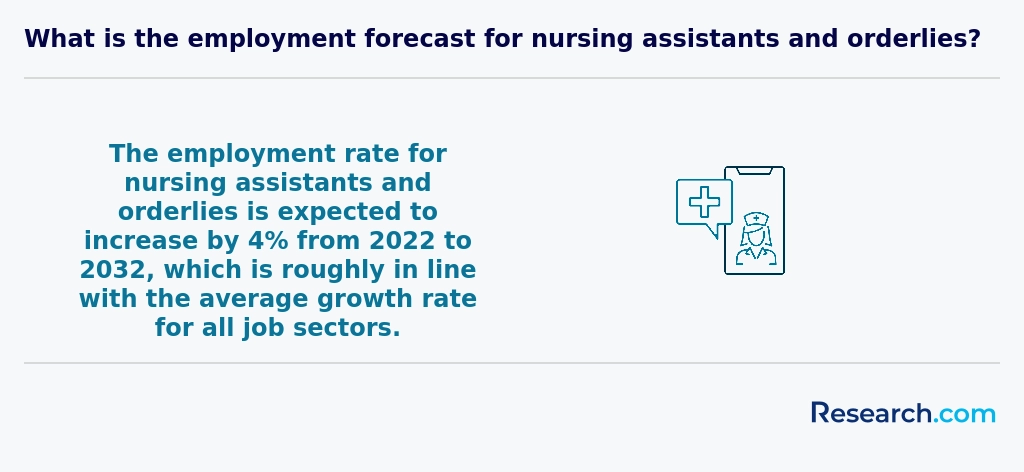
- Employment for registered nurses in San Juan is projected to grow by about 12% over the next decade, driven by increased healthcare demand.
- Nursing programs in San Juan are accredited by bodies like ACEN and CCNE, ensuring eligibility to take the NCLEX-RN licensure exam required to practice.
- Clinical practice opportunities are integrated into most programs, giving students essential hands-on experience in local healthcare settings.
How long does it take to complete nursing degree in San Juan?
If you're diving into nursing studies in San Juan, expect your journey to align closely with your chosen path. Graduates from local institutions like the University of Puerto Rico's San Juan campus often recount that an Associate Degree in Nursing (ADN) takes about two years of intense, focused study-just enough time to feel the thrill of advancing in a respected healthcare field and preparing for the NCLEX-RN licensing exam.
Bachelor of Science in Nursing (BSN) programs, such as those at Pontifical Catholic University of Puerto Rico, generally take four full years. Many students share how these years not only build clinical skills but also foster leadership and research abilities, opening doors beyond traditional patient care.
For those eager to fast-track their careers, accelerated BSN programs in San Juan condense this learning into 12 to 18 months. Graduates often describe this option as an energizing challenge that rapidly boosts credentials and confidence.
Graduate degrees add another layer of expertise: master's programs usually require around two years beyond the BSN, while doctoral studies can span three to six years, blending rigorous research with practical leadership.
NCLEX Pass Rates & Licensing Requirements
Understanding NCLEX-RN performance and state licensure steps ensures you’re prepared for practice in Puerto Rico. San Juan nursing graduates must:
- Graduate from a CCNE- or ACEN-accredited nursing program
- Register with the Puerto Rico Board of Nursing and schedule your NCLEX-RN
- Meet immunization, background check, and language proficiency requirements
- Aim for programs reporting first-time NCLEX-RN pass rates above the 88% national average
Top San Juan schools consistently post pass rates between 85% and 92%, reflecting strong clinical preparation. For streamlined entry into accredited programs, explore options like the easiest nursing schools to get into. Maintain your license with continuing education and timely renewal every two years to support career advancement in Puerto Rico’s healthcare system.
What's the difference between online and on-campus nursing degree?
Imagine walking the bustling halls of the University of Puerto Rico School of Nursing, exchanging ideas face-to-face with passionate peers and instructors. On-campus nursing programs in San Juan immerse students in this vibrant environment, blending classroom learning with hands-on clinical practice at local hospitals. Graduates often recall the energy of real-time collaboration and the confidence gained from being physically present in simulations and patient care, making their studies feel alive and tangible.
Now picture studying nursing at your own pace, logging into online lectures from the comfort of home, yet still coordinating clinical hours at a nearby San Juan clinic. Many online students cherish this flexibility, balancing family or jobs while mastering their coursework digitally. However, even with virtual classes, real-world patient experience remains essential, making local practicum placements a crucial part of the journey. This blend of convenience and community connections lets students craft a personalized adventure toward becoming skilled nurses in Puerto Rico.
What is the average cost of nursing degree in San Juan?
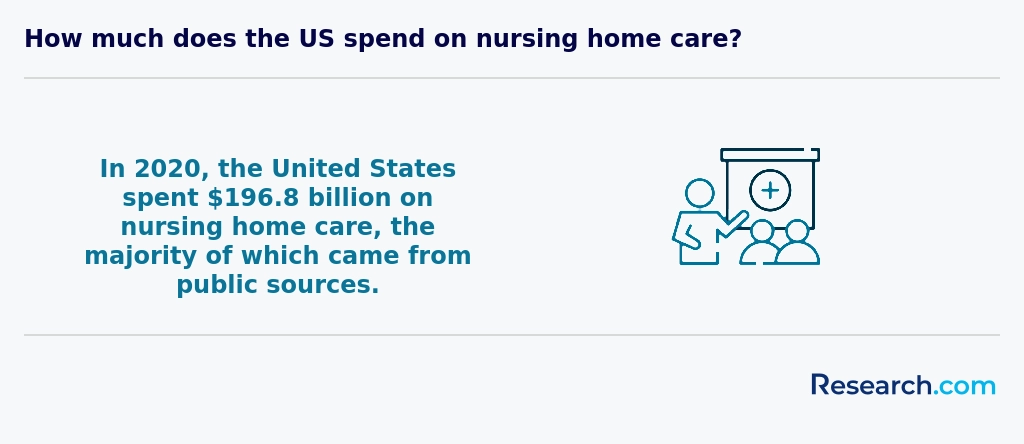
The average cost of a nursing degree in San Juan offers an intriguing balance between quality education and affordability. Many students discover that attending well-known institutions like the University of Puerto Rico's Medical Sciences Campus allows them to complete their nursing programs with in-state total costs around $7,400. Graduates often recall the relief of managing tuition fees that are far lower than mainland U.S. averages, giving them space to focus on thriving both academically and personally.
Exploring San Juan nursing program total expenses further, private colleges may ask for $15,000 or more per academic year, but these schools frequently provide scholarships and financial aid, creating opportunities for many to pursue their dream careers. Students remember juggling textbook costs, lab fees, and licensing exam preparations, realizing that these additional expenses typically bring total costs closer to the median of $17,450-still a worthwhile investment for hands-on experience in vibrant clinical settings.
Financial assistance can make a meaningful difference, and curious learners often tap into resources like the U.S. Department of Education or local aid offices to reduce net costs. For those seeking quicker paths, exploring 3-month certificate programs that pay well can also complement degree-based routes, offering flexibility within the colorful landscape of nursing education here.
What financial aid is available to nursing degree students in San Juan?
Imagine starting your nursing journey at a top San Juan college, where financial aid feels like a supportive friend rather than a maze. Graduates often recall how Pell Grants, offering up to $7,395 for 2023-2024, lifted a huge weight off their shoulders, allowing them to focus more on clinicals and less on bills. Beyond federal grants, many students discover scholarships specifically tailored to nursing-offered by local organizations like the Puerto Rico Nursing Association or the nursing schools themselves, rewarding both merit and financial need.
One graduate shares how an employer tuition reimbursement program at a nearby hospital made juggling work and studies possible-reimbursements that creatively extended the classroom beyond campus. Plus, the promise of federal loan forgiveness programs, such as the Nurse Corps Loan Repayment Program, excites many, especially those willing to serve San Juan's underserved areas.
Filling out FAFSA early and chatting with financial aid advisors at schools like the University of Puerto Rico in San Juan can unlock these opportunities. It's like unlocking treasures scattered throughout your nursing path!
Accreditation and Licensure Requirements
- Enroll in a nursing program accredited by CCNE or ACEN to ensure eligibility for the NCLEX-RN exam.
- Graduate with official transcripts, updated immunization records and a cleared background check.
- Apply to the Puerto Rico Board of Nursing and pay the application and exam fees (approximately $100–$200).
- Pass the NCLEX-RN exam administered by Pearson VUE under the Board’s auspices.
- Renew your Puerto Rico RN license every two years by completing at least 30 hours of continuing education.
For experienced RNs aiming to expand clinical authority and career prospects, consider our rn to bsn online bridge option.
What are the prerequisites for enrolling in nursing degree program in San Juan?
Diving into nursing studies in San Juan means gearing up with some key academic and health prerequisites that local programs expect. From graduates of universities like the University of Puerto Rico's Rio Piedras campus, the journey often begins with completing high school or a GED, making sure your foundation is solid in biology, chemistry, and math. Imagine walking into a study group discussing anatomy or physiology-these courses aren't just checkboxes; they're the exciting groundwork for real-world healthcare adventures.
Many nursing hopefuls share how passing entrance exams like the TEAS boosted their confidence and opened doors to hands-on clinical experiences at renowned colleges here. Beyond books and tests, students often speak about preparing their health documentation and undergoing background checks-steps that feel like important rituals ensuring you're ready to safely care for others.
These challenges become milestones to celebrate, reflecting a shared spirit among San Juan's nursing students as they embrace the rewarding path ahead.
Licensing and Certification in Puerto Rico
After completing an accredited nursing program in San Juan, you must secure state licensure before practicing. Key steps include:
- Graduate from a CCNE- or ACEN-accredited ADN or BSN program
- Register for and pass the NCLEX-RN exam
- Submit an application, official transcripts, background check, and fee to the Puerto Rico Board of Nursing
- Provide proof of immunizations and TB screening as required
- Maintain licensure through biennial renewal and approved continuing education credits
Many registered nurses then advance their credentials by enrolling in online rn to bsn programs without clinical requirements, boosting both clinical expertise and career prospects.
What courses are typically in nursing degree programs in San Juan?
Diving into a nursing degree in San Juan feels like stepping into a world of discovery where science meets care. Students at top local universities eagerly explore courses like Anatomy and Physiology, unlocking the mysteries of the human body through hands-on labs and interactive lectures. Graduates often recall moments when microbiology classes transformed daunting concepts about germs and infections into practical knowledge for real patient care.
At many colleges here, chemistry and nutrition courses deepen understanding of how the body interacts with medicines and diet, making every lesson feel directly tied to future patients' wellness. Pharmacology classes become a highlight, as students learn to confidently manage medicines safely-skills they practice during their clinical hours in nearby hospitals.
Health assessment and pathophysiology courses bring excitement by sharpening students' abilities to recognize symptoms and understand disease processes firsthand. Many shared how nursing ethics, maternal and child health, and community health nursing classes inspired them to connect with the unique needs of San Juan's diverse communities. This rich mix of courses ensures every student is ready to embrace the adventure of nursing with confidence and heart.
What types of specializations are available in nursing degree programs in San Juan?
Nursing degree specializations in San Juan invite students to dive into hands-on experience with vibrant, community-focused programs. Imagine exploring Pediatric Nursing at a local university, where graduates share stories of comforting young patients and growing confident in specialized care. Or picture yourself immersed in Medical-Surgical Nursing, the heart of hospital care, where you learn skills that are essential across any healthcare setting.
San Juan nursing programs with specialties also include Geriatric Nursing, a rewarding path serving the island's aging population, and Community Health Nursing, where students actively engage with urban outreach and public health initiatives in lively neighborhoods. Graduates often highlight the excitement of Psychiatric and Mental Health Nursing, meeting the rising need for mental health support in the region. Those fascinated by women's health find their stride in Obstetrics and Gynecologic Nursing, blending clinical knowledge with compassionate care.
For those ready to explore more advanced roles, stepping into graduate studies is a thrilling next step for many. Many hopefuls consider these paths after completing their undergraduate degrees at San Juan's top colleges. If you want to discover schools that embrace diverse backgrounds and offer accessible options, check out the best open enrollment colleges, perfect for starting your nursing journey with flexibility and opportunity.
How do you choose the best nursing degree in San Juan?
Choosing the best nursing degree in San Juan means diving into the details that really matter on your journey. Accreditation is your compass-programs at well-known institutions like the University of Puerto Rico - Medical Sciences Campus boast strong ties to national bodies, ensuring quality education and smooth pathways to licensure. Graduates often share how valuable clinical rotations in local hospitals felt, immersing them in real healthcare challenges right in their community.
Looking at affordable nursing schools San Juan tuition rates can reveal surprising opportunities to minimize debt while gaining excellent education. Many local programs offer flexibility with part-time or online classes, which working students find essential for balancing life and study. Keep an eye on NCLEX-RN pass rates and employment successes-these often show how well a program prepares you for both the exam and the job market.
Exploring specific specialties, such as community health training, connects you to unique local needs and future job markets. If you want to explore career potentials beyond nursing basics, consider programs highlighted in highest paying bachelor degrees entry-level to boost your prospects while still embracing San Juan's vibrant nursing education scene.

What career paths are available for nursing degree students in San Juan?
Graduates from nursing programs in San Juan embark on exciting journeys filled with diverse career opportunities. Many start as Registered Nurses, gaining hands-on experience in bustling hospitals or community clinics, where they quickly discover the deep satisfaction of making a real difference in patients' lives. Those hungry for specialization often delve into critical care or pediatric nursing, sharpening skills in fast-paced, high-impact settings that inspire both growth and confidence. Exploring nursing career opportunities in San Juan reveals unique paths such as public health nursing, where graduates work closely with local communities to promote wellness and prevention, creating meaningful change beyond traditional hospital walls.
Popular colleges in San Juan foster adventurous spirits who later find roles in healthcare administration, navigating the exciting challenges of managing operations and policy. Others pursue roles as nursing educators or clinical researchers, contributing to advancements in healthcare knowledge that improve patient outcomes. For ambitious graduates eyeing a rapid advancement, some even consider a 1 year online doctorate to become Nurse Practitioners, stepping into roles with greater autonomy and impact. San Juan nursing degree job prospects truly offer a rich landscape for those ready to explore.
What is the job market for nursing degree in San Juan?
The job market for nursing degree holders in San Juan sparkles with opportunity and growth. Graduates from well-known nursing programs at local universities find themselves welcomed into bustling hospitals and community clinics, where an aging population and expanding healthcare services create steady demand. The excitement of hands-on experience in diverse settings, from high-tech medical centers to neighborhood health campaigns, keeps many motivated as they embark on their careers.
Nursing job opportunities in San Juan thrive partly because of ongoing efforts to improve healthcare access and quality, making this city a vibrant place for new nurses to start. Graduates often speak of a rewarding sense of purpose, tackling challenges like chronic disease management with passion and skill. Despite salaries being lower than the mainland average, many appreciate the balance between cost of living and earnings here, which makes nursing an attractive choice.
For students curious about career paths, exploring the best job for an introvert can open doors to nursing specialties where quiet strength truly shines.
Frequently Asked Questions About nursing
Nursing degree students in San Juan can maximize their learning by engaging actively in clinical rotations offered through accredited programs. These hands-on experiences, often required by the Puerto Rico Board of Nursing, provide practical skills vital for future nursing roles. According to the National Council of State Boards of Nursing, clinical practice improves critical thinking and patient care proficiency.
Additionally, students should utilize local healthcare facilities, such as the University Pediatric Hospital in San Juan, for internships or volunteer opportunities to gain diverse exposure.
Joining study groups and seeking mentorship from experienced nurses can also enhance knowledge retention and professional networking.
Staying updated on state licensure requirements and taking advantage of workshops or simulation labs further strengthens preparedness for the NCLEX-RN examination and nursing careers.
The nursing field continues to evolve, with several emerging niches gaining prominence, especially relevant for students in San Juan. One notable area is telehealth nursing, which has expanded rapidly due to advances in digital technology and the COVID-19 pandemic. Nurses specializing in telehealth provide remote care and patient education, making healthcare more accessible.
Another growing niche is geriatric nursing, reflecting the increasing elderly population in Puerto Rico. According to the Puerto Rico Department of Health, nearly 20% of the population is aged 65 or older, driving demand for specialized elder care.
Oncology nursing is also expanding, supported by rising cancer rates and advances in treatment modalities. These niches offer nursing students unique opportunities to develop skills tailored to evolving healthcare needs.
After completing a nursing degree in San Juan, it is crucial to obtain licensure by passing the NCLEX-RN exam, which is required nationwide for registered nurses. Preparing early for this exam through review courses can increase success rates. Networking within San Juan's healthcare community also supports employment opportunities, as local hospitals like Centro Médico y otras instituciones value candidates with regional experience.
Internships and clinical rotations completed during the degree often lead to job offers. Additionally, familiarity with Puerto Rico's healthcare regulations and bilingual communication skills are highly valued by employers.
According to the Bureau of Labor Statistics, nursing employment in Puerto Rico is projected to grow steadily, highlighting the importance of continuous professional development.
Employers in San Juan highly value nursing graduates who demonstrate strong clinical skills combined with interpersonal abilities. According to data from the Puerto Rico Board of Nursing, effective communication and critical thinking are top priorities. Nurses must accurately assess patients and collaborate well with healthcare teams.
Additionally, proficiency in electronic health records (EHR) is increasingly important due to the digitization of healthcare. The Puerto Rico Department of Health highlights adaptability and cultural sensitivity as crucial for serving the diverse San Juan population. These skills directly impact patient outcomes and workplace efficiency.
Overall, graduates with a solid foundation in evidence-based practice and the ability to manage stressful situations are preferred by local employers.
Finding nursing internships in San Juan involves exploring local healthcare facilities and educational institutions that partner with nursing programs. Many hospitals such as San Juan Municipal Hospital and Doctors' Center Hospital offer clinical placements to nursing students. Contacting your nursing school's career services or clinical coordinator is essential, as they often facilitate internship placements.
The Puerto Rico Board of Nursing requires supervised clinical experience as part of licensure, making internships a crucial step. Additionally, organizations like the Puerto Rico Nurses Association provide resources and networking opportunities that can help identify internships. Online databases and government health department sites also list available nursing internships in San Juan.
A nursing degree significantly enhances career mobility and advancement opportunities in San Juan's healthcare sector. According to the Bureau of Labor Statistics, registered nurses in Puerto Rico, including San Juan, are projected to see employment growth above the national average through 2030. Completing a nursing degree enables graduates to qualify for licensure exams such as the NCLEX-RN, which is essential for professional practice and higher responsibility roles.
Advanced degrees, like a Bachelor of Science in Nursing (BSN), open doors to leadership, specialized clinical positions, and higher salaries. Employers often prefer candidates with formal education for roles in hospital administration, public health, and nursing education, fostering upward mobility within San Juan's healthcare institutions.
Studying for a nursing degree in San Juan equips students with skills essential for interdisciplinary collaboration in healthcare settings. Programs typically emphasize teamwork among nurses, physicians, social workers, and other health professionals, reflecting the integrated nature of modern patient care. The University of Puerto Rico in San Juan, for example, incorporates case studies and clinical rotations in diverse environments, fostering communication and coordination skills vital for working within multidisciplinary teams.
Additionally, nursing curricula often cover health informatics and care management, enabling graduates to contribute effectively to patient-centered care plans. According to the Puerto Rico Center for Nursing Workforce Studies, 75% of nursing roles in San Juan involve interdisciplinary activities.
When choosing between a thesis and a non-thesis nursing degree program in San Juan, consider your career goals carefully. Thesis programs involve conducting original research and writing a formal thesis, which benefits those aiming for advanced clinical roles, leadership, or doctoral studies.
Non-thesis programs focus more on coursework and practical experience, suitable for professionals seeking direct entry into clinical practice or administrative positions.
According to the Puerto Rico Board of Nursing, employers often value research skills but also prioritize hands-on competencies. Therefore, examine how each option aligns with job requirements in San Juan's healthcare facilities.
Cost and program length may also differ; thesis tracks can take longer due to research commitments.
Consult academic advisors at San Juan institutions accredited by the Accreditation Commission for Education in Nursing (ACEN) for personalized guidance.
Students based in San Juan looking to study nursing abroad typically explore programs within the U.S. mainland, as Puerto Rico is a U.S. territory and students benefit from in-state tuition options at many institutions. Popular destinations include universities in states known for strong nursing programs such as New York, Florida, and Texas. Many U.S. nursing schools offer online or hybrid programs, allowing San Juan students to gain education without relocating immediately. According to the National Council of State Boards of Nursing, these options facilitate easier licensure transfer between Puerto Rico and states.
Students should consider accredited programs recognized by the Commission on Collegiate Nursing Education (CCNE) or the Accreditation Commission for Education in Nursing (ACEN) to ensure quality education and licensure eligibility. Financial aid and scholarships may also be accessible for Puerto Rico residents attending U.S. campuses. Overall, while studying abroad can imply mainland options, the shared U.S. system eases academic and professional transitions.
Students pursuing nursing degrees in San Juan can benefit from various part-time job opportunities that align well with their education. Positions such as certified nursing assistant (CNA), medical scribe, and patient care technician are common roles that provide hands-on clinical experience. According to the Puerto Rico Department of Labor, CNAs in San Juan earn an average hourly wage of $12 to $15, which supports students financially while they gain relevant skills.
Hospitals like Centro Médico San Juan and community health centers often hire part-time workers, allowing students to apply theoretical knowledge in practical settings. These roles also help develop communication and critical thinking abilities essential for registered nurses.
Nursing students in San Juan have several valuable networking opportunities that enhance their educational experience and career prospects. Local universities such as the University of Puerto Rico, Medical Sciences Campus, offer nursing organizations and student groups where members connect with peers and professionals. These groups often collaborate with area hospitals and clinics, providing students with practical exposure and professional contacts.
Additionally, San Juan hosts events like health fairs and nursing conferences that attract healthcare leaders from across Puerto Rico. Participating in these events allows students to engage with experts and potential employers. The Puerto Rico Nurses Association also supports student membership, providing access to workshops and mentorship programs specifically designed for nursing students. These resources are key to building a strong professional network locally.
Alumni networks play a significant role in supporting nursing degree students in San Juan by providing valuable professional connections. These networks connect current students with graduates who have experience working in local hospitals and clinics, enhancing job placement opportunities. According to the Puerto Rico Nursing Board, over 70% of nursing graduates find their first position through networking and referrals.
Such networks also offer mentorship programs, where experienced nurses guide students through clinical challenges and career planning. This guidance is crucial in San Juan's competitive healthcare environment.
Additionally, alumni often share insights about continuing education and certifications, helping students stay updated on licensing requirements.
Customizing your nursing degree program in San Juan can help align your education with your specific career goals. Many institutions offer flexible course options that allow you to focus on specialties such as geriatric care, pediatric nursing, or community health. Additionally, you may choose from different program types like Associate Degrees in Nursing (ADN) or Bachelor of Science in Nursing (BSN) depending on your target role in healthcare.
Clinical rotations can often be selected based on your interests and preferred healthcare settings, such as hospitals, clinics, or long-term care facilities. This hands-on experience strengthens your practical skills and network in San Juan's healthcare community.
Moreover, local programs often provide access to certification courses, such as CPR or advanced cardiac life support, which enhance your qualifications. According to the Puerto Rico Board of Nursing, BSN graduates have higher employment rates locally, reflecting the growing demand for advanced nursing skills. Taking advantage of elective courses and certifications can tailor your degree to meet these evolving demands.
Nursing students in San Juan encounter several challenges typical to rigorous healthcare education in the U.S. first, balancing demanding clinical hours with academic coursework is a common issue. Many programs require 40+ weekly hours in clinical settings, which can impact students' work-life balance. According to data from the Puerto Rico Department of Education, there is also a noted shortage of clinical placement sites in San Juan, creating competition and scheduling difficulties.
Language barriers may affect some students, given the bilingual environment, requiring proficiency in both English and Spanish medical terminology.
Financial strain remains significant, with many students facing tuition costs and limited scholarships.
With a nursing degree in San Juan, graduates can pursue several professional certifications to enhance their career prospects. Common certifications include the Registered Nurse (RN) license, required for clinical practice across Puerto Rico. Many graduates also aim for specialty credentials such as the Certified Nurse Practitioner (CNP) or Certified Clinical Nurse Specialist (CNS), which require passing exams from national bodies like the American Nurses Credentialing Center (ANCC).
Other valuable certifications include Basic Life Support (BLS) and Advanced Cardiovascular Life Support (ACLS), often mandatory for hospital roles. According to the Puerto Rico Board of Nursing, about 60% of local nurses hold at least one specialty certification, reflecting regional healthcare standards.
To write a winning application for a nursing program in San Juan, start by highlighting your academic achievements, particularly in science and math, as these are core to nursing education. Most programs require a minimum GPA of 3.0, so emphasize your grades accordingly. Include any healthcare-related volunteer work or experience, which demonstrates commitment to the field.
Be sure to craft a clear, concise personal statement that explains your motivation for nursing, connecting it to local healthcare needs in San Juan. Reference data from the Puerto Rico Department of Health showing the increasing demand for nurses in the area to strengthen your case.
Also, prepare for standardized tests like the TEAS, as many San Juan nursing programs use these scores in admissions decisions. Finally, ask for strong recommendation letters from teachers or healthcare professionals who know your work ethic and passion for nursing.
Nursing is a globally respected profession, known for its vital role in healthcare systems worldwide. In the United States, including San Juan, nursing careers are growing rapidly, with the U.S. Bureau of Labor Statistics projecting a 9% growth in registered nurse employment from 2020 to 2030. This trend reflects a worldwide demand for skilled nurses due to aging populations and increased chronic health conditions.
Globally, nursing standards emphasize evidence-based practice, cultural competence, and lifelong learning, which are key components in U.S. nursing programs. San Juan's nursing degrees align with these international trends, preparing students for both local and global healthcare challenges.
Gaining practical experience while studying for a nursing degree in San Juan is essential for building clinical skills. Most accredited nursing programs in the area include clinical rotations at local hospitals, clinics, and community health centers. These hands-on sessions are supervised by experienced nurses and typically begin in the second year of study.
Students can also seek internships or volunteer opportunities in healthcare settings such as the Veterans Affairs Caribbean Healthcare System or San Juan Municipal Hospital. According to the Bureau of Labor Statistics, practical experience significantly improves employment prospects upon graduation.
Many programs in San Juan align clinical hours with state Board of Nursing requirements to prepare students for licensure exams.
Choosing the right concentration within a nursing degree program in San Juan involves understanding your interests, career goals, and local healthcare needs. San Juan's healthcare sector often demands specialized nurses in areas like geriatrics and community health, reflecting the city's aging population and public health priorities.
Consider concentrations such as adult-gerontology, pediatrics, or mental health nursing. Each offers distinct clinical experiences and job prospects. According to recent data from the Puerto Rico Board of Nursing, adult-gerontology and family nurse practitioner roles show strong employment growth in the region.
Research program accreditation and clinical placement opportunities in San Juan hospitals to ensure quality training relevant to your chosen concentration.
Top Trending Nursing Rankings
See What Experts Have To Say About Studying Nursing
Read our interview with Nursing experts

Lisa Grubb
Nursing Expert
Assistant Professor
Johns Hopkins School of Nursing

References
- How to Choose a Nursing Program | All Nursing Schools https://www.allnursingschools.com/how-to-get-into-nursing-school/choose-the-right-school/
- [Study Abroad] Nursing Program In English In SAN JUAN | SSA https://ssabroad.org/programs/san-juan-puerto-rico/nursing-in-english/
- What Are the Best Jobs to Work While in Nursing School? https://www.dewv.edu/what-are-the-best-jobs-to-work-while-in-nursing-school/
- Bachelor of Science in Nursing https://www.sanjuanbautista.edu/academics/programs/nursing-program
- Work-life balance | Careers Crossroads | RCN Careers Resources | Royal College of Nursing https://www.rcn.org.uk/Professional-Development/Your-career/Nurse/Career-Crossroads/Career-Ideas-and-Inspiration/work-life-balance
- Top Skills Employers Want in Practical Nursing Graduates https://vervecollege.edu/what-employers-look-for-in-practical-nursing-graduates/
- Know more about thesis vs non- thesis: what is the difference? https://studyfans.com/en/blogs/816
- How to Choose a Nursing Program: A Comprehensive Guide - Madonna ABSN https://absn.madonna.edu/blog/how-to-choose-a-nursing-program/
- Nursing - SUM Admission https://admission.sum.edu.pl/nursing/
- How Do Nurses Navigate Career Advancement? | NursingEducation https://nursingeducation.org/insights/career-advancement/


