
2027 Most Popular Psychology Degree Programs Ranking in District of Columbia

Co-Founder and Chief Data Scientist
Choosing the right psychology degree program can shape your future in meaningful ways. This article introduces the 2027 Most Popular Psychology Degree Programs Ranking in District of Columbia, created by the Research.com team of data scientists. It's designed to help you navigate your options wisely.
By exploring this ranking, you'll gain insight into programs that align with your goals and interests. Pursuing a psychology degree opens doors to understanding human behavior and making a positive impact on others. Let this guide support your journey toward a rewarding career.
Key benefits of getting psychology degree in District of Columbia
- Salary for psychology degree graduates: Graduates in District of Columbia can expect promising wages, such as Human Resources Specialists earning around $76,060 annually and Marketing Research Analysts about $83,190. These figures reflect rewarding opportunities in psychology-related roles.
- Potential career paths: A psychology graduate from a popular DC university might pursue careers as Clinical Research Associates or Survey Researchers, both with mean annual wages near $62,370, offering diverse options to fit your interests. This variety supports personal growth and job satisfaction.
- Benefits of online degrees: Completing a psychology degree online in DC allows flexibility for balancing work and study, enhancing accessibility without compromising quality. Online graduates often enjoy the same career opportunities, making education more convenient and attainable.
- Key benefits of getting psychology degree in District of Columbia
- What can I expect from psychology degree in District of Columbia?
- Where can I work with psychology degree in District of Columbia?
- How much can I make with psychology degree in District of Columbia?
- 2027 Most Popular Psychology Degree Programs Ranking in District of Columbia
- Key Findings
- How long does it take to complete psychology degree in District of Columbia?
- Affordability and Financial Considerations for Psychology Programs in District of Columbia
- What's the difference between online and on-campus psychology degree?
- Accreditation and Licensing Requirements
- What is the average cost of psychology degree in District of Columbia?
- Student Life and Campus Resources in the District of Columbia
- What financial aid is available to psychology degree students in District of Columbia?
- Licensure and Certification Requirements
- What are the prerequisites for enrolling in psychology degree program in District of Columbia?
- Accreditation and Licensure Preparation
- What courses are typically in psychology degree programs in District of Columbia?
- What types of specializations are available in psychology degree programs in District of Columbia?
- How do you choose the best psychology degree in District of Columbia?
- What career paths are available for psychology degree students in District of Columbia?
- What is the job market for psychology degree in District of Columbia?
- Related Psychology Rankings for Nearby States
- Top Trending Psychology Rankings
- See What Experts Have To Say About Studying Psychology
What can I expect from psychology degree in District of Columbia?
The average cost of a psychology degree in District of Columbia can vary significantly depending on the institution, but students often find the investment well worth it given the rich educational and professional opportunities available locally. Graduates from schools like American University and Georgetown University frequently reflect on their experience being shaped not only by the comprehensive curriculum but also by access to prestigious internships with organizations such as the NIH. This access enriches their studies and justifies the higher tuition compared to other regions.
Many students report that while tuition at established universities can range from $25,000 to over $50,000 per year, community colleges and public institutions like the University of the District of Columbia offer more affordable pathways, sometimes under $10,000 per year. These cost differences allow students with varying financial situations to pursue their psychology goals without compromising quality.
Looking ahead, the growing demand for mental health professionals in D.C. suggests that investments in psychology education today may lead to rewarding careers. Graduates often express satisfaction in how their degrees connect theory with the practical skills demanded by local employers.
Where can I work with psychology degree in District of Columbia?
With a psychology degree in the District of Columbia, many graduates find themselves working within vibrant government roles that shape mental health policies and research. Imagine starting your career at a federal agency, contributing to initiatives that improve veteran care or public health programs, much like graduates from George Washington University who have stepped into these impactful positions.
Healthcare offers a dynamic path where clinical and counseling psychologists serve diverse populations. Graduates often describe rewarding experiences at local institutions such as Children's National Hospital, where they provide therapy and support recovery processes. These roles emphasize hands-on care and community impact.
School psychologists and counselors thrive in educational settings, from D.C. Public Schools to university research programs. Many alumni recall the pride in addressing student mental health challenges, reflecting the city's growing commitment to integrating psychology into education.
The private sector in D.C. is blossoming with opportunities in organizational development and employee wellness. Psychology graduates are increasingly welcomed into corporations seeking to enhance workplace culture and productivity, fueled by insights from their academic training.
Nonprofit organizations also attract psychology professionals passionate about advocacy and crisis support, offering meaningful ways to influence social change and community resilience.
How much can I make with psychology degree in District of Columbia?
Graduates with a psychology degree in the District of Columbia can look forward to competitive salaries that reflect the area's unique job market. For instance, many find roles such as Human Resources Specialists, earning a mean annual wage of about $76,060, or Marketing Research Analysts, with an average salary near $83,190. These positions often appeal to psychology graduates interested in organizational behavior and consumer insights.
Others pursue careers as Clinical Research Associates or Survey Researchers, earning mean salaries around $62,370. These roles align well with psychology programs at D.C.-based universities, where students gain hands-on research experience through internships and collaborations with local federal agencies.
Graduates from popular institutions in D.C. often share a sense of excitement about leveraging their psychology knowledge in diverse settings-from government to private sectors. The growing demand for psychological expertise, combined with ongoing public investment in mental health, paints a promising picture for future earning potential and career growth in the region.
2027 Most Popular Psychology Degree Programs Ranking in District of Columbia
How do we rank schools?
Investing in your education is a significant decision that can shape your future, and the Research.com team understands the importance of making informed choices. To assist prospective students in the District of Columbia, we have meticulously crafted the "2027 Most Popular Psychology Degree Programs Ranking in District of Columbia." Our commitment to quality, credibility, and accuracy is reflected in the extensive research and analysis conducted to compile this ranking.
We utilized the following reputable data sources to ensure a comprehensive evaluation of psychology degree programs:
By exploring this ranking, readers will gain valuable insights into the most popular and well-regarded psychology programs available in the District of Columbia, enabling them to make confident and informed decisions about their educational paths. For more details on our methodology, please visit our Research.com methodology page.


Key Findings
- Undergraduate tuition in DC ranges from $15,000 to over $45,000 annually depending on the type of institution.
- Total bachelor's degree costs, including living expenses and fees, can exceed $60,000 to $100,000.
- Graduate psychology programs often cost more than $20,000 per year.
- Starting salaries for psychology graduates usually fall between $45,000 and $55,000 annually.
- Experienced professionals with advanced degrees can earn $80,000 to $100,000 or more.
- Psychology-related jobs in DC are expected to grow about 8% in the next decade, driven by demand from government and health sectors.
How long does it take to complete psychology degree in District of Columbia?
Completing a psychology degree in the District of Columbia typically takes about four years for undergraduate students pursuing a BA or BS, with programs at George Washington University and American University designed around this timeframe. Graduates often share how the mix of core courses and electives kept their curiosity alive while balancing campus life in vibrant DC neighborhoods. Looking ahead, accelerated or hybrid program models could further shorten this path, offering future students more flexibility without sacrificing depth.
For those advancing to graduate studies, a master's degree often requires an additional two years of focused coursework and research. Many find this phase rewarding but demanding, especially as they juggle internships or part-time roles within DC's rich clinical and research community. Doctoral pursuits, such as a PhD or PsyD, generally extend from 4 to 7 years, often filled with hands-on clinical experience and dissertation work that graduates remember as transformative moments.
Emerging trends suggest that integrating technology and personalized study plans may soon allow students to tailor their timelines more dynamically while still meeting rigorous APA standards prevalent in DC. This evolution promises a future where psychology degrees can be both comprehensive and adaptable to individual aspirations.
Affordability and Financial Considerations for Psychology Programs in District of Columbia
When considering enrolling in a psychology program in the District of Columbia, one crucial aspect to evaluate is the affordability and financial implications of such a decision. Prospective students should explore options like most affordable psychology programs in District of Columbia, which can provide valuable insights into cost-effective educational pathways. Understanding the financial aid available, such as scholarships, grants, and federal assistance, can also help in making an informed decision. By weighing the costs against the potential benefits, including career opportunities and personal growth, students can navigate the landscape of psychology education in D.C. with confidence, ensuring that their choice aligns with both their academic interests and financial situation.
What's the difference between online and on-campus psychology degree?
Online and on-campus psychology degrees in the District of Columbia present distinctly different experiences for students, each shaping their journey uniquely. Graduates from institutions like American University or George Washington University often recall the vibrant energy of face-to-face interactions with professors and peers, which deepened their grasp of complex psychological theories through lively classroom debates and hands-on lab work. This tangible connection fosters confidence and networking opportunities crucial for local internships.
Meanwhile, students pursuing online degrees appreciate the flexibility to balance studies with work or family, often feeling empowered by managing their own pace while accessing high-quality accredited curricula. A graduate from Howard University's online psychology program shared how remote learning allowed them to maintain a job while feeling equally prepared for certification exams.
Looking ahead, hybrid models could blend these strengths, offering immersive virtual labs alongside limited campus visits in D.C., enhancing accessibility without sacrificing engagement. This evolution may redefine how psychology is learned, blending convenience with the rich social fabric of traditional settings.
Accreditation and Licensing Requirements
Ensuring your psychology program is properly accredited is essential for both educational quality and professional licensure. In the District of Columbia, look for programs accredited by the American Psychological Association (APA) and regionally accredited institutions recognized by the Middle States Commission on Higher Education. Graduating from an APA-accredited doctoral or master's program not only guarantees a curriculum that meets industry standards but also streamlines the path to state licensure and national certification exams. To become a licensed psychologist in D.C., candidates must: 1. Earn a graduate degree from an APA-accredited program. 2. Complete a minimum of 3,200 hours of supervised experience, including at least 1,600 post-doctoral hours. 3. Pass the Examination for Professional Practice in Psychology (EPPP). 4. Submit an application to the D.C. Board of Psychology, including verification of education, supervised hours, and exam scores. After initial licensure, psychologists in D.C. are required to complete 40 hours of continuing education every two years to maintain competency and stay current with evolving best practices. If you’re exploring low-cost accredited options beyond the nation’s capital, consider our Inexpensive Psychology Degree Programs Ranking in Chicago, IL for additional pathways to a recognized credential.
What is the average cost of psychology degree in District of Columbia?
The average cost of obtaining a psychology degree in District of Columbia reflects a unique blend of tuition rates and additional expenses. Graduates from prominent D.C. institutions often recall managing costs around a median total of $77,794, a figure that encompasses tuition, fees, and essential educational materials. For many students pursuing psychology degree tuition and fees DC, this investment feels substantial but is balanced by the vibrant academic environment and extensive research opportunities found at local universities.
One graduate described the experience at a well-known university near Capitol Hill, where despite the cost, the quality of faculty mentorship and clinical training offered exceptional value. Emerging trends suggest that as universities evolve, financial aid options will become more tailored and easier to access, potentially easing the financial burden for future students.
Living in D.C. provides psychology students with dynamic internship placements and networking advantages, adding non-tangible benefits alongside the monetary considerations. Prospective students curious about the most affordable psychology programs in District of Columbia can find promising options by comparing the median in-state total cost of $58,378 with out-of-state figures, which generally align closer to the median overall cost, showing limited distinction.
Exploring these financial aspects deeply helps students envision a realistic path through their studies-and many share a sense of accomplishment when leveraging scholarships, assistantships, and grants to make their psychology education attainable and rewarding.

Student Life and Campus Resources in the District of Columbia
Campus life plays a pivotal role in shaping your overall educational experience. Beyond rigorous coursework and academic research, many universities in D.C. offer vibrant communities that help you grow both personally and professionally. Students often benefit from enriching extracurricular activities, student clubs, cultural events, and networking opportunities that extend well beyond the classroom. These environments foster strong peer-to-peer connections, encourage leadership, and provide a platform to develop essential soft skills. In addition to traditional academic resources, many institutions offer specialized career services, mentorship programs, and internship placements that support students in their transition to the professional world. Engaging in these activities not only enhances learning but also helps you build a real-world portfolio that employers value. For those looking to balance academic pursuits with flexible learning, exploring the best online accelerated psychology degrees can be a smart move. Such programs often integrate supportive campus-like communities online, offering virtual events, discussion forums, and dedicated career assistance that mirror on-campus experiences. Overall, the dynamic campus resources and vibrant student life in the District of Columbia contribute significantly to a well-rounded education, preparing you holistically for the challenges and opportunities in the psychology field.
What financial aid is available to psychology degree students in District of Columbia?
Psychology students in the District of Columbia typically access diverse financial aid that eases the burden of rising education costs. Graduates from institutions like Howard University and George Washington University often speak positively about the help they received through federal Pell Grants and Direct Subsidized Loans, allowing them to focus more on their studies without overwhelming debt. Many find scholarships tailored for psychology majors, including awards from the American Psychological Association, which recognize academic dedication and often provide crucial funding.
In DC, universities frequently offer merit-based scholarships and need-based grants that can substantially reduce tuition, especially for psychology undergraduates and graduate assistantships that cover tuition and provide stipends. These assistantships create opportunities for hands-on research and teaching experiences, greatly enhancing the student's resume and practical knowledge.
Additionally, work-study programs tied to psychology departments offer students meaningful part-time roles that simultaneously build skills and offset living expenses. As tuition reimbursement programs from employers grow more common, future students might combine multiple aid sources, crafting personalized financial strategies to thrive while pursuing psychology degrees in DC.
Licensure and Certification Requirements
Becoming a licensed psychologist in the District of Columbia involves several key steps designed to ensure competency and protect public safety. First, candidates must earn a master’s or doctoral degree from an APA-accredited program; many professionals choose a graduate degree in psychology online to balance flexibility with rigorous curriculum. Next, applicants complete a minimum of 1,500 supervised clinical hours under a licensed psychologist, focusing on assessment, therapy, and ethical practice. Once education and supervised experience are fulfilled, candidates apply to the D.C. Board of Psychology for examination eligibility. The primary exam is the Examination for Professional Practice in Psychology (EPPP), administered by the Association of State and Provincial Psychology Boards. Passing the EPPP demonstrates mastery of core psychology domains, including clinical intervention, research methods, and professional ethics. After successfully navigating the EPPP, applicants submit proof of supervised hours, academic transcripts, and character references to the licensing board. Upon approval, they receive their psychologist license, allowing independent practice in clinical, organizational, or academic settings. To maintain licensure, psychologists in D.C. must complete 30 hours of continuing education every two years, covering areas such as multicultural competence, ethics updates, and evidence-based interventions. Understanding these licensure and certification requirements early in your academic journey can streamline your path to practice. By choosing programs that offer robust practicum experiences and clear support for licensure preparation, you’ll be well-positioned to meet D.C.’s standards and launch a rewarding career in psychology.
What are the prerequisites for enrolling in psychology degree program in District of Columbia?
Envisioning enrollment in a psychology degree program in the District of Columbia means preparing to meet evolving prerequisites that blend traditional academics with emerging trends. Graduates from institutions like American University often recall submitting SAT or ACT scores under recent test-optional policies, reflecting a shift toward holistic admissions that could grow more flexible. High school coursework in biology, math, and social sciences remains essential, grounding students in core concepts necessary for psychology studies.
For those pursuing graduate studies locally, such as at the University of the District of Columbia, having a bachelor's degree-often in psychology or a related field-is a baseline, but future candidates may find increasing value placed on research experience and interdisciplinary skills like data analysis and statistics. Personal statements and recommendation letters continue to offer opportunities to convey passion and career vision, connecting applicants emotionally with reviewers. These trends suggest a personalized, experience-rich application process becoming the norm, helping students feel both challenged and encouraged as they take steps toward their psychology careers in DC.
Accreditation and Licensure Preparation
Choosing an APA-accredited psychology degree program in the District of Columbia is critical for ensuring eligibility for licensure and maximizing career mobility. Accredited programs have met rigorous standards set by the American Psychological Association (APA), which means coursework, practicum hours, supervised internships, and research methods adhere to national best practices. Graduates of APA-accredited master’s or doctoral programs are typically eligible to sit for the Examination for Professional Practice in Psychology (EPPP), the mandatory licensure exam in most U.S. jurisdictions, including D.C. When evaluating accreditation, look for clear disclosures of internship requirements, EPPP pass rates, and post-graduation licensure statistics on university websites. For example, George Washington University’s APA-accredited clinical program reports an EPPP first-time pass rate of over 85%, while American University’s counseling psychology track boasts strong licensure placement in community mental health centers. Prospective students should confirm that field placements are supervised by licensed psychologists, and that the program offers professional development workshops on ethics, multicultural competence, and telepsychology-essential areas tested on the EPPP. If budget is a concern but you still want accredited quality, consider our sister ranking of affordable options: Inexpensive Psychology Degree Programs Ranking in Chicago, IL. Comparing these metrics alongside tuition and financial aid can help you balance cost with the accreditation credentials you need to launch a successful, licensed career in psychology.
What courses are typically in psychology degree programs in District of Columbia?
Psychology degree programs in the District of Columbia traditionally include foundational courses like General Psychology and Research Methods and Statistics, but students at local universities are increasingly excited by emerging interdisciplinary classes. Imagine a graduate vividly recalling how a course in Neuropsychology deepened their understanding of brain behavior links just before their internship at a DC research lab. Such experiences bring textbook theory to life, enhancing long-term engagement and career readiness.
Developmental Psychology remains a core staple, but many students report enthusiasm for integrating technology-driven topics such as digital mental health tools or virtual reality applications, expanding beyond traditional coursework. Popular DC programs also encourage hands-on learning through practicums at urban hospitals or community centers, making courses like Abnormal Psychology feel immediately relevant and rewarding.
Social and Cognitive Psychology classes inspire graduates by illuminating real-world behaviors they observe daily in the city's diverse social landscape, fostering empathy and insight vital to future clinicians and researchers.
What types of specializations are available in psychology degree programs in District of Columbia?
Psychology degree specializations in District of Columbia provide dynamic options that reflect the region's unique resources and future trends. Students at prominent institutions like The George Washington University often immerse themselves in Cognitive and Behavioral Psychology, gaining hands-on experience through collaborations with nearby research centers. Others pursue Clinical or Counseling Psychology, feeling inspired by the vibrant healthcare and community services environment. Graduates describe the wealth of applied learning opportunities afforded by connections to federal agencies, which enhances their readiness for careers in policy, therapy, or consultation.
Emerging specializations such as Health Psychology and Forensic Psychology attract those passionate about public service and legal systems, linking theory directly to impactful internships. This aligns well with the best psychology concentration options DC offers, where interdisciplinary programs keep pace with evolving societal needs. Students are increasingly drawn to programs that integrate technology with traditional psychology fields, envisioning roles in neuropsychology or industrial-organizational settings shaped by data analytics.
For students seeking flexible pathways, programs listed among the best online accelerated psychology degrees complement on-campus experiences, enabling timely progress toward licensure and career goals.
How do you choose the best psychology degree in District of Columbia?
Choosing the best psychology degree in District of Columbia increasingly means looking beyond traditional classroom settings. Graduates from popular local universities often highlight how program flexibility-such as evening and online courses-helped them balance busy lives, suggesting a rise in hybrid models. For those exploring how to choose a psychology degree in District of Columbia, prioritizing programs with strong faculty involvement in cutting-edge research can open doors to internships with agencies that shape national mental health policies.
Many students find that programs offering specialization options like forensic or industrial-organizational psychology help them tailor their education to evolving job markets. Affordability remains crucial; public universities in D.C. offer competitive tuition, but prospective students should also explore financial aid and scholarship avenues. One graduate's experience showed how networking during practicum at a renowned institution led to meaningful career opportunities. For those considering flexible paths, online programs are gaining traction, and more students pursue a graduate degree in psychology online to access quality education without geographic limits.
What career paths are available for psychology degree students in District of Columbia?
Psychology career options in District of Columbia are expanding with graduates from well-known local universities stepping into roles that blend traditional practice with innovation. Many alumni from institutions like George Washington University and American University share excitement about joining clinical psychology fields where mental health services are increasingly integrating telehealth platforms, allowing them to reach wider communities. These jobs with psychology degree in District of Columbia often connect specialists with government agencies focused on public health and policy development, creating opportunities that are both impactful and rewarding.
Graduates frequently find themselves involved in groundbreaking research at federal organizations such as the NIH, where behavioral science innovations are shaping national programs. Others are embracing roles in human resources or educational institutions, crafting student-centered counseling programs that address emerging mental wellness trends. The affordability of these programs fluctuates, but those interested might explore resources like the Inexpensive Psychology Degree Programs Ranking in Chicago, IL for comparative insights on managing educational costs while planning a future career.
What is the job market for psychology degree in District of Columbia?
The job market for psychology degree graduates in District of Columbia continues to evolve, fueled by the city's unique concentration of federal agencies, research centers, and educational institutions. Graduates from popular universities in DC often share how their specialized training in clinical or forensic psychology opens doors to government and nonprofit roles that demand advanced expertise. This dynamic creates a rewarding career outlook for students who seek not only a degree but also practical experience within the district's diverse mental health landscape.
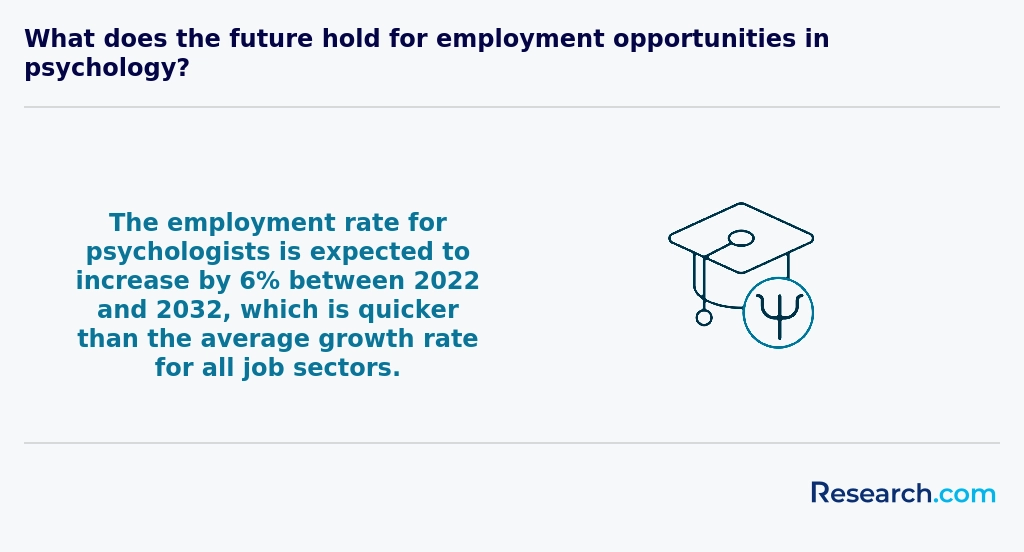
Looking ahead, the demand for psychology professionals is expected to grow, especially in school settings and behavioral health programs tied to federal initiatives. Those pursuing a psychology degree job outlook in District of Columbia can anticipate competitive salaries and meaningful work that addresses pressing societal issues. Many graduates find internship opportunities within the city's public schools or government agencies, which enhances their real-world skills and job prospects after graduation.
Considering the cost and investment in local programs, students benefit from scholarships and financial aid that make pursuing psychology more accessible. If you want to explore which paths align with your interests, learning about the top college majors can offer valuable guidance in shaping your future career opportunities for psychology graduates DC.
Frequently Asked Questions About psychology
Psychology degree students in the District of Columbia can maximize their learning experience by taking full advantage of the city's rich academic and professional resources. Local universities, such as American University and George Washington University, offer access to renowned faculty and research centers focusing on behavioral health and neuroscience. Engaging in internships with nearby federal agencies or mental health organizations can provide practical experience and networking opportunities. According to the Bureau of Labor Statistics, practical experience significantly improves job prospects in psychology fields.
Students should also participate in local psychology associations or conferences to build professional connections. Many programs encourage involvement in research projects, which are critical for deepening understanding and preparing for graduate study.
Emerging niches within psychology reflect both societal needs and advances in research, offering diverse career paths for students in District of Columbia. One significant area is neuropsychology, which examines brain-behavior relationships and is growing due to advances in brain imaging and an aging population. Clinical health psychology is also expanding, focusing on holistic care and chronic illness management. Additionally, forensic psychology gains attention in D.C. because of its proximity to federal agencies, blending psychology with legal systems.
Industrial-organizational psychology remains strong, with a 12% job growth projected nationally by the BLS through 2030, driven by demand for workplace well-being. Emerging fields like environmental psychology and digital mental health are attracting interest but have smaller footprints locally. These niches represent promising options for psychology students seeking specialized careers in the capital region.
Graduates with a psychology degree in the District of Columbia should begin job market preparation by gaining relevant experience during their studies. Internships and volunteer opportunities at local mental health clinics, hospitals, or government agencies provide valuable hands-on skills and networking possibilities.
Licensure is crucial for many psychology careers. In D.C., pursuing a Licensed Clinical Psychologist credential requires completing a doctorate, supervised hours, and passing the Examination for Professional Practice in Psychology (EPPP). Understanding these requirements early helps graduates plan accordingly.
The Bureau of Labor Statistics reports that psychology jobs in D.C. offer a median annual wage above the national average, but competition is strong. Building a portfolio through research projects or additional certifications can improve employability.
Utilizing regional resources like the District of Columbia Psychological Association and local university career centers enhances access to job listings and professional development tailored to the area's psychology field.
Employers in the District of Columbia value psychology graduates who demonstrate strong critical thinking and analytical skills. These abilities are essential for interpreting complex behavioral data and developing effective treatment plans. Communication skills are also highly prized, both for patient interaction and collaboration with other healthcare professionals.
Knowledge of research methods and proficiency in data analysis software are important, reflecting the region's emphasis on evidence-based practices in clinical and organizational psychology. According to the Bureau of Labor Statistics, demand for psychologists in Washington, D.C., is projected to grow by 8% through 2030, underscoring the need for adaptive and well-rounded professionals.
Additionally, cultural competence and ethical decision-making are crucial, given the city's diverse population and regulatory environment. Employers prefer graduates prepared to work with varied communities and uphold strict confidentiality standards.
Finding psychology internships in the District of Columbia involves exploring opportunities at local universities, hospitals, government agencies, and nonprofit organizations. D.C. is home to multiple universities with strong psychology programs that often connect students to internships through their career services. For example, American University and George Washington University provide extensive internship listings tailored for psychology students.
Additionally, federal agencies like the National Institutes of Health and various branches of the Department of Health and Human Services regularly offer internships related to psychological research and practice. The region's focus on mental health care creates abundant placements in clinics and community organizations, which are essential for hands-on experience.
Students can also use online platforms such as Handshake or Psychology Internship Central, which highlight D.C.-specific opportunities. According to the Bureau of Labor Statistics, D.C. has a higher concentration of psychologists per capita compared to the national average, reflecting demand for practical training experiences locally.
A psychology degree in the District of Columbia significantly enhances career mobility and advancement opportunities. The region's diverse economy, which includes government agencies, healthcare, and nonprofit sectors, values psychology professionals for roles in counseling, research, and human resources. According to the U.S. Bureau of Labor Statistics, employment for psychologists in the Washington metropolitan area is projected to grow faster than the national average through 2030.
Higher educational credentials, such as a master's or doctoral degree in psychology, often lead to increased earning potential and access to specialized positions. Local employers frequently require licensure, which depends on accredited degrees and supervised experience.
Furthermore, DC's networks and professional organizations provide ongoing development and connections critical for career growth in this field.
Studying for a psychology degree in the District of Columbia offers unique preparation for interdisciplinary roles by emphasizing collaboration across fields such as public health, social work, and education. Many programs incorporate coursework that covers neuroscience, behavioral science, and policy analysis, which equips students with diverse skills applicable in various sectors.
Moreover, D.C. schools often provide opportunities for internships and research partnerships with federal agencies and nonprofit organizations, fostering practical experience in multidisciplinary teams. According to the National Center for Education Statistics, psychology enrollment in D.C. has grown steadily, reflecting increased demand for professionals who can navigate complex social systems.
This regional focus benefits students aiming to work in healthcare, government, or community services where integrating psychological expertise with other disciplines is crucial.
Choosing between a thesis and a non-thesis psychology degree program in the District of Columbia depends largely on your career goals and academic interests. Thesis programs typically involve conducting original research and writing a substantial paper, which is ideal if you plan to pursue doctoral studies or research-focused careers.
Non-thesis programs usually require additional coursework or a capstone project, suited for students aiming for professional practice or jobs that do not require research experience. According to the National Center for Education Statistics, many DC universities like American University and George Washington University offer both options.
Applicants should consider their learning style, timeline, and faculty expertise available in the local programs before deciding.
Students based in the District of Columbia interested in studying psychology abroad have several avenues to explore through U.S. higher education policies and exchange programs. Many universities in D.C. collaborate with institutions worldwide, allowing psychology students to participate in semester-long or year-long study abroad programs. These experiences often include coursework in clinical, social, or cognitive psychology, aligning with U.S. degree requirements.
The Institute of International Education reports that about 10% of all U.S. students studying abroad pursue psychology or related social sciences, reflecting growing interest. Students can also consider programs accredited by the American Psychological Association, which helps ensure credits transfer smoothly upon return. Scholarships and federal aid may be available to support these international opportunities.
Students pursuing psychology degrees in the District of Columbia have several part-time job opportunities that complement their education while gaining practical experience. Many find roles as research assistants at local universities such as George Washington University or American University, helping with data collection and analysis, essential skills in psychology careers.
Internships and assistant positions at DC-area mental health clinics or nonprofit organizations enable students to engage directly with clients and learn about therapeutic approaches. Additionally, school counseling aide roles in the DC Public Schools system offer valuable exposure to child psychology and educational support.
According to the U.S. Bureau of Labor Statistics, employment in psychology-related fields in DC is expected to grow by 8% through 2031, highlighting strong opportunities for students.
Psychology students in the District of Columbia benefit from diverse networking opportunities due to the area's concentration of academic institutions and professional organizations. Washington, D.C., hosts renowned universities offering psychology programs, which often facilitate student access to research seminars and guest lectures featuring prominent psychologists.
Students can join local chapters of national organizations such as the American Psychological Association (APA). These chapters frequently organize networking events, workshops, and conferences, providing valuable connections to practicing psychologists and academics.
Additionally, internships within government agencies like the National Institutes of Health (NIH) or think tanks based in D.C. offer direct professional experience and networking possibilities. According to U.S. Department of Education data, D.C. schools emphasize experiential learning, enhancing student professional development.
Alumni networks play a significant role for psychology degree students in the District of Columbia by offering critical professional connections. These networks often provide access to internships, job opportunities, and mentorship programs that help students navigate the competitive psychology job market in D.C., where psychology professionals are gaining importance in healthcare and government sectors.
According to the District of Columbia Higher Education Licensing Commission, strong alumni engagement can increase employment prospects by up to 25%. Networking events and online platforms enable current students to learn from graduates who work in local hospitals, research centers, and federal agencies.
Furthermore, alumni networks facilitate collaborations that encourage research and continuing education, enhancing career growth in psychology fields. Students benefit from shared knowledge, resources, and support that increases their chances of success in one of the nation's most dynamic job markets.
Customizing your psychology degree in the District of Columbia allows you to align your education with specific career goals. Many universities offer elective courses, concentrations, or specializations such as clinical, counseling, or forensic psychology. This flexibility helps students target skill sets needed for particular roles. For example, George Washington University provides options in applied psychology fields, enabling focused study on areas like organizational behavior or neuropsychology.
Internships and research opportunities within DC's rich network of hospitals, government agencies, and nonprofits also enhance practical experience, critical for career advancement. According to the Bureau of Labor Statistics, psychology jobs in DC grow faster than the national average, making tailored education valuable.
Additionally, students can pursue certifications or dual degrees to broaden credentials and improve marketability in competitive sectors.
Psychology students in the District of Columbia often face significant academic and financial challenges. The competitive nature of admissions at local universities, such as George Washington University and American University, means students must maintain high GPAs and strong research portfolios to succeed. Additionally, the cost of living in D.C. is among the highest in the US, compounding student debt concerns and influencing decisions about part-time work or internships.
Time management is another challenge, as students balance rigorous coursework, research requirements, and practical training necessary for licensure. According to the Council of Graduate Schools, stress and burnout rates among psychology students nationwide remain high, a trend reflected in DC programs as well.
With a psychology degree in the District of Columbia, graduates can pursue several professional certifications to enhance their qualifications. Common licenses include becoming a Licensed Clinical Psychologist, which requires completing a doctorate, supervised experience, and passing the Examination for Professional Practice in Psychology (EPPP). Other popular certifications involve Licensed Professional Counselor (LPC) and Certified School Psychologist credentials, both requiring relevant state-approved coursework and exams.
The DC Board of Psychology regulates licensure and ensures standards are met. According to the Association of State and Provincial Psychology Boards, the District has over 1,200 licensed psychologists, highlighting competitive professional standards.
Additionally, certifications in specialized fields such as neuropsychology or forensic psychology are available from national bodies, providing further career opportunities.
Writing a winning application for a psychology program in the District of Columbia requires careful preparation. First, highlight your academic achievements and relevant coursework, as programs often seek students with strong foundations in social sciences and biology. Including practical experience, such as internships or volunteer work in mental health settings within DC, can strengthen your profile. According to the National Center for Education Statistics, psychology programs here emphasize research skills, so mention any research projects or papers you have completed.
Strong letters of recommendation from professors familiar with your abilities are crucial. Additionally, tailor your personal statement to reflect your career goals and how a DC-based program will help you achieve them. Ensure your application is error-free and meets all deadlines, as competition can be high in this metropolitan area with several well-regarded universities.
The global perspectives on a psychology career reflect a growing demand for mental health professionals across various countries, including the United States. In the District of Columbia, psychology careers are influenced by the city's diverse population and its role as a policy hub, making cultural competence and adaptability essential skills. According to the U.S. Bureau of Labor Statistics, employment of psychologists is expected to grow by 8% from 2022 to 2032 nationally, driven by increased awareness of mental health issues.
Internationally, psychology applies similarly but may involve different healthcare systems and regulatory standards, which U.S.-trained psychologists should consider when thinking globally. D.C. offers rich opportunities for research and clinical practice reflecting global psychological trends. Institutions emphasize both theoretical knowledge and practical skills to prepare graduates for diverse career paths worldwide.
Students pursuing psychology degrees in the District of Columbia can gain valuable practical experience through internships and research opportunities offered by local universities and institutions. Many D.C. universities, such as American University and George Washington University, provide placements in clinical, counseling, and organizational psychology settings, allowing students to apply theory in real-world environments.
The D.C. area also hosts numerous government agencies and nonprofits focused on mental health, where students can intern to gain hands-on experience. According to the Bureau of Labor Statistics, practical training improves employment prospects by up to 30% in psychology-related fields. Participating in faculty-led research projects is another common way for students to develop skills and build professional networks within the district.
Choosing the right concentration within a psychology degree program in District of Columbia involves considering your career goals and areas of interest. Common concentrations include clinical, counseling, forensic, and developmental psychology. Each specialization offers unique skills and job prospects, from therapy and assessment to working in courts or schools.
District of Columbia hosts several institutions with diverse psychology options, including Georgetown University and George Washington University. According to the Bureau of Labor Statistics, psychology jobs in the D.C. metro area are projected to grow 10% through 2030, influenced by demand in healthcare and social services.
Reflect on your strengths and seek programs that provide strong internship opportunities locally, as hands-on experience is crucial for licensure and employment in D.C.
Related Psychology Rankings for Nearby States
- 2027 Most Popular Psychology Degree Programs Ranking in Idaho
- 2027 Most Popular Psychology Degree Programs Ranking in California
- 2027 Most Popular Psychology Degree Programs Ranking in Nevada
- 2027 Most Popular Psychology Degree Programs Ranking in Arizona
- 2027 Most Popular Psychology Degree Programs Ranking in Colorado
- 2027 Most Popular Psychology Degree Programs Ranking in New Mexico
- 2027 Most Popular Psychology Degree Programs Ranking in North Dakota
- 2027 Most Popular Psychology Degree Programs Ranking in Oklahoma
- 2027 Most Popular Psychology Degree Programs Ranking in Minnesota
- 2027 Most Popular Psychology Degree Programs Ranking in Iowa
Top Trending Psychology Rankings
See What Experts Have To Say About Studying Psychology
Read our interview with Psychology experts

Joann Farrell Quinn, Ph.D., MBA
Psychology Expert
Director at the College of Medicine Department of Medical Education
Morsani College of Medicine

Robin M. Kowalski. Ph.D.
Psychology Expert
Professor of Psychology
Clemson University

Catherine Caldwell-Harris, Ph.D.
Psychology Expert
Associate Professor of Psychology
Boston University

References
- Mental Health Challenges Faced by Psychology Students | The Healthcare Guys https://healthcareguys.com/2023/11/23/mental-health-challenges-faced-by-psychology-students/
- Call for papers https://www.hogrefe.com/us/journal/international-perspectives-in-psychology-research-practice-consultation
- Alumni Perspectives - Meet Our FPN Alumni https://www.aanmelder.nl/alumni-perspectives-june-2023
- What Certifications Can I Get With A Bachelor's In Psychology? https://www.psychology.org/resources/certification-skills-for-psychology-major-resumes/
- Why Get a Psychology Degree Online? | University of Bridgeport https://www.bridgeport.edu/news/reasons-to-get-your-psychology-degree-online/
- Study Psychology Abroad | Go Overseas https://www.gooverseas.com/study-abroad/psychology
- Psychology, B.A. - Trinity Washington University | Washington, DC https://www2.trinitydc.edu/blog/academic_program/psychology-2/
- How to help students cope with mental health challenges https://www.eaie.org/resource/help-students-cope-mental-health-challenges.html
- Online Psychology Degree Programs in District of Columbia https://www.onlinepsychologydegrees.com/states/district-of-columbia/
- Alumni Network - https://efpsa.org/alumni-network/


